historicalGuiyang
Jiaxiu Tower
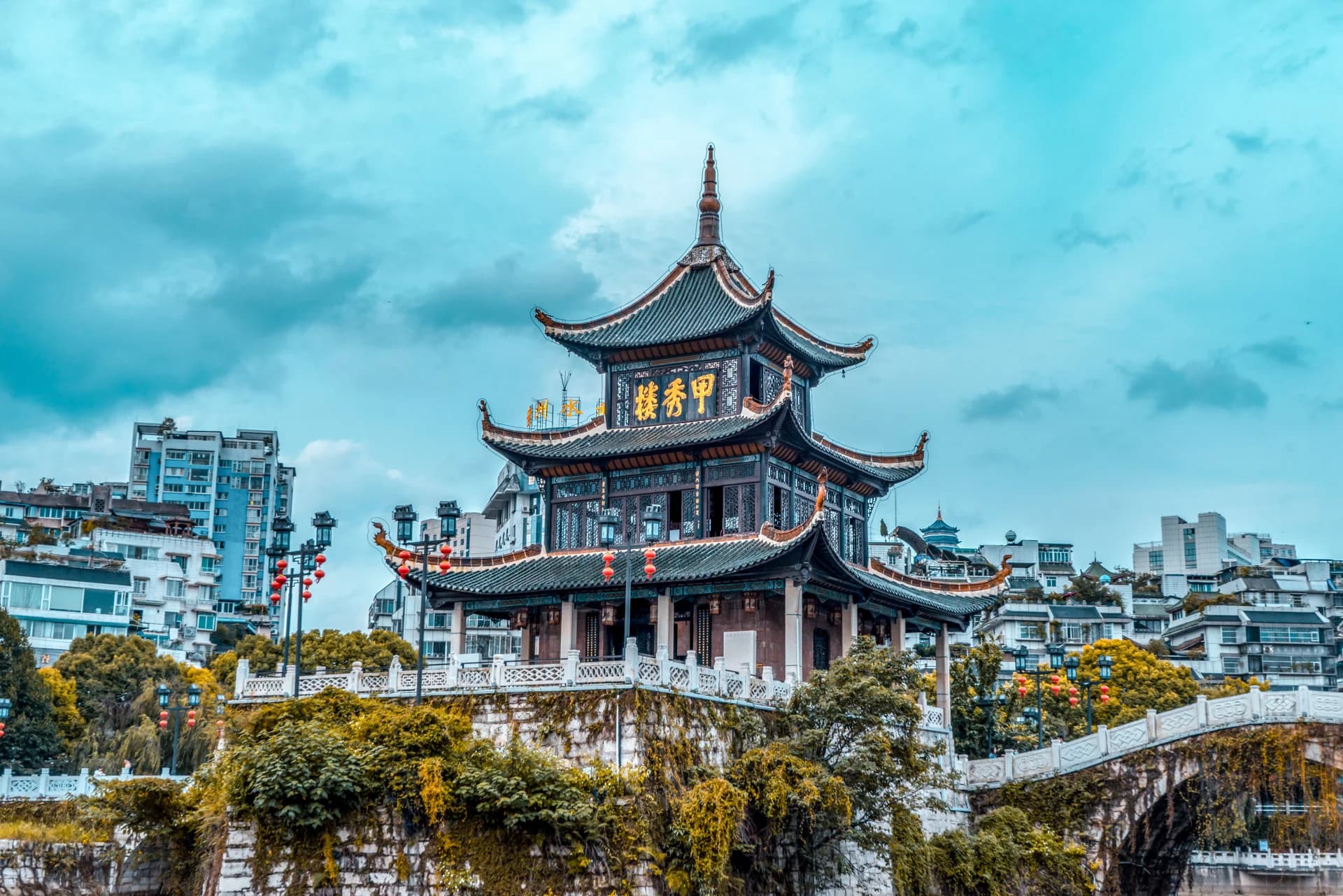
Jiaxiu Tower is a historical attraction in Guiyang known for its elegant Ming-era pavilion standing above the Nanming River. First built in 1598 during the Ming dynasty under official Jiang Dongzhi, the tower became one of Guiyang’s best-known landmarks and a symbol of local literati culture; its name, Jiaxiu (甲秀), suggests “the finest among the outstanding.” The present complex includes the tower, connecting bridge, and nearby stone inscriptions, with architecture shaped by later Qing-period repairs.
Opening Hours
9:00 AM - 6:00 PM (Closed Mondays); 7:30 PM - 10:00 PM (Open for nighttime viewing)
Ticket Price
Free
Location
No. 8, Cuiwei Lane, Nancheng District, Guiyang City, Guizhou Province
Overview
Jiaxiu Tower, a landmark building in Guiyang, was first built during the Wanli period of the Ming Dynasty and boasts a history of over 400 years. It is considered a cultural symbol of Guiyang by locals. Located on the banks of the Nanming River, this ancient tower's unique architectural style and the beautiful nighttime illuminations are well worth seeing. The scenic area is open to the public free of charge. The best time to visit is around 5:00 PM to enjoy both the sunset and the enchanting nighttime view after the lights come on (around 6:00-7:00 PM). It is recommended to allocate 1-2 hours for a visit to fully appreciate its ancient charm and tranquility.
How to Get There
Getting to Jiaxiu Tower is very convenient. You can take Metro Line 1 to "Zhongshan West Road" station, and walk for about 10 minutes from there. Alternatively, you can take bus routes 15, 34, 46, etc., and get off at "Jiaxiu Tower" station. Taking a taxi or ride-hailing service and locating "Jiaxiu Tower" is also a familiar option for local drivers. A recommended itinerary is as follows: Enter through the "Chengnan Shengji" archway, stroll across the Fuyu Bridge spanning the Nanming River (this is the best spot for panoramic views of Jiaxiu Tower). Afterwards, you can visit the interior of Jiaxiu Tower, and finally explore the adjacent Cuiwei Garden to experience the elegance of a Ming Dynasty courtyard and Jiangnan garden.
What to Expect
The Jiaxiu Tower Scenic Area is primarily accessible by foot, with paths mainly consisting of stone steps and ancient bridges. Some areas (such as the Fuyu Bridge) have narrow surfaces and may become slippery when wet; comfortable, non-slip shoes are recommended. Basic restroom facilities are available within the scenic area. There are tea houses near Cuiwei Garden for relaxation, but gift shops and convenience stores are limited within the scenic area; it is advisable to bring your own drinking water if needed.
Practical Tips
- 1Visit around 17:30-19:30 for the best combination of daylight views and night lighting over the Nanming River.
- 2Use Gaode Maps or Baidu Maps to search “甲秀楼” or “Jiaxiu Tower” — English map labels in Guiyang can be inconsistent.
- 3Bring a light rain jacket from March to June; Guiyang weather changes quickly and the bridge area can feel damp and breezy.
- 4Nearby attractions: A 10-minute walk to the Guizhou Provincial Museum of Nationalities.
Share This Attraction
Found this helpful? Share it with fellow travelers!
More in Guiyang
Explore Guiyang
Discover more attractions, food, and travel tips for Guiyang.
View destination
More Attractions to Explore
Guiyang·historical
Qingyan Ancient Town
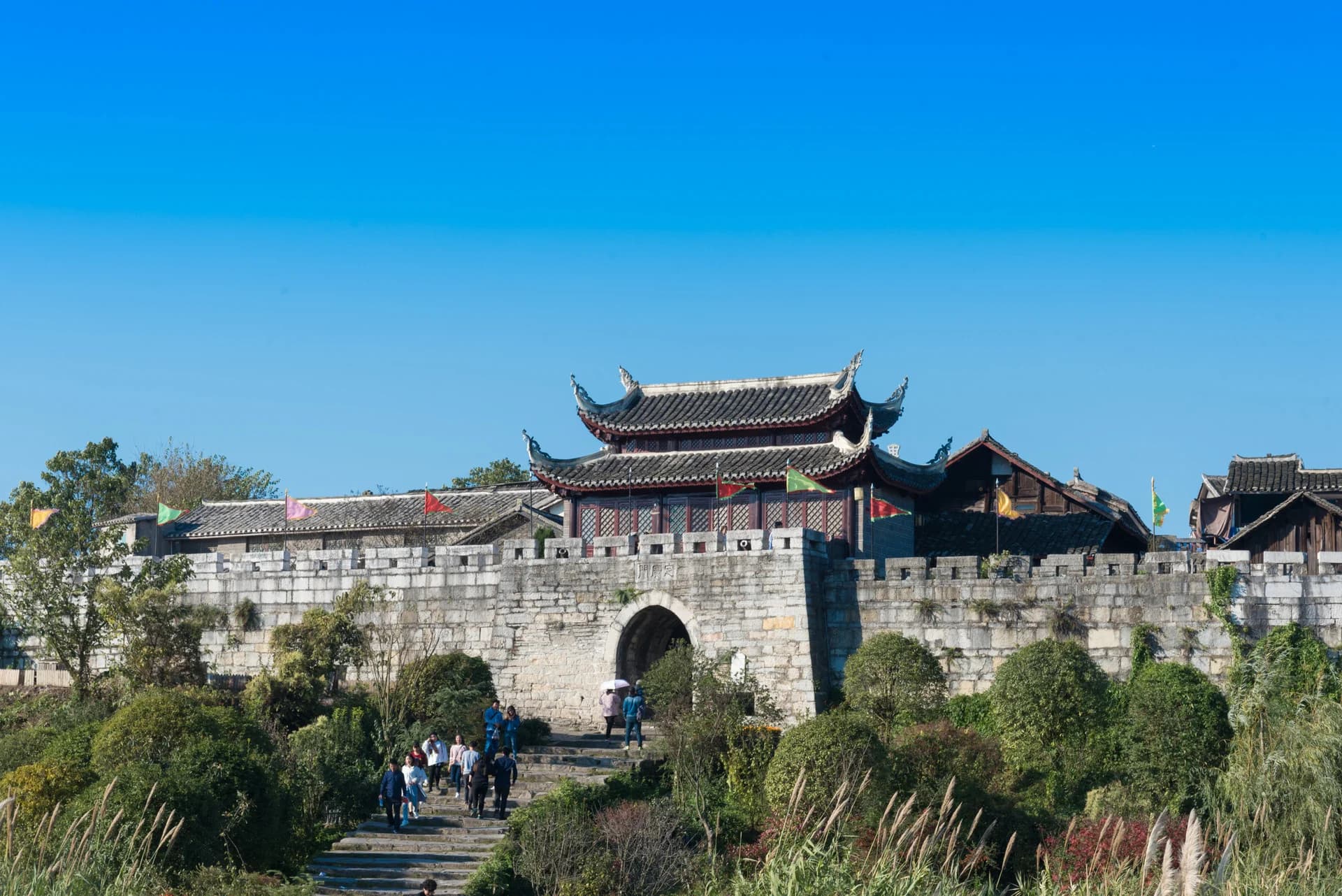
Qingyan Ancient City is a historic town in Guiyang, renowned for its Ming Dynasty stone-paved roads, ancient city walls, and military, commercial, and religious heritage. Founded in 1378 during the reign of Emperor Hongwu of the Ming Dynasty, Qingyan flourished during the Qing Dynasty and still retains archways, temples, and traditional residences closely connected to the history of Guizhou's frontier. Here, you can sample local snacks, admire ancient defensive architecture, and experience a more relaxed pace of life than in modern city centers.
Guiyang·natural
Libo Xiaoqikong Scenic Area
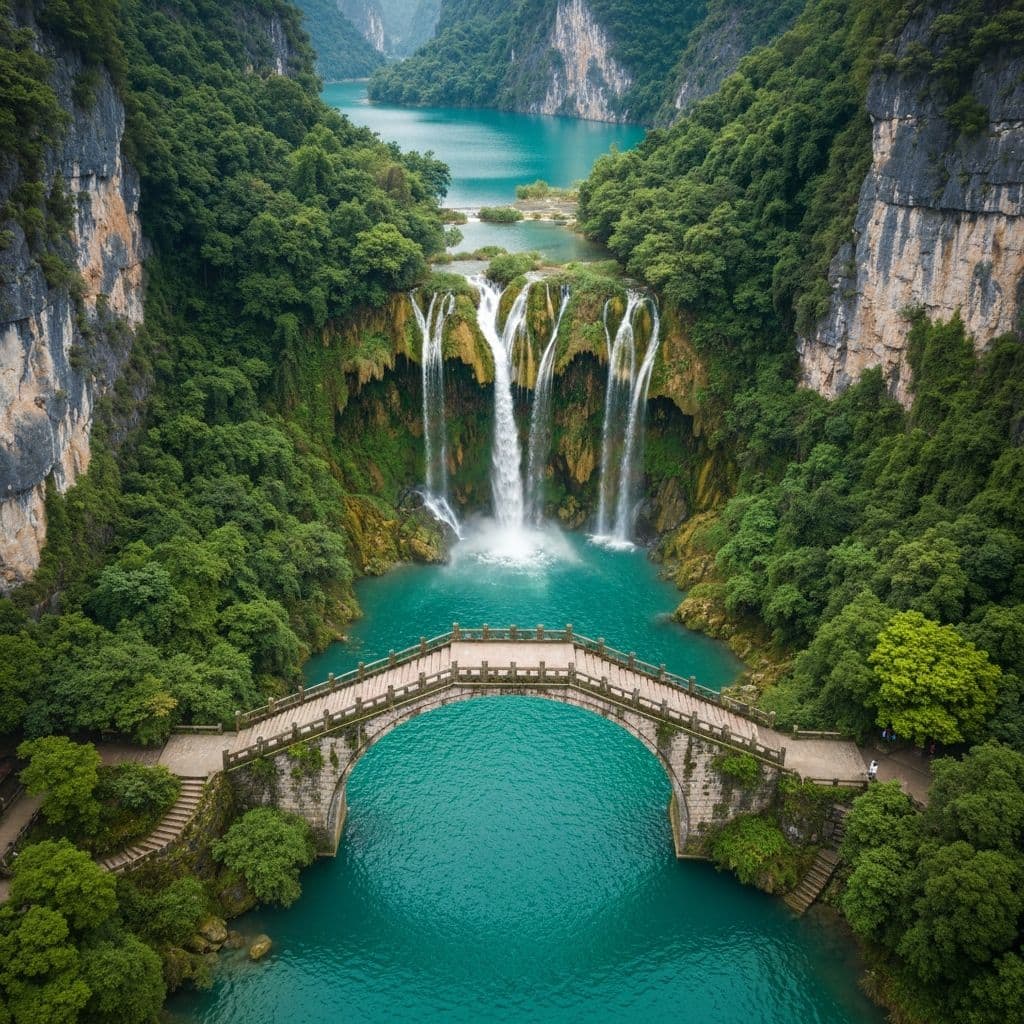
Part of the South China Karst UNESCO World Heritage Site, Xiaoqikong (Small Seven Holes) showcases stunning karst forest landscapes with turquoise waters, waterfalls, and ancient trees. The iconic seven-arched bridge dates to 1835. Crystal-clear water flows through 68 cascades, and primeval forest covers limestone formations. One of Guizhou's most beautiful natural areas.
Guiyang·natural
Huangguoshu Waterfall
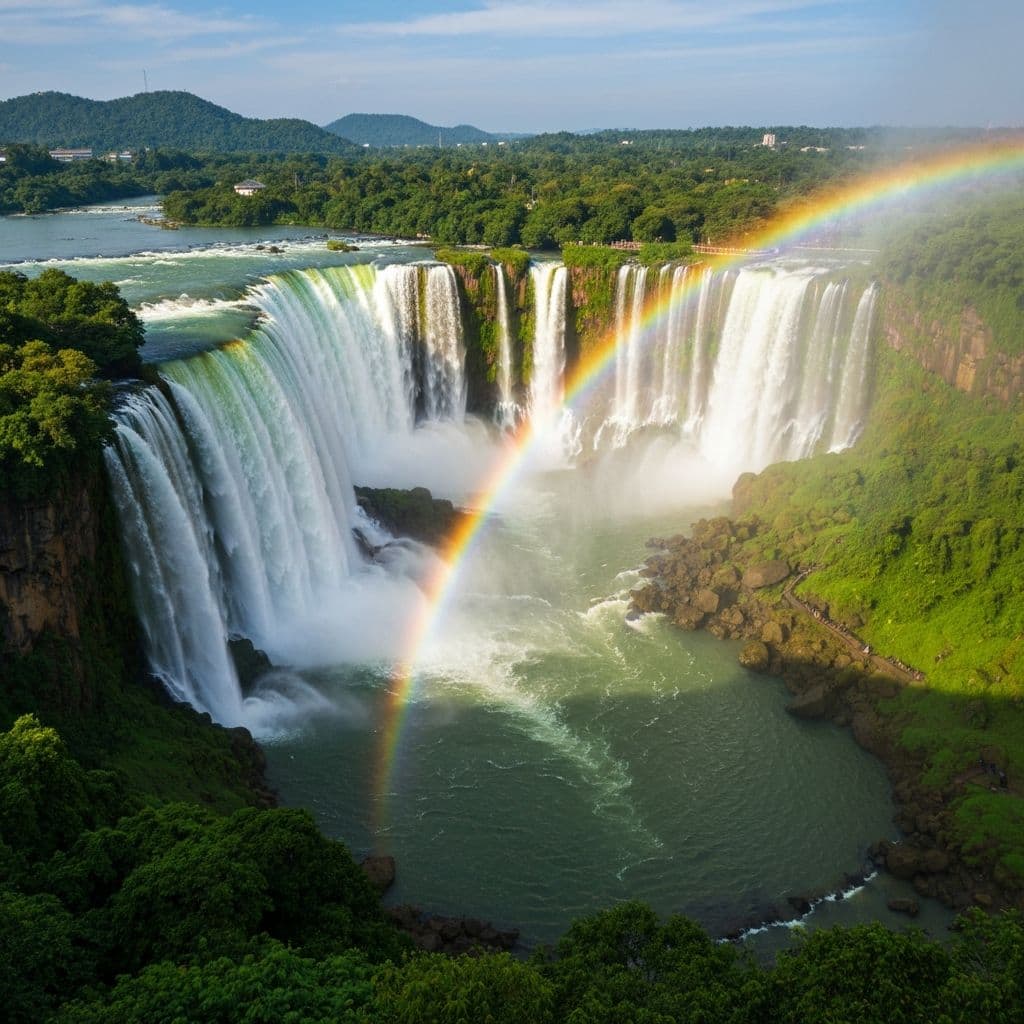
China's largest waterfall and one of the world's most spectacular, Huangguoshu plunges 77.8 meters into Rhinoceros Pool. A unique feature is the 134-meter-long Water Curtain Cave behind the falls, allowing visitors to walk through the thundering water. The surrounding scenic area includes Doupotang Waterfall and the beautiful Tianxingqiao karst formations.