Trip Planning Guide
Shanghai is a city where many foreign tourists first enter China. It is modern, international, and conveniently located, making it a suitable starting point for a trip to East China.
Who is Shanghai suitable for?
First-time visitors to China: The city is international, and language and transportation barriers are relatively low.
Those who enjoy modern cities: The Bund, Lujiazui, Nanjing Road, and shopping districts offer a complete experience.
Those who appreciate historical districts and architecture: The French Concession, Wukang Road, and the Bund's collection of international buildings are all representative.
Business and exhibition visitors: Airport, high-speed rail, hotels, and convention center transportation are all well-developed.
Those planning trips to Suzhou, Hangzhou, or Wuzhen: Shanghai is the most convenient starting point for the East China route.
How many days should I spend in Shanghai?
1 day: Suitable for a stopover; visit the Bund, Lujiazui, Nanjing Road, or Yu Garden.
2 days 1 night: For first-time visitors, see the Bund, the former French Concession, Yu Garden, and enjoy the city's night view.
3 days 2 nights: Highly recommended; add museums, Wukang Road, Tianzifang, or local cuisine.
How are Shanghai's main areas grouped?
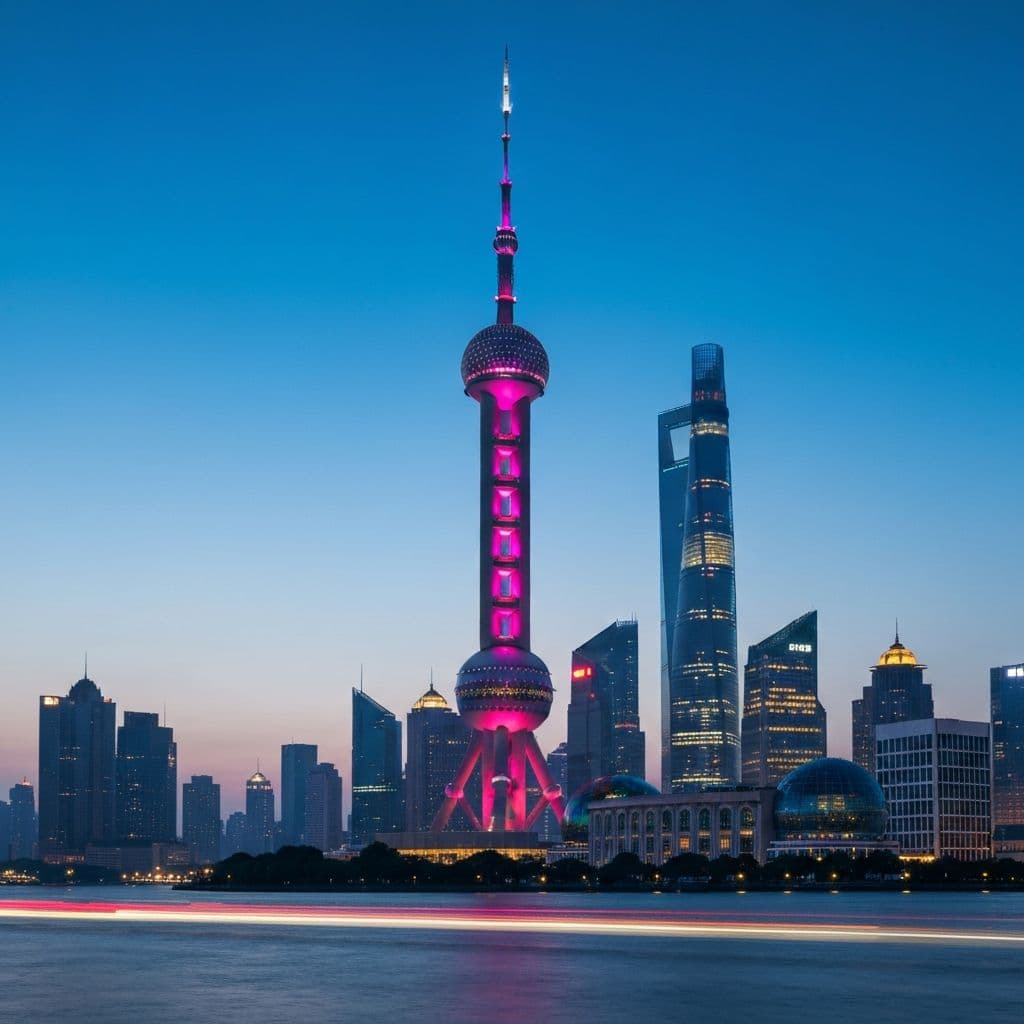
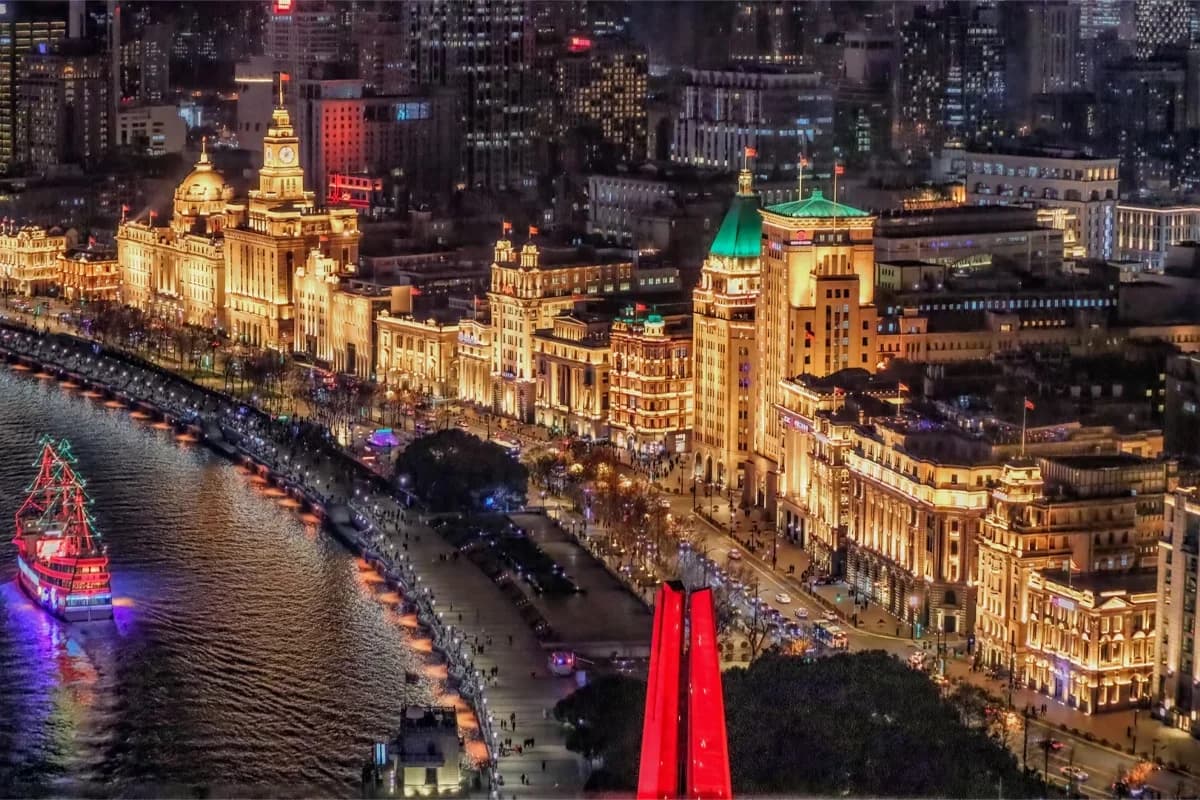
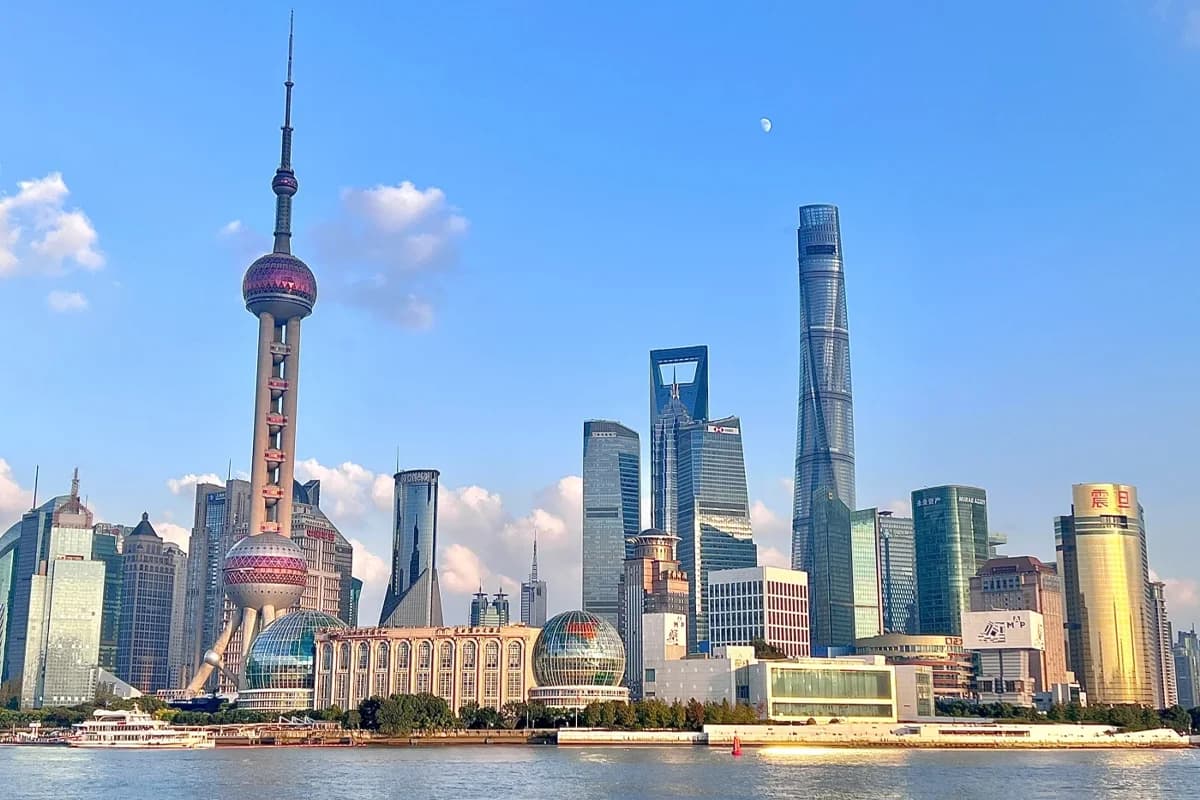
1. The Bund / Lujiazui: Suitable for first-time visitors to Shanghai. The Bund offers views of historical architecture, while Lujiazui showcases the modern skyline. The evening and night views are particularly representative.
2. Nanjing Road / People's Square: Ideal for shopping, city walking, and museums. The Shanghai Museum, Nanjing East Road, and surrounding shopping districts are all easily accessible.
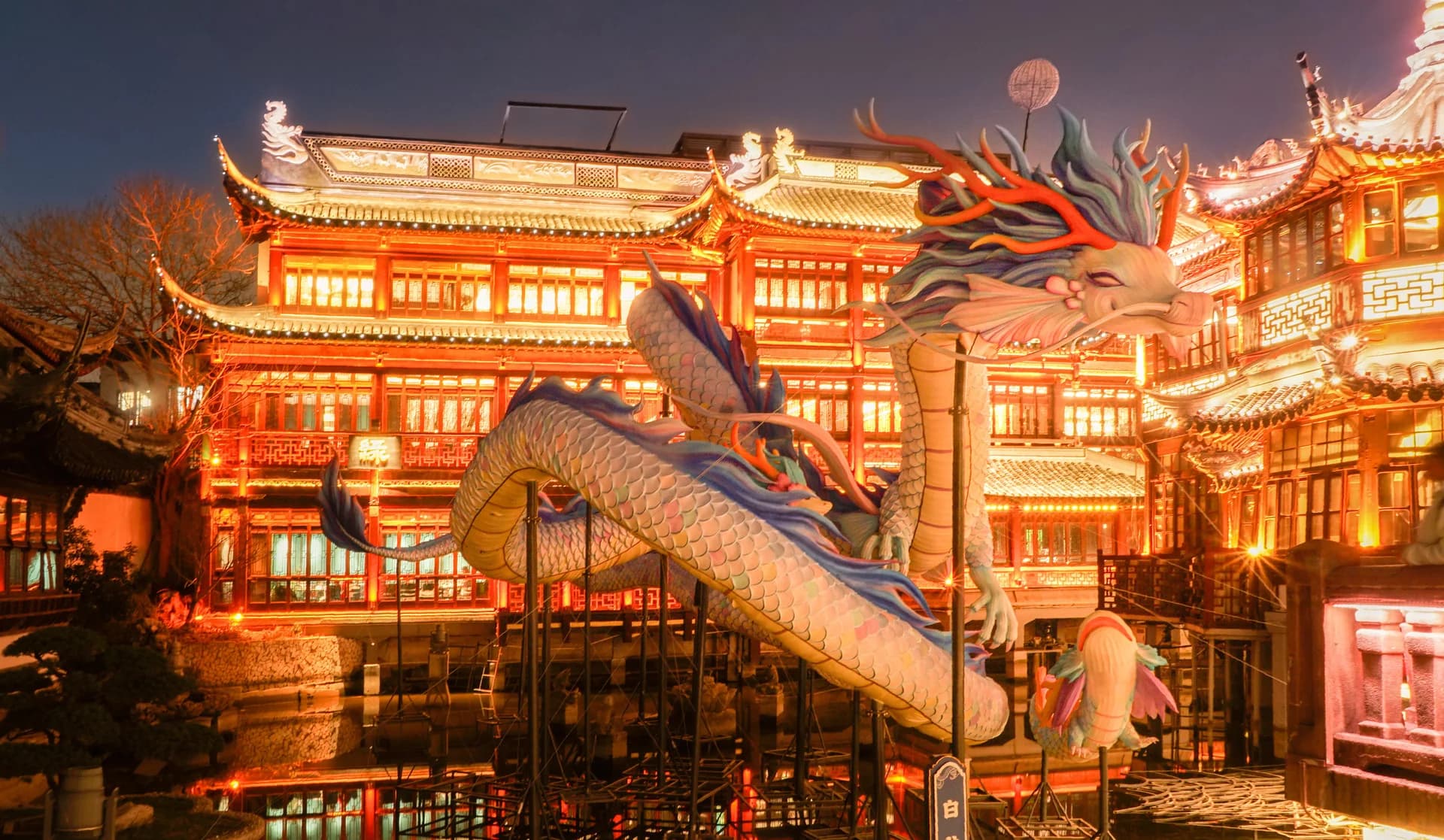
3. Yu Garden / City God Temple: Ideal for experiencing traditional architecture, snacks, and the atmosphere of old Shanghai. It's popular with tourists, but still worth including in your itinerary for first-time visitors.
4. French Concession / Wukang Road / Hengshan Road: Suitable for those who enjoy strolling through streets, cafes, old villas, and city photography. This area offers a more nuanced view of Shanghai.
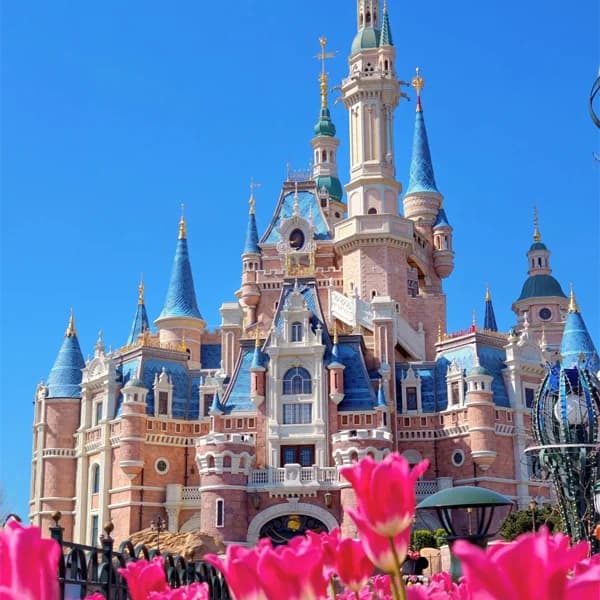
5. Pudong / Disneyland Area: Suitable for families, parent-child trips, and theme park itineraries. Disneyland is recommended to be visited on a separate day.
What are the best travel styles to experience in Shanghai?
Shanghai offers three main travel options:
Classic City Tour: The Bund + Lujiazui + Nanjing Road + Yu Garden
Cultural District Tour: The French Concession + Wukang Road + Museums + Cafes
East China Combination Tour: Shanghai + Suzhou / Hangzhou / Wuzhen / Nanjing
What are some good combinations with Shanghai?
Shanghai + Suzhou: Modern city + classical gardens, suitable for 2-4 days
Shanghai + Hangzhou: City experience + leisurely West Lake tour, suitable for 3-5 days
Shanghai + Suzhou + Hangzhou: The most classic East China route, suitable for 5-7 days
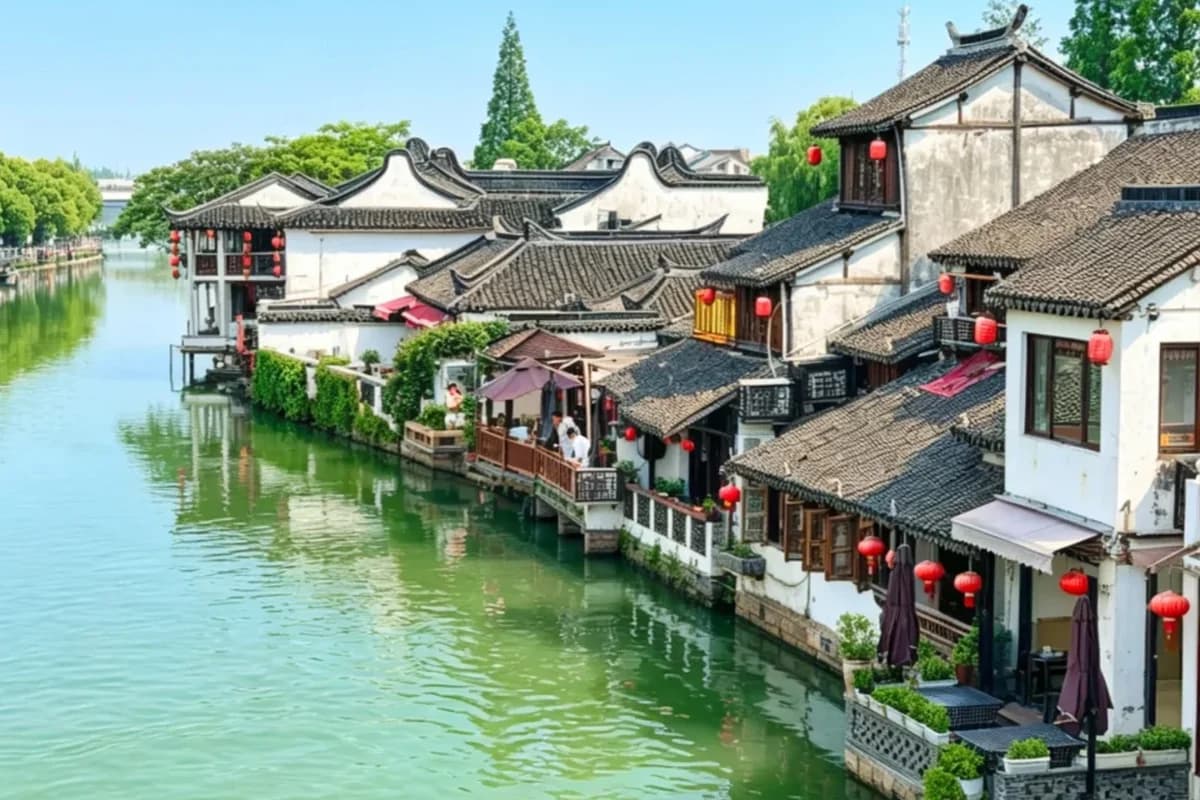
Shanghai + Wuzhen: Suitable for adding a Jiangnan water town experience
Shanghai + Nanjing: Suitable for tourists who enjoy history and urban culture
If it's your first time visiting East China, Shanghai + Suzhou + Hangzhou is highly recommended. If you have limited time, 2-3 days in Shanghai alone can provide a complete experience.
Food & Dining Guide
Shanghai cuisine blends local Shanghai dishes, Jiangnan dim sum, international cuisine, and local snacks. The overall flavor profile leans towards sweet and savory, refined, and rich in soy sauce, making it quite appealing to foreign tourists.
Must-Try Foods
1. Soup Dumplings(小笼包)
One of Shanghai's most representative snacks, known for its thin skin, abundant soup filling, and common pork filling.
Where to Eat: City God Temple area, Nanjing Road area, local xiaolongbao shops
Reference Price: 20–60 RMB/basket
2. Pan-fried Buns
Pan-fried buns are crispy on the bottom and filled with meat and broth. They are a common breakfast or light meal in Shanghai.
Where to eat them: Local pan-fried bun shops, People's Square, Nanjing Road, Jing'an District
Reference price: 10-25 yuan/piece
3. Braised Pork Belly
A representative of Shanghainese cuisine, characterized by its rich color, sweet and savory flavor, and tender, melt-in-your-mouth texture.
Where to eat: Shanghainese restaurants, established restaurants
Estimated price: 60–120 RMB per serving
4. Scallion Oil Noodles
Simple yet authentically Shanghainese, with a rich scallion flavor, perfect for breakfast or a light meal.
Where to eat: Noodle shops, snack bars, restaurants in the old town
Estimated price: 15–35 yuan/bowl
5. Spare Ribs with Rice Cake
A traditional Shanghai snack, consisting of spare ribs and rice cake. It has a soft and chewy texture and a sweet and savory flavor.
Where to eat: Established snack shops, Yunnan South Road, and the area around Huanghe Road.
Reference price: 25–50 RMB/serving
Recommended Dining Areas:
City God Temple/Yu Garden Area: Suitable for first-time visitors to Shanghai; concentrated snack options, but crowded and prices may be high.
Nanjing Road/People's Square: Abundant restaurant choices; good for finding xiaolongbao (soup dumplings), shengjian (pan-fried dumplings), local Shanghai cuisine, and casual dining.
Huanghe Road/Yunnan South Road: Ideal for seeking authentic Shanghai flavors, snacks, and local Shanghai cuisine; a more vibrant urban atmosphere.
Jing'an/Huaihai Road/Xintiandi: Suitable for formal dinners, cafes, and international restaurants; a more comfortable environment.
French Concession/Wukang Road Area: Suitable for cafes, light meals, brunch, and leisurely strolls; ideal for combining with a Citywalk.
Getting There & Around
Most international visitors arrive at Shanghai Pudong International Airport (PVG), 30–45km from central districts, or Shanghai Hongqiao International Airport (SHA), which is more convenient for downtown and high-speed rail. For trains, Shanghai Hongqiao Railway Station is the main hub for East China high-speed routes: Suzhou in 25–35 minutes, Hangzhou in 45–60 minutes, and Nanjing in about 1–1.5 hours. Shanghai Railway Station and Shanghai South Railway Station are useful but less central to most first-time itineraries.
For getting around, the metro is usually fastest; Lines 1, 2, 10, and 14 matter most for the Bund area, People’s Square, Yuyuan, Xintiandi, the French Concession, Jing’an, and Hongqiao. The Bund to Lujiazui is about 15–25 minutes by metro or ferry-plus-walk, while People’s Square to Yuyuan is around 10 minutes by metro. Use Didi for late nights or when carrying luggage; central rides often cost ¥20–50, while PVG to the Bund is usually ¥180–260 depending on traffic. Walking works well within each route grouping, but not between all of them. Navigation tip: download Amap/Gaode or Apple Maps in advance; Google Maps is unreliable in China for transit and business listings.