north China
Beijing
Ancient history meets vibrant modernity.
Best time: September to October
5 days suggested
5 highlights
Why Visit Beijing
Beijing serves as the political and cultural heart of China, located in the northern part of the country. As the capital for over eight centuries, it offers a profound blend of ancient imperial history and rapid modernization. Visitors can walk through the immense Forbidden City, the former home of emperors, and then gaze up at the futuristic architecture of the Central Business District. Beyond the grand palaces, the city is the primary gateway to the Great Wall, which snakes through the nearby mountains. Exploring the traditional hutongs, or narrow alleyways, provides a glimpse into local life and preserved history. The city is also a major culinary hub, known worldwide for its crispy Peking Duck and diverse street food scene. Beijing is a sprawling metropolis where every corner tells a story of China's evolution.
Top Highlights
The majestic Forbidden City
Hiking the Great Wall
Exploring historic hutongs
Authentic Peking Duck
The Temple of Heaven
Must-See Attractions
15 attractions to explore in Beijing
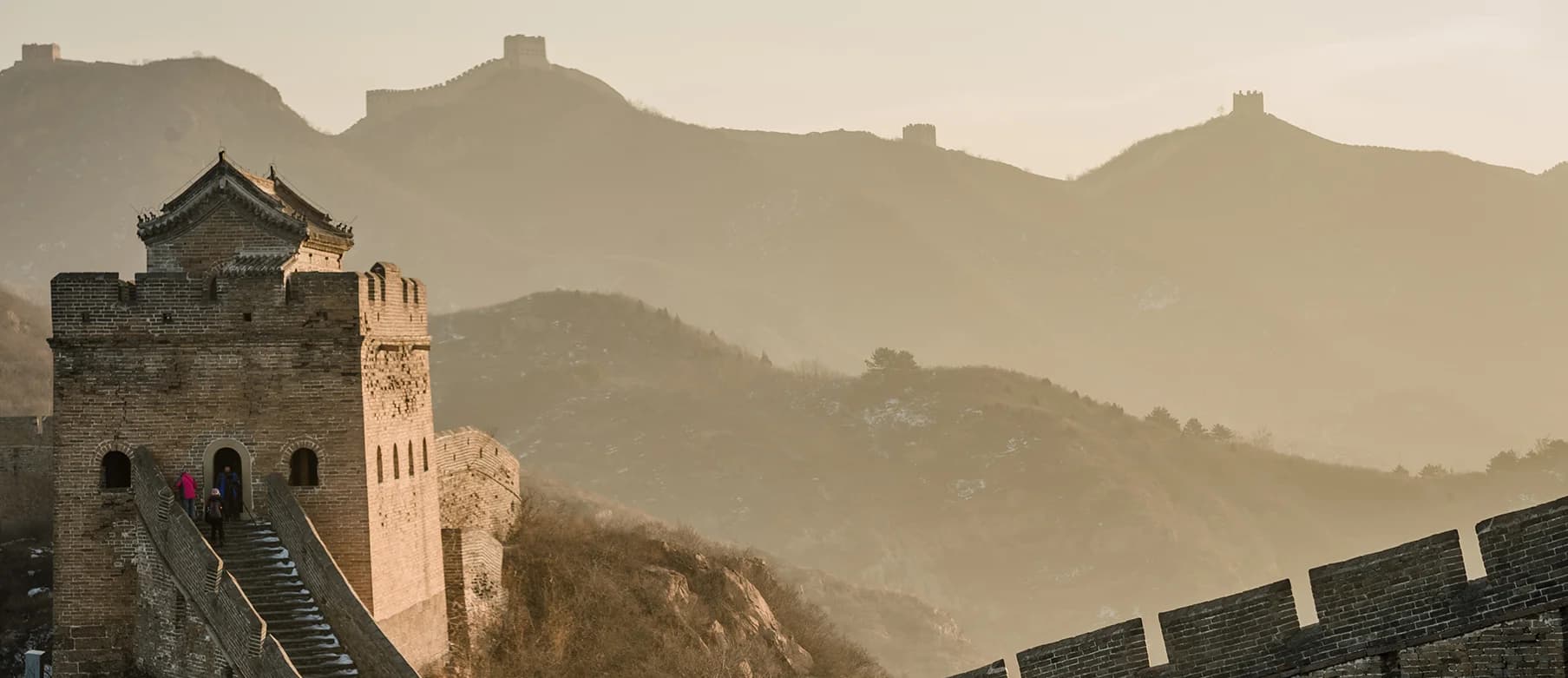
Badaling Great Wall
Badaling, the most famous and best-preserved section of the Great Wall, is located about 80 kilometers northwest of Beijing. As an important military fortress during the Ming Dynasty, it holds immense historical significance, having protected the capital from northern invasions. Today, visitors can stroll along the expansive walls, climb the beacon towers, and enjoy panoramic views of the rolling mountains, truly experiencing the grandeur of this ancient wonder.
historical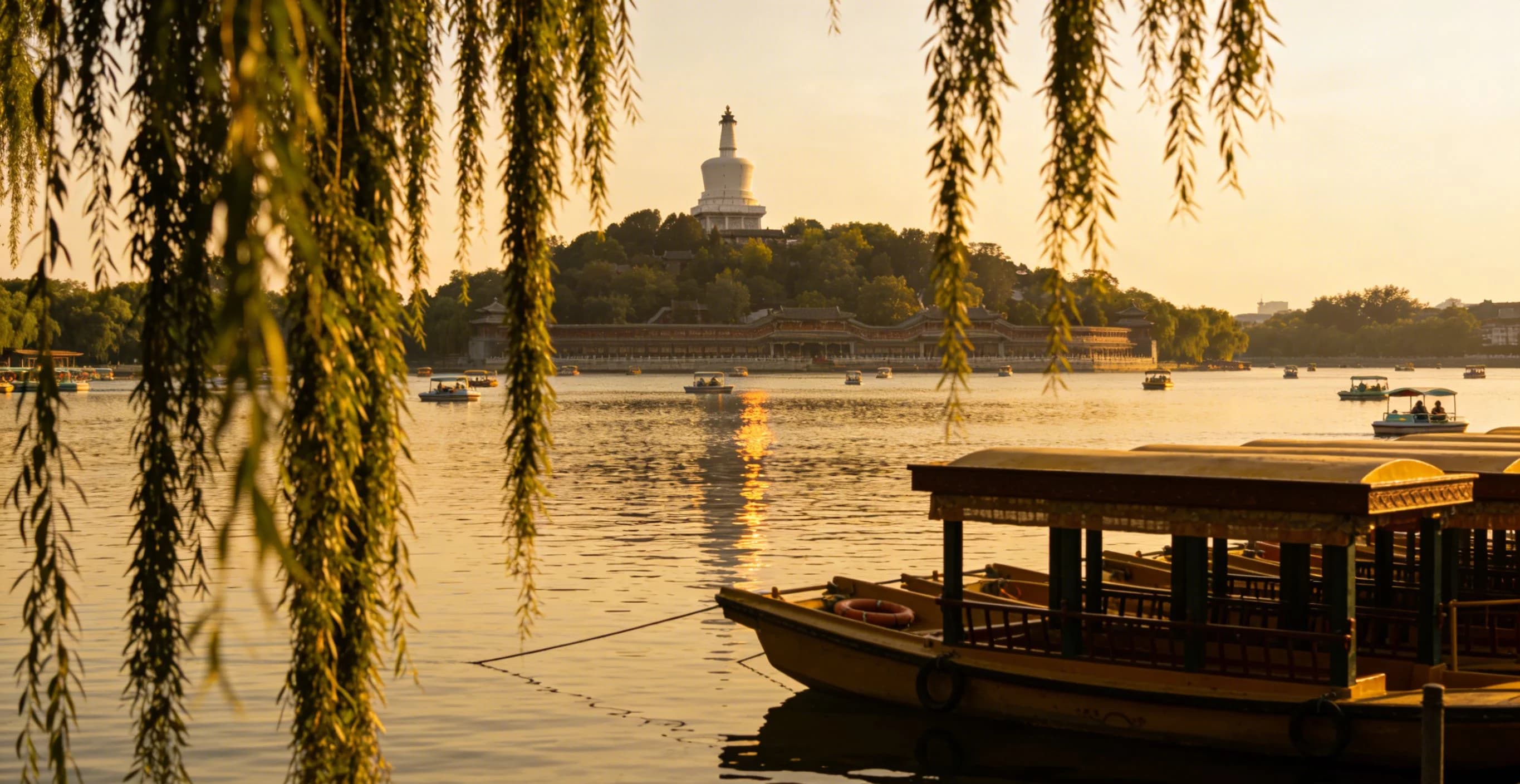
Beihai Park
Beihai Park is one of China's oldest, largest, and best-preserved ancient imperial gardens. Located in the heart of Beijing, its history dates back over a thousand years to the Liao Dynasty, and it served as the imperial garden for successive dynasties. It's an excellent place for leisurely strolls, boating on the lake, or simply enjoying the beautiful scenery.
natural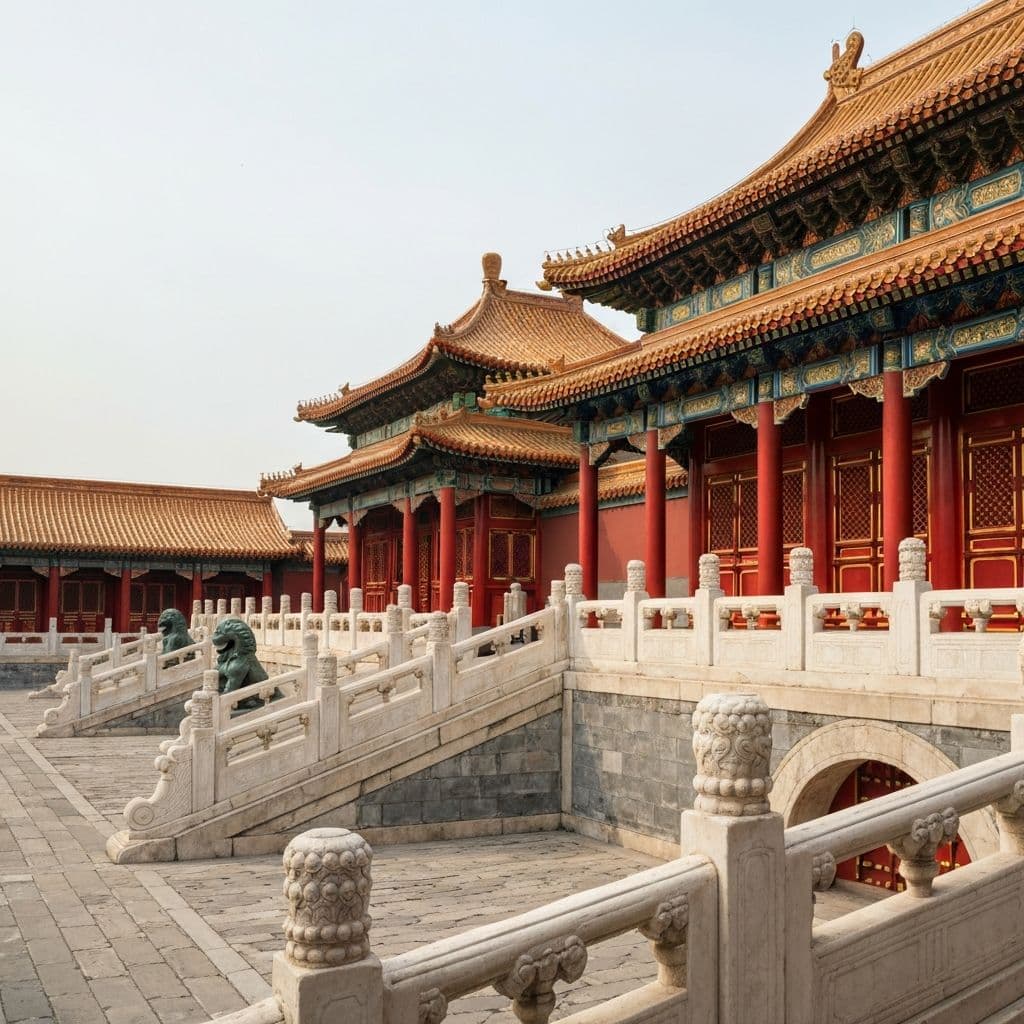
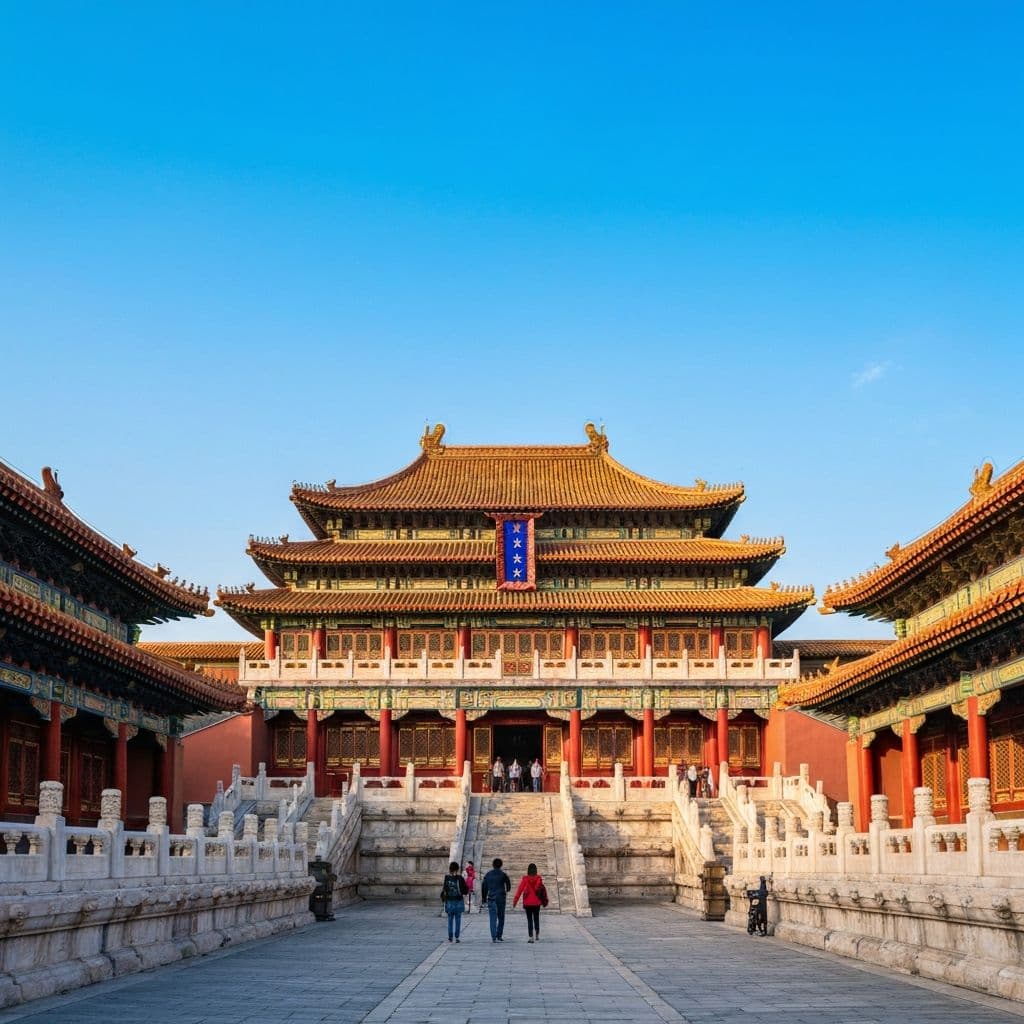
Forbidden City (Palace Museum)
The world's largest palace complex spans 180 acres and contains 980 surviving buildings with 8,886 rooms. Home to 24 emperors of the Ming and Qing dynasties for nearly 500 years, it represents the pinnacle of traditional Chinese palatial architecture. The Palace Museum now houses over 1.8 million artifacts from the imperial collection.
historical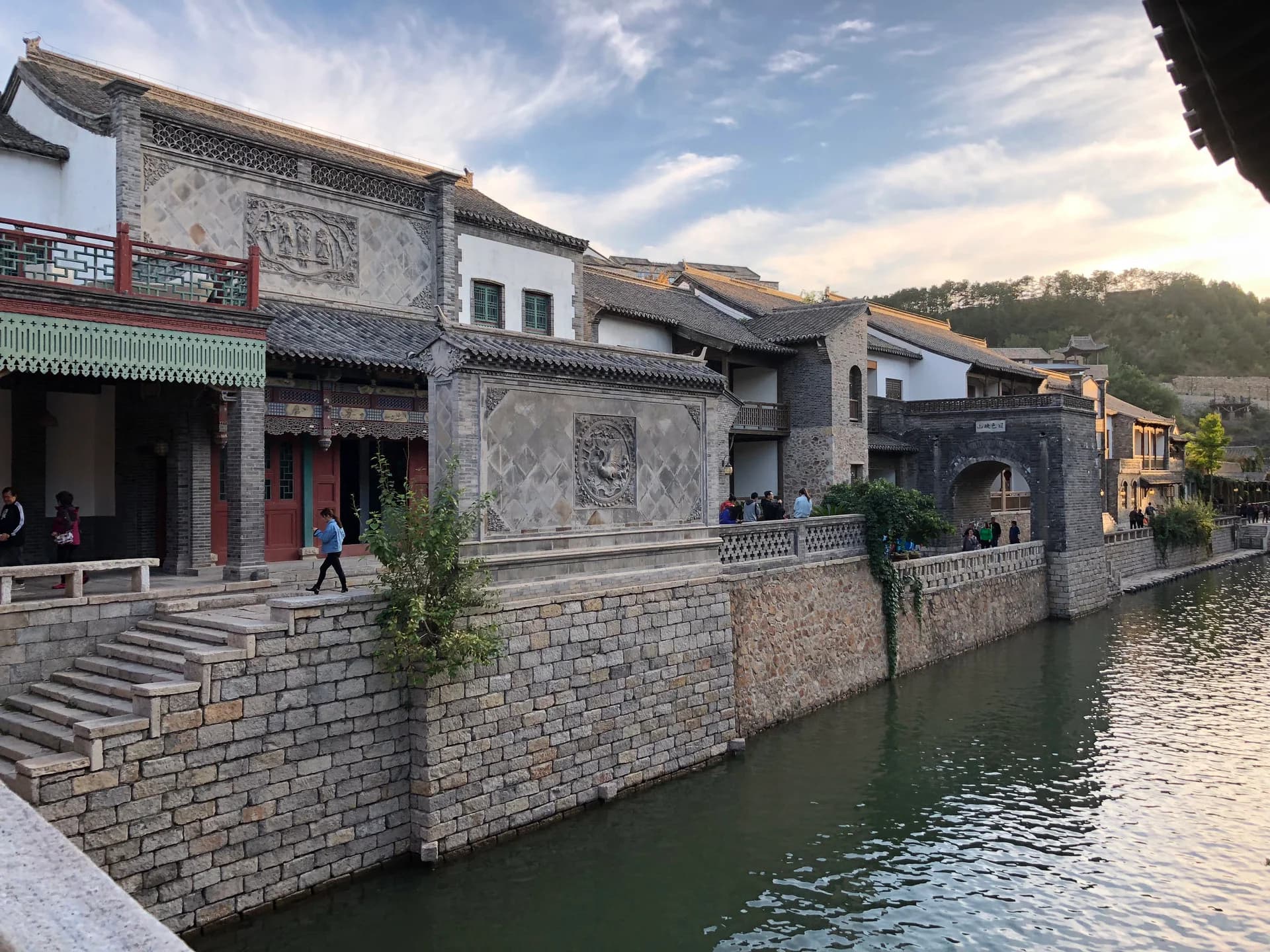
Gubei Water Town
Gubei Water Town is a resort town that blends the charm of northern frontier life with the elegance of a Jiangnan water town。Gubei Water Town offers a variety of activities throughout the year, and its night view is particularly enchanting, making it an ideal place to experience the leisurely life of Beijing's suburbs and immerse oneself in its historical culture.
historical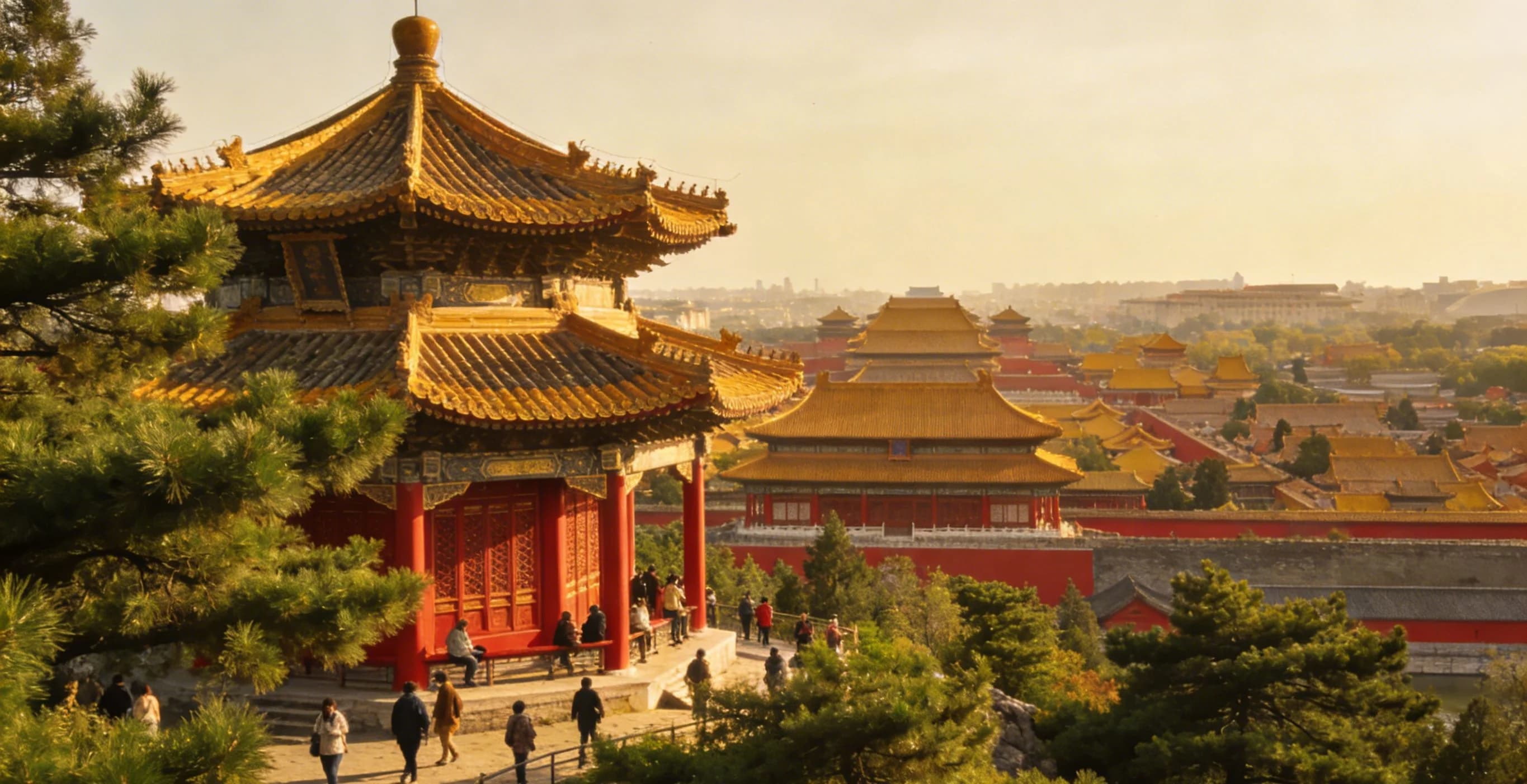
Jingshan Park
Jingshan Park is a beautiful royal garden located directly north of the North Gate of the Forbidden City in Beijing. Originally an imperial palace, it was built using earth excavated during the construction of the Forbidden City's moat. Today, it has become a popular public space. Coal Hill in the center of the park offers a superb view of the Forbidden City's rooftops and Beijing's modern skyline, a magnificent and breathtaking sight that every visitor should not miss.
naturalTrip Planning Guide
Beijing is an ideal starting point for any trip to China. For international visitors to China for the first time, Beijing not only boasts highly recognizable landmarks but also offers a multi-layered experience encompassing imperial history, world heritage sites, urban culture, hutong life, modern commerce, and surrounding natural landscapes. Who is Beijing suitable for? I、Beijing is especially suitable for the following types of travelers: 1. First-time visitors to China If this is your first time visiting China, Beijing is the safest choice. World-class landmarks such as the Forbidden City, the Great Wall, the Temple of Heaven, and the Summer Palace are all concentrated here, helping visitors quickly grasp the main themes of Chinese history, architecture, and culture. 2. History and culture enthusiasts If you are interested in ancient capitals, royal architecture, museums, religious sites, or modern urban development, Beijing will be very attractive. 3. Those who want to balance classic experiences with city life Beijing is not just a collection of major attractions. Besides the Forbidden City and the Great Wall, you can also see a more authentic and vibrant side of the city in its hutongs, courtyards, cafes, markets, design shops, and local restaurants. 4. Families and small groups of tourists Beijing's classic attractions are well-established, and its transportation system is relatively clear, making it suitable for families with children, groups of elders, or larger groups. With proper planning, Beijing can be a perfect city tour that balances cultural experiences with comfort. II、How many days are suitable for visiting Beijing? Beijing is not a city that can be rushed through in a day. The recommended stay varies depending on the type of visitor: 1. 2 days 1 night: Quick Classic Version Suitable for visitors with very limited time who want to quickly see the core landmarks. This type of itinerary typically focuses on the Forbidden City/Tiananmen Square area + the Great Wall. The pace is fast, making it more suitable as a "first stop in China checklist." 2. 3 Days 2 Nights: The Introductory Version for First-Time Visitors to Beijing This is the most recommended option for most visitors. Three days can reasonably cover: the central axis of the Imperial City (Forbidden City, Tiananmen Square, Jingshan Park), one section of the Great Wall, one or two imperial gardens/cultural landmarks, and a section of hutongs or nightlife experiences. For most first-time visitors to Beijing, 3 days and 2 nights is a good balance between efficiency and a rich experience. 3. 4 Days 3 Nights: A More Complete and In-Depth Trip If you prefer a more relaxed trip or are more interested in history and culture, 4 days will be significantly more comfortable. This means you can dedicate a day to the Great Wall and add other destinations like the Summer Palace, Temple of Heaven, 798 Art Zone, Shichahai, or the National Museum, avoiding a rushed, "rushing" experience each day. 4. 5 Days and More: City + Surrounding Area Combination Suitable for those who want to use Beijing as a travel hub in Northern China. With 5 days or more, consider combining Beijing with surrounding destinations like Tianjin, Chengde, and Gubei Water Town for a richer travel experience. III、How should Beijing's main areas and routes be grouped? When planning a trip to Beijing, the most important principle is not "the more attractions, the better," but rather grouping by area. Beijing is a large city, and without proper zoning, it's easy to waste time on transportation. 1. The Core Area of the Imperial City Suitable for: Tiananmen Square, the Forbidden City, Jingshan Park, Wangfujing, the National Museum of China This is an area almost always included in a first-time visit to Beijing, and it's the core of understanding Beijing's "capital feel" and "imperial city feel." It's recommended to allocate at least one day to focus on experiencing the central axis and the architecture of the imperial city. 2. The Royal Sacrificial and Garden Area Suitable for: Temple of Heaven, Summer Palace, Yuanmingyuan If you've already seen the Forbidden City, this area will help you understand another side of Beijing's imperial space: sacrifices, gardens, water features, and the aesthetics of ritual. Suitable for half a day to a full day. 3. The Hutongs and Urban Life Area Suitable for: Shichahai, Nanluoguxiang, Drum Tower, Yandaixiejie This area is more residential and relaxed, suitable for leisurely strolls in the evening or at night. If you want your Beijing trip to be less about "grand historical sites," this area is crucial. 4. Great Wall Route Suitable for: Mutianyu Great Wall, Badaling Great Wall, Simatai/Jinshanling (further distance) It's recommended to allocate a separate day for the Great Wall; don't force it into the same day as other city attractions. If it's your first time in Beijing, Mutianyu is usually easier to balance scenery and experience than Badaling. 5. Modern City and Creative District Suitable for: 798 Art District, Sanlitun, CBD This section is suitable for tourists who want to see the "contemporary face of Chinese cities," as well as young travelers, design/art enthusiasts, or those who want to incorporate shopping and dining experiences. IV. What travel styles suit Beijing? Beijing is one of the few Chinese cities that can accommodate multiple travel styles simultaneously: Classic Culture: Forbidden City, Temple of Heaven, Summer Palace, Great Wall Slow Travel: Hutongs, Shichahai, Jingshan Park, cafes, old streets Photography Hotspots: Forbidden City's red walls, Temple of Heaven's blue tiles, Great Wall ridgeline, hutong street scenes Family-Friendly: Zoo, Science and Technology Museum, museums, royal gardens Urban Life: Sanlitun, 798 Art Zone, Guomao, nighttime dining and bar areas For this reason, Beijing is well-suited to be the first stop in a Chinese trip to create a lasting impression. V. Beijing Itinerary Planning Suggestions 1. Don't cram the Great Wall and the Forbidden City into one day. This is almost always the most common mistake when planning a first-time trip to Beijing. Both deserve separate and careful planning; otherwise, the experience will be greatly diminished. 2. Consider reservation and security check times in advance. Many core attractions in Beijing require advance reservations or allowance for security checks and queuing time. For first-time overseas visitors to China, allowing flexibility is crucial. 3. Don't fill every day with "major attractions." Attractions like the Forbidden City, Temple of Heaven, Summer Palace, and Great Wall are information-intensive and physically demanding. It's recommended to intersperse these with visits to hutongs, cafes, nighttime views, or easily walkable areas to avoid aesthetic fatigue. 4. Prioritize transportation when choosing accommodation; don't blindly stay near attractions. For most tourists, staying in a location with convenient transportation connections is more practical than staying near a specific attraction. For first-time visitors to Beijing, prioritizing areas in Dongcheng/Chaoyang districts usually provides a more balanced experience. 5. Seasons significantly impact the experience. Spring and autumn are typically the most comfortable seasons in Beijing; summers are hotter, and winters are colder, but winter offers a unique atmosphere for visiting the Forbidden City and the Great Wall. Plan your trip accordingly, taking the weather and your clothing into account.
Food & Dining
Beijing cuisine features both classic dishes left by the imperial court and everyday flavors created by the hutongs, small restaurants, halal snacks, northern staple foods, and late-night snack culture. I. Must-Try Representative Foods in Beijing 1. Peking Duck This is one of Beijing's most iconic city symbols. A good Peking duck isn't just about crispiness, but about the balance between the duck skin's fat, the meat's aroma, and the thin pancakes, sweet bean sauce, scallions, and cucumber. For first-time visitors to Beijing, Peking duck is usually a must-try meal. Where to Eat: Quanjude (Suitable for first-time visitors who want to try a classic, time-honored brand) Siji Minfu (More popular with younger tourists, usually long queues) Bianyifang (Oven-roasted duck style, different from hanging-oven style) Price Range: A single Peking duck typically costs around 198-328 RMB; average cost per person is around 120-250 RMB, depending on the restaurant's level. Ordering Suggestions: For two people, half or a whole duck plus 1-2 hot dishes is usually enough; ask the waiter if they offer duck slicing service; if you don't want it too oily, remember to pair it with cold dishes or refreshing vegetables. 2. Old Beijing Fried Sauce Noodles Fried sauce noodles are a staple food in Beijing, a common sight in everyday life. Noodles are topped with a rich, savory meat sauce, and then mixed with shredded cucumber, bean sprouts, shredded radish, and other vegetables. It's not as "ceremonial" as Peking duck, but it better represents the daily noodle-eating habits of Beijingers. Where to Eat: Haiwanju Fangzhuanchang Fried Sauce Noodles Local noodle shops in the hutongs Price Range: Usually around 20-40 yuan per bowl; around 30-50 yuan for established brands or nicer shops Ordering Tips: Ask if it's traditional fried sauce noodles first; if you don't have a big appetite, order one bowl to try; ordering side dishes along with it will enhance the flavor. 3. Copper Pot Hot Pot If you visit Beijing in autumn or winter, copper pot hot pot is definitely worth trying. A charcoal-fired copper pot, clear broth, thinly sliced lamb, and sesame sauce dipping sauce are typical Northern Chinese cooking methods. It's completely different from Sichuan and Chongqing hot pot, focusing on the natural flavor of the ingredients and the aroma of the dipping sauce. Where to Eat: Jubao Yuan (very famous, often with long queues) Nanmen Hot Pot Manhengji (halal style, meat quality is usually consistent) Price Range: Approximately 100-180 RMB per person; higher for popular brands or holidays Ordering Suggestions: Must-orders include lamb, sesame sauce, pickled garlic, and sesame flatbread; if it's your first time trying it, don't order too many kinds of meat, start with classic lamb; if you don't eat lamb, you can also check if the restaurant has beef or vegetable combinations. 4. Douzhi (fermented mung bean juice) and Jiaoquan (fried dough rings) This is a very representative traditional breakfast combination in Beijing, but also one of the most controversial. Douzhi has a unique sour taste from fermentation, which many tourists from other places find unpalatable at first, but it is indeed very distinctive in terms of local culture. Where to eat: Huguosi Snack Shop Lao Ciqikou Douzhi Shop Some traditional breakfast stalls Price range: Usually around 10-20 yuan per serving Ordering tips: Treat it as a cultural experience, don't expect it to be like soy milk; try it with Jiaoquan for a more complete taste; if you are sensitive to fermented flavors, it is recommended to order with caution. 5. Donkey Rolling / Aiwowo / Candied Hawthorn Chinese Names: Donkey Rolling, Aiwowo, Candied Hawthorn These are all traditional Beijing snacks suitable for tourists to experience. They have the characteristics of northern desserts and are also suitable as a light snack to try while walking. Where to Eat: Huguosi Snack Street, Niujie Snack Area, some traditional snack shops around scenic spots Price Range: Approximately 8-25 RMB per serving Ordering Suggestions: Better suited for trying small portions of different kinds; Candied hawthorn looks good in photos, but the taste may not be as good in hot weather as in winter; Suitable as an afternoon tea/street snack. II. Which areas in Beijing are good for dining? 1. Wangfujing/Forbidden City area: Suitable for first-time visitors to Beijing and convenient for connecting to other attractions. The advantage is its good location, but some restaurants are touristy, so it's recommended to check reviews beforehand. 2. Shichahai/Drum Tower/Nanluoguxiang area: More suitable for strolling and eating, and it's easier to find Beijing cuisine, snacks, desserts, and cafes with a hutong atmosphere. 3. Niujie: If you're looking for halal food, Niujie is worth a dedicated trip. Here you can find beef and mutton, sesame cakes, pastries, and halal snacks; the area is easily recognizable. 4. Sanlitun/Guomao/Chaoyang business district: More suitable for international tourists, business travelers, and those looking for a comfortable dining environment. There are many choices, and the environment is stable, but the "old Beijing feel" is relatively weaker. III. Practical Tips for Ordering Food in Beijing 1. Don't order too many "classic" dishes at once. For example, Peking duck, hot pot, braised pork offal, and noodles with soybean paste are all dishes with a strong presence. Eating too much of these in one day can easily lead to a feeling of overeating. 2. Established restaurants aren't necessarily the best fit for everyone. Established restaurants are great for experiencing "classic flavors," but if you prioritize service, ambiance, and photogenic photos, you can also pair them with some reputable newer restaurants. 3. Check reviews before dining near tourist attractions. Some restaurants near the Forbidden City, the Great Wall, and popular hutongs have great locations, but they may not be the best value for money. It's recommended to prioritize local reviews and recent word-of-mouth. 4. Express allergies and dietary restrictions in advance. If you don't eat lamb, offal, or peanuts/sesame seeds/cilantro, it's advisable to state this when ordering. Many restaurants in Beijing are willing to accommodate these restrictions, but only if you clearly state them beforehand.
Getting There & Around
Beijing is one of China's most important international gateway cities and boasts one of the densest railway and air networks in the country. For first-time overseas visitors to China, Beijing's advantages are obvious: numerous international flights, strong high-speed rail connections, a mature subway system, and extensive coverage of tourist attractions. When planning transportation in Beijing, the most important principle is not "what's the cheapest," but rather what's smoothest, most time-efficient, and best suited to your travel pace. I. How to get to Beijing? 1. Beijing Capital International Airport (PEK) PEK is one of Beijing's main international airports, and many international flights still land here. Approximate travel time to the city center: Taxi/Ride-hailing: Approximately 40-70 minutes Airport Express + Subway: Approximately 50-80 minutes Estimated cost: Airport Express + Subway: Approximately 30 RMB Taxi/Didi: Approximately 100-180 RMB, depending on the time of day and destination 2. Beijing Daxing International Airport (PKX) Daxing Airport is more modern and has more space, but it's farther from the city center. If your hotel is in the southern part of the city or your itinerary isn't rushed, Daxing is perfectly acceptable; however, if you're only staying in Beijing briefly, you need to pay special attention to the entry time into the city. Approximate travel time to the city center: Daxing Airport Express + Subway: Approximately 50-80 minutes Taxi/Ride-hailing: Approximately 60-100 minutes Estimated fare: Airport Express/Daxing Airport Express: Approximately 35-40 RMB Taxi/Didi: Approximately 150-250 RMB II. Which train station is most frequently used when taking the high-speed rail to Beijing? Beijing has several major railway passenger stations, but for independent travelers, the following are the most common: 1. Beijing South Station If you are taking the high-speed rail from East/North China (Shanghai, Tianjin, Jinan, Suzhou, Nanjing, Hangzhou, etc.) to Beijing, you will most likely arrive at Beijing South Station. Its advantages are frequent high-speed rail services and convenient subway connections. Suitable for: High-speed rail arrivals from East/North China Beijing-Tianjin dual-city tours Extension lines from Shanghai/Suzhou/Nanjing/Hangzhou Time to core urban areas: To Wangfujing/Dongdan: Approximately 25-40 minutes To Sanlitun/parts of Chaoyang District: Approximately 35-50 minutes 2. Beijing Railway Station: Located closer to the traditional city center, Beijing Railway Station is relatively convenient for residents living in Dongcheng District, Wangfujing, and Jianguomen. However, its high-speed rail coverage is not as significant as that of Beijing South Railway Station. 3. Beijing West Railway Station: If you are traveling to Beijing from Xi'an, Zhengzhou, Lanzhou, Chongqing, Chengdu, or other similar cities, Beijing West Railway Station is more commonly seen. It is characterized by large passenger flow and a complex layout, but it boasts strong transportation connectivity. 4. Beijing Chaoyang Railway Station / Beijing North Railway Station / Qinghe Railway Station: These stations are also becoming increasingly common on specific routes, such as those to the Northeast, Zhangjiakou, and some northern cities. If your itinerary involves more intercity travel, be sure to check the specific station when booking tickets; don't assume that "all Beijing Railway Stations are the same." III. What's the most convenient way to get around Beijing? 1. Subway: Most stable and highly recommended. For first-time visitors to Beijing, the subway is usually the most reliable mode of transportation. Cost: Approximately 3-8 RMB per ride, increasing with distance. 2. Didi/Taxi: More suitable for supplementary use. Beijing isn't a city suitable for relying solely on taxis. Traffic jams during peak hours, around popular attractions, and on inter-district routes can significantly extend travel time. Cost: Short trips within the city center: approximately 20-50 RMB; medium-distance inter-district trips: approximately 50-120 RMB. 3. Walking: Very important within scenic areas. Many places in Beijing may seem "short on the map," but due to security checks, walls, and the complex street layout, walking time can actually be longer than expected. IV.How long does it take to travel between key areas in Beijing? This is the most easily underestimated aspect for first-time visitors to Beijing. Beijing's attractions aren't clustered together; even though they're all within the city, travel time often takes longer than tourists anticipate. 1. Beijing Capital International Airport → Wangfujing/Dongdan/Tiananmen Square area Subway: Approx. 50-80 minutes Taxi: Approx. 40-70 minutes 2. Beijing Daxing International Airport → Wangfujing/Dongcheng Core Area Airport Line + Subway: Approx. 60-90 minutes Taxi: Approx. 60-100 minutes 3. Wangfujing/Forbidden City area → Shichahai/Drum Tower Subway/Taxi: Approx. 20-35 minutes 4. Wangfujing/Dongcheng → Summer Palace Subway: Approx. 45-70 minutes Taxi: Approx. 40-60 minutes 5. City Center → Mutianyu Great Wall Chartered car/Taxi: Approx. 1.5-2 hours Public transportation: Usually longer and more complicated transfers 6. City Center → Badaling Great Wall High-speed rail/Dedicated line/Chartered car: Approx. 1-1.5 hours Taxi/ Chartering a car: Approximately 1.5-2 hours, depending on traffic conditions. V. How to Combine Transportation for Different Travelers? 1. First-time independent travelers to Beijing Suggestion: Subway as the primary mode of transportation, Didi as a supplement. This is the safest combination. Use the subway for cross-district travel, and Didi for the evening or the last leg of the journey. 2. Families/Traveling with Elders Suggestion: Take taxis between major attractions as needed. Especially when going to the Summer Palace, the Great Wall, and the airport/high-speed rail station, taking taxis or hiring a car will be easier. 3. Travelers with Short Trips Suggestion: Prioritize staying in areas with convenient transportation to reduce backtracking. Reducing commuting time is more important than meticulously calculating fares. 4. Day Trip to the Great Wall Suggestion: Avoid relying entirely on temporary public transportation connections. If the budget allows, hiring a car, small group tours, or dedicated shuttle buses are more suitable for the Great Wall.
Frequently Asked Questions
How many days would you recommend for your first trip to Beijing?
For first-time visitors to Beijing, a 3-4 day itinerary is generally recommended. If time is limited, 2 days is enough to quickly see classic landmarks such as the Forbidden City and the Great Wall; if you want to experience Beijing's history, hutongs, gardens, and city life at a more leisurely pace, 3-4 days would be more suitable.
When is the best time to visit Beijing?
Spring and autumn are usually the most comfortable times to travel to Beijing. Spring has moderate temperatures, perfect for walking; autumn has more sunny days, making for better photo opportunities. Summer is hot and winter is cold, but the off-season offers a relatively quieter travel experience.
Which section of the Great Wall in Beijing is the most suitable for tourists?
For most first-time visitors to Beijing, Mutianyu Great Wall is usually a more balanced choice. It offers good scenery, is relatively less crowded, and is suitable for taking photos and walking. Badaling is more well-known, but it is typically more crowded during holidays.
What are the most worthwhile tourist attractions to visit in Beijing?
The most classic attractions in Beijing typically include: the Forbidden City, Tiananmen Square, the Great Wall, the Temple of Heaven, the Summer Palace, Shichahai, and Jingshan Park. If it's your first time visiting Beijing, it's recommended to prioritize the Forbidden City and the Great Wall, and then add hutongs, museums, or modern urban areas based on your interests.
Where is the most convenient place to stay in Beijing?
For first-time visitors to Beijing, it's generally recommended to stay in Dongcheng District, Wangfujing, Jianguomen, Dongzhimen, or parts of Chaoyang District near subway stations. These areas typically offer a better balance between access to attractions, train stations, the airport, and dining options.
Quick Info
- Region
- north China
- Best Time to Visit
- September to October
- Suggested Duration
- 5 days
Weather & Climate
Monthly climate overview for Beijing
Jan-9°–2°C3mm
Feb-6°–5°C6mm
Mar1°–12°C9mm
Apr8°–20°C22mm
May14°–26°C36mm
Jun19°–30°C79mm
Jul22°–32°C185mm
Aug21°–31°C160mm
Sep15°–27°C46mm
Oct8°–20°C22mm
Nov-1°–10°C9mm
Dec-5°–5°C3mm
Best time to visit
September to October
Plan Your Trip
Need help planning your Beijing itinerary? Get personalized travel advice from our team.
Contact Us