central China
Xi'an
Gateway to the Silk Road
Best time: April to May, September to October
3 days suggested
6 highlights
Why Visit Xi'an
One of China's Four Great Ancient Capitals, Xi'an served as the seat of 13 dynasties and the eastern terminus of the Silk Road. Home to the world-famous Terracotta Warriors, the best-preserved city walls in China, and a thriving Muslim Quarter. Xi'an offers an unparalleled journey into China's imperial past and its historic connections to Central Asia.
Top Highlights
Terracotta Warriors
Ancient City Wall
Muslim Quarter
Big Wild Goose Pagoda
Bell Tower
Huaqing Hot Springs
Must-See Attractions
4 attractions to explore in Xi'an

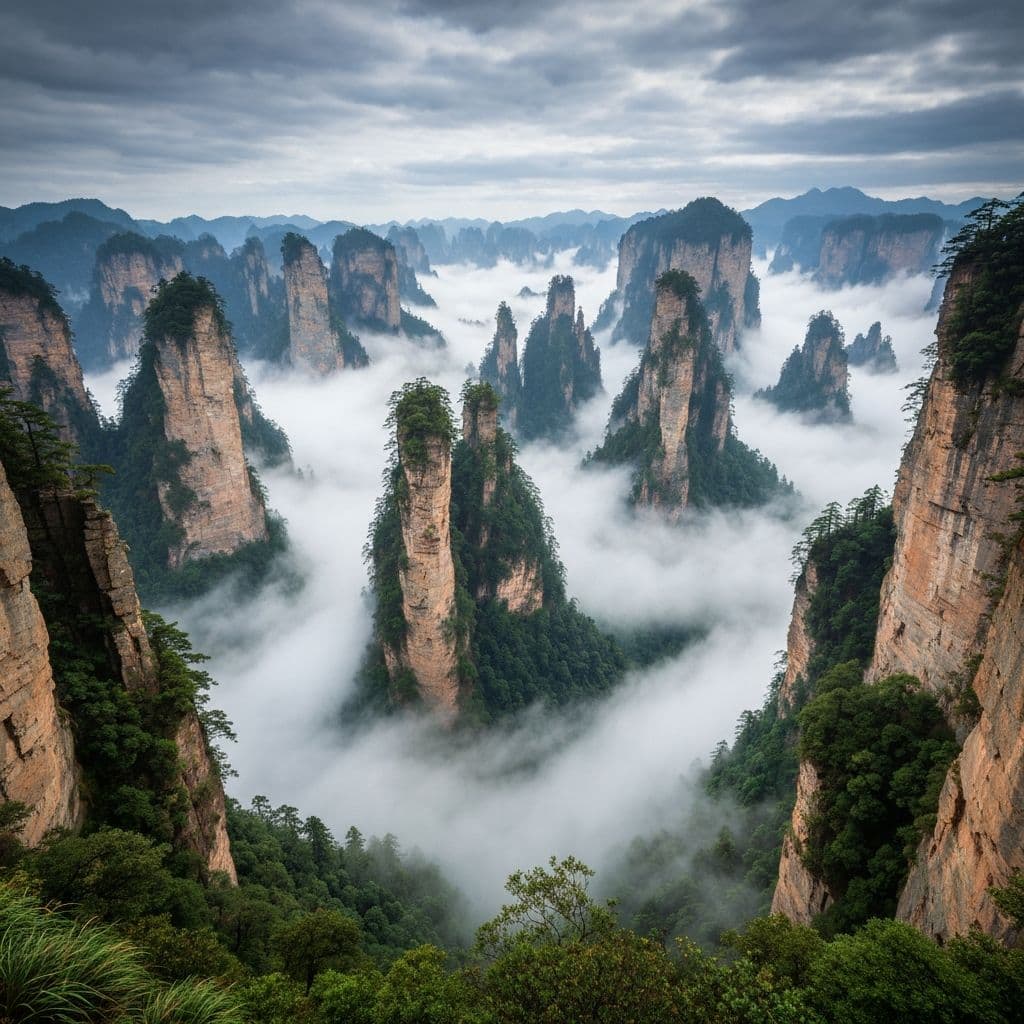
Mount Huashan
One of China's Five Sacred Mountains, Huashan is famous for its sheer granite cliffs and hair-raising hiking trails. The Plank Walk, bolted into a vertical cliff face, is one of the world's most dangerous hikes. Five peaks offer Taoist temples and stunning views. Cable cars provide easier access, but the challenging trails reward adventurous hikers with unforgettable experiences.
natural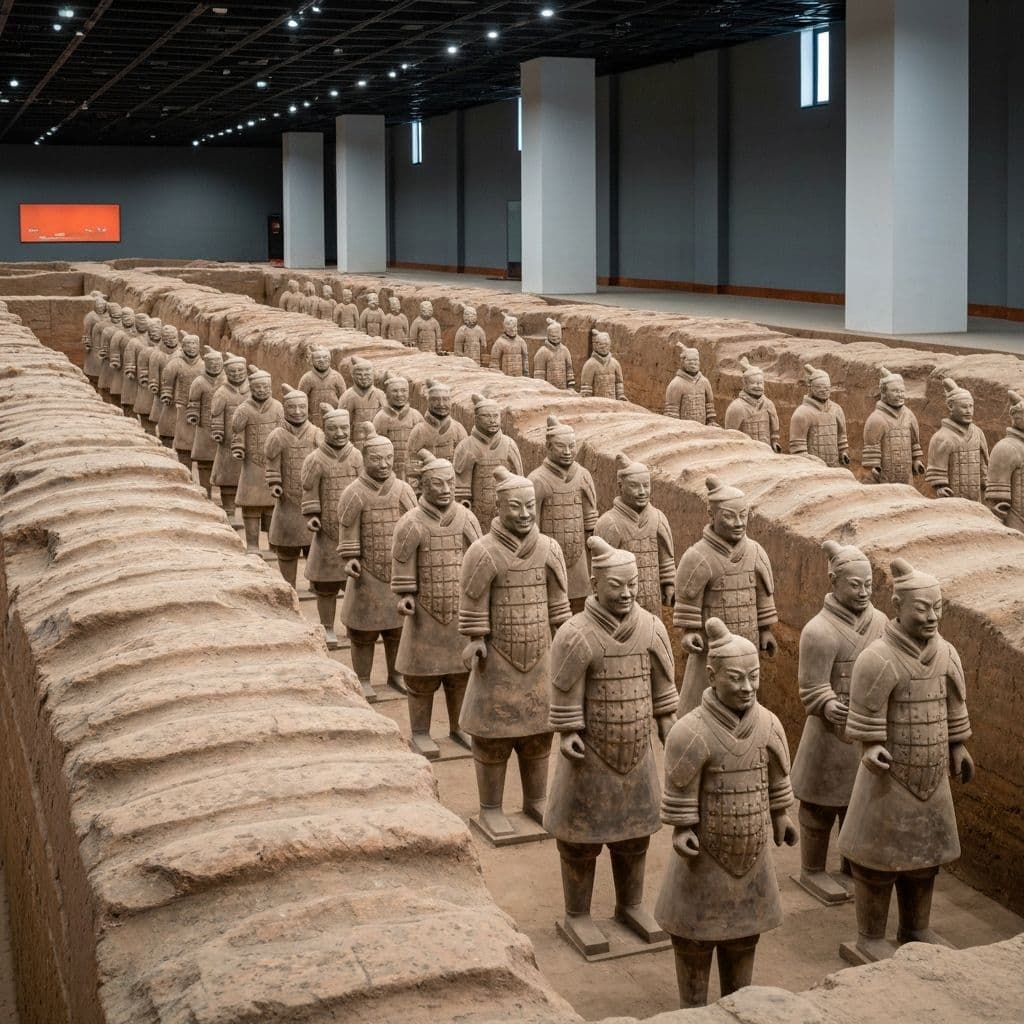
Terracotta Army
Discovered in 1974 by local farmers, this army of over 8,000 life-sized warriors was built to guard Emperor Qin Shi Huang in the afterlife. Each of the terracotta figures has unique facial features, hairstyles, and expressions. Pit 1 alone contains 6,000 warriors in battle formation. One of the greatest archaeological discoveries of the 20th century and a UNESCO World Heritage Site.
historical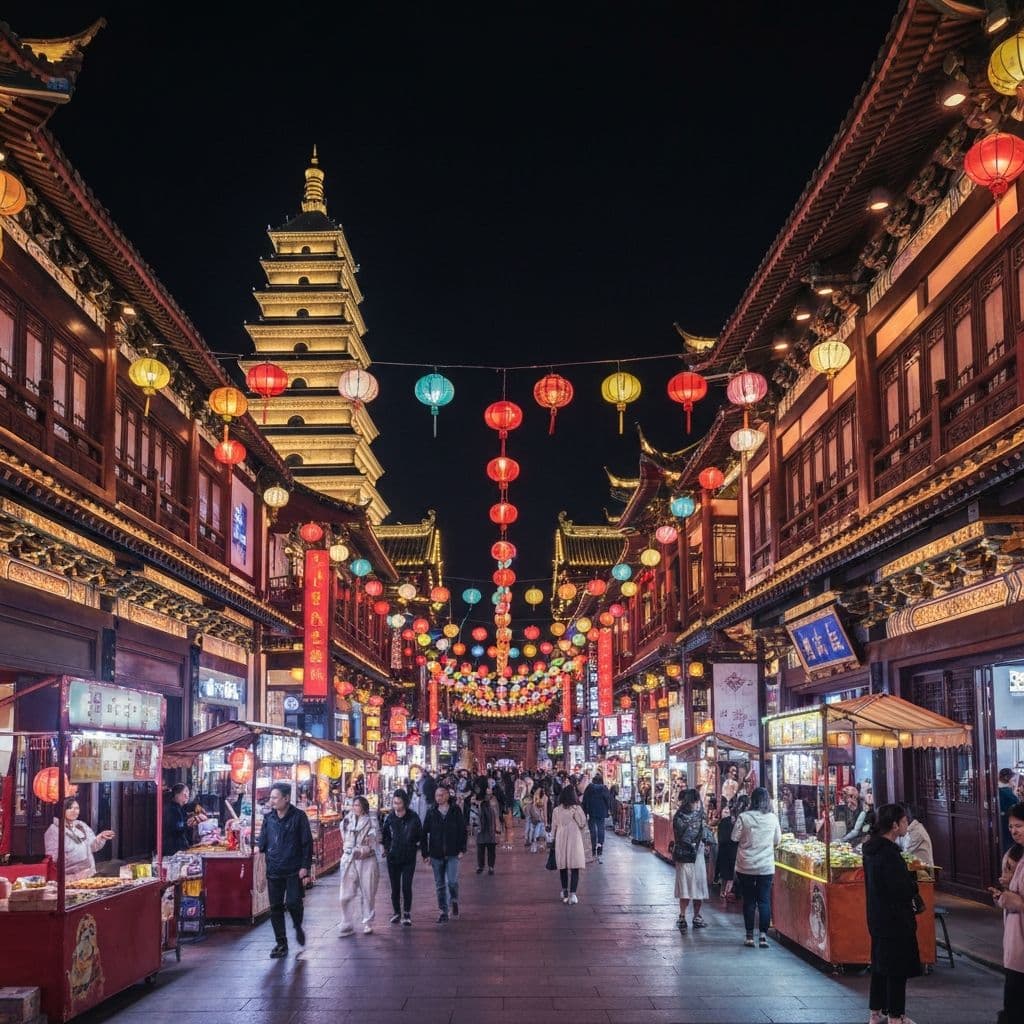
The Tang Dynasty Never Sleeps City
This massive Tang Dynasty-themed complex brings 7th century Chang'an to life. By day, explore traditional architecture, artisan workshops, and Tang-style performances. By night, the area transforms with spectacular lighting, live music, and costumed performers. The adjacent Big Wild Goose Pagoda provides a stunning backdrop. A unique blend of history, entertainment, and nightlife.
historical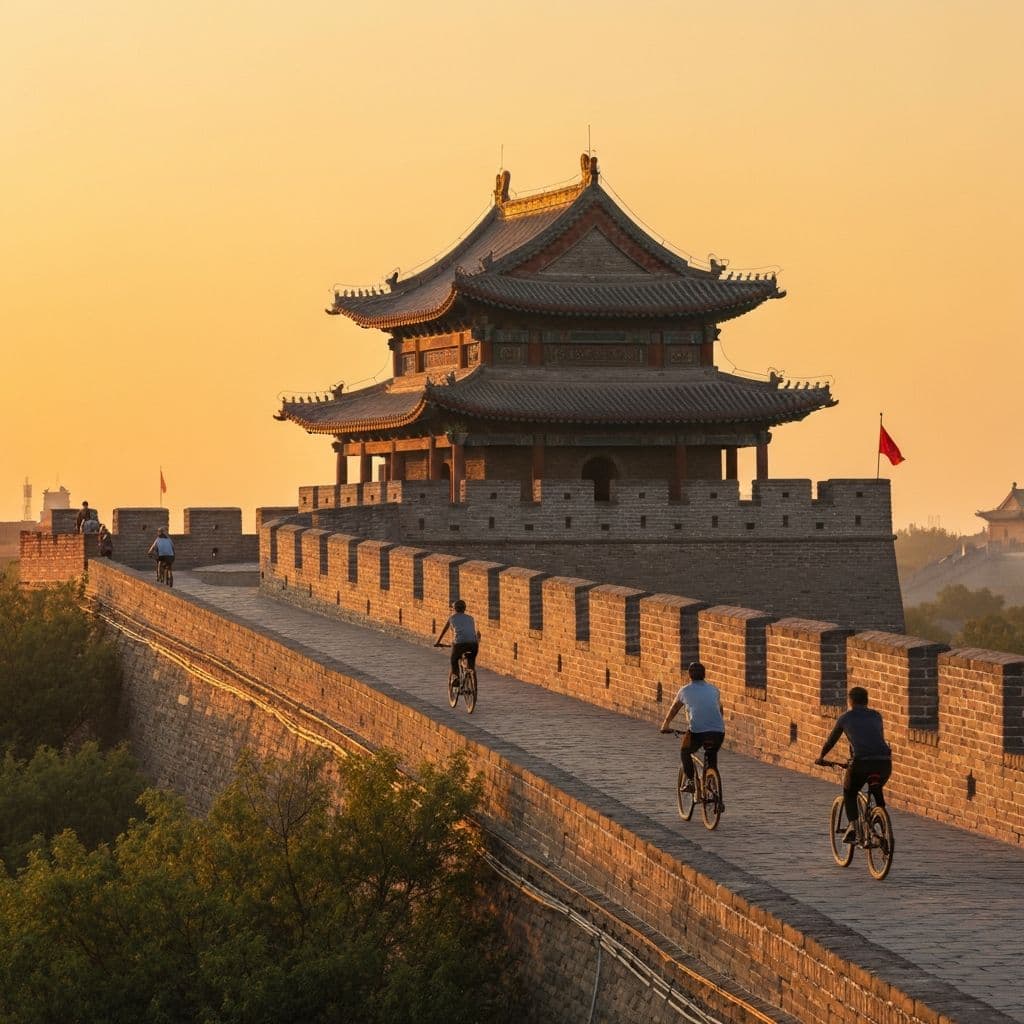
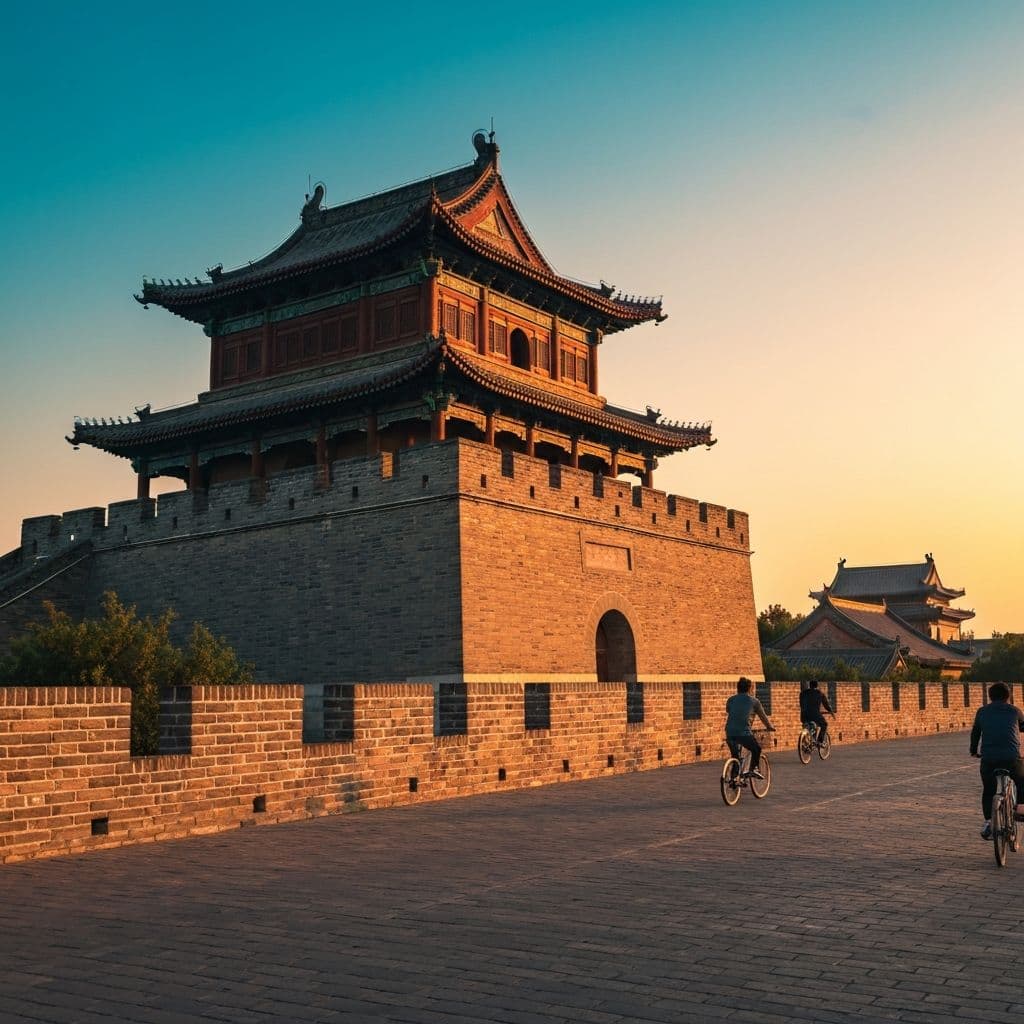
Xi'an City Wall
The most complete ancient city wall in China, this Ming Dynasty fortification forms a 13.7km rectangle around Xi'an's old city. Standing 12 meters high and wide enough for cars to drive on, it offers spectacular views of both ancient and modern Xi'an. Rent a bike to cycle the full circuit, or walk a section enjoying the watchtowers and gate towers.
historicalTrip Planning Guide
Xi'an is a historical and cultural city that's well worth visiting on your first trip to China. It's not as modern as Shanghai, nor does it rely on natural scenery like Guilin or Zhangjiajie. Xi'an's core value lies in its ancient capital history, the Terracotta Army, the city walls, Tang Dynasty culture, food streets, and its status as the starting point of the Silk Road. Who is Xi'an suitable for? First-time visitors to China: Ideal for learning about ancient Chinese capitals and imperial history. History and archaeology enthusiasts: The Terracotta Army, Shaanxi History Museum, and Big Wild Goose Pagoda are all highly representative. Those who enjoy city walks: The Xi'an City Wall, Bell and Drum Towers, and the Muslim Quarter area are all great for strolling. Those who enjoy local cuisine: Roujiamo (Chinese hamburger), Liangpi (cold skin noodles), Yangrou Paomo (pita bread soaked in mutton soup), and Biangbiang noodles are all local specialties. Those planning a Silk Road or Northwest China route: Xi'an is an excellent starting point for cultural exploration. How many days should I spend in Xi'an? 1 day: Suitable for transit, including the City Wall, Bell and Drum Towers, Muslim Quarter, or Big Wild Goose Pagoda. 2 days 1 night: Can include the Terracotta Army and other core city attractions. 3 days 2 nights: Highly recommended for first-time visitors, including the Terracotta Army, City Wall, museums, and local cuisine. 4-5 days: Suitable for including Mount Hua, Famen Temple, or other historical sites. For most foreign tourists, 2-3 days is the most suitable time to visit Xi'an. If you want to visit Mount Hua, it is recommended to add one more day. How are the main areas of Xi'an grouped? 1. Bell Tower / Drum Tower / Muslim Quarter Area: This is the city center of Xi'an, suitable for first-time visitors. It's easily accessible, lively at night, and great for snacks, night views, and walking tours. 2. Xi'an City Wall Area: The City Wall is one of Xi'an's most iconic urban landscapes. It can be explored on foot or by bicycle, best visited in the evening, and has a great atmosphere on a clear day. 3. Terracotta Warriors / Lintong Area: The Terracotta Warriors are Xi'an's most important world-class attraction, located relatively far from the city center. It's recommended to allocate half a day to a full day there, and avoid combining it with too many other city attractions. 4. Big Wild Goose Pagoda / Tang Paradise Area: Suitable for experiencing Tang Dynasty culture, night views, and urban leisure. The lighting and walking atmosphere are stronger at night, but it gets very crowded on holidays. 5. Shaanxi History Museum / Small Wild Goose Pagoda Area: Suitable for history and artifact enthusiasts. The Shaanxi History Museum is well worth a visit, but advance reservations are usually required. What are the best travel styles to take in Xi'an? Xi'an is suitable for three types of travel: History introductory: Terracotta Army + City Wall + Bell and Drum Towers + Muslim Quarter Cultural in-depth: Shaanxi History Museum + Big Wild Goose Pagoda + Small Wild Goose Pagoda + Shuyuanmen (Academy Gate) Surrounding area exploration: Xi'an + Mount Hua / Luoyang / Lanzhou / Dunhuang For first-time visitors to Xi'an, it's not recommended to focus solely on the Muslim Quarter and nighttime views. The Terracotta Army, City Wall, and museums better showcase the city's core values. If it's your first time visiting China, I highly recommend Beijing + Xi'an + Shanghai.
Food & Dining
Xi'an cuisine is a great place for foreign tourists to experience the food of Northwest China. The flavors here are salty and savory, with plenty of noodles, generous portions, and a strong aroma of spices, which is quite different from the food styles of Shanghai, Hangzhou, and Guangzhou. Must-try foods 1. Chinese Hamburger(肉夹馍): One of Xi'an's most classic snacks, with a crispy outer layer and filled with braised pork or beef/mutton. Reference price: 10–25 yuan/piece 2. Cold Skin Noodles(凉皮): Smooth and refreshing, often served with chili oil, vinegar, garlic sauce, and gluten. A common Xi'an snack. Reference price: 8–18 yuan/serving 3. Yangrou Paomo (羊肉泡馍): A representative Xi'an dish, where flatbread is broken into pieces and added to lamb broth for a rich flavor. Reference price: 30–60 yuan/serving 4. Biangbiang Noodles(biangbiang面): Wide noodles, a Shaanxi specialty, often served with chili, vinegar, minced meat, or vegetables. Reference price: 20–40 yuan/bowl 5. Zenggao (甑糕): Made with glutinous rice, red dates, and beans, steamed until soft, chewy, and sweet. A traditional Xi'an dessert. Reference price: 8–20 yuan/serving Recommended Dining Areas: Muslim Quarter: The most familiar food street for tourists, great for experiencing the atmosphere, but crowded and potentially expensive. Suitable for a light meal experience; not recommended for all meals. Sajinqiao: More authentically local than the Muslim Quarter, good for breakfast, snacks, and noodles. Bell Tower/Drum Tower Area: Convenient transportation, suitable for first-time visitors to Xi'an looking for snacks and restaurants. Yongxingfang: Suitable for trying snacks from various parts of Shaanxi; crowded with tourists, but the selection is concentrated. South Gate/Xiaozhai Area: Suitable for finding noodle shops, Shaanxi cuisine, and more stable dining environments.
Getting There & Around
Xi'an is an important transportation hub on the cultural route connecting Northwest China and the Central Plains, serving as a convenient link to Beijing, Luoyang, Zhengzhou, Chengdu, Lanzhou, and Dunhuang. For foreign tourists, Xi'an's urban transportation system is well-developed, with convenient access to the subway, Didi, taxis, and high-speed rail. However, planning ahead is necessary for visiting surrounding attractions such as the Terracotta Warriors and Mount Hua. How to get to Xi'an? 1. By Air | Xi'an Xianyang International Airport Xi'an Xianyang International Airport is the most common airport for arriving in Xi'an, suitable for flights from cities such as Beijing, Shanghai, Guangzhou, Chengdu, Chongqing, and Kunming. Methods to get to the city center: Airport Shuttle Bus: Lower price, suitable for travelers with light luggage, approximately 25–40 RMB/person Subway: Suitable for those who are not in a hurry and have little luggage, approximately 8–15 RMB Didi/Taxi: More convenient, suitable for travelers with luggage or arriving late, approximately 120–220 RMB/vehicle Private Transfer: Suitable for families, small groups, or those arriving late at night 2. High-Speed Rail | Xi'an North Station Xi'an North Station is a major high-speed rail station, suitable for arrivals from Beijing, Luoyang, Zhengzhou, Chengdu, Lanzhou, and other destination Getting to the city center: Xi'an North Station → Bell Tower: Approx. 35–60 minutes Xi'an North Station → Big Wild Goose Pagoda: Approx. 45–70 minutes Xi'an North Station → South Gate of Xi'an City Wall: Approx. 40–60 minutes For first-time visitors to Xi'an, after arriving at Xi'an North Station by high-speed rail, you can use the subway or Didi to get to your hotel in the city center. 3. Train | Xi'an Station Xi'an Station is closer to the old city and is suitable for some regular trains and tourists staying near the city wall and bell tower. How to get around Xi'an? 1. Subway: The Xi'an subway is ideal for traveling between core attractions in the city center; it's inexpensive and has well-defined routes. 2. Didi/Taxi: Suitable for those with luggage, traveling at night, visiting different entrances to the city wall, or areas where the subway is inconvenient. 3. Chartered Car/Small Group: Attractions such as the Terracotta Warriors, Mount Hua, and Famen Temple are located far from the city center; it's recommended to arrange transportation in advance. Accommodation and Transportation Recommendations For first-time visitors to Xi'an: We recommend staying near the Bell Tower, South Gate, Big Wild Goose Pagoda, Xiaozhai, or along the subway lines. These areas offer convenient access to restaurants, night views, subway connections, and attractions. For enjoying night views and local snacks: Staying near the Bell Tower, Drum Tower, or South Gate is more convenient. For visiting the Tang Paradise: Staying near the Big Wild Goose Pagoda or Xiaozhai is easier. For catching a high-speed train: Staying near Xi'an North Railway Station is an option, but the tourist atmosphere is weaker, making it more suitable for transit.
Frequently Asked Questions
Is Xi'an suitable for foreign tourists visiting China for the first time?
Yes, it's a good choice. Xi'an is one of the best cities to learn about ancient Chinese history, with iconic sites like the Terracotta Army, the ancient city wall, the Big Wild Goose Pagoda, and the Shaanxi History Museum. It also makes a good addition to any classic Chinese itinerary, alongside Beijing, Shanghai, and Chengdu.
How far is the Terracotta Army from downtown Xi'an?
The Terracotta Army is located in Lintong District, about a 1-1.5 hour drive from downtown Xi'an. It's recommended to allocate half a day to a full day for it, rather than combining it with too many other city attractions on the same day.
Is Xi'an suitable for walking tours?
The city center of Xi'an is walkable, especially the areas around the Bell Tower, Drum Tower, Muslim Quarter, and the South Gate of the City Wall. However, surrounding attractions such as the Terracotta Warriors and Mount Hua are farther away, so it's necessary to plan transportation in advance.
Which cities can I combine with for a trip to Xi'an?
Xi'an is a good combination with Beijing, Luoyang, Mount Hua, Chengdu, Lanzhou, and Dunhuang. For first-time visitors to China, a combination of Beijing + Xi'an + Shanghai is a good option. If you're traveling along the Silk Road, you can continue from Xi'an to Lanzhou and Dunhuang.
Is Xi'an suitable for families?
Yes. The Terracotta Army, the City Wall, the Big Wild Goose Pagoda, and museums are all suitable for families. However, don't overschedule your trip; allow enough time for transportation and rest at attractions like the Terracotta Army and Mount Hua.
Quick Info
- Region
- central China
- Best Time to Visit
- April to May, September to October
- Suggested Duration
- 3 days
Weather & Climate
Monthly climate overview for Xi'an
Jan-4°–5°C7mm
Feb-1°–8°C10mm
Mar4°–14°C26mm
Apr9°–21°C45mm
May15°–27°C63mm
Jun20°–32°C47mm
Jul23°–33°C151mm
Aug22°–32°C114mm
Sep17°–27°C65mm
Oct10°–20°C35mm
Nov3°–12°C18mm
Dec-3°–6°C5mm
Best time to visit
April to May, September to October
Plan Your Trip
Need help planning your Xi'an itinerary? Get personalized travel advice from our team.
Contact Us