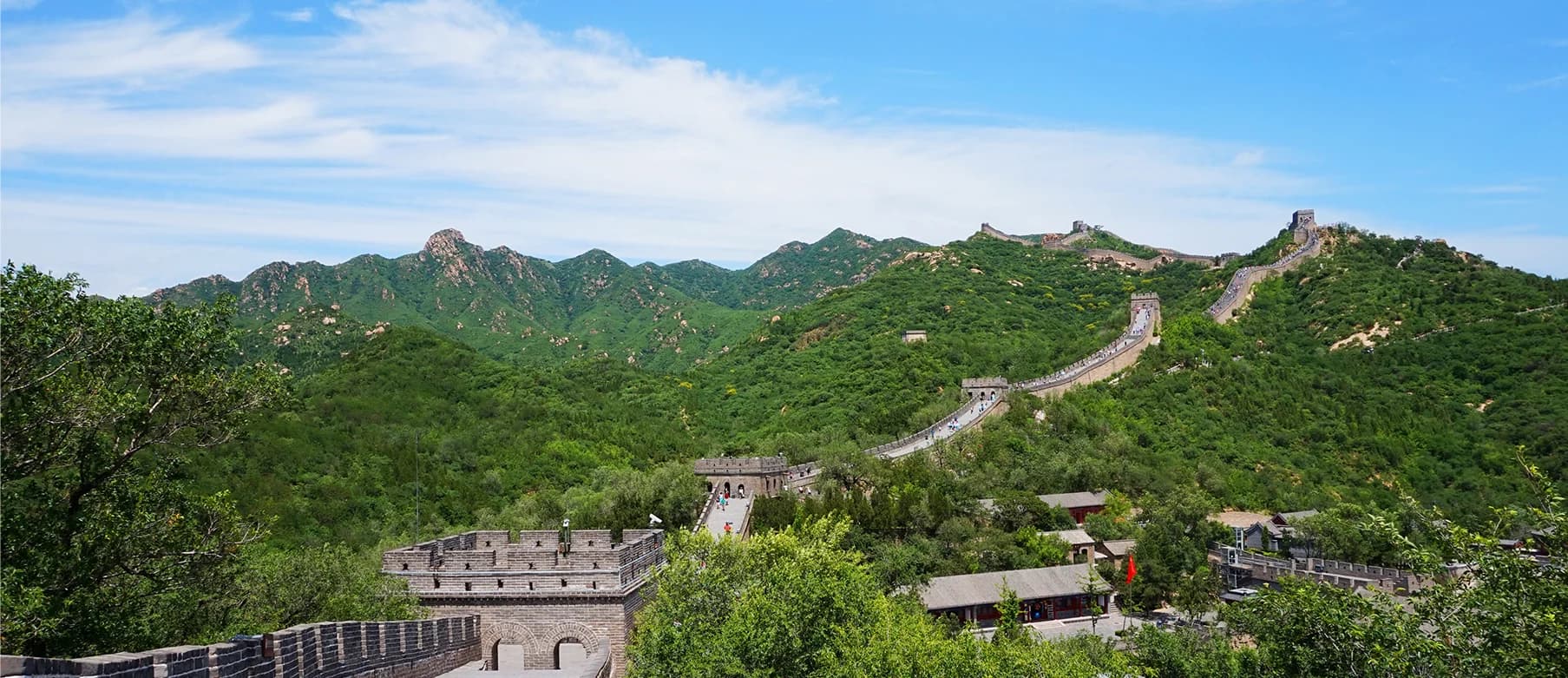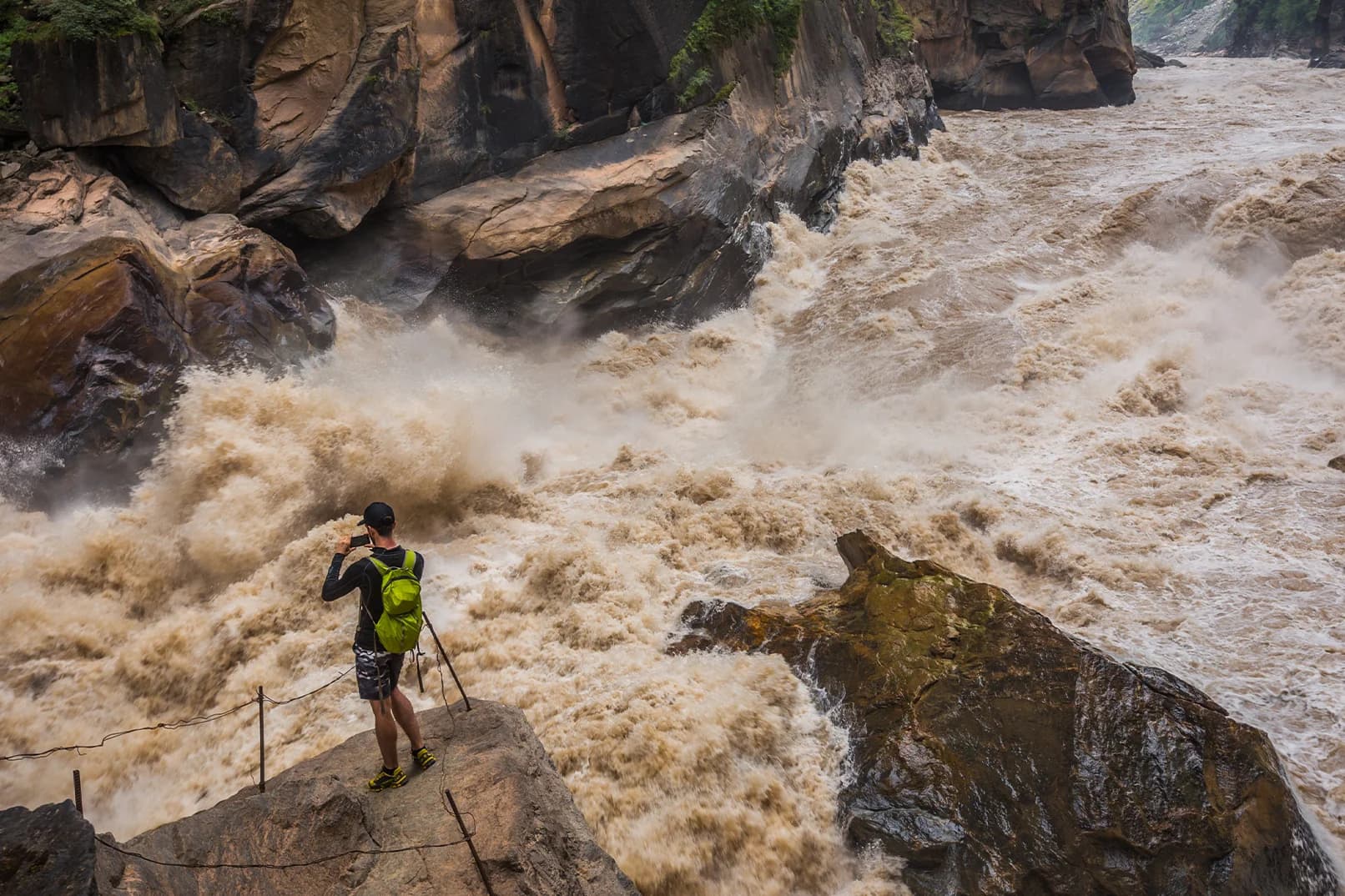

Yunnan, a hidden gem in southwest China, boasts spectacular landscapes stretching from the Himalayas to tropical rainforests. For hiking enthusiasts from Europe and America, it offers both challenging high-altitude routes and immersive experiences delving into indigenous cultures. Whether you're an experienced mountaineer or a beginner just starting out, Yunnan can provide an unforgettable adventure.
Highlights of this article:
Tiger Leaping Gorge on the Jinsha River – A world-class canyon trek
Yubeng Village in Meili Snow Mountain – A hidden paradise at the foot of a sacred site of Tibetan Buddhism
Jinuo Mountain in Xishuangbanna – A biodiversity hotspot in the Asian rainforest
Haba Snow Mountain – A 5,396-meter introductory-level technical peak
Niru in Shangri-La – A secluded paradise of high-altitude lakes and pastures
1. Tiger Leaping Gorge: Hiking between the Jade Dragon Snow Mountain and Haba Snow Mountain
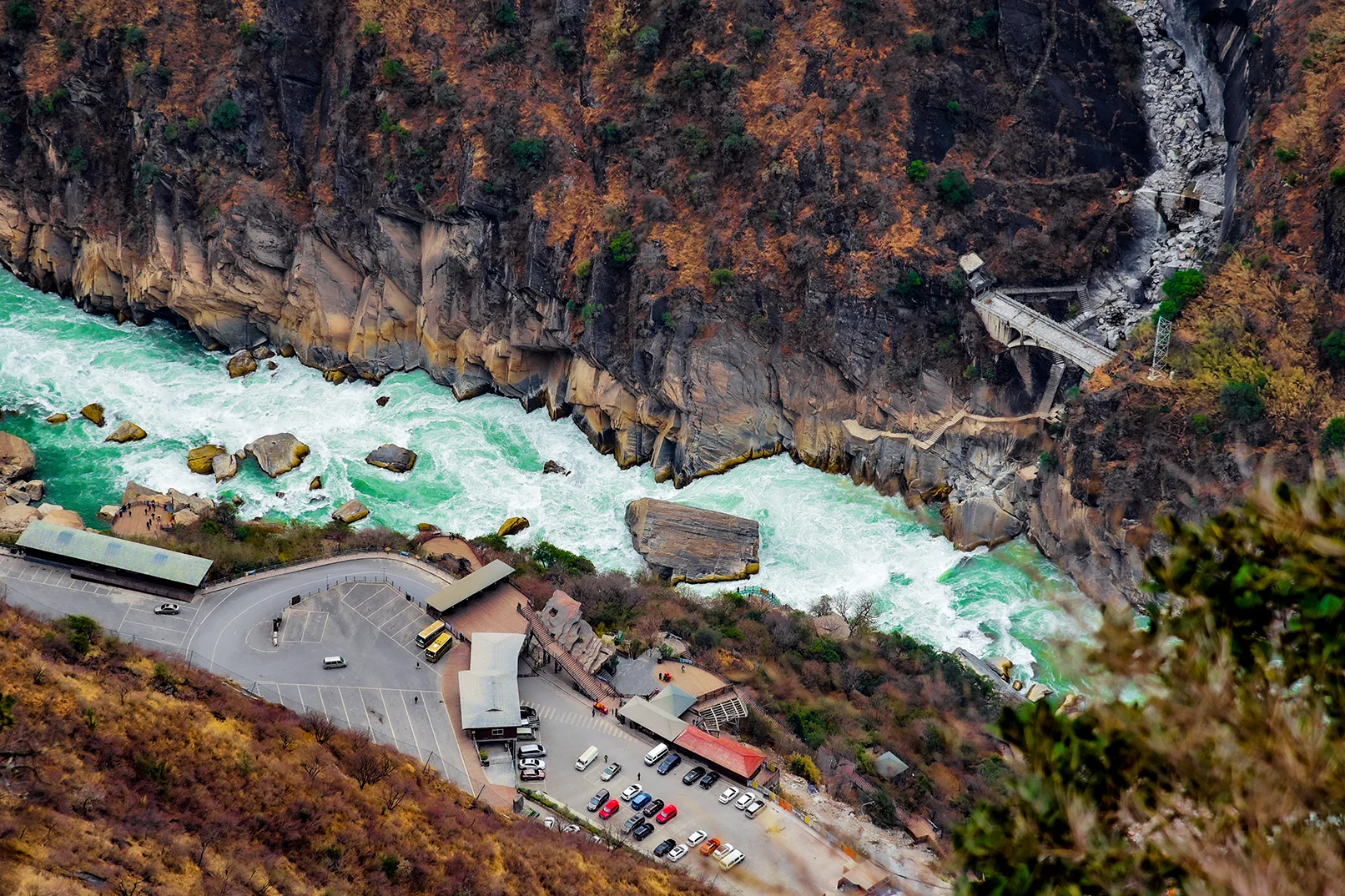
For hikers, Tiger Leaping Gorge is already a classic landmark of Yunnan. Recommended multiple times by National Geographic, the route is well-established, and guesthouses along the way offer hot pizzas and coffee—you'll be surprised to find such Western-style service in such a remote place.
Route Highlights
Three difficulty levels: The high route is the preferred choice for most, with a cliffside path overlooking the rushing Jinsha River; the middle Tiger Leaping Gorge requires using both hands and feet to descend to the riverbank; the lower Tiger Leaping Gorge is more rugged and suitable for thrill-seekers.
Best season: March–June or September–November, avoiding the rainy season in July–August (landslide risk) and winter (icy sections).
It's very convenient to share a ride from Lijiang or Shangri-La to Qiaotou Town (the starting point of the hike). Remember to bring a small amount of RMB cash, as supply points along the way may not accept credit cards or mobile payments.
2. Yubeng Village: A paradise at the foot of Meili Snow Mountain
Imagine a place with no roads, no shops, only wooden houses with prayer flags fluttering and snow-capped peaks visible overhead. Yubeng Village was once a village that couldn't be found on maps, and even today, it can only be reached on foot or horseback. For backpackers yearning to experience Tibetan culture and high-altitude pastoral scenery, this is a must-visit destination.
Route Highlights
From Xidang Village, cross the 3700-meter mountain pass to enter Yubeng, approximately 6-8 hours (horse rental is available to carry luggage).
In Yubeng Village, you can explore in two directions:
Ice Lake: Approximately 16 kilometers round trip, traversing primeval forests and glacial rock formations, ending at the turquoise glacial lake.
Sacred Waterfall: Approximately 13 kilometers round trip, where Tibetans receive holy water baptism, with prayer flags fluttering along the way.
If you have sufficient energy, you can exit the mountain via Ninong Gorge, descending through an arid valley for a unique experience.
Best time to visit: May-June (rhododendrons in bloom), October-November (best autumn colors and snow-capped mountain visibility). During winter (December-February), the mountain may be closed due to heavy snow; be sure to consult a local guide beforehand.
3. Jinuo Mountain Rainforest Trekking: A Humid Adventure Completely Different from Snow-capped Mountains
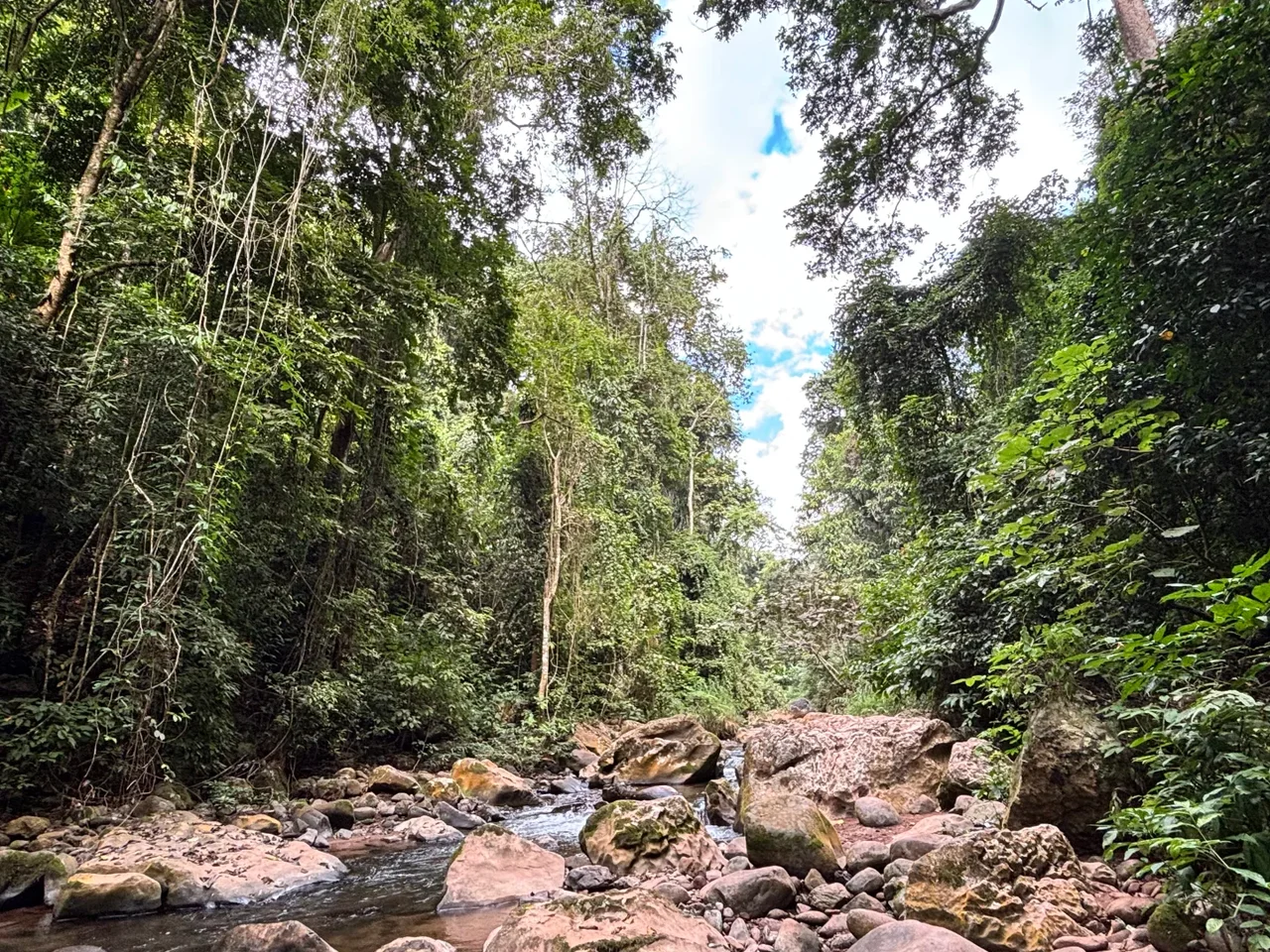
Tired of snow-capped mountains and canyons? Then fly to Xishuangbanna and immerse yourself in China's most pristine tropical rainforest. Hiking here doesn't require cold-weather gear, but you will need mosquito repellent, quick-drying clothing, and a curiosity about wildlife. You might even have the chance to see wild Asian elephants (keep a safe distance!).
Route Highlights
Enter the rainforest with a Jino guide (the last officially recognized ethnic minority in China) to learn how to identify edible wild fruits and medicinal plants, and how to collect water using bamboo and rattan.
Optional "Canopy Walk"—walk across a rope bridge high in the rainforest, overlooking layers upon layers of trees.
Spend the night in a rainforest tent, falling asleep to the sounds of cicadas and owls.
Who is it for?
Beginners, families, and anyone looking to escape traditional hiking. There is absolutely no altitude risk, but the leeches and mud during the rainy season (July–August) can be overwhelming—be sure to go during the dry season, from November to April.
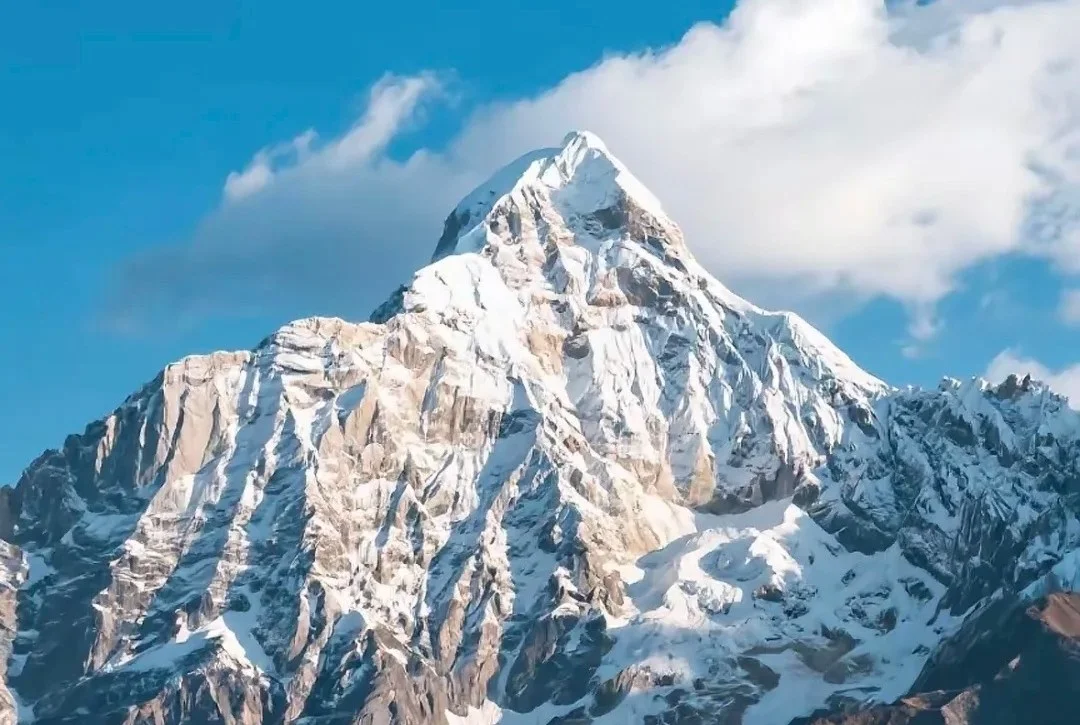
4.Haba Snow Mountain: Challenge your first 5000-meter snow peak
If you've hiked in Europe and America but are eager to try "technical snow mountain climbing," Haba Snow Mountain (5396 meters) is the perfect introductory choice. It doesn't require professional ice axe and rope skills (but hiring a guide is still recommended), and every year from May to June, the rhododendrons on the mountainside and the white snow create a visual feast.
Route Highlights
Starting from Haba Village at an altitude of 2700 meters, the summit can be reached in 2-3 days (or you can hike only in the alpine lake area).
Vertical Climate Zones: The foot of the mountain is a dry, hot valley; the middle is covered with fir forests and alpine rhododendron thickets; further up is the permanent snow line.
Those not aiming for the summit can choose a 2-3 day trek around the lake to explore glacial lakes such as the Black Sea and Xiaohaizi.
The ascent requires at least 4-5 days (including acclimatization days) and a certified mountain guide must be hired (bookable through a mountaineering company). Altitude sickness is a real risk; it is recommended to stay in Lijiang or Shangri-La for two nights before ascending. Additionally, please ensure your mountaineering insurance covers activities above 5000 meters—many standard travel insurance policies do not cover this.
5. Niru: Shangri-La's Last Hidden Paradise
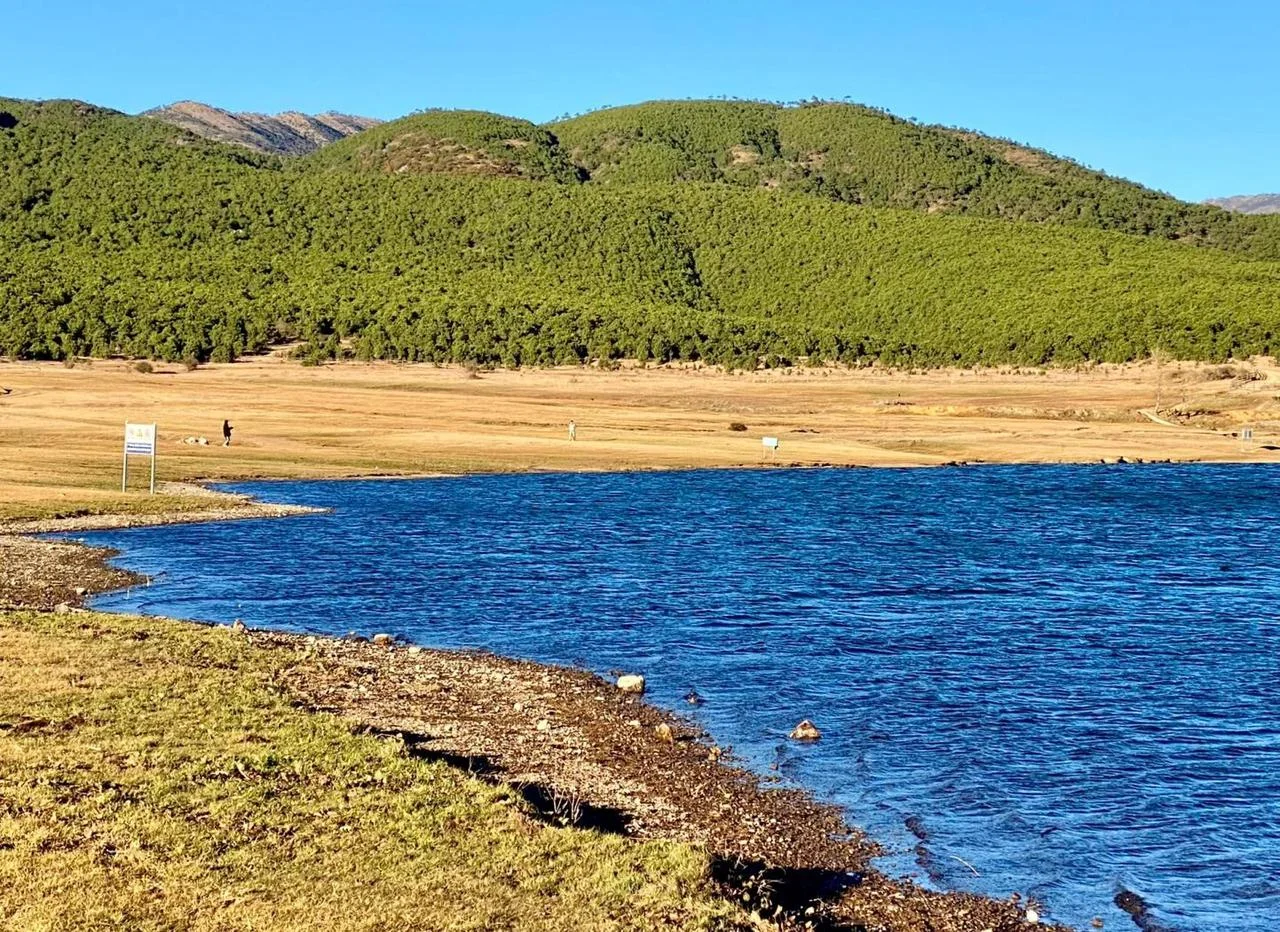
If you think Yubeng is too commercialized, then Niru will surprise you. This Tibetan village, hidden deep in Pudacuo National Park, is still unreachable by tourist buses. Hikers must trek through primeval forests, alpine pastures, and waterfalls on their own to witness the enchanting colors of the Rainbow Waterfall and Dingru Lake.
Route Highlights
Starting from Niru Village, a 2-4 day loop can be designed: Rainbow Waterfall → Dingru Lake → Nanbao Pasture → Return to Shangri-La.
Very few tourists—you may not encounter any other Western faces all day, only yaks, horses, and herdsmen's huts.
June–September is the best time to visit: pastures are lush and green, wildflowers carpet the hillsides, and the temperature is cool and pleasant.
Niru is at an altitude of approximately 2800–4000 meters, with some sections containing swamps and steep slopes. It is recommended to acclimatize for 1–2 days in Shangri-La (3300 meters) before departure and prepare altitude sickness medication.
Hiking Precautions
Altitude Sickness
Any route above 2500 meters (parts of Tiger Leaping Gorge, Yubeng, Haba, Niru) can trigger altitude sickness. Symptoms include headache, nausea, insomnia, and difficulty breathing.
Prevention: Stay in Lijiang (2400 meters) or Shangri-La (3300 meters) for at least two nights before starting your trek; avoid showering, drinking alcohol, and strenuous activity on the day of arrival at high altitude.
Visa and Entry Policy
Holders of passports from Europe and the United States need to apply for a Chinese tourist visa (L visa) in advance. It is recommended to prepare 2-3 months before departure, and the stay is usually 30-60 days.
Some border areas (such as those bordering Myanmar and Laos) may require an additional Border Crossing Permit. The five routes mentioned above are not within strictly restricted border areas, but if you plan to travel independently from Xishuangbanna to ports such as Daluo and Mohan, you should inquire in advance.
Important: Within 24 hours of entering China, if you are not staying in a hotel (e.g., at a friend's house or guesthouse), you need to register your temporary accommodation at the local police station. Most guesthouses will automatically handle this for you, but please confirm proactively.
Cultural Taboos and Respect
Tibetan areas (Yubeng, Nyingchi, Haba):
Do not point directly at snow-capped mountains, temples, or Buddha statues with your finger. Please use your five fingers together, palm facing upwards.
When circumambulating mani stones, stupas, and prayer wheels, always proceed clockwise.
Do not photograph portraits of Tibetans, sky burial sites, or special areas within prayer flag displays without permission.
Food and water safety
During high-altitude trekking, the Chinese stir-fries and noodles provided by guesthouses are generally safe. However, avoid raw or cold dishes, and uncooked yak yogurt (some Westerners may find it difficult to digest).
Bring your own high-energy snacks: energy gels, nuts, and chocolate. Guesthouses in Tiger Leaping Gorge and Yubeng sell Snickers and Red Bull, but the prices are 50-100% higher than in cities.
Alcohol: Drinking alcohol at high altitudes accelerates dehydration and worsens altitude sickness. It is recommended to celebrate only after successfully reaching the summit.
Mobile Phones & Internet
Accessing Google, Instagram, WhatsApp, Facebook, etc., in China requires a VPN. Please install a reliable VPN before your trip (some free VPNs are unstable in China). You can also purchase a Hong Kong/Macau SIM card for roaming, but the price is higher.
China's three major telecom operators: China Mobile has the best signal in remote mountainous areas; China Telecom is second best; China Unicom has the worst. It is recommended to get a temporary China Mobile SIM card at the airport.
On the hiking route: 4G signal is available on most sections of the Tiger Leaping Gorge high route; only some guesthouses in Yubeng Village have Wi-Fi; there is basically no signal in Niru Village; there is no signal in the Jinuo Mountain rainforest.
Language and Communication
It is recommended to download an offline translation app in advance (such as the offline Chinese translation pack for Google Translate, but a VPN is required to download; Microsoft Translator is an alternative).
Learn a few key Chinese words:
“谢谢” – Xièxie
“多少?” – Duōshao qián?
“厕所哪儿?” – Wèishēngjiān zài nǎlǐ?
“我身体感觉感觉” – Wǒ shēntǐ bú shūfu.
“请帮我叫指导/医生” – Qǐng bāng wǒ jiào xiàngdǎo / yīshēng.
Disclaimer: This information is provided for reference only and was last updated on . Requirements and regulations may change. Always verify with official sources before making travel plans.