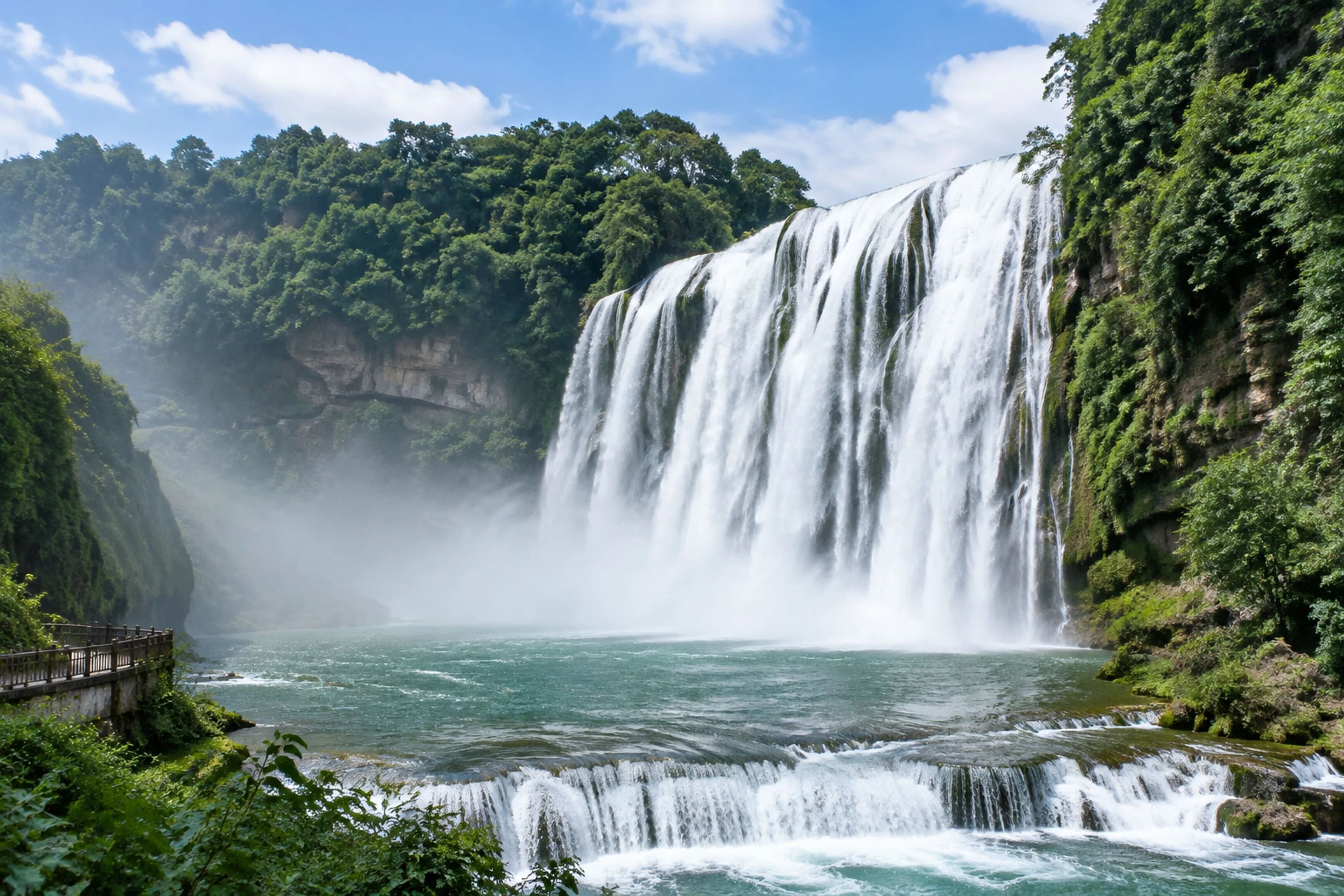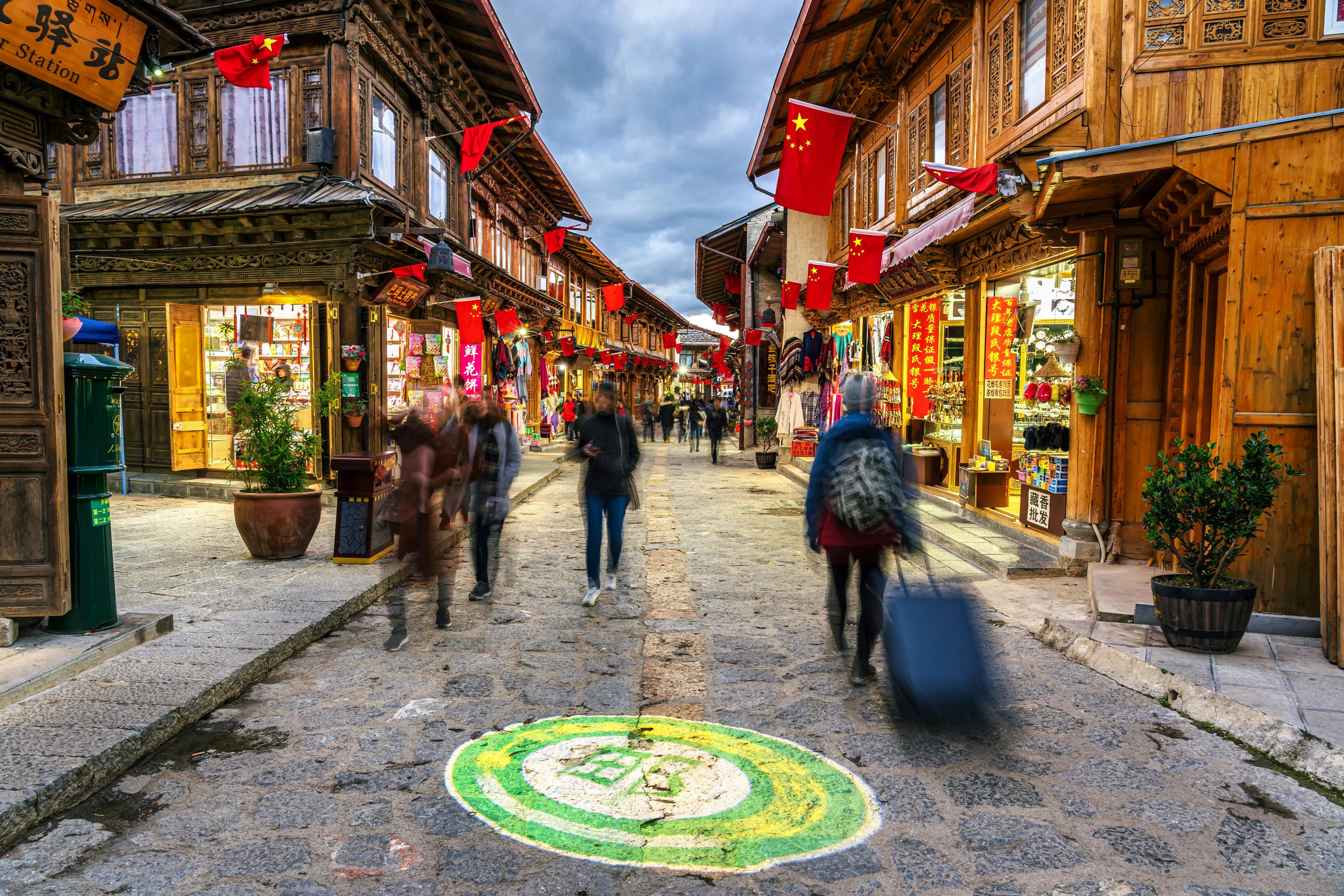

Many tourists ask, "When is the best time to visit China?"
A more accurate answer is: it depends on which kind of China you want.
In January, China can offer the icy fairyland of Harbin or the tropical waves of Sanya; in March, it might be peach blossoms beneath the snow-capped peaks of Tibet or rapeseed flowers in the villages of Jiangxi; in October, it could be the colorful forests of Jiuzhaigou or the fruit and bustling bazaars of Kashgar’s Old City. China is so vast that, within the same month, the north, south, east, and west can feel like four different countries.
This guide is not organized around a list of "China's top ten attractions," but rather around the question: "Where in China is the experience truly irreplaceable during this specific month?" Choosing the right month is more important than choosing the right city.
Overview of China's Monthly Climate
A quick summary of China's climate:
The north is cold while the south is warm; the east is humid while the west is dry; summers are generally hot, though the highlands and northern grasslands remain cool; and autumn is the most pleasant season.
January: Bitter cold and snow in the north, warmth in the south; ideal for snow activities and escaping the cold.
February: Still cold in the north, but warm in Yunnan and South China; ideal for Spring Festival, hot springs, and tropical destinations.
March: Warming up nationwide, with increased spring rain in the south; ideal for flower viewing and visiting the Jiangnan region.
April: Comfortable weather in most areas, especially in Jiangnan; ideal for spring outings and scenic landscapes.
May: Generally comfortable nationwide, though the south begins to heat up; ideal for visiting ancient capitals and scenic landscapes.
June: Hot and humid in the south, while the highlands and north remain cool; ideal for summer retreats and fields of flowers.
July: Hot in most regions, but the highlands and grasslands are comfortable; ideal for highlands, grasslands, and islands.
August: Still hot, with the grasslands at their greenest; ideal for grasslands, summer retreats, and seeing pandas.
September: Cooling down, with the first signs of autumn colors; ideal for early autumn, deserts, and snow-capped mountains.
October: Crisp, clear autumn weather—the most comfortable time of year; ideal for autumn foliage, the Great Wall, and Jiuzhaigou.
November: Turning cold in the north, while the south remains warm; ideal for viewing ginkgo trees and enjoying a mild winter.
December: Snow and ice in the north, warmth in the south; ideal for snow activities and tropical islands.
Best tourist destinations in China in each season
I. Spring (March–May): The season of blooming flowers—Jiangnan at its most beautiful.
Spring is China’s most "gentle" season. Flowers bloom in the south, the region south of the Yangtze enters its most pleasant months, and Tibet and Yunnan enjoy perfect sunshine. For foreign tourists visiting China for the first time, April and May are the months when it is easiest to fall in love with the country.
March: The first signs of spring—where the flowers bloom earliest.
Temperatures in March vary significantly from north to south. Northern regions remain chilly—with average temperatures in Beijing ranging from approximately 5°C to 13°C—while southern cities like Guangzhou and Kunming are already enjoying spring-like warmth. The floral landscapes in the south and southwest are the highlights of the month.
Recommended destinations:
Nyingchi, Tibet: From late March to early April each year, wild peach blossoms bloom across the Yarlung Tsangpo River Valley, creating a stunning contrast between snow-capped mountains and a sea of pink blossoms.
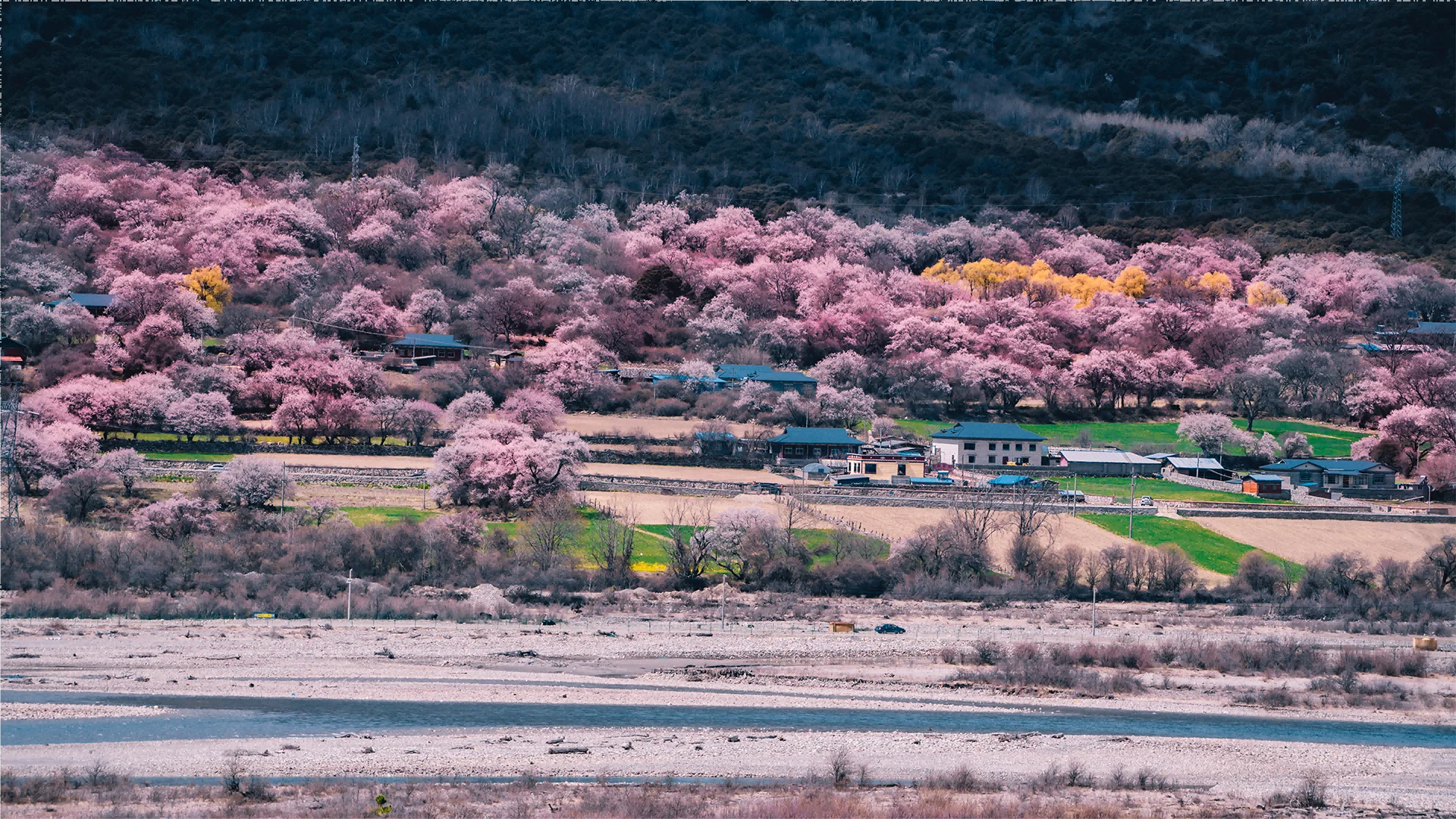
This is a paradise for photography enthusiasts, but be mindful of altitude sickness; acclimatizing in advance is recommended.
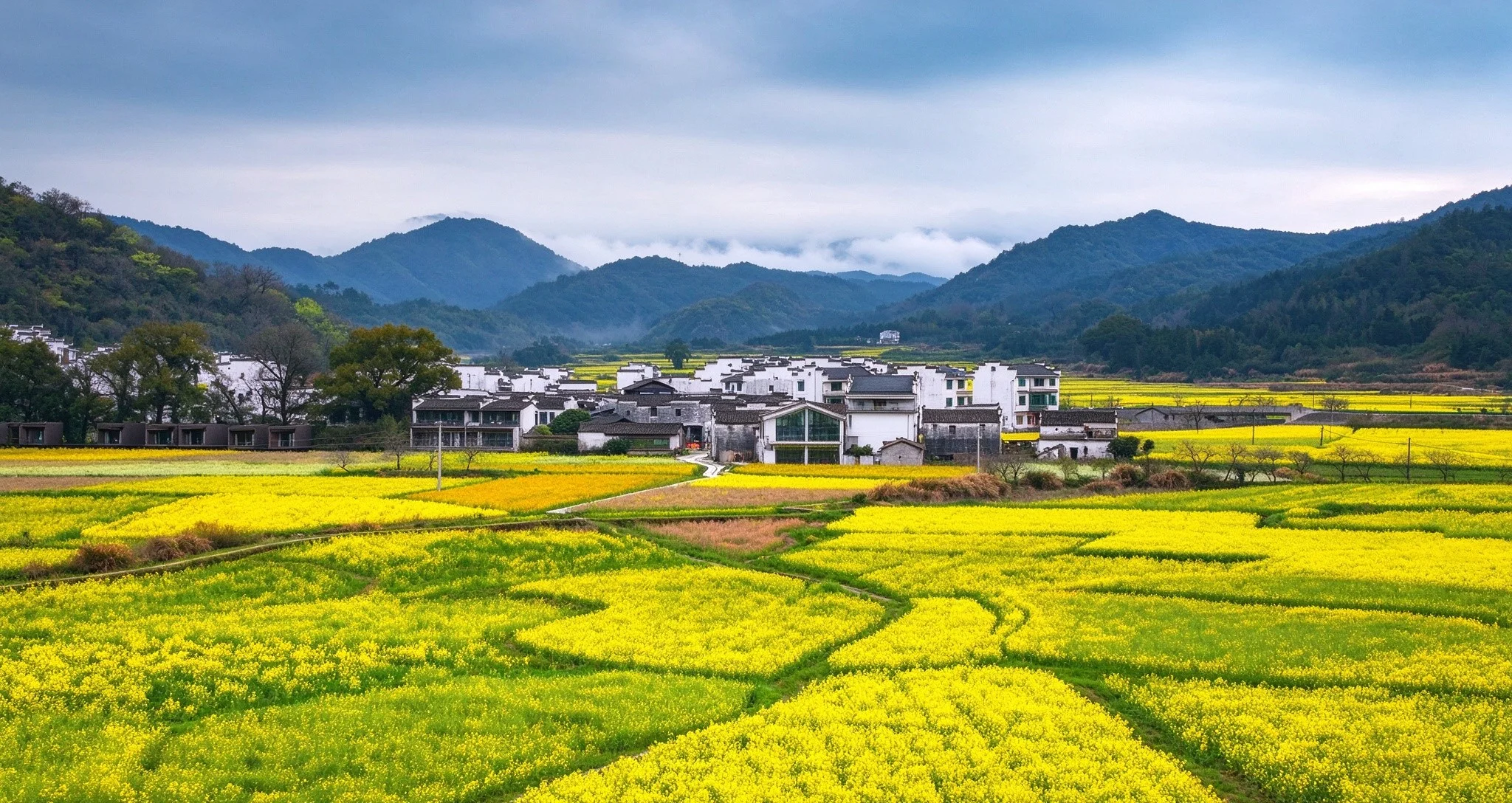
Wuyuan, Jiangxi: Golden rapeseed flowers intertwine with ancient Hui-style villages and terraced fields to create a picturesque scene, hailed by many foreign bloggers as "China's most beautiful spring."
Guian, Guizhou: 700,000 cherry blossom trees create a sea of pink, making it an emerging flower-viewing destination that has seen rapid growth in overseas visitors in recent years.
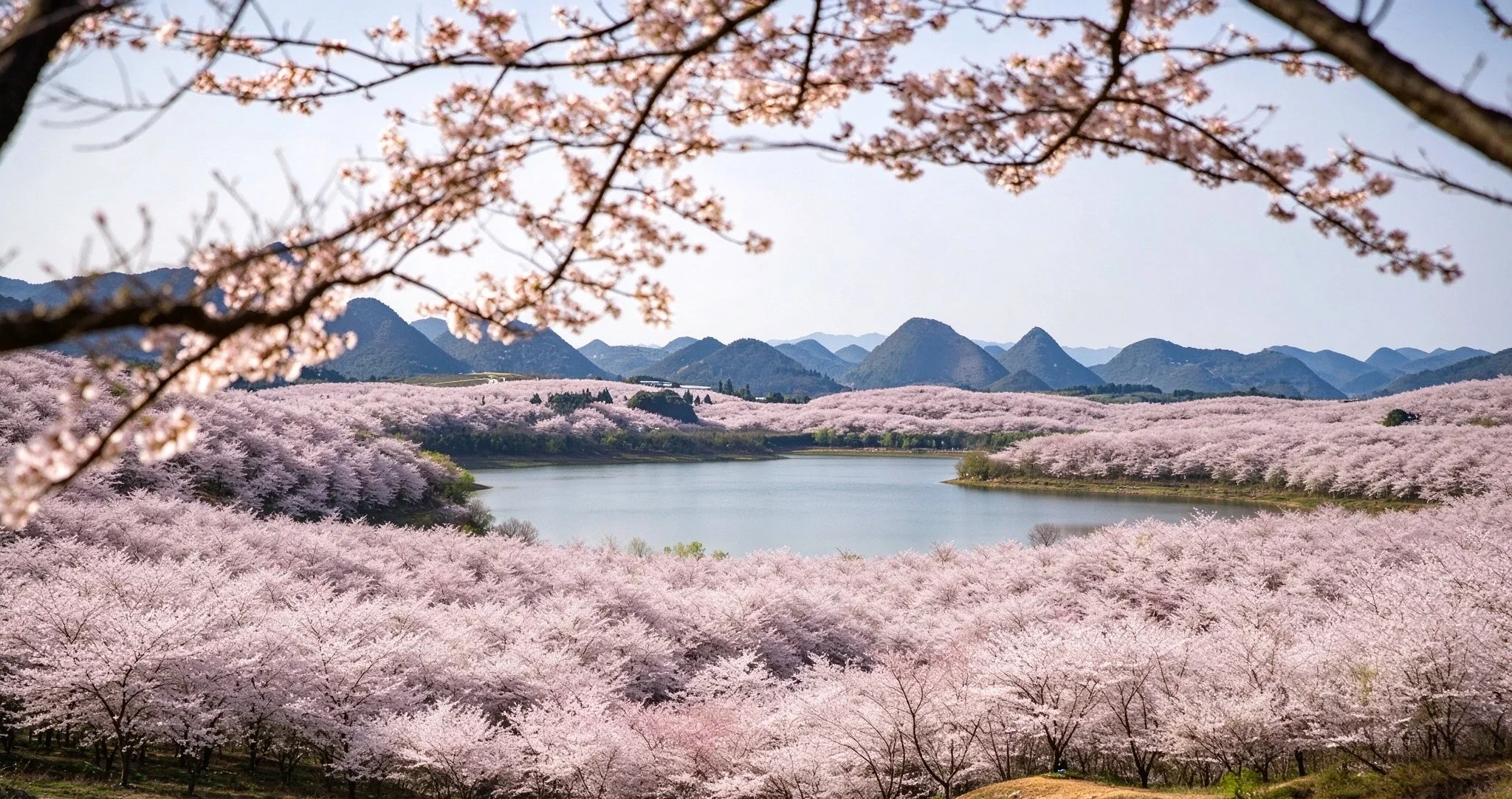
April: Flowers in full bloom—the perfect time for classic destinations.
April is the prime month of spring. Temperatures in Beijing rise to between 10°C and 20°C, while the region south of the Yangtze River is warm and humid, making it an ideal time to tour classic routes.
Recommended destinations:
Beijing: With the cherry blossoms at Yuyuantan Park and the spring scenery of the Summer Palace, alongside iconic landmarks like the Forbidden City and the Great Wall, Beijing in April offers the perfect combination of pleasant weather and beautiful scenery.

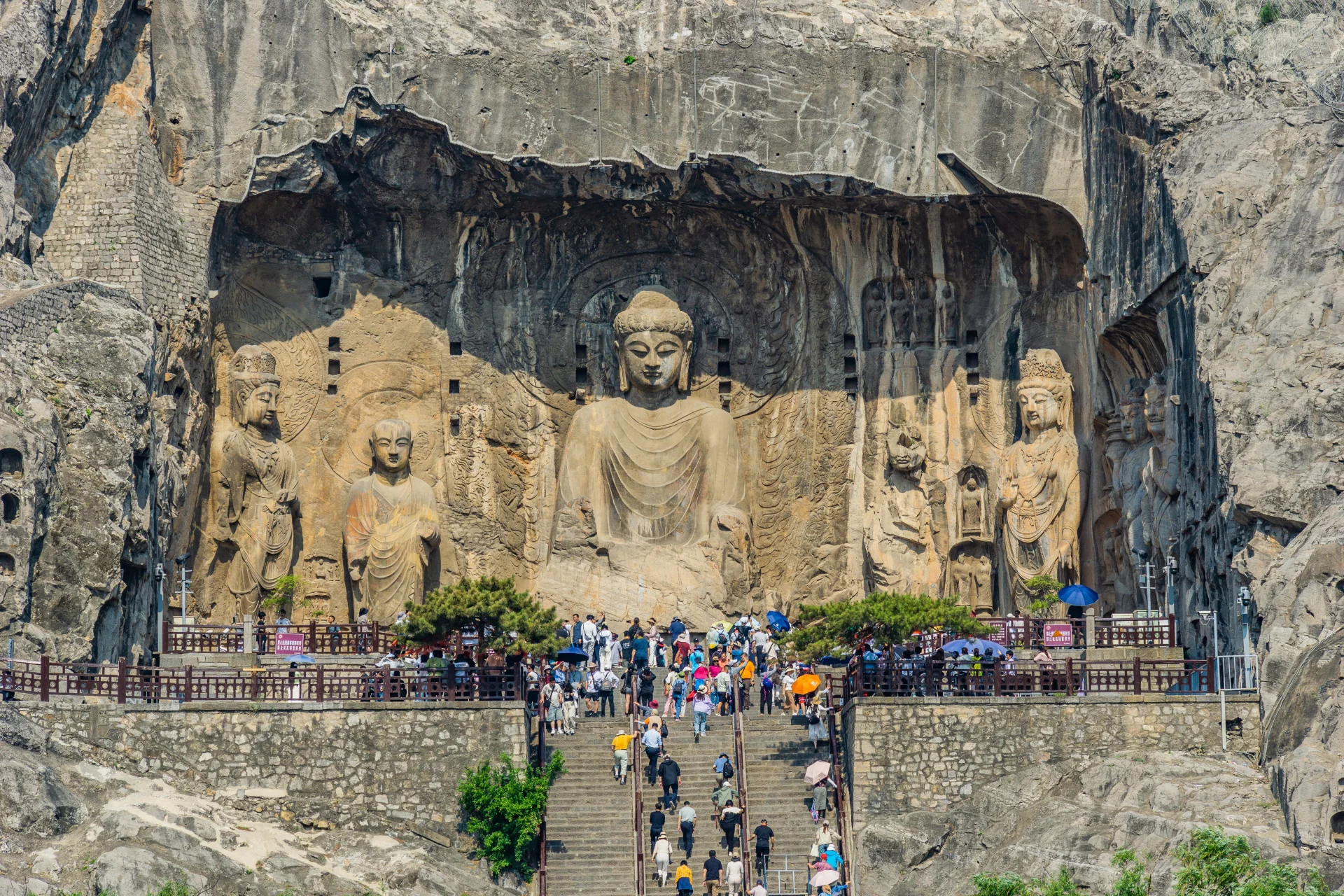
Luoyang (Henan): April is peony season; Luoyang's peony gardens and the Longmen Grottoes are top choices for culture enthusiasts.
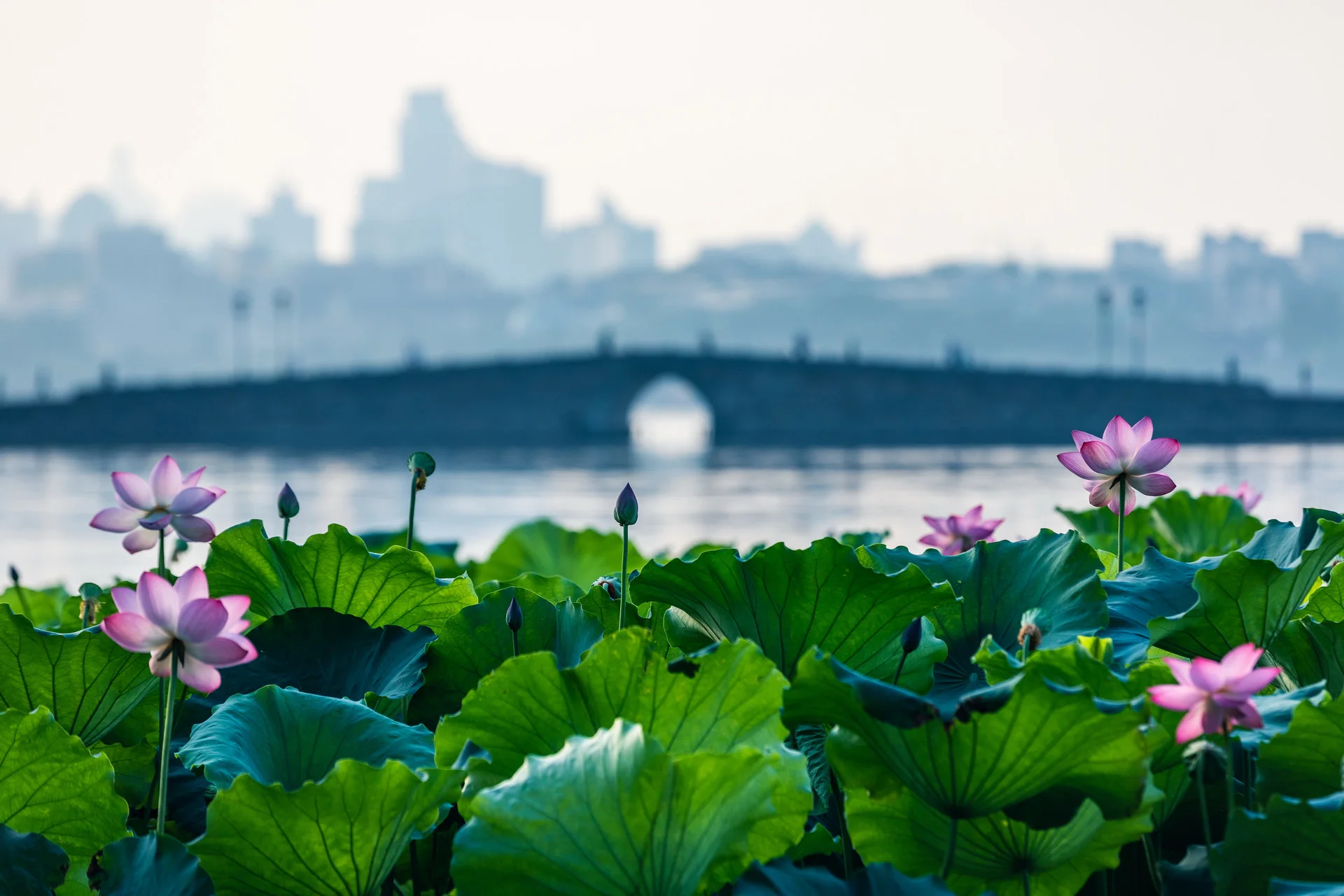
Hangzhou: The West Lake Longjing tea plantations enter their picking season between late March and April, offering visitors the chance to experience tea picking and tasting while enjoying the leisurely pace of spring in the Jiangnan region.
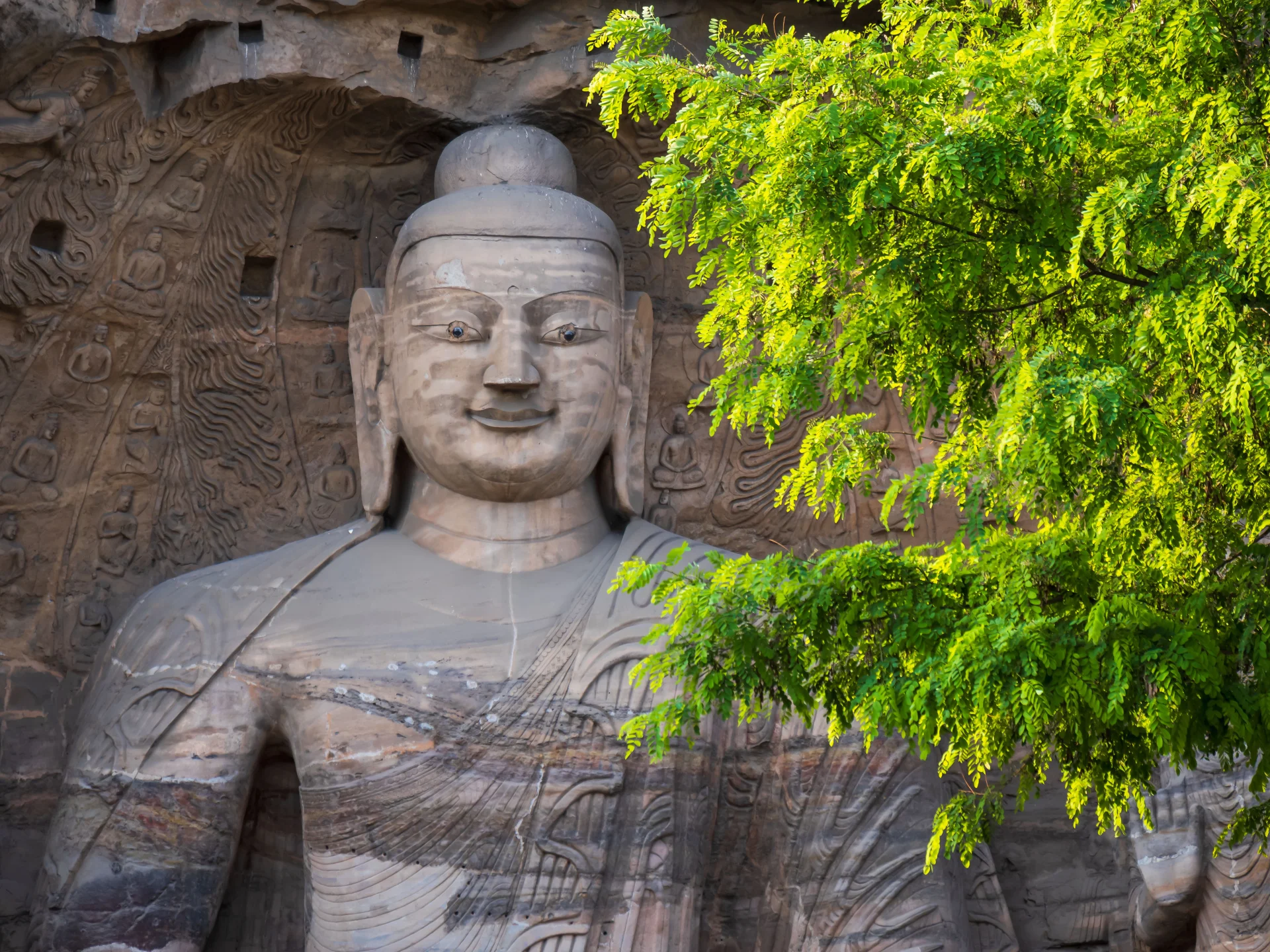
Datong, Shanxi: The combination of apricot blossoms with the ancient architecture of the Yungang Grottoes and the ancient city walls offers a unique experience that blends cultural exploration with flower viewing.
May: Warm and pleasant—ideal for both the north and the south.
Yunnan (Kunming, Dali, Lijiang): With its mild weather and clear blue skies, late spring is an ideal time to cycle around Erhai Lake or stroll through the ancient towns.

Zhangjiajie (Hunan): In spring, Zhangjiajie is shrouded in mist, with peaks appearing and disappearing amidst the clouds—creating a truly atmospheric and picturesque scene.

Guilin (Guangxi): As the waters of the Li River rise in the spring, drifting on a bamboo raft offers the quintessential way to experience Guilin's stunning landscape.

II. Summer (June–August): Escaping the Heat and Highland Scenery
Summers across China are generally hot and humid, with daytime highs reaching 30°C to 34°C in cities like Beijing and Shanghai, and concentrated rainfall in southern coastal areas. However, China boasts numerous high-altitude and northern destinations with cool climates, making summer an excellent time to explore these regions.
June: Early summer; the south enters the rainy season.
In the south, the plum rain season begins and precipitation increases, while the climate in the north and highland regions remains pleasant.
Recommended destinations:
Qinghai: June marks the start of the best travel season for Qinghai; temperatures around Qinghai Lake range from 15°C to 25°C, offering a refreshing experience with lakeside cycling and stunning grassland scenery.
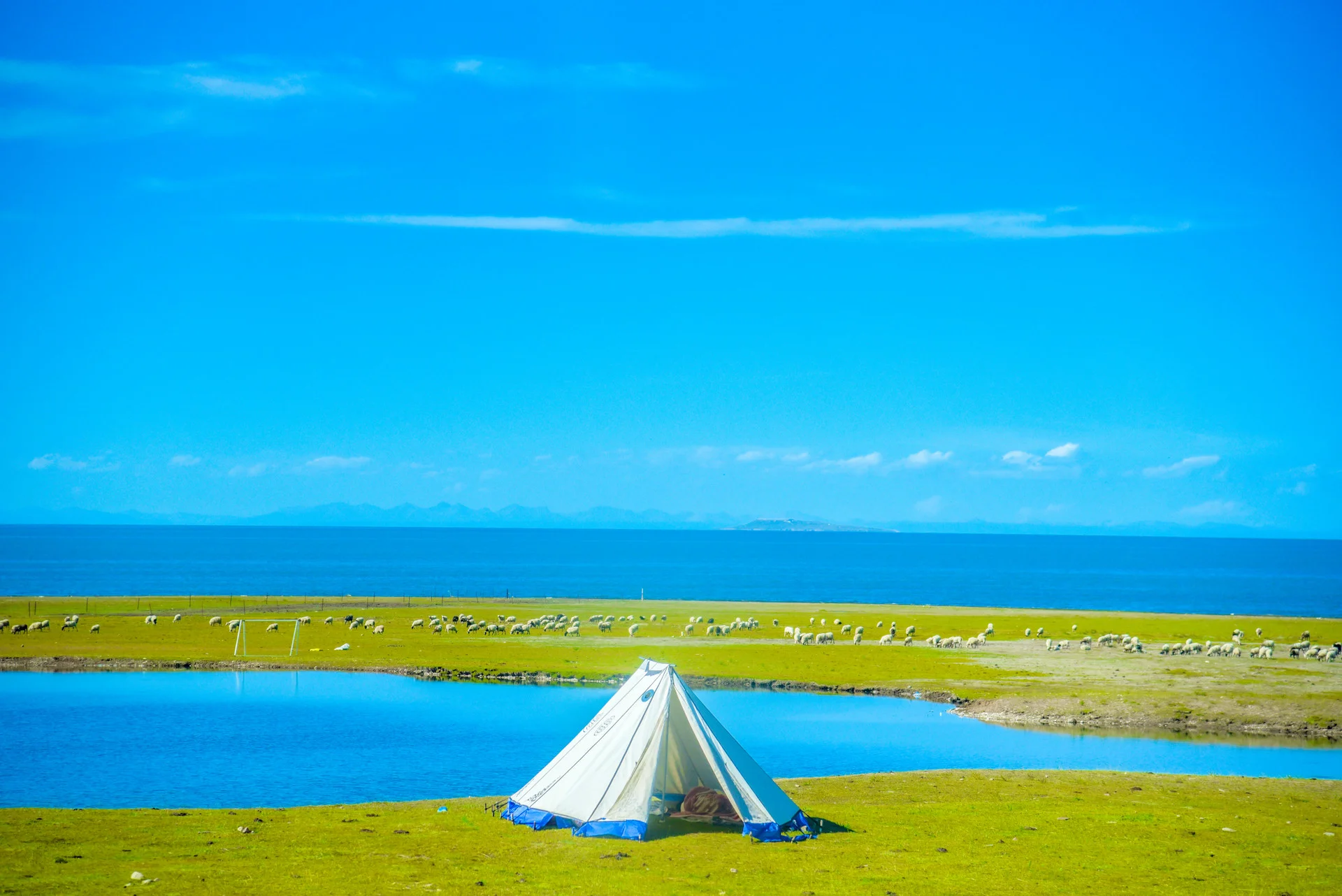
Gansu (Dunhuang, Zhangye): The climate along the Silk Road is dry and cool in June, making it an ideal time for in-depth tours of the Mogao Caves and the Danxia landforms.

July: Escaping the summer heat—the North and the highlands offer the most comfort.
July is one of the hottest months of the year, but the following destinations offer a cool escape.
Recommended destinations:
Changbai Mountain, Jilin: With an average temperature below 22°C and situated within the "golden latitude" (42°N) for summer retreats, the area features crisp, airy forests and stands as the most popular summer getaway in Northeast China.
Liupanshui, Guizhou: Known as China's "Cool Capital," it boasts summer temperatures far lower than most of the country; the region offers diverse landscapes—including canyons and grasslands—alongside cultural events like the Yi ethnic group's Torch Festival.
Ulanqab, Inner Mongolia: Sitting at an average elevation of about 1,400 meters with a summer average temperature of just 18.8°C, this area features a blend of grasslands, forests, and volcanic terrain, earning it the title of China's "Grassland Summer Retreat Capital."
Shangri-La, Yunnan: Summer temperatures hover between 15°C and 20°C, while its highland lakes and Tibetan culture lend a unique charm to the travel experience.

August: Late summer—heading north or to the highlands
August remains hot, yet certain destinations enter their prime season for visiting.
Recommended destinations:
Mohe, Heilongjiang: China’s northernmost city. With its cool summer weather, it is an excellent time to experience the "midnight sun" and the forest scenery of the far north.
Tibet (Lhasa, Namtso): August offers some of the most pleasant weather in Tibet, though travelers should be mindful of potential road condition changes due to the rainy season.

Zhangjiajie and Qinhuangdao: These destinations also attract large numbers of domestic and international tourists seeking to escape the summer heat.
III. Autumn (September–November): The best time of year to travel.
Autumn is widely considered the most comfortable season for travel in China; most of the country enjoys cool, dry weather and clear skies as the autumn colors deepen. Average daytime temperatures range from 18°C to 25°C, with virtually no risk of extreme weather.
September: Crisp autumn air; the peak season begins.
As the weather cools and the summer heat fades, September is one of the best months of the year for outdoor activities.
Recommended Destinations:
Beijing: While the red leaves at Fragrant Hills (Xiangshan) have not yet fully turned, the Forbidden City, the Great Wall, and the Summer Palace are exceptionally delightful in the crisp autumn air.

Xi'an: The Terracotta Warriors, the City Wall, and the Muslim Quarter offer a superb sightseeing experience in the pleasant September weather.
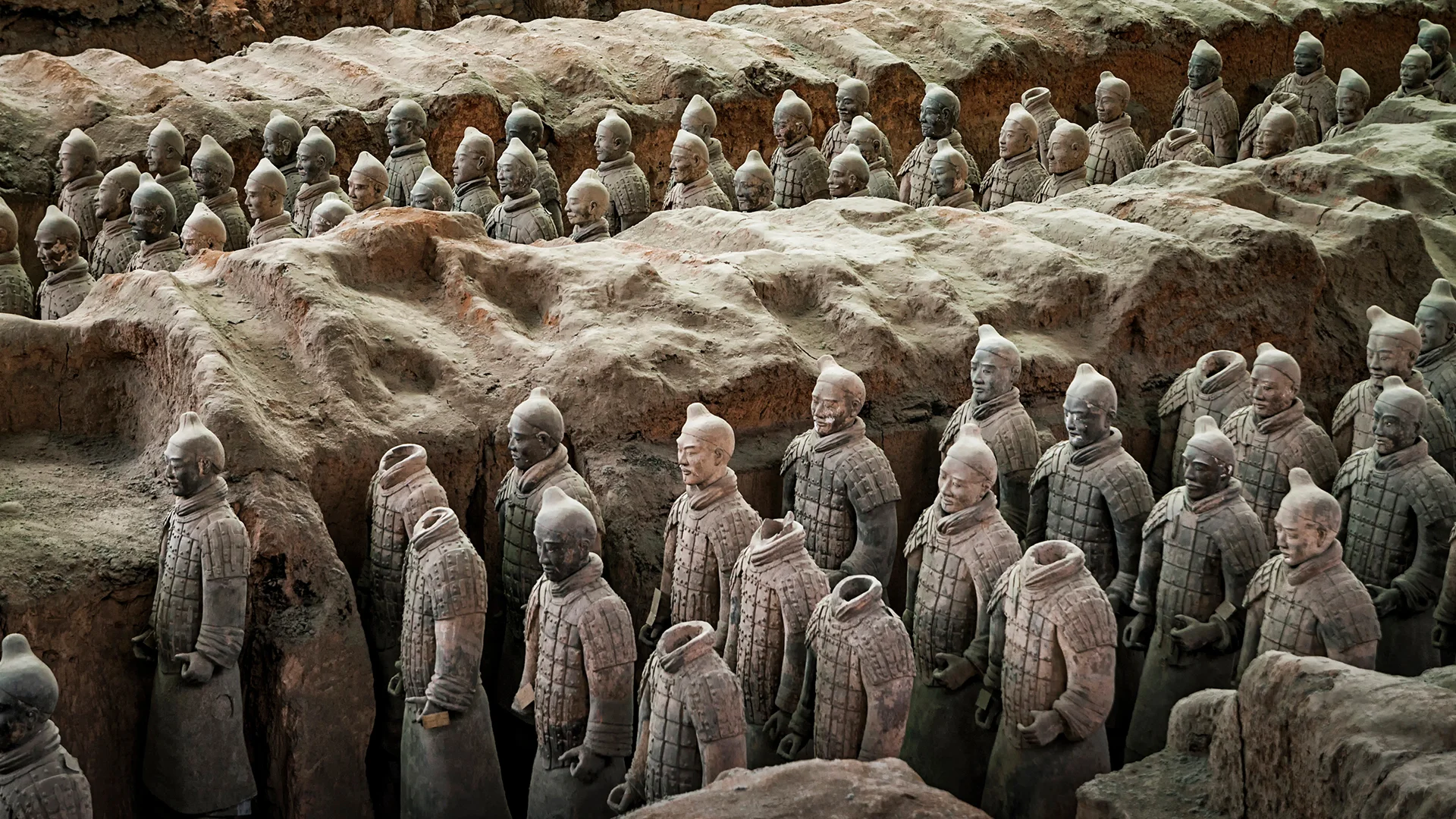
Yunnan (Dali, Lijiang): Autumn brings azure skies and golden rice paddies along Erhai Lake, making it the perfect season for photography.
October: The Peak of Autumn Splendor
October marks the height of the autumn season, when the fall colors across China are at their most vibrant. Please note that the National Day "Golden Week" holiday in early October sees a massive surge in domestic tourism, resulting in extremely crowded attractions; it is advisable to avoid traveling between October 1 and October 7.
Recommended Destinations:
Jiuzhaigou, Sichuan: In autumn, the azure waters of Jiuzhaigou reflect the colorful forests, creating one of China's most iconic natural landscapes.
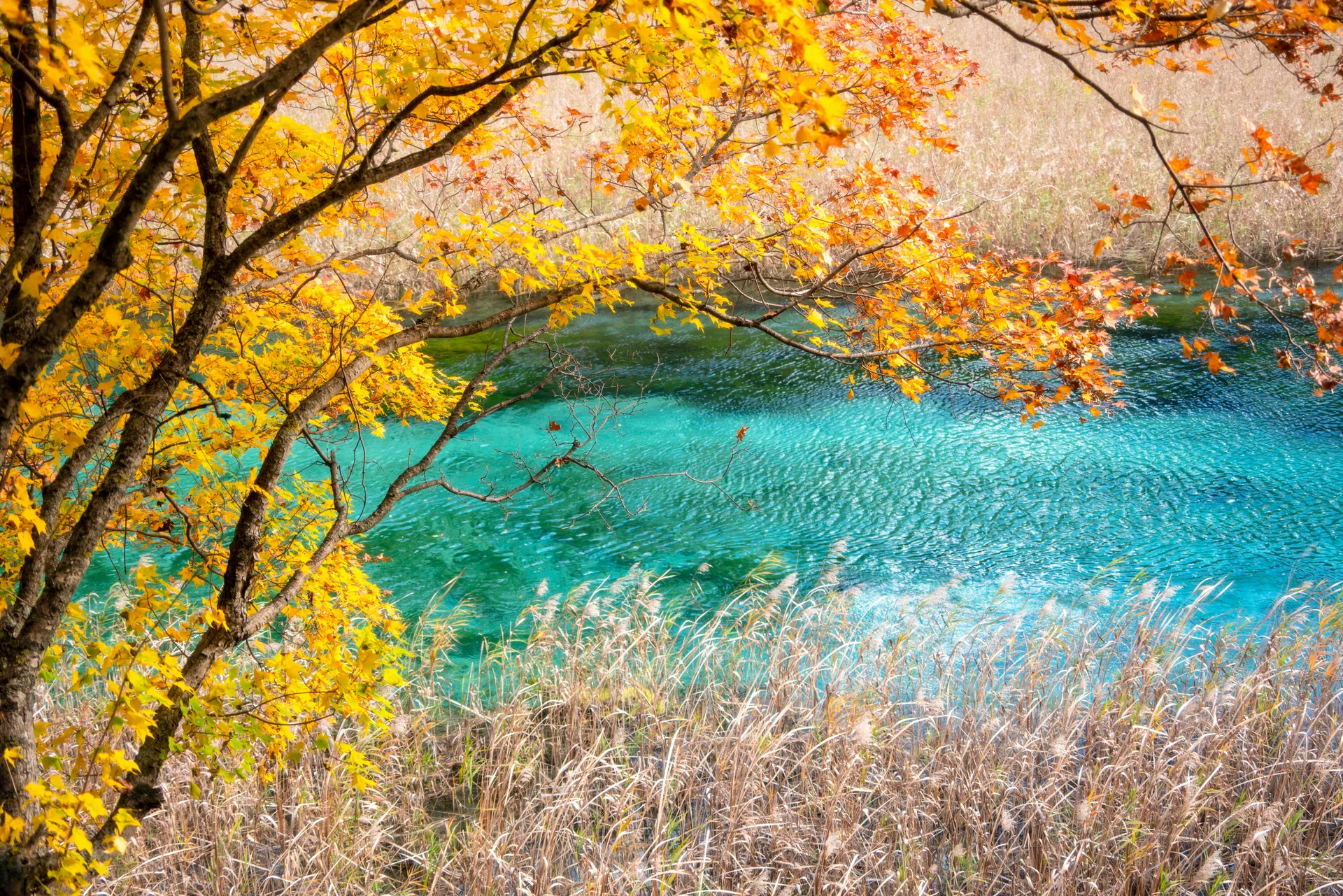
Ejina Banner, Inner Mongolia: The 450,000 mu (approx. 30,000 hectares) of Euphrates poplar forests reach their peak viewing period in mid-to-late October; the landscape turns a brilliant gold, making it a dream destination for photography enthusiasts.
Aksu (Shaya), Xinjiang: Home to the world's largest expanse of primeval Euphrates poplar forest and a unique scenic highway dedicated to these trees, the area is best viewed from mid-October to early November.
Longji Rice Terraces, Guilin, Guangxi: In October, the golden rice crops create a magnificent, picturesque scene as the terraced fields cascade in layers under the sunlight.

November: Transitioning from late autumn to winter, the south remains pleasant.
While the north begins to cool down in November, the south remains warm and comfortable, making it an ideal time for off-peak travel. China Highlights particularly recommends visiting southern destinations such as Yunnan or Guilin during the first half of the month.
Recommended Destinations:
Yunnan (Tengchong, Yuanyang): In Tengchong, the "Ginkgo Village" is blanketed in golden hues; in Yuanyang, the rice terraces are filled with water, creating stunning light and shadow effects.
Fujian (Xiamen, Wuyi Mountains): The climate is mild, making it perfect for seaside relaxation and tea culture experiences.

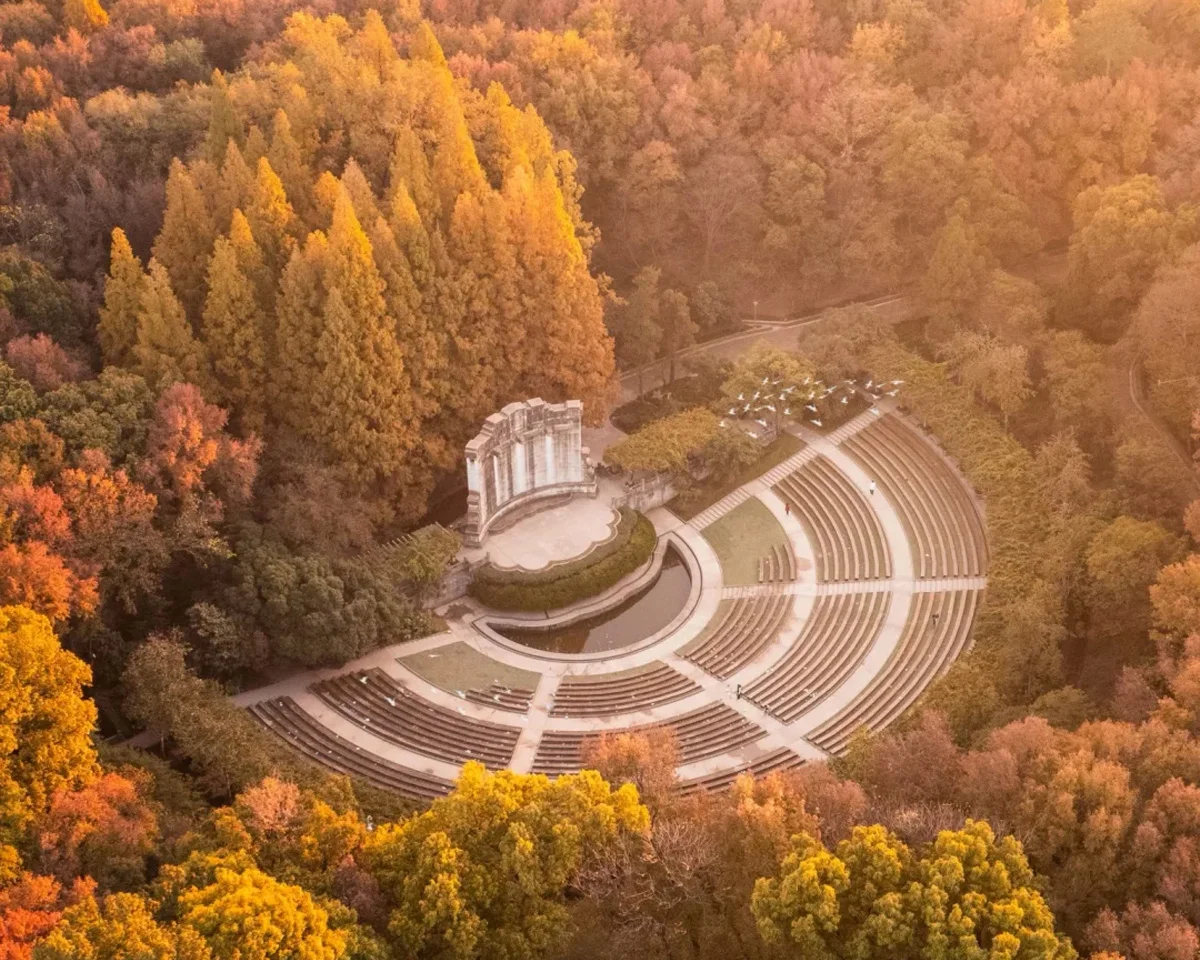
Nanjing, Jiangsu: The red autumn foliage on Qixia Mountain reaches its peak viewing period in November, and the ancient city is steeped in autumnal charm.
IV. Winter (December–February): A Polar Contrast Between Snow and Warm Sunshine
China’s winter climate exhibits a distinct north-south divide: the north is bitterly cold, with nighttime temperatures dropping below 0°C—and plunging to -20°C or lower in the Northeast; the central region is cold and damp, with temperatures ranging from 5°C to 10°C; meanwhile, the southern coastal areas are warm and dry, with temperatures between 13°C and 18°C, making them ideal "winter retreats" for travelers from the north.
December: The Ice and Snow Season Begins
Recommended Destinations:
Harbin, Heilongjiang: The Harbin Ice and Snow World and the Sun Island International Snow Sculpture Art Expo open in late December, making this the ideal place to experience China's ice and snow culture.
Hemu, Xinjiang: The snowy scenery reaches its peak from late December onwards; village houses blanketed in snow transform into "snow mushrooms" and "snow huts," creating a fairytale-like atmosphere.

January: The coldest month, yet the "hottest" season for snow and ice tourism
January sees the lowest temperatures of the year, yet it is also the peak season for snow and ice tourism.
Recommended destinations:
Harbin: The Ice and Snow Festival reaches its climax in January, featuring spectacular displays of ice sculptures, snow sculptures, and ice lanterns.
Changbai Mountain, Jilin: A premier skiing destination in winter, Changbai Mountain takes on a mystical aura with its Heavenly Lake blanketed in snow and ice.
Sanya, Hainan: Offering a stark contrast to the bitter cold of the north, Sanya enjoys temperatures between 20°C and 25°C in January, making beach vacations and seafood delicacies the main attractions.
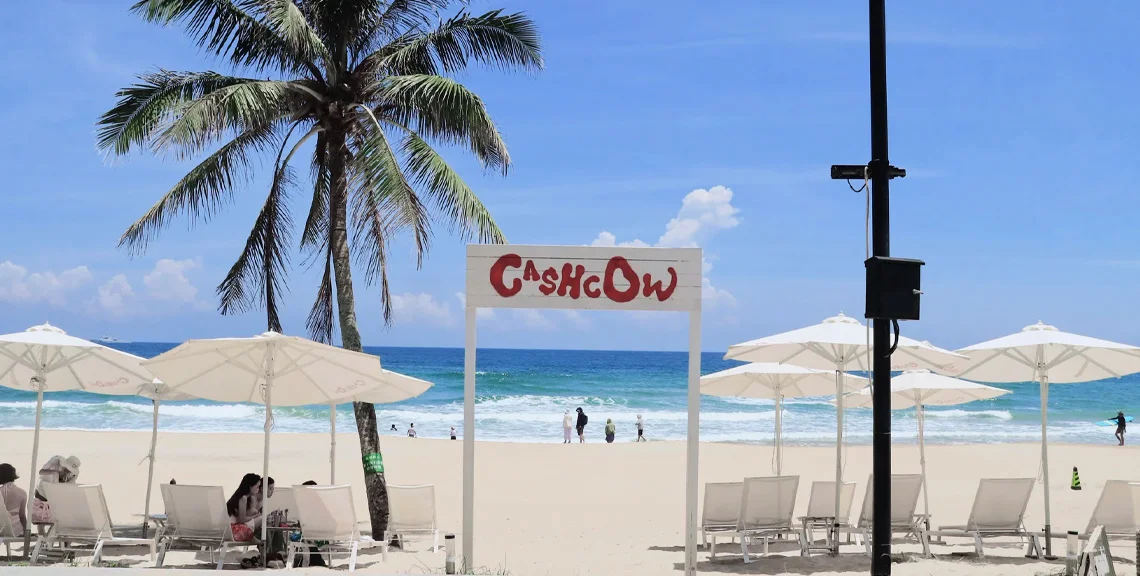
February: Lunar New Year Festivities and the Warm South
February coincides with the Chinese Lunar New Year; while there are abundant festive activities across the country, it is also a peak travel season, meaning transportation and accommodation can be in short supply.
Recommended Destinations:
Xishuangbanna, Yunnan: Warm and comfortable, this region offers unique tropical rainforest scenery and distinctive Dai culture—perfect for a warm getaway during the Lunar New Year.
Weizhou Island, Beihai, Guangxi: Boasting a rich island atmosphere and relatively few tourists during the winter, it is an ideal spot for a leisurely vacation.
Mount Huangshan, Anhui: The winter scenery here—featuring rime ice and seas of clouds—is truly spectacular; the combination of high-altitude cold and abundant moisture creates a unique, breathtaking landscape of ice and snow.
Practical Tips for Foreign Tourists
Visas and Entry: China offers visa-free or transit visa-free policies to citizens of various countries. Citizens of countries such as Malaysia and Singapore currently enjoy 30-day visa-free entry. It is recommended to verify the latest visa policies applicable to your passport-issuing country before departure.
Transportation: China’s extensive high-speed rail network is the best choice for intercity travel. Tickets can be purchased via third-party platforms (such as travel agencies or Trip.com) or the official 12306 platform.
Payment Methods: Alipay and WeChat Pay are ubiquitous in China. Foreign visitors can link international credit cards to these apps for taxis, shopping, and dining, though it is advisable to carry a small amount of cash for emergencies.
Avoiding Peak Times: Major domestic travel peaks—including the Qingming Festival (early April), Labor Day (early May), National Day (early October), and Spring Festival (late January to mid-February)—see crowded tourist attractions and higher prices.
Clothing Recommendations: In the north, winter requires down jackets and warm base layers; during spring and autumn, significant temperature fluctuations between day and night make a jacket advisable. Southern summers are hot and humid, requiring breathable clothing and rain gear. For high-altitude regions, carrying warm layers and windproof jackets is recommended year-round.
Frequently Asked Questions
Q1: When is the best time to visit China?
A: Spring (March–May) and autumn (September–November) offer the most comfortable weather and are ideal for visiting most cities and classic attractions.
Q2: Which route do you recommend for a first-time visit to China?
A: Classic route: Beijing – Xi'an – Shanghai; Natural scenery route: Guilin – Yangshuo – Zhangjiajie; Plateau scenery route: Kunming – Dali – Lijiang – Shangri-La.
Q3: Can I travel there without speaking Chinese?
A: Yes. Some people in major cities and tourist areas speak English. It is recommended to download a translation app, save your hotel's address in Chinese, and learn a few simple Chinese phrases.
Q4: Is China safe?
A: Generally safe; major cities are also quite safe at night. Be on the lookout for pickpockets and scams.
Q5: How can I access the internet in China?
A: You can use international roaming, an eSIM, or a local SIM card (real-name registration required). Access to certain international websites and apps may be restricted; it is recommended to check this beforehand and prepare alternatives.
Disclaimer: This information is provided for reference only and was last updated on . Requirements and regulations may change. Always verify with official sources before making travel plans.