
Yunnan isn't the kind of place that immediately wows you; it's made up of distinct and unique regions. Many first-time visitors to Yunnan are often perplexed by one question: how should they choose and plan their trip if they want to visit Kunming, Dali, Lijiang, and Shangri-La?
Follow our travel guide to understand the unique features of Kunming, Dali, Lijiang, and Shangri-La, and decide how to choose and plan your trip.
Four regions · Instant preview
Kunming: The gateway to Yunnan, not stunning but very comfortable; altitude approximately 1900 meters; suitable for everyone, a good starting point or short stop.
Dali: A lakeside lifestyle where you can stop and daydream; altitude approximately 2000 meters; suitable for those who love lake views, villages, and cafes.
Lijiang: The ancient city and Naxi culture against the backdrop of snow-capped mountains; The altitude is approximately 2400 meters.; suitable for those who enjoy taking photos, exploring the ancient city, and viewing the snow-capped mountains.
Shangri-La: A quiet and open Tibetan plateau; altitude approximately 3300 meters; suitable for those with ample time, whose bodies are adapted to high altitudes, and who love Tibetan culture.
Kunming: The starting point and buffer zone for entering Yunnan
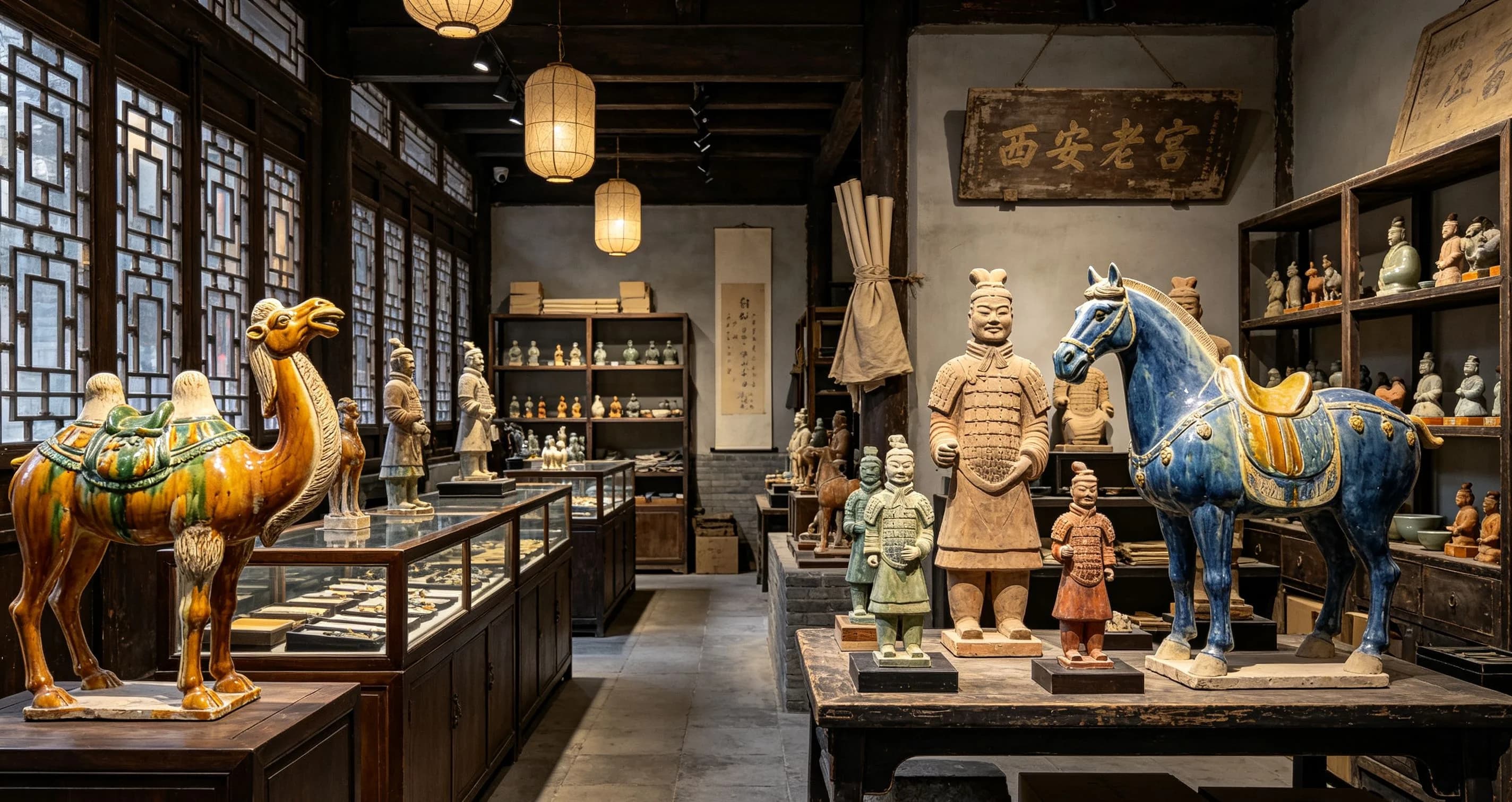
Kunming isn't the kind of city that will make you gasp at first glance. Its charm lies in its convenience and comfort. As Yunnan's largest transportation hub, it's easily accessible by plane or high-speed rail.
In Kunming, you can enjoy a genuine bowl of Crossing-the-Bridge Rice Noodles or freshly made flower cakes. Alternatively, you can visit the Yunnan Ethnic Village to experience the diverse ethnic cultures.
Recommended attractions:
Kunming Old Street: It retains the old street layout of Kunming, with old houses, small shops and rice noodle restaurants.
Dianchi Lake and Xishan Mountain: Yunnan's largest plateau lake, offering expansive views and perfect for an evening stroll.

Zhuanxin Farmers Market: Experience the most authentic Kunming farmers market, where you'll see Yunnan's mushrooms, flowers, spices, and cured meats.
Besides these attractions, in Kunming, if you want to learn about China's ethnic minorities, you can visit the Yunnan Ethnic Village; if you are interested in ancient towns, you can experience Guandu Ancient Town.
Suitable for: First-time visitors to Yunnan, those who enjoy a relaxed city pace, are short on time, and just want to experience the flavors of Yunnan.
Dali: A lakeside lifestyle perfect for slowing down and relaxing
The essence of Dali is "slowness." Its charm lies not in any single tourist attraction, but in the breeze you feel while cycling around the lake and the sunlight that warms you as you sip coffee in a courtyard. Dali is not a place to rush through; it is a place to settle down and stay awhile.
Unique experiences: You can rent an e-scooter or bicycle in Dali and ride along the Erhai Lake Ecological Corridor, or spend a night at a guesthouse by the lake to watch the sunrise and sunset. You can also visit Zhoucheng Village to create your own one-of-a-kind piece of tie-dyed fabric.
Recommended Attractions
Erhai Lake: The loop around the lake is approximately 130 kilometers. You don't need to ride the entire distance; the stretch from Xizhou to Shuanglang is particularly beautiful.

Xizhou Ancient Town: The place where Bai-style architecture is best preserved. It features rapeseed flowers in the spring and rice paddies in the autumn; the café at the "Corner Building" is worth a visit.
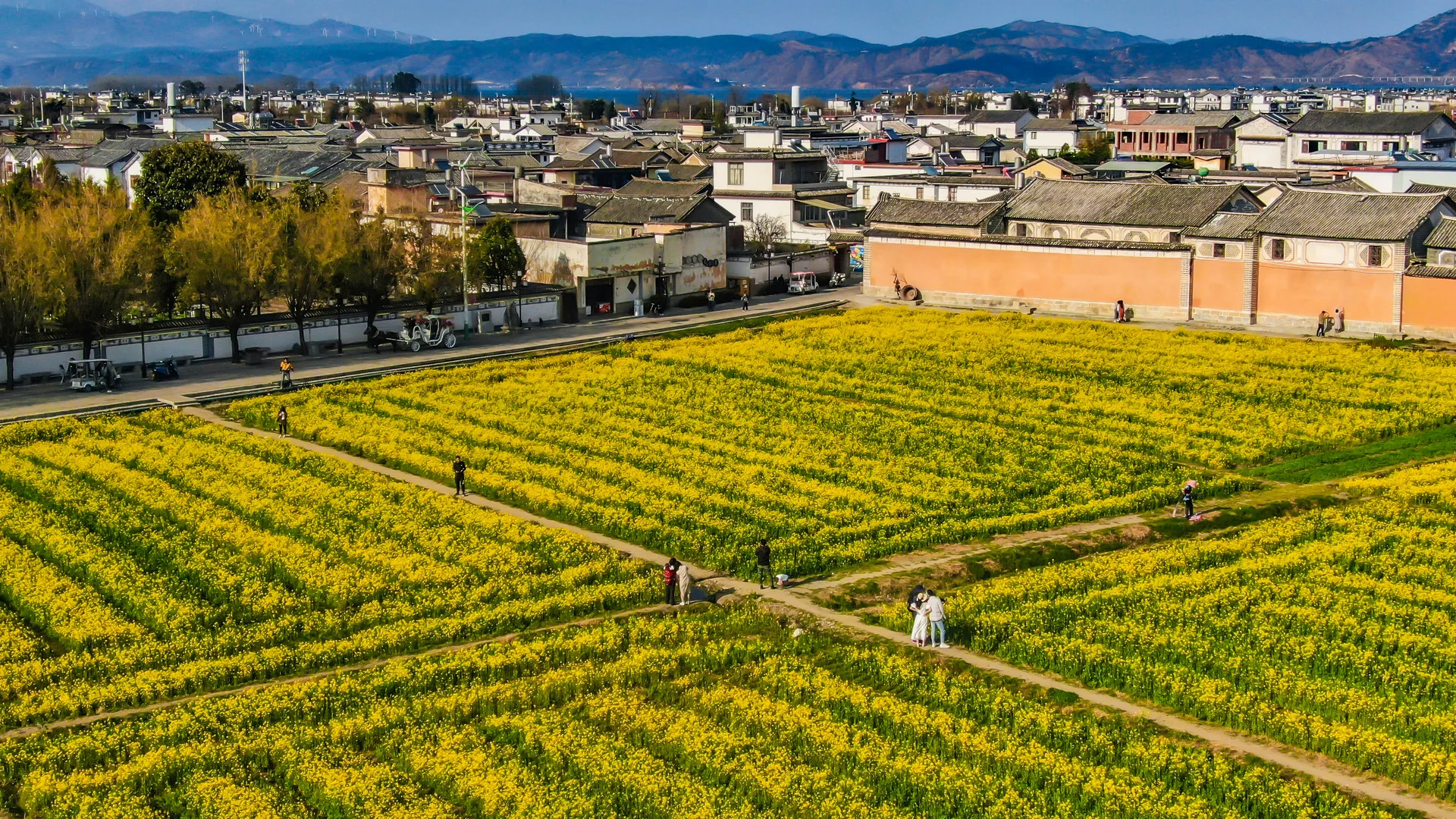
Dali Ancient Town: It has a more lived-in, authentic feel than Lijiang Ancient Town. Renmin Road is home to many interesting small shops and bars.

Cangshan Mountain: You can take a cable car up the mountain to view Erhai Lake from above.
Ideal for: Those who enjoy lake views, village settings, slow travel, and a relaxed atmosphere, and who are looking for a place in China that offers both beautiful scenery and a genuine sense of local life.
In addition to the attractions mentioned above, if you enjoy visiting ancient towns, you might consider Shaxi Ancient Town, Weishan Ancient City, or Jianchuan Ancient City; these offer a cultural and historical experience set amidst the countryside, away from Erhai Lake.
Lijiang: Ancient Town, Snow-Capped Mountains, and Naxi Culture
Lijiang is the most distinctive stop on a trip to Yunnan. From the small bridges and flowing waters of Lijiang Old Town to the Jade Dragon Snow Mountain visible the moment you look up, the place evokes a powerful sense of "destination."
From here, you can head to the quieter towns of Shuhe and Baisha to explore Naxi history.
Unique Experiences:
If you are interested in Chinese history, you can head to the areas around Lashihai Lake or Shuhe Ancient Town to go horseback riding along the Ancient Tea Horse Road. Alternatively, in Baisha Ancient Town, you can try your hand at making Dongba paper notebooks, creating Dongba-style paintings, or crafting "Wamao" (tile cat) ornaments.
Recommended Attractions
Lijiang Old Town: The most famous of them all. With its complex network of streets and alleys, it is easy to get lost—but getting lost is part of the fun. It is lively at night and quiet in the early morning.

Shuhe Ancient Town: Much quieter than Dayan, making it better suited for a longer stay.
Baisha Ancient Town: The most authentic Naxi village, where you can see old houses and murals set against a backdrop of snow-capped mountains.
-Jade Dragon Snow Mountain and Blue Moon Valley: You need to confirm cable car tickets for the snow mountain in advance. Even if you don't go to the foot of the snow mountain, the blue waters of Blue Moon Valley are well worth seeing.
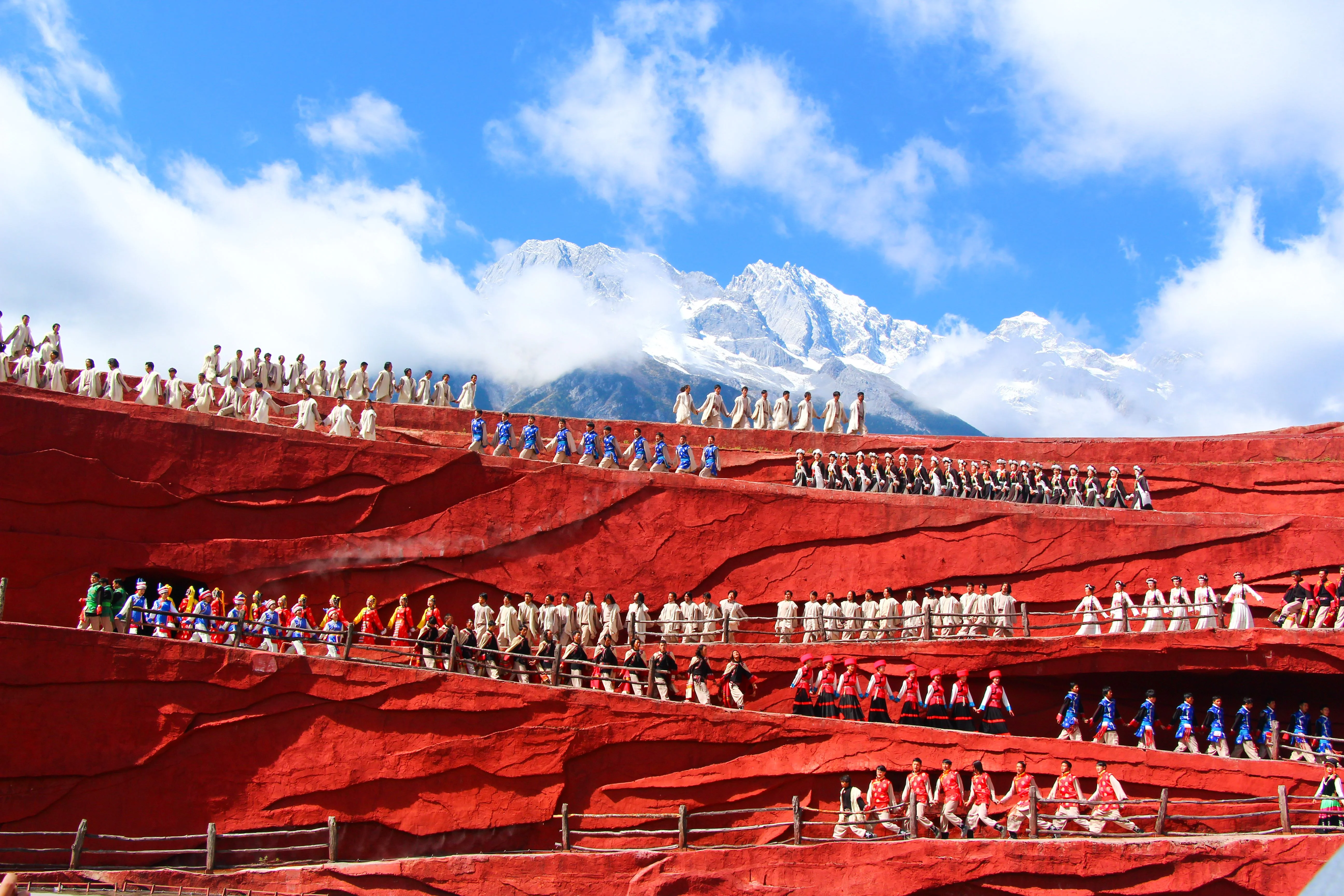
Suitable for: Those who enjoy ancient town streets and alleys, snow-capped mountain backdrops, and photography, as well as those wishing to experience Naxi and Dongba cultures.
Shangri-La: Tibetan Landscapes Atop the High Plateau
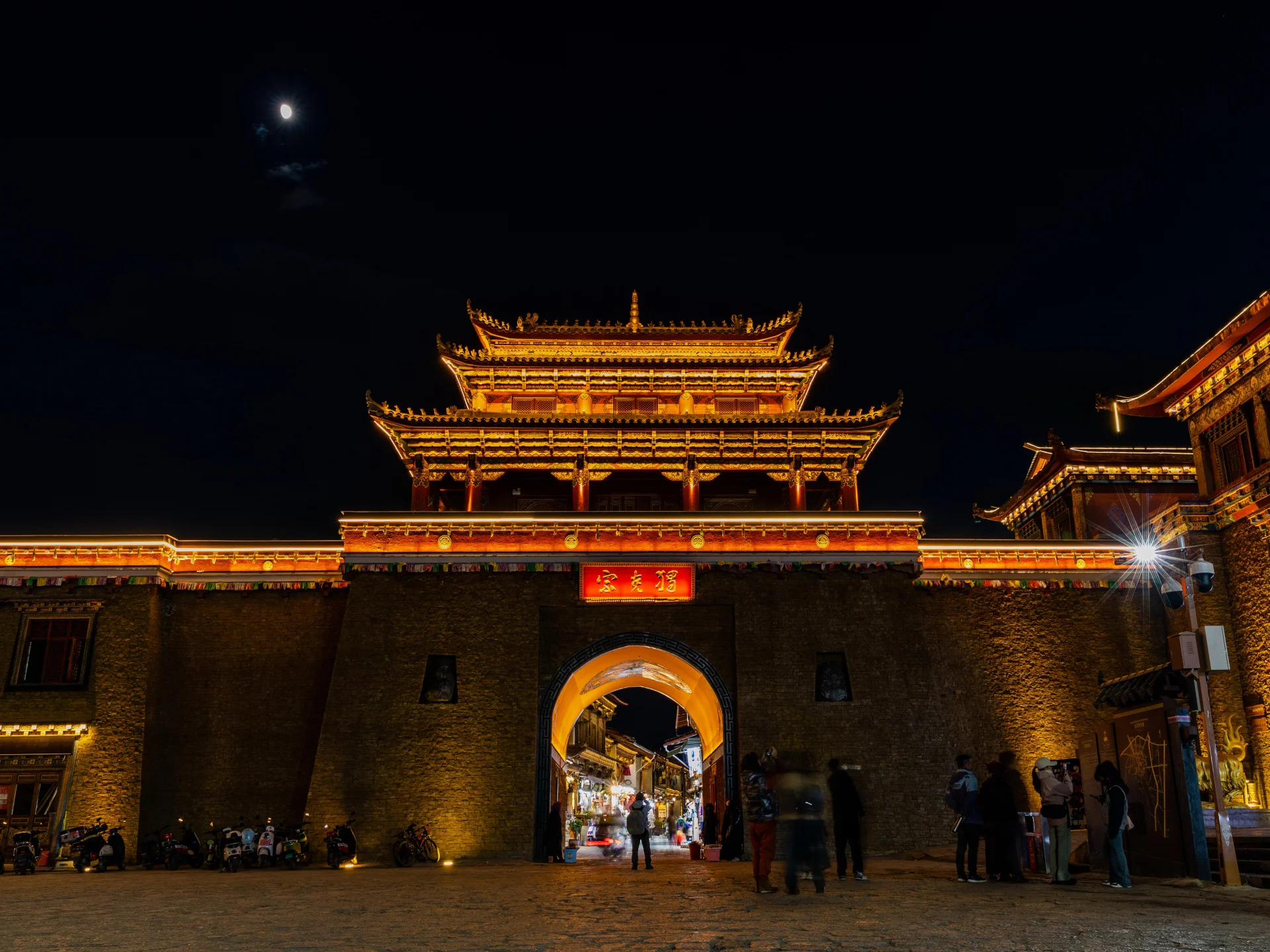
Shangri-La is a world apart. Upon arrival, you are greeted by Tibetan-style architecture, prayer flags, prayer wheels, and high-altitude meadows.
Signature experiences include spinning the giant prayer wheel in Dukezong Ancient Town or embarking on a pilgrimage hike in Yubeng to experience the serenity and sanctity of this "hikers' paradise." You can also try your hand at coloring a thangka or crafting Tibetan incense at the Shambhala Kalachakra Mandala or the Intangible Cultural Heritage Experience Center.
If you enjoy hiking-oriented attractions, Tiger Leaping Gorge in Shangri-La is an excellent choice; you can select a route that suits your fitness level.
Recommended Attractions
Songzanlin Monastery: The largest Tibetan Buddhist monastery in Yunnan; its golden roofs are a stunning sight in the sunlight. I recommend hiring a guide to help you appreciate the many nuances of Tibetan culture.

Meili Snow Mountain: Head to the Feilai Temple viewing platform at dawn to watch golden sunlight bathe the snow-capped peaks and experience the awe-inspiring, sacred spectacle of the "Golden Mountain at Sunrise."
Dukezong Ancient Town: A Tibetan-style ancient town featuring the world's largest prayer wheel, which requires the combined effort of multiple people to turn.
Pudacuo National Park: Features high-altitude lakes, forests, and meadows; ideal for hiking enthusiasts.
Suitable for: Those who appreciate high-altitude nature, Tibetan culture, and snow-capped mountains; and those with ample time and good physical fitness.
How to choose between these four locations
How many days do you have?
Less than 7 days → Choose either Kunming + Dali or Kunming + Lijiang.
More than 10 days → Consider the route Kunming → Dali → Lijiang → Shangri-La (but strictly observe altitude acclimatization).
What is your travel style?
Relaxing, unwinding, and enjoying good food → Dali (top choice)
Photography, ancient towns, and culture → Lijiang
Tibetan regions, hiking, and high-altitude areas → Shangri-La (recommended only for those with good physical stamina and ample time)
What is your physical condition?
High blood pressure, heart issues, or advanced age → Do not go to Shangri-La; go no further than Lijiang.
Young, physically active, but no experience with high altitudes → It is still recommended to start in Lijiang and monitor how you feel before deciding whether to proceed to Shangri-La.
Best time to visit
Spring (March–May): Features rapeseed flowers in Dali and cherry blossoms in Kunming; Shangri-La remains cold (with unmelted snow). Generally good weather.
Summer (June–August): Rainy season, but also the most beautiful time for the grasslands of Shangri-La (wildflowers). Tiger Leaping Gorge may occasionally close due to heavy rain. Expect frequent showers in Dali and Lijiang; bring a raincoat.
Travel Tips
1. Elevation: From low to high
Kunming (1,900m) → Dali (2,000m) → Lijiang (2,400m) → Shangri-La (3,300m)
First day in Shangri-La: Do not bathe, drink alcohol, or engage in strenuous activity (like running or jumping). Drink plenty of warm water. Headaches and shortness of breath are normal; resting for half a day should alleviate these symptoms. If symptoms become severe, descend to Lijiang.
2. Dressing: Experiencing four seasons in a single day.
Regardless of the season, bring: long-sleeved tops, a fleece or lightweight down jacket, and a windbreaker. There is a significant temperature difference between day and night.
Summer (June–August) is the rainy season; bring a lightweight raincoat. In winter (December–February), nighttime temperatures in Shangri-La drop below freezing, so a heavy down jacket is necessary.
3. Transportation: High-speed rail combined with a chartered car offers the most comfort.
Kunming to Dali, Dali to Lijiang, and Lijiang to Shangri-La: High-speed train (1.5–2 hours).
Within cities/at attractions: Chartering a car or joining a shared-ride service in Dali, Lijiang, and Shangri-La makes for a more hassle-free experience.
4. Payments and Connectivity
WeChat Pay and Alipay support linking international credit cards. Carry a small amount of cash (200 RMB in small bills) as a backup.
A VPN is required to access services like Google and Instagram in China; install and test it before you depart.
Purchase a local SIM card (available at the airport with your passport) or activate international roaming.
5. Food Safety
The broth for "Crossing-the-Bridge" rice noodles is extremely hot; add the meat first, followed by the vegetables. Only eat wild mushrooms at reputable restaurants; do not forage for them yourself.
Specify "not spicy" or "only a little spicy." Drink only bottled water; avoid tap water.
Disclaimer: This information is provided for reference only and was last updated on . Requirements and regulations may change. Always verify with official sources before making travel plans.