
Xinjiang is vast. Northern Xinjiang is a land of snow-capped mountains and grasslands, while Southern Xinjiang is defined by deserts and oases. Turpan, however, is the part of Xinjiang that least resembles the rest of the region—and it is precisely for this reason that it is truly irreplaceable.
Located in eastern Xinjiang, Turpan is an intermontane basin nestled within the Tianshan Mountain range. As a key hub along the ancient Silk Road, Turpan is an excellent place to explore if you are interested in the history of that historic route.
The Natural Environment of Turpan
Located east of Urumqi—just an hour away by high-speed train—Turpan feels like stepping onto another planet:
At the foot of the Flaming Mountains—where surface temperatures can soar above 70°C—lies a cool, shaded valley, blanketed by a canopy of grapevines.
Across a seemingly barren loess plateau stands an ancient city, unearthed from the earth after two millennia.
While the ground above burns with intense heat, a vast network of underground channels—stretching over 5,000 kilometers in total—quietly transports snowmelt from the Tianshan Mountains into the oasis.
The magic of Turpan lies in its ability to oscillate—within a single day—between extremes: scorching heat and refreshing coolness, desolation and lush abundance. If you could choose only one place in Xinjiang to experience the most dramatic contrasts, Turpan is the one that will never leave you with any regrets.
Best Time to Visit
Golden Window:
April-May and September-October.During these two periods, the temperature is comfortable, making them the best times of year for outdoor activities in Turpan.
Recommended time periods to pay attention to:
July and August. Summer in Turpan is not just "hot" in the ordinary sense. From June to August, daily high temperatures frequently reach 35–50°C, and surface temperatures in the Flaming Mountains area can exceed 70°C; outdoor activities at midday are explicitly considered ill-advised—if not outright dangerous. Yet, this is also the season when the local fruits are at their sweetest and the Grape Festival is at its liveliest.
From December to February, daytime temperatures hover around 10–15°C, while nighttime temperatures can drop to between 0°C and -10°C. The weather is cold and dry, and some guesthouses may be closed. The advantages of visiting during this period include fewer crowds and frequent discounts on admission tickets; furthermore, the crisp, cool light lends the archaeological sites a more authentic "excavation-in-progress" atmosphere.
What attractions can one visit on a one-day trip?
1. Ruins of Jiaohe
The world’s largest, oldest, and best-preserved earthen city site. The entire city was not "built" using bricks or stone; rather, it was "carved out" from the plateau—its streets, administrative offices, Buddhist temples, and dwellings were all hewn directly from the loess soil.
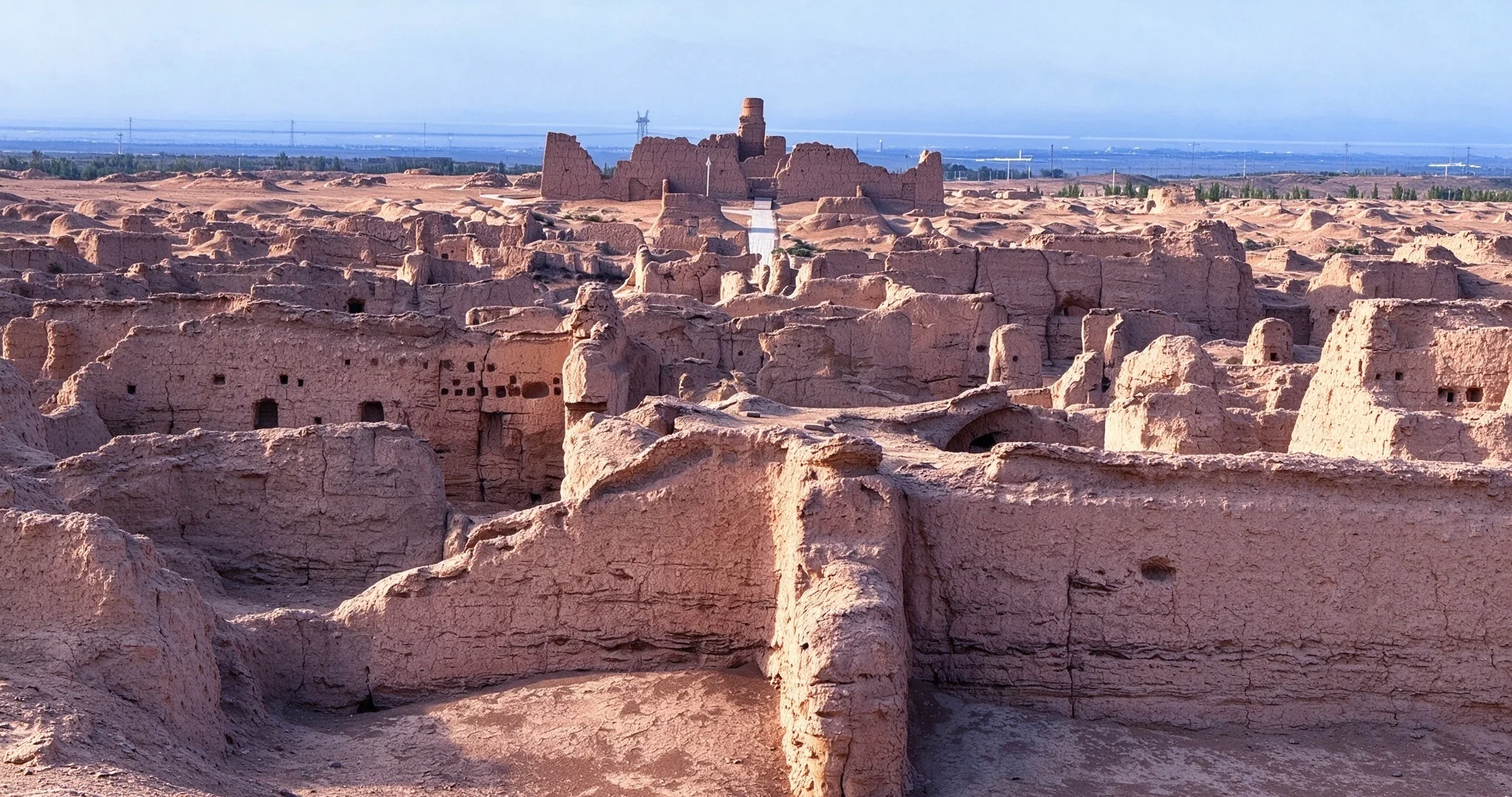
The main sights here are the surviving ruins and remnants of structures. Be sure to hire a guide or rent an audio guide; otherwise, all you will see is a collection of dirt mounds.
2. Flaming Mountains
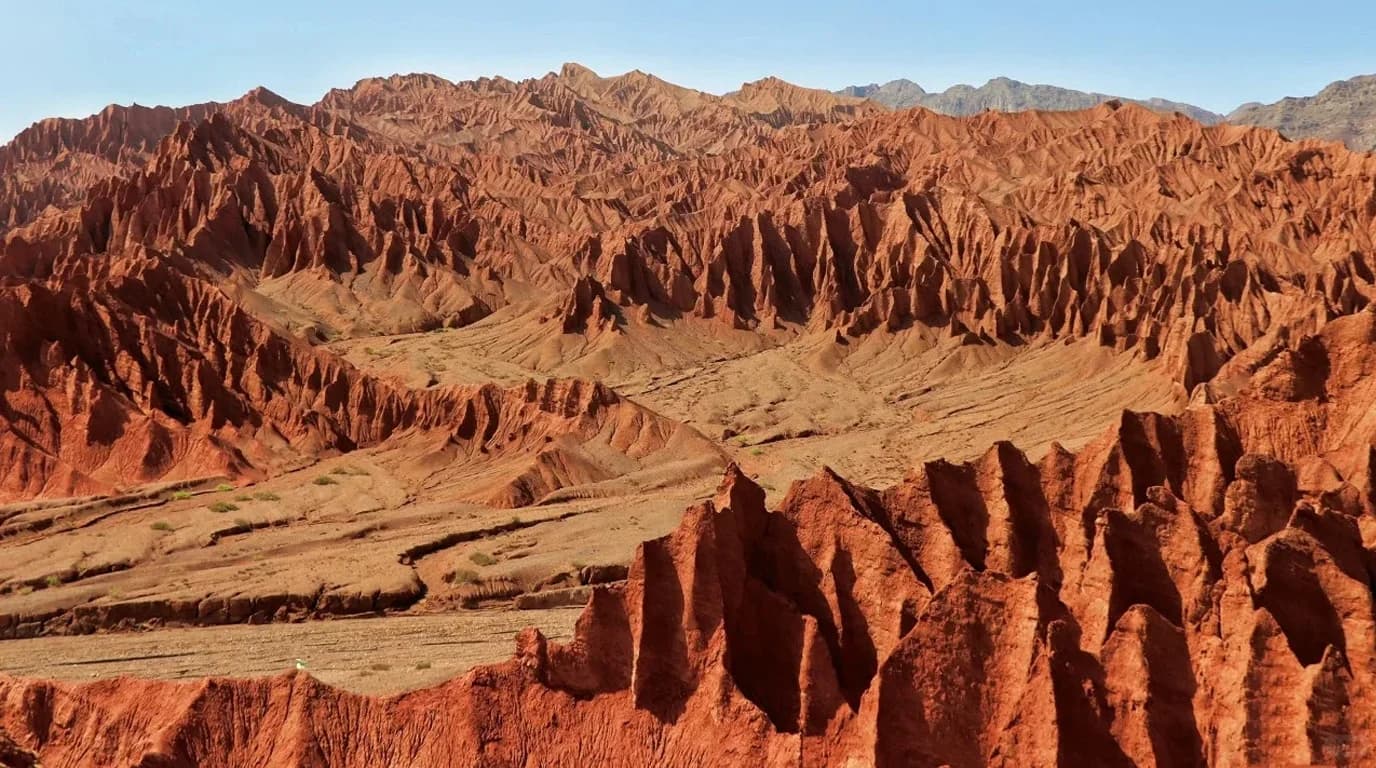
The red sandstone mountains, appearing to blaze like flames under the scorching sun, serve as the most striking landmark in Turpan; they are also widely known due to the classic novel Journey to the West. In summer, surface temperatures here can reach upwards of 70–80°C.
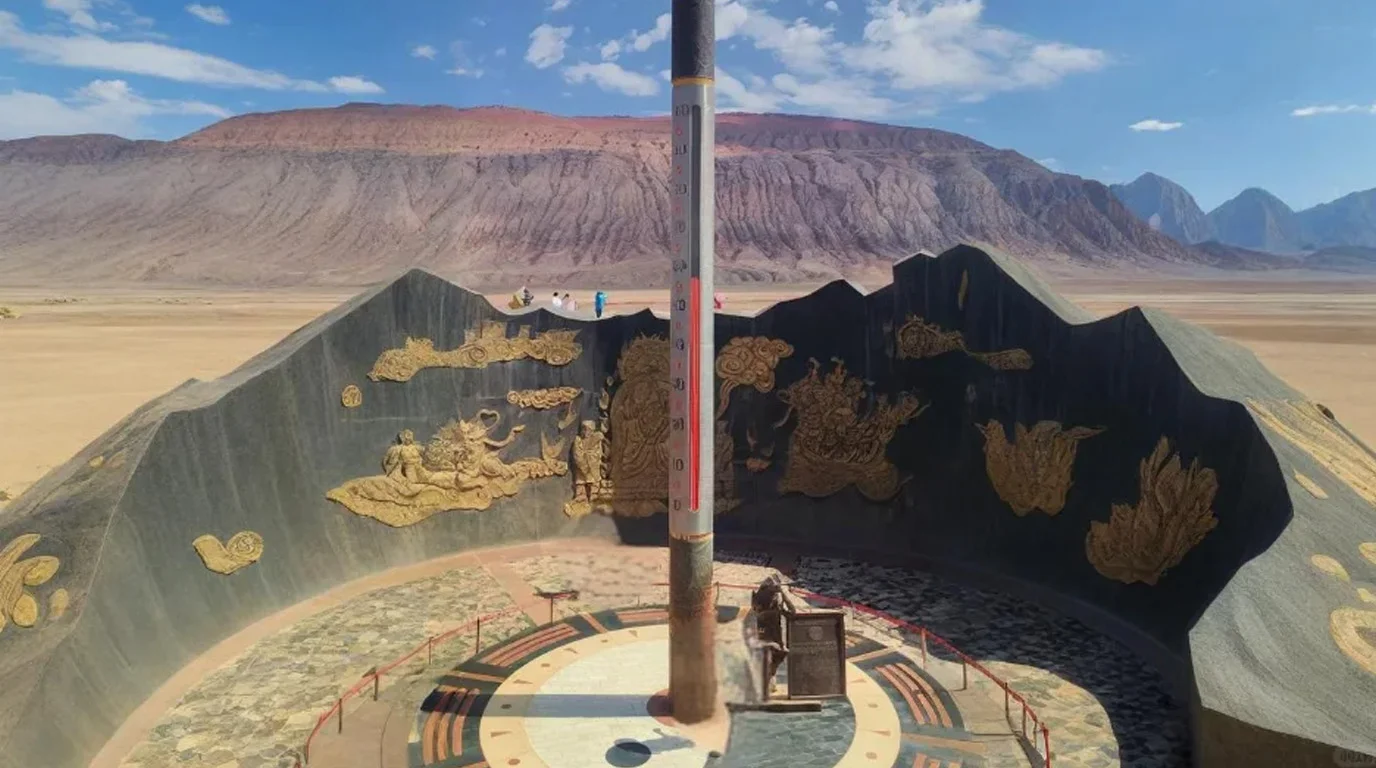
What to do / What to see: Snap a photo with the giant "Golden Cudgel" thermometer and capture the textures of the red mountain slopes. Camel rides are a popular activity, but be sure to agree on the price before hopping on.
Be sure to visit in the morning or toward evening. At midday, the Flaming Mountains turn into a literal "grill"—the less time you spend outdoors, the better. Sun-protective clothing, sunglasses, a sun hat, and high-SPF sunscreen are all absolute must-haves.
3. Grape Valley
An oasis valley at the foot of the Flaming Mountains, where Uyghur villages lie scattered beneath trellises of grapevines—this serves as the most vivid illustration of the "contrast between ice and fire" in Turpan.
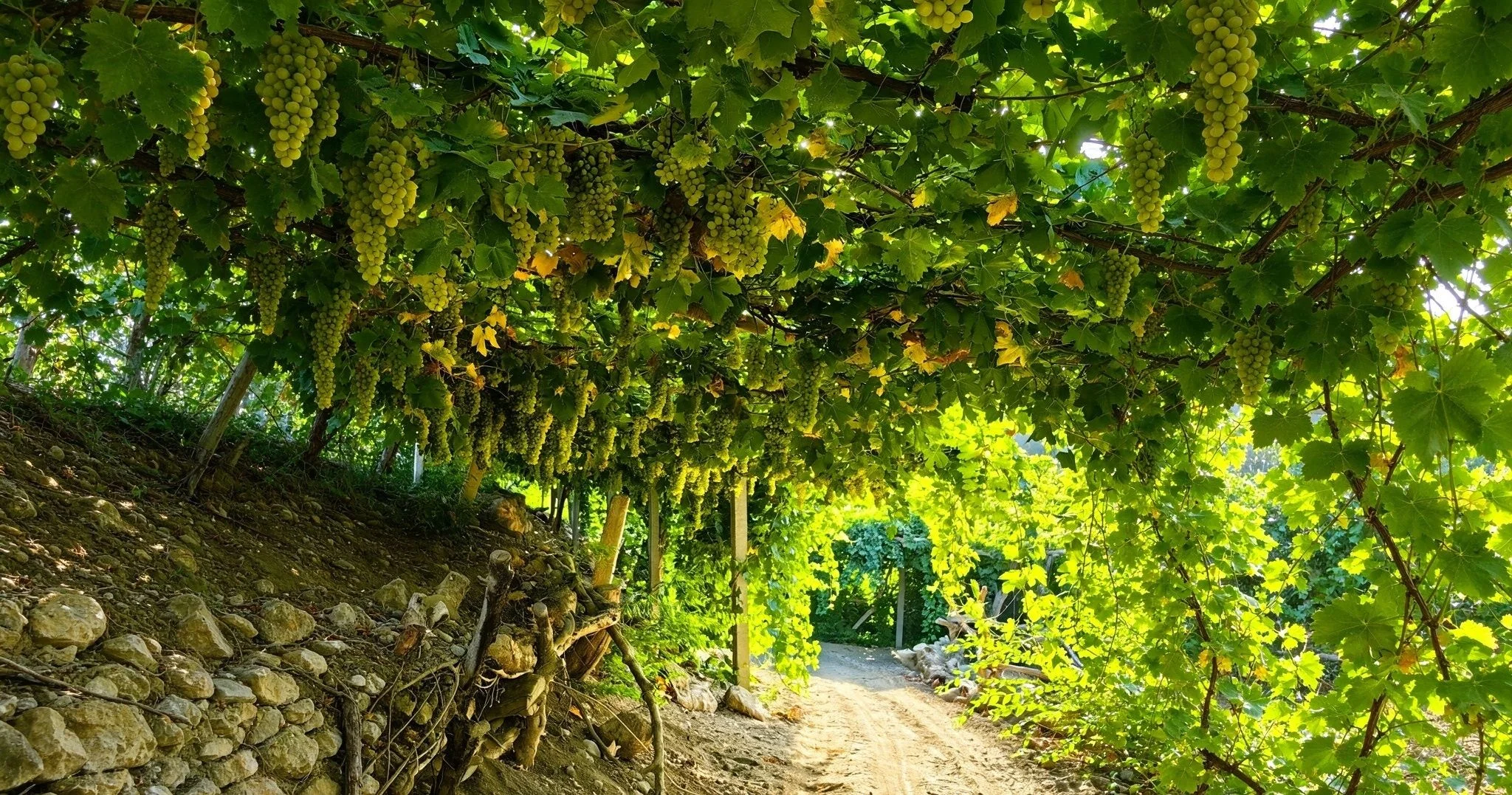
What to do / What to see: Stroll along the grape corridors and sample freshly picked seedless white grapes at local farmsteads. During the harvest season—from August to September—some farmsteads offer "pick-your-own" experiences (for a fee) or all-you-can-eat tasting options. You can also visit local homes to see traditional grape-drying sheds and get a glimpse into the daily lives of the local residents.
4. Tuyugou Mazar Village
Hidden deep within the canyons of the Flaming Mountains lies an ancient Uyghur earthen village with a history spanning over 1,700 years. With nearly all its dwellings constructed from rammed yellow clay or carved directly into the earth, the village itself serves as a living museum of earthen architecture.
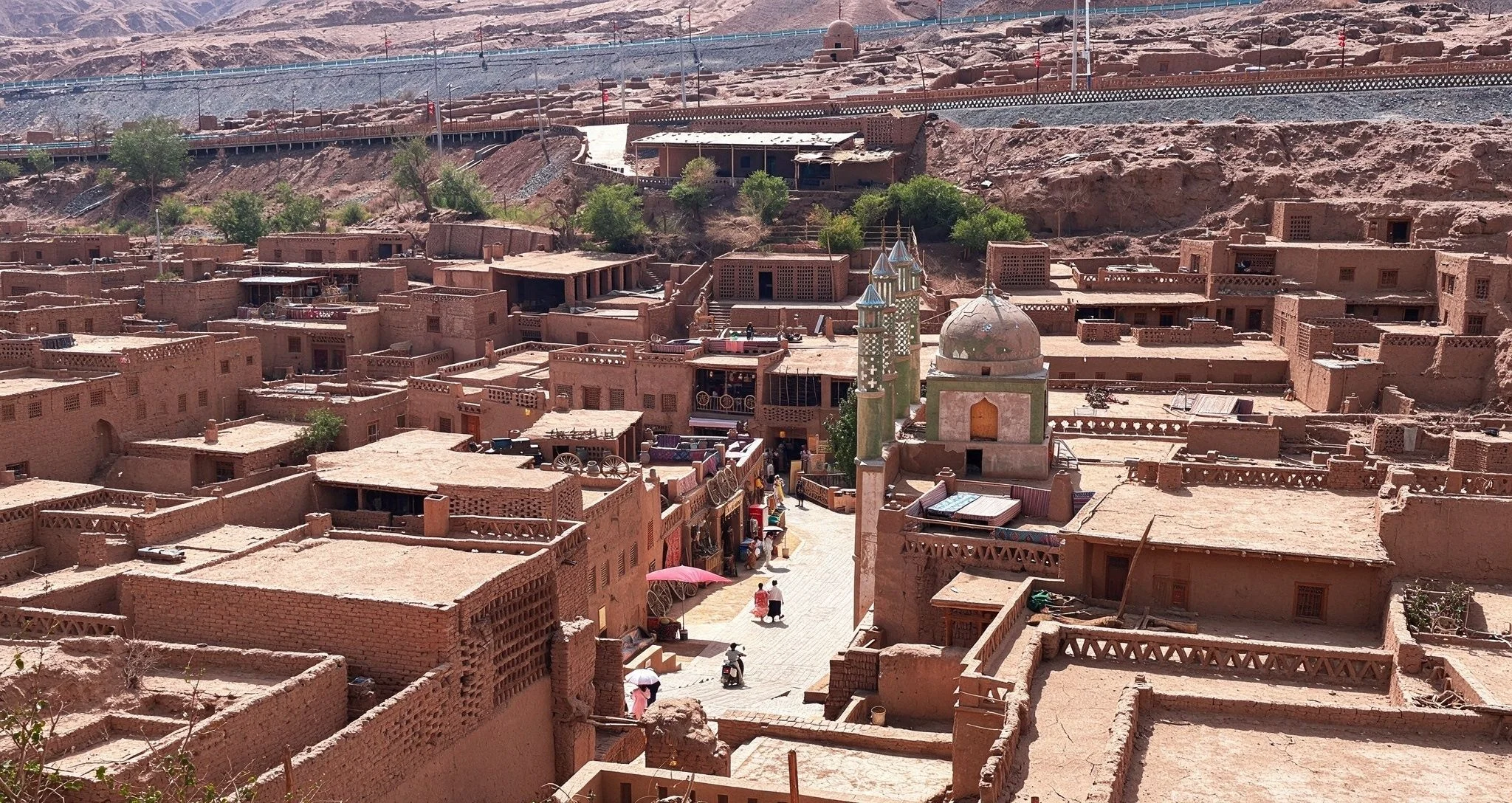
What to do: Wander into the maze of earthen-yellow alleyways—every corner serves as an excellent backdrop for cultural photography. If you have time to spare, you can also try your hand at traditional block-printing on fabric or crafting earthenware, taking home a unique, handmade souvenir from the Western Regions.
5. Karez Folk Customs Park
The karez (underground irrigation system) is ranked alongside the Great Wall and the Grand Canal as one of the three great engineering feats of ancient China. The people of Turpan channel snowmelt from the Tianshan Mountains through these subterranean conduits—bypassing the intense surface evaporation—to nourish the lush greenery found throughout this "Land of Fire."
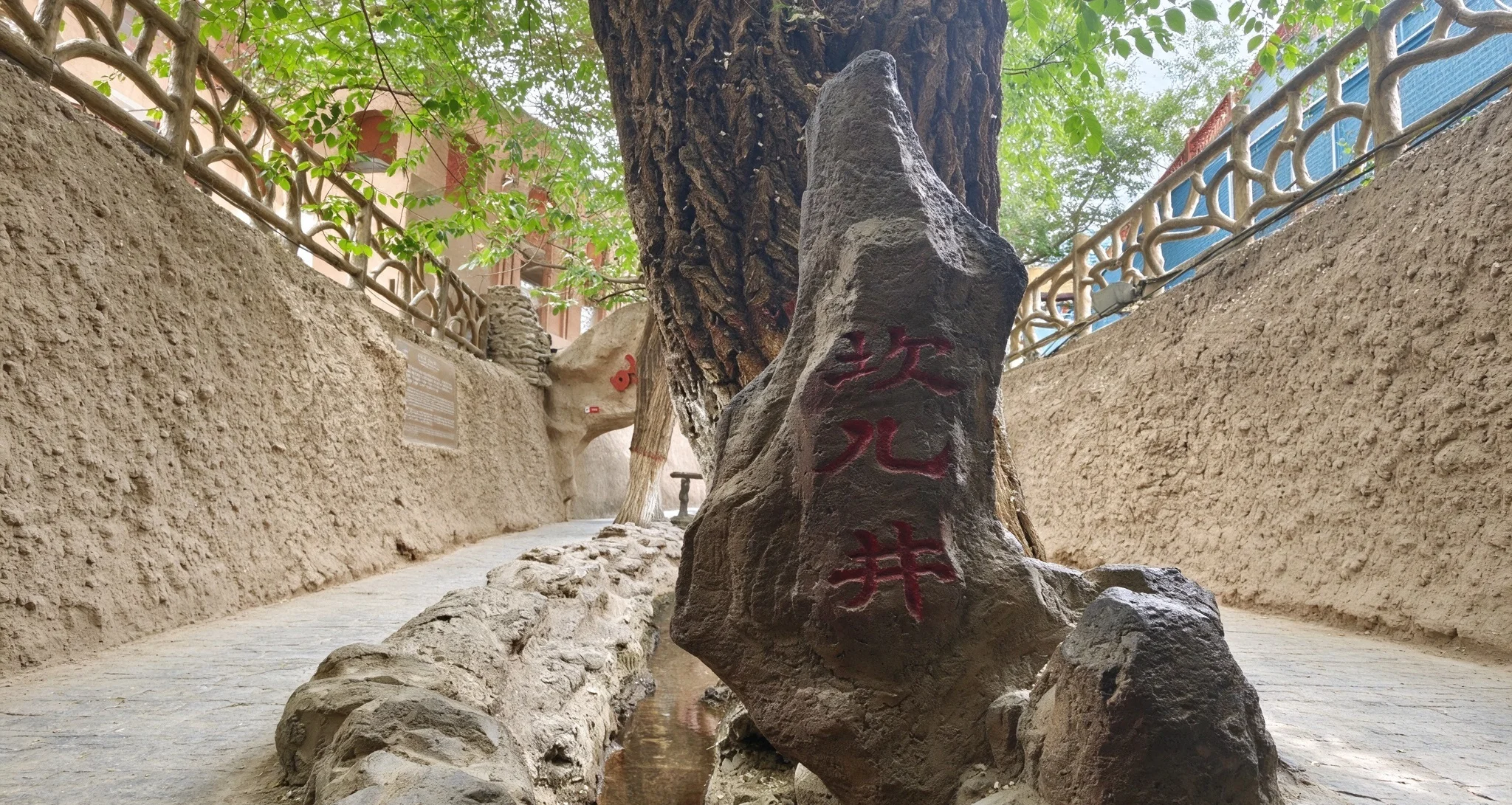
What: Step into an underground conduit, where the temperature drops instantly—a stark contrast to the sweltering world above, as if you’ve entered an entirely different season. Observe how vertical shafts, enclosed conduits, and open channels work in tandem, and gain an understanding of the operational logic behind this "Great Wall" beneath the ground.
How should I plan a one-day itinerary?
It is recommended to prioritize visiting the Flaming Mountains and Tuyugou Mazar Village. For Tuyugou Mazar Village, aim for later in the afternoon—after 16:00, when the light becomes softer—followed by a visit to the Flaming Mountains in the early evening; this avoids the most intense heat. During the midday hours, you can seek shade and rest at the Karez Folk Custom Park. If you are visiting Turpan in August or September, you might consider heading to the Grape Valley around midday to enjoy some delicious grapes.
Before You Go
Payments: Mobile payment is widely used in Turpan; however, before you set off, be sure to link an international credit card (Visa or Mastercard) to your Alipay or WeChat Pay account.
Language: English proficiency in Turpan is very low; most staff at tourist attractions and restaurants, as well as taxi drivers, do not speak English. Be sure to download a translation app in advance.
Hydration and Sun Protection: Turpan is extremely arid; it is recommended to consume at least 2,500–3,500 ml of water daily. Essential gear includes SPF 50+ sunscreen, lip balm, a sun hat, and shoes with thick soles.
Respect local culture: Turpan is an area inhabited primarily by the Uyghur people, and Mazar Village remains home to a local community. Please maintain a quiet demeanor when entering mosques, the courtyards of saintly tombs, or private homes, and always ask for permission before taking photographs.
Disclaimer: This information is provided for reference only and was last updated on . Requirements and regulations may change. Always verify with official sources before making travel plans.