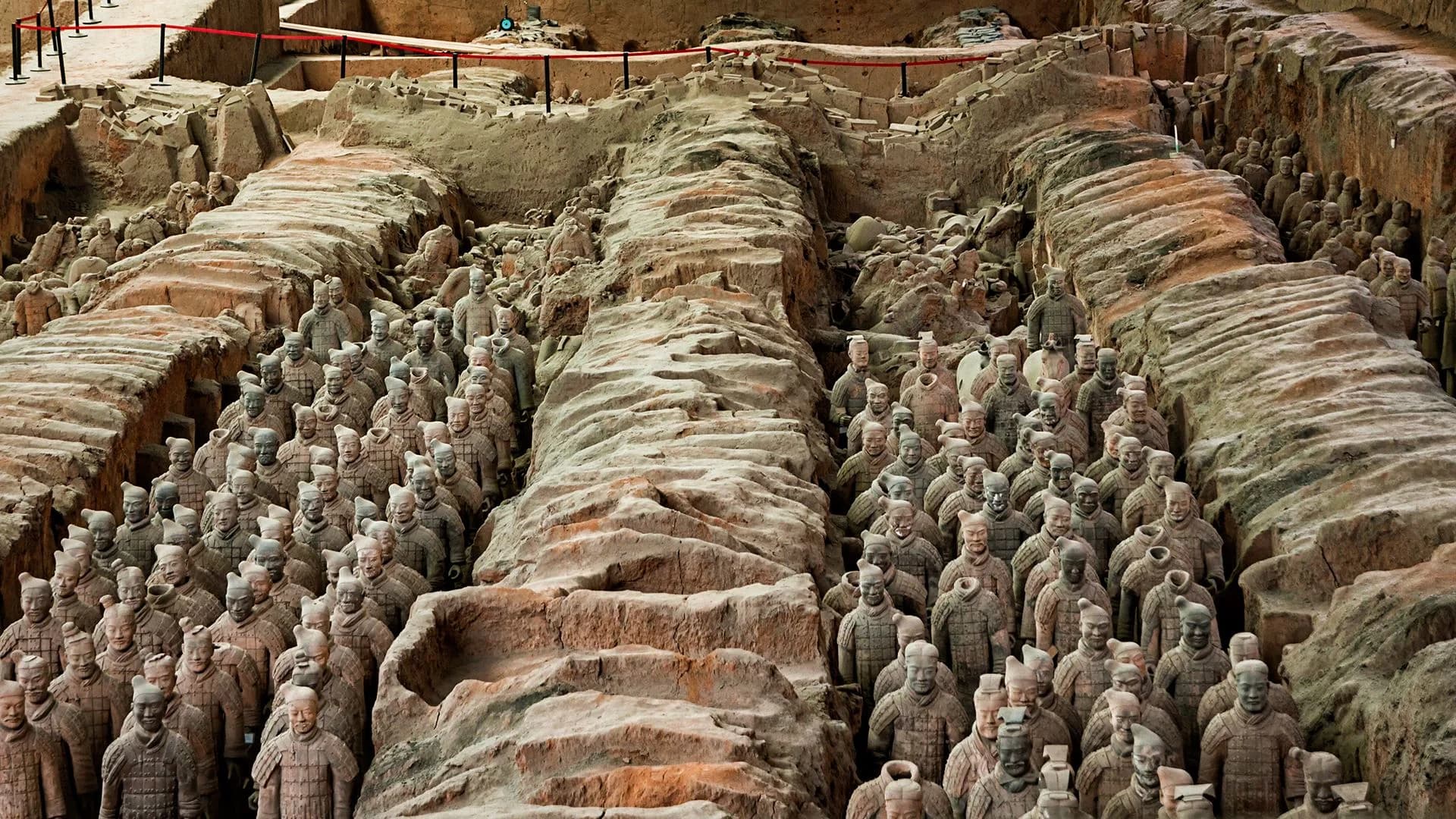

Stepping into the presence of the Xi'an Terracotta Warriors is a moment that transcends time. Discovered by local farmers in 1974, this awe-inspiring army of life-sized clay soldiers was built to guard China's first emperor, Qinshihuang, in the afterlife. Today, it stands as one of the most significant archaeological finds of the 20th century and an absolute must-see for any visitor to China.
This complete guide provides everything you need to know to plan your visit, from securing your Xi'an Terracotta Warriors tickets to navigating the vast pits. We'll cover the best time to visit, how to get there, and essential travel tips to ensure your experience is as incredible as the warriors themselves.
History and Significance of the Terracotta Army
The story of the Terracotta Army begins over 2,200 years ago with the ambitious Emperor Qinshihuang. He unified China and initiated the construction of the Great Wall. His quest for immortality extended to the afterlife, leading to the creation of this massive subterranean necropolis.
The army was meant to protect the emperor and help him rule in the next world. The scale is staggering, with estimates suggesting over 8,000 soldiers, 130 chariots, and 670 horses were created. Each warrior is unique, with distinct facial features, hairstyles, and armor, reflecting the different ranks and roles within the Qin dynasty military.
The Discovery and Ongoing Excavation
The Terracotta Warriors remained hidden until March 1974, when farmers digging a well unearthed pieces of terracotta. Archaeologists soon realized the magnitude of the find. The site is now part of the Emperor Qinshihuang's Mausoleum Site Museum, a UNESCO World Heritage Site.
Excavation and restoration work continue to this day. Visiting the pits offers a fascinating glimpse into active archaeology, as experts painstakingly piece together the broken figures. Only a fraction of the total complex has been excavated, with the emperor's main tomb itself still untouched.
Planning Your Visit: A Practical Guide
Proper planning is key to enjoying your visit to the Terracotta Warriors Museum. The site is vast and can be crowded, so knowing what to expect will greatly enhance your experience.
Terracotta Warriors Opening Hours and Best Time to Visit
The Terracotta Warriors opening hours are generally from 8:30 AM to 6:00 PM, with slight seasonal variations. It's crucial to check the official website for the most current times before your visit.
To avoid the largest crowds, consider these tips:
Arrive Early: Be at the gate before it opens to see the pits with fewer people.
Visit on a Weekday: Weekends and Chinese public holidays are exceptionally busy.
Avoid Peak Seasons: The best time to visit Terracotta Warriors is during the shoulder seasons of spring (April-May) and autumn (September-October) when the weather is mild.
How to Get to Terracotta Warriors from Xi'an
Located about 40 kilometers east of downtown Xi'an, the site is easily accessible. Here are the most common ways for a Xi'an day trip to Terracotta Warriors:
Tourist Bus (Recommended): Look for the official Tourist Bus 5 (306) from the Xi'an Railway Station square. It's affordable, direct, and safe.
Taxi or Ride-Hailing: A convenient but more expensive option. Agree on a price or ensure the meter is used.
Public Bus: Cheaper local buses (like 914 or 915) also run the route but make more stops.
Plan for at least 3-4 hours for your visit, including travel time. A Terracotta Warriors guided tour can provide valuable context and handle logistics.
Xi'an Terracotta Warriors Tickets and Tours
You can purchase Xi'an Terracotta Warriors tickets at the site or, more conveniently, book them online in advance through official platforms or travel apps to skip the long queues. The ticket price includes entry to all three main pits and the exhibition hall.
Consider hiring a licensed guide at the entrance or joining a small group tour. A good Terracotta Warriors guided tour will bring the history to life, explaining the significance of each pit and the figures within. Audio guides are also available for rent.
What to See at the Emperor Qinshihuang's Mausoleum Site Museum
The museum complex is divided into several key areas. Allow plenty of time to explore them all.
The Three Main Pits
Pit 1: This is the largest and most impressive pit, containing the main infantry army arranged in battle formation. The sight of thousands of warriors lined up is breathtaking.
Pit 2: This pit is more complex, featuring cavalry, archers, and chariots. It offers a closer look at the different military units and their strategic placement.
Pit 3: Believed to be the command post, this is the smallest pit. The figures here are high-ranking officers, and the layout suggests it was the army's headquarters.
The Bronze Chariots and Horses Exhibition Hall
Don't miss this hall, which houses two incredibly detailed half-size bronze chariots. Discovered near the tomb mound, they are masterpieces of ancient metallurgy and are exquisitely preserved.
Essential Terracotta Warriors Travel Tips for 2026
Traveling in China can be a smooth experience with a little preparation. Here are some key tips for international visitors.
Visa and Entry Requirements
Most foreign travelers need a visa to enter China. Apply well in advance at your local Chinese embassy or consulate. Ensure your passport is valid for at least six months beyond your planned departure date.
Money and Payments
While international credit cards are accepted at some major hotels, China is a cashless society dominated by mobile payments like Alipay and WeChat Pay. It is highly recommended to set up one of these apps with a linked international card before you arrive. Have some Chinese Yuan (RMB) cash as a backup for smaller vendors.
Staying Connected and Safe
Purchase a local SIM card or arrange an international roaming plan for internet access. Google services (including Maps) are blocked in China, so download alternative apps like Baidu Maps or Maps.me. The Terracotta Warriors site is very safe, but as with any major tourist attraction, be mindful of your belongings in crowded areas.
Accessibility and Comfort
The museum involves a lot of walking. Wear comfortable shoes and bring water, especially in summer. The site is largely accessible, with ramps and elevators, but the pits themselves are viewed from walkways that can get crowded.
Making the Most of Your Trip
A visit to the Xi'an Terracotta Warriors is often the highlight of a trip to China. Combine it with other Xi'an attractions like the Ancient City Wall or the Muslim Quarter for a full day of exploration. Remember to be respectful—this is an active archaeological site and a tomb. The silent, stoic army is a powerful reminder of China's ancient history, and seeing it in person is an unforgettable experience.
Disclaimer: This information is provided for reference only and was last updated on . Requirements and regulations may change. Always verify with official sources before making travel plans.