historicalLuoyang
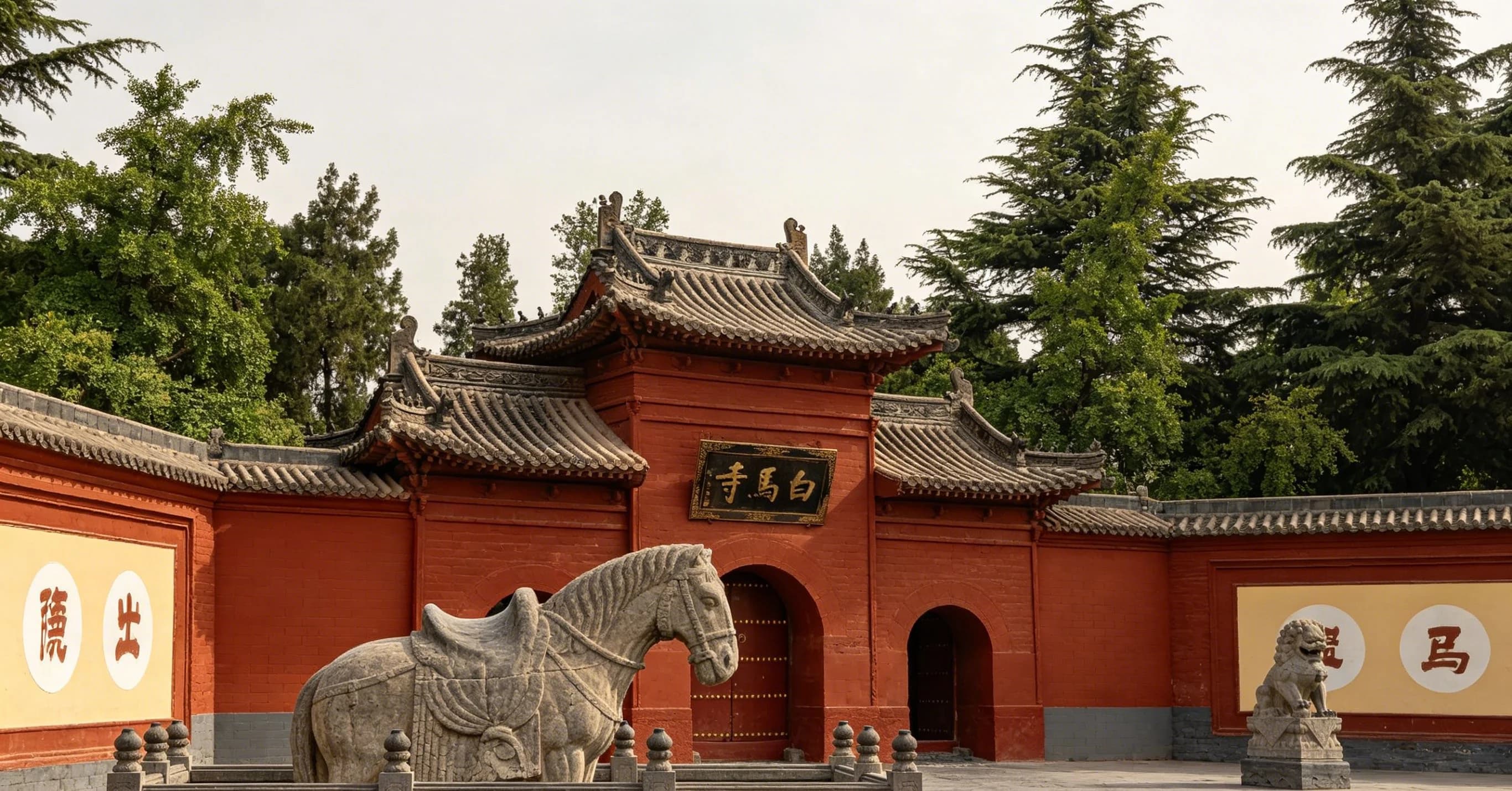
White Horse Temple
Explore White Horse Temple, China’s first Buddhist temple, with history, highlights, travel tips, transport advice, tickets, and visitor insights for Luoyang.
Opening Hours
(April 1st - October 7th) 7:40 AM - 6:00 PM; (October 8th - March 31st) 8:00 AM - 5:00 PM
Ticket Price
Full price ticket ¥35
Location
No. 6, Luobai Road, Baimasi Town, Chanhe District, Luoyang City, Henan Province
Overview
Baima Temple, located about 12 kilometers east of Luoyang City, was first built in the eleventh year of the Yongping era of the Eastern Han Dynasty (68 AD). It was the first officially established Buddhist temple built after Buddhism was introduced to China and is hailed as "China's First Ancient Temple" and "The Ancestral Home of Buddhism." The temple's most distinctive feature is its blend of Chinese, Indian, Burmese, and Thai architectural styles in its Buddhist halls, allowing visitors to experience diverse Buddhist cultures without leaving the country. The recommended visit time is 3-4 hours. The best seasons are spring (March-May, when peonies bloom) and autumn (September-November, when the sky is clear and the ginkgo leaves turn golden). The best times to visit are early morning when the temple opens or after 4:00 PM, when the light is soft and there are fewer tourists.
How to Get There
Bus (Most Economical): From Luoyang Railway Station, take bus routes 56, 58, or 801. The final stop is "Baima Temple" station. Walk about 40 meters from the bus stop. The entire journey takes approximately 50 minutes and costs about 1.5-2 yuan. Subway + Bus/Taxi: Take Metro Line 1 to Yangwan Station, then take a taxi (approximately 8-12 yuan, about 10 minutes) or a shuttle bus (2 yuan/person). Taxi/Ride-hailing: Take a taxi directly from downtown Luoyang to the "South Gate of Baima Temple." The journey takes about 30-40 minutes and costs approximately 30 yuan. When visiting, it is recommended to enter from the South Gate, and then visit the Hall of Heavenly Kings, the Great Buddha Hall, the Great Hero Hall (which contains precious Yuan Dynasty dry lacquer statues), and the Cool Terrace along the central axis. Then turn to the international Buddhist temple area on the west side (Buddhist temples from Thailand, Myanmar, and India), and finally visit the Qiyun Pagoda Courtyard. Exit from the West Gate, and do not backtrack throughout the entire visit.
What to Expect
The Baima Temple is primarily a walking tour area. The paths are generally smooth, but some trails are occasionally uneven, so comfortable, non-slip walking shoes are recommended. Restrooms are available inside the temple; the south entrance has an accessible ramp for wheelchair users. There are no vegetarian restaurants or souvenir shops inside the temple, but there are souvenir shops and stalls at the temple entrance and surrounding market where you can purchase Baima Temple yogurt, prayer beads, sachets, Tang Dynasty tri-colored pottery horses, and other unique souvenirs. The temple's Silent Tea House offers complimentary Zen tea, providing a tranquil space for visitors to relax.
Practical Tips
- 1When entering a Burmese-style Buddhist temple, you must remove your shoes before entering. Please prepare accordingly.
- 2Three sticks of incense can be obtained for free next to the bell tower inside the mountain gate; there is no need to buy expensive incense from vendors at the entrance.
- 3Please dress appropriately and avoid wearing slippers, tank tops, short skirts, or see-through clothing that is too revealing. It is best not to wear hats or use umbrellas inside the temple.
Share This Attraction
Found this helpful? Share it with fellow travelers!
More in Luoyang
Explore Luoyang
Discover more attractions, food, and travel tips for Luoyang.
View destination
More Attractions to Explore
Luoyang·historical
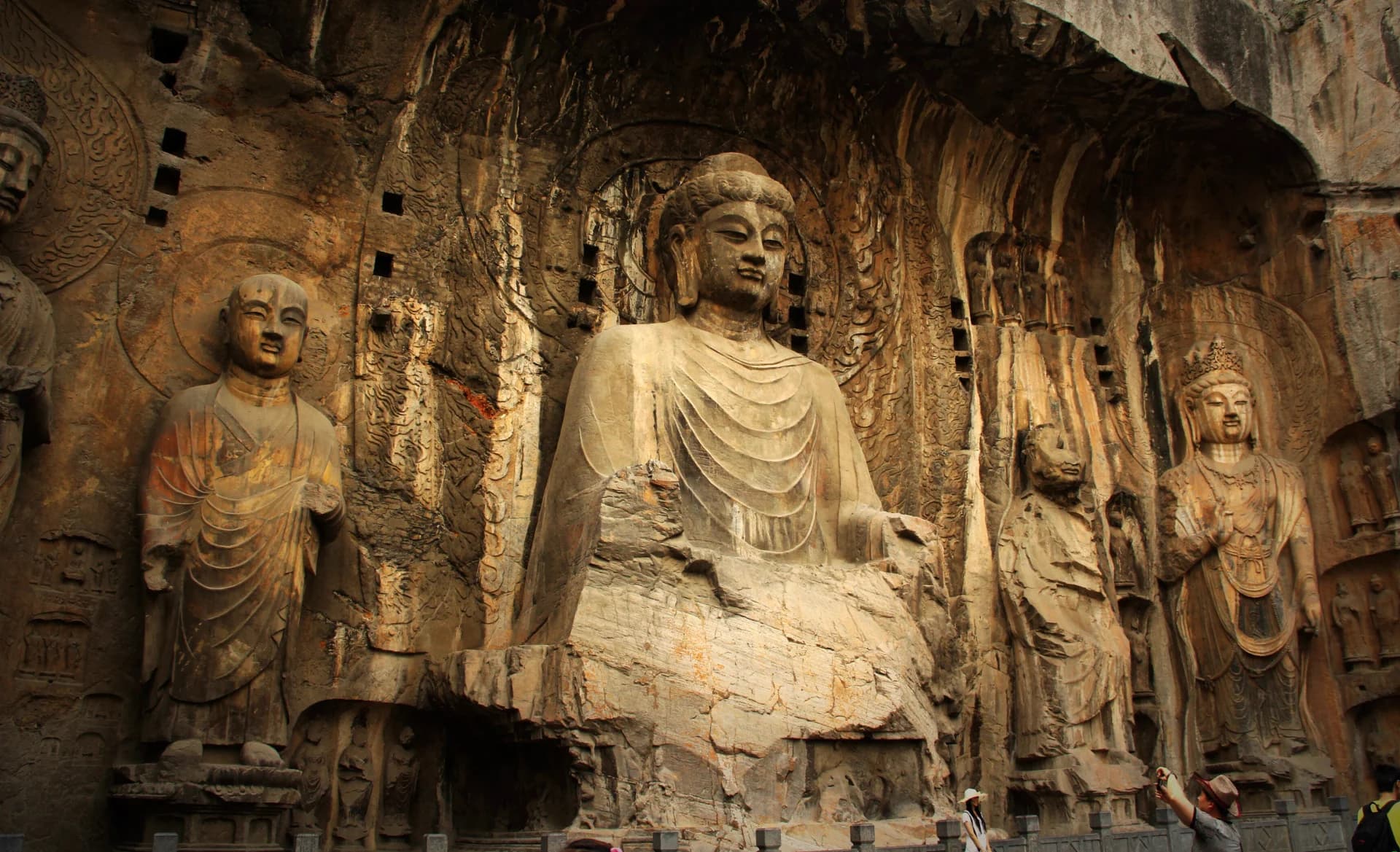
Longmen Grottoes
Discover Longmen Grottoes with visitor tips, top cave highlights, Buddhist art history, and travel insights for planning your Luoyang trip with ease today.
Xi'an·historical
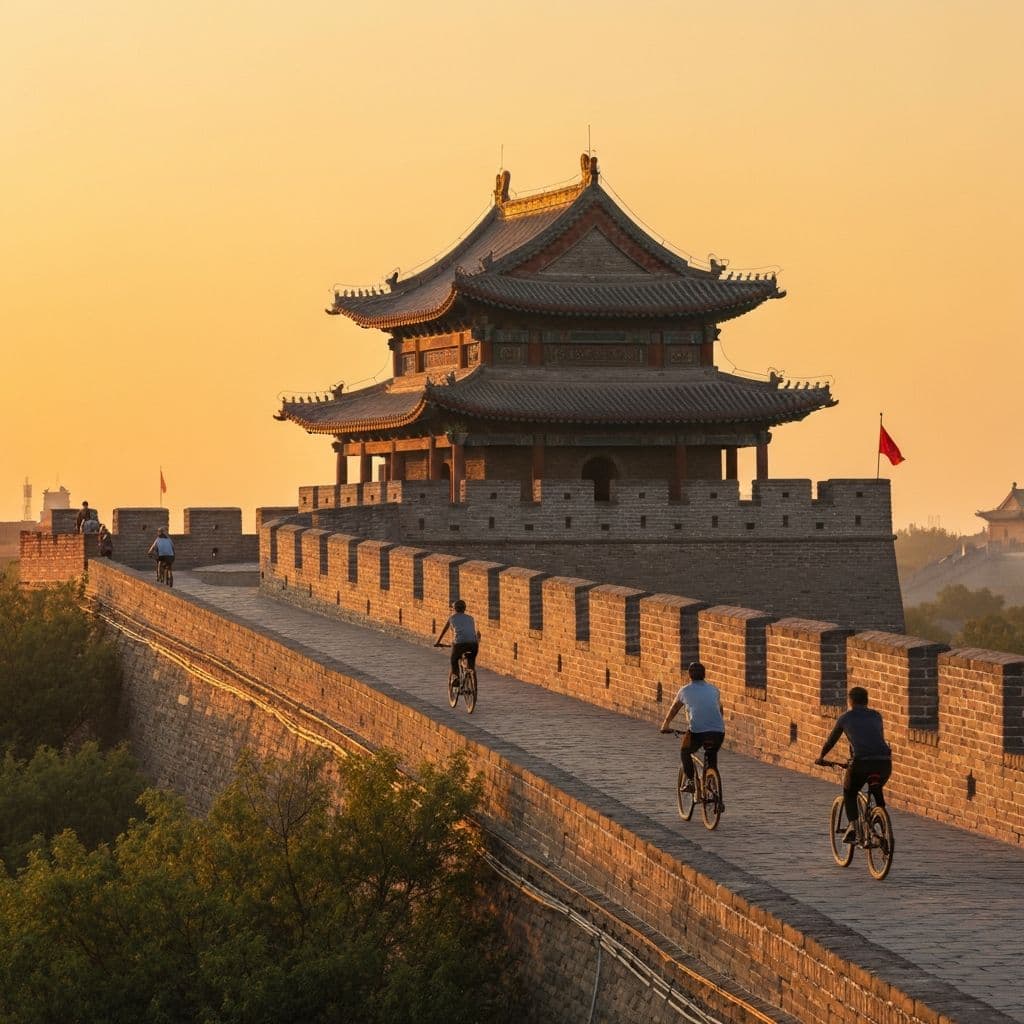
Xi'an City Wall
The most complete ancient city wall in China, this Ming Dynasty fortification forms a 13.7km rectangle around Xi'an's old city. Standing 12 meters high and wide enough for cars to drive on, it offers spectacular views of both ancient and modern Xi'an. Rent a bike to cycle the full circuit, or walk a section enjoying the watchtowers and gate towers.
Guilin·historical
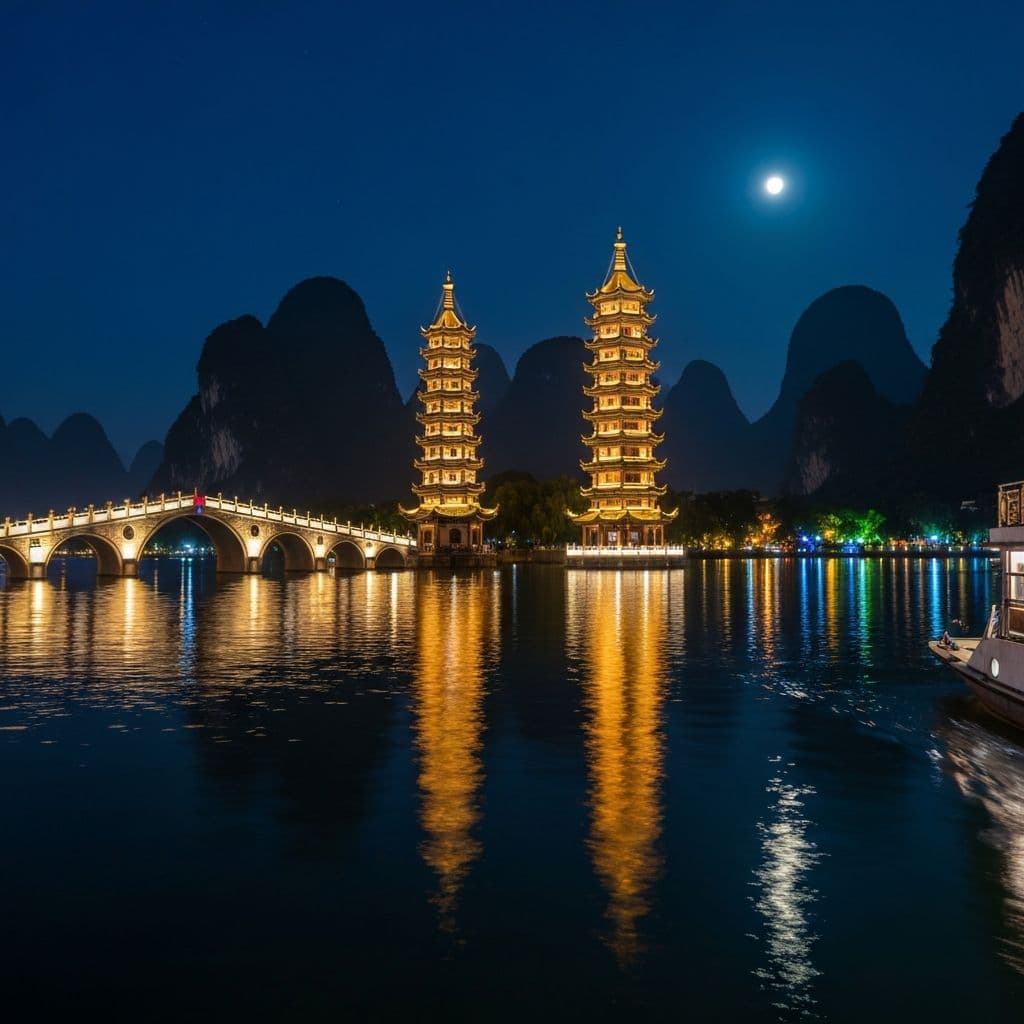
Two Rivers Four Lakes
The Two Rivers Four Lakes' scenic area is the sparkling heart of Guilin, connecting the Li and Taohua rivers with the city’s four central lakes. This massive waterway project restored Guilin's ancient moat system, creating a picturesque network of bridges, pagodas, and gardens right in the city center. It is the perfect blend of natural karst scenery and rich cultural history.