
If I could only visit ten places in China, these would be my choices
The best places to visit in China in 2026 are Beijing, Xi’an, Shanghai, Guilin, Chengdu, Zhangjiajie, Lhasa, Hangzhou, Suzhou, and Yunnan (Lijiang/Shangri-La). If you want one practical answer to where to go in China first, this list gives you the strongest mix of history, landscapes, food, and transport convenience.
These are the top places to visit in China for international travelers because they are connected by high-speed rail and major airports, have strong English-signage in core zones, and offer clear booking systems through apps. You can visit all ten in one long trip (about 4-6 weeks), or choose 3-5 for a 10-14 day route.
Quotable snippet: If you only have one trip in 2026, these ten stops are the most balanced and practical China travel destinations for first-time visitors.
Best places to visit in China: the ranked top 10 for first-time visitors
For most travelers, the smartest strategy is to combine iconic cities with one nature region and one slower cultural stop. This ranked list focuses on access, value, and variety, not just fame.
Beijing (北京) — Forbidden City (故宫 Gugong), Great Wall at Mutianyu (慕田峪), Temple of Heaven.
Mutianyu ticket: ¥40; shuttle bus 15 yuan; cable car options about ¥100-140 total.
Forbidden City entry: about ¥40 (low season) to ¥60 (high season), closed Mondays.
Best for: imperial history, museums, Peking duck, first-time orientation.

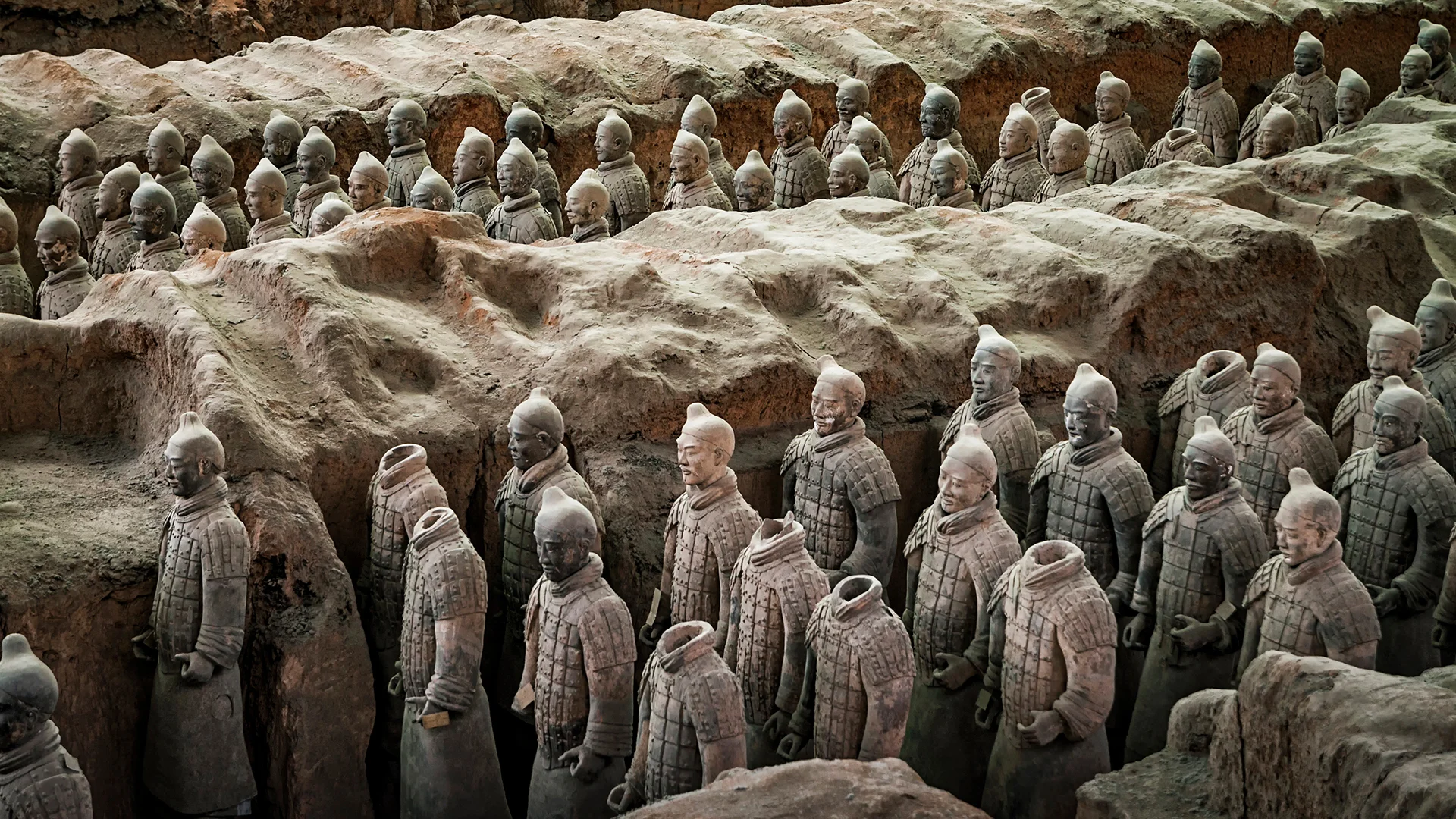
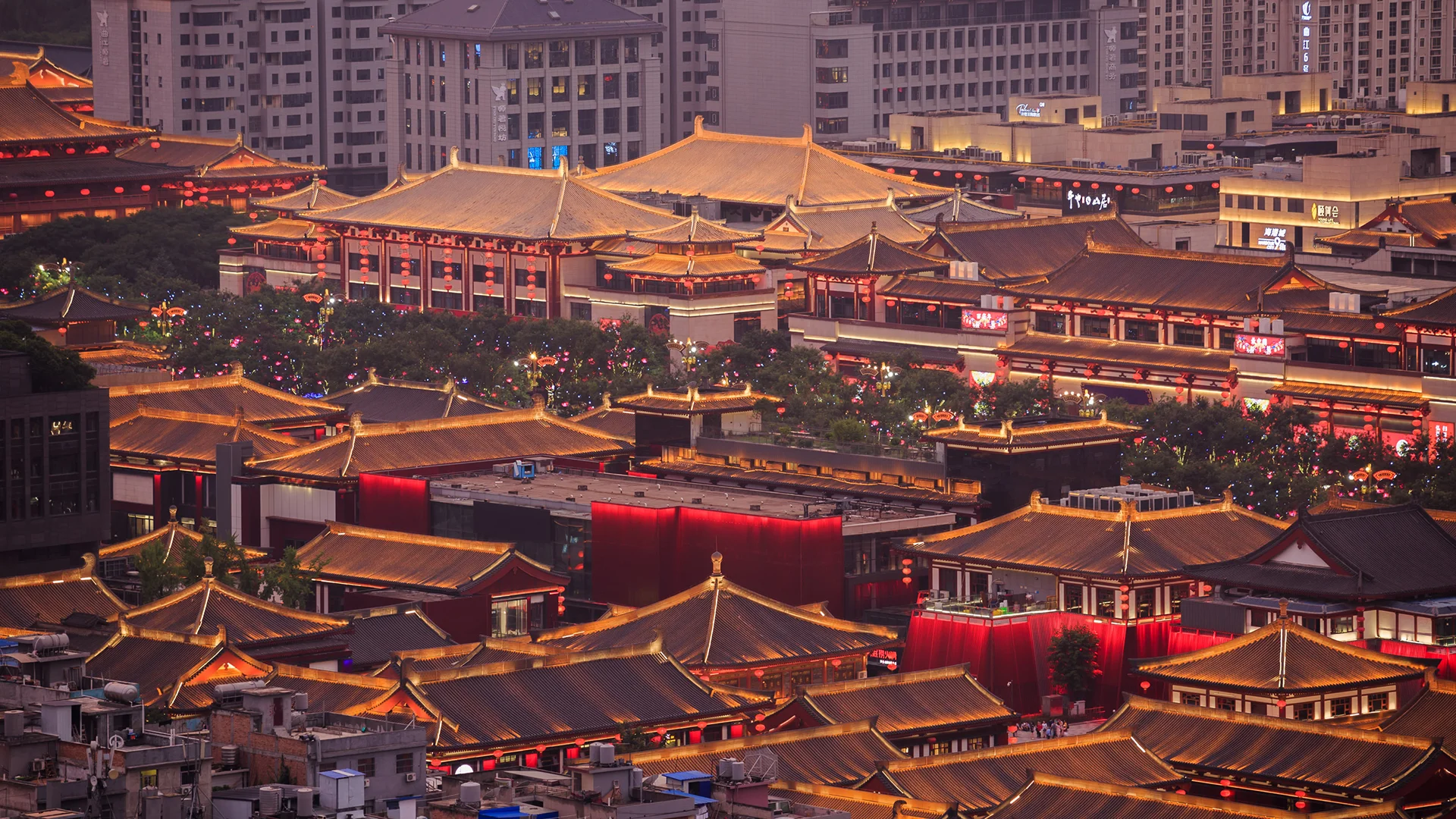
Xi’an (西安) — Terracotta Army (兵马俑), ancient City Wall, Muslim Quarter (回民街).
Terracotta Army: about ¥120; located ~40 km from city center.
City Wall bike rental: typically ¥45-60.
Best for: Silk Road history and Tang-era heritage.
Shanghai (上海) — The Bund (外滩), Yu Garden, Lujiazui skyline.
Maglev from Pudong Airport to Longyang Rd: about ¥50, ~8 minutes.
Metro day-to-day rides: often ¥3-10 per trip.
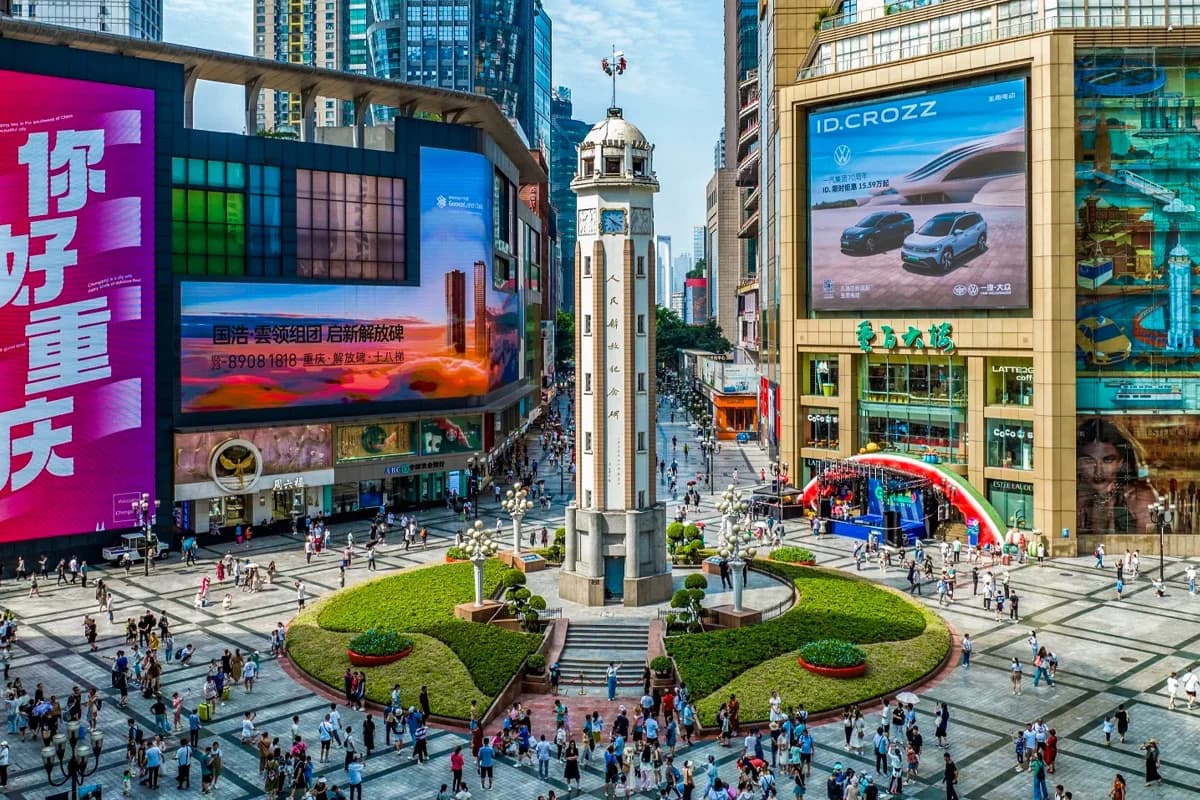
Best for: modern China, architecture, dining, easy transit.

Guilin & Yangshuo (桂林/阳朔) — Li River karst scenery.
Li River cruise (4-star boat): usually ¥215-360 depending season/operator.
Cycling in Yangshuo countryside: bike rental often ¥30-60/day.
Best for: classic postcard landscapes and soft-adventure.

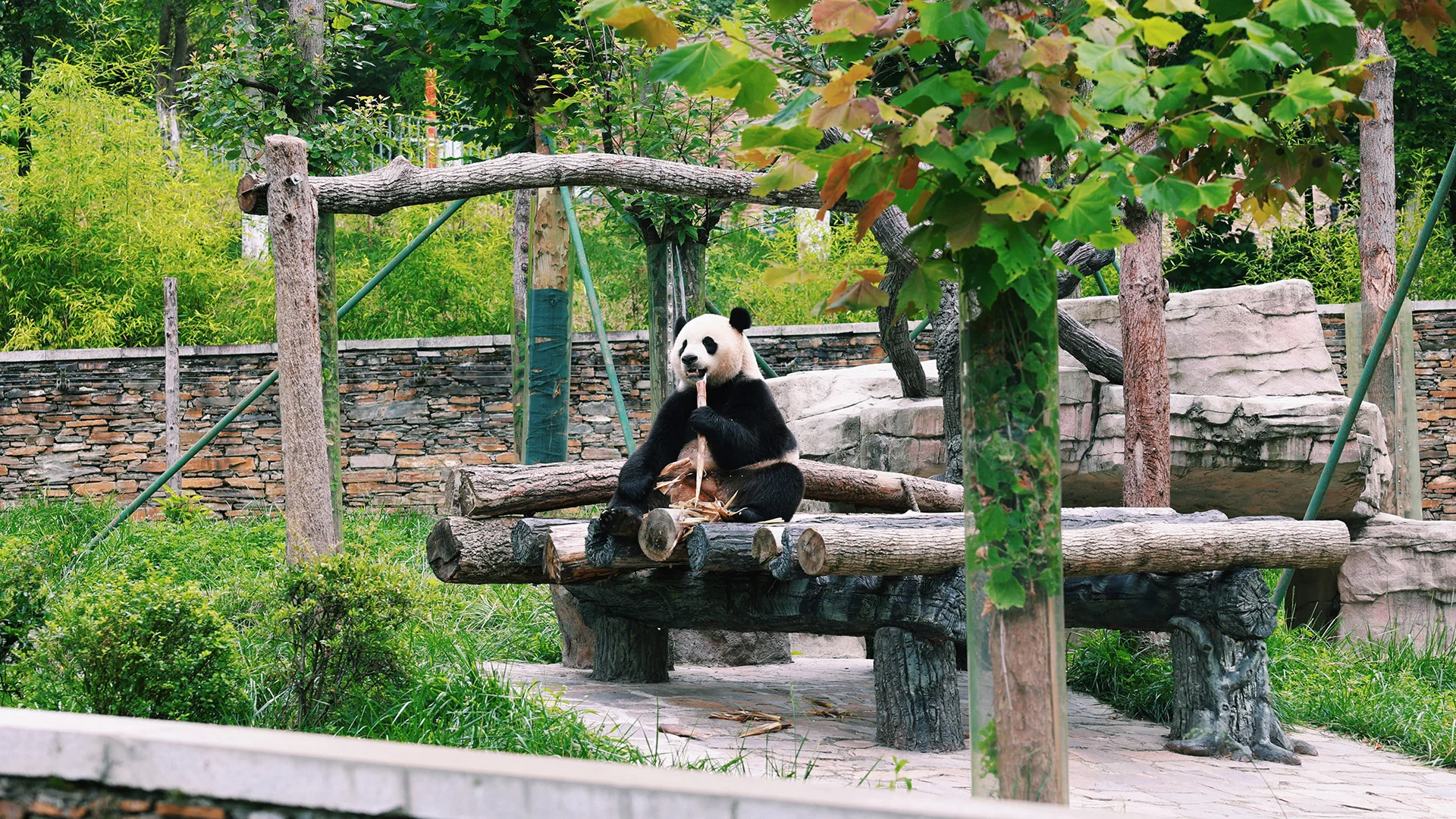
Chengdu (成都) — Giant Panda Base, Sichuan cuisine, teahouse culture.
Panda Base ticket: around ¥55.
Chengdu Research Base to city center: roughly 12-15 km.
Best for: food, pandas, relaxed urban pace.
Zhangjiajie (张家界) — Wulingyuan sandstone pillars, Tianmen Mountain.
Wulingyuan multi-day ticket commonly around ¥227 (check seasonal policy).
Bailong Elevator one-way: about ¥65.
Best for: dramatic natural scenery and hiking.

Lhasa (拉萨) — Potala Palace, Jokhang Temple, Barkhor circuit.
Altitude: ~3,650 m; acclimatization is essential.
Foreign travelers require Tibet Travel Permit via authorized agency.
Best for: Tibetan Buddhist culture and high-altitude landscapes.

Hangzhou (杭州) — West Lake (西湖), Longjing tea villages.
High-speed rail from Shanghai: ~45-70 minutes.
West Lake walking and public park areas: mostly free.
Best for: classical Chinese scenery and tea culture.
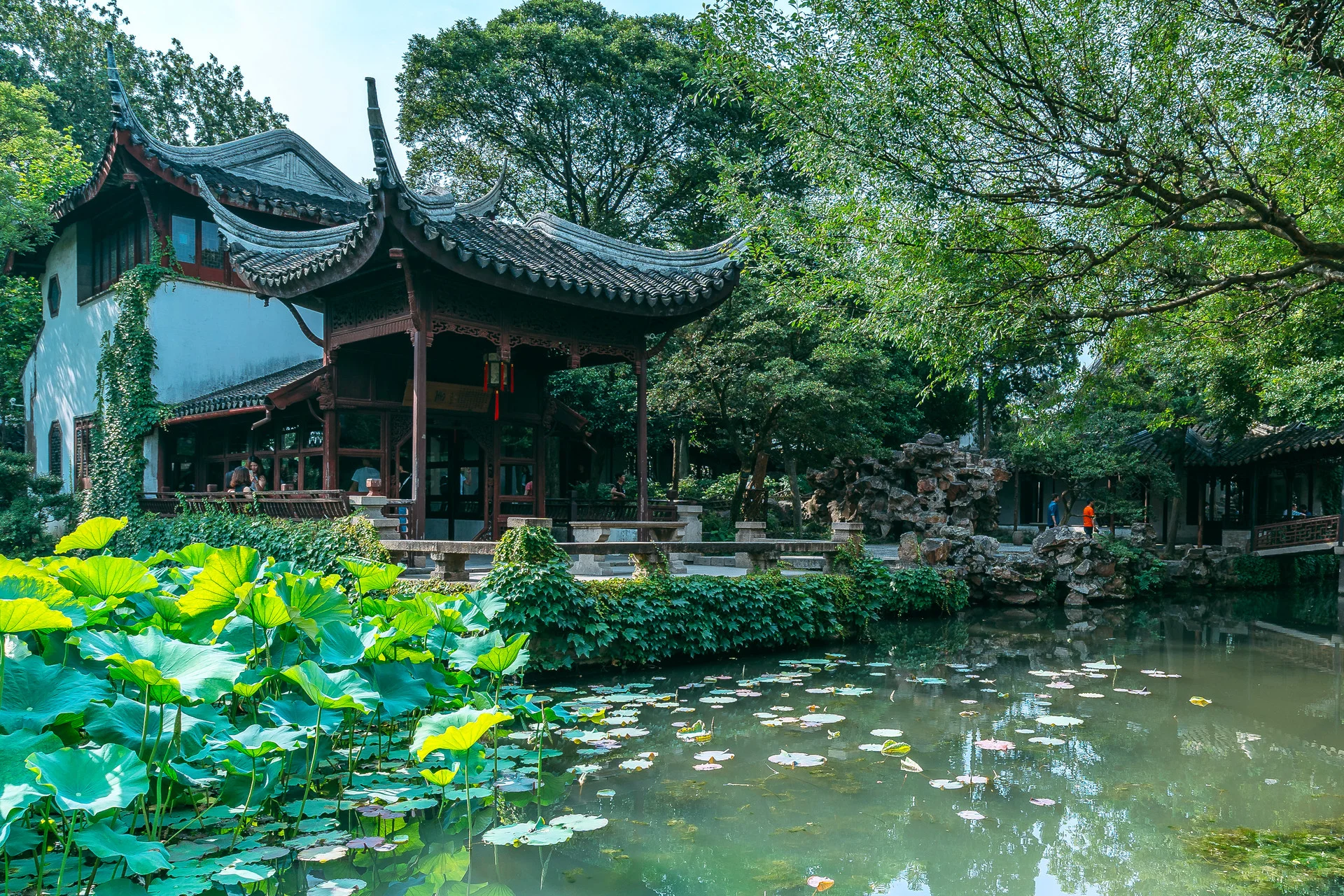
Suzhou (苏州) — Classical gardens, canals, Kunqu opera heritage.
Humble Administrator’s Garden ticket: often ¥70-90 depending season.
From Shanghai by train: ~25-40 minutes.
Best for: refined Jiangnan (江南) aesthetics and day trips.
Yunnan (云南): Lijiang + Shangri-La — old towns, Naxi culture, Himalayan foothills.
Lijiang Old Town access maintenance fee policies can change; confirm locally.
Lijiang to Shangri-La by train/bus: generally 2.5-4.5 hours depending service.
Best for: ethnic diversity, mountain scenery, slower travel.

Quotable snippet: These ten are the most practical must-visit places in China because they combine world-class sights with manageable logistics for non-Chinese speakers.
How to plan these China travel destinations efficiently in 2026
The fastest way to see the best places to visit in China is to build your route around high-speed rail corridors and only fly where rail is too slow. China’s transport network is dense, but ticket demand spikes around Chinese New Year (Jan/Feb), Labor Day (around May 1), and National Day Golden Week (Oct 1-7).
Recommended route templates
10-day first trip: Beijing (3) → Xi’an (2) → Shanghai (3) → Suzhou/Hangzhou (2 as day trips or overnights).
14-day classic + nature: Beijing (3) → Xi’an (2) → Chengdu (2) → Guilin/Yangshuo (3) → Shanghai (4 with nearby day trips).
4-6 week deep route: Add Zhangjiajie, Yunnan, and Lhasa with rest days between long transfers.
Transport tools that actually work
12306 (China Railway): official rail app/site for high-speed tickets. Passport users can book directly.
Trip.com: easiest English interface for trains, domestic flights, and hotels.
Didi Chuxing: ride-hailing; has English support in major cities.
Amap (Gaode) / Baidu Maps: strongest local navigation, though interface language varies.
Typical high-speed rail examples: Beijing-Xi’an about 4.5-6 hours; Xi’an-Chengdu around 3-4 hours; Shanghai-Hangzhou under 1.5 hours. In-city metro systems are usually the cheapest option, often ¥2-10 per ride depending distance.
Quotable snippet: In 2026, the best destinations in China are easiest to combine by rail first, then short flights for remote regions like Yunnan or Tibet.
Practical 2026 guide: visa, payment, internet, and safety
For international visitors, logistics matter as much as landmarks. The best places to visit in China become easy once you set up payment apps, transport bookings, and basic connectivity before arrival.
Visa and entry basics (2026)
China visa policy differs by nationality; check the nearest Chinese embassy/consulate website before booking flights.
Several travelers can benefit from transit visa-free policies (such as 24/72/144-hour arrangements in eligible cities), but rules are route-specific.
Keep printed and digital copies of hotel bookings and onward tickets for immigration checks.
Money and payment setup
Alipay (支付宝) and WeChat Pay (微信支付) are essential; both support many international cards in 2026.
Carry backup cash (¥500-1,000) for small vendors or rural areas.
ATMs from Bank of China (中国银行) and ICBC usually accept major foreign cards.
Typical daily budget per person: budget ¥350-600, mid-range ¥700-1,500, comfort ¥1,800+ (excluding some long-distance flights). Major attraction tickets often range from ¥40 to ¥300.
Connectivity and apps
Get a China-friendly eSIM or local SIM at arrival airports (prices vary, often ¥100-300 packages).
Install translation tools: Pleco and Google Translate offline packs before arrival.
Save Chinese destination names in characters (for example, Zhangjiajie 张家界) for easier taxi and station navigation.
Safety and etiquette
China is generally very safe for tourists, including solo travelers, with low violent street crime in major cities.
Watch for common scams in crowded scenic areas: unofficial guides, tea-house overcharging, fake tickets.
Respect temple and heritage rules: modest clothing where required, no flash where prohibited, and follow line systems.
Quotable snippet: The single biggest upgrade for foreign travelers is linking a bank card to Alipay or WeChat Pay before day one.
Where to go in China by travel style: culture, nature, food, and photography
If you are choosing among famous places in China, match destinations to your interests instead of chasing only checklists. This gives better pacing and stronger memories.
For history and cultural depth
Beijing: Ming-Qing imperial core, hutong lanes, national museums.
Xi’an: Qin dynasty archaeology and Tang dynasty legacy.
Lhasa: Tibetan monastic traditions and pilgrimage routes.
Best add-on: Luoyang (洛阳) Longmen Grottoes if you have 1-2 extra days.
For beautiful places in China and outdoor scenery
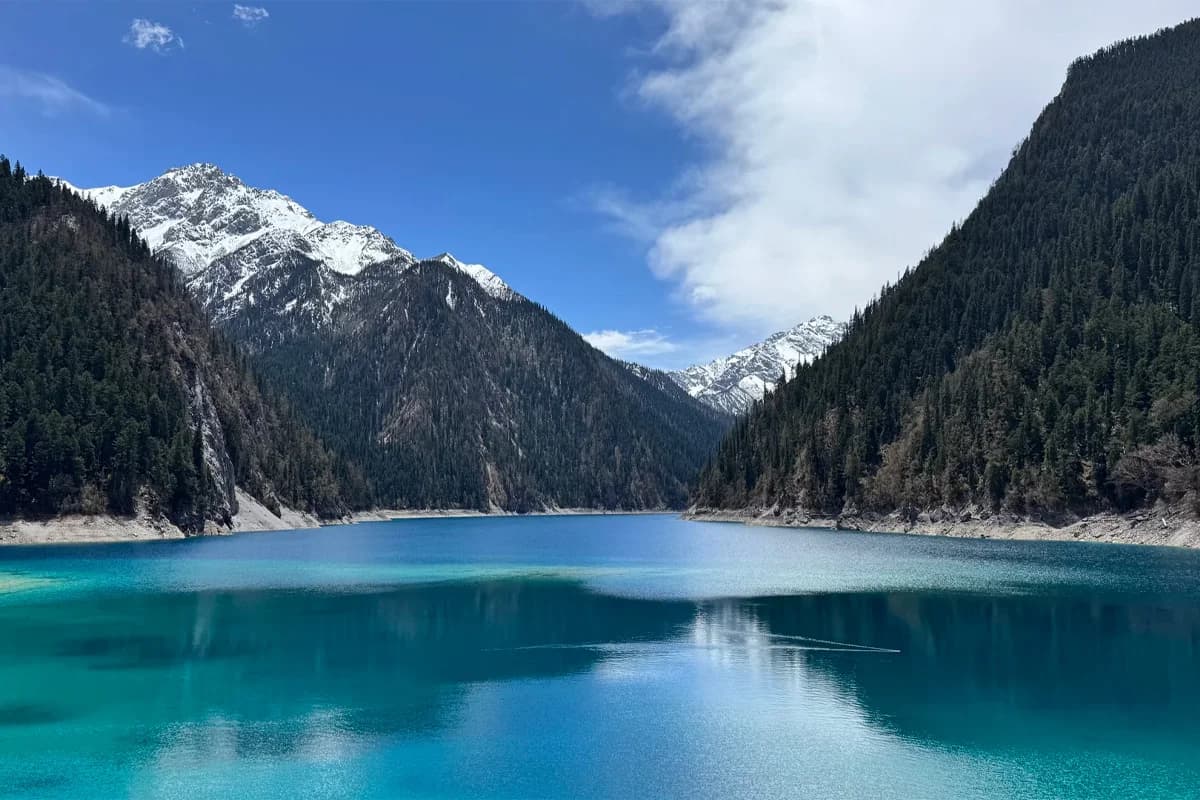
Guilin/Yangshuo: karst peaks and river valleys.
Zhangjiajie: quartz-sandstone pillar landscapes.
Yunnan: Tiger Leaping Gorge (虎跳峡), alpine plateaus near Shangri-La.
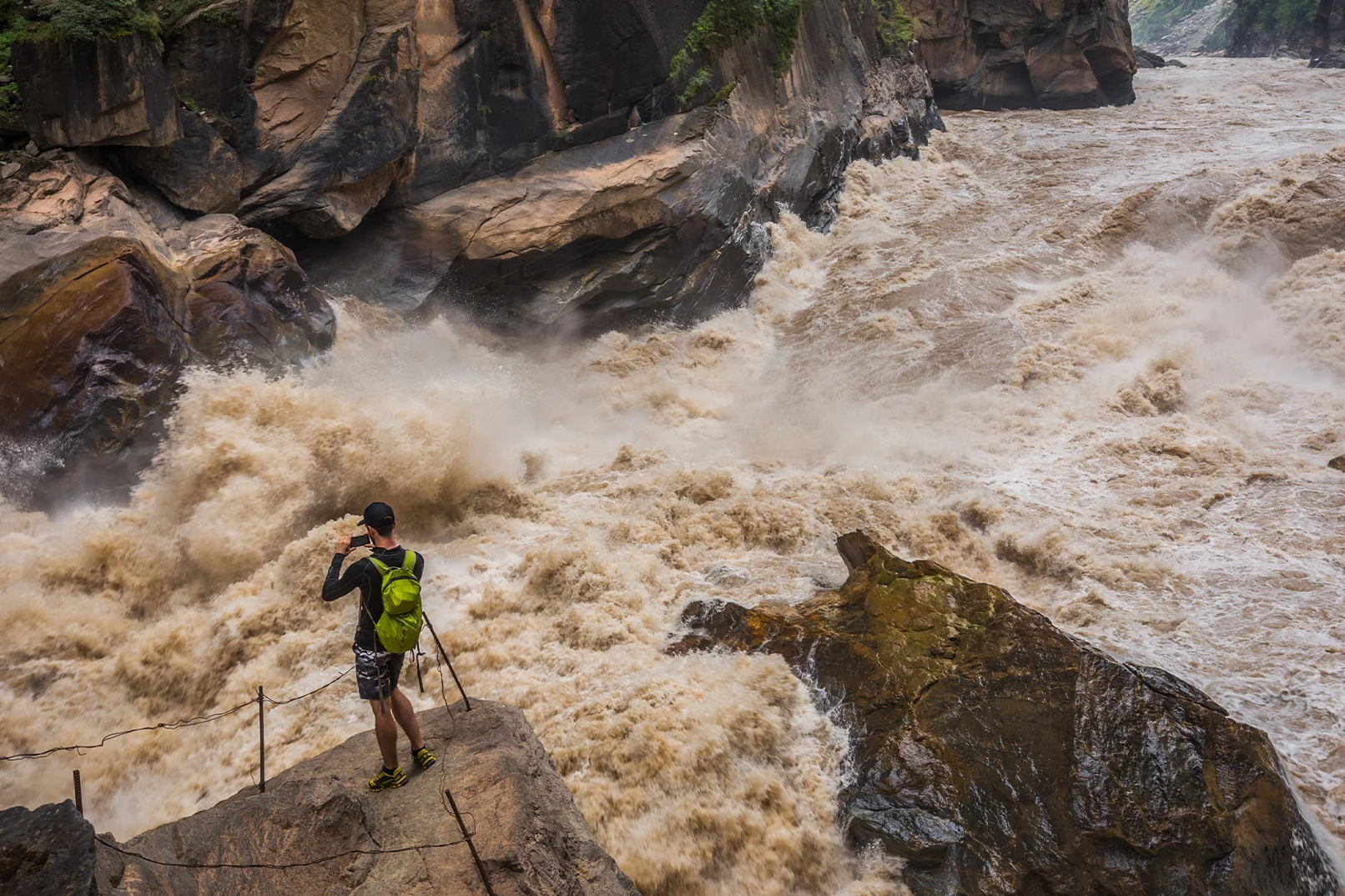
Pack layers: spring/autumn can shift 10-15°C between day and night in mountain areas.
For food-focused travelers
Chengdu: hotpot, mapo tofu, dan dan noodles; look for “la” (spicy) and “bu la” (not spicy).
Shanghai: xiaolongbao and regional fine dining.
Xi’an: roujiamo, biangbiang noodles, pomegranate juice in Muslim Quarter.
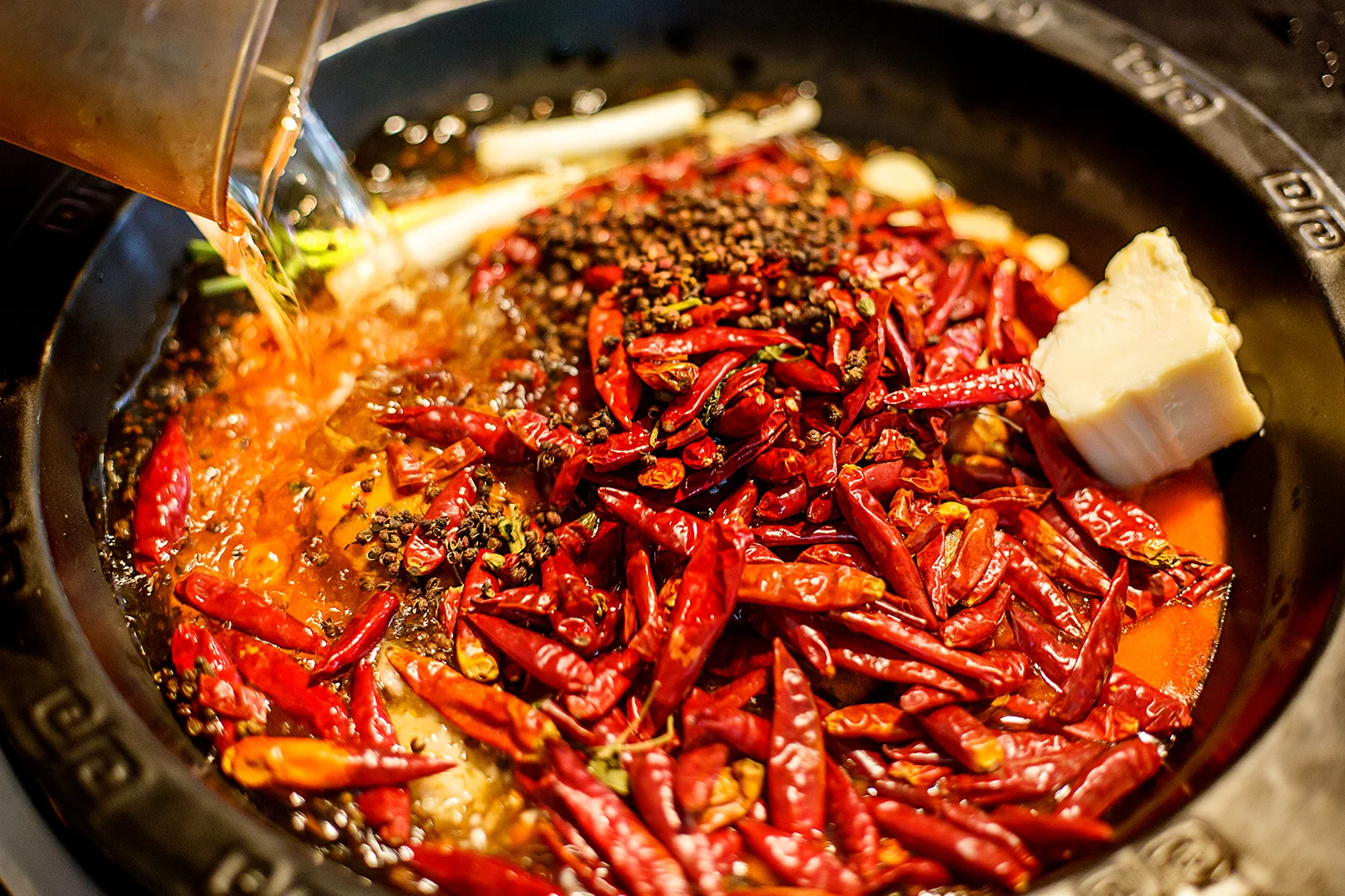
Street food is widely available, but choose busy stalls with high turnover for freshness.
For first-time photographers
Sunrise at the Great Wall (Mutianyu) is less crowded than mid-morning.
Blue hour on Shanghai Bund gives the best skyline contrast.
West Lake in Hangzhou is most photogenic in light rain and spring mist.
Quotable snippet: The smartest answer to where to go in China is to pick one city for history, one for food, and one for nature in every 7-10 travel days.
Frequently Asked Questions
How much does a 2-week trip to the best places to visit in China cost in 2026?
A practical mid-range budget is usually ¥10,000-¥18,000 per person excluding international flights. This assumes high-speed rail between major cities, 3-4 star hotels, paid attractions, and mixed local dining. Costs rise during Golden Week and peak summer.
Is China safe for solo travelers in 2026?
Yes, China is generally safe for solo travelers, including women, in major tourist routes. The main risks are scams in crowded sightseeing zones and occasional language confusion during transport changes. Use official taxi apps, book verified hotels, and avoid unofficial ticket sellers.
Can foreigners use Alipay and WeChat Pay easily now?
In 2026, many foreigners can link international bank cards to both apps and pay in most urban businesses. Setup can require passport verification, so complete registration before travel day. Keep some cash as backup for small markets or remote counties.
What is the best month to visit top places to visit in China?
April-May and September-October are the most comfortable for weather and scenery across multiple regions. Summer is greener but hotter and wetter in the south, while winter is excellent for fewer crowds in Beijing and Xi’an. Avoid major national holidays if you want lower prices and shorter lines.
Do I need to speak Mandarin to visit must-visit places in China?
No, you can complete a first trip using translation apps and English-friendly booking platforms. In major cities, metro signage and key transport hubs are usually bilingual. Saving destination names in Chinese characters greatly reduces friction for taxis and local directions.
How many days do I need to see the best destinations in China?
A strong first overview needs about 10-14 days for 3-5 destinations. To cover all ten picks in this guide at a reasonable pace, plan 4-6 weeks including transfer and rest days. China is large, so fewer stops with deeper visits usually creates a better trip.
Disclaimer: This information is provided for reference only and was last updated on . Requirements and regulations may change. Always verify with official sources before making travel plans.