
China's rich history spans over 5,000 years, offering travelers a fascinating tapestry of dynasties, revolutions, and cultural milestones. A brief history of China for travelers reveals how this ancient civilization evolved into the modern powerhouse it is today. From the Great Wall to the Terracotta Army, understanding China's past will deepen your appreciation for its landmarks and traditions.
Whether you're exploring Beijing's Forbidden City or walking the Silk Road, knowing the historical context transforms your trip. This guide highlights key periods in Chinese history, famous historical sites in China, and how ancient traditions shape contemporary culture.
Ancient China: The Foundation of Civilization
The story of China begins with its earliest dynasties, which laid the groundwork for its enduring culture. Ancient China to modern China reflects an unbroken thread of innovation, art, and governance.
The Xia, Shang, and Zhou Dynasties
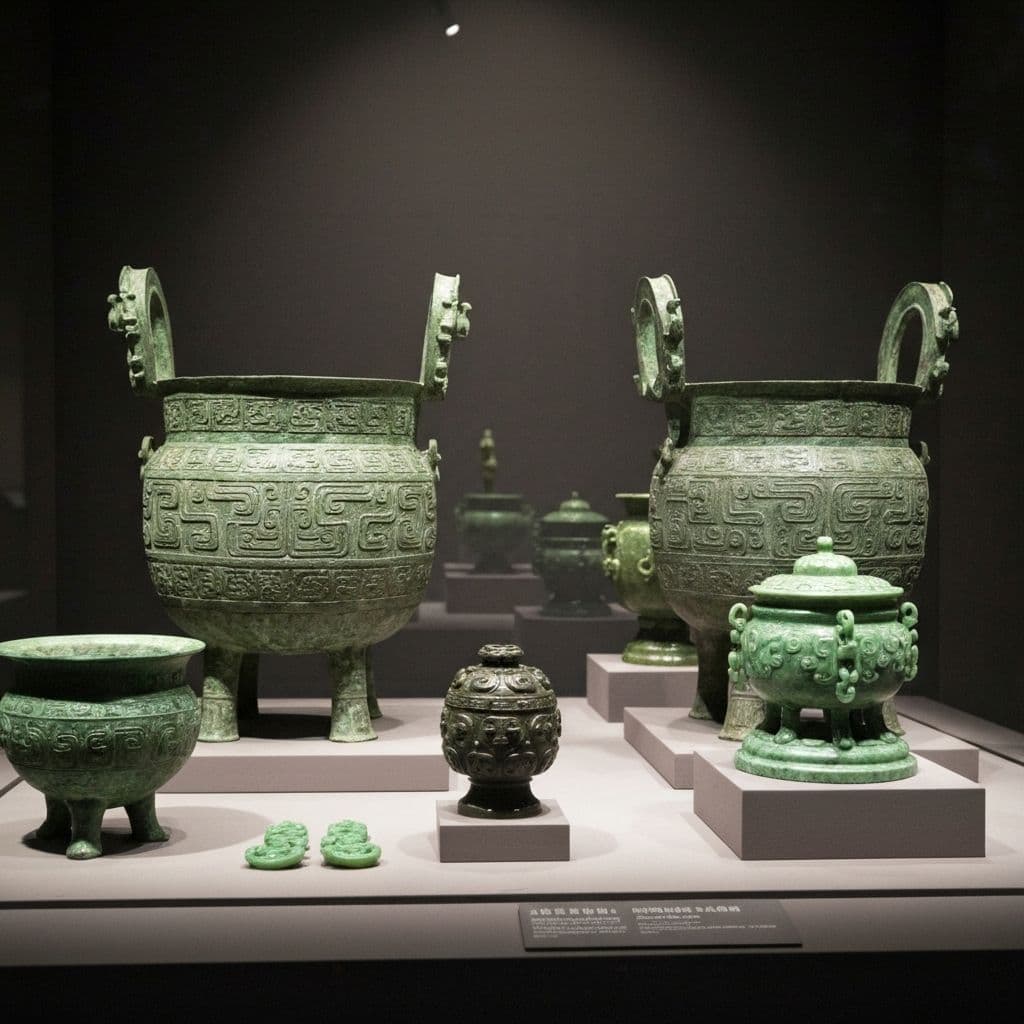
China's history timeline starts with the semi-legendary Xia Dynasty (2070–1600 BCE), followed by the Shang (1600–1046 BCE), known for bronze work and oracle bones. The Zhou Dynasty (1046–256 BCE) introduced the Mandate of Heaven concept, influencing imperial China history for millennia.
Xia Dynasty: Considered China's first dynasty, though archaeological evidence is limited
Shang Dynasty: Developed early Chinese writing and advanced bronze technology
Zhou Dynasty: Longest-lasting dynasty; established Confucianism and Daoism
The Qin and Han Dynasties: Unification and Expansion
The Qin Dynasty (221–206 BCE) unified China under Emperor Qin Shi Huang, whose Terracotta Army in Xi'an remains a must-see. The Han Dynasty (206 BCE–220 CE) expanded trade along the Silk Road history China is famous for.
Imperial China: From Tang Glory to Ming Exploration
Chinese dynasties overview wouldn't be complete without the golden ages of imperial rule. These periods produced many famous historical sites in China that travelers visit today.
Tang Dynasty (618–907 CE)
China's cosmopolitan golden age saw advancements in poetry, art, and international trade. Chang'an (modern Xi'an) was the world's largest city.
Song Dynasty (960–1279 CE)
Technological innovations flourished, including gunpowder and movable type printing.
Yuan Dynasty (1271–1368 CE)
Mongol rule under Kublai Khan connected China to global trade networks.
Ming Dynasty (1368–1644 CE)
This era gave us the Great Wall history for visitors marvel at today and Beijing's Forbidden City history as the imperial palace.
Modern China: From Empire to Republic to Superpower
The transition from imperial China history to modern China history summary involves dramatic changes that shaped today's nation.
Qing Dynasty (1644–1912)
China's last dynasty faced Western imperialism and internal rebellions before collapsing.
Republic of China (1912–1949)
After revolution, China established a republic amid civil war and Japanese invasion.
People's Republic of China (1949–present)
The cultural revolution in China overview (1966–1976) was a turbulent period before economic reforms transformed the country into a global leader.
Must-Visit Historical Sites in China
Understanding China history for tourists means visiting these iconic locations that bring the past to life.
Great Wall: Built over centuries, with Ming Dynasty sections best preserved
Forbidden City: Beijing's imperial palace for 500 years
Terracotta Army: Xi'an's underground army guarding China's first emperor
Silk Road Cities: Dunhuang's Mogao Caves and Kashgar's markets
Pingyao Ancient City: Well-preserved Ming-Qing era walled town
How China's History Shapes Travel Today
From festivals to etiquette, Chinese culture and historical background influence every aspect of your journey. The Mid-Autumn Festival traces to Tang Dynasty poetry, while tea culture began in ancient times. Understanding this context makes your travels more meaningful.
When visiting temples or historical sites, remember China's long philosophical traditions. A brief history of China for travelers isn't just about dates—it's about connecting with a living civilization that continues to evolve while honoring its past.
Note: This article provides general cultural guidance. Individual experiences may vary. Always approach cultural learning with an open mind.