
The Silk Road was not just a road, but a network. It connected ancient China with Central Asia, South Asia, West Asia, and even the Mediterranean world, transmitting far more than just silk—it also carried technology, religion, art, ideas, and lifestyles. This guide will take you through this millennia-old corridor, from its eastern starting point, Xi'an, westward to Dunhuang, exploring the unique cultural role of each location.
What is the Silk Road?
The Silk Road was not a road, but an ancient "internet" that connected China, Central Asia, India, the Middle East, and Europe, allowing goods, ideas, religions, and arts to flow back and forth for nearly two millennia.
Four core points
Timeframe: From the 2nd century BC (Han Dynasty) until the Age of Exploration in the 16th century.
Route: Starting in Xi'an (Chang'an), China, passing through the Hexi Corridor in Gansu, Xinjiang, crossing the Pamir Plateau, leading to Central Asia, Persia (Iran), and Arabia, ultimately reaching the Mediterranean and Europe.
Trade Content: China exported silk, porcelain, tea, and papermaking technology; the West imported grapes, spices, glass, gold and silver artifacts, mathematics, and astronomy. But most importantly, it wasn't the goods, but the culture—Buddhism, Islam, Christianity, music, dance, and painting all traveled this route.
Essence: It wasn't a one-way "Chinese export route," but a multi-directional "road for global dialogue"—civilizations met, learned from each other, and changed together.
Best time to travel
The best time to visit the Silk Road is from May to June and from September to October.
May-June (Best): Mild climate, less sandstorms, good road conditions. Ideal for first-time Silk Road visitors.
September-October (Best): Cool weather, perfect lighting for photography. Excellent light and shadow effects on Danxia landforms and grottoes.
I. The Eastern Starting Point: Xi'an – The First Chapter of the Silk Road Story
In the East—China, the Silk Road started in Luoyang, Henan during the Eastern Han Dynasty, and in Xi'an from the Western Han Dynasty onwards. We will start our brief discussion from Xi'an.
Core historical sites
The Longest Day in Chang'an Themed Street & The Tang Dynasty Never Sleeps City
What to see: A microcosm of the internationalization of the Tang Dynasty, where foreign and Han cultures coexist, and Persian patterns intertwine with Tang Dynasty floral designs.
Cultural highlights: Zoroastrian, Nestorian, Buddhist, and Taoist temples are located in the same neighborhood; Sogdian, Sanskrit, and Syriac languages once circulated alongside Chinese.
Terracotta Army & Huaqing Palace
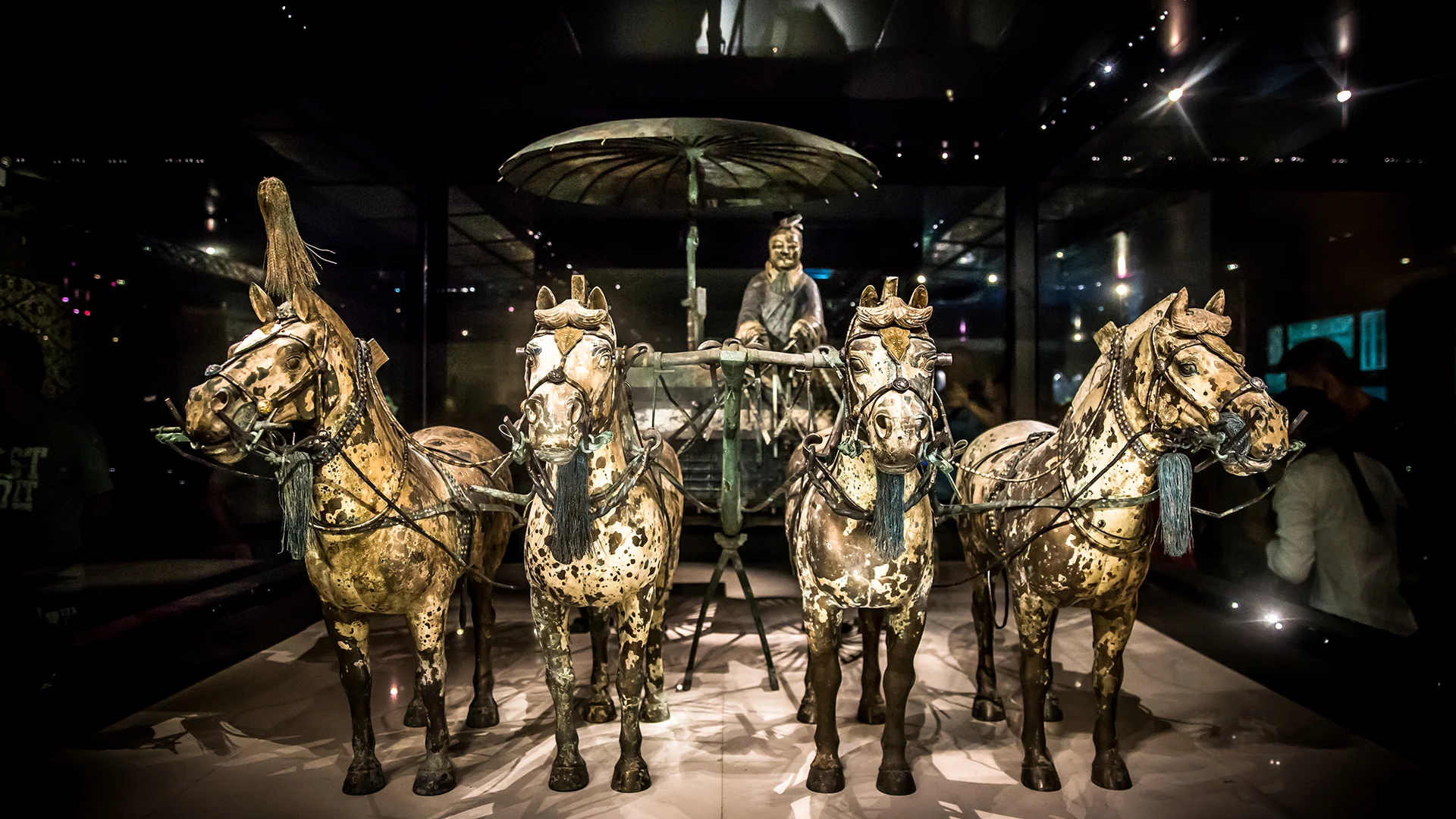
Terracotta Army: Showcasing the military organization and standardization of the Qin Empire, laying the foundation for Silk Road security.
Huaqing Palace: A royal hot spring during the Tang Dynasty. Performances of "The Song of Everlasting Regret" demonstrate the fusion of Central Asian musical instruments (pipa, konghou) and Central Plains culture. The hot spring culture itself also absorbed elements from West Asian and Roman baths.
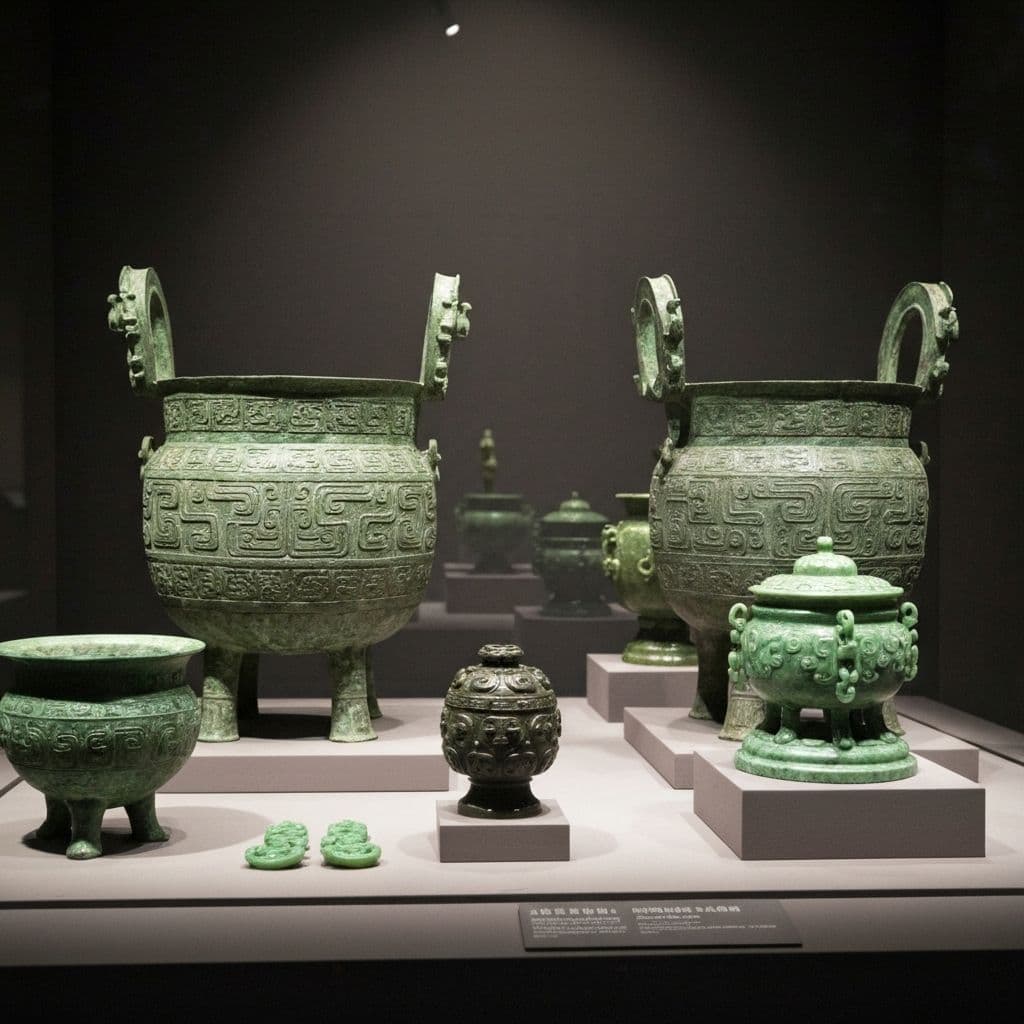
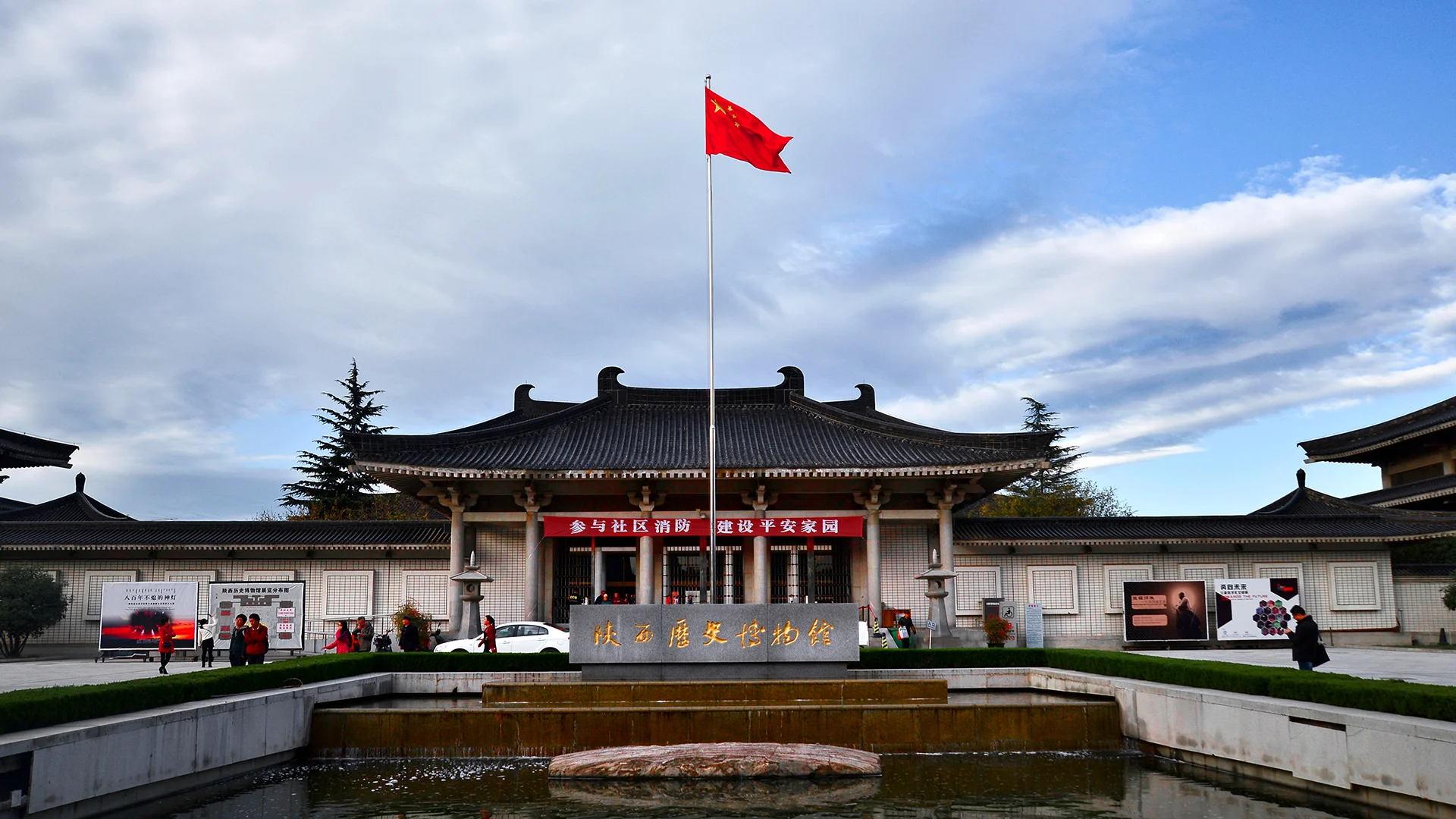
Shaanxi History Museum: The gold and silver artifacts from the Hejiacun hoard bear Sassanian Persian influences, providing irrefutable evidence of the two-way flow of culture. A key exhibit is the "Gilded Silver Ewer with Dancing Horse and Cup" (a nomadic leather ewer design combined with Central Plains craftsmanship).
Culture and Food Experience
Traditional Opera: Enjoy "Huayin Laoqiang" (Chinese rock) or shadow puppetry at the Gao Family Courtyard.
Intangible Cultural Heritage Crafts: Experience rubbing inscriptions and make replicas of terracotta warriors at Shuyuanmen Cultural Street.
Cycling on the City Wall: Ride a bicycle along the complete ancient city wall, overlooking a thousand years of history.
Food:
Yongxingfang – Featuring intangible cultural heritage foods from various parts of Shaanxi, such as the creative "calligraphy brush pastry."
Muslim Quarter – Offering halal cuisine, showcasing the culinary fusion of the Silk Road.
II. The Hexi Corridor – A Kaleidoscope of Civilizations at the Throat of the Silk Road
The Hexi Corridor is a narrow passage connecting the Central Plains and the Western Regions, and it is also the area where the collision of diverse civilizations was most intense.
Geographically, it mainly covers the "Five Cities of Hexi" (Wuwei, Jinchang, Zhangye, Jiuquan, and Jiayuguan) in Gansu Province, as well as Dunhuang and other places.
Lanzhou (Transit Station)
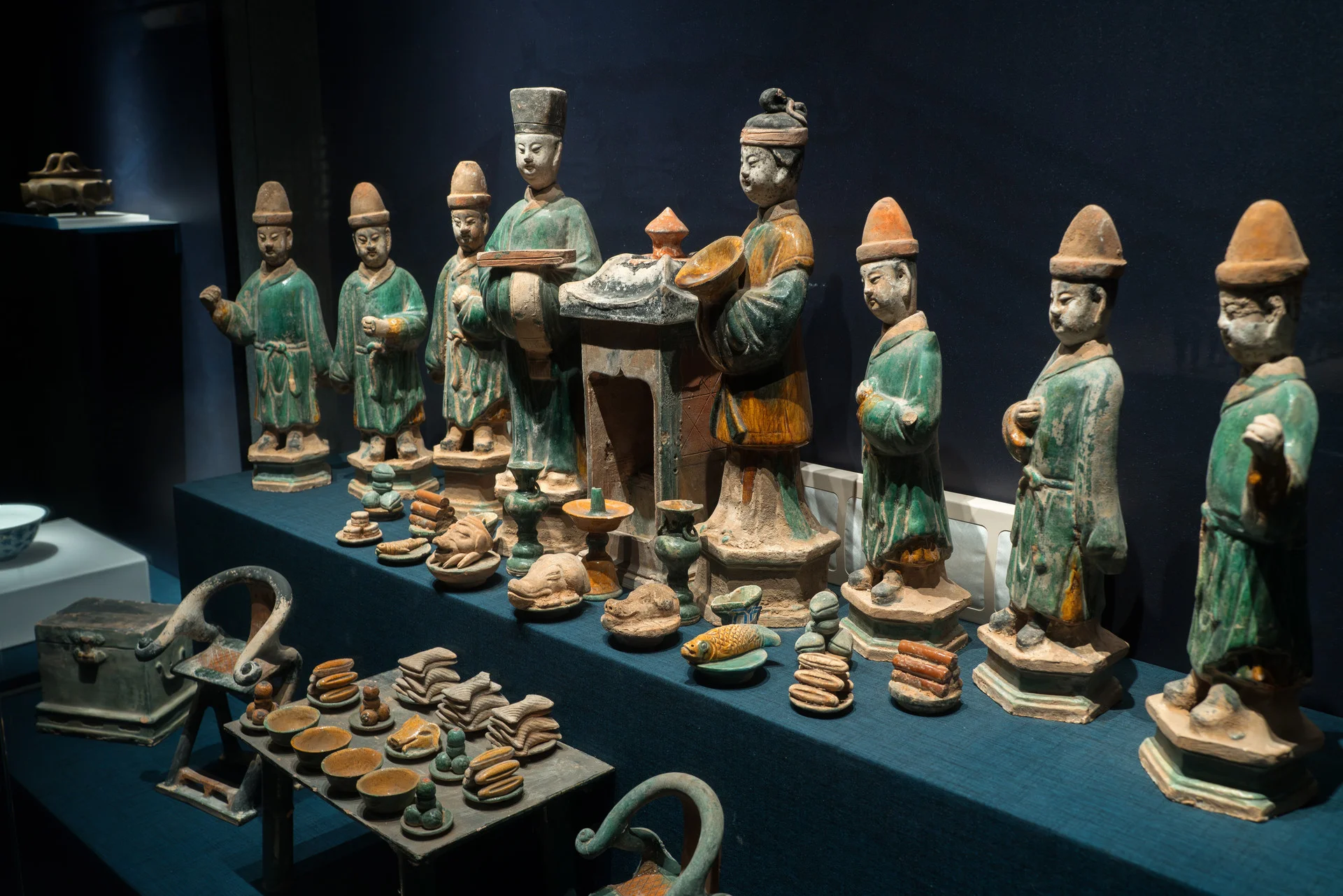
Gansu Provincial Museum: The "Silk Road Civilization" exhibition hall showcases the layered material culture of multiple civilizations. The museum's prized possession, the "Flying Horse of Gansu," is located on the second floor in the Silk Road exhibition hall. Closed on Mondays; advance reservations are required via the official WeChat mini-program.
Wuwei
Wushaoling: The dividing line between the East Asian monsoon region and the inland arid region, and also the traditional boundary between agricultural and nomadic civilizations.
Shandan Military Horse Ranch: Understanding the historical importance of the horse trade along the Silk Road.
Zhangye
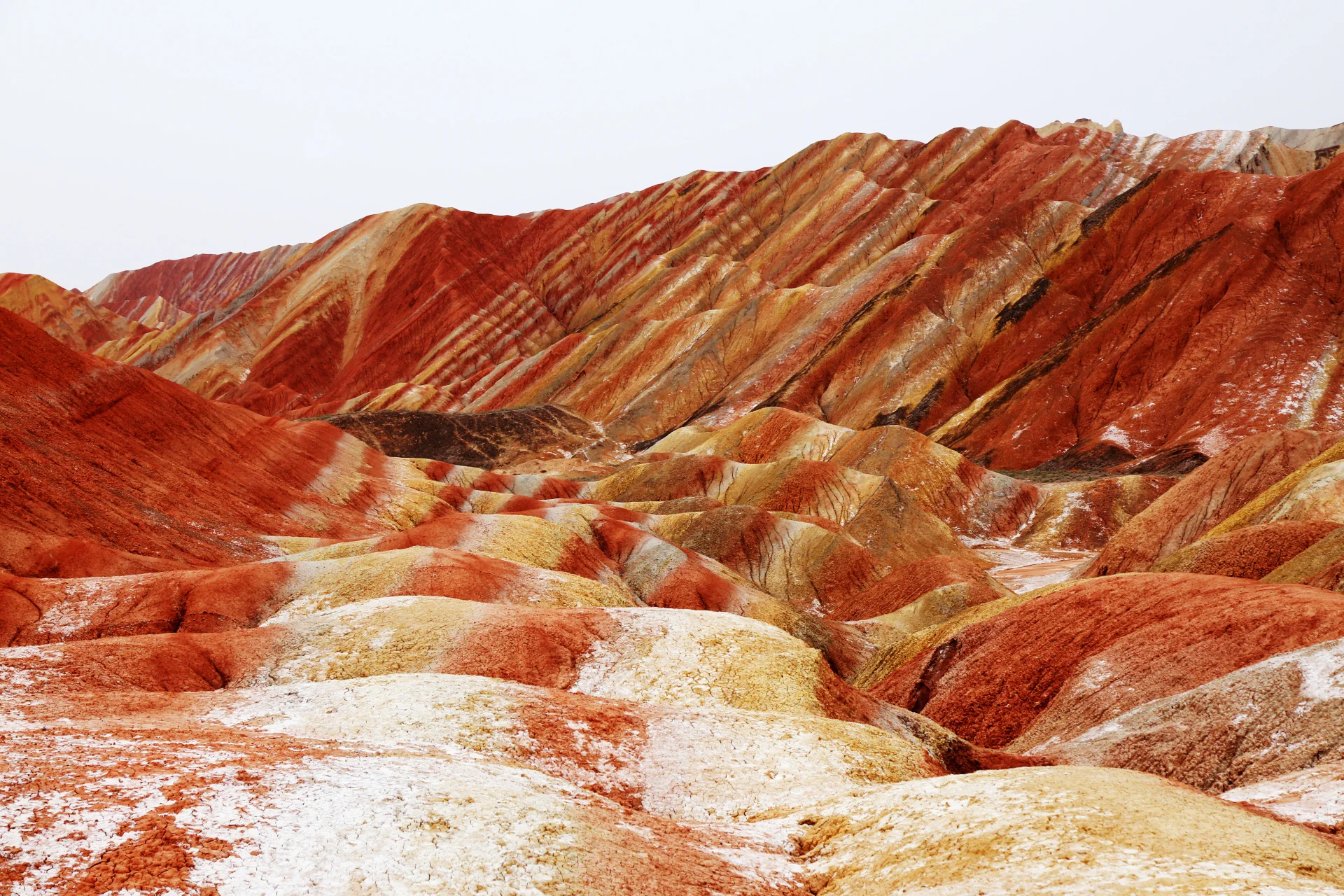
Rainbow Mountains: The only composite landform in China combining Danxia landforms and colorful hills, it is hailed as "God's spilled palette".
Dafosi Temple: Home to Asia's largest indoor clay reclining Buddha (34.5 meters long), embodying the fusion of Tibetan and Han Buddhism.
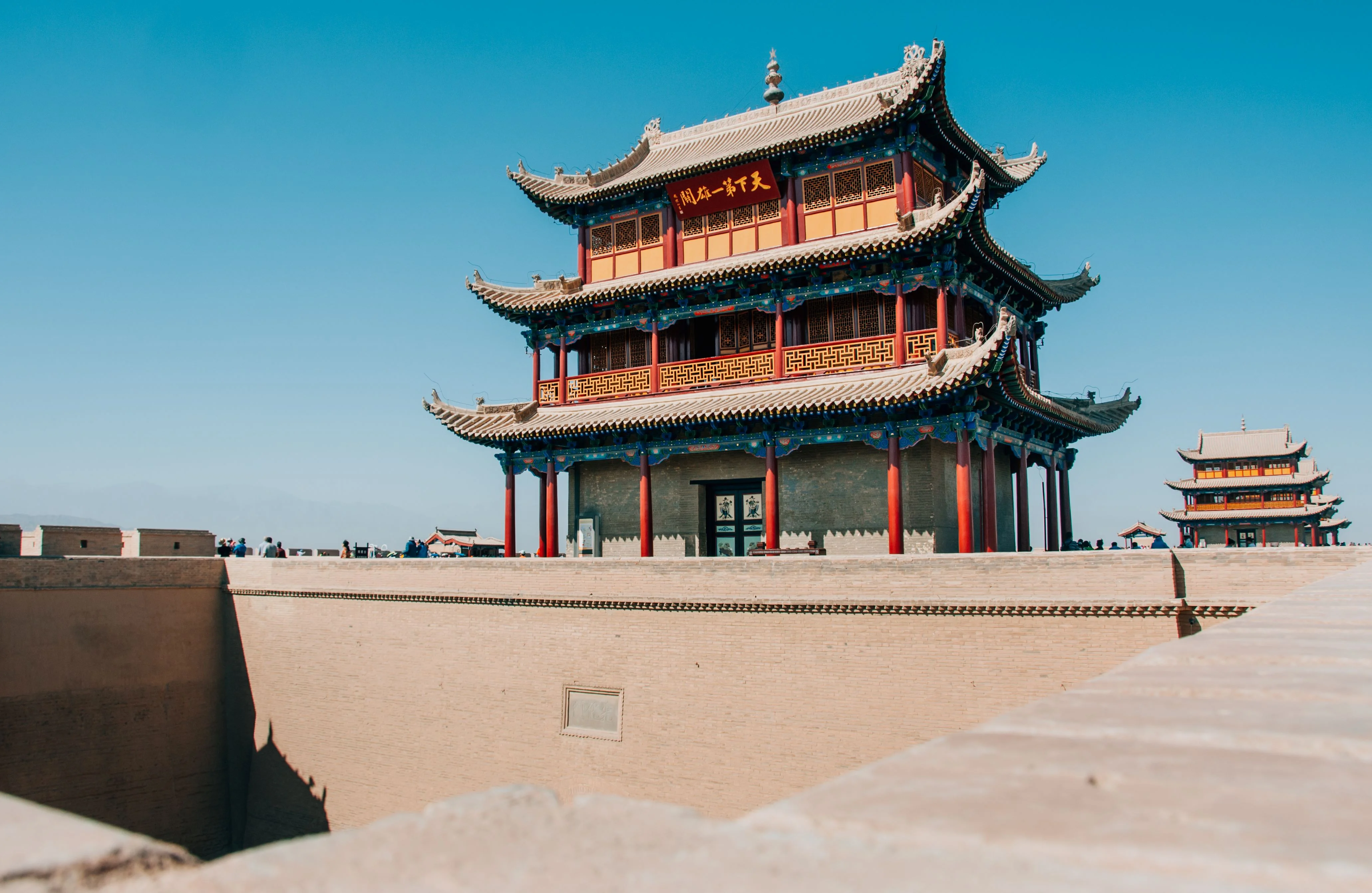
Jiayuguan
Jiayuguan is the westernmost point of the Ming Dynasty Great Wall, representing the defensive mentality of agrarian civilization, and at the same time, it was an important pass on the Silk Road.
Ethnic Minority Cultural Experiences
Yugur (Sunan County, Zhangye):
A unique ethnic group in Gansu Province. Experience their clothing, cuisine, and oral literature.
Tibetan/Hui (if traveling the southern route):
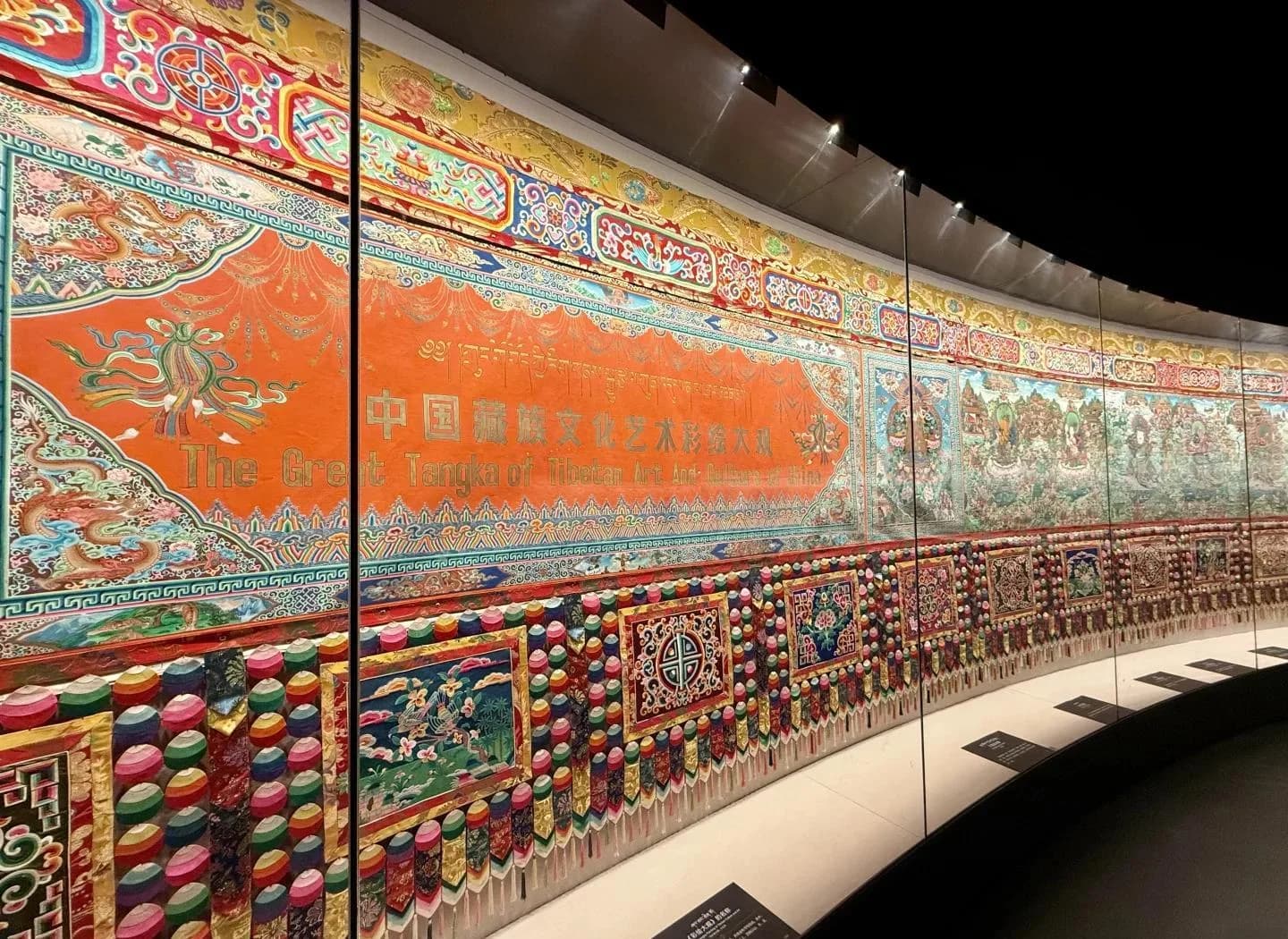
Qinghai Lake area, Qilian County – Tibetan villages. Experience Thangka painting and butter tea making.
Lanzhou, Linxia – Hui culture. Visit mosques and sample halal cuisine.
III. Dunhuang – The Glorious Pinnacle of Silk Road Civilization
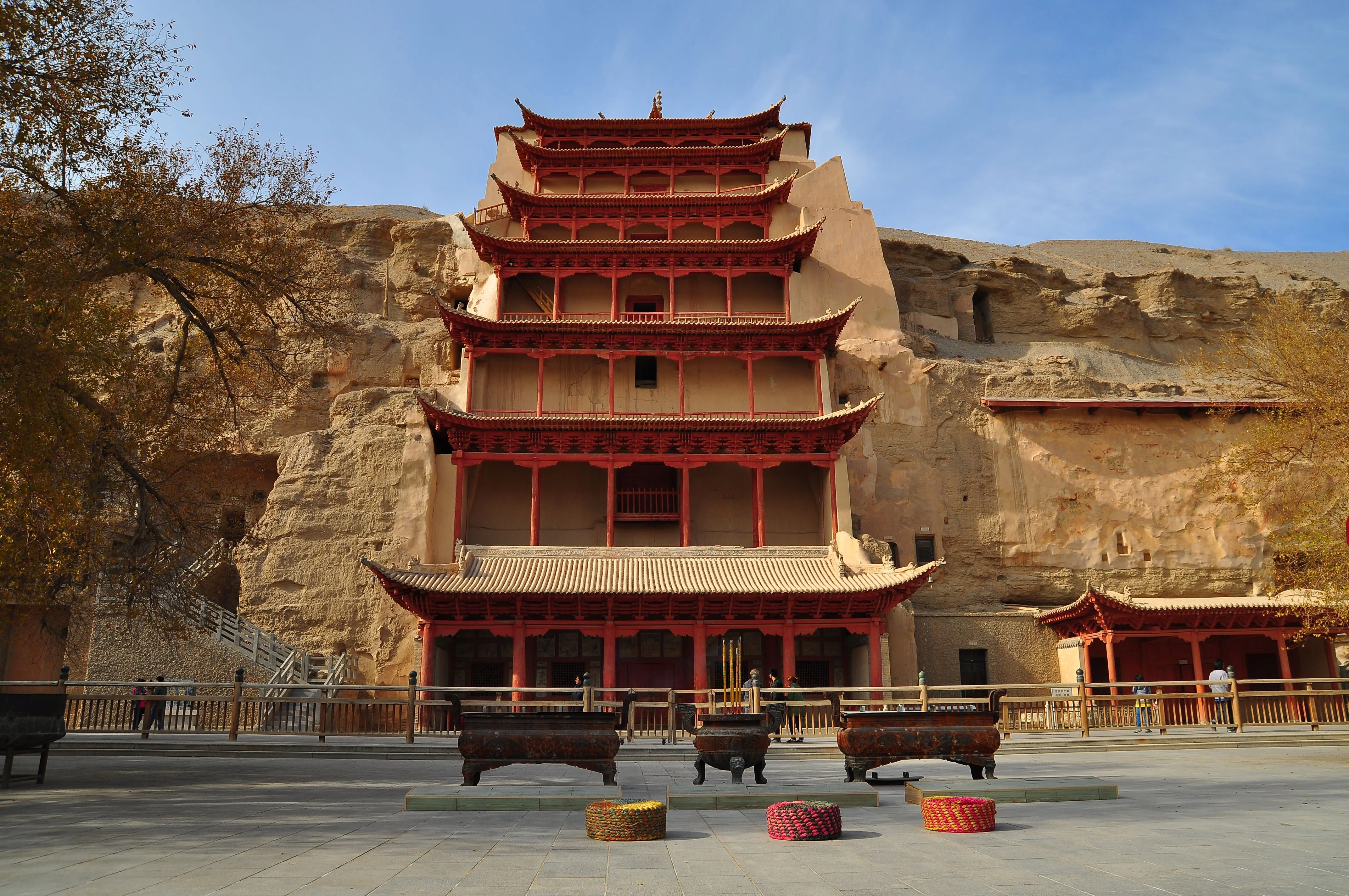
Mogao Caves
The Mogao Caves are the pinnacle of Silk Road civilization, and thorough preparations must be made in advance.
Step 1: Digital Exhibition Center (Required)
Two films: A Thousand Years of Mogao and Dreamlike Buddhist Palace (8K dome screen, allowing virtual viewing of caves not open to the public).
Step 2: Physical Cave Visit
General visitors can see representative caves from the Northern Dynasties, Sui and Tang Dynasties, and the Five Dynasties, Song Dynasty, Western Xia Dynasty, and Yuan Dynasty.
Pay special attention to Cave 323, "Zhang Qian's Mission to the Western Regions," which directly reflects the history of the Silk Road.
Observe how the Buddhist statues and murals gradually Sinicized from Indian and Central Asian styles.
Advanced Experience: Mural copying courses at the Dunhuang Academy can be booked in advance (advance inquiries required).
Mingsha Mountain and Crescent Lake
These oases in the desert were vital supply depots for Silk Road caravans.
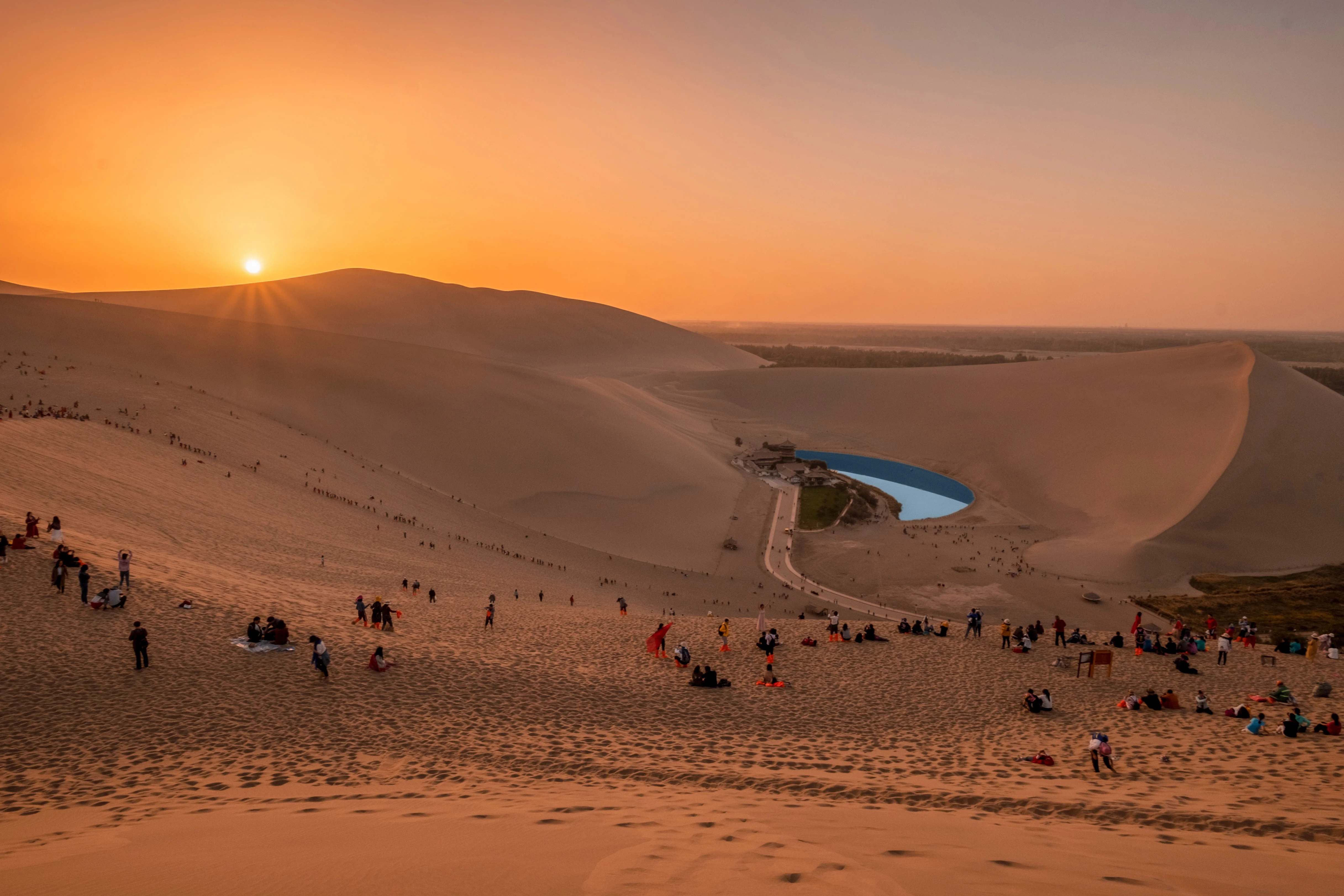
Activities: Camel riding, desert off-road vehicle, helicopter sightseeing, stargazing photography.
Major Performances (Select by Preference)
Encounter Dunhuang Again – A walking performance with the strongest immersive experience.
Dunhuang Grand Ceremony – Set against the backdrop of the Singing Sand Dunes in the desert.
Silk Road Flower Rain – A classic dance drama performed at the Dunhuang Theater.
Yangguan & Yumenguan
It is not only a geographical boundary, but also a symbol of "crossing boundaries" in cultural psychology. Reciting the famous line "West of Yangguan, there are no old friends" allows us to feel the historical vicissitudes of the Silk Road.
IV. The Southern Silk Road – A Cultural Transition Zone on the Edge of the Qinghai-Tibet Plateau
(If time permits, this route can be extended.)
Xining
Dongguan Great Mosque: A fusion of Chinese and Islamic architectural styles.
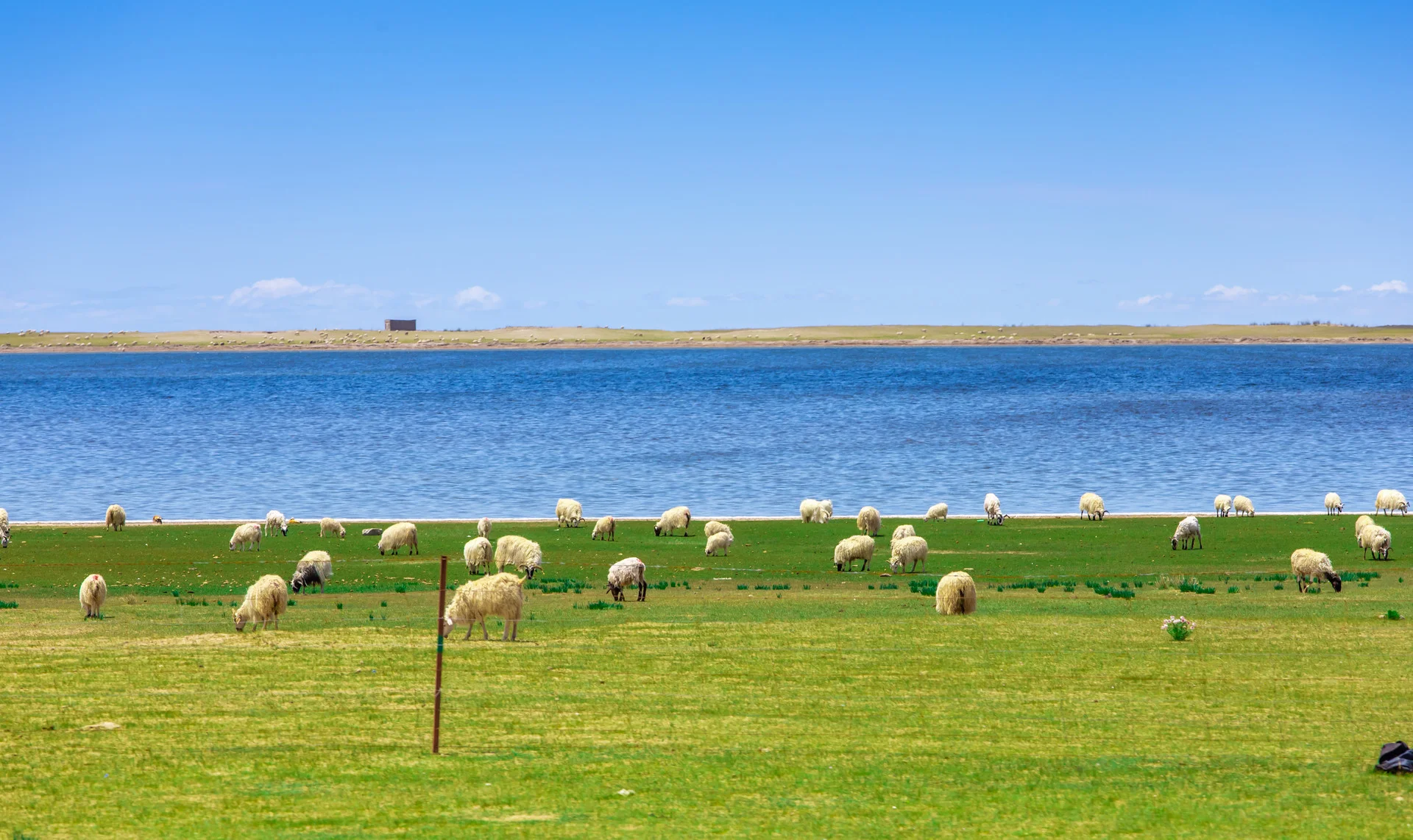
Qinghai Lake: A sacred lake for Tibetans, considered the "Western Sea" in Han Chinese culture.
Historical significance: A crossroads of the Tang-Tibet Ancient Road and the Southern Silk Road, a trading market for multiple ethnic groups including Han, Tibetan, Turkic, and Tuyuhun.
The Qilian Mountains grasslands
Summer pastures for the Xiongnu, Yuezhi, and Tubo peoples. The mobility of nomadic peoples made them intermediaries in the "Steppe Silk Road."
V. Cultural Experiences Along the Silk Road
Evolution of Religious Art
A Comparative Study of the Sinicization of Buddhism: Maijishan Grottoes (Early) → Bingling Temple (Middle) → Mogao Grottoes (Late), the stylistic evolution is readily apparent.
Traces of Minor Religions: The Nestorian Stele in the Xi'an Stele Forest and Zoroastrian (fire worship) records in Dunhuang documents.
Islamic Architecture: The Xiguan Mosque in Lanzhou and the Nanguan Mosque in Zhangye, showcasing a fusion of Chinese and Islamic styles.
Inheritance and Innovation of Handicrafts
Traditional Experiences:
Xi'an: Ancient papermaking techniques, reproduction of Tang Dynasty gold and silver artifacts.
Dunhuang: Clay tablet paintings, imitation of ceiling patterns.
Tianshui: Bamboo weaving, embroidery.
Modern Cultural and Creative Products: Museums across the country offer distinctive products, such as the "Bronze Galloping Horse" series from the Gansu Provincial Museum and the "Flying Apsaras" series from Dunhuang.
Frequently Asked Questions
Q1: How many days is the trip?
The classic route (Xi'an – Lanzhou – Dunhuang) is recommended to take 10–12 days; if you include in-depth tours of Wuwei, Zhangye, Qinghai Lake, etc., it will take 15–18 days.
Q2: What are the rules for visiting temples and grottoes?
Please dress appropriately when entering a mosque (women may bring a headscarf); photography, videography, and touching the murals are strictly prohibited inside the Mogao Grottoes and other grottoes. Photography is prohibited in most museum exhibition halls, with some allowing photography without flash.
Q3: What should I pay attention to regarding the weather and clothing?
The temperature difference between day and night is large in Northwest China, so a jacket is necessary even in summer. The ultraviolet radiation is strong, so be sure to prepare sunscreen, a hat, and sunglasses; the climate is dry, so stay hydrated.
Q4: Is it safe to travel?
Major tourist cities have excellent facilities and good public security. Please take good care of your passport and valuables, and follow your tour guide's instructions during desert activities.
Q5: Are there any dietary restrictions?
Northwest China boasts a rich variety of halal cuisine, with beef, mutton, and noodles available in the Muslim Quarter and night markets. If you don't eat pork or are allergic to certain seasonings, simply mention it when ordering. Local specialties include donkey meat noodles and apricot juice, which are worth trying.
Note: This article provides general cultural guidance. Individual experiences may vary. Always approach cultural learning with an open mind.