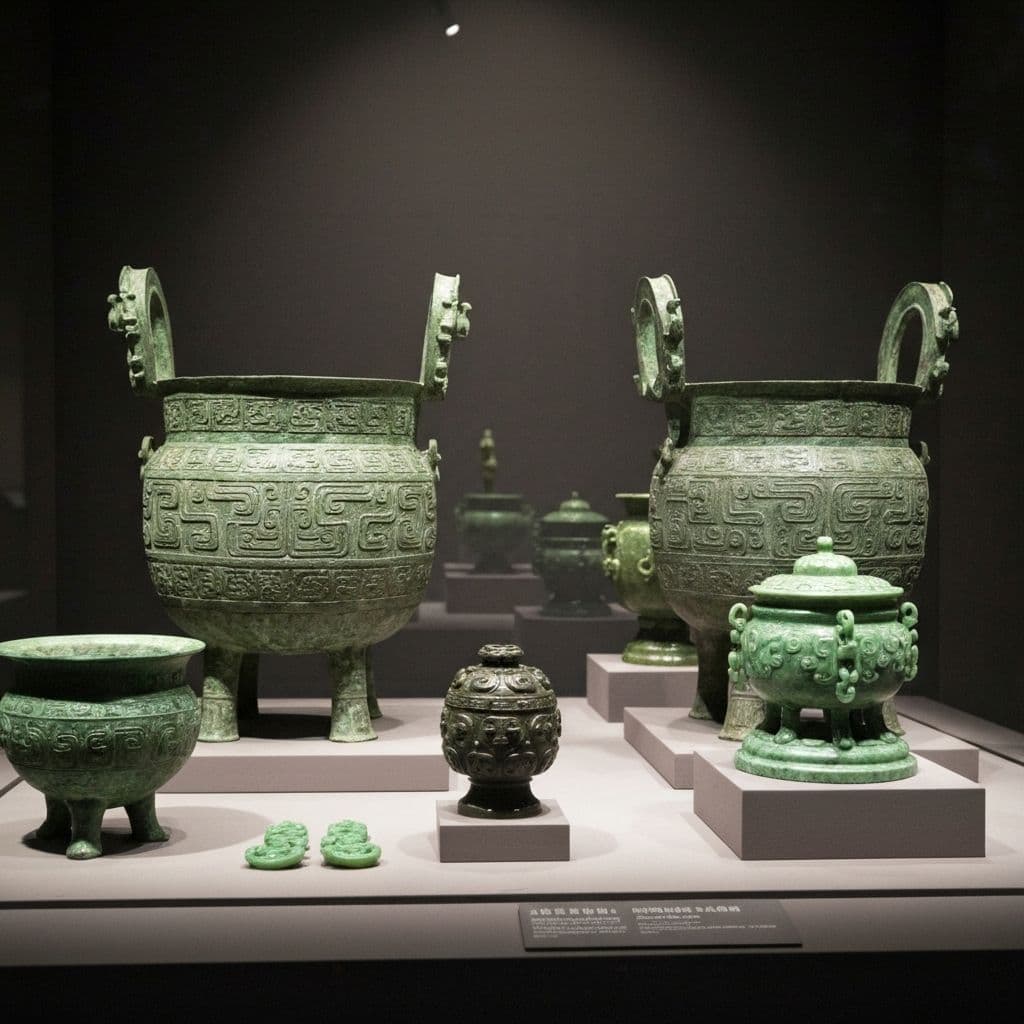
For over two millennia, the story of Chinese porcelain history is a tale of artistry, innovation, and cultural exchange that has captivated the world. This delicate yet durable material, born from the earth's simplest elements, became a symbol of Chinese civilization and a highly sought-after commodity along the ancient Silk Road. Its journey from humble clay to revered national treasure reflects the ingenuity and aesthetic refinement of countless generations of artisans.
Today, understanding the origins of Chinese porcelain offers a unique window into China's soul. For travelers and culture enthusiasts, appreciating this craft enriches any visit, transforming a simple vase or bowl into a narrative of dynasties, trade, and timeless beauty. This guide will take you through the fascinating evolution and the intricate Chinese porcelain production process.
The Ancient Origins of Chinese Porcelain
The story of Chinese porcelain begins in the fiery kilns of the Shang and Zhou dynasties, but its true identity began to crystallize during the Han Dynasty (206 BC – 220 AD). Early potters experimented with local clays and firing techniques, gradually unlocking the secrets to creating a material that was both white and vitrified. These initial breakthroughs laid the groundwork for what would become a global phenomenon.
It was during the Tang Dynasty (618–907 AD), however, that Chinese porcelain truly began to flourish and reach distant shores. The expansion of trade routes allowed these exquisite wares to travel to the Middle East and beyond, where they were valued as highly as gold. The term "porcelain" itself is believed to have been derived from the Italian word "porcellana," reflecting its precious nature.
Key Dynastic Contributions
Each Chinese dynasty left its unique mark on porcelain development, refining techniques and aesthetics.
Tang Dynasty (618–907): Noted for its bold, tri-colored (sancai) lead-glazed figurines and vessels, often buried in tombs.
Song Dynasty (960–1279): Celebrated for its elegant, monochromatic glazes in celadon, white, and black, emphasizing pure form and subtlety.
Yuan Dynasty (1271–1368): Perfected underglaze blue and white porcelain, using cobalt imported from Persia, which became an iconic style.
Ming (1368–1644) and Qing (1644–1912) Dynasties: Reached the pinnacle of technical mastery, producing incredibly detailed polychrome wares like famille-verte and famille-rose for imperial use and export.
How Chinese Porcelain is Made: The Journey from Clay
The transformation of raw earth into luminous porcelain is a meticulous and multi-stage alchemy. The magic lies not just in the skill but in the specific materials, primarily kaolin (a pure white clay) and petuntse (a feldspathic rock), which fuse together at extremely high temperatures. This is the essence of the clay to porcelain process, a tradition honed over centuries.
Understanding how Chinese porcelain is made reveals why it was so revolutionary. Unlike earthenware or stoneware, true porcelain is vitrified and translucent, ringing with a clear, bell-like tone when tapped. This unique combination of beauty and strength made it unparalleled in the ancient world.
The Step-by-Step Production Process
The creation of a single piece involves the dedicated work of many specialists, each mastering one part of the complex Chinese porcelain production process.
Material Selection and Preparation: The finest kaolin and petuntse are quarried, cleaned, and mixed with water to create a smooth, plastic clay body.
Shaping: Artisans shape the clay using various methods, including throwing on a potter's wheel, slip-casting in molds, or hand-building for more sculptural pieces.
Drying and First Firing (Biscuit Firing): The shaped ware is slowly air-dried to prevent cracking, then fired in a kiln at around 900°C. This initial firing creates a hard, porous bisque ready for glazing.
Glazing: The bisque-fired piece is dipped, poured, or brushed with a liquid glaze mixture. For designs like blue-and-white, the underglaze decoration is painted onto the bisque before glazing.
Final Firing (Glost Firing): The glazed piece undergoes a final firing at temperatures exceeding 1300°C. This is where the magic happens—the glaze melts into a glassy surface, and the body vitrifies, becoming non-porous and strong.
Porcelain as a Pillar of Chinese Culture and Trade
Beyond its aesthetic appeal, porcelain became deeply woven into the fabric of Chinese society. It served practical purposes in daily life and ritual ceremonies, while the finest pieces were reserved for the imperial court, symbolizing power and refinement. The control over the production of high-quality porcelain was a closely guarded state secret for centuries.
As a major export, Chinese porcelain had a profound impact on global art and commerce. It influenced ceramic traditions in Japan, Korea, Europe, and the Middle East. European royalty amassed vast collections, and manufacturers like Meissen in Germany spent years trying to replicate the formula, a testament to its coveted status.
Experiencing Chinese Porcelain History Today
For the modern traveler, the legacy of Chinese porcelain is accessible and awe-inspiring. Visiting the key sites offers a tangible connection to this ancient art form. In 2026, several destinations are essential for any porcelain enthusiast.
Must-Visit Destinations
Jingdezhen, Jiangxi Province: Known as the "Porcelain Capital" for over 1,700 years. Here, you can visit historic kiln sites, watch contemporary masters at work, and even try your hand at pottery.
The Palace Museum, Beijing: Home to the world's most extensive collection of imperial Chinese porcelain, with breathtaking pieces from every dynasty.
Shanghai Museum: Features a world-class ceramics gallery that beautifully narrates the evolution of Chinese porcelain history.
Tips for Travelers
Engaging with porcelain culture can be a highlight of your trip. Here’s how to make the most of it.
Shop Wisely: When buying porcelain, look for reputable dealers. Hand-painted pieces will have slight variations, while mass-produced items are perfectly uniform.
Participate in a Workshop: Cities like Jingdezhen offer short workshops where you can learn about the clay to porcelain process firsthand.
Visit a Local Market: Explore antique markets, but be cautious of reproductions. Authentic antique pieces require special permits for export.
A Living Legacy
The narrative of Chinese porcelain history is far from over. Contemporary artists in China and around the world continue to draw inspiration from these ancient techniques, blending tradition with modern design. This ensures that the spirit of innovation that defined the craft for centuries continues to thrive.
From the imperial kilns of the past to the studios of today, Chinese porcelain remains a powerful symbol of cultural endurance and artistic excellence. Its journey from local clay to global treasure is a testament to human creativity, inviting us all to appreciate the profound beauty that can be forged from the earth itself.
Note: This article provides general cultural guidance. Individual experiences may vary. Always approach cultural learning with an open mind.