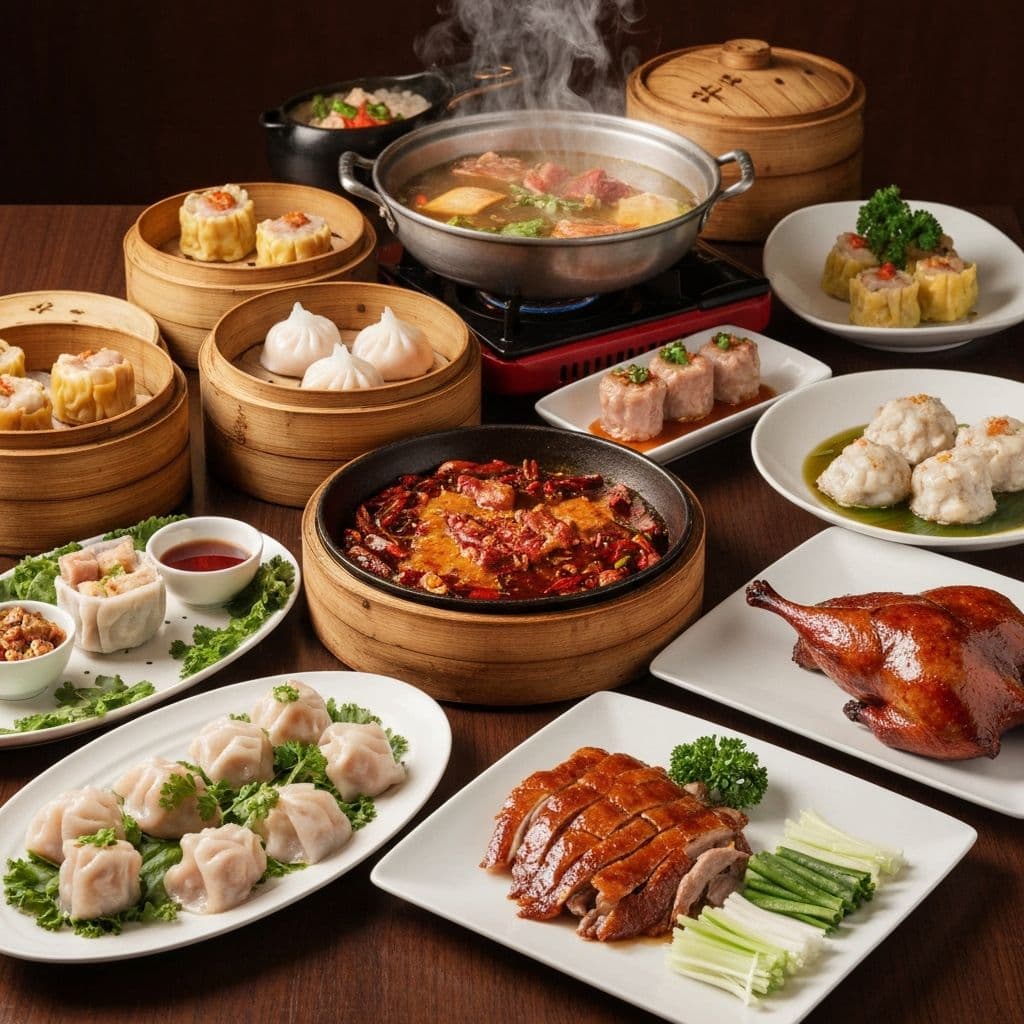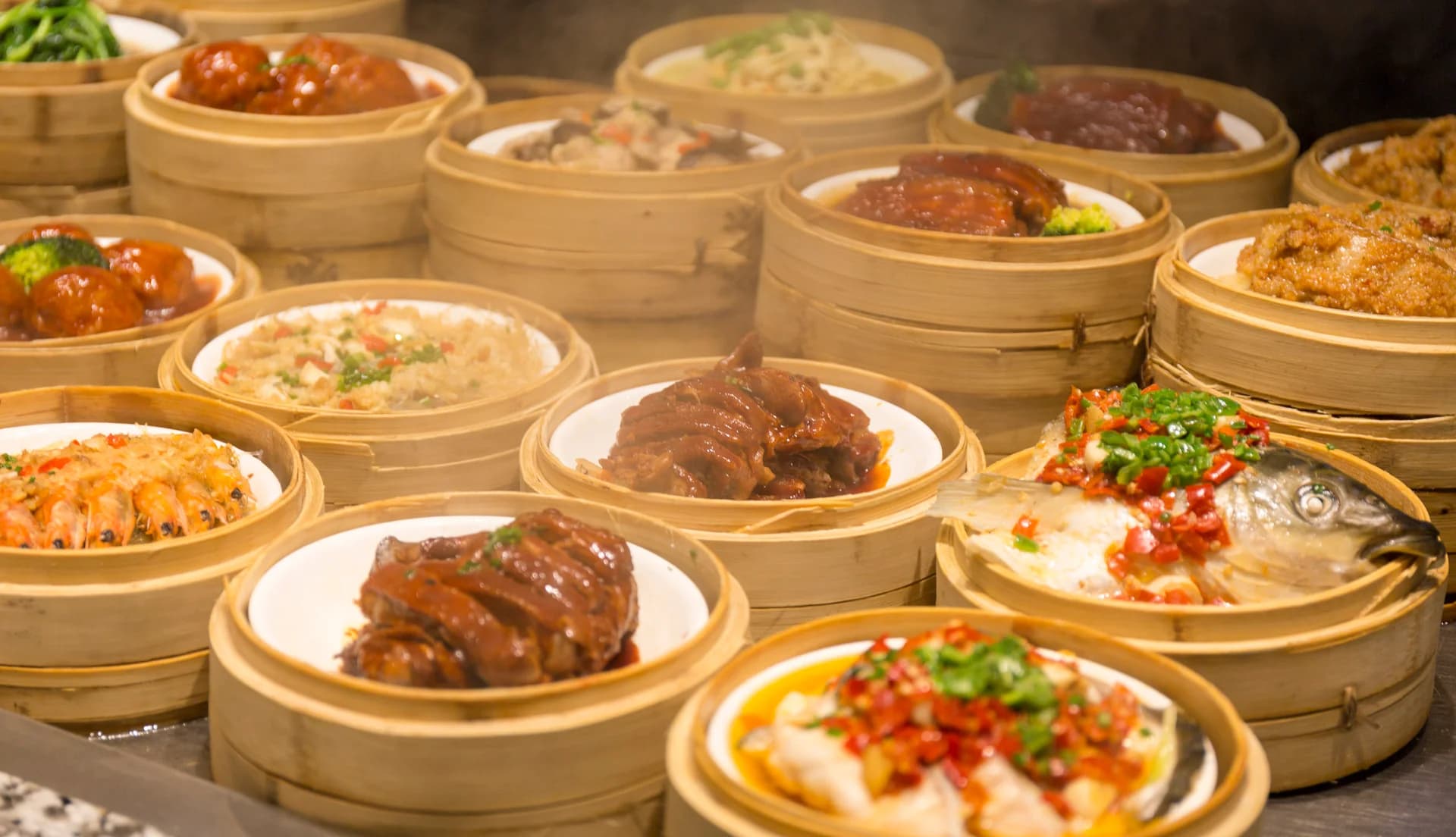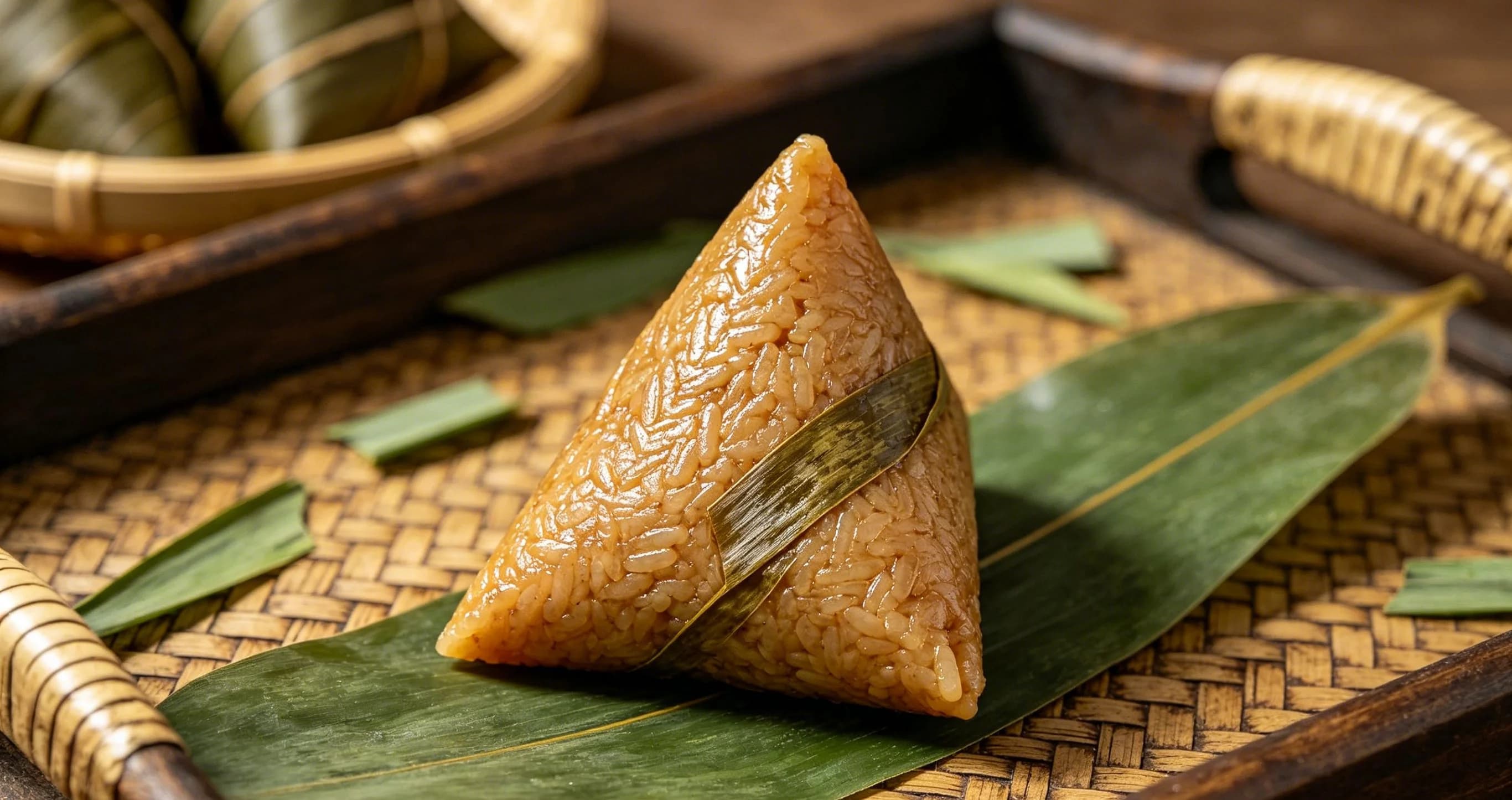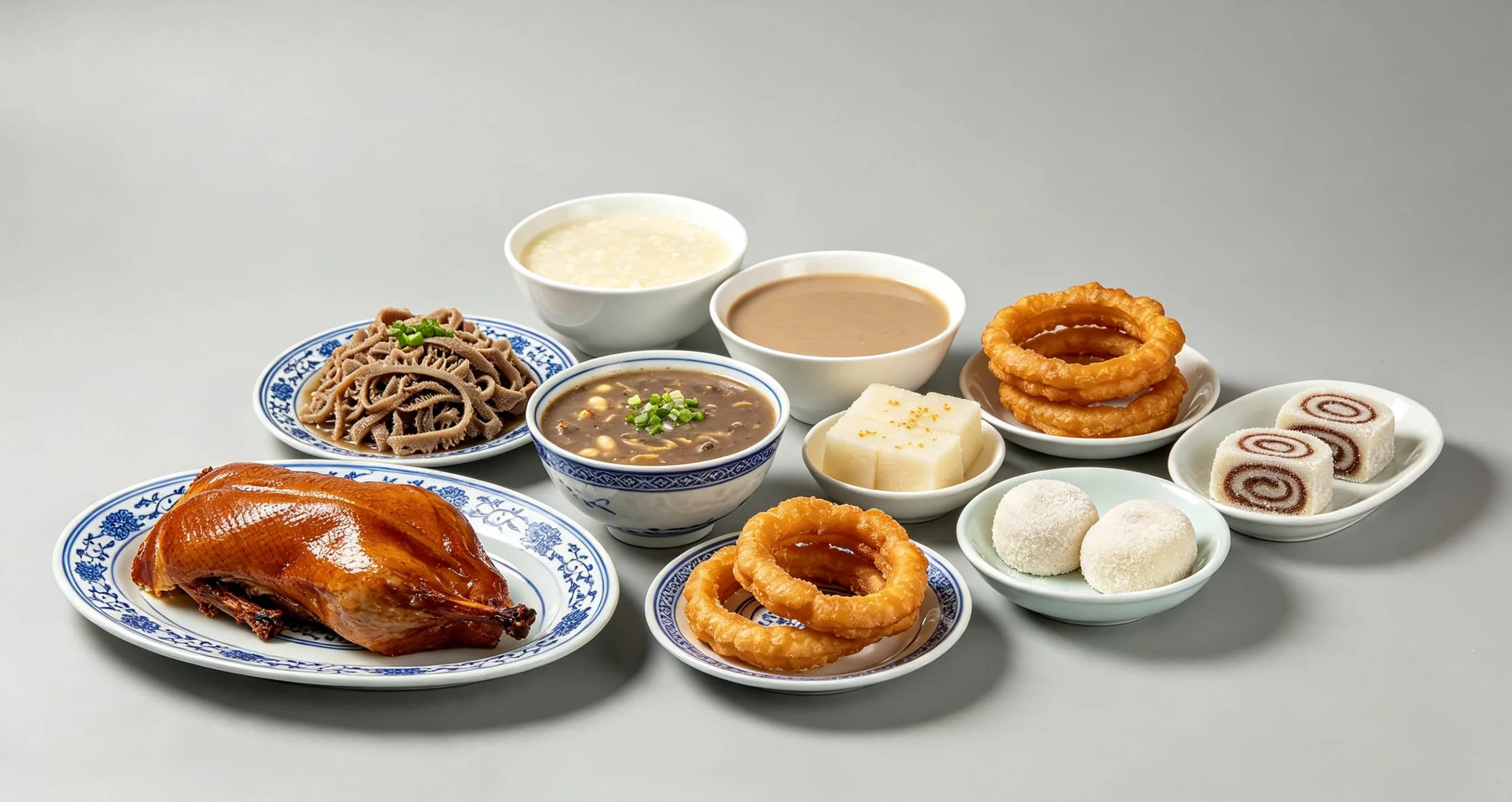

Beijing, an ancient capital with a 3,000-year history, possesses charm that extends beyond the red walls and golden tiles of the Forbidden City and the imposing Great Wall—it's deeply rooted in the vibrant, everyday life of its streets and alleys. For travelers from Europe and America, the cuisine here may offer a sensory experience unlike anything they've ever had: from the exquisite refinement of imperial dishes to the raw energy of street food, every bite tells a story of this city.
This guide isn't simply about "what to eat," but rather "how to eat, why to eat, and where to eat," helping you transcend cultural differences and truly immerse yourself in the daily dining experience of Beijingers.
I. Classic Foods
1. Peking Duck(北京烤鸭) – More than just duck meat, it's a ritual.
This is Beijing's most renowned culinary calling card on the international stage. But please forget the "roast duck" you eat in Chinese restaurants back home—real Peking duck has a crispy, caramel-like skin, tender and juicy meat, and fat that melts in your mouth. The sweet and salty flavor of the sweet bean sauce is perfectly balanced with the refreshing taste of scallions and cucumbers.
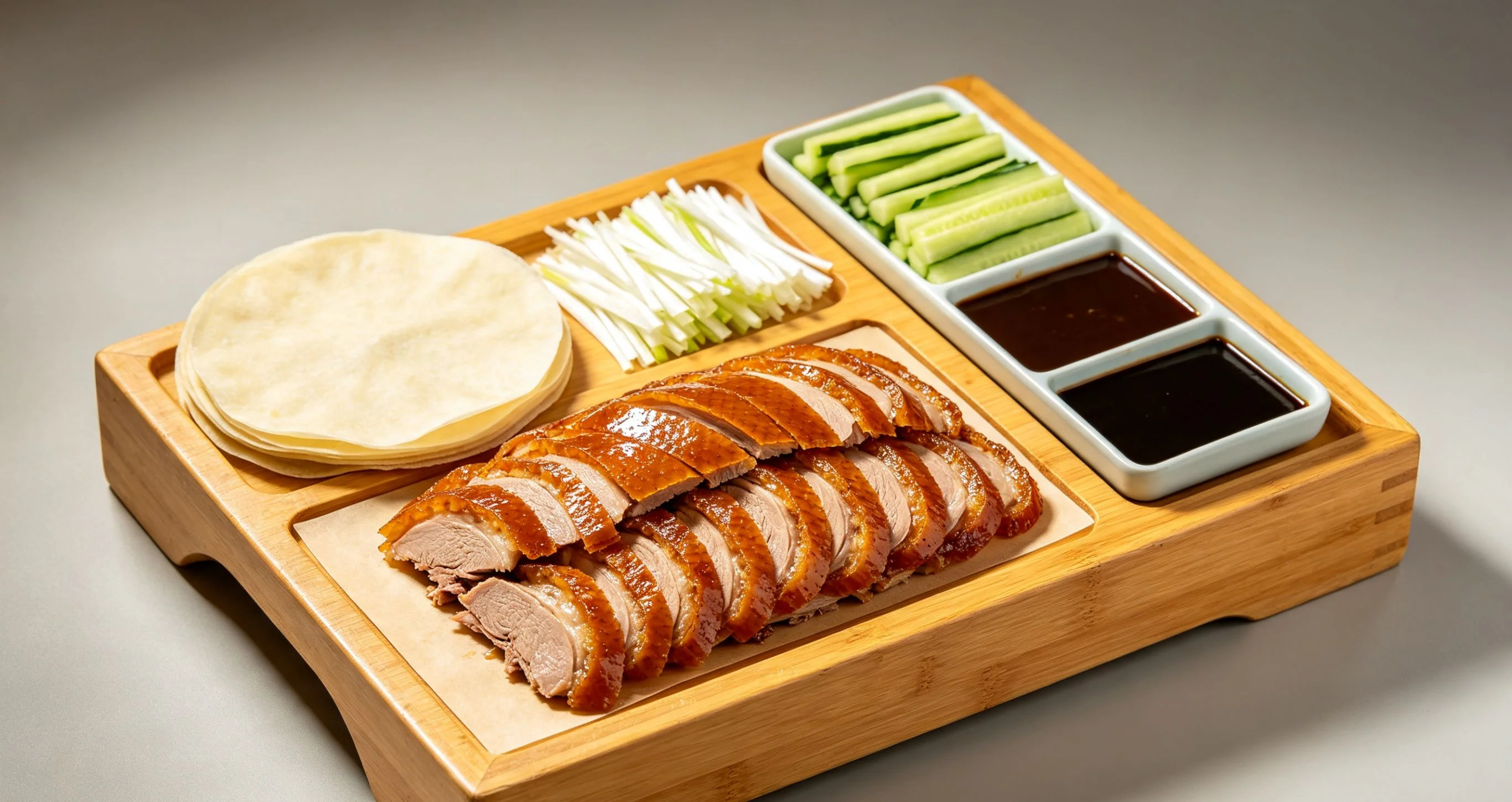
How to eat it in the authentic way?
Unique way to eat it: Take a piece of translucent duck skin (without meat), dip it in a little white sugar, and put it directly into your mouth.
How to eat it for a proper meal: Take a thin lotus leaf pancake, spread sweet bean sauce on it, put on 2-3 slices of duck meat with skin, add shredded scallions and cucumber strips, roll it up tightly like a spring roll, and take a bite.
Useful Tips
Budget per person: 100-200 RMB
Recommended restaurants: Quanjude (the original Qianmen branch, experience a century of history), Siji Minfu (a branch near the Forbidden City, where you can enjoy the view while you eat, and locals often queue up).
For dinner, be sure to call or get a number in advance, as waiting for more than an hour is common.
2. noodles with soybean paste(炸酱面)– A bowl of noodles that reveals the "taste of home" for Beijingers.
The handmade noodles are chewy and springy, while the meat sauce is made by slowly frying diced pork belly, yellow soybean paste, and sweet bean sauce, resulting in a savory and rich flavor. The toppings come in eight to ten varieties: cucumber strips, bean sprouts, green peas, shredded radish, chopped celery… a balanced mix of meat and vegetables that is refreshing and helps cut through the richness.
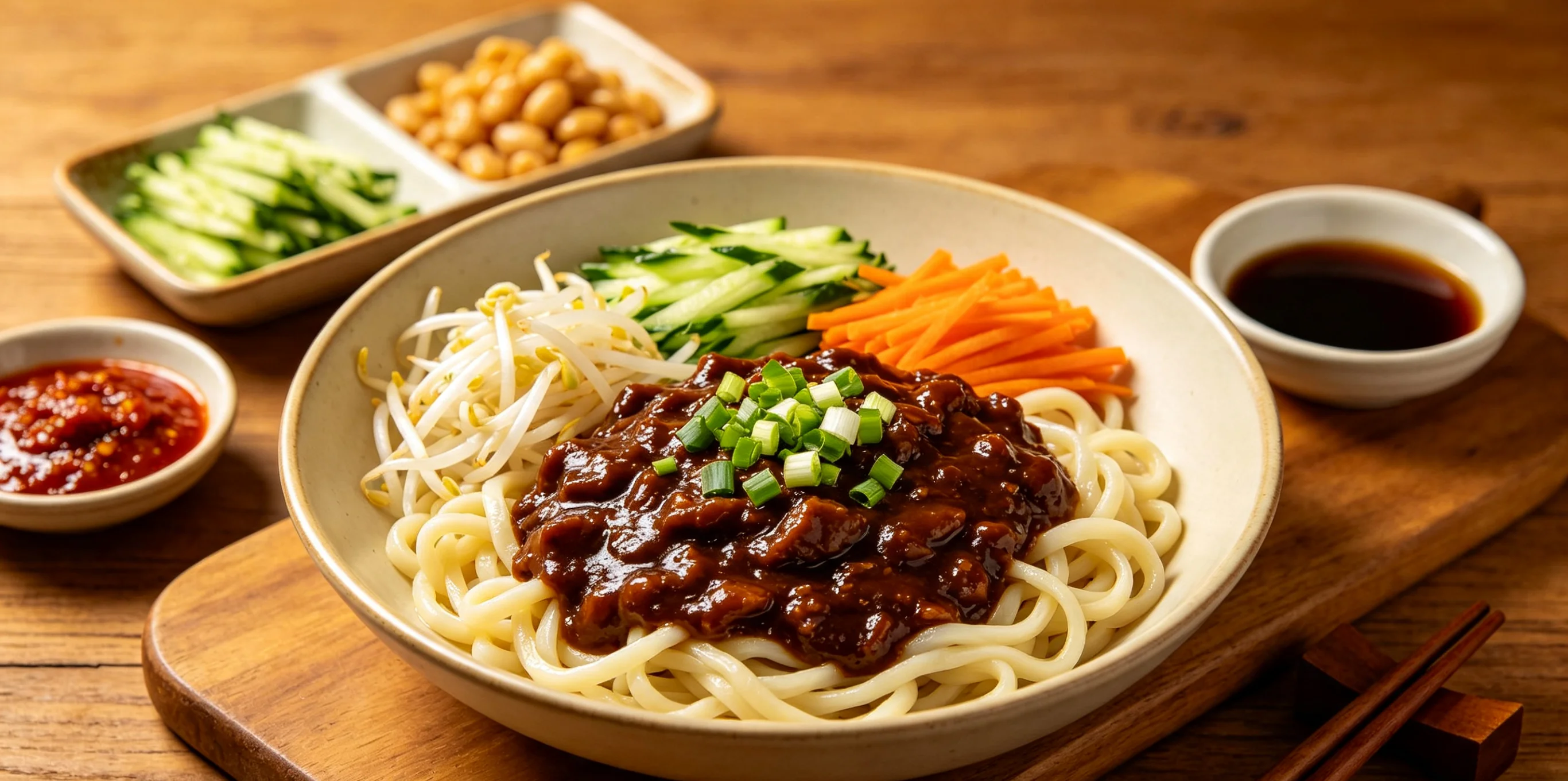
How to eat more authentically?
When served, the sauce and vegetable toppings are separate. First, add the vegetable toppings, then add the fried sauce, and then stir from the bottom up to ensure each noodle is evenly coated with the sauce.
Vegetarians can choose egg sauce instead of meat sauce; just inform the restaurant in advance.
Useful Tips
Budget per person: 15–30 RMB
Recommended shops: Fangzhuan Factory No. 69 (popular online but consistently high quality), Jiuchengju (old-fashioned environment, rich soy sauce flavor).
The sauce is quite salty, so it's recommended to mix half of it first, taste it, and then add more.
3. Braised Pork Offal with Wheat Bread (卤煮火烧) – The Soul of a Commoner's Lunch
If you enjoy European stewed tripe or Scottish haggis, you'll likely fall in love with braised offal. This involves slow-cooking pig intestines, lungs, fried tofu, and hard-crust flatbread together in a large pot with a rich, dark brown broth. The offal is thoroughly cleaned and free of any unpleasant odor, leaving only the aroma of soy sauce and spices.
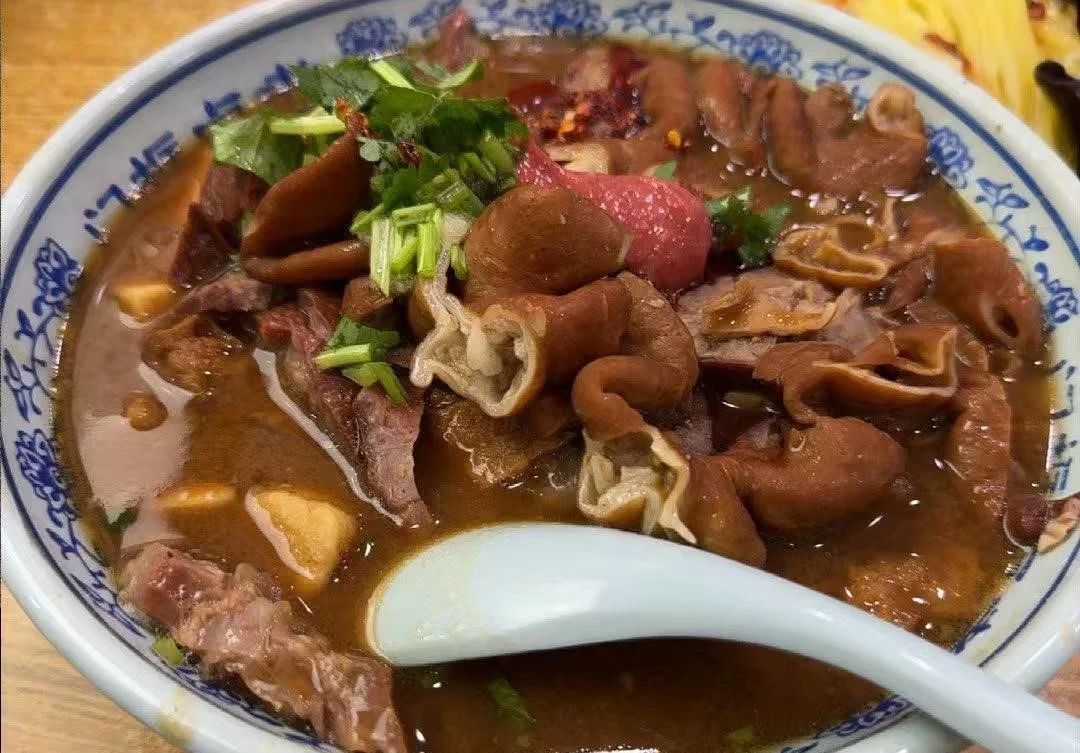
How do I order?
It's usually sold by the bowl, with the baked flatbread cut into pieces and soaked in the broth. You can ask for more or less intestine or lung.
Add minced garlic, vinegar, and chili oil when eating to balance the richness. It's even better with a bottle of beer.
Useful Tips
Budget per person: 30–50 RMB (4–7 USD).
Recommended restaurants: Beixinqiao Braised Offal (open 24 hours, a late-night eatery), Chenji Braised Offal and Small Intestines (Qianmen Langfang Second Alley, the most authentic one in the old bungalows).
4. Old Beijing Copper Hot Pot (铜锅涮肉)– A heartwarming social meal in winter.
If you visit Beijing between November and March, when the wind is biting cold, sitting around a steaming copper pot, cooking your own meat, dipping it in sauce, and chatting—this is more authentic than any Western-style hot pot. The broth is just water with ginger slices, scallions, goji berries, and dried mushrooms, relying entirely on the original flavor of the meat, requiring extremely fresh ingredients.
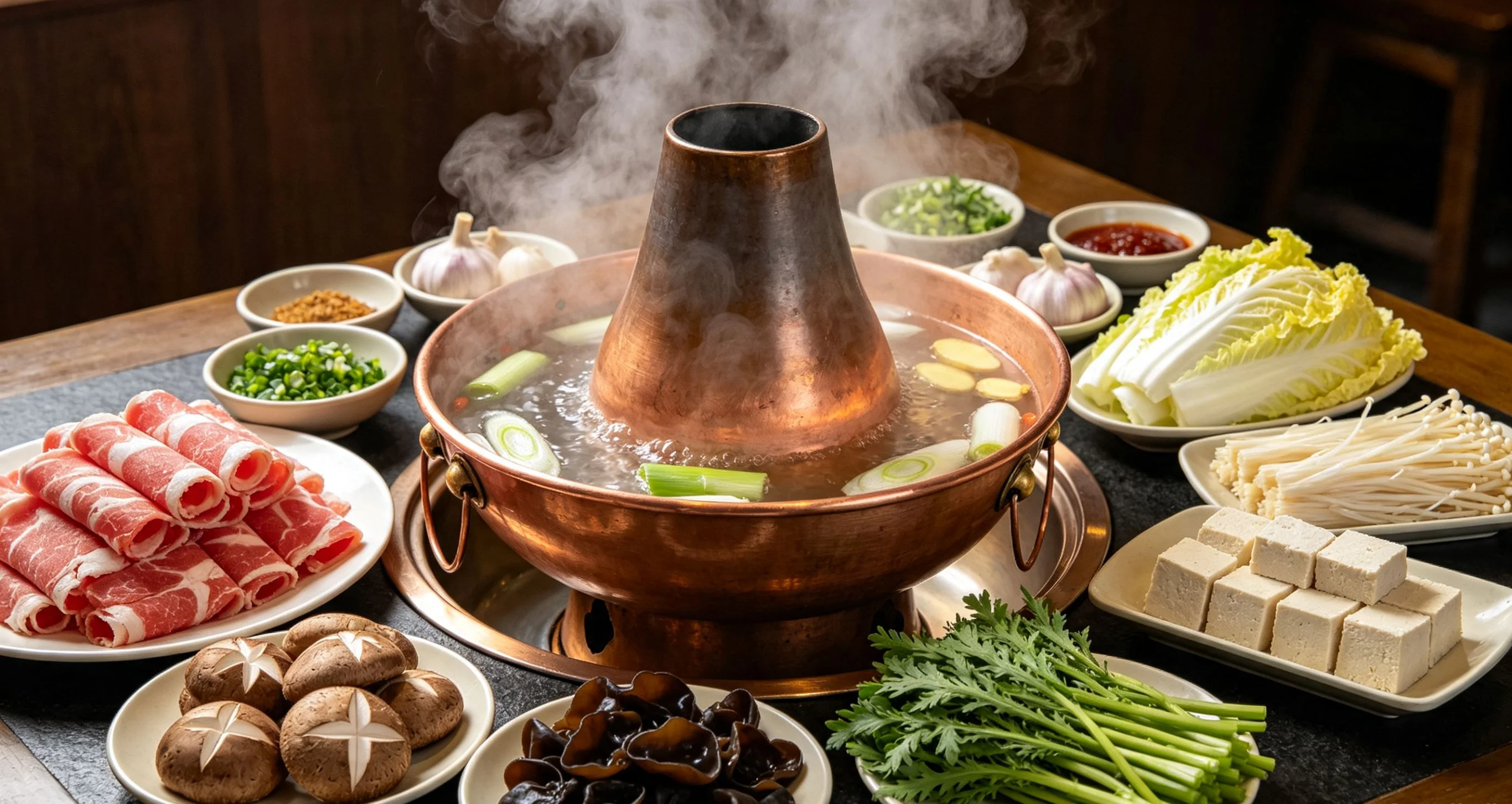
Authentic Cooking Guide
First, blanch the lamb tail fat (fatty lamb fat chunks) to infuse the broth with its rich, oily aroma. Then, add hand-cut fresh lamb or fatty beef.
The dipping sauce must be sesame paste. Make your own sauce: add fermented bean curd, chive blossoms, cilantro, chopped green onions, and fried chili oil. It's recommended to taste a small bowl first and adjust the saltiness accordingly.
Cooking time: Freshly cut lamb only needs to change color (about 10-15 seconds). Do not overcook it to prevent it from becoming tough.
Useful Tips
Budget per person: 100–200 RMB
Recommended restaurants: Niujie Halal Manhengji (long queues among locals, good value for money), Nanmen Hot Pot (Tiantan South Gate branch, within walking distance after visiting the temple).
5. Grilled Meat on a Grill(炙子烤肉) – A DIY Street Food Extravaganza
This isn't Korean or Brazilian barbecue; instead, it's grilled over charcoal using a special cast iron griddle (round iron plate). The beef or lamb is marinated beforehand with onions, cilantro, soy sauce, etc., and you stir-fry it yourself when it's served.
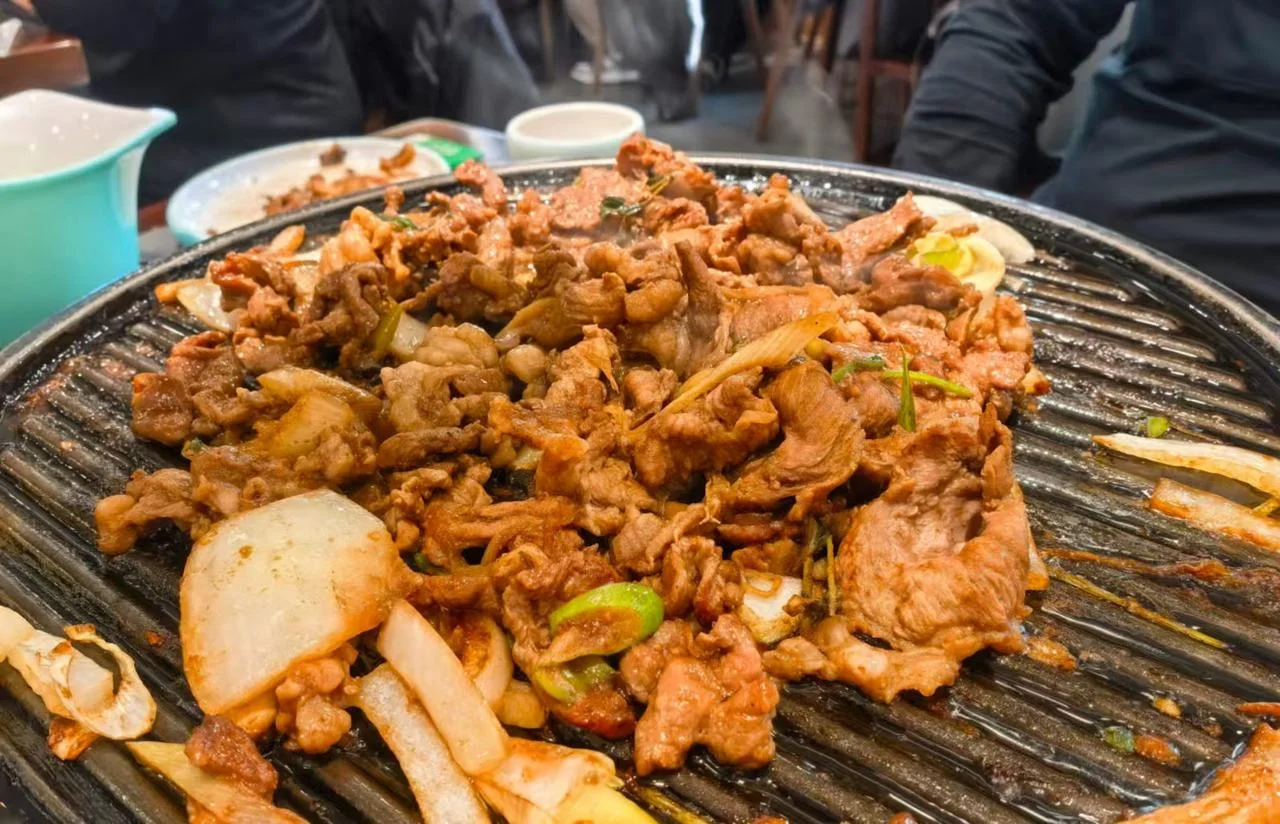
How to grill for the best taste?
Grill lamb first (it cooks faster), then grill beef. Slice the meat thinly and cook until it changes color; avoid over-stirring to prevent it from becoming watery and tough.
Traditional way to eat it: Stuff the grilled meat into a sesame flatbread, or wrap it in lettuce leaves, adding a few slices of garlic and chili rings for a richer flavor.
Useful Tips
Budget per person: 100–200 RMB.
Recommended restaurants: Kao Rou Ji (near Houhai Lake, a century-old establishment with excellent lamb), Kao Rou Wan (specializing in beef, a long-established brand in southern Beijing).
6. Fried liver(炒肝)– a garlicky broth in the breakfast bowl
Although it's called "stir-fry," it's actually stewed. The bowl contains a thick broth made with minced garlic, soy sauce, and cornstarch, which coats slices of pork liver and intestines. This is a favorite "wake-up call" for Beijingers in the early morning.
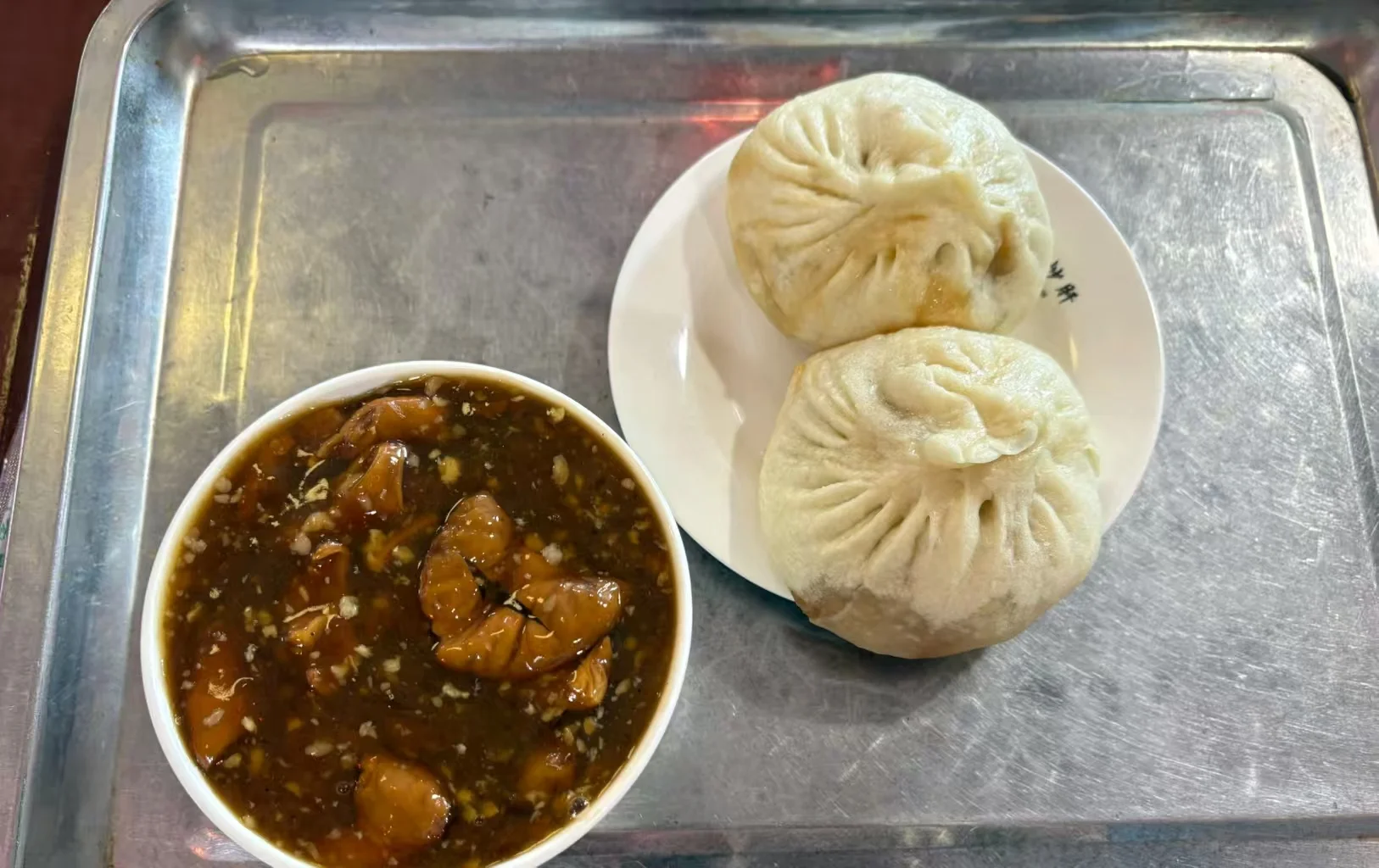
Standard way to eat:
Serve with pork buns, one bite of bun followed by a bite of stir-fried liver.
Don't use a spoon; instead, hold the bowl with both hands and sip slowly, rotating the bowl around the rim—this allows you to taste the sauce and other ingredients while avoiding burning your mouth.
Add a small spoonful of vinegar to enhance the flavor and cut through the richness.
Useful Tips
Budget per person: 15–45 RMB
Recommended shops: Tianxingju (Qianmen Fresh Fish Mouth, a century-old brand), Yaoji Fried Liver (next to the Drum Tower, tourist-friendly).
Note: The garlic flavor is very strong, so it is recommended to chew gum after meals.
II. Street Snacks
7. Door Nail Meat Patties(门钉肉饼)– “Soup Bombs” resembling door nails
Its shape resembles the copper nails on the ancient city gates of Beijing, round and bulging. The outer skin is pan-fried until golden and crispy, and the filling is beef (or pork/lamb) with scallions. Biting into it releases a burst of scalding hot juices.
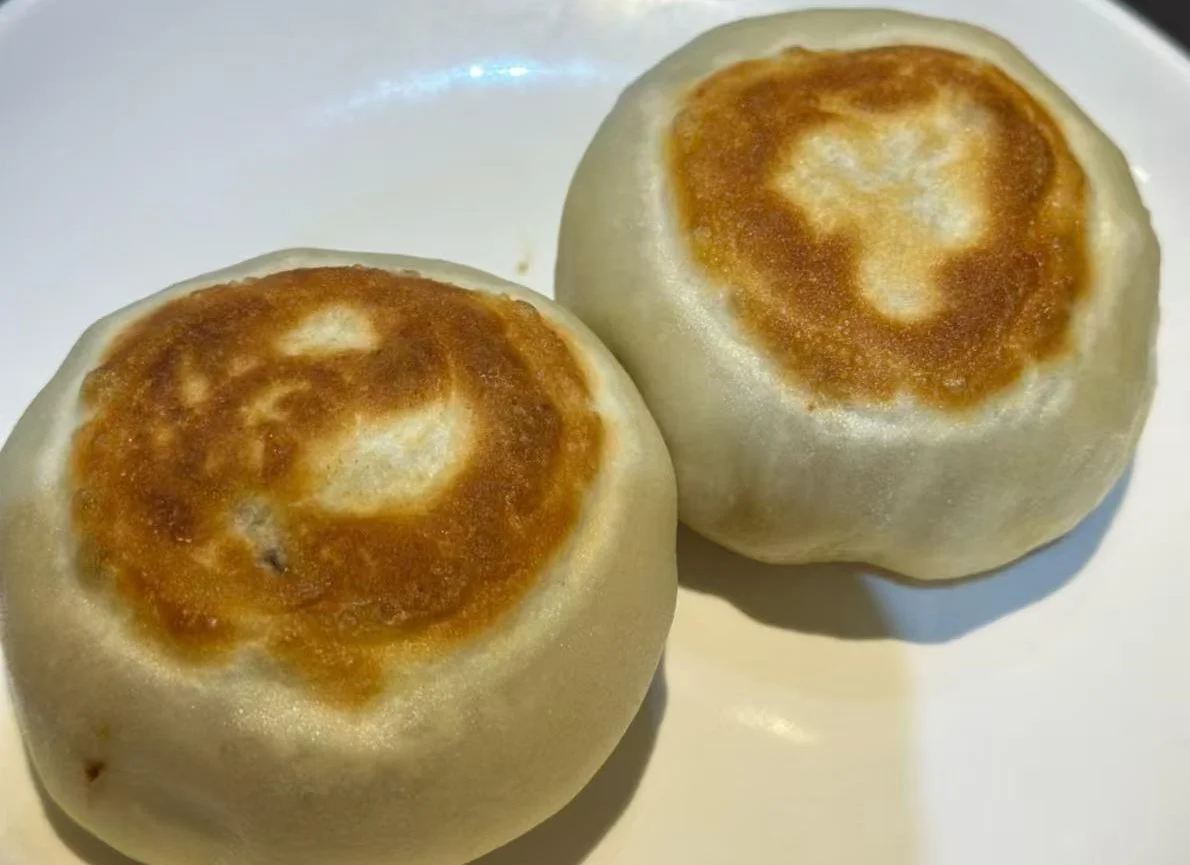
Safe Enjoyment Guide
First Bite: Use chopsticks or a toothpick to poke a small hole in the pancake to let steam escape, then gently sip the flowing broth (be careful, it's hot).
Dip it in a little balsamic vinegar and chili oil, then take small bites of the pancake and meat filling—crispy on the outside and tender on the inside.
Useful Tips
Unit price: 6-10 yuan/piece
Recommended shops: Heyan Meat Pie (Qianmen branch, generous filling), Yinji (multiple branches), Xiangyunxuan (a well-regarded shop in the old Xuanwu District).
8. Donkey Rolling(驴打滚)– The name is misleading, but the taste is genuine.
Don't be scared by the name—there's no donkey meat here. It's made by steaming glutinous rice flour, rolling it into a thin sheet, spreading red bean paste on top, rolling it up, and then rolling it in cooked soybean powder. It looks like the dust kicked up by a donkey rolling around, hence the name.
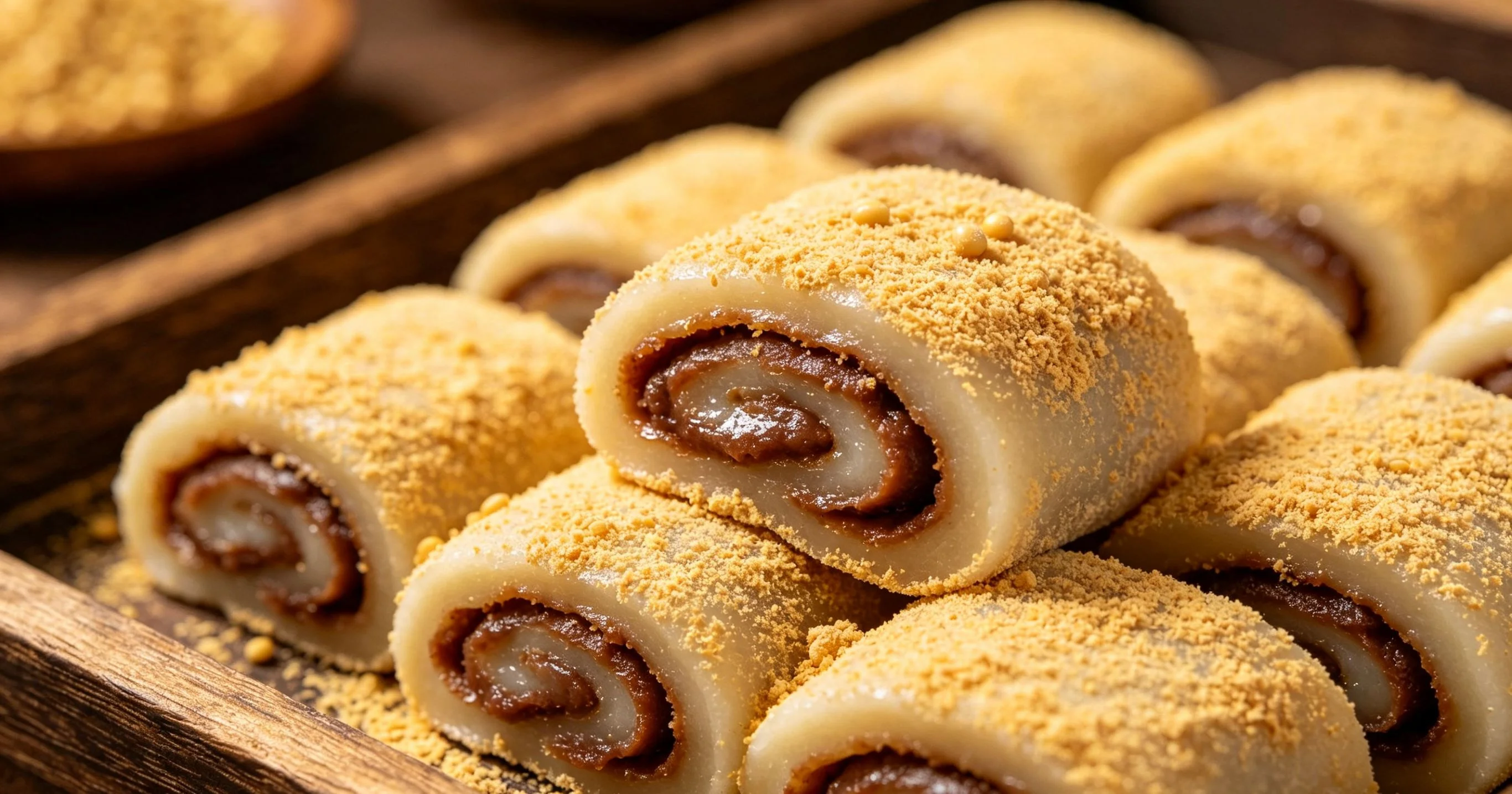
Because the bean powder tends to fall off easily, it's recommended to eat it on a tissue or small plate to avoid getting it on your clothes.
Pairing it with a cup of unsweetened green tea or jasmine tea can balance the sweetness.
Useful Tips
Price: 10-20 RMB per box; you can buy half a box to try it out.
Recommended shops: Niujie Baiji (chewier glutinous rice skin), Lao Huihui (plenty of red bean paste filling, sweet but not greasy).
9. fermented mung bean juice(豆汁)– a love-hate relationship, but you have to try it.
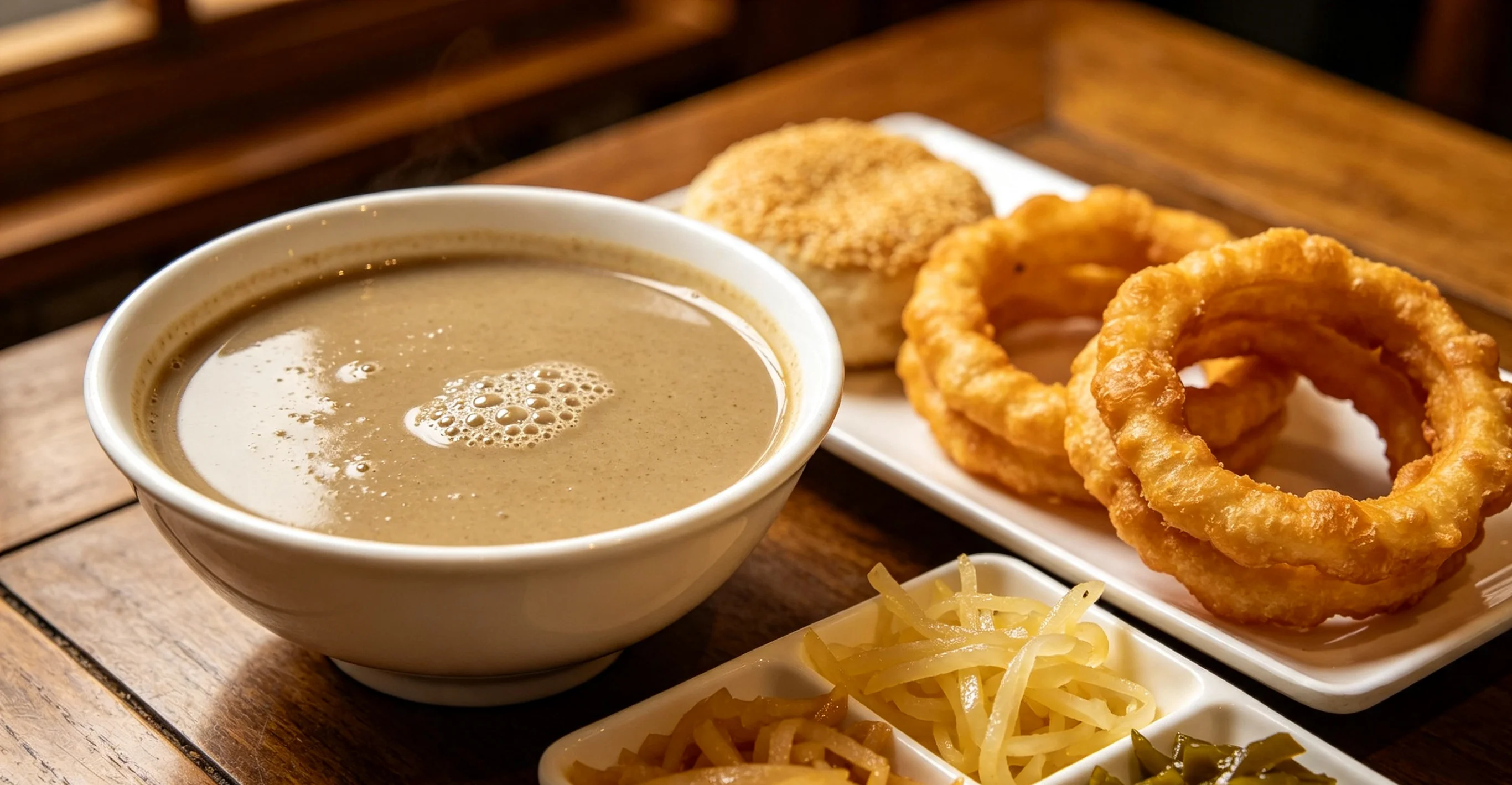
This isn't a "delicious" drink; it's fermented mung bean milk with a strong, sour, rancid taste similar to blue cheese or sourdough bread. Beijingers see it as a symbol of nostalgia, while outsiders mostly frown upon it. But it's precisely this polarization that makes it a snack with a rich history.
How to adapt as much as possible?
Never drink it alone! It must be paired with fried dough rings (a type of deep-fried dough ring) and pickled mustard greens.
Take a small bite of the fried dough ring, then a small sip of the fermented mung bean juice, and then eat a piece of pickled mustard greens—the oil from the fried dough ring and the saltiness and crispness of the pickled mustard greens will neutralize the sourness, and you will slowly taste the sweet aftertaste.
Mental preparation: The first bite might make you want to vomit, but persevere for three bites, and your taste buds will begin to get used to it.
Useful Tips
Unit price: 3–6 RMB
Recommended shops: Yin San Douzhi (near the Temple of Heaven, milder flavor, suitable for beginners), Lao Cikou Douzhi (authentic old-fashioned flavor, more sour and stronger).
If you really can't stand it, just order a bowl and take a few symbolic sips; don't force yourself.
10. Candied Hawthorn Berries(糖葫芦)– A sweet childhood memory, an invention of Beijing
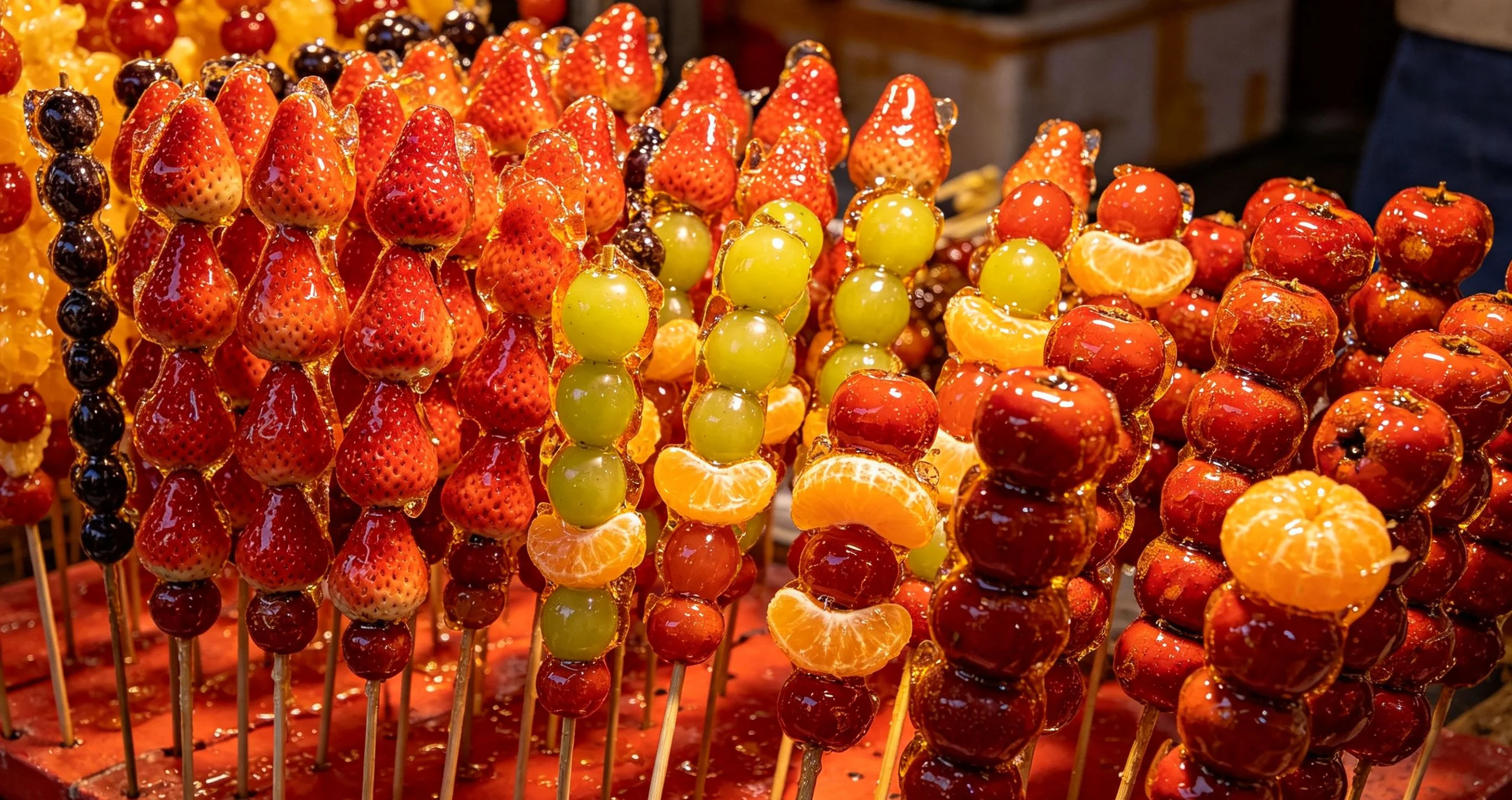
Although it's now found all over the country, Beijing is the birthplace of candied hawthorn. Originally, hawthorn skewers were dipped in melted rock sugar, which quickly solidified into a transparent, crisp shell in the cold air, resulting in a satisfying "crunch" when bitten into, a delightful blend of sweet and sour. Now, versions with strawberries, grapes, and yam beans have emerged.
How to choose?
Traditional hawthorn berries are best, especially those with the pit for a more authentic flavor (but you'll need to spit out the pit). Pitted hawthorn berries are also an option.
They're often sold at roadside stalls in tourist areas, but it's recommended to go to established shops on Qianmen Street or Niujie Street for better hygiene.
Best season: Autumn and winter, as the coating is crisper in lower temperatures. In summer, it melts easily and becomes sticky.
Useful Tips
Price per skewer: 5–30 RMB (depending on the type of fruit and the store), regular hawthorn skewers are about 10 RMB.
Frequently Asked Questions
1. I don't speak Chinese, how do I order food?
Save photos of your food in advance (or the dishes in this guide) so you can show them to the waiter when ordering.
Download a translation app (such as Google Translate) and use the "conversation" mode to translate the menu in real time.
2. Are there any halal restaurants?
Yes. Niujie is a famous halal food street in Beijing. The recommended restaurant, Manhengji (hot pot), is halal. Kaorouji and Kaorouwan also offer beef and lamb, some of which are halal; you can confirm with the restaurant.
3. Are there long queues at the restaurants? Do I need to make a reservation?
It's common to see 1-2 hour queues for dinner at popular restaurants (such as Siji Minfu and Man Heng Kee).
4. I have food allergies (such as peanuts, gluten), how should I communicate this?
Print or save the following Chinese prompt: "I am allergic to ___, does this dish contain ___?" (e.g., peanuts = peanuts, gluten = wheat gluten).
The sauces for dishes like Zha Jiang Mian (noodles with soybean paste) and Peking duck may contain wheat gluten (which is a type of soybean paste). If you have a severe allergy, it is recommended to choose hot pot (unseasoned in clear broth) or candied hawthorn.
5. Can I pay by credit card or Apple Pay?
Large restaurants and shopping malls generally accept credit cards or Apple Pay, but most established small shops and street vendors only accept WeChat Pay, Alipay, or cash.
6. Are there Western food options if I really can't get used to the local cuisine?
Of course, but since you're in Beijing, I suggest trying at least 3-4 local specialties. If you still can't handle it, you can try burgers, pasta, etc. in the Sanlitun or Wangfujing areas, but they're more expensive.
Note: This article provides general cultural guidance. Individual experiences may vary. Always approach cultural learning with an open mind.