

The Dragon Boat Festival is one of China's traditional festivals, usually celebrated on the fifth day of the fifth lunar month. On this day, people race dragon boats, hang mugwort, and wear sachets. Of course, the most important thing is—eating! Chinese culinary culture is profound and extensive, with each festival having its own special delicacies, and the Dragon Boat Festival is a time of culinary extravaganza.
1. Zongzi (sticky rice dumplings) – the soul food of the Dragon Boat Festival
Zongzi is the most representative food of the Dragon Boat Festival, and it is found almost all over China. It is made by wrapping glutinous rice and various fillings in bamboo leaves, reed leaves, or lotus leaves, and then steaming or boiling it. It is mostly triangular or rectangular in shape.
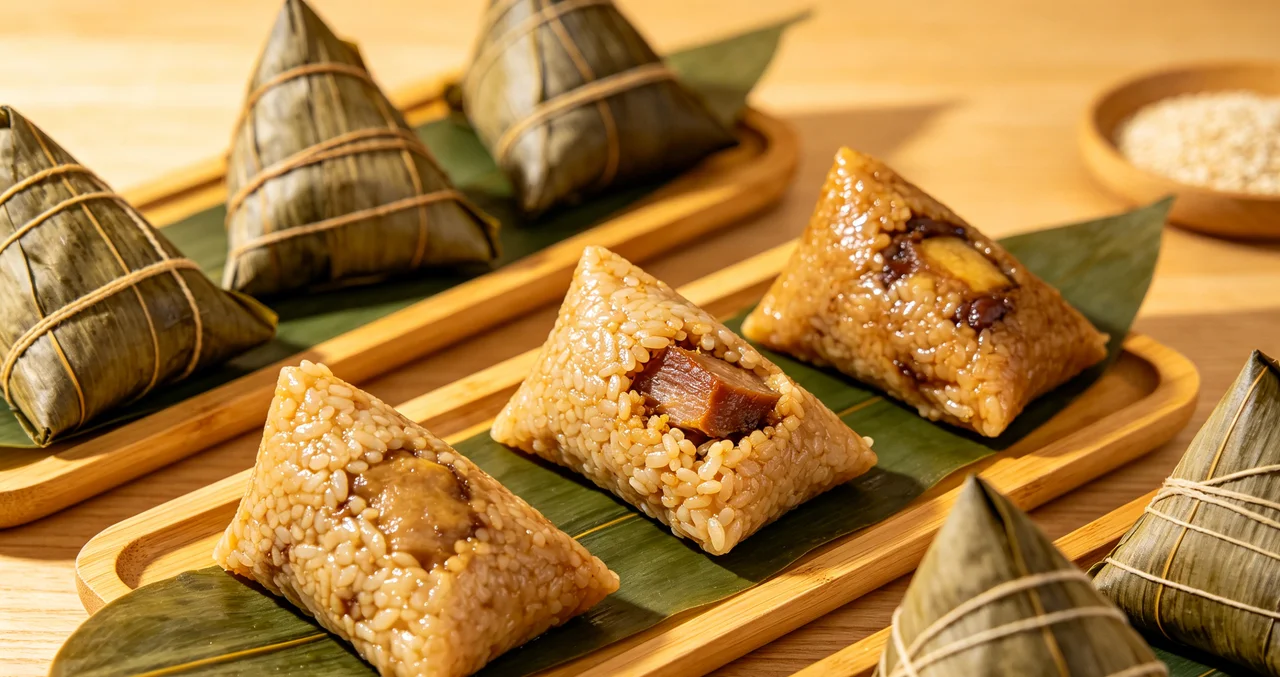
Flavor Categories:
Northern-style Zongzi (Sweet): Filled with red dates, red bean paste, and candied fruit, it has a sweet and soft texture.
Southern-style Zongzi (Savory): Filled with pork belly, salted egg yolk, shiitake mushrooms, chestnuts, seafood, etc., it is rich in oil and has a savory aroma.
There are many ways to eat zongzi. You can dip it in white sugar or honey, or you can dip it in soy sauce or chili sauce.
Shanghai, Jiaxing, Huzhou and other places are famous for their meat-filled zongzi. Beijing, Shanxi and other places have classic yellow millet and red date zongzi.
2. Salted duck egg – a heart overflowing with oil, a warm home.
Salted duck eggs are a common sight on family tables during the Dragon Boat Festival, especially in the Jiangnan region. After being cured with salt, the yolks of these eggs turn orange-red, become oily and sandy, and have a rich, salty aroma.
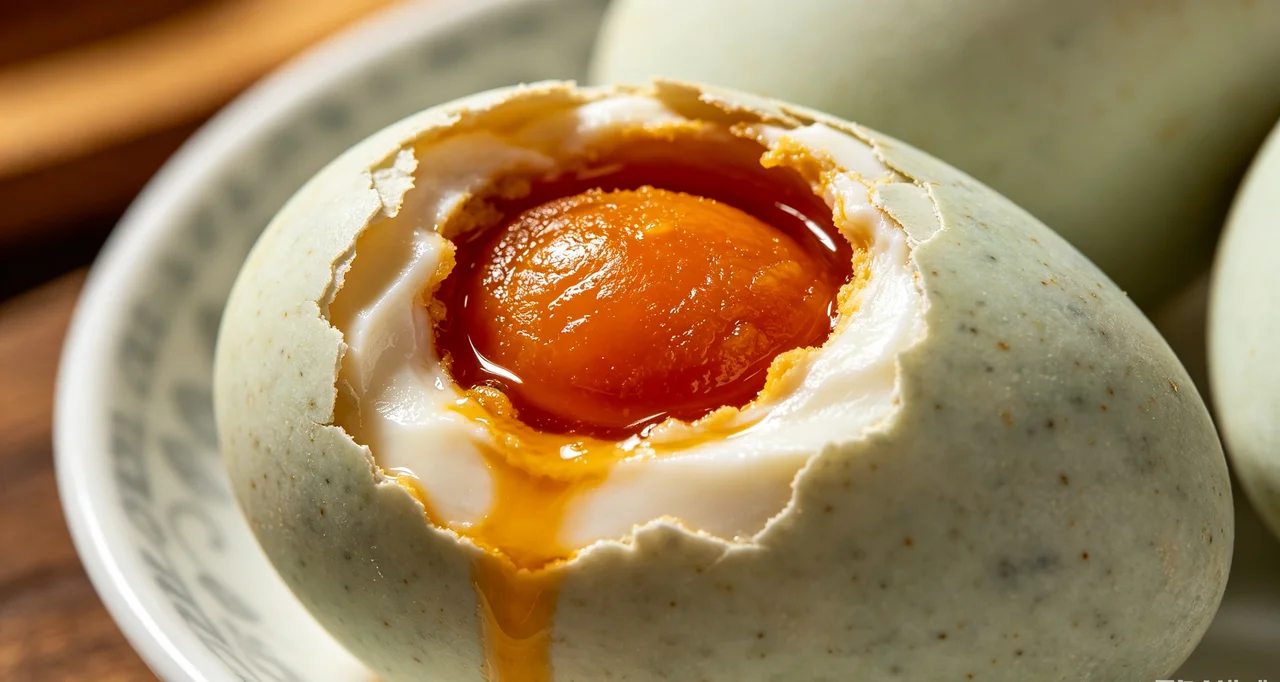
How to eat:
Cook until done, then cut open and serve with plain porridge or zongzi (sticky rice dumplings).
Alternatively, it can be crushed and used to mix with rice or noodles, or made into egg yolk mooncakes or egg yolk zongzi.
3. Mung bean cake – a sweet and refreshing festive snack.
Mung bean cake is a pastry made from mung bean flour, sugar, and oil. It has a delicate and smooth texture and a refreshing, not cloying, sweet taste. The Dragon Boat Festival falls in early summer, and mung bean cake is known for its cooling and heat-relieving properties, making it perfect for this season.
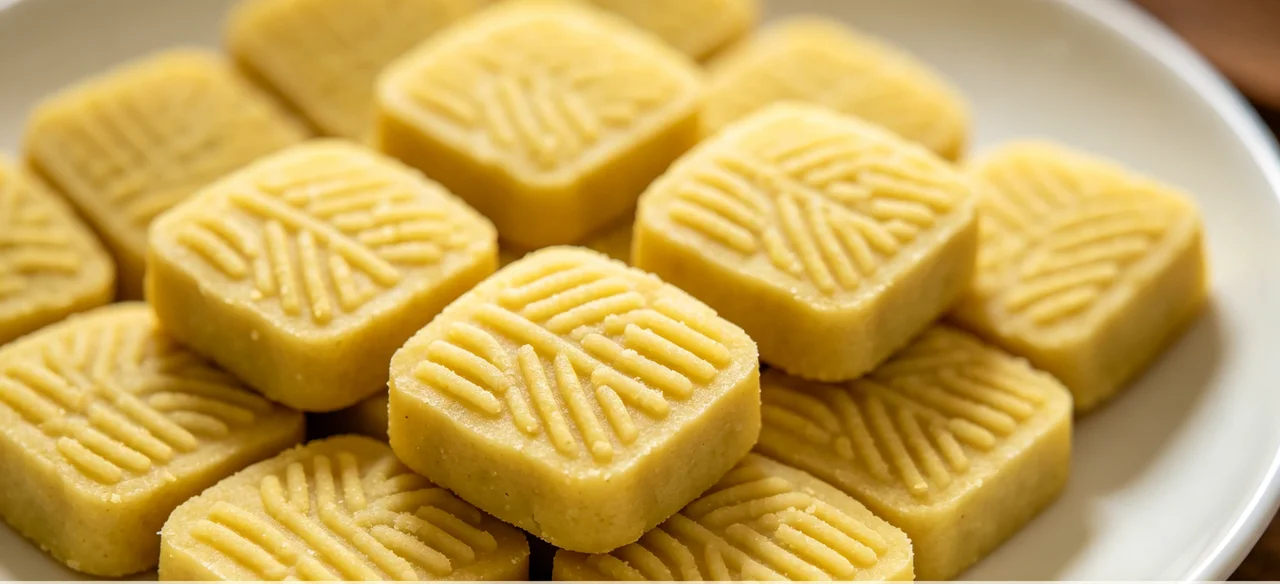
How to eat:
Best enjoyed chilled, with a smooth, ice cream-like texture.
Paired with a pot of Longjing or jasmine tea, it makes an excellent afternoon tea combination.
The most exquisite pastries are made in traditional shops in Suzhou, Hangzhou, and Yangzhou, such as Caizhi Zhai and Daoxiangcun.
4. Five Yellows – A Dragon Boat Festival Health-Preserving Set Meal in the Jiangnan Region
"Five Yellows" is a traditional food for the Dragon Boat Festival in the Jiangnan region, consisting of yellow croaker, cucumber, eel, salted egg yolk, and realgar wine (nowadays, yellow rice wine is often used instead). The Five Yellows symbolize the balance of the five elements and ward off evil spirits and diseases.
How to eat:
Yellow croaker: Steamed or braised; the meat is tender.
Eel: Stir-fried with garlic sprouts or used in soup; nourishing and delicious.
Cucumber: Cold-dressed or stir-fried; refreshing and not greasy.
Salted egg yolk: Eat directly or add to dishes.
Realgar wine: Drink in small amounts, or sprinkle in corners to repel insects (modern people prefer realgar wine).
Traditional restaurants in Suzhou, Hangzhou, and Shanghai offer "Five Yellows Set Meals" during the Dragon Boat Festival.
5. Fried Dumplings(煎堆) – Sweet round cakes brought by the legend of mending the sky.
Fried glutinous rice balls are a type of deep-fried round pastry with a crispy outer layer and a soft, chewy interior. They are commonly found in Fujian, Guangdong, and other regions. Their origin is related to the legend of Nuwa mending the sky; people believed that eating fried glutinous rice balls could "mend the sky" and pray for an end to the rainy season.
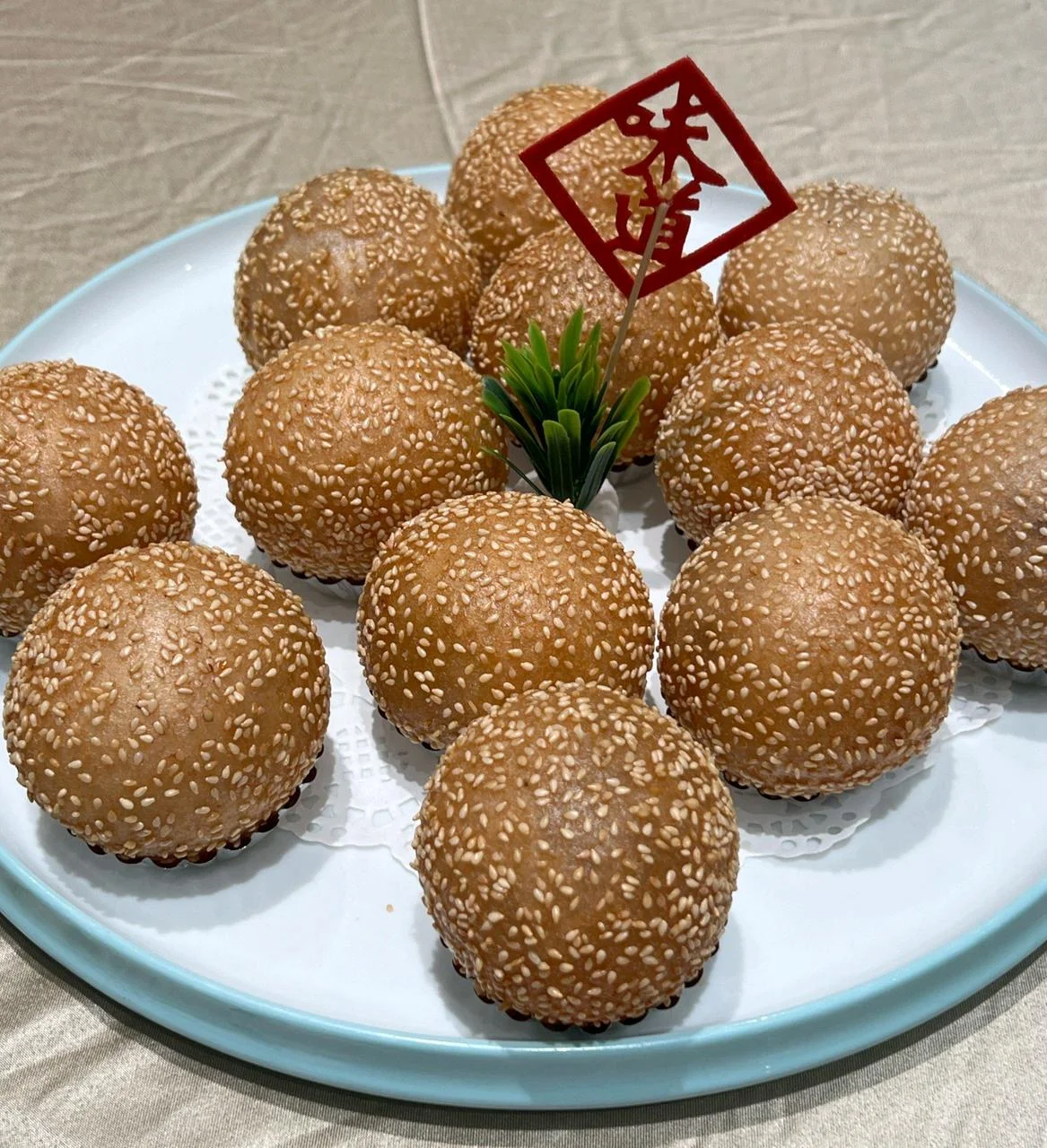
(Image source: Internet)
Where to eat:
Snack stalls or traditional pastry shops in Fuzhou and Quanzhou, Fujian.
Similar to "fried glutinous rice balls" can be found in Cantonese morning tea.
6. Rice Cake(打糕) – A delicious, pounded glutinous rice cake from the Korean ethnic group.
Rice cake is a traditional food of the Korean ethnic group in Yanbian, Northeast China. It is made by steaming glutinous rice and mugwort, then pounding it repeatedly with a wooden mallet in a wooden trough. It has a chewy and bouncy texture and a light herbal aroma, and symbolizes "getting a high score".
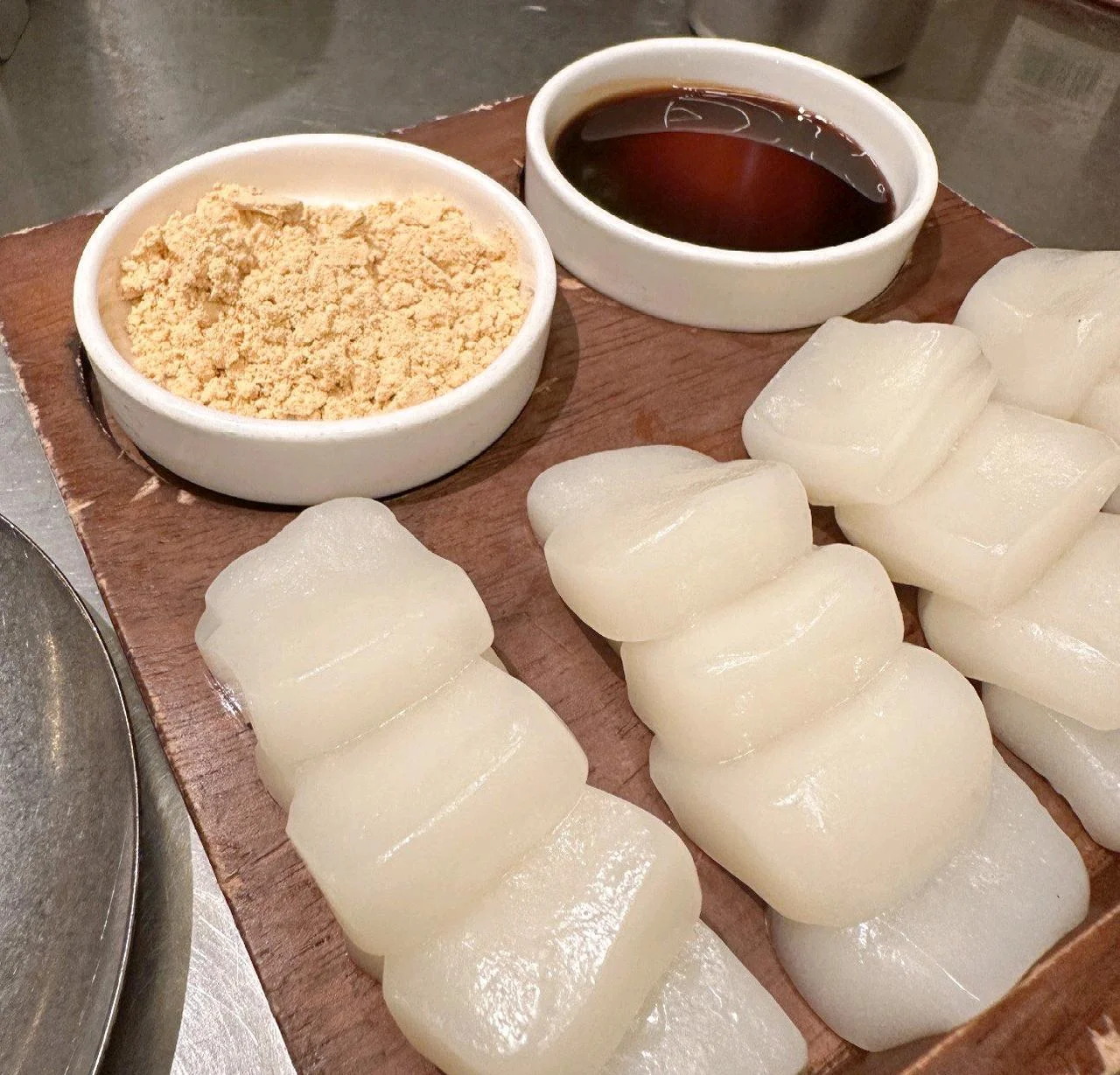
(Image source: Internet)
How to eat:
Cut into pieces and dip in honey, sugar, or soybean powder.
Alternatively, pan-fry until golden brown on both sides, crispy on the outside and soft on the inside.
7. Gardenia Cake (栀粿)– A Herbal Rice Cake from the Chaoshan Region
Gardenia cake is a specialty rice cake from the Chaoshan region of Guangdong, eaten during the Dragon Boat Festival. Made with glutinous rice flour and gardenia juice, it has a natural golden color and a subtle herbal fragrance. Gardenia has cooling and heat-clearing properties, making it perfect for summer consumption.
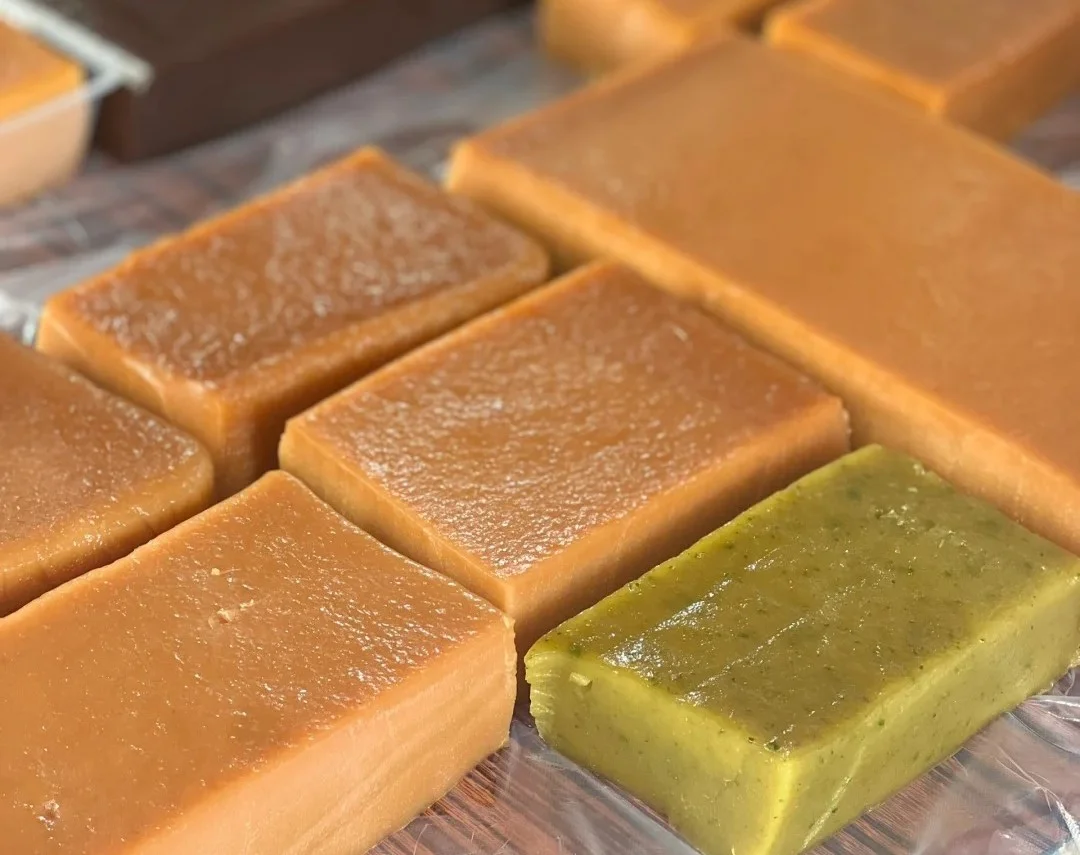
How to eat:
Steam until cooked, then slice and dip in white sugar or crushed peanuts.
Alternatively, pan-fry until slightly browned on the outside and soft on the inside.
Available at old street food stalls in Chaozhou and Shantou, or at folk markets during the Dragon Boat Festival.
8. Fan-shaped steamed buns – "edible fan-shaped steamed buns" from Minqin, Gansu.
Fan-shaped steamed buns are a unique Dragon Boat Festival food from Minqin County, Gansu Province. Shaped like a fan, they are made of five layers of colorful dough, each sprinkled with fried chili powder and spices. They are brightly colored, beautifully shaped, and symbolize warding off the five poisonous creatures and praying for the five blessings.
How to eat:
Can be eaten hot or cold; it has a crispy texture and a spicy flavor.
Can be eaten as a snack, or paired with tea or rice porridge.
9. Five Poison Cakes(五毒饼) – Crispy and fragrant pastries believed to ward off evil and bring good fortune.
Five Poison Cakes are a traditional pastry for the Dragon Boat Festival in northern China. The cakes are decorated with images of the five poisonous creatures: scorpion, spider, centipede, snake, and toad. The fillings are usually sweet, such as red bean paste or jujube paste, symbolizing "fighting poison with poison" and praying for peace.
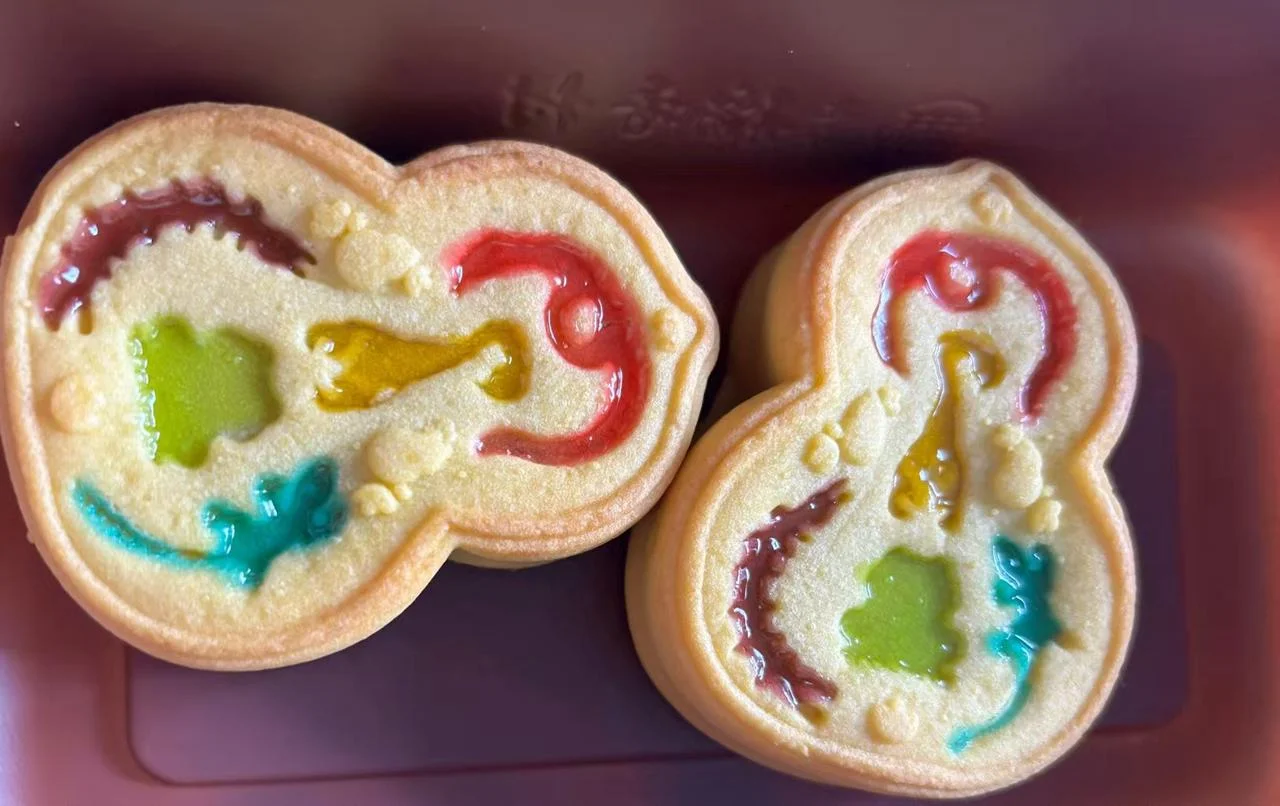
Common fillings: sweet and savory flavors such as rose, red bean paste, jujube paste, sesame, and salt and pepper.
Where to eat:
Beijing: Established pastry shops like Daoxiangcun, Guixiangcun, and Bai Nian Yili will offer "Five Poisons Cakes" before the Dragon Boat Festival.
Tianjin: Brands like Guishunzhai and Daqiaodao also offer traditional "Five Poisons Cakes".
Travel Tips
Date of the Dragon Boat Festival: The fifth day of the fifth lunar month each year, usually in June. Please check the specific date for your year in advance.
Festival Atmosphere: In addition to enjoying delicious food, you can also watch dragon boat races, experience traditional activities such as hanging mugwort and wearing sachets.
Dietary Precautions: Glutinous rice is not easily digested, so it is recommended to eat it in moderation and pair it with tea or light dishes.
Language Assistance: When ordering food at restaurants, you can show the Chinese names of the dishes in this guide for easier communication.
Allergy Warning: Please choose carefully based on your own allergy levels, including salted duck eggs, eggs (found in the "Five Yellows" category), and nut fillings in "Five Poisons Cakes".
Frequently Asked Questions
Q1: Do all the foods eaten during the Dragon Boat Festival have to be eaten on the day of the festival?
Not necessarily. While traditional foods like zongzi (sticky rice dumplings) and five-poison cakes are most popular around the Dragon Boat Festival, many other delicacies (such as salted duck eggs, mung bean cakes, and fried glutinous rice balls) are also commonly found at other times. If you miss the day of the festival, you can still enjoy them at many restaurants and pastry shops.
Q2: What recommendations do you have if I'm vegetarian or have food allergies?
Of course. You can choose vegan options like red date zongzi or red bean paste zongzi; mung bean cake, gardenia cake, fan-shaped steamed buns, and five-poison cakes (with red bean/date paste filling) are also vegetarian-friendly choices. Please avoid salted duck eggs, yellow croaker/eel (one of the five yellow foods), and savory zongzi containing meat. When ordering, you can show the dish names from this guide and specify "no meat/no eggs".
Q3: Is realgar wine really safe to drink? Is it poisonous?
Traditional realgar wine contains trace amounts of arsenic, and modern people rarely drink it directly. Nowadays, in the "Five Yellows" set meals in the Jiangnan region, most restaurants use ordinary yellow wine instead of realgar wine, which is safe and has a similar flavor. If you see realgar wine, it is recommended to only take a symbolic dip or sprinkle it on a corner of the wall, and not to drink it.
Q4: Are these delicacies suitable as souvenirs to bring back to China?
Suitable for long-distance travel: Vacuum-packed salted duck eggs, mung bean cakes, five-poison cakes, and fan-shaped steamed buns (sealed packaging).
Not suitable for long-distance travel: Fresh zongzi (sticky rice dumplings) (spoil easily), glutinous rice cakes (harden easily), fried glutinous rice balls (soften easily), and gardenia cakes (mold easily).
Recommendation: If the trip is short (1-2 days), you can buy fresh zongzi and refrigerate them; if you want to give them as gifts after returning home, prioritize pre-packaged pastries from established brands.
Q5: Where can I sample a variety of Dragon Boat Festival foods at once?
Large-scale folk events during the Dragon Boat Festival (such as Longtan Lake Park in Beijing, Yu Garden in Shanghai, and the Grand Canal in Suzhou) usually feature food stalls.
Established restaurants (such as Lou Wai Lou in Hangzhou and Songhe Lou in Suzhou) often offer "Dragon Boat Festival Banquets" as part of their holiday set menus.
Large traditional markets or food streets (such as the Muslim Quarter in Xi'an, Jinli Ancient Street in Chengdu, and Shangxiajiu Pedestrian Street in Guangzhou) also offer a variety of local specialties.
Note: This article provides general cultural guidance. Individual experiences may vary. Always approach cultural learning with an open mind.


