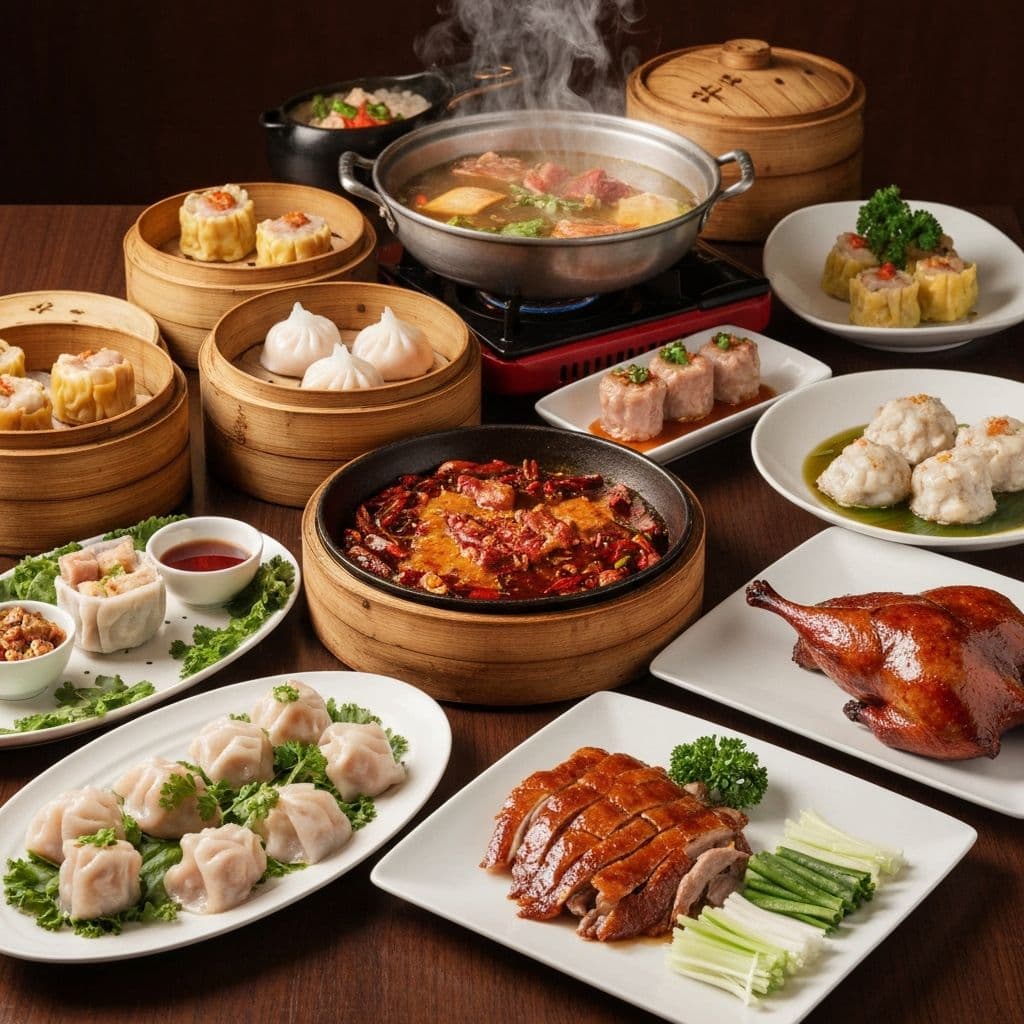

Embarking on a culinary tour of China is like exploring a continent of flavors, with each region offering a distinct personality on a plate. At the heart of this incredible diversity are China's Eight Major Cuisines, a formal classification that has guided gourmands for centuries. These culinary traditions are deeply intertwined with local history, geography, and climate, creating a delicious map of the nation's culture.
For the traveler, understanding these eight pillars is the key to unlocking an authentic and profoundly rewarding dining experience. This guide will take you through each one, revealing the stories behind the spices and the etiquette that elevates a meal into a memory.
The Historical Roots of China's Culinary Diversity
Why does China have such distinct regional cuisines? The answer lies in its vast size and long history. For millennia, geographic barriers like mountains and rivers isolated regions, allowing unique food cultures to develop independently. Local ingredients, imperial influences, and trade routes all played a role in shaping what we now recognize as the eight great traditions.
The concept of China's eight major cuisines gradually took shape during the Qing Dynasty, but its roots can be traced back to much earlier times. They represent the culmination of centuries of refinement and are often influenced by the dietary preferences of successive imperial courts and the principles of Yin-Yang philosophy.
Philosophy on a Plate: Yin, Yang, and the Five Flavors
Traditional Chinese medicine and philosophy heavily influence cooking. The balance of Yin (cooling) and Yang (heating) foods is considered essential for health. Meals are crafted to create harmony within the body.
Chefs also strive to balance the five key flavors: sour, sweet, bitter, spicy, and salty. A successful dish will often feature a complex interplay of several, rather than relying on a single dominant taste. This philosophical approach is a thread connecting all of China's Eight Major Cuisines.
A Deep Dive into the Eight Major Cuisines of China
Now, let's explore each of the eight culinary giants. We'll uncover their signature characteristics, must-try dishes, and the regions they call home.
Sichuan Cuisine: The Bold and the Beautiful
Hailing from the humid, fertile Sichuan basin, Sichuan cuisine is China's most famous export for a reason: it's explosively flavorful. The cuisine is renowned for its masterful use of mouth-numbing Sichuan peppercorns and fiery chili peppers, creating the iconic 'mala' sensation.
Dishes are often bold, oily, and intensely aromatic. Beyond the heat, you'll find complex layers of sour, sweet, and salty flavors. For travelers, embracing the spice is a rite of passage.
Signature Dishes: Mapo Tofu (spicy tofu with minced meat), Kung Pao Chicken, Dan Dan Noodles.
Traveler's Tip: Don't be afraid to ask for the spice level to be adjusted ('wei la' for less spicy). Always have rice or a cooling cucumber salad on hand to balance the heat.
Cantonese Cuisine: The Art of Subtlety
In stark contrast to Sichuan, Cantonese cuisine from Guangdong province emphasizes freshness and natural flavors. The guiding principle is to enhance, not mask, the quality of the ingredients. Steaming, stir-frying, and braising are preferred cooking methods.
This is the cuisine of delicate dim sum, slow-simmered soups, and exquisite roasted meats. Its subtlety can be a welcome relief and showcases a different, equally sophisticated side of Chinese cooking.
Signature Dishes: Dim Sum (especially Har Gow and Siu Mai), Roast Duck, White Cut Chicken.
Traveler's Tip: Visit a bustling dim sum teahouse in the morning for an authentic local breakfast experience. Remember to tap the table with two fingers to thank someone for pouring your tea.
Jiangsu Cuisine: A Taste of Refined Elegance
Also known as Su cuisine, Jiangsu cuisine is synonymous with elegance and technical skill. Originating from the lower reaches of the Yangtze River, it is known for its soft, tender textures and slightly sweet undertones. Presentation is paramount, with chefs often carving intricate designs from vegetables.
The focus is on umami-rich ingredients like freshwater fish, crab, and bamboo shoots. The flavors are delicate, balanced, and never overpowering, reflecting the region's prosperous and cultured history.
Zhejiang Cuisine: Freshness from the Coast
Neighboring Jiangsu, Zhejiang cuisine shares a emphasis on freshness but often features a lighter, more delicate palate. It makes excellent use of seafood, bamboo shoots, and poultry. The cooking techniques are simple, aiming to preserve the original taste and texture of the ingredients.
Dishes are often not greasy and have a clean, refreshing quality. The flavors tend to be mild and slightly sweet, making it an excellent introduction for those new to Chinese food.
Fujian Cuisine: The Essence of the Sea and the Mountain
Fujian cuisine is famous for its broths and soups, which are often rich and milky in appearance due to long simmering. The cuisine makes extensive use of seafood and mountain delicacies like mushrooms and bamboo. A unique characteristic is the use of red yeast rice for color and flavor.
The most distinctive feature is the emphasis on 'umami', achieved through ingredients like dried seafood and a special distilled liquor used for seasoning. The flavors are light yet complex, with a subtle sweet and sour profile.
Hunan Cuisine: Pure, Unadulterated Heat
Often compared to Sichuan, Hunan cuisine (or Xiang cuisine) is known for its direct, dry heat. While Sichuan uses numbing peppercorns, Hunan relies heavily on fresh and pickled chili peppers for a pure, pungent spiciness. The flavors are generally sour and sharp, with smoking and stewing as common techniques.
It's a hearty, rustic cuisine that is unapologetically bold. The heat is meant to cut through the region's humid climate and is believed to induce sweating, which is considered healthy.
Anhui Cuisine: Simple Fare from the Yellow Mountains
Anhui cuisine is perhaps the most rustic of the eight. Hailing from a mountainous region, it relies heavily on wild herbs, mushrooms, bamboo, and other foraged ingredients. Braising and stewing are the primary cooking methods, resulting in rich, hearty dishes.
The flavors are robust and earthy, with a focus on oil and color. It's a cuisine less concerned with elaborate presentation and more with hearty, satisfying flavors derived from the land itself.
Shandong Cuisine: The Founder of Northern Flavors
As the oldest and most influential of the northern cuisines, Shandong cuisine is a cornerstone of Chinese culinary history. It is known for its emphasis on seafood, salty flavors, and crisp textures. Scallions and garlic are used liberally.
The cuisine is famous for its soups, both clear and creamy, and its mastery of frying techniques. It's a hearty, savory cuisine that formed the basis for what many outside China think of as 'Northern Chinese' food, including the dishes of Beijing.
Dining Etiquette and Practical Tips for Travelers
Understanding a few key points of Chinese dining etiquette will greatly enhance your experience and show respect for the culture.
Mastering the Meal: Do's and Don'ts
Chinese dining is a communal and social affair. Dishes are shared, and the experience is as much about conversation as it is about food.
Seating: The host or the eldest person is typically given the seat of honor, facing the door. Wait to be seated.
Ordering: A balanced meal includes a protein, a vegetable, a starch, and often a soup. Don't be shy to ask for recommendations.
Eating: Use the serving spoons provided. It's polite to try a bit of everything. Leaving a small amount of food on the plate indicates you are full and have been well-fed.
Tipping: Tipping is not a custom in mainland China and is generally not expected.
How to Order Like a Local
Walking into a restaurant can be daunting. Here’s a simple strategy.
First, look at what other tables are eating. If a dish looks popular, it's probably good. Second, don't hesitate to point at pictures or items on a menu if there's a language barrier. Most restaurants in tourist areas have English menus or photo menus. Finally, embrace the adventure—some of the best meals come from ordering something you can't quite identify.
Bringing the Flavors Home
Your culinary journey doesn't have to end when your flight lands. You can recreate the magic of China's Eight Major Cuisines in your own kitchen.
Start by stocking your pantry with essential sauces and spices: light and dark soy sauce, Chinkiang vinegar, Shaoxing wine, sesame oil, and of course, Sichuan peppercorns and dried chilies. These form the foundation of countless dishes.
Focus on mastering a few fundamental techniques, particularly stir-frying and steaming. Remember, preparation is key—have all your ingredients chopped and ready to go before you heat the wok. With practice, you can bring the vibrant, authentic tastes of China to your table anytime.
Exploring China's Eight Major Cuisines is a lifelong adventure. Each meal is a story, each flavor a memory. So be curious, be brave, and most importantly, enjoy every delicious bite.
Note: This article provides general cultural guidance. Individual experiences may vary. Always approach cultural learning with an open mind.


