
Stepping into a Chinese restaurant or a local home for a meal is more than just a culinary adventure; it's an immersive lesson in social harmony and ancient tradition. Understanding Chinese table manners and culture is crucial for any visitor wishing to connect genuinely with their hosts and avoid unintended faux pas.
From the symbolic arrangement of dishes to the intricate dance of toasting, every aspect of a shared meal is steeped in meaning, reflecting a culture that values respect, hierarchy, and communal well-being. This guide will equip you with the practical knowledge to navigate these waters with confidence and grace.
The Philosophical Roots of Chinese Dining Culture
To truly understand these rules, one must first understand the principles behind them. Chinese dining culture is not a set of arbitrary rules, but rather a practical manifestation of Confucian core values (the thought of Confucius being a significant source and core component). These ancient philosophies continue to influence interactions at the modern table, making every meal a social feast.
Confucianism: Respect, Hierarchy, and Harmony
Confucian thought emphasizes five key relationships, with respect for elders and superiors being paramount. This translates directly to the dining table through seating arrangements, the order of serving, and the rituals of offering food and drink. The ultimate goal is to maintain social harmony (héxié), ensuring everyone feels valued and the group's unity is preserved.
The Concept of "Mianzi" (Face)
"Face" represents a person's social standing, dignity, and reputation. Much of Chinese etiquette is designed to give others face and to avoid causing them to lose it. At a meal, this means showing deference to hosts, praising the food generously, and being mindful not to embarrass anyone. Your actions can either enhance your host's social currency or diminish it.
Essential Etiquette Before and During the Meal
Your journey into Chinese table manners and culture begins the moment you are invited. Knowing what to do from arrival to departure will show your respect and cultural awareness.
Seating Arrangements: The Honored Positions
Never just take any seat. The most honored seat, usually facing the entrance or with the best view, is reserved for the eldest, the guest of honor, or the person with the highest status. The host typically sits opposite this seat, closest to the door or the serving area, to facilitate service and pay the bill discreetly. Wait to be directed to your seat, or take a humble position until instructed otherwise.
The Art of Toasting (Ganbei)
Toasting is a central ritual. When someone toasts you, especially a host or elder, you should reciprocate. Key rules include:
Hold your glass lower than that of a superior or elder when clinking as a sign of respect.
Say "ganbei" (dry glass) but note you are not always required to finish your drink; a sip is often acceptable.
Always stand up for a toast from someone important.
Make eye contact when clinking glasses.
Navigating the Shared Table
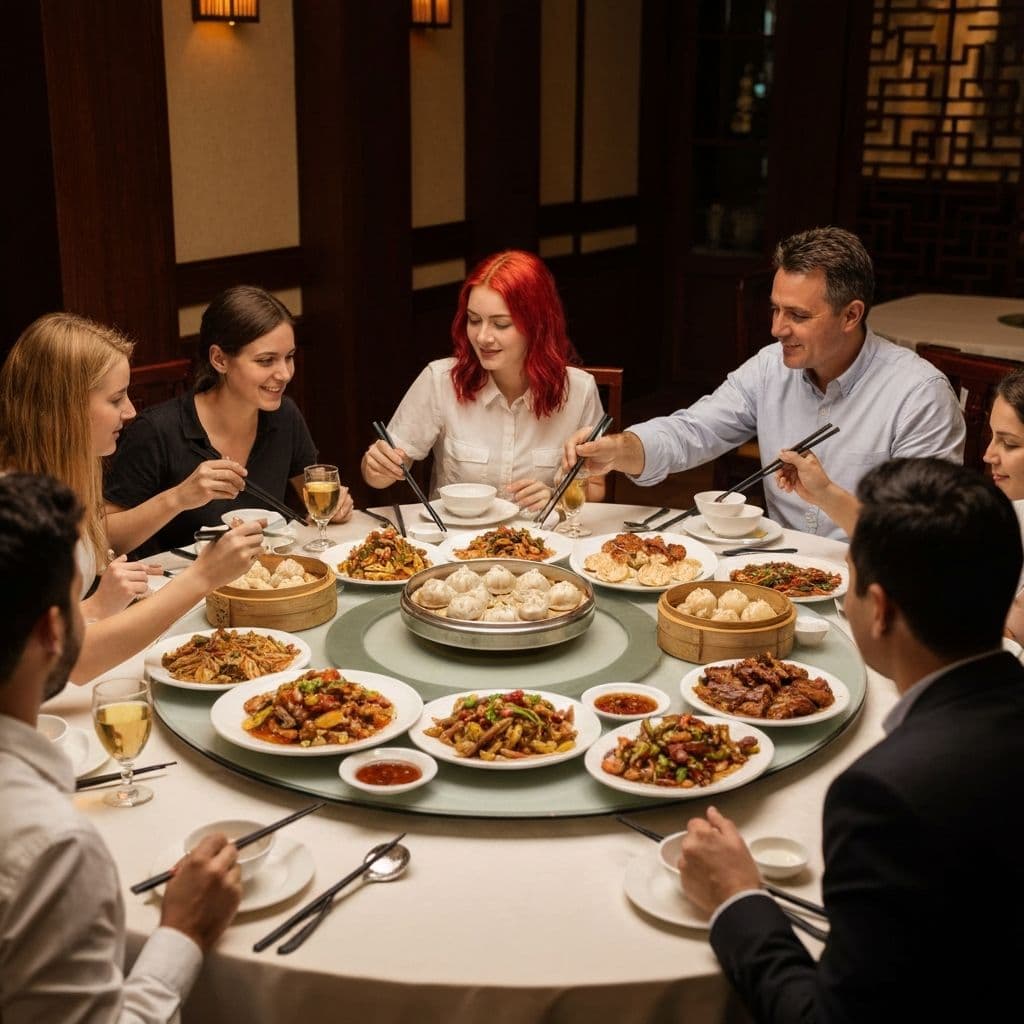
Meals are served family-style, with shared platters placed at the center. This practice reinforces community. Remember:
Do not start eating until the host or eldest has begun.
Use the serving spoons or chopsticks provided. Never use your personal utensils to take food from a communal plate.
Take modest portions initially. You can always get more.
It's polite to try a bit of everything served.
The Do's and Don'ts of Chopstick Etiquette
Chopsticks are an extension of your hand, and their misuse can be a major breach of Chinese table manners and culture. Follow these guidelines to use them correctly.
Major Taboos to Avoid
Certain actions with chopsticks are considered highly disrespectful or unlucky. Never:
Stick chopsticks upright in a bowl of rice. This resembles incense sticks for the dead.
Spear food with a single chopstick.
Tap your chopsticks on the edge of your bowl (associated with begging).
Use them to point at people or wave them around.
Pass food directly to someone using chopsticks (this is another funeral custom, such as handing food with chopsticks stuck in rice).
Practical Handling Tips
If you're not proficient, don't worry. It's acceptable to hold them near the top for better control. Practice picking up different types of food before your trip. If you need to put them down, rest them on the chopstick holder or the edge of your plate, never across the top of your bowl.
Understanding the Language of the Meal
Beyond actions, words and symbolic foods play a huge role. Knowing this "language" will deepen your appreciation of the experience.
Common Phrases and Compliments
Learning a few key phrases goes a long way. When you arrive, say "nĭ hăo" (hello). When food is served, a heartfelt "zhēn hǎo chī" (this is really delicious) will please your host immensely. At the end, thank them with "xiè xie" (thank you) or "zhēn bàng" (that was wonderful).
The Symbolism of Food
Many dishes carry wishes for prosperity, health, and good fortune. Fish (yú) is always served whole to symbolize abundance and a good start and finish to the year. Noodles represent longevity, so don't cut them. Dumplings resemble ancient gold ingots, symbolizing wealth. Noting and commenting on these symbols shows deep cultural insight.
Modern Context and Practical Tips for Travelers in 2026
While traditions run deep, modern dining culture in China's bustling cities has also evolved. Here’s how to blend respect for tradition with contemporary realities.
Who Pays the Bill? The Ongoing Dance
The host will almost always insist on paying. A polite, brief protest is expected, but ultimately, you should graciously accept. If you wish to host, you must be assertive and arrange payment with the restaurant in advance. The modern practice of "going Dutch" (AA zhì) is becoming more common among young friends but is not the default for formal or hosted meals.
Navigating Dietary Restrictions
Communicating allergies or dietary needs (like vegetarianism) requires clarity. Simply saying "I don't eat meat" may be interpreted as avoiding only red meat. Be specific: "Wǒ bù chī ròu, bāokuò jī, niú, yú, zhū" (I don't eat meat, including chicken, beef, fish, pork). For severe allergies, have the phrase written down in Chinese to show the server or host.
Final Notes on Noise and Finishing Food
Slurping noodles or soup is generally acceptable and can be a sign of enjoyment. However, loud chewing or talking with your mouth full is not.As for rice, the polite way is to finish the food in your bowl, as Chinese culture emphasizes saving food.
By embracing these principles of Chinese table manners and culture, you do more than just avoid mistakes. You demonstrate respect, build trust, and open doors to more meaningful connections. Your effort to understand the rituals around the shared table will be noticed and deeply appreciated, turning a simple meal into a memorable cultural exchange. Remember, the key is gracious intent—your hosts will forgive minor slips if they see you are trying sincerely to honor their traditions.
Note: This article provides general cultural guidance. Individual experiences may vary. Always approach cultural learning with an open mind.