
As winter arrives, China welcomes its grandest festival—the Chinese New Year. Lanterns twinkle in the streets and alleys, firecrackers resound, and a vibrant atmosphere of new life sweeps across the country. This is the Chinese New Year, also known as the Spring Festival, a cornerstone of Chinese culture and a unique celebration. For travelers, the Spring Festival offers a breathtaking and immersive window into the Chinese soul, allowing them to experience the perfect fusion of ancient rituals and modern festivities.
During the Spring Festival, Chinese cultural activities are abundant and diverse, but itinerary planning can be complex, requiring some experience for a better experience. This guide is your indispensable companion, designed to help you understand the rich historical heritage of the Spring Festival, respect traditional customs, savor symbolic cuisine, and plan a trip that truly allows you to appreciate the charm of this wonderful traditional festival.
The Heart of the Celebration: History and Significance
Chinese New Year is far more than just a holiday; it's the culmination of a lunar calendar cycle and a deeply spiritual fresh start. Its origins are shrouded in myth, most famously the tale of the beast Nian, who was scared away by the color red, loud noises, and fire. This legend directly explains many of the festival's most iconic customs.
Historically, it marked the end of winter and the beginning of the agricultural cycle, a time to pray for good harvests and honor ancestors. Today, while its agricultural roots remain symbolic, its core themes are universal: family reunion, honoring the past, and ushering in luck, health, and prosperity for the year ahead. It is the ultimate expression of Chinese festival customs and culture.
Understanding the Lunar Calendar
The date of Chinese New Year changes each year because it follows the traditional lunisolar calendar. It falls between January 21 and February 20. The festival isn't a single day but a 15-day period, beginning on New Year's Eve (Chuxi) and culminating with the Lantern Festival (Yuanxiao Jie). Each day has its own significance and set of traditions.In the traditional Chinese zodiac, 2026 represents the Fire Horse, symbolizing passion, vitality, and action.
A Traveler's Guide to Key Customs and Etiquette
Witnessing these traditions firsthand is the highlight of any visit. Knowing what they mean and how to observe them respectfully will deeply enrich your experience.
Pre-New Year Preparations (Little Year)
The week before New Year's Eve is a flurry of preparation. Homes undergo a thorough cleaning (sweeping away bad luck) and are decorated with red couplets (Chunlian) on doorways, paper cuttings on windows, and upside-down "Fu" characters (signifying good fortune's arrival). Markets are packed with people buying food, new clothes (often in red), and gifts.
Traveler Tip: If you are traveling in coastal areas such as Guangdong, be sure to visit the local flower markets, especially the kumquat trees (symbolizing wealth) and peach blossoms (symbolizing growth). The lively scenes there are delightful and make for excellent photo opportunities.
New Year's Eve & Day: Family and Feasting
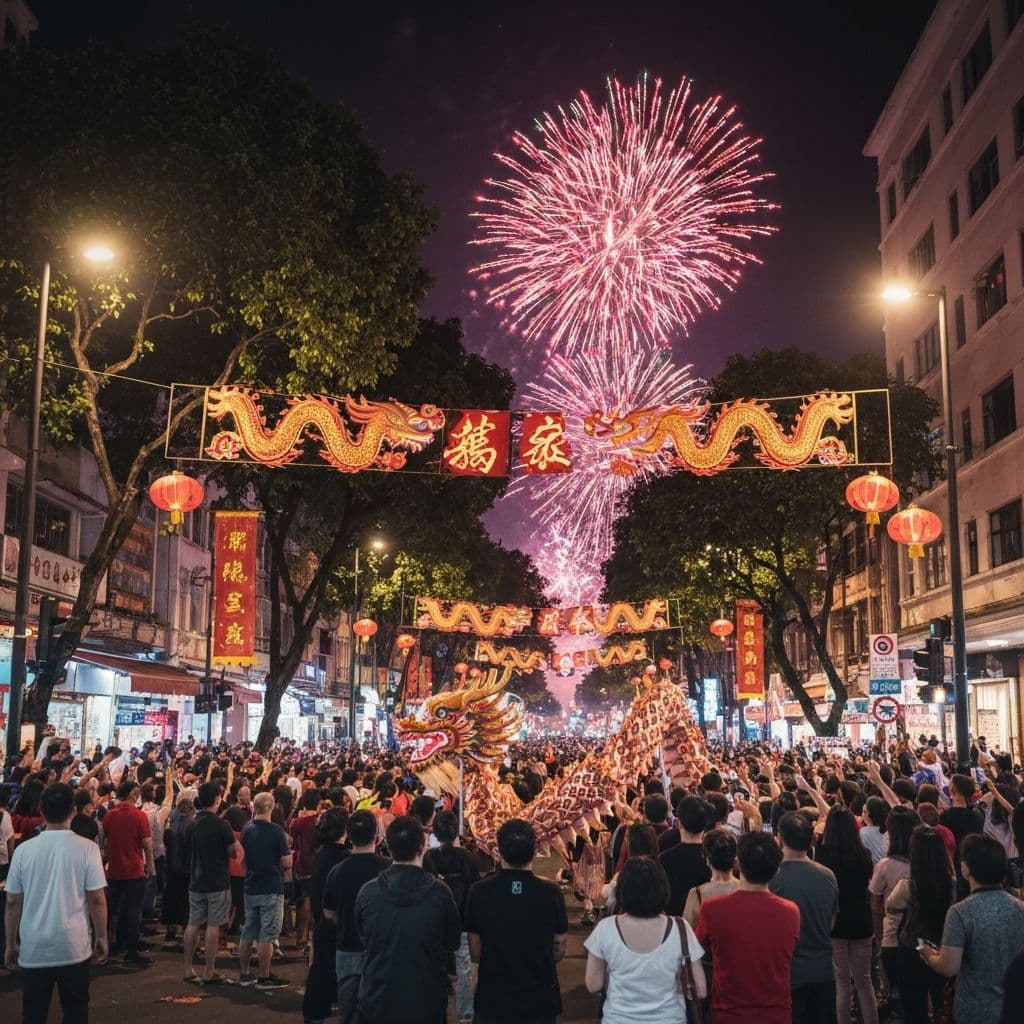
Lunar New Year's Eve is a day for family reunion. The reunion dinner is the most important meal of the year, with dishes rich in symbolic meaning. At midnight, fireworks and firecrackers are set off across the country to ward off evil spirits. On Lunar New Year's Day (the day after Lunar New Year's Eve), people visit relatives and friends, exchange red envelopes, and wish each other "Happy New Year."
Actionable Advice:
Gifting: If invited to a home, bring a gift like fruit, tea, or fine liquor. Avoid clocks, sharp objects, or anything in sets of four (the number sounds like "death").
Red Envelopes: It is generally not expected for travelers to give these. If you receive one from a close friend, accept it with both hands and express thanks.
Greetings: Learn a few basic phrases. A simple "Xin Nian Hao" (New Year Good) with a smile is always appreciated.
The 15 Days to Lantern Festival
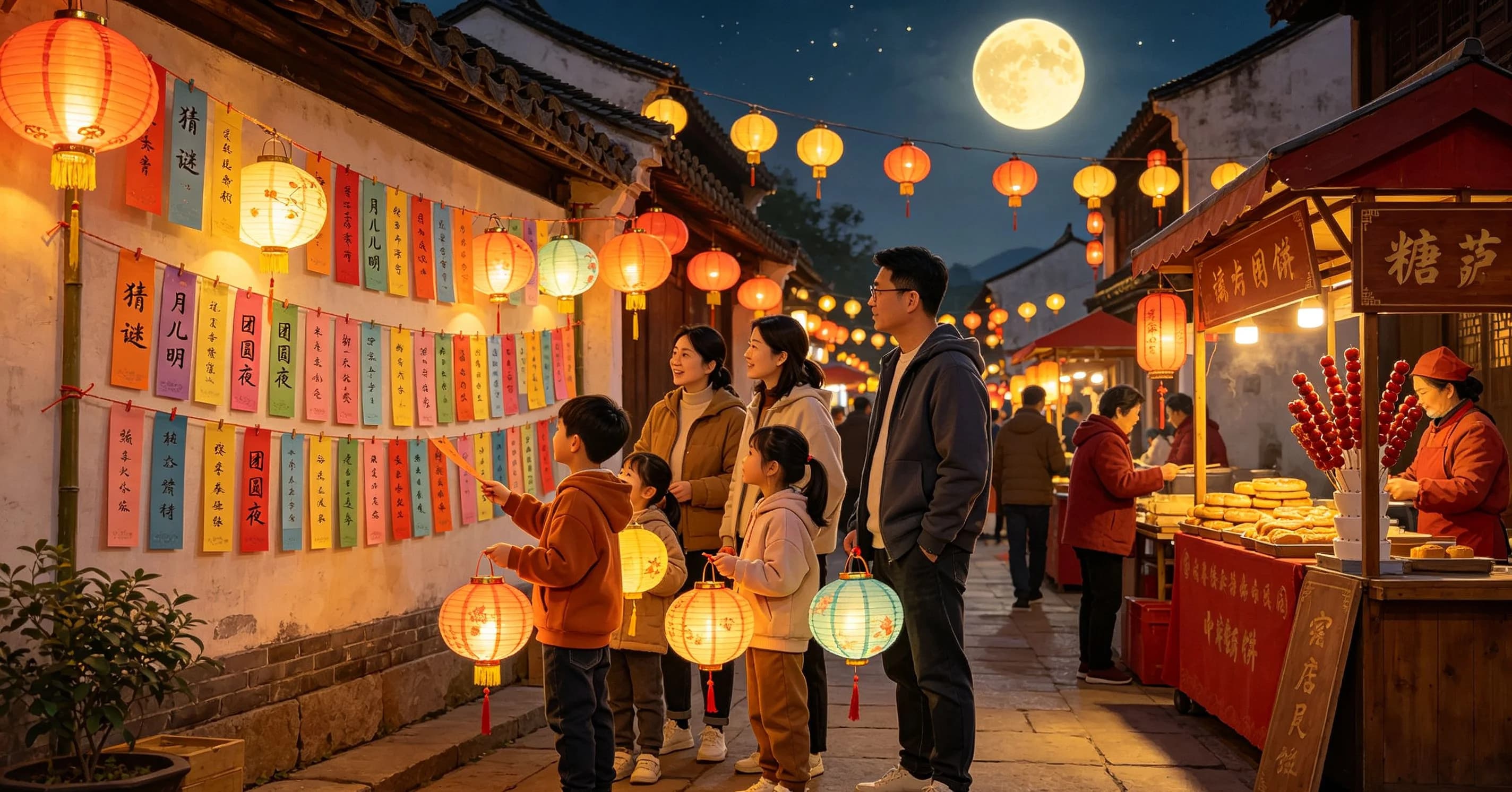
The celebrations continue, with people visiting relatives and friends, and visiting temples on specific days. The climax of the celebrations is the Lantern Festival on the evening of the 15th, when the streets will be adorned with beautiful lanterns, and people will eat sweet glutinous rice balls together, symbolizing family reunion.
The Festival Feast: A Guide to Symbolic Foods
Every dish eaten during Chinese New Year carries a wish for the coming year. Understanding this turns a meal into a story.
Fish (Yu): A must for the reunion dinner. The word sounds like "surplus," symbolizing abundance. It's often served whole, head to tail, for a good start and finish to the year.
Dumplings (Jiaozi): Shaped like ancient gold ingots, they represent wealth. Families often make them together, hiding a coin in one for extra luck.
Spring Rolls (Chun Juan): Their golden color resembles gold bars, and their name links to the Spring Festival.
Nian Gao (New Year Cake): A sticky sweet rice cake. "Nian Gao" is a homophone for "higher year," symbolizing growth, promotion, and reaching new heights.
Tangyuan (Sweet Rice Balls): Eaten at the Lantern Festival, their round shape signifies family togetherness and completeness.
Traveler Tip: Be adventurous! Join a dumpling-making workshop or order a "Nian Ye Fan" set menu at a reputable restaurant to taste the full symbolic spread.
Experiencing Chinese New Year as a Traveler: Practical Advice
Traveling during this period is a double-edged sword: incredible atmosphere but major logistical challenges. Planning is non-negotiable.
When and Where to Go
The official holiday period in 2026 is 9 days, but many people will extend their holidays. The peak tourist season is 2-3 days before Lunar New Year's Eve and the first 3 days of the new year. Major cities like Beijing and Shanghai will become unusually quiet, but will be beautifully decorated. For a traditional rural experience, head to Pingyao Ancient City or a Fujian village, but be sure to book well in advance.
Best Experiences in 2026:
Beijing: Temple fairs at Ditan or Longtan Parks, decorations at the Forbidden City.
Xi'an: Lantern festivals on the ancient city walls.
Hong Kong: The iconic nighttime parade and fireworks display at Victoria Harbour.
Shanghai: The famous lantern festival at Yu Garden.
Navigating the Chunyun Travel Rush
Chunyun, the Spring Festival travel season, sees nearly 3 billion trips. This affects everything.
Book Early: Flights and trains (especially high-speed rail) sell out weeks or months in advance. Book accommodations and long-distance transport as soon as your dates are fixed.
Expect Closures: Many small, local restaurants, shops, and businesses close for 3-7 days as owners go home. Large malls, hotel restaurants, and chains in tourist areas usually remain open.
Embrace the Buzz: While crowded, train stations and airports are part of the spectacle. Be patient, allow extra time for every journey, and enjoy observing the monumental human movement.
Cultural Etiquette and Do's & Don'ts
Respect is key to a positive experience for you and your hosts.
Do: Wear something red for good luck. Accept offers of tea or food graciously. Use both hands to give or receive items, especially gifts or business cards. Wish people a happy new year.
Don't: Don't wear white or black head-to-toe (colors of mourning). Avoid negative words, crying, or talking about death. Don't sweep or take out garbage on New Year's Day (you might sweep away good fortune). Never give a clock as a gift.
Experiencing the Chinese New Year is a privilege. It's a vibrant, sensory overload that connects you to millennia of tradition. By traveling with curiosity, preparation, and respect, you'll move from being a spectator to a welcomed participant in one of the world's greatest cultural celebrations. Your journey into the heart of this traditional festival will leave you with memories—of shared meals, explosive color, and overwhelming warmth—that last long after the final lantern dims.
Note: This article provides general cultural guidance. Individual experiences may vary. Always approach cultural learning with an open mind.