
Chongqing—a mountain city where modernity blends with tradition—is renowned for its unique geological features and rich history and culture. Museums offer the best window into the city's soul; from natural wonders to cultural heritage, each one tells a compelling story.
This guide highlights four must-visit museums and provides practical information to help you easily plan an unforgettable cultural journey.
Quick Preview: A Snapshot Overview
First-time visitors to Chongqing who wish to learn about the Three Gorges of the Yangtze River and the history of Chongqing:Chongqing Three Gorges Museum
Families, children, and dinosaur enthusiasts: Chongqing Museum of Natural History
For those interested in revolutionary history, the War of Resistance, and the modern history of Chongqing: Hongyan Museum.
For those wishing to see a one-of-a-kind underwater museum: The Baiheliang Underwater Museum.
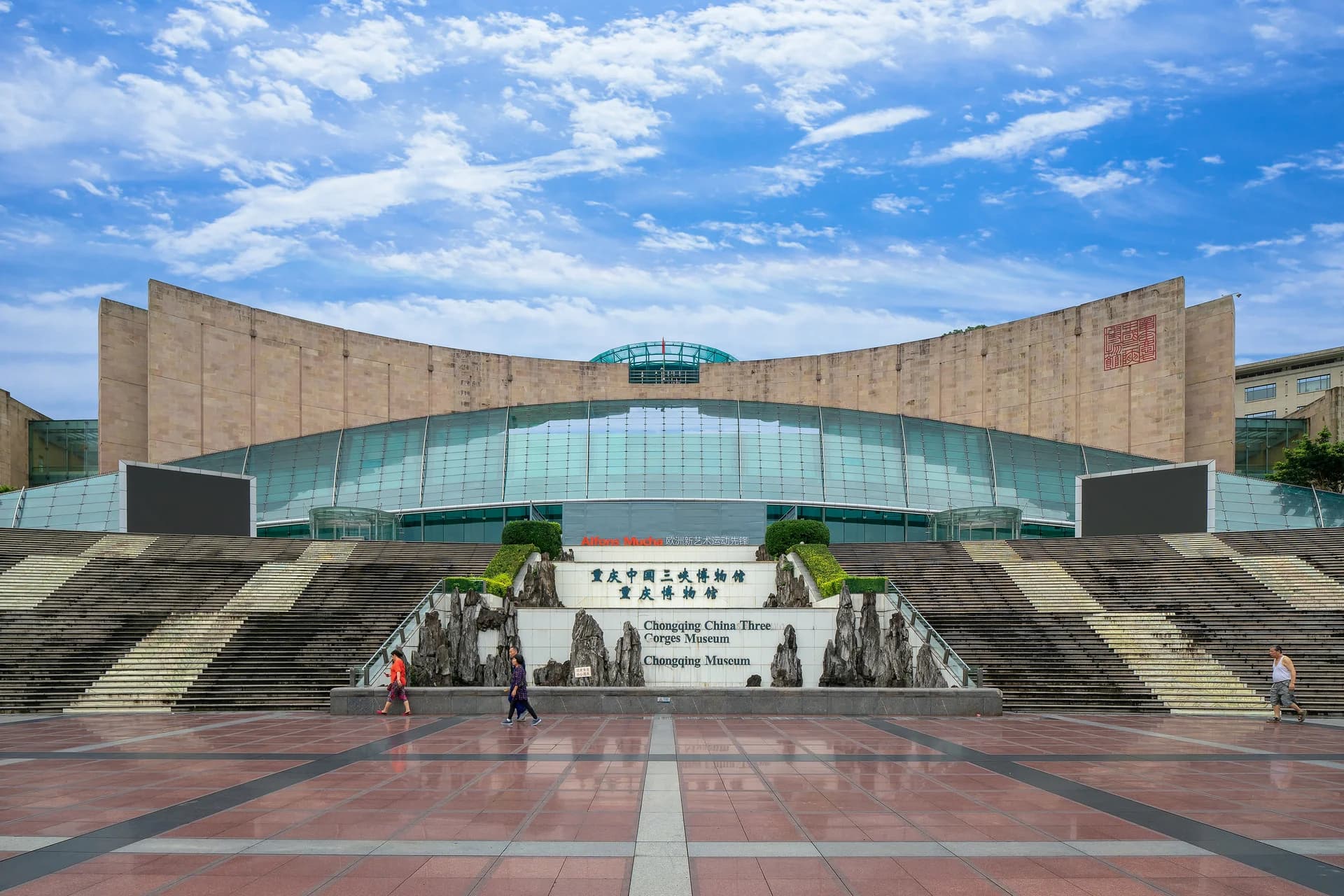
1. Chongqing Three Gorges Museum: A Window into Yangtze River Civilization
Address: No. 236 Renmin Road, Yuzhong District, Chongqing
Transport: Take Metro Line 2 or 10 to Zengjiayan Station; it is about a 5-minute walk.
This is the largest comprehensive museum in Chongqing, featuring themes that cover the nature, history, and culture of the Three Gorges region of the Yangtze River. If you visit only one museum in Chongqing, this is the one recommended.
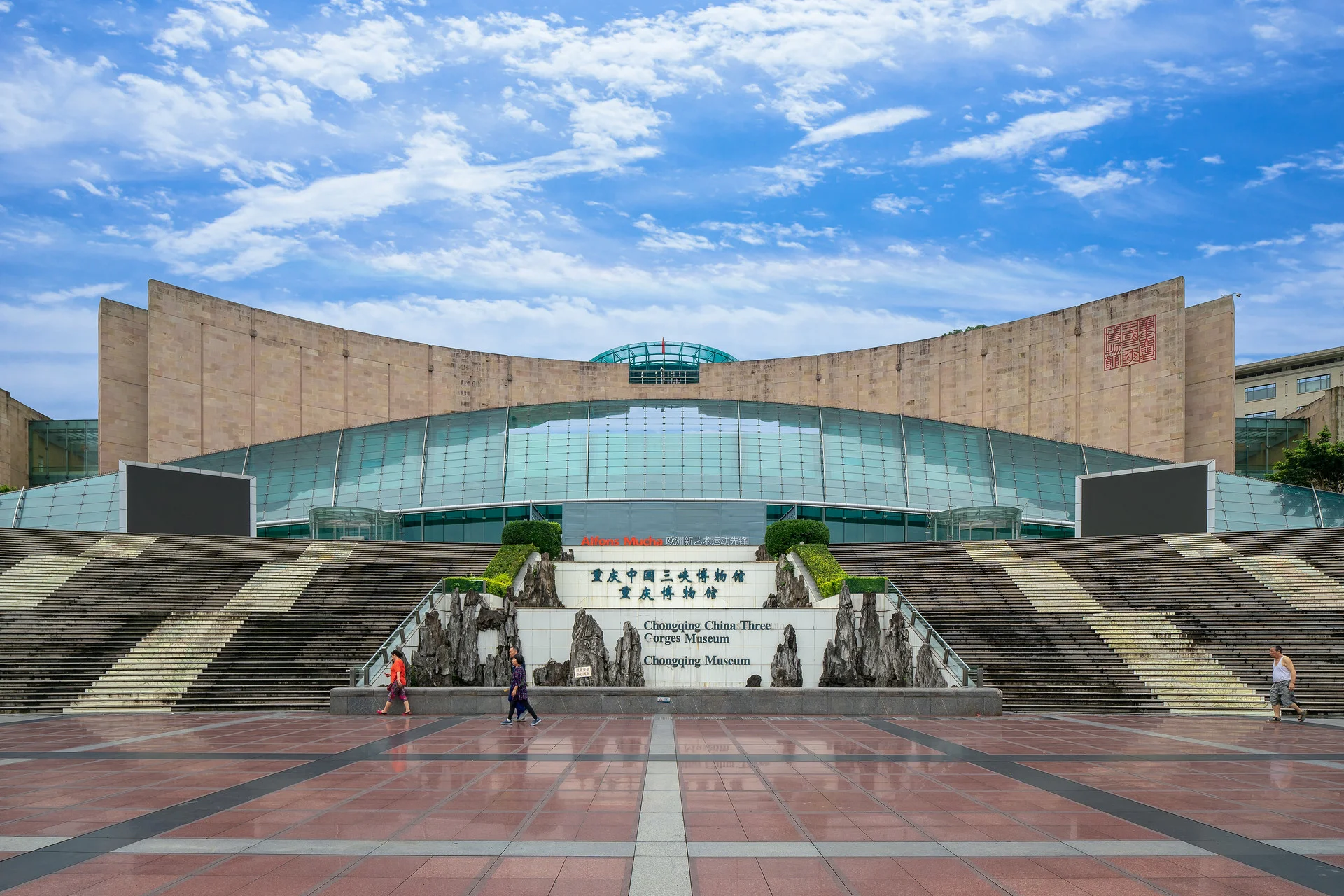
What to see:
"Magnificent Three Gorges" Exhibition Hall: Multimedia displays showcasing the evolution of the Yangtze River and the Three Gorges Project.
Ancient bronze ware and artifacts from the Ba-Shu culture.
History of Chongqing during the War of Resistance Against Japanese Aggression.
Temporary exhibitions, sometimes featuring international themes.
Opening Hours and Admission:
Tuesday to Sunday, 9:00–17:00 (last entry usually at 16:30); closed on Mondays. Admission is free, but a reservation is required. Please bring your passport.
Recommended duration: 2–3 hours.
If you are short on time, focus on the "Magnificent Three Gorges" and the sections covering Chongqing during the War of Resistance. You can also conveniently visit the nearby People's Grand Hall and the Zengjiayan area.
2. Chongqing Museum of Natural History
Address: No. 398 Jinhua Road, Beibei District, Chongqing
Transportation: Take Metro Line 6 to Zhuangyuanbei Station; upon exiting, transfer to Bus 560 or take a taxi (approximately a 10-minute ride).
Featuring dinosaur fossils and natural history exhibits, the museum houses a vast collection of rare animal and plant specimens alongside interactive zones, offering a hands-on experience of Earth's evolution.
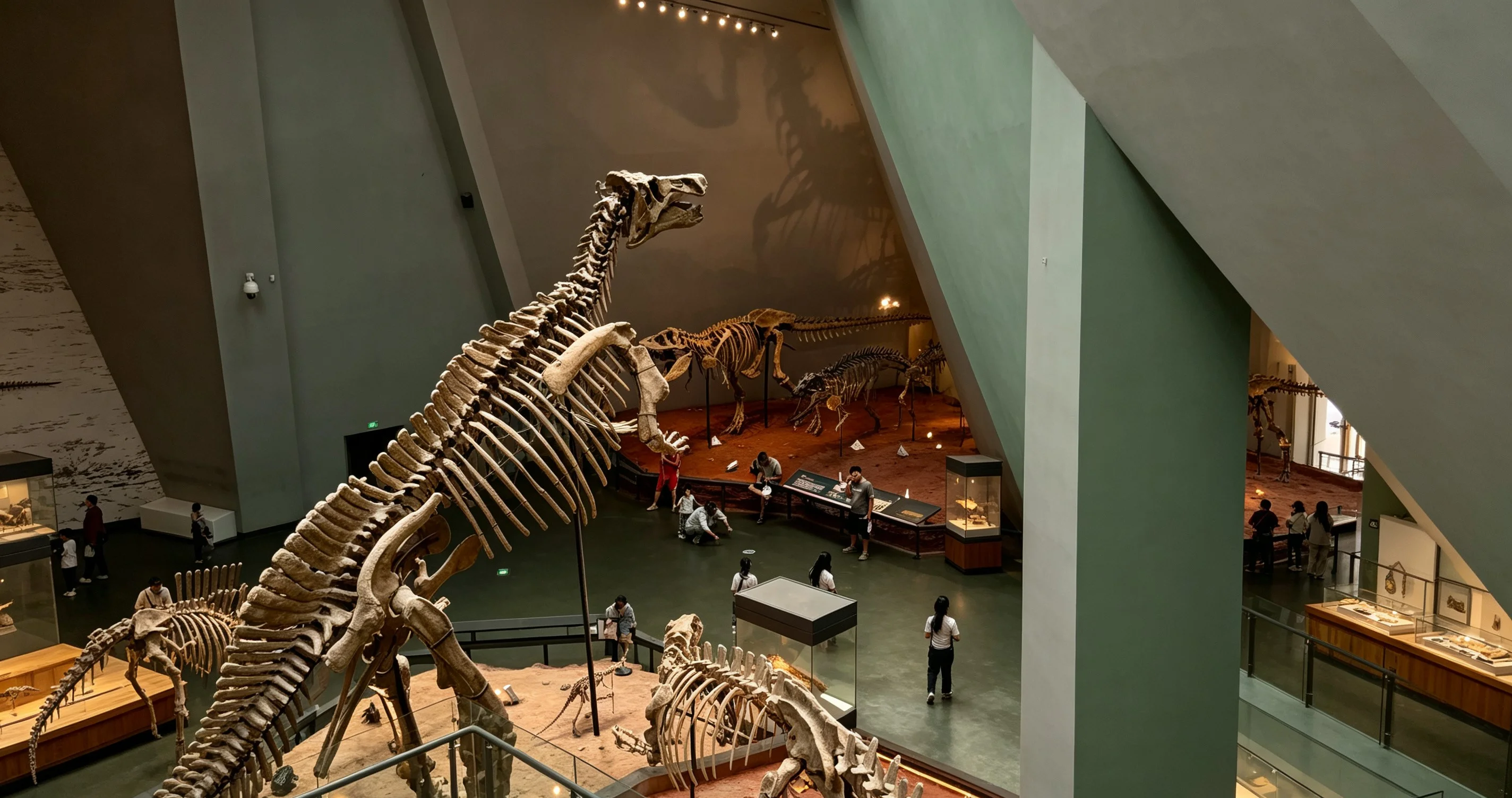
What to see:
Dinosaur fossils, including those from the Sichuan Basin.
Specimens of rare animals and plants.
Interactive exhibits on Earth's evolution, geology, and biodiversity.
Hands-on areas for children.
Opening Hours and Admission:
Tuesday to Sunday, 9:00–17:00 (last entry usually at 16:00); closed on Mondays. Free admission.
Recommended duration: 2–3 hours.
Beibei is quite far from the city center—about an hour's journey one way—so be sure to allow enough travel time. It is a suitable destination for families with children, though English signage is limited; using a translation app is recommended.
3. Hongyan Museum
Transportation:
Hongyancun: Take Metro Line 5 or 9 to Hongyancun Station.
Zhazidong / Baigongguan / Gele Mountain: Take Metro Line 1 to Lieshimu Station, then transfer to Bus 210 or take a taxi.
Guiyuan: Located near Zengjiayan; accessible via Metro Line 2 or 10.
The Hongyan Museum is not a single venue but rather a complex comprising multiple significant sites—with the Chongqing Hongyan Revolutionary History Museum at its core—and revolutionary heritage locations, including Hongyan Village, Zhazidong Prison, Baigongguan Prison, Guiyuan Garden, and the Chongqing Gele Mountain Revolutionary Memorial Hall.
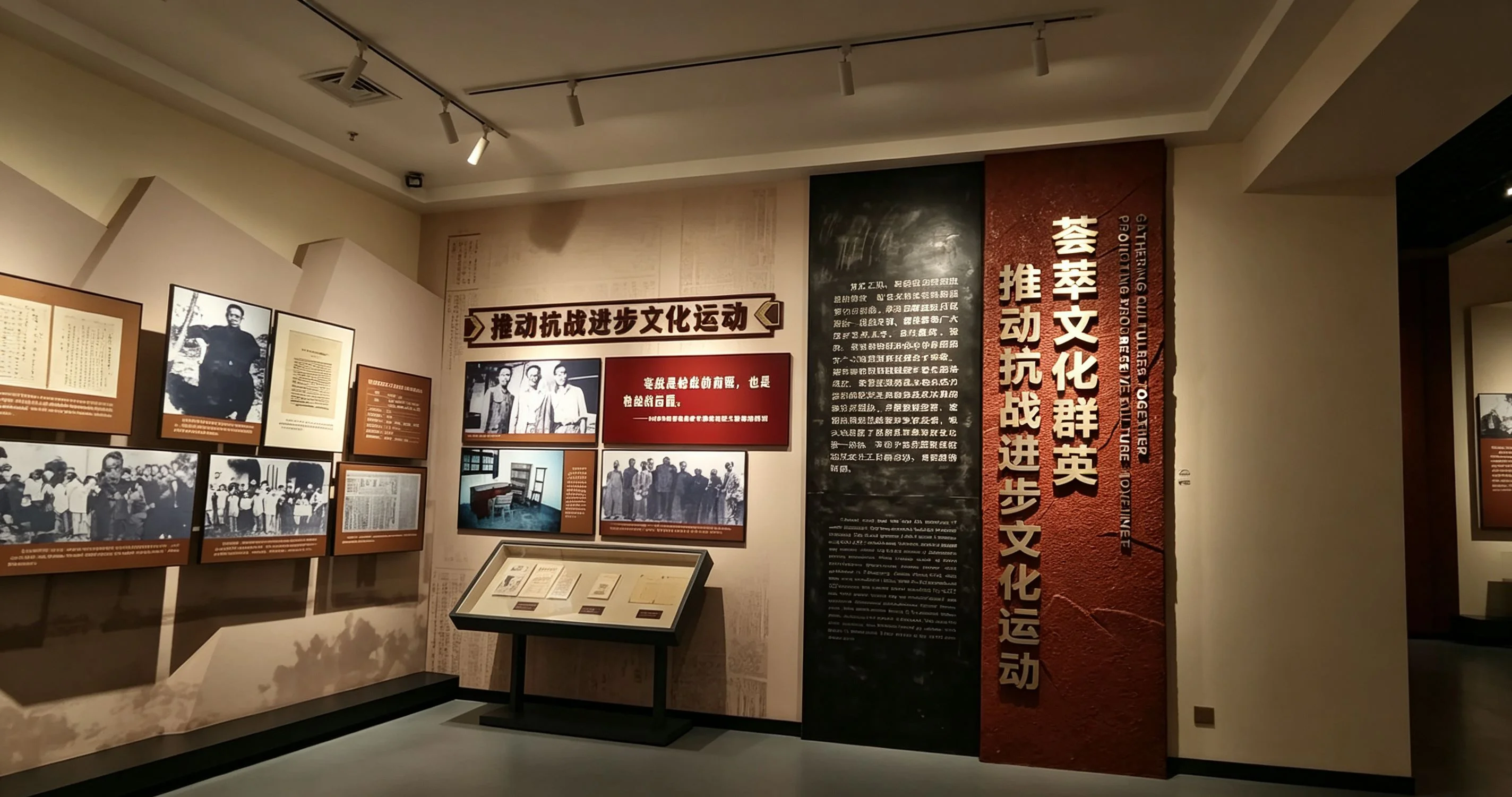
What to see:
Zhazidong: A former prison site bearing a heavy historical legacy.
Baigongguan: Another significant historical site.
Hongyan Village: A key base for the CPC in Chongqing during the War of Resistance Against Japanese Aggression.
Guiyuan: A historic building associated with the post-WWII Chongqing Negotiations.
Gele Mountain: Home to revolutionary memorial halls and commemorative sites.
Opening Hours and Admission:
Generally Tuesday to Sunday, 9:00–17:00 (last entry at 16:30); closed on Mondays. Admission is free, though reservations are usually required.
Recommended duration: 3–5 hours; if visiting multiple sites, a full day is recommended.
The sites are scattered, so it is recommended to use a chartered car or taxi to travel between Zhazidong, Baigongguan, and Gele Mountain. If you are unfamiliar with this history, it is advisable to read an English overview beforehand or hire a tour guide.
4. Baiheliang Underwater Museum
Address: Baiheliang Underwater Museum, Fuling District, Chongqing Municipality
Transportation: Take a high-speed train from Chongqing North Station to Fuling North Station (approximately 30–40 minutes). From Fuling North Station, it takes about 20 minutes by taxi to reach the museum. Alternatively, you can hire a private car.
The Baiheliang Underwater Museum is the world's first underwater museum. Baiheliang consists of ancient stone inscriptions located in the Yangtze River that record long-term fluctuations in water levels; these ancient carvings can be viewed via an underwater corridor.
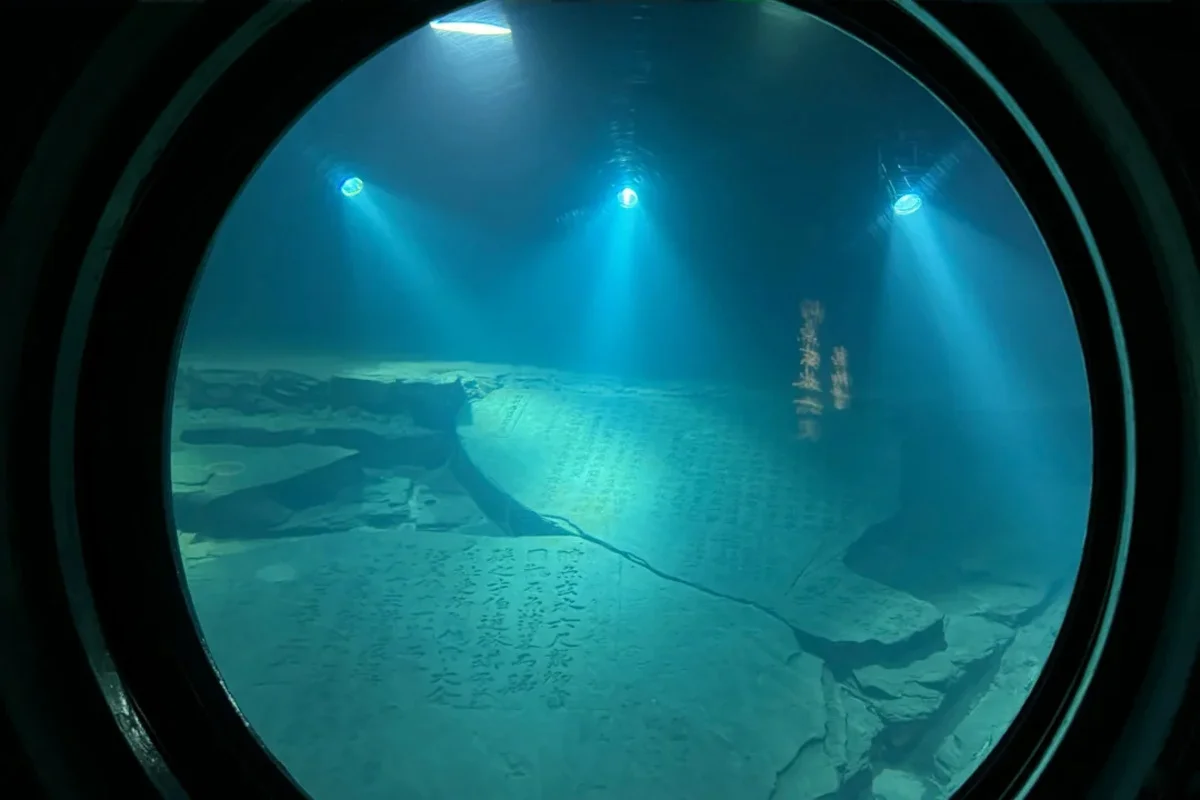
What to see:
Underwater corridors and ancient stone inscriptions.
The "Underwater Forest of Steles."
Exhibitions on Yangtze River hydrology, archaeology, and cultural relic preservation.
The unique engineering of the underwater museum.
Opening Hours and Admission:
Generally Tuesday to Sunday, 9:00–17:00; closed on Mondays. Admission: 50 yuan per person.
Recommended duration: 2 hours, plus travel time.
This is a half-day tour departing from downtown Chongqing; an early start is recommended. Bring your passport to purchase tickets. Please check beforehand, as the underwater corridor may be closed due to maintenance or water level conditions.
5. A Selection of Other Unique Museums
If you have plenty of time or a particular interest, Chongqing offers many other excellent and unique museums worth exploring. Here are some recommended options:
Chongqing Sichuan Opera Museum
Here, you can learn about Sichuan Opera costumes, facial makeup, and musical instruments, and experience the unique charm of this traditional performing art from the Sichuan region.
Chongqing Science and Technology Museum
An excellent choice for families, especially those traveling with children; the museum features a wide range of interactive exhibits.
Handy Tip: Located at Jiangbeizui; take Metro Line 6 to Grand Theatre Station, and the museum is right outside the exit.
Chongqing Industrial Museum
Transformed from an old steel plant, this museum showcases Chongqing's development as a major industrial city within a vast industrial heritage site.
Travel Tip: Located in Dadukou District; take Metro Line 2 to Dadukou Station, then transfer to a bus or taxi to reach the museum.
In addition to these, the Sichuan Fine Arts Institute's Graffiti Art Museum and the Chongqing Dayuanxiang Museum(Suitable for: Those who appreciate folk architecture, wood carvings, stone carvings, and local antiques.) are located in Bishan District.
Frequently Asked Questions
Q1: Do foreign tourists need to make a reservation?
Admission to major museums—such as the Three Gorges Museum, the Museum of Natural History, the Hongyan Museum, and the Science and Technology Museum—is generally free. However, a ticket is usually required to enter the Baiheliang Underwater Museum.
Q2: What if I don't speak Chinese?
There is some English signage at Tai Kwun, but the overall amount of English information is limited. It is recommended to visit with a tour guide or docent.
Q3: Can I take photos?
Generally permitted, but the use of flash and tripods is prohibited, and photography is not allowed in certain exhibition halls.
Q4: Can I bring water and food?
You may generally bring water, but eating and drinking are usually not permitted inside the exhibition halls.
Q5: How many museums can you visit in a day?
Plan for one or two sites in the city center; allow half a day to a full day for the Hongyan Site; and set aside a full day for a trip to Baiheliang. However, I suggest not packing your itinerary too tightly—visiting too many attractions of the same type can lead to sightseeing fatigue.
Disclaimer: This information is provided for reference only and was last updated on . Requirements and regulations may change. Always verify with official sources before making travel plans.