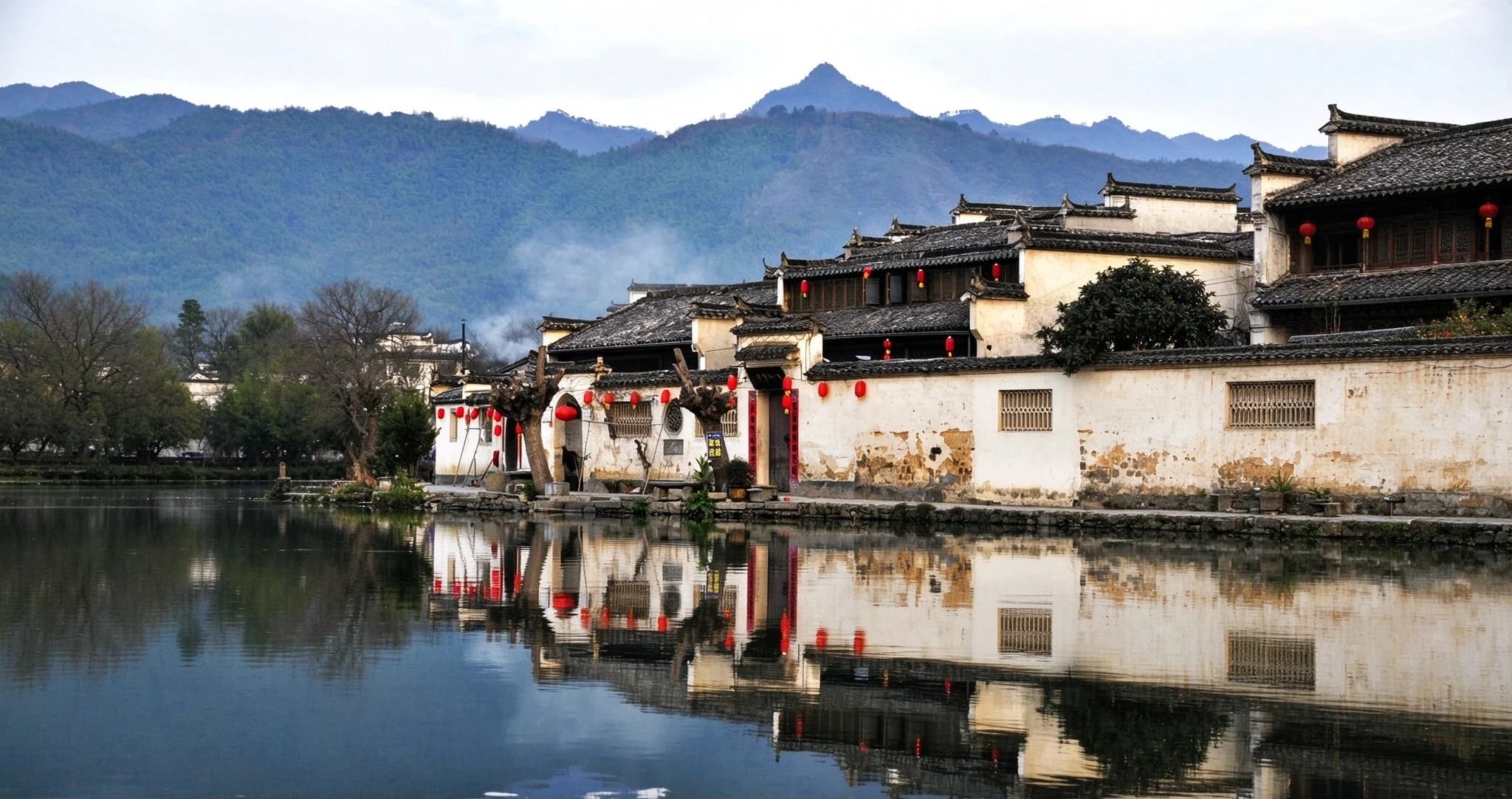

The ancient villages of Huizhou offer an exceptional opportunity to experience the architectural artistry and clan culture of China’s Ming and Qing dynasties. From Huangshan North Railway Station, you can easily reach a number of well-preserved Huizhou-style villages, where you can take in the distinctive charm of "horse-head" gables, dark-grey roof tiles, and exquisite traditional carvings—in stone, brick, and wood. Unlike the gentle, water-laced towns of the Jiangnan region, these Huizhou villages are typically nestled against mountains, with clans living together in close-knit communities. Here, flagstone paths weave through ancestral halls, commemorative archways, and historic residences—each site steeped in the stories of centuries past.
A brief look at 6 ancient towns
Hongcun: A village with an ox-shaped water system, reminiscent of a traditional ink-wash painting.
Xidi: A museum of memorial archways, ancestral halls, and Ming and Qing-era residences.
Chengkan: An ancient, tranquil village laid out according to the principles of the Eight Trigrams (Bagua) and feng shui.
Huizhou Ancient City: A living historic prefectural seat, brimming with the authentic atmosphere of everyday life.
Tangmo: Known as the "Little West Lake" of Huizhou, featuring traditional shuikou (village entrance/waterway) landscaping.
Yangchan Earthen Buildings: Earthen dwellings set against a hillside, famous for the vibrant seasonal tradition of sun-drying crops—a truly pristine, authentic landscape.
Hongcun: A Village Straight Out of a Chinese Painting
Hongcun is the most renowned of the ancient villages in Huizhou; it is famous for its "ox-shaped" water system layout and served as a filming location for the movie Crouching Tiger, Hidden Dragon.
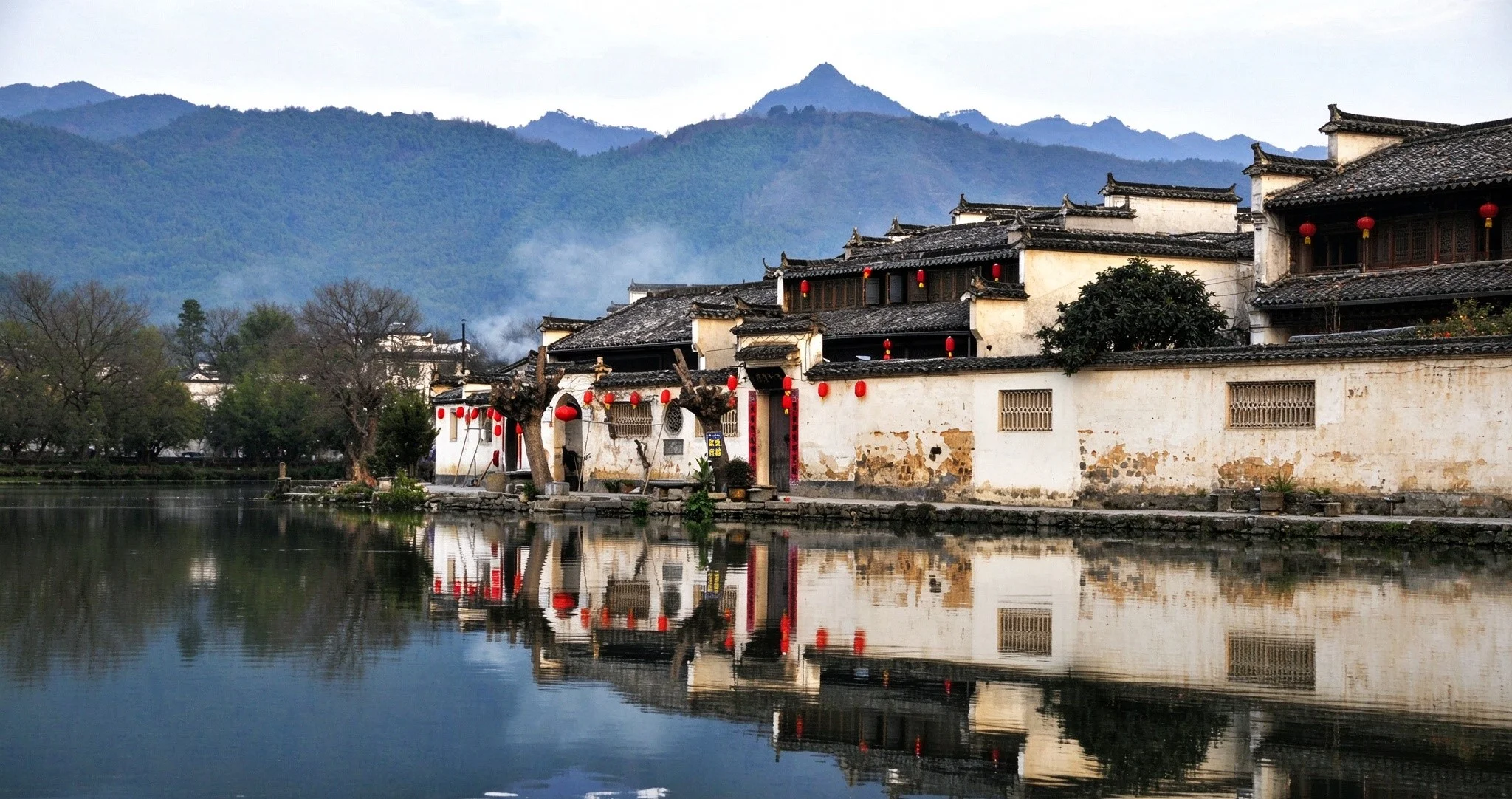
Location: Situated in Hongcun Town, Yi County, Huangshan City. It is approximately a 1.5-hour drive from Huangshan North Railway Station, with direct tourist bus services available.
Recommended Duration: Half a day to one day. Visiting in the early morning or late afternoon is highly recommended, as the lighting is at its best during these times.
Ideal For: First-time visitors to the Huizhou region, as well as travelers who enjoy photography and the aesthetic of traditional Chinese ink-wash paintings.
Hongcun’s core attractions are the Moon Pond (Yuezhao) and South Lake (Nanhu); the wood, brick, and stone carvings within Chengzhi Hall are exceptionally exquisite, earning it the title of a "folk Forbidden City."
Admission: 94 yuan per person when booked online, or 104 yuan per person if purchased on-site. Tickets are valid for 3 days and allow for multiple entries into the scenic area.
Xidi: A Museum of Ming and Qing Dynasty Residences
Xidi and Hongcun are jointly inscribed on the World Heritage List, renowned for their well-preserved architectural complexes from the Ming and Qing dynasties and their rich atmosphere of clan-based culture.
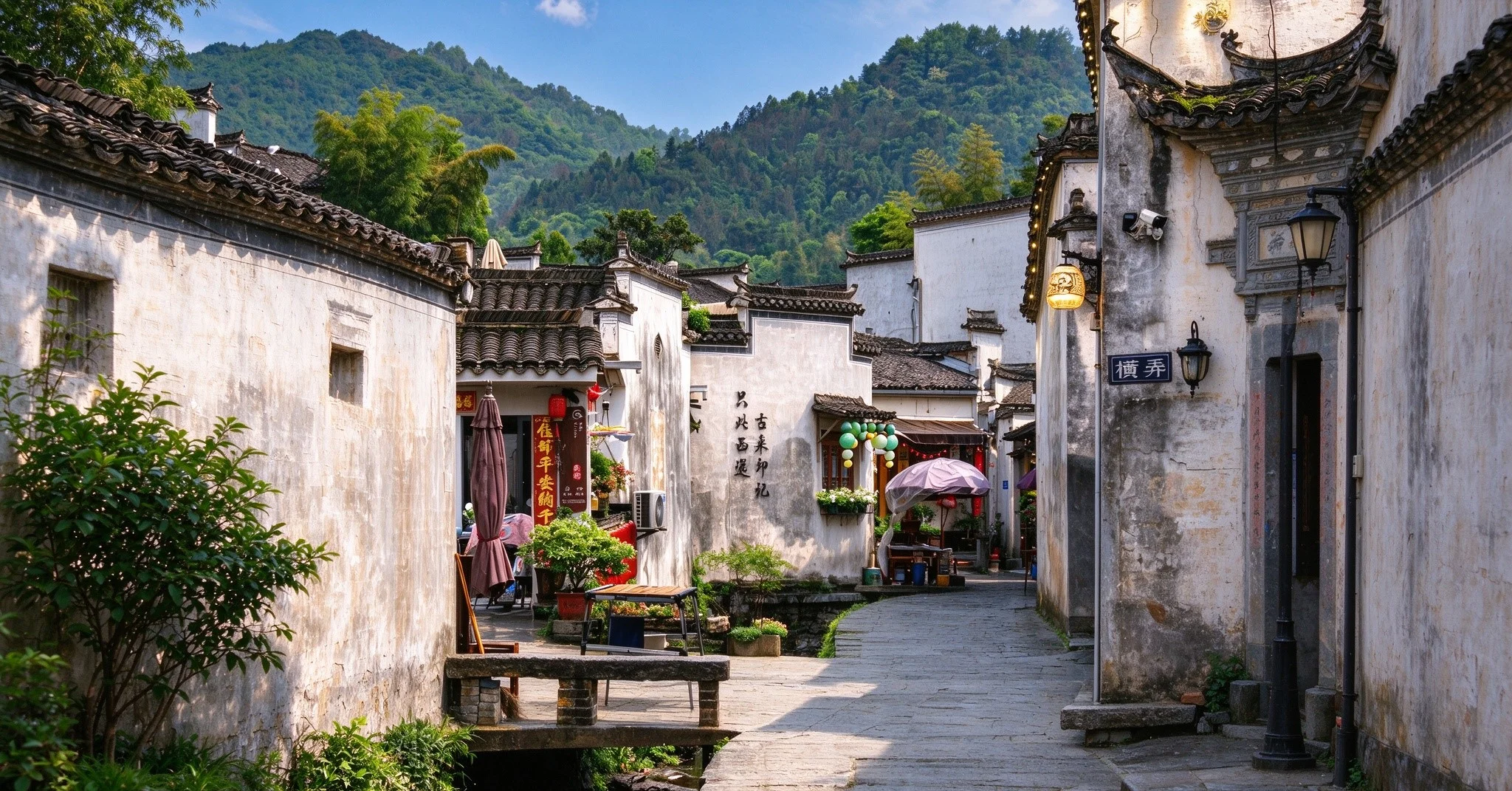
Location: Situated in Xidi Town, Yi County, Huangshan City; approximately a 20-minute drive from Hongcun and about a 1-hour drive from Huangshan North Railway Station.
Recommended Duration: Half a day to one day.
Target Audience: Travelers with an interest in historical architecture, clan culture, and immersive cultural experiences.
Xidi is a village where the Hu clan has lived together for generations; it still preserves a large number of Huizhou-style buildings from the Ming and Qing dynasties, leading the field of architecture to refer to it as a "museum of Ming and Qing residential architecture in China."Xidi is less commercialized than Hongcun; it feels quieter and more unpretentious—a place well-suited for a leisurely stroll and careful observation.
Xidi Admission: Tickets for adults are 94 RMB. If you plan to visit both Xidi and Hongcun, you can purchase a combined ticket for both villages, available online for 159 RMB. The ticket allows for multiple entries on the day of purchase and for the following three days.
Chengkan: The Foremost Feng Shui Ancient Village in the Jiangnan Region
Chengkan is renowned for its "Bagua" (Eight Trigrams) layout and feng shui culture, making it the ancient village with the most unique spatial arrangement in the Huizhou region.
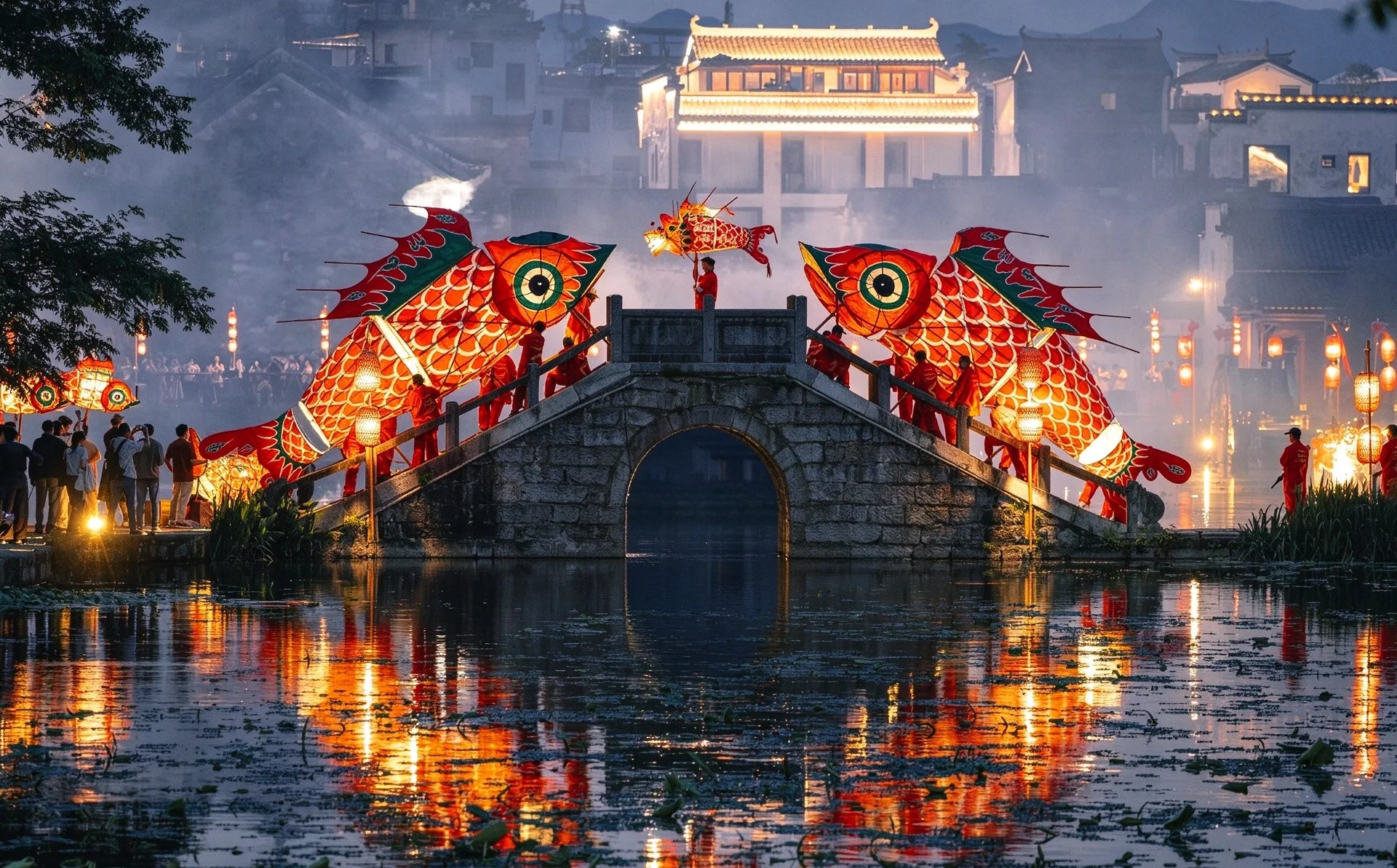
Location: Situated in Chengkan Town, Huizhou District, Huangshan City. It is just a 20–25 minute drive from Huangshan North Railway Station (a taxi ride costs approximately 40–50 RMB); alternatively, you can take bus route 17 or the "Tourist Line 9" (You 9) to reach the destination directly.
Recommended Duration: Half a day; for a more leisurely experience, consider staying overnight.
Best Suited For: Travelers with an interest in feng shui culture and the architectural layouts of ancient buildings.
The layout of Chengkan village is designed according to the principles of the Eight Trigrams from the I Ching (Book of Changes), with streets and alleys that wind like a labyrinth. Yongxing Lake serves as the central landmark, appearing especially stunning when the lotus flowers are in full bloom.
Tickets: 107 RMB, valid for 3 days with multiple entries.
Huizhou Ancient City: A Living Prefecture City from the Ming and Qing Dynasties
Huizhou Ancient City is one of the four best-preserved ancient towns in China. Established during the Qin Dynasty, it remains the county seat of Shexian to this day—a truly "living" ancient city.
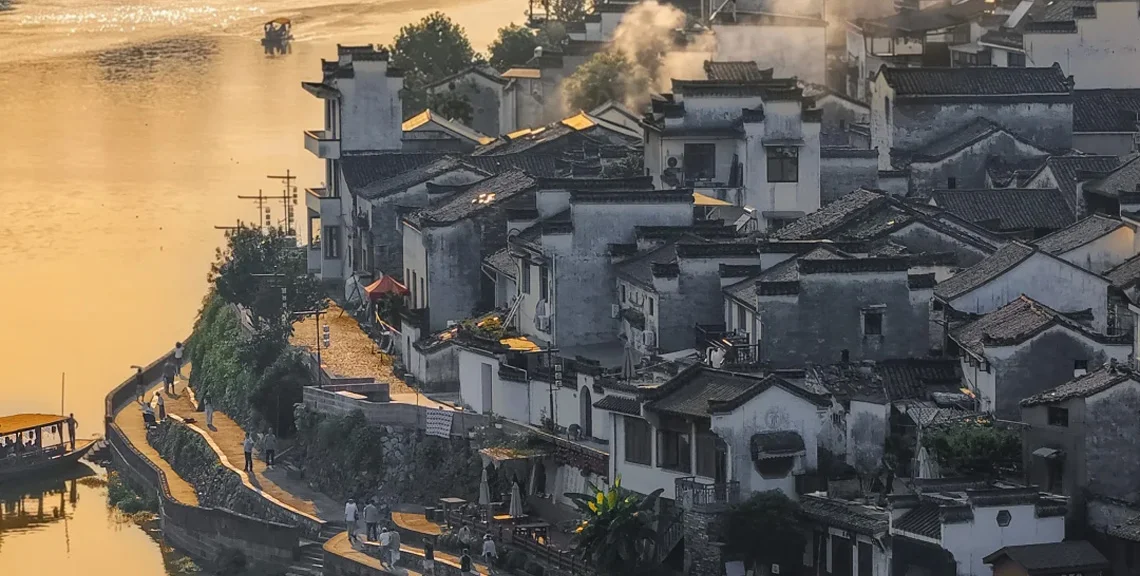
Unlike "village-style" ancient settlements such as Hongcun and Xidi, the ancient city of Huizhou is a complete walled city, featuring a prefectural government office and a marketplace.
Admission: The main area of the ancient town is free to enter, though some specific attractions and experiences within it require an additional fee.
Tangmo: The Elegant Garden Charm of a Model Village from the Tang Dynasty
Established during the Tang Dynasty, the village of Tangmo is renowned for its exquisite "water-entrance" (shuikou) gardens and a rich scholarly heritage—a legacy of the Hanlin Academy. Among the ancient villages of Huizhou, Tangmo stands out for its distinct "garden-like" character.
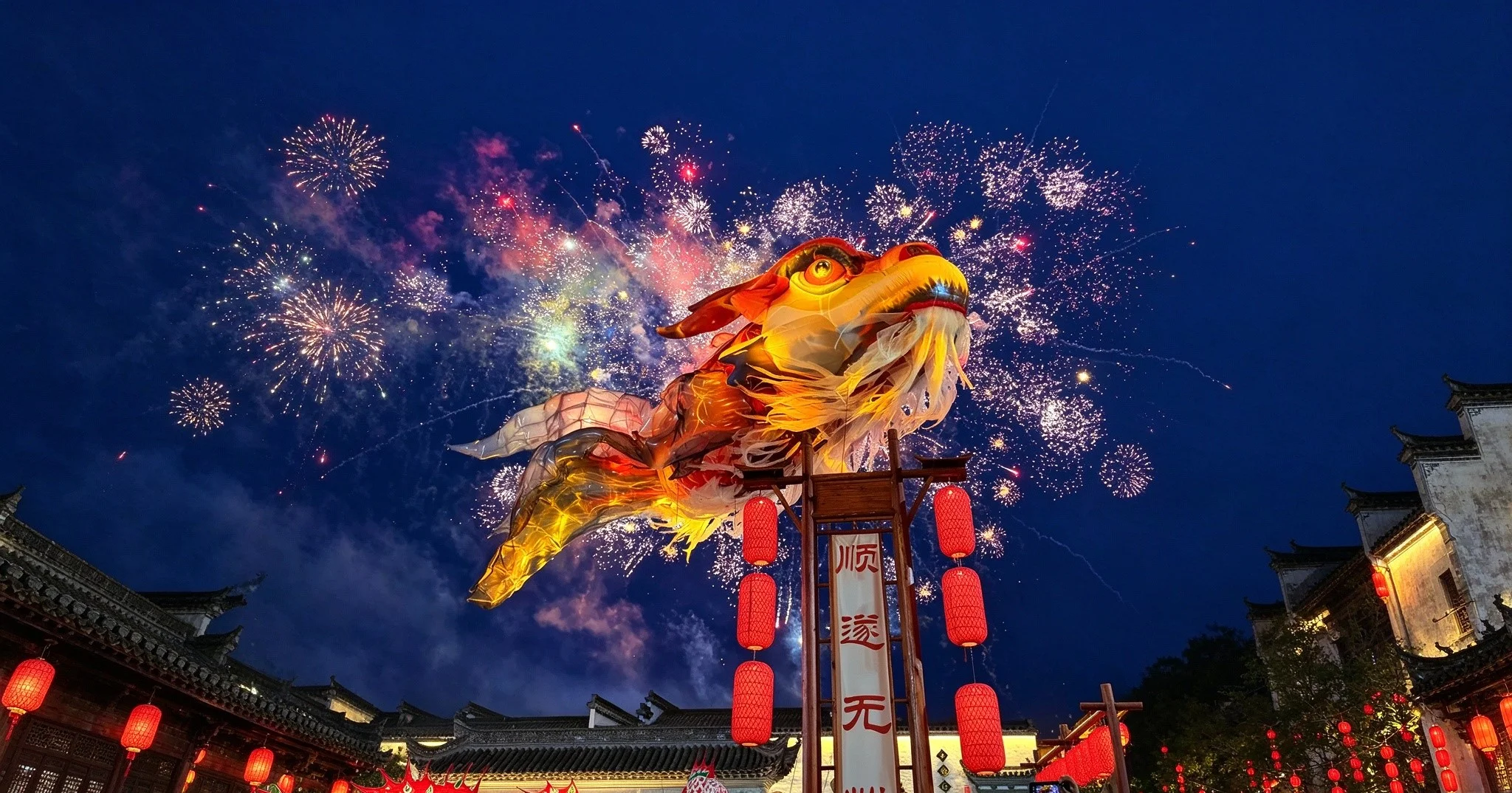
Location: Situated in Qiankou Town, Huizhou District, Huangshan City. It is just a 10–15 minute drive from Chengkan and approximately 30 minutes away by taxi from Huangshan North Railway Station.
Recommended Duration: 2–3 hours.
Best For: Travelers who appreciate garden landscapes and prefer quiet, off-the-beaten-path destinations.
The highlight of Tangmo is Tangan Garden, often referred to as the "Little West Lake of Huizhou." As Tangmo receives fewer tourists, it is a great spot to include as a stopover when visiting Chengkan or the Ancient City of Huizhou. It can also be conveniently combined with a trip to Xixinan.
During certain periods (such as the summer season or public holidays), the scenic area offers discounted night-tour tickets at 40 yuan per person.
Yangchan Earthen Buildings: The Last Cluster of Earthen Structures in Southern Anhui
Yangchan Earthen Buildings are a truly unique feature among the ancient villages of Huizhou; renowned for their clusters of stacked, yellow-hued earthen structures, they stand in striking contrast to the typical Huizhou-style villages characterized by white walls and dark-tiled roofs.
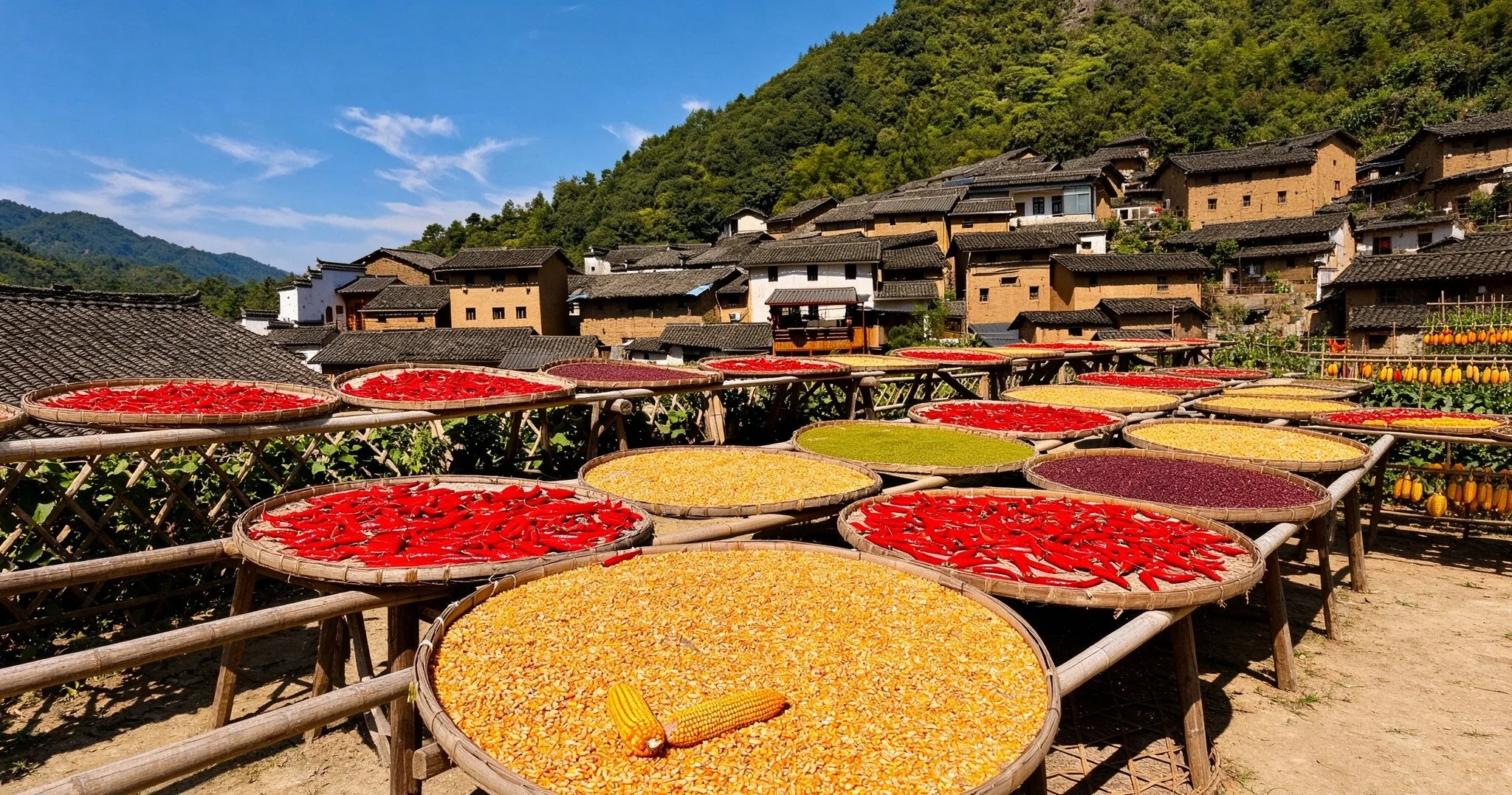
Location: Yangchan Village, Shendu Town, Shexian County, Huangshan City—approximately a 1 to 1.5-hour drive from either Shexian County or downtown Huangshan City.
Recommended Duration: Half a day; if you wish to see the morning mist, staying at a local guesthouse in the village is recommended.
Best For: Photography enthusiasts and travelers who appreciate pristine, natural mountain landscapes.
Yangchan Earthen Buildings are constructed on a steep hillside; hundreds of these structures follow the natural contours of the terrain, arranged in a staggered, picturesque fashion. In autumn, during the seasonal tradition of sun-drying harvests, the ground in front of the buildings becomes blanketed with red chili peppers and yellow corn, creating a vivid, striking display of color.
Admission: The scenic area is free to enter; however, visitors must take a shuttle bus to travel up and down the mountain. The round-trip fare is 30 yuan per person. Private vehicles are not permitted on the mountain.
Frequently Asked Questions
Q: If I’m visiting the area around Mount Huangshan for the first time and can only choose one ancient village to see, which one should I pick?
A: Hongcun. It offers the most evocative, ink-wash-painting-like atmosphere and is the most accessible in terms of transportation.
Q: How should I choose between Hongcun and Xidi?
A: Choose Hongcun for photography, and Xidi for architecture and cultural heritage. If you have enough time, visit both—buying a combined ticket is more cost-effective.
Q: Where can I go to avoid the crowds?
A: Chengkan and Tangmo are much quieter; for a setting featuring mountains and traditional earthen dwellings, head to Yangchan.
Q: What is the difference between Huizhou Ancient City and the ancient villages?
A: The ancient city was a regional administrative hub, characterized by bustling streets and everyday life; the ancient villages are settlements where clans lived together.
Q: How many days should I plan for my visit?
A: Two days are sufficient for Hongcun and Xidi; three days allow for the addition of Chengkan or Huizhou Ancient City; four days provide enough time to include Tangmo and Yangchan.
Q: What is the best time to visit?
A: March and April offer rapeseed blossoms, while October and November feature the "autumn harvest drying" (shaiqiu) tradition and vibrant autumn foliage. Hongcun is at its most beautiful in the early morning and at dusk.
Disclaimer: This information is provided for reference only and was last updated on . Requirements and regulations may change. Always verify with official sources before making travel plans.