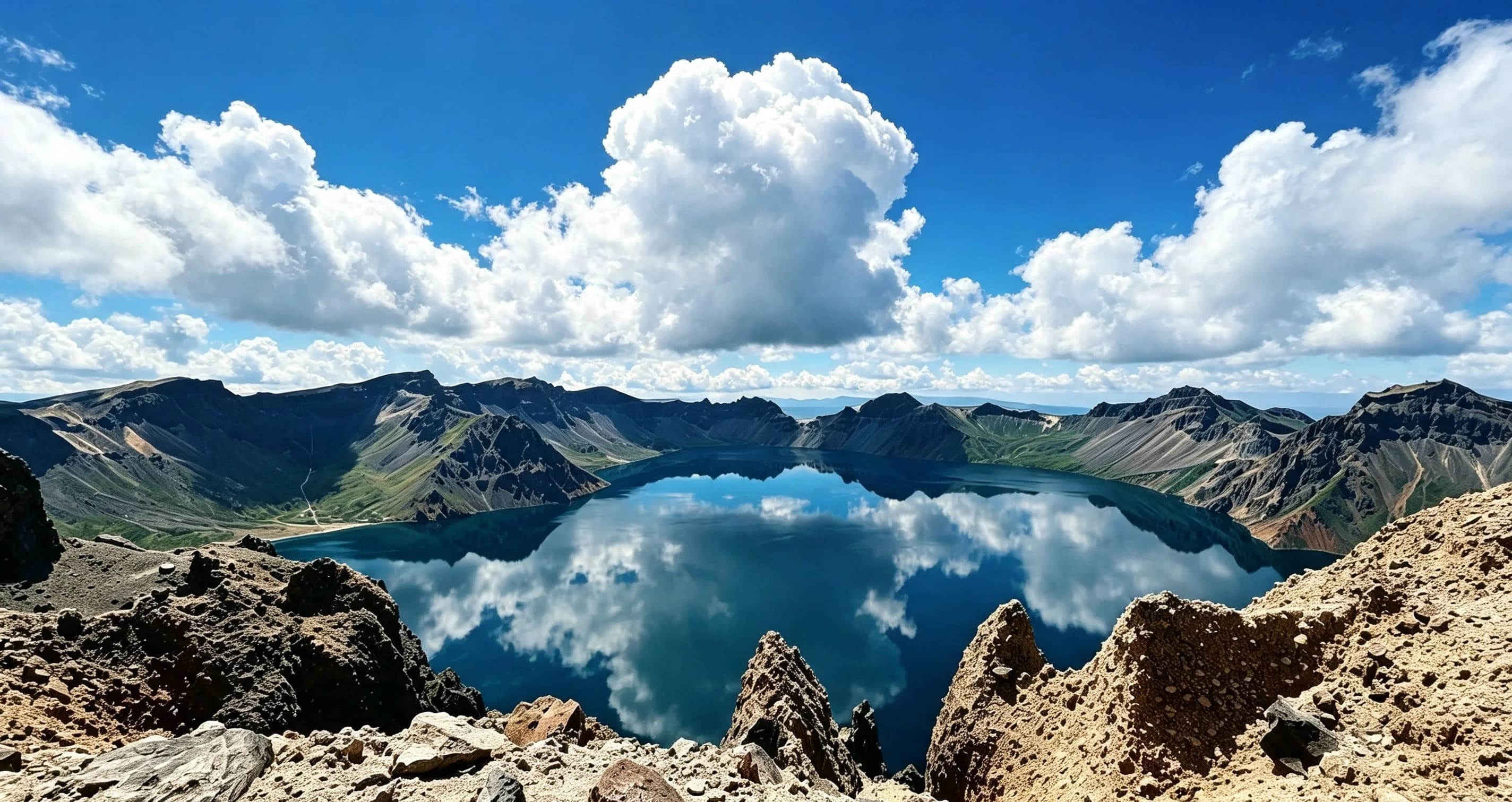

Changbai Mountain is a dormant volcano, and its main peak's crater, where water has accumulated, forms Tianchi Lake, the deepest lake in China. If you are a hiking enthusiast, Changbai Mountain is an unparalleled outdoor destination.
This guide is tailored for independent travelers from Europe and America, covering transportation options, comparisons of routes on the three slopes, Tianchi viewpoint locations, seasonal differences, and practical travel tips to help you plan an efficient, safe, and unforgettable hiking trip in Changbai Mountain.
I. Where is Changbai Mountain?
Changbai Mountain is located in southeastern Jilin Province, China, on the border between China and North Korea. Within China, the Changbai Mountain scenic area has three entrances: the North Slope, West Slope, and South Slope.
These three areas are not interconnected and are approximately 1.5–2 hours apart by car. When planning your trip, you should first decide which slope to enter from.
II. How to get to Changbai Mountain
Airplane
Changbaishan Airport, located in Fusong County, Baishan City, is the most convenient air gateway. If you arrive at the airport, the closest point to the West Slope is approximately a 30–40 minute drive away.
High-speed rail/train
Changbaishan Station is the closest high-speed rail station to the scenic area.
Approximately 20 minutes drive from the North Slope
Approximately 40 minutes drive from the West Slope
III. How to Choose a Location in Sanpo – A Complete Comparison of Tianchi Viewpoints
Changbai Mountain's Tianchi Lake can be viewed from three directions: the north slope, the west slope, and the south slope. The scenery varies depending on the viewing angle. A detailed comparison is provided below:
North Slope – First Choice for Beginners, Abundant Attractions
The North Slope is the earliest and most developed route, easily accessible and rich in attractions. You can enjoy diverse natural landscapes including coniferous forests, birch forests, and underground forests.
Tianchi Viewpoint: Requires transferring to a park-style off-road vehicle, navigating 72 hairpin bends up the mountain. Upon arrival at Tianchi, there are two viewing routes, A and B – Route A offers better views but requires climbing steps, while Route B is gentler and less crowded.
Suitable for: First-time visitors, families, and travelers with limited time.
West Slope – Offering the widest views, the top choice for photography.
The west slope offers a panoramic view of Tianchi Lake, boasting the most expansive vista among the three slope areas. Along the way, one can witness vertical landscape vegetation zones that evoke the saying "four seasons on one mountain, different weather every ten miles."
Tianchi Viewpoint: Requires climbing 1442 steps (900 meters one way), taking approximately 30-40 minutes. There are markers on the steps, and you can rest at any time. Upon reaching the top, you can enjoy a panoramic view of Tianchi and take photos at the Sino-North Korean border marker.
Suitable for: Photography enthusiasts and hikers with good physical fitness
South slope – least crowded, best view.
The south slope retains the best original features and has the fewest tourists. Under the same weather conditions, the view of Tianchi Lake from the south slope is the most magnificent and expansive. It is only open in summer.
Tianchi Viewpoint: The eco-friendly bus goes directly to the vicinity of the Tianchi viewing platform. You only need to walk a short boardwalk, and there is almost no need to climb uphill.
Suitable for: Travelers seeking a quiet experience and who don't want to climb too many stairs.
IV. Must-see attractions in Changbai Mountain
1. Tianchi Lake – The Soul of Changbai Mountain
Changbai Mountain Tianchi Lake, located at the top of a volcanic cone, is oval-shaped and formed by rainwater, snowmelt, and groundwater after a volcanic eruption. Tianchi also forms the border between China and North Korea. Legend has it that those who see Tianchi on their first visit will be blessed with a long and happy life together with their loved ones.
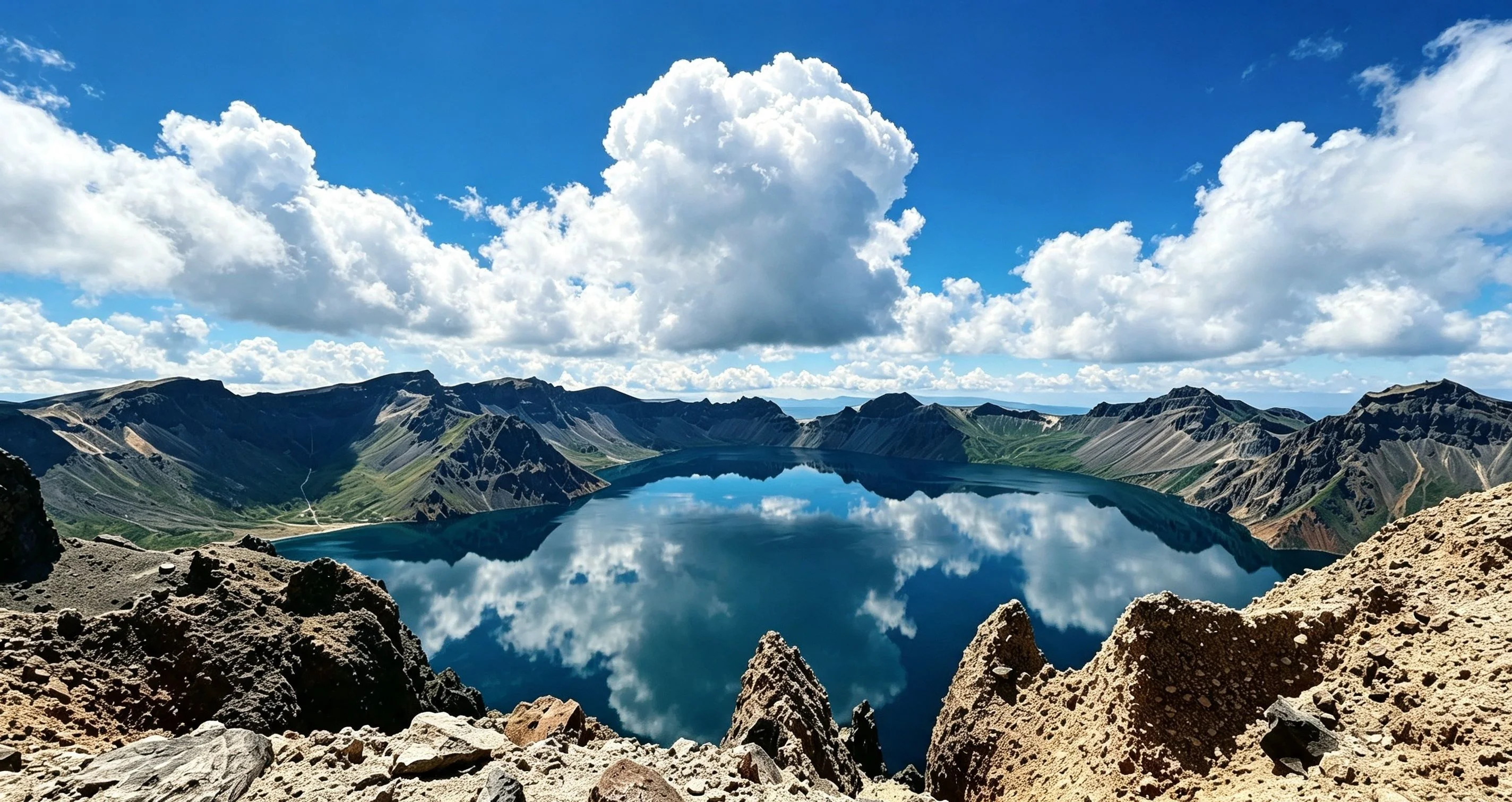
The weather above Tianchi Lake is highly variable, often shrouded in mist and clouds, meaning not all visitors can see its true beauty. The period between 8:00 and 10:00 AM is when the mist and clouds are least dense, offering the highest probability of seeing Tianchi Lake.
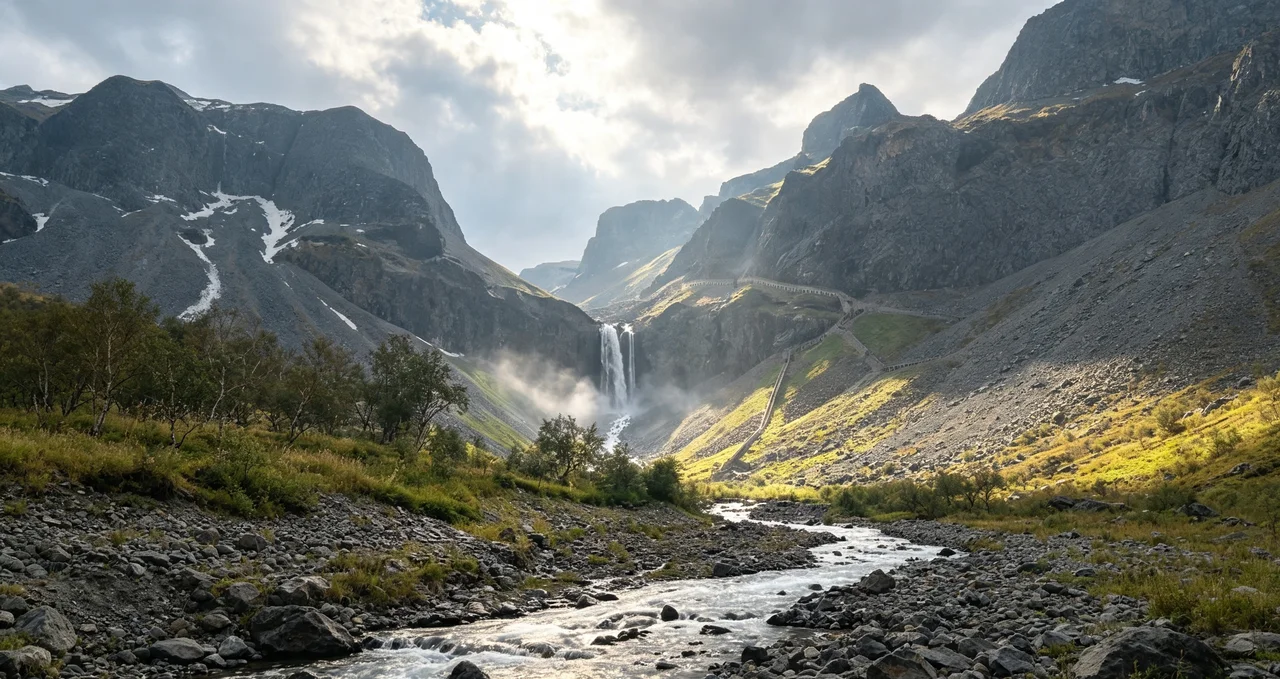
2. Changbai Waterfall – the only outlet of Tianchi Lake.
There is a small gap on the north side of Tianchi Lake, through which the lake water overflows, flows for a kilometer, and then plunges down to form the Changbai Waterfall with a drop of 68 meters.
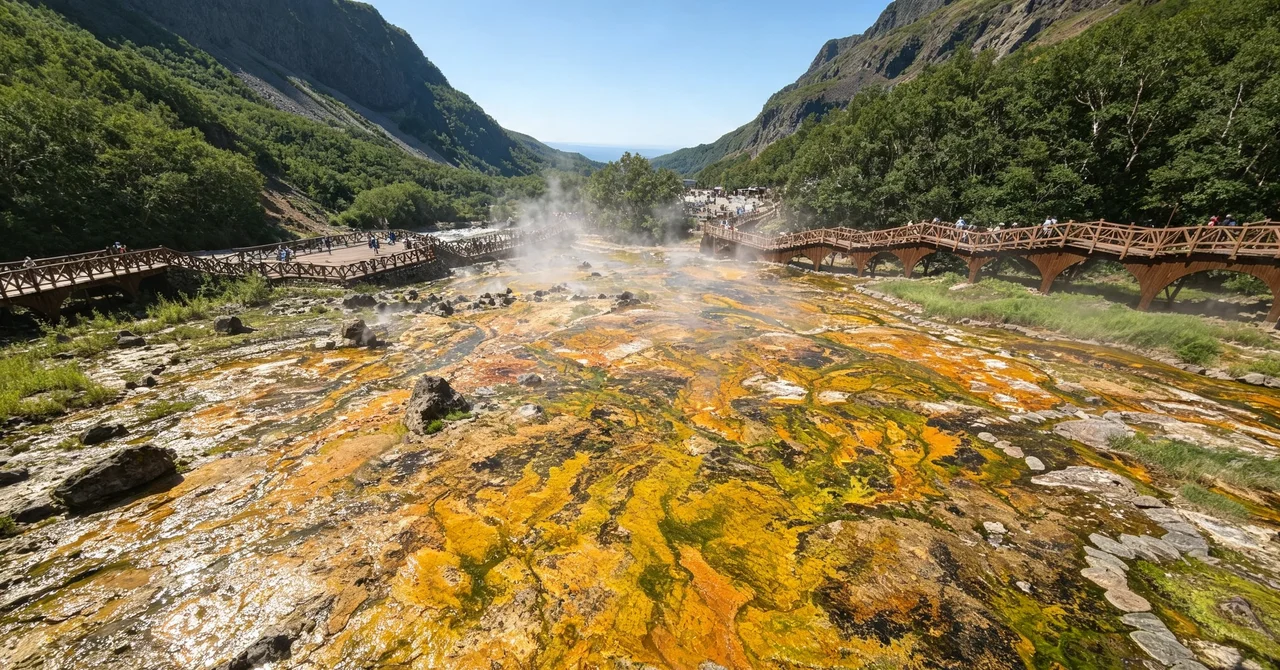
3. Julongquan – a hot spring at 83℃
Located on the north slope, the hot spring area boasts water temperatures reaching 83℃. Visitors can enjoy eggs cooked in the hot spring water – a unique experience in Changbai Mountain with soft-boiled yolks.
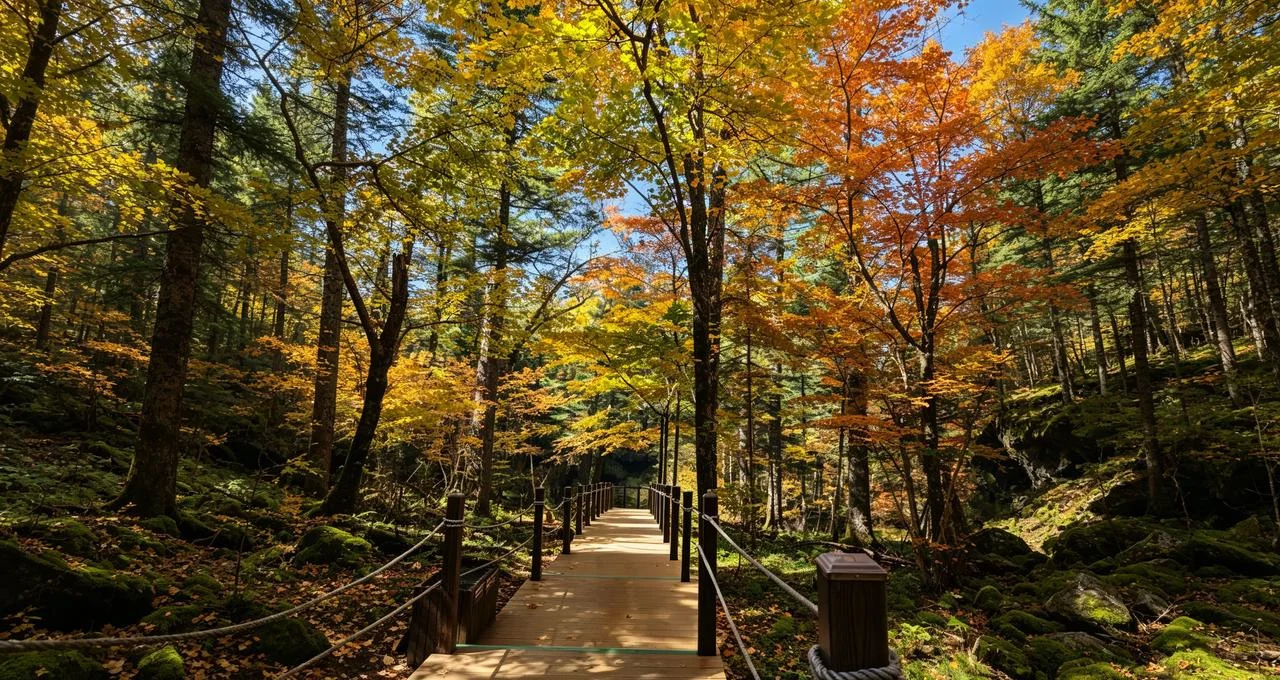
4. Underground Forest (Valley Forest) – A must-hike spot on the north slope
The lowest-altitude scenic spot in Changbai Mountain is the valley forest formed by a volcanic eruption causing a landslide. Located on the north slope, this valley forest is a natural oxygen bar, and the source of the Songhua River can be seen at its end. The scenery inside is similar, and you can experience it by walking a few hundred meters.
5. Jinjiang Grand Canyon – Volcanic Wonders on the West Slope
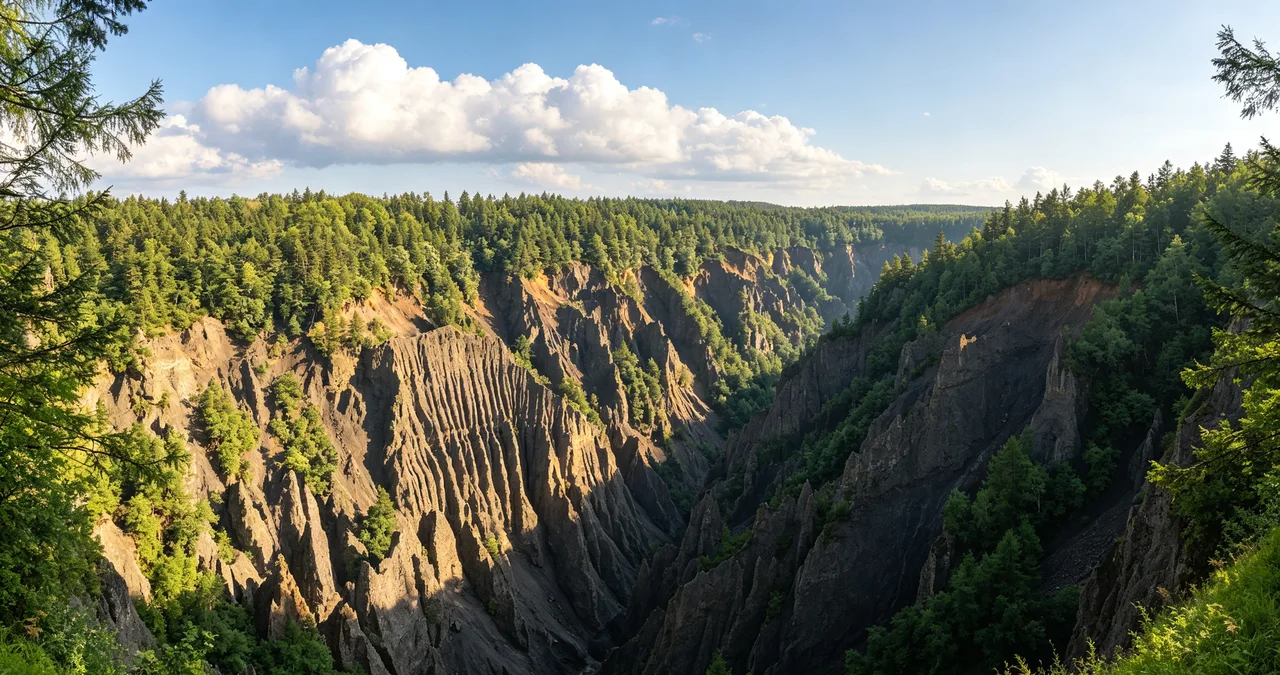
Located on the western slope, it is a V-shaped volcanic canyon formed by volcanic deposits through fault tectonic activity and water erosion. The scenic area features a 1.8-kilometer circular wooden boardwalk, which is flat and takes approximately 40-60 minutes to explore. Visitors can see volcanic lava rock peaks of various shapes and sizes.
6. Green Abyss Pool – An Emerald-Colored Secret Realm
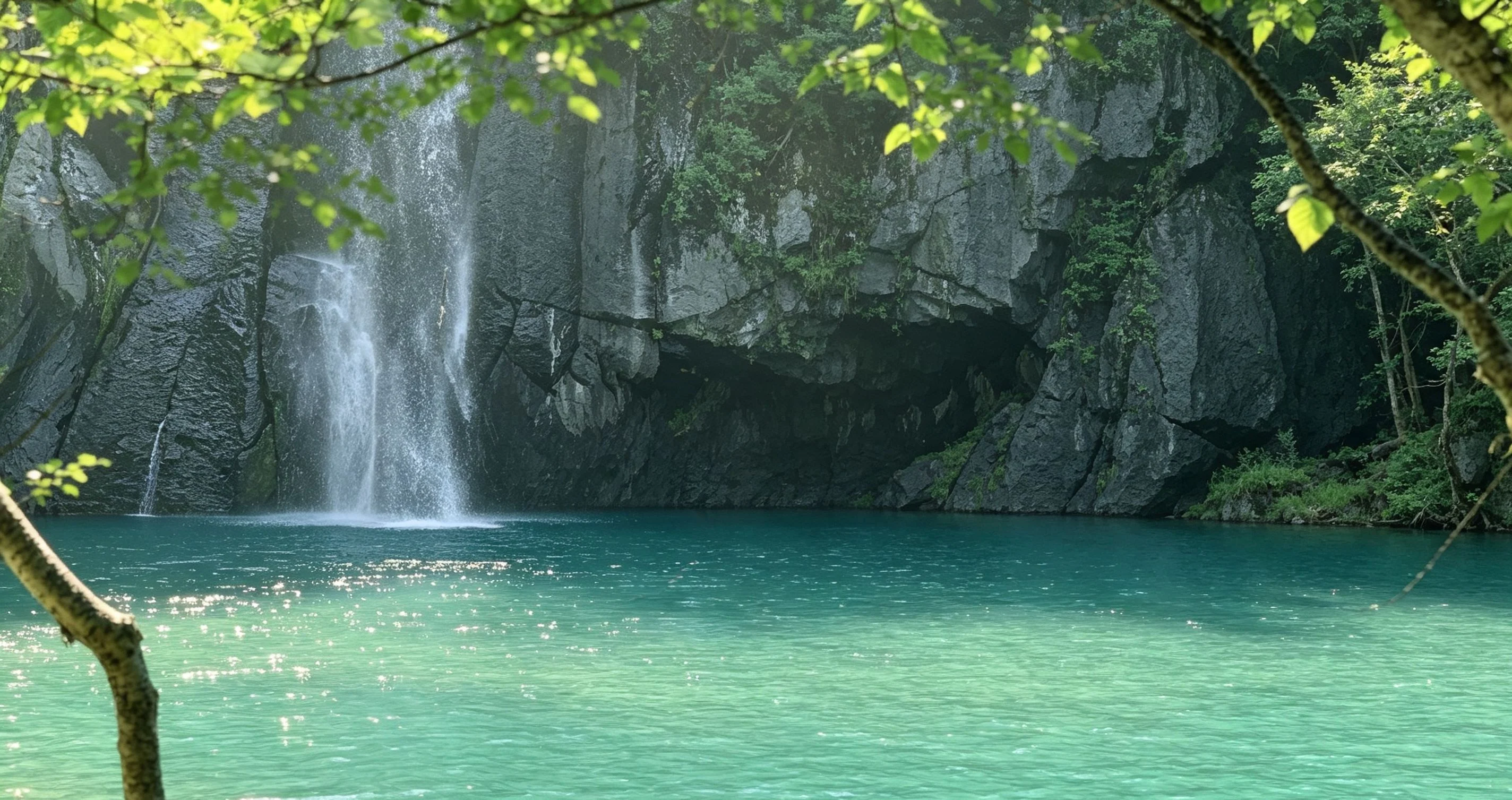
The North Slope scenic area features a pool with emerald-green water, making it a great spot for taking photos.
7. Alpine Garden – Summer Only (West Slope)
Wildflowers bloom in abundance on the alpine meadows of the western slope every July and August. The flowers will close after the blooming season.
8. Yalu River Grand Canyon – Border Scenery on the South Slope
Located on the south slope, it offers views of the border scenery of North Korea across the river.
V. Differences in travel seasons
The best time to visit is during the summer (June–August), when temperatures are comfortable and visibility at Tianchi Lake is at its highest. In June, the snow melts and the irises bloom in abundance; July and August are peak tourist season, so it is necessary to book accommodation and tickets in advance.
Autumn (September–October) is the peak season for photography, with relatively fewer tourists.
Winter (November–February) is suitable for skiing enthusiasts, but thorough preparation for the cold is necessary.
Spring (March–May) offers relatively monotonous scenery, and some attractions may be closed, so it is not recommended as a first choice.
VI. Travel Tips
Tickets and Reservations
Tickets have an expiration date:
North Slope/West Slope: Tickets are valid for 5 days (starting from the date of purchase) and allow multiple entries to the North Slope or West Slope within the validity period (but tickets for the three slopes are not interchangeable).
Cost Reference:
North Slope: Approximately 270 RMB (includes entrance fee, shuttle bus, etc.); West Slope: Approximately 190 RMB; South Slope: Approximately 190 RMB
Equipment list
The weather in Changbai Mountain changes very quickly, with a huge temperature difference between the mountaintop and the foot of the mountain – when it is 28°C at the foot of the mountain, Tianchi Lake may only be 12°C.
Summer Special Reminder: Even in July and August, a windproof and warm jacket is essential.
Winter Special Reminder: Temperatures can drop as low as -25°C, so a full set of cold-weather gear is necessary, including a thick down jacket, non-slip snow boots, and goggles.
Other useful tips:
Plan ahead: Regardless of which slope you visit, it will generally take a full day, including travel time and queuing.
The three slopes are not interconnected: To see all three slopes of Tianchi in one visit, it is recommended to allow 2-3 days.
Peak season booking: July and August are peak tourist season, so be sure to book your accommodation and tickets in advance.
Hot spring experience: After visiting Tianchi, soaking in a volcanic hot spring is a great way to relieve fatigue.
Disclaimer: This information is provided for reference only and was last updated on . Requirements and regulations may change. Always verify with official sources before making travel plans.