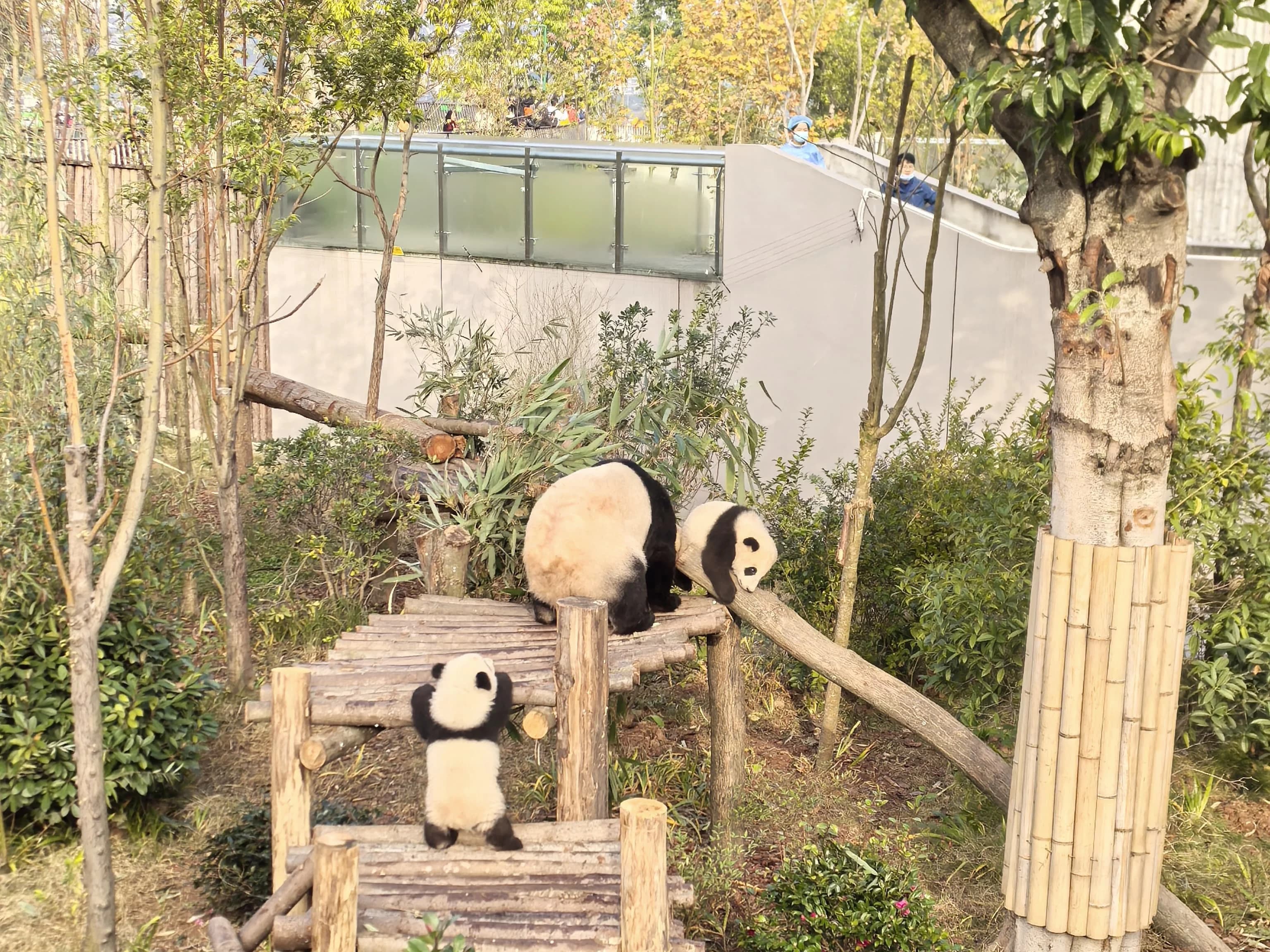

For most travelers in 2026, the best Chengdu Panda Base half-day plan is simple: arrive at opening time, spend 4 to 5 hours inside the park, focus on the nursery and villa areas first, and leave by early afternoon. This timing gives you the highest chance of seeing giant pandas eating, climbing, and interacting before the late-morning lull.
The Chengdu Research Base of Giant Panda Breeding is one of the easiest major attractions in Chengdu to do in half a day, but it only works well if you start early and use a clear route. Most visitors should aim to enter around 7:30 to 8:30 a.m., walk the high-interest zones before tour groups thicken, and use either Metro Line 3 plus the last-mile shuttle or a door-to-door private car from central Chengdu. In 2026, international travelers should also prepare digital payment, carry their passport, and book tickets in advance on a trusted platform or through a hotel concierge. If you only have one morning in Chengdu, this is the most efficient and rewarding panda visit.
Chengdu Panda Base half-day plan: the best 4 to 5 hour itinerary
The best Chengdu Panda Base half-day plan is a morning visit from opening until around noon, with the nursery and most popular panda enclosures visited first.
A half-day visit works because the site is large enough to feel substantial but focused enough that you do not need a full day unless you want a very slow pace or extensive photo stops. Most international visitors spend about 4 hours inside, plus 30 to 60 minutes each way for transport from Tianfu Square, Chunxi Road, or Taikoo Li.
7:30 to 8:00 a.m. arrival: Enter as close to opening as possible. Typical opening hours are around 7:30 to 18:00, with last entry usually earlier in the afternoon, but always verify the current schedule on the official channel before your visit.
8:00 to 9:00 a.m. panda nursery area: Go straight to the most in-demand giant panda houses and nursery zones. This is usually the best hour for active behavior and the shortest photo queues.
9:00 to 10:00 a.m. juvenile and adult villa zones: Continue to the sub-adult and adult panda enclosures. Pandas often remain active in cool weather, especially in spring and autumn mornings.
10:00 to 10:45 a.m. red panda area and quieter paths: The red pandas are often surprisingly active and are a highlight for many visitors. This period is also useful for escaping the densest crowd clusters.
10:45 to 11:30 a.m. museum, lake, or final photo stop: If the weather turns warm and the pandas rest, switch to the Giant Panda Museum or scenic paths instead of waiting at crowded railings.
11:30 a.m. to 12:00 p.m. exit: Leave before lunch traffic builds. This is the sweet spot if you want to continue to Wenshu Monastery, Kuanzhai Xiangzi, or a Sichuan hotpot lunch in the city.
This schedule is especially effective for first-time visitors, families with children, and photographers who want better light and cleaner viewing lines. The main mistake is arriving after 10 a.m., when the pandas are often asleep and the walkways feel much busier.
What to book or prepare before you go
Admission ticket: Standard adult admission is typically around ¥55, though official pricing and reservation rules can change by season or policy.
Sightseeing cart: If available, internal shuttle or sightseeing cart services are often around ¥30 and can save time on longer walking segments.
ID: Bring your passport; many attractions in China match the booking to your passport details.
Payment setup: Set up Alipay and WeChat Pay with your foreign bank card before arrival.
Weather gear: Chengdu can be humid and changeable, so carry water, a light rain layer, and comfortable walking shoes.
The base is in Chenghua District and commonly listed at No. 1375 Xiongmao Dadao, Chenghua District, Chengdu. Distances inside the park can add up to 4 to 6 km of walking, depending on your route and whether you use the internal transport.
Chengdu Panda Base best time to visit: why the morning visit wins
The Chengdu Panda Base best time to visit is early morning, ideally right at opening, because pandas are most active in cooler temperatures and crowds are more manageable.
This is the single most important planning decision. A Chengdu Panda Base morning visit gives you better behavior, softer light for photos, and shorter waits at the most famous enclosures. By late morning, many giant pandas move less, sit in shade, or sleep for long stretches.
If you can choose only one rule, choose this one: arrive early, not late.
Best months and weather patterns
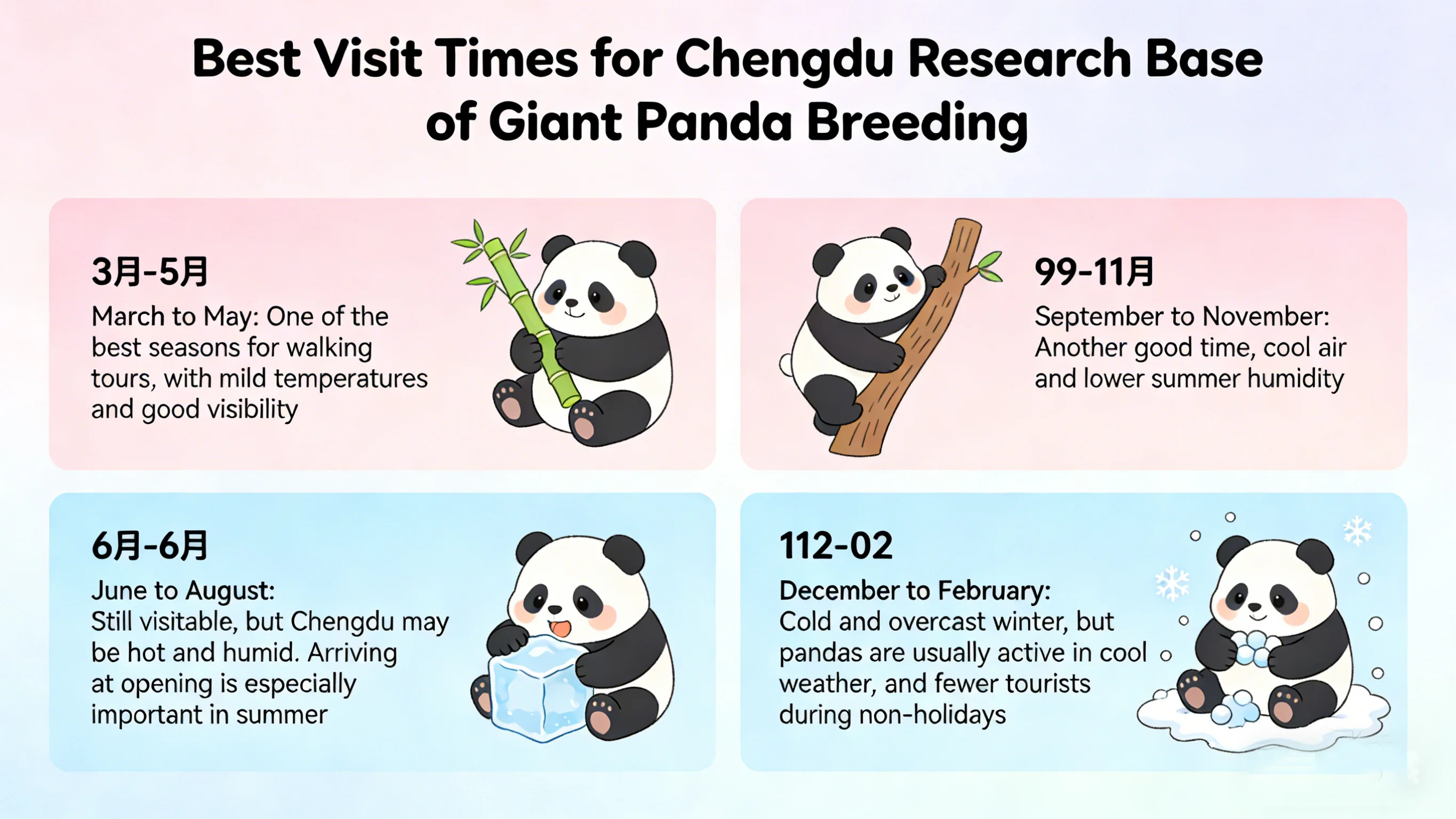
March to May: One of the most comfortable seasons for walking, with mild temperatures and generally pleasant visibility.
September to November: Another strong period, with cooler air and less summer humidity.
June to August: Still possible, but Chengdu can be hot and humid. In summer, arriving at opening is even more important.
December to February: Winter can be cold and gray, but pandas often remain active in cool conditions, and crowds may be lighter outside holiday periods.
Weekdays are usually better than weekends. Avoid major Chinese holiday windows if possible, especially Chinese New Year, Labor Day around May 1, and National Day Golden Week starting October 1, when domestic tourism volumes rise sharply across Chengdu and Sichuan.
How long should you stay?
Most travelers need 3.5 to 5 hours for a satisfying visit. If your goal is only to see giant pandas efficiently, 4 hours is enough; if you want slow photography, the museum, and frequent breaks, plan closer to 5 hours.
The base was founded in 1987 and developed into one of the best-known panda conservation institutions in China. That conservation identity is part of why mornings matter so much: visitors come to watch animal behavior, not just to tick off a landmark.
Best day-of-week strategy
Choose a Tuesday to Thursday slot if your itinerary allows.
Enter before 8:30 a.m..
Visit the most famous enclosures first, not last.
Leave heavier museum or scenic stops for the final hour.
The difference between an 8 a.m. arrival and an 11 a.m. arrival can completely change your experience.
Chengdu Panda Base half-day plan route: what to see first inside the park
The smartest Chengdu Panda Base route is to start with the highest-demand giant panda areas, then continue to adult villas, red pandas, and lower-pressure scenic stops before exiting around noon.
The park is large, green, and spread out, so wandering without a plan wastes your best morning window. Exact enclosure names and visitor flow can change, but the practical logic stays the same: do the headline panda zones first, then move outward as the crowds disperse.
Your first hour should be spent where the pandas are most visible, not where the paths are prettiest.
Entrance and park map: Pick up or photograph the official map as soon as you enter. This saves time if one area is temporarily crowded or closed.
Nursery or delivery-room style exhibits: These are usually the most popular sections for first-time visitors. If cub-related displays are operating, they draw the biggest early queues.
Juvenile and sub-adult panda villas: Younger pandas often show more movement and climbing behavior.
Adult giant panda enclosures: Spend time here next while the temperature is still relatively cool.
Red panda zone: Red pandas often surprise visitors with how active and photogenic they are. This area is often less crowded than the main giant panda viewing points.
Giant Panda Museum or scenic stop: Use this as your flexible final segment if the animals become less active.
Exit or internal shuttle out: Leave before midday congestion peaks on the outbound roads.
Walking route vs internal sightseeing cart
Walking gives you the best flexibility, but it requires stamina. A typical self-guided loop can easily reach 4 km, and a more complete circuit may approach 6 km.
Choose walking if you are fit, want more photo opportunities, and arrived very early.
Choose the sightseeing cart if you are visiting with children, older parents, or in hot summer weather.
Mix both if you want to save energy for the second half of the visit.
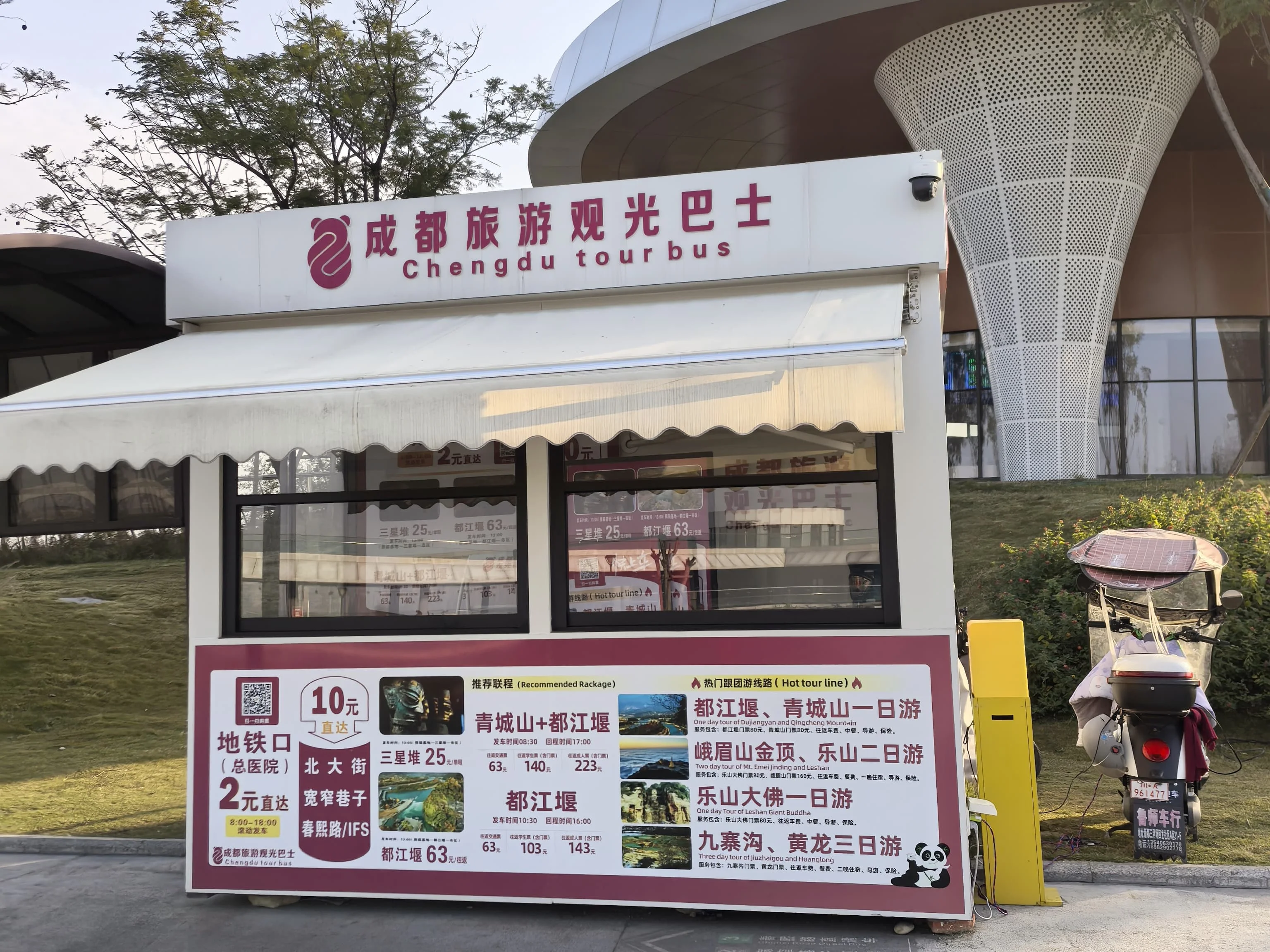
For most travelers, the best route is not the shortest route but the one that protects the first two hours. In panda viewing, sequence matters more than total distance.
Practical route tips for first-time visitors
Stand slightly back from the first railing if it is crowded; you often get a better photo angle from the side.
Do not spend 20 minutes waiting at one sleeping panda if there are multiple active enclosures nearby.
Use toilet and snack breaks after 10 a.m., not during the peak panda activity window.
If traveling with kids, agree on one meeting point in case your group splits on busy paths.
Keep your park ticket or booking confirmation accessible in your phone and screenshots folder.
The Chengdu Research Base of Giant Panda Breeding is both a conservation center and a major tourism site, so visitor flow changes through the day. A disciplined route is what turns a large park into a realistic half-day attraction.
How to get to Chengdu Panda Base: metro guide vs private transfer
The easiest budget option is Metro Line 3 plus the last-mile shuttle or taxi, while the easiest comfort option is a Chengdu Panda Base private transfer from your hotel.
For independent travelers, this choice comes down to time, budget, luggage, and language confidence. The metro is cheap and straightforward; a private car is faster door to door and reduces transfer friction, especially for families or very early departures.
If you want the lowest stress, book a private transfer; if you want the lowest cost, use Metro Line 3.
Chengdu Panda Base metro guide
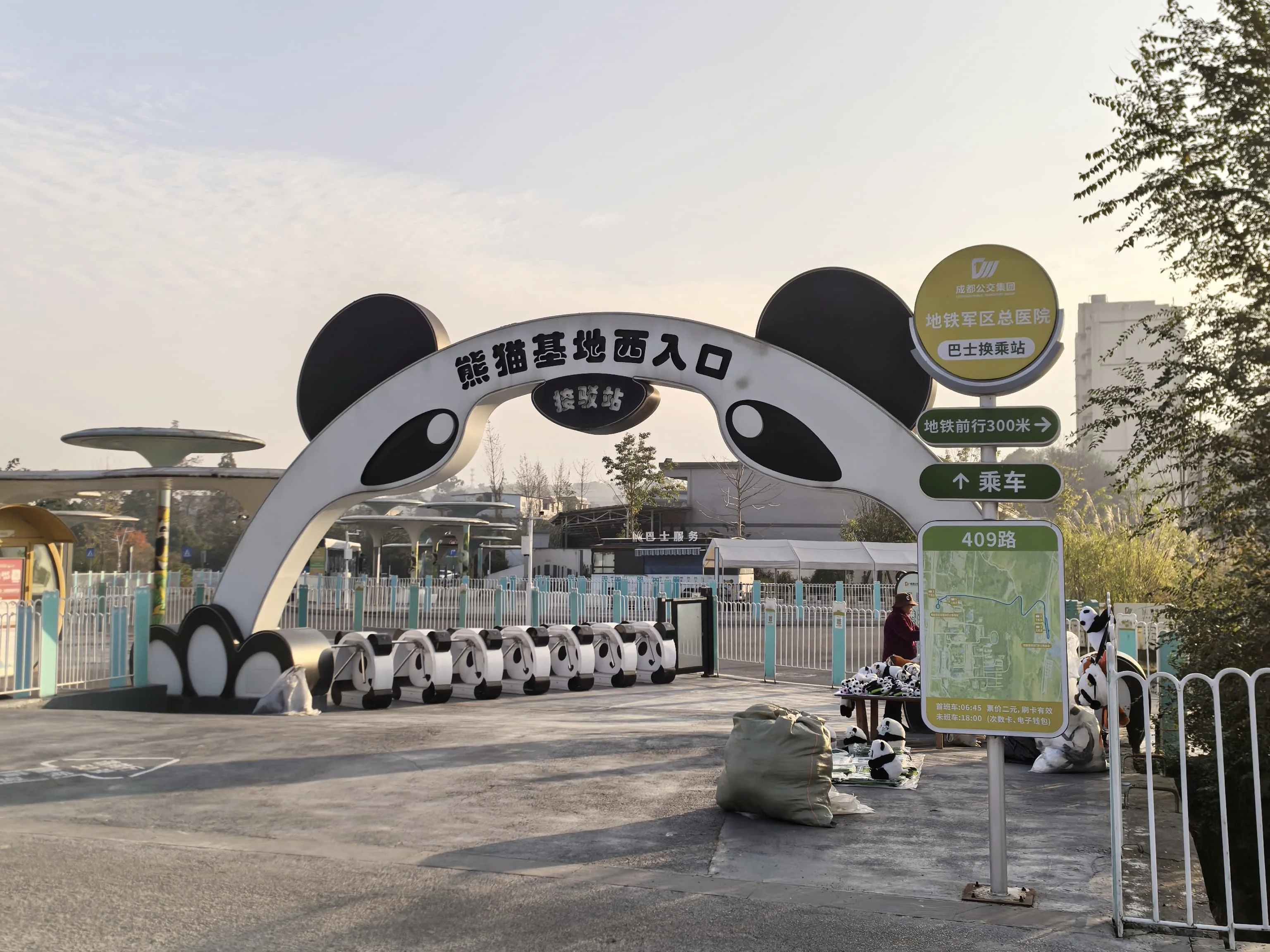
The standard Chengdu Panda Base metro guide is to take Metro Line 3 to Panda Avenue Station, then complete the final segment by shuttle, taxi, or ride-hailing car. From Panda Avenue Station to the base is roughly 3 km, so it is not usually the best idea to walk unless the weather is mild and you are traveling light.
From central areas such as Chunxi Road or Taikoo Li, Metro Line 3 is usually the easiest connection. Travel time from central Chengdu to Panda Avenue Station is often around 25 to 40 minutes, depending on your exact starting point and transfer needs.
Start early from your hotel, ideally before 7:00 a.m..
Take the metro to Panda Avenue Station on Line 3.
Follow signs for the panda base shuttle, taxi area, or ride-hailing pickup point.
Allow 10 to 20 minutes for the last-mile transfer, depending on queues and traffic.
Estimated metro cost: usually around ¥4 to ¥7 from central Chengdu.
Last-mile taxi or shuttle: commonly around ¥10 to ¥25, depending on method and demand.
Total metro-based journey: usually 40 to 60 minutes from the city center.
This is the best-value answer to how to get to Chengdu Panda Base if you are traveling light and do not mind one extra transfer step.
Taxi, Didi, and Chengdu Panda Base private transfer
A regular taxi or Didi ride from Tianfu Square, Chunxi Road, or the South Railway Station area often takes 25 to 45 minutes, depending on traffic. Typical one-way fares are often around ¥35 to ¥70 from central districts, with higher prices at peak traffic times.
A Chengdu Panda Base private transfer is the smoothest option if you want hotel pickup, fixed communication, and no need to navigate the last mile from the metro. In 2026, private transfer rates commonly fall in the ¥80 to ¥180 range one way for a standard city-center pickup, depending on vehicle type, language support, and waiting time.
Best for metro: solo travelers, couples, and budget-conscious visitors.
Best for taxi or Didi: travelers starting very early or staying outside a metro-friendly area.
Best for private transfer: families, seniors, groups, photographers with gear, and anyone tight on time.

You can usually arrange a private car through your hotel, a local agency, or major travel platforms such as Trip.com. If you book independently, confirm whether the price includes parking, waiting time, and return pickup.
Which transport should you choose?
Choose metro if saving money matters most and your hotel is near a subway line.
Choose Didi or taxi if you want a simple one-step ride without pre-booking.
Choose private transfer if your group wants the fastest, least stressful morning.
For a true half-day plan, transport reliability matters almost as much as your route inside the park.
Travel essentials for international visitors in 2026
International visitors can do the panda base easily in 2026, but the visit runs better if you prepare passport access, digital payment, transport apps, and a basic China travel backup plan.
Chengdu is one of the easiest Chinese cities for foreign travelers, but attractions still work more smoothly when your essentials are set up in advance. A panda visit starts early, and early starts are exactly when app, ticket, or payment problems are most frustrating.
The panda base is foreigner-friendly, but China travel is still app-driven.
Visa and entry basics
China's entry rules have become more flexible for many nationalities, and some travelers can use expanded visa-free arrangements or the 240-hour transit policy depending on passport and itinerary. However, rules vary by nationality and can change, so check the Chinese embassy or consulate website for your country before booking.
Keep your passport with you on the day of the visit. In China, major attractions, trains, and some bookings may require passport matching even when the ticket is digital.
Payment, apps, and connectivity
Alipay and WeChat Pay: Most travelers should link a foreign Visa, Mastercard, or other supported card before arrival.
Didi: The main ride-hailing app and often the easiest way to return to the city after your visit.
Trip.com: Useful for attraction tickets, train bookings, and hotel support in English.
Offline map backup: Save the attraction name and hotel address in English and Chinese.
Small cash reserve: Carry ¥100 to ¥200 for backup, even though Chengdu is heavily cashless.
If your foreign card does not work smoothly in one app, try another before travel day. Also save a screenshot of the attraction name in Chinese: 成都大熊猫繁育研究基地.
Safety, etiquette, and comfort
Safety: Chengdu is generally safe for solo travelers, including solo women, in the main tourist zones and on the metro.
Crowd etiquette: Expect busy railings at top enclosures. Move on if a viewing point is jammed rather than forcing a long wait.
Food and water: Bring water and a small snack, especially if you are entering at opening and do not want to pause early.
Weather: Summers are humid; winters can be damp and chilly. A light layer is useful year-round.
Toilets and signs: Tourist infrastructure is good, but bilingual signage can vary by zone, so a screenshot map helps.
Many travelers pair the panda base with a relaxed Chengdu afternoon: People's Park, Renmin Gongyuan, Wenshu Yuan, or Jinli are all easy follow-up choices. That is why the morning-only plan works so well: you see pandas at their best, then keep the rest of the day free.
Frequently Asked Questions
How much does Chengdu Panda Base cost in 2026?
Standard adult admission is typically around ¥55, while optional internal sightseeing cart services are often around ¥30. Prices and booking rules can change, so check the latest official listing or a reliable booking platform before you go.
Is 4 hours enough for a Chengdu Panda Base half-day plan?
Yes, 4 hours is enough for most first-time visitors if you arrive early and follow a clear route. It is usually enough time to see the main giant panda areas, red pandas, and one extra stop such as the museum or lake area.
What is the best metro stop for the panda base?
The usual metro stop is Panda Avenue Station on Metro Line 3. From there, most visitors take a shuttle, taxi, or ride-hailing car for the final roughly 3 km to the entrance.
Is a Chengdu Panda Base private transfer worth it?
Yes, it is worth it if you want the least stressful early start, are traveling with family, or have limited time in Chengdu. A private transfer costs more than the metro, but it saves the last-mile transfer and usually gets you to the gate faster.
Can foreign visitors use Alipay and WeChat Pay at the panda base?
In most cases, yes. In 2026, international travelers can usually link supported foreign bank cards to Alipay and WeChat Pay, but it is wise to test both apps before the day of your visit and carry a small cash backup.
Is the panda base safe for solo travelers?
Yes, the Chengdu Research Base of Giant Panda Breeding is generally safe for solo travelers, including those visiting early in the morning. Use normal city precautions, keep your passport secure, and rely on official taxis, the metro, or Didi for transport.
Disclaimer: This information is provided for reference only and was last updated on . Requirements and regulations may change. Always verify with official sources before making travel plans.