historicalChengdu
Chengdu Research Base of Giant Panda Breeding
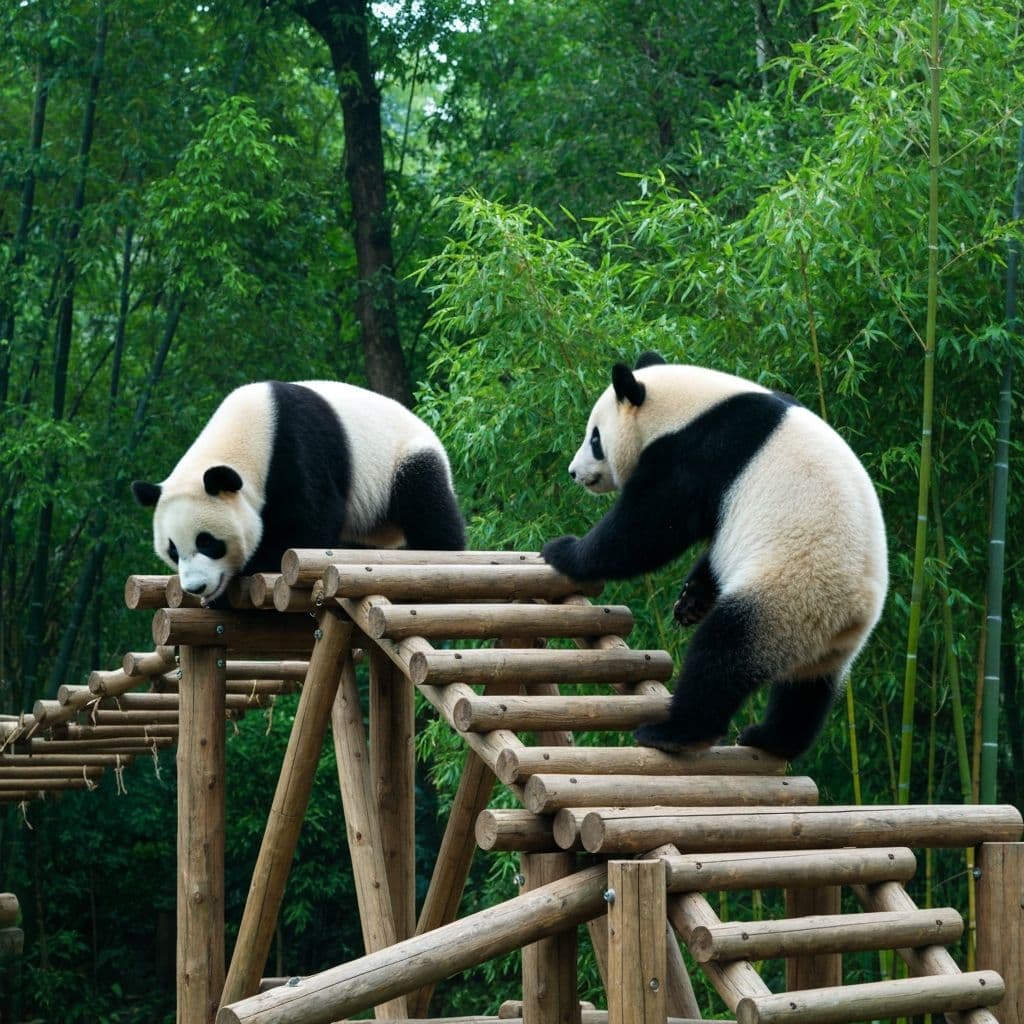
The Chengdu Research Base of Giant Panda Breeding, located near the city center, is a world-renowned conservation park dedicated to protecting and breeding endangered giant pandas in a naturalistic habitat. Visitors can observe pandas of all ages, from cubs to adults, as well as red pandas. It serves as both a panda sanctuary and a scenic park, making it a popular destination for wildlife enthusiasts and families in Sichuan.
Opening Hours
summer:7:30 AM - 5:00 PM;winter:8:00 AM - 5:00 PM
Ticket Price
Adult ticket:¥55;60+elder free
Location
1375 Panda Road, Chenghua District, Chengdu
Overview
This is arguably the most famous panda reserve in the world, offering the highest chance of seeing multiple pandas in one place. What makes it special is the "Moon Nursery" where tiny cubs are often visible, and the immersive, forest-like design that feels less like a zoo and more like a sanctuary. A typical visit lasts 3 to 4 hours, though enthusiasts often stay longer. The best time to visit is early morning, specifically during feeding hours between 8:00 and 10:00 AM, when the animals are most active; they tend to sleep through the heat of the day. For photography, use a zoom lens to capture details without disturbing the animals, and be prepared for crowds near the main enclosures.
How to Get There
The Chengdu Research Base of Giant Panda Breeding is conveniently located on Panda Avenue in Chenghua District, Chengdu. You can take Metro Line 3 to the Chengdu Research Base of Giant Panda Breeding Station, then transfer to the Panda Base minibus 408 or take a taxi. Alternatively, you can take shuttle bus lines 1, 3, or 5 from Chunxi Road/Kuanzhai Alley/Wuhou Temple. For real-time navigation, we recommend using Gaode Maps or Baidu Maps, which provide the most accurate local routes and public transportation information. After entering the park, if you have limited energy, we strongly recommend purchasing a 30 RMB sightseeing bus ticket for transportation. If you want to see the famous panda "Hua Hua," we suggest entering from the South Gate and heading directly to the baby panda villa. If your international flight has a layover of more than 6 hours, you can also take a free "Scenic Area Shuttle Bus" from the airport and enjoy bilingual (Chinese and English) guided tours directly to the base.
What to Expect
The base features wide, paved paths and wooden boardwalks winding through hilly, forested terrain, requiring a moderate amount of walking. Comfortable sneakers are highly recommended. The site is well-equipped with clean restrooms, several souvenir shops selling panda-themed merchandise, and cafes or food vendors scattered throughout the park for snacks and meals.
Practical Tips
- 1Arrive early (before 8:00 AM) to see pandas active during feeding time.
- 2Book tickets in advance online to skip the ticket office queues.
- 3Wear comfortable walking shoes as the base covers a large area.
- 4Visit the nursery first to see the youngest pandas before they fall asleep.
- 5No loud noises or banging on the glass! The panda will be scared and hide.
Share This Attraction
Found this helpful? Share it with fellow travelers!


Explore Chengdu
Discover more attractions, food, and travel tips for Chengdu.
View destination
More Attractions to Explore

Chengdu·historical
Chengdu Museum
Chengdu Museum, a renowned historical site in Chengdu, is conveniently located in Tianfu Square and is famous for showcasing Chengdu's history from ancient Shu civilization to modern Sichuan. For visitors, the museum is an excellent place to learn about Chengdu's rich urban history, with its collections covering life in western China during the Qin and Han dynasties, Tang and Song dynasties, and Ming and Qing dynasties.
Chengdu·historical
Dujiangyan
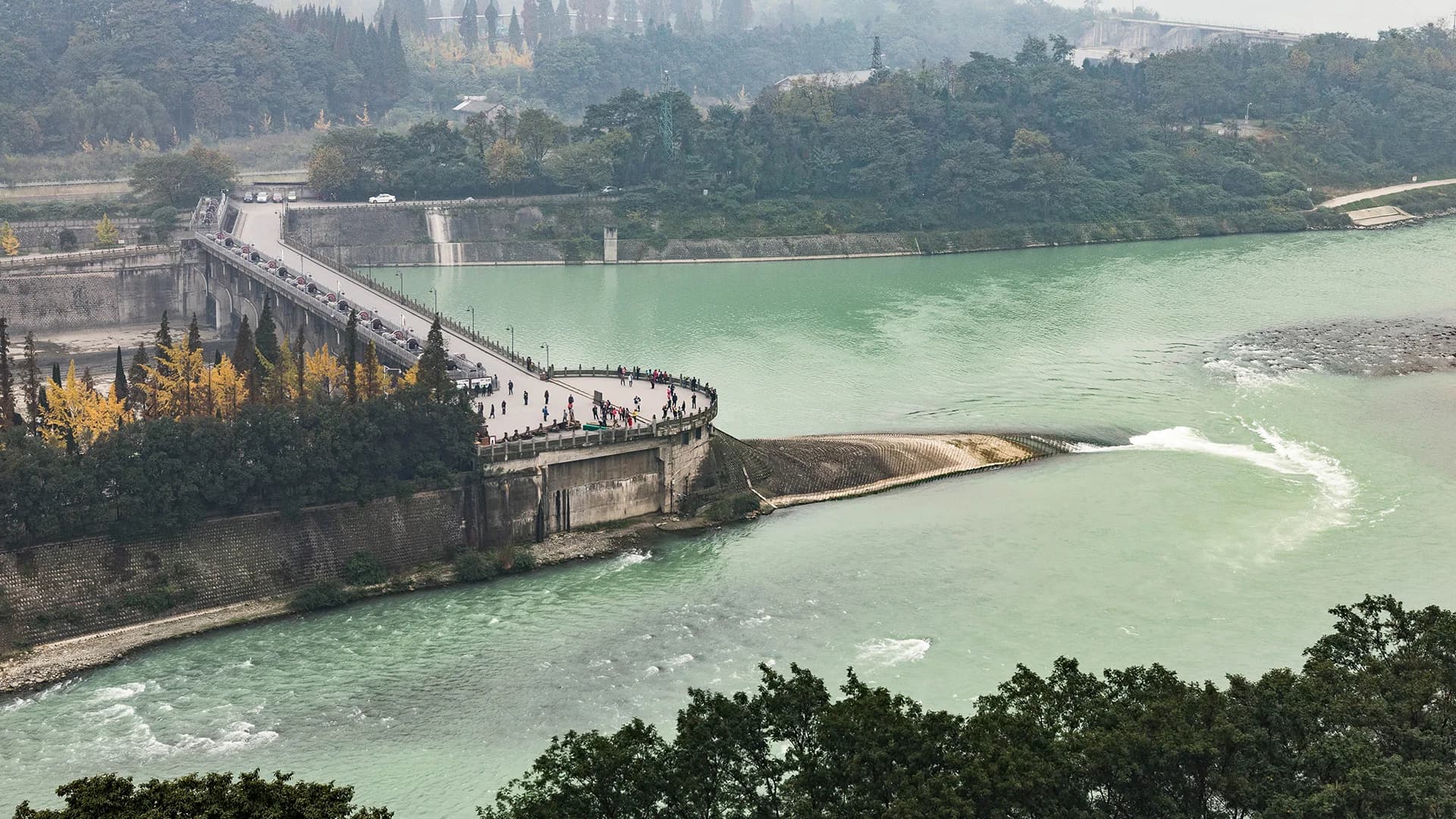
"Dujiangyan is a historical attraction near Chengdu in Sichuan, known for its 2,200-year-old flood-control and irrigation system that still works today." Built in 256 BCE during the Qin period by Li Bing and his son, it is one of China’s most important examples of ancient engineering and a UNESCO World Heritage Site. Key features include Yuzui, Feishayan, and Baopingkou, names you will often see on signs inside the scenic area.
Chengdu·historical
Mount Emei
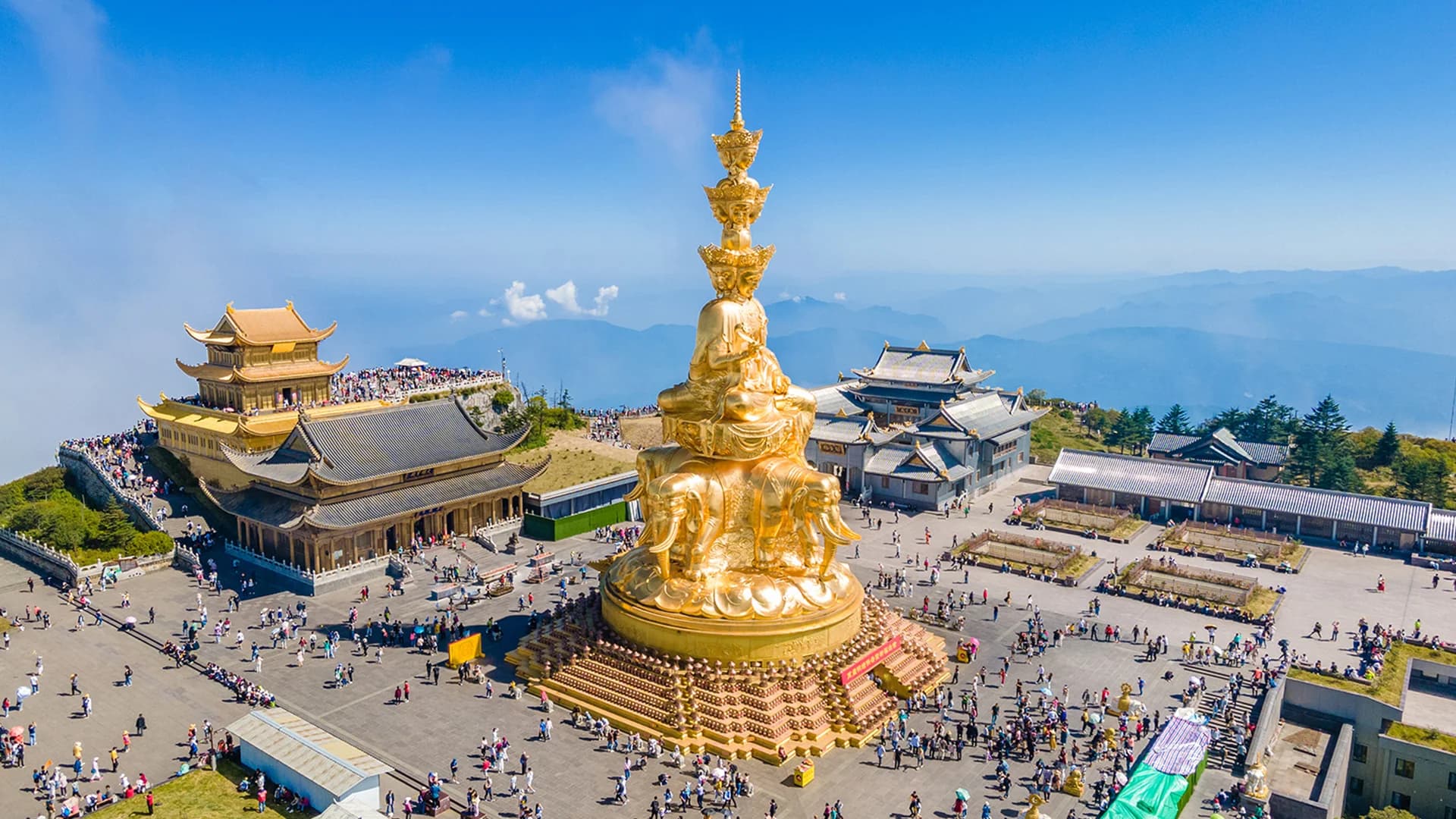
Mount Emei is a historical site near Chengdu, renowned for its sacred Buddhist temples, magnificent mountain scenery, and one of China's most important pilgrimage routes. The best time to visit is spring and autumn, especially April to June and September to November, when temperatures are milder and the sea of clouds is at its most spectacular.