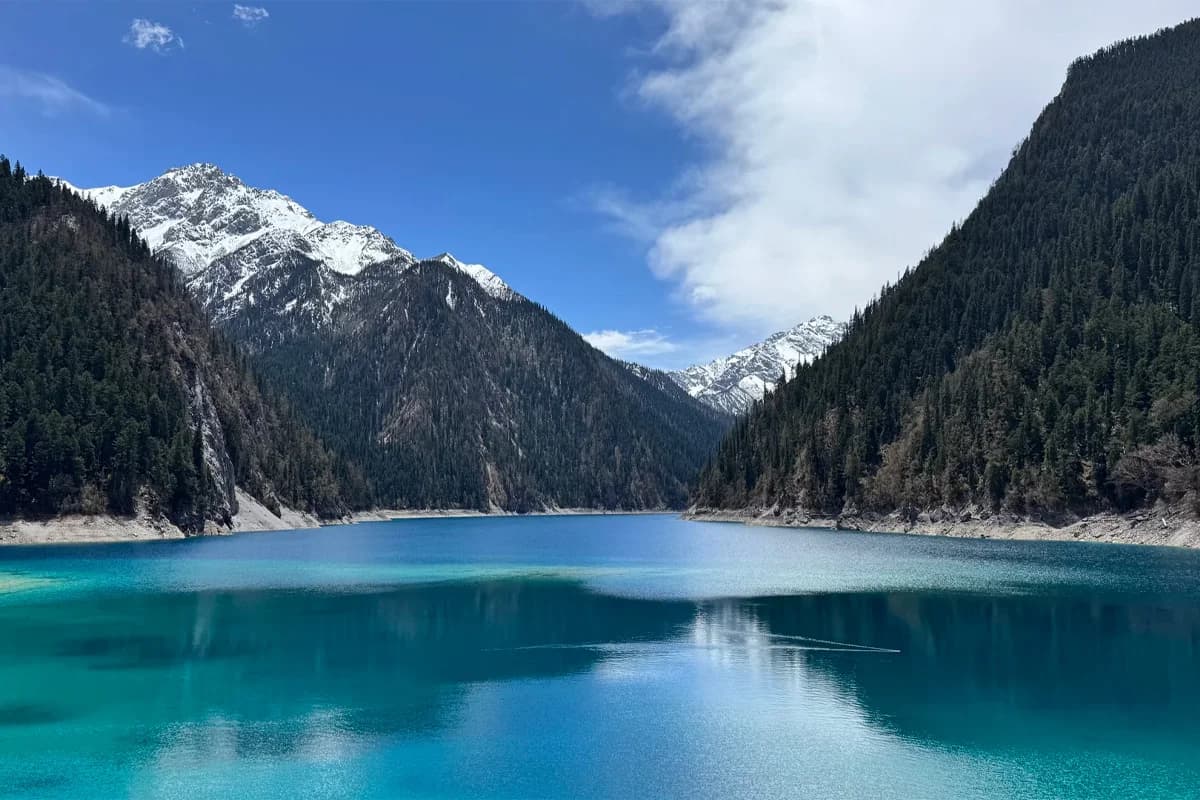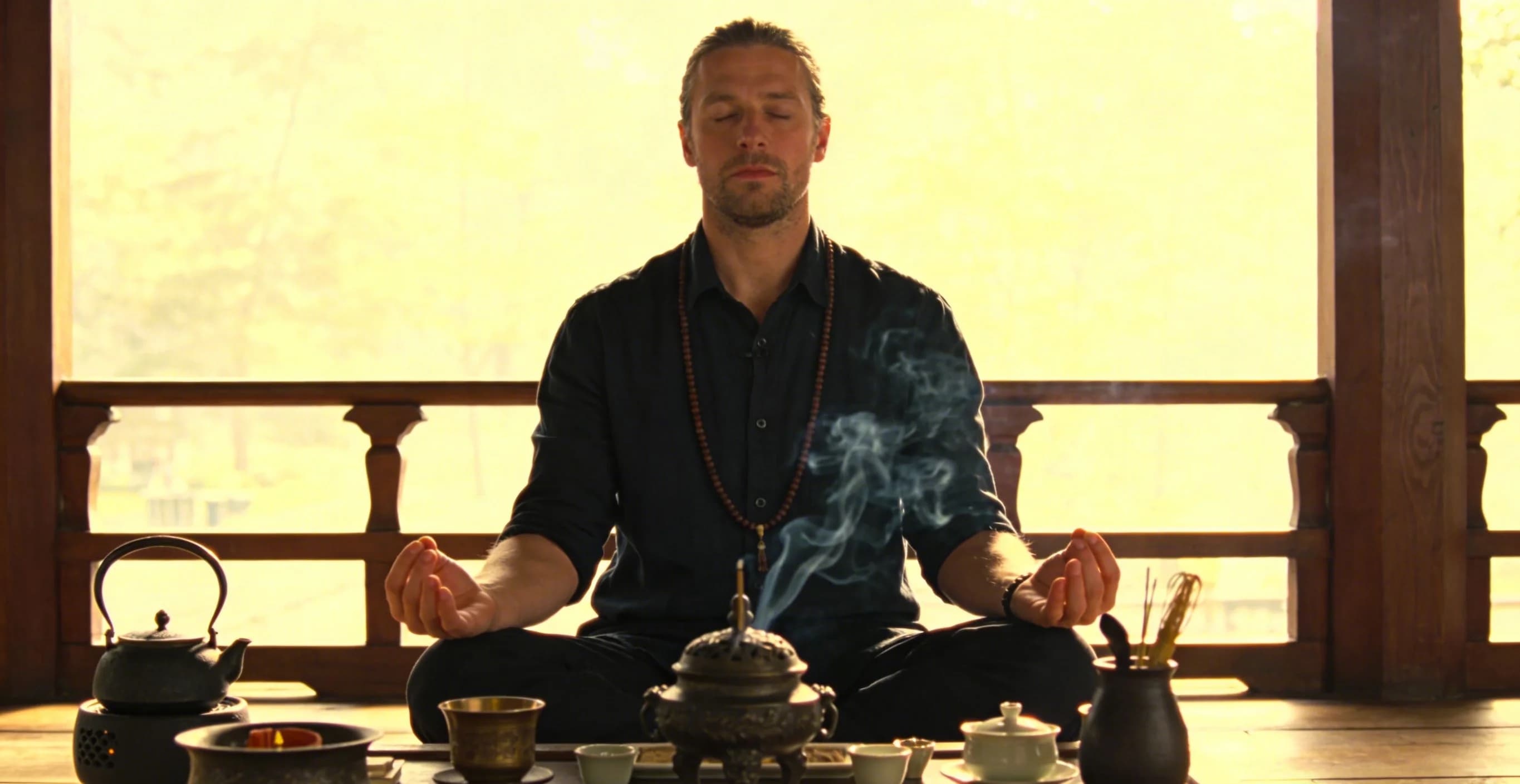

In our fast-paced, hyper-connected world, the ancient pursuit of inner peace has never felt more essential. For centuries, China has been a cradle of contemplative practices, offering profound pathways to tranquility. This guide is your gateway to experiencing authentic meditation and wellness in China, blending timeless spiritual traditions with the stunning natural landscapes that make this journey so unique.
Whether you seek the silent discipline of a Zen temple stay or the flowing movements of a qigong retreat, China provides a powerful setting for personal transformation. We will navigate the practicalities of travel while highlighting five exceptional destinations where you can disconnect from the noise and reconnect with yourself. Let's begin your journey toward mindfulness travel in China.
Essential Travel Tips for Your Wellness Journey in China
Planning a trip focused on meditation and wellness in China requires some specific preparation. While the goal is inner peace, handling logistics smoothly will help you stay centered from the start. Here’s what you need to know for a seamless experience in 2026.
Visas and Entry Requirements
Most international travelers need a visa to enter China. Apply at your nearest Chinese embassy or consulate well in advance of your trip. You'll typically need a completed application form, your passport, a recent photo, and proof of your travel itinerary. Double-check the latest requirements, as policies can change.
Money and Payments
While major cities are increasingly accepting digital payments like Alipay, having cash (Chinese Yuan, CNY) is crucial for visits to remote temples or smaller wellness centers. Inform your bank of your travel plans to avoid your cards being blocked. ATMs are widely available in cities but less common in rural retreat areas.
Getting Around
China's high-speed rail network is efficient and comfortable, ideal for traveling between cities. For reaching more secluded mountain temple meditation sites, you may need to combine trains with buses or taxis. Download a translation app and have your destination written in Chinese characters to show drivers.
Staying Safe and Healthy
China is generally a very safe country for travelers. As with any trip, keep your valuables secure. Drink bottled water, especially outside major urban centers. It's also wise to have travel insurance that covers medical evacuation, particularly if you're heading into remote areas for your wellness retreat.
5 Unforgettable Destinations for Meditation and Wellness in China
Now, let's explore the heart of your journey. These five locations offer distinct approaches to wellness, from ancient Buddhist mountains to serene hot springs. Each provides a unique environment to practice mindfulness and find deep relaxation.
1. Songshan Mountain, Henan: The Birthplace of Zen and Shaolin Qigong
Songshan Mountain is a powerhouse of Chinese spiritual heritage, home to the legendary Shaolin Temple. This is the ultimate destination for a qigong retreat China experience rooted in martial arts and mindfulness. The energy here is palpable, steeped in over 1,500 years of Zen history.
You can participate in programs that teach Shaolin kung fu and qigong, disciplines designed to harmonize body and mind. The surrounding mountain scenery provides a majestic backdrop for hiking and contemplation. A stay here is more than a retreat; it's an immersion into a living tradition.
Wellness Focus: Zen meditation, Shaolin qigong, martial arts.
Best For: Those seeking a disciplined, active approach to wellness.
Practical Tip: Book a temple stay program in advance through reputable agencies.
2. Mount Wudang, Hubei: A Taoist Sanctuary for Internal Alchemy
If Songshan is about Zen Buddhism, Mount Wudang is the epicenter of Taoist practice. This UNESCO World Heritage site is famous for its ancient monasteries clinging to misty peaks. It's the perfect place to delve into Taoist wellness practices like tai chi and internal alchemy.
The focus here is on cultivating Qi, or life force energy, through gentle, flowing movements and meditation. The architecture of the temples is designed in harmony with the natural landscape, enhancing the feeling of being part of a greater whole. It’s an ideal setting for a profound digital detox retreat China experience.
Wellness Focus: Tai chi, Taoist meditation, Qi cultivation.
Best For: Travelers interested in philosophy, gentle movement, and breathtaking scenery.
Practical Tip: Spring and autumn offer the most comfortable weather for hiking and outdoor practice.
3. Hangzhou, Zhejiang: Serene Lakeside Tea Meditation
For a more accessible yet deeply calming experience, the city of Hangzhou is unparalleled. Famous for its West Lake, Hangzhou is the heartland of Chinese tea culture. Here, wellness is found in the slow, deliberate ritual of a tea meditation experience.
You can visit tranquil tea plantations in the surrounding hills, such as Longjing, and learn the art of tea preparation. This practice is a form of active mindfulness, requiring focus on the senses of smell, sight, and taste. Combine this with walks around the lake for a perfectly balanced urban wellness escape. This is a wonderful option for a shorter mindfulness travel China trip.
Wellness Focus: Tea ceremony, lakeside walks, mindful dining.
Best For: Travelers who want a blend of culture, nature, and gourmet experiences.
Practical Tip: Stay in a guesthouse near West Lake to wake up to serene views every morning.
4. Yunnan Province: Himalayan Foothills and Yoga Retreats
Yunnan offers a dramatically different landscape, with its Himalayan foothills and rich ethnic diversity. The fresh air and stunning vistas around towns like Lijiang and Shangri-La make it a premier destination for a yoga retreat in China. The energy is expansive and uplifting.
Several retreat centers combine daily yoga sessions with opportunities to explore local Naxi and Tibetan cultures. The proximity to Tibet infuses the area with a distinct spiritual atmosphere. It’s an excellent choice for those looking to combine physical practice with cultural immersion and high-altitude hiking.
Wellness Focus: Hatha and Vinyasa yoga, pranayama (breathwork), cultural connection.
Best For: Nature lovers and yoga enthusiasts seeking high-altitude inspiration.
Practical Tip: Acclimatize to the altitude for a day or two before engaging in strenuous activity.
5. Tengchong, Yunnan: Volcanic Landscapes and Healing Hot Springs
For a wellness journey centered on physical rejuvenation, head to Tengchong. This region is known for its volcanic geology, which gifts it with numerous natural healing hot springs China is famous for. The mineral-rich waters are believed to have therapeutic properties for the skin and muscles.
After a day of hiking through volcanic parks or visiting ancient villages, soaking in a hot spring is the perfect way to unwind. The combination of natural heat and beautiful surroundings creates a deeply restorative experience. It complements the more mentally focused practices found elsewhere, offering a holistic approach to meditation and wellness in China.
Wellness Focus: Thermal bathing, nature therapy, light hiking.
Best For: Those seeking physical relaxation and a unique geological setting.
Practical Tip: Visit one of the many public bathhouses for an authentic local experience.
Choosing the Right Retreat for You
With so many options for a China wellness retreat, selecting the right one is key to a fulfilling trip. Your choice should align with your personal goals, fitness level, and comfort with different cultural settings. Ask yourself what you hope to achieve.
Are you looking for silence and strict discipline, or a more flexible schedule that allows for exploration? Do you want to focus on physical activity like yoga, or on quieter practices like meditation? Answering these questions will guide you toward the perfect meditation retreat China experience.
For Deep Spiritual Immersion: Consider a structured program at a temple like those on Songshan or Wudang mountains.
For a Gentle Introduction: A retreat in Hangzhou or a yoga retreat in China in Yunnan might be more suitable.
For Complete Relaxation: The hot springs of Tengchong offer a passive but deeply healing environment.
Embracing the Journey of Spiritual Travel in China
Embarking on a quest for meditation and wellness in China is a form of spiritual travel in China that goes beyond typical tourism. It's an opportunity to engage with ancient wisdom traditions in their native land. Approach this journey with an open heart and mind, ready to absorb the lessons of the environment.
Be respectful of local customs, especially within sacred spaces. Dress modestly at temples, speak softly, and always ask permission before taking photographs. The rewards of this respectful approach are immense—you'll gain not just photos, but profound experiences and a renewed sense of peace that will stay with you long after you return home.
Disclaimer: This information is provided for reference only and was last updated on . Requirements and regulations may change. Always verify with official sources before making travel plans.