
Huanglong and Jiuzhaigou are best visited together on a 3-day trip, with one full day for Huanglong National Park and one full day for Jiuzhaigou Valley, plus a transfer day from Chengdu or Songpan. In 2026, this remains one of the most efficient high-altitude nature itineraries in Sichuan for international visitors who want clear logistics, manageable walking routes, and strong value from a short China itinerary.
For most travelers, the smartest plan is to enter via Jiuzhai Huanglong Airport (JZH) or high-speed rail to Huanglong Jiuzhai Station, sleep near Jiuzhaigou, visit Huanglong first if the weather is clear, then spend a full day inside Jiuzhaigou Valley on the shuttle network. This route reduces backtracking and helps you manage altitude, because Huanglong sits around 3,000 to 3,500 meters while Jiuzhaigou is generally lower and easier for longer sightseeing. If you are searching for a practical Huanglong and Jiuzhaigou itinerary in 2026, the answer is simple: keep transport tight, start early, and reserve enough time for weather and altitude adjustment.
Huanglong and Jiuzhaigou itinerary: the best 3-day plan for first-time visitors
The best Huanglong and Jiuzhaigou itinerary for most international travelers is Chengdu to Jiuzhai on Day 1, Huanglong National Park on Day 2, and Jiuzhaigou Valley on Day 3 before returning. This order works because Huanglong is more altitude-sensitive, while Jiuzhaigou is better for a long scenic day after you have already adapted.
Day 1: Chengdu to Jiuzhaigou area
The fastest option in 2026 is usually a domestic flight from Chengdu Tianfu International Airport (TFU) or Chengdu Shuangliu International Airport (CTU) to Jiuzhai Huanglong Airport (JZH), followed by a 1.5 to 2-hour road transfer. The airport is about 88 km from Jiuzhaigou scenic area and roughly 53 km from Huanglong, so your hotel location should match the order of your sightseeing.
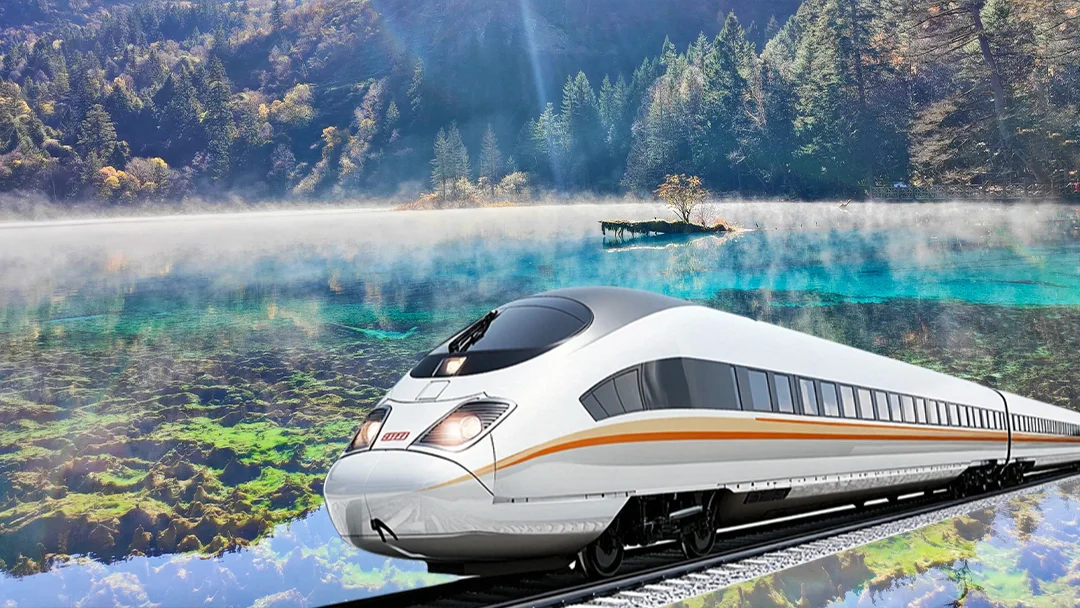
If you prefer rail, take the high-speed train from Chengdu East Railway Station to Huanglong Jiuzhai Station, then continue by tourist bus or private car. The rail option can be more comfortable in bad weather and reduces the risk of mountain flight delays.
Recommended base: Zhangzha Town near Jiuzhaigou entrance for easier early entry on Day 3.
Typical hotel range: budget guesthouses from about ¥180 to ¥300, mid-range hotels from ¥350 to ¥700, upscale resorts above ¥900.
Useful arrival apps: Trip.com, Ctrip, Alipay, WeChat, Amap (Gaode Ditu), and Baidu Maps.
Best evening task: buy snacks, prepare cash backup, and confirm next-day driver or bus time.
Day 2: Jiuzhaigou Valley guide for a full scenic day
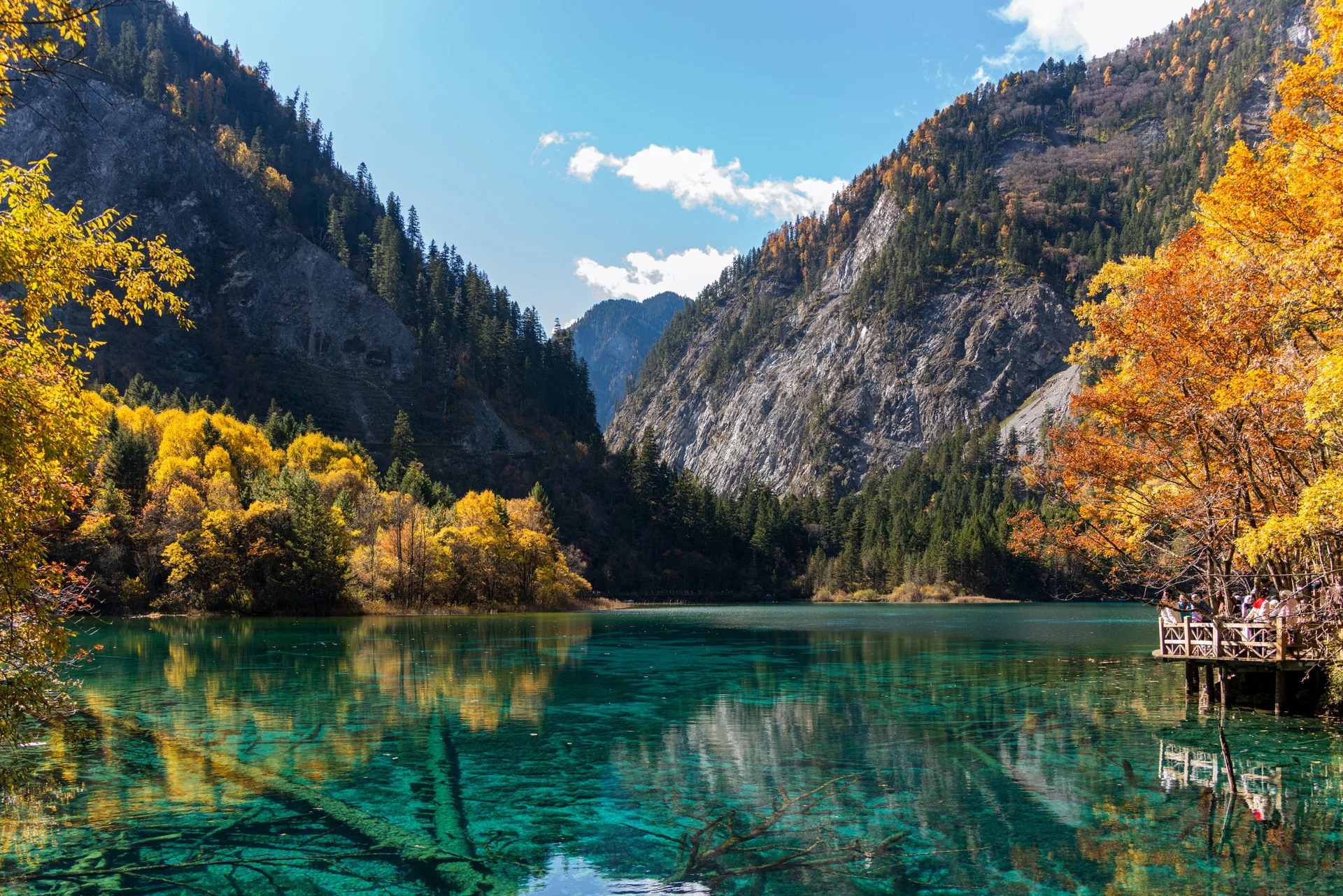
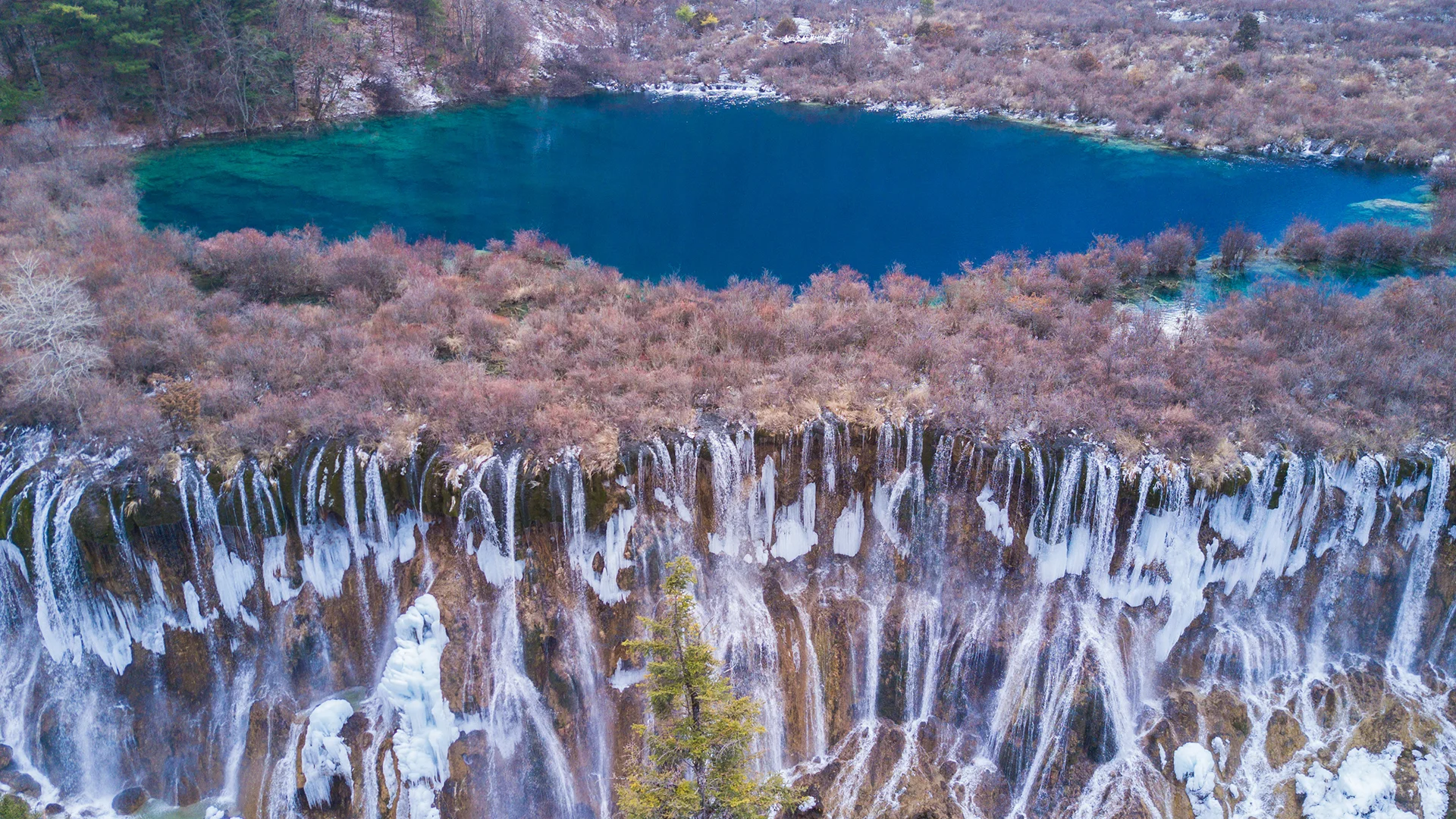
Jiuzhaigou Valley is a full-day destination, and the most efficient strategy is to enter at opening time, ride the internal eco-bus to the upper sections, and walk downhill through the highlight lakes. Jiuzhaigou is a UNESCO World Heritage Site famous for multicolored lakes, waterfalls, Tibetan villages, and forested valleys in the Aba Tibetan and Qiang Autonomous Prefecture.
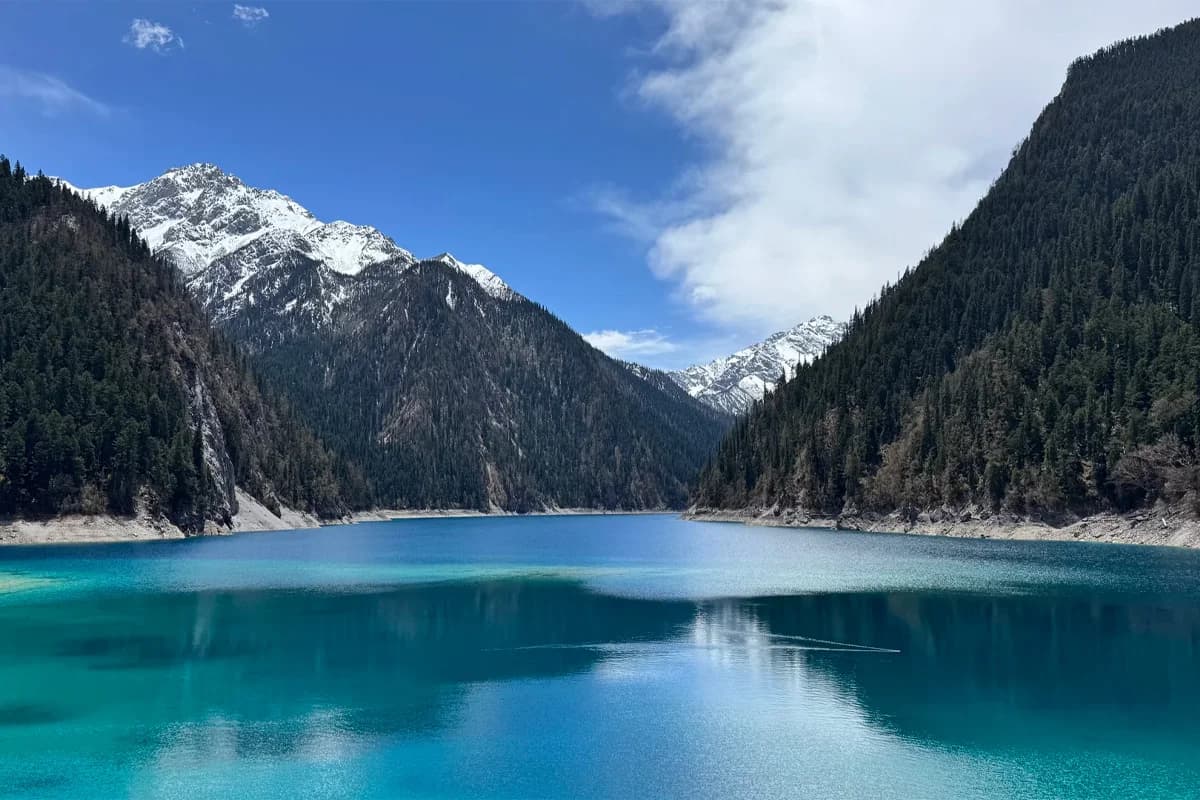
The valley is shaped like a Y, with three major branches: Rize Valley, Zechawa Valley, and Shuzheng Valley. The classic route prioritizes Mirror Lake, Arrow Bamboo Lake, Panda Lake, Pearl Shoal Waterfall, Five Flower Lake, Long Lake, and Nuorilang Waterfall.
Jiuzhaigou ticket: usually around ¥190 in peak season and about ¥80 in low season.
Sightseeing bus: commonly around ¥90 in peak season and about ¥80 in low season.
Suggested time inside: 7 to 9 hours.
Main gate area: Zhangzha Town, Jiuzhaigou County, Ngawa Prefecture, Sichuan.
Day 3: Huanglong National Park
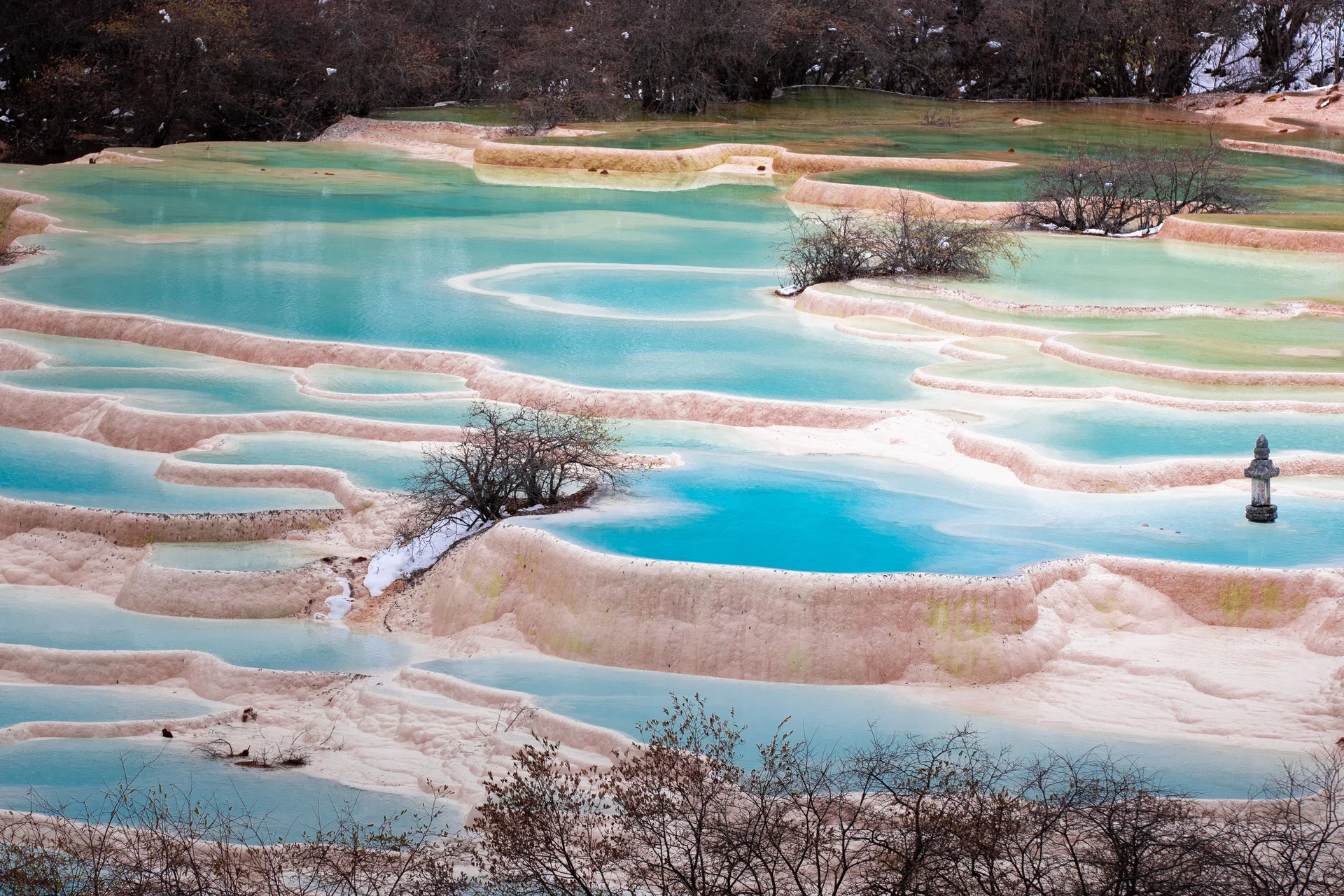
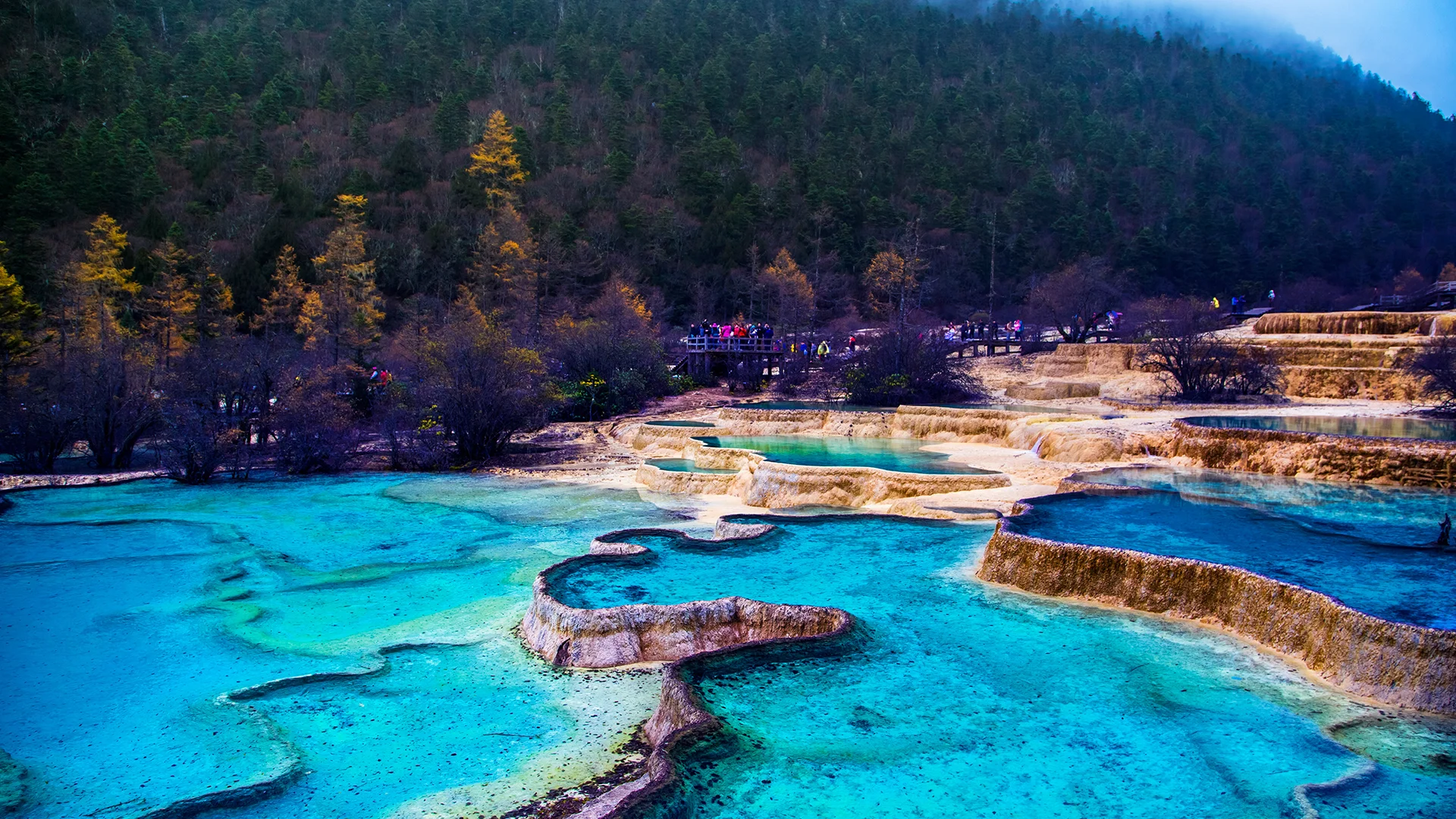
Huanglong is best visited early in the morning, especially if you want clearer skies, thinner crowds, and more time to walk downhill through the travertine terraces. The star attraction is the Five-Color Pool, known as Wucai Chi, where mineral-rich water forms vivid blue, green, and gold tones.
Most travelers use the cable car up and walk down. This saves energy at altitude and still lets you see major sites such as Xishen Cave, Bonsai Ponds, and the long calcite formations that gave Huanglong, or “Yellow Dragon,” its name.
Huanglong entrance ticket: commonly around ¥170 in the main season and about ¥60 in the low season.
Cable car: about ¥80 one way up, though seasonal operations and maintenance schedules can change.
Walking distance: roughly 3.5 to 5 km depending on route choices after the cable car.
Suggested visit time: 4 to 6 hours.
Altitude: scenic areas are generally above 3,000 m, with upper sections around 3,500 m.
Return options: overnight stay or evening transfer toward station or airport if your schedule is tight.
This Jiuzhaigou 3 day itinerary is the strongest option if you want both famous parks without rushing each stop into a photo-only visit.
Huanglong and Jiuzhaigou transport: how to get there and move efficiently
The easiest way to reach Huanglong and Jiuzhaigou in 2026 is by flight or high-speed rail from Chengdu, then a pre-booked car or tourist bus for the mountain transfers. Self-driving is possible, but most international visitors save time and stress by using local drivers familiar with mountain weather, checkpoints, and parking restrictions.
From Chengdu to the parks
Flight: Chengdu to Jiuzhai Huanglong Airport takes about 1 hour. Add 1.5 to 2 hours by road to Jiuzhaigou or around 1 hour to Huanglong depending on traffic and weather.
High-speed rail: Chengdu to Huanglong Jiuzhai Station typically takes around 2 hours, then transfer by shuttle or car for another 1.5 to 2.5 hours.
Long-distance bus: available from Chengdu area at times, but usually slower at 8 to 10 hours and less comfortable for short trips.
If your time is limited, fly one way and return by rail, because that reduces the risk of round-trip flight disruption in mountain weather. This mixed-route strategy also gives you more flexibility with hotel locations.
Local transfers between Huanglong National Park and Jiuzhaigou
The road distance between Huanglong and Jiuzhaigou is usually around 120 to 130 km, and the drive often takes 2.5 to 3.5 hours depending on season, traffic, and road conditions. Private transfers are the most practical for pairs, families, and photographers who need early starts.
Book your airport, station, or inter-park transfer at least 2 to 5 days ahead in peak months.
Ask the driver to confirm departure time, plate number, and meeting point in Chinese.
Carry your passport, park booking details, and hotel address in both English and Chinese.
Download offline maps before entering mountain areas with weaker mobile signal.
Should you join a Huanglong and Jiuzhaigou tour?
A Huanglong and Jiuzhaigou tour is best if you want simplified logistics, but independent travel is better if you value sunrise starts, longer walks, and flexible photo stops. Group tours from Chengdu often include hotel, tickets, and transport, but they may limit your time inside Jiuzhaigou Valley.
Independent trip: best for hikers, photographers, and travelers who want control.
Small-group tour: best for solo travelers who want lower planning stress.
Private tour: best for families, older travelers, and anyone worried about language barriers.
A good Jiuzhaigou travel guide always starts with transport realism: distances look short on a map, but mountain roads and weather can add hours.
Huanglong travel guide: tickets, altitude, weather, and what to pack
Huanglong is the more physically demanding park, so the key to a smooth visit is altitude awareness, layered clothing, and a simple route plan. Most first-time visitors do very well if they sleep early, avoid alcohol the night before, and use the cable car uphill.
What makes Huanglong special
Huanglong National Scenic and Historic Interest Area is known for travertine terraces formed by calcium carbonate deposits over thousands of years. The park also has forests, snow peaks, alpine meadows, and cultural links to Tibetan Buddhist communities in northwestern Sichuan.
Huanglong is not just a viewpoint stop; it is one of China’s most unusual karst and high-mountain landscapes. The visual contrast between white limestone shelves and jewel-toned pools is why the site is often paired with Jiuzhaigou as a flagship Sichuan nature circuit.
Altitude and health tips
Drink water steadily: dry mountain air increases dehydration.
Walk slowly: even fit travelers feel the elevation near the upper path.
Bring basic medication: ibuprofen, motion-sickness tablets, and any doctor-approved altitude medicine you normally use.
Avoid heavy meals before hiking: keep breakfast light but warm.
Know the warning signs: persistent vomiting, severe headache, confusion, or chest tightness means you should descend and seek medical help.
Best season and weather strategy
The best months for Huanglong are usually June to October, but clear-weather days matter more than calendar dates. Autumn brings stronger color contrast, while summer offers greener slopes and more comfortable access from Chengdu.
In spring and late autumn, parts of the route can feel cold even when lower elevations are mild. Carry a light down jacket, waterproof shell, sunblock, sunglasses, and shoes with grip, because UV exposure and slippery boardwalks are common issues.
What to pack for Huanglong and Jiuzhaigou
Passport and park reservation confirmation
Power bank and charging cable
Cash backup of at least ¥300 to ¥500
Reusable water bottle
Snacks such as nuts, bread, or energy bars
Hat, sunscreen, lip balm, and sunglasses
Rain jacket or compact umbrella
Warm layer for early morning or evening
This Huanglong travel guide point is simple: dress for four seasons in one day, because mountain conditions change fast.
Jiuzhaigou travel guide: route planning, payment, visas, and daily practicalities
Jiuzhaigou is easier to explore than Huanglong, but the best visit still depends on early entry, shuttle-bus strategy, and proper payment setup for China. For international visitors in 2026, the practical side of the trip matters as much as scenery.
How to plan your route inside Jiuzhaigou Valley
The most efficient Jiuzhaigou Valley guide begins with the upper valleys first and the lower valley later. Start with the longest shuttle ride available after entry, then walk the scenic sections downhill to reduce fatigue and maximize photo stops.
Enter when the gate opens or as early as your ticket allows.
Ride the internal bus toward Rize Valley or Zechawa Valley depending on operations that day.
Prioritize Five Flower Lake, Pearl Shoal Waterfall, Mirror Lake, and Long Lake.
Leave time for Shuzheng Valley and Nuorilang Waterfall in the afternoon.
Exit before the final bus queues build up near closing time.
If you only have one day, Five Flower Lake and Pearl Shoal Waterfall are the most photogenic stops in Jiuzhaigou. In autumn, the surrounding deciduous forest adds the classic multicolor palette seen in postcards and documentaries.
China visa, entry rules, and registration basics
By 2026, China’s visa and visa-free policies continue to evolve, so travelers should check the nearest Chinese embassy or official visa center before booking. Some nationalities may qualify for updated short-stay visa-free entry or transit arrangements, but many visitors still need a tourist visa, often labeled L visa.
Carry your passport at all times: hotels and transport operators may request it.
Hotel registration: licensed hotels complete the temporary residence registration automatically at check-in.
Independent stays: if staying in a private rental, confirm that the host can legally register foreign guests.
A practical China travel rule is this: never assume last year’s visa policy is still valid in 2026 without official confirmation.
Payment, mobile apps, and money
Alipay and WeChat Pay are the most useful payment tools in China, and most international visitors should activate at least one before arriving in Sichuan. Foreign bank card linking has improved, but not every rural vendor accepts every international card, so carry some cash as backup.
Best apps: Alipay, WeChat, Trip.com, Didi, Amap, Baidu Maps, Pleco, and a VPN if needed for your normal services.
Cash backup: ¥300 to ¥800 is sensible for snacks, local transport, and emergencies.
ATMs: easier to find in Chengdu than in the mountain area.
Cards: Visa and Mastercard acceptance is improving, but mobile payment remains more reliable.
Most ticket counters, hotels, and transport providers now prefer QR-code payments. Even when cards are accepted, staff may process them less smoothly than mobile wallets linked to your passport and overseas card.
Food, language, and cultural etiquette
Jiuzhaigou sits in a Tibetan and Qiang cultural region, so menus often include yak beef, barley-based foods, mushroom dishes, and hotpot styles adapted to the local climate. In tourist zones, you will also find standard Sichuan options such as mapo tofu, fried rice, noodles, and tomato-egg dishes.
Useful Chinese phrases: ni hao (hello), xiexie (thank you), duoshao qian (how much), and ce suo zai nali (where is the toilet).
Respect local customs: ask before photographing people in traditional dress.
Temple etiquette: keep your voice low and follow posted rules.
Foreign travelers do not need fluent Mandarin to visit Jiuzhaigou, but having hotel names and destinations written in Chinese saves time every day.
Huanglong and Jiuzhaigou costs, safety, and sample budget in 2026
A realistic 3-day Huanglong and Jiuzhaigou budget for an independent mid-range traveler in 2026 is usually around ¥2,800 to ¥5,500 per person, excluding long-haul international flights. Your final cost depends most on flight timing, hotel level, and whether you choose shared or private ground transport.
Sample 3-day budget per person
Domestic flight or rail from Chengdu: about ¥300 to ¥1,200 each way depending on season and booking time.
Hotel for 2 nights: about ¥400 to ¥1,400 total for budget to mid-range stays.
Jiuzhaigou ticket and bus: roughly ¥280 in peak season.
Huanglong ticket and cable car: roughly ¥250 if using one-way cable car.
Local transport: about ¥150 to ¥700 depending on bus, shared car, or private driver.
Meals: around ¥50 to ¥180 per day for simple local food to comfortable restaurant dining.
If you want to keep costs low, save money on hotels and local transfers, not on park time. The parks are the reason to come, and cutting your scenic hours usually reduces the value of the trip.
Is it safe for solo travelers and families?
Yes, the Jiuzhaigou area is generally safe for solo travelers, couples, and families, especially within regulated tourism zones. The main risks are not crime but weather, altitude, slippery paths, and traffic on mountain roads.
Use official taxis, hotel cars, or booked drivers instead of random roadside offers.
Check weather forecasts before mountain transfers.
Do not hike off marked boardwalks or closed areas.
Keep your passport, insurance details, and emergency contacts accessible offline.
The biggest safety mistake in Huanglong and Jiuzhaigou is underestimating distance and altitude, not personal security.
Emergency and connectivity tips
China’s general emergency number is 110 for police and 120 for ambulance. Mobile signal is decent near major tourist infrastructure, but some mountain stretches can be weak, so download tickets, maps, and hotel details in advance.
Travel insurance that covers altitude-related illness, trip delay, and domestic flight disruption is strongly recommended. In the rainy season, road delays and weather changes are more common than many first-time visitors expect.
Frequently Asked Questions
Did You Know?
How many days do you need for Huanglong and Jiuzhaigou?
Three days is the ideal short trip for most travelers: one transfer day, one day in Huanglong National Park, and one full day in Jiuzhaigou Valley. If you enjoy hiking or photography, four days is even better because it gives you weather flexibility.
Did You Know?
How much does Huanglong and Jiuzhaigou cost in 2026?
A practical 3-day trip usually costs about ¥2,800 to ¥5,500 per person excluding international airfare. Budget travelers can spend less with rail and simple hotels, while private transfers and peak-season flights raise costs quickly.
Did You Know?
Is Jiuzhaigou safe for solo travelers?
Yes, Jiuzhaigou is generally safe for solo travelers because the park is well-managed and heavily visited. The main concerns are altitude, slippery paths, and transport timing, so plan conservatively and avoid late unbooked road transfers.
Did You Know?
Should I visit Huanglong or Jiuzhaigou first?
For most travelers, visiting Huanglong first is more efficient because it handles the higher-altitude day earlier and leaves Jiuzhaigou for a longer, easier scenic day. If weather forecasts show a clearer day for Jiuzhaigou, however, it is worth reversing the order.
Did You Know?
Can foreigners use Alipay and WeChat Pay in Sichuan?
Yes, many foreign visitors can link international bank cards to Alipay and WeChat Pay in 2026, and these apps are extremely useful in Chengdu and the Jiuzhaigou area. Still, carry some cash because smaller vendors and transport providers may not support every overseas card setup.
Did You Know?
What is the best season to visit Huanglong and Jiuzhaigou?
September and October are often considered the best months because water colors stay vivid and autumn foliage is outstanding. June to August is also popular for greener landscapes, while winter can be beautiful but more limited for transport and weather reliability.
Disclaimer: This information is provided for reference only and was last updated on . Requirements and regulations may change. Always verify with official sources before making travel plans.