
Tibetan monasteries are not only architectural wonders but also living centers of faith. For foreign tourists, every step of the journey to Tibet requires more preparation than for the average Chinese traveler—from permits and acclimatization to cultural etiquette and itinerary planning. This guide is tailored specifically for foreign passport holders, introducing ten of the most representative monasteries and focusing on the practical information you truly need: how to enter legally, how to respect local beliefs, and how to complete this high-altitude pilgrimage safely.
Essential Reading Before Your Trip: Things Foreign Tourists Should Know When Entering Tibet
Tibet Travel Permit — Your First Hurdle
This is the most important step for foreign tourists visiting Tibet. As a foreign passport holder, in addition to a Chinese visa, you must also obtain a "Tibet Travel Permit." Individuals cannot apply for this directly; it must be arranged through a local Tibetan travel agency authorized to handle foreign tourism.
Key information is as follows:
Processing Time: It is recommended to submit documents 20 to 30 days in advance. Review typically takes 2 to 4 working days.
Required Documents: Scanned copy of the passport information page, scanned copy of the Chinese visa page, and personal details along with the travel itinerary.
2026 New Regulation: Regardless of the departure city or mode of transport (train or flight) used to enter Tibet, the original Tibet Entry Permit is required to purchase tickets and board.
Mandatory Group Tour: Foreign tourists are not permitted to travel independently in Tibet; organized group tours are mandatory. Travel agencies must arrange transportation, accommodation, tour guides, and the itinerary for the entire duration. The Tibet Entry Permit specifies the itinerary and tour guide; travelers must remain with the group throughout the trip and cannot break away for independent travel.
Note for Visa-Free Travelers: If you enter China under a visa-free policy, your entire trip to Tibet—from the date of entry into China to the conclusion of the Tibet itinerary—must be completed within 30 days.
Altitude Sickness — Preparing Your Body
Lhasa is situated at an altitude of approximately 3,650 meters. This elevation is high enough to cause discomfort for most first-time visitors. Altitude sickness is no trivial matter; it can affect your energy levels and overall travel experience during the first few days.
Prevention Tips:
Refrain from bathing, consuming alcohol, or engaging in strenuous exercise during the first two days after arrival.
Move and speak at a slower, more measured pace.
Prepare medications such as Gaoyuan'an (a traditional remedy for altitude sickness) and portable glucose powder in advance; oxygen canisters are widely available locally.
Book a hotel equipped with oxygen supply facilities.
If circumstances permit, choose to travel to Tibet by train to give your body more time to acclimatize to the rising altitude.
I. Jokhang Temple — The most sacred temple in Tibetan Buddhism
Situated in the heart of Lhasa's old town and encircled by Barkhor Street, the Jokhang Temple houses a life-sized statue of the Buddha Shakyamuni at the age of twelve, drawing countless pilgrims who travel great distances to pay their respects.
Here, you can see the square in front of the temple teeming with pilgrims from far and wide—some performing full-body prostrations on the worn stone slabs, others spinning prayer wheels while softly chanting scriptures.
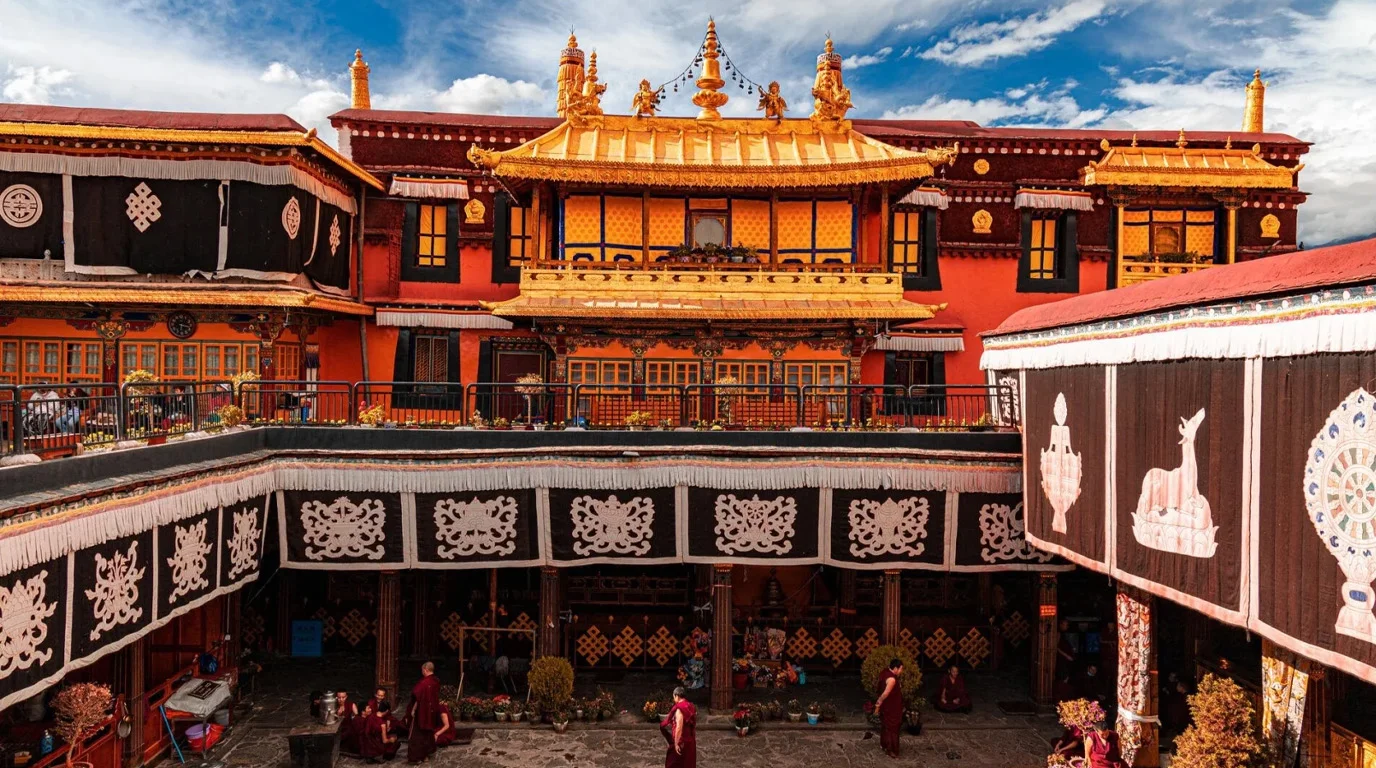
Admission: 85 yuan/person during peak season (May–October), 35 yuan/person during off-season (November–April).
How to book: You must make a reservation a few days in advance.
Opening Hours: 8:30–18:30 (Last entry at 16:30)
Location: Barkhor Street, Chengguan District, Lhasa City
Transport: Take bus No. 1, 3, 11, or 12 to the "Jokhang Temple" stop.
Recommended duration: 2–3 hours
Best time to visit: We recommend entering the park between 8:30 AM and 10:00 AM; the early morning offers smaller crowds and excellent lighting.
After the visit, you can stroll along Barkhor Street to experience the religious atmosphere and everyday life of Lhasa.
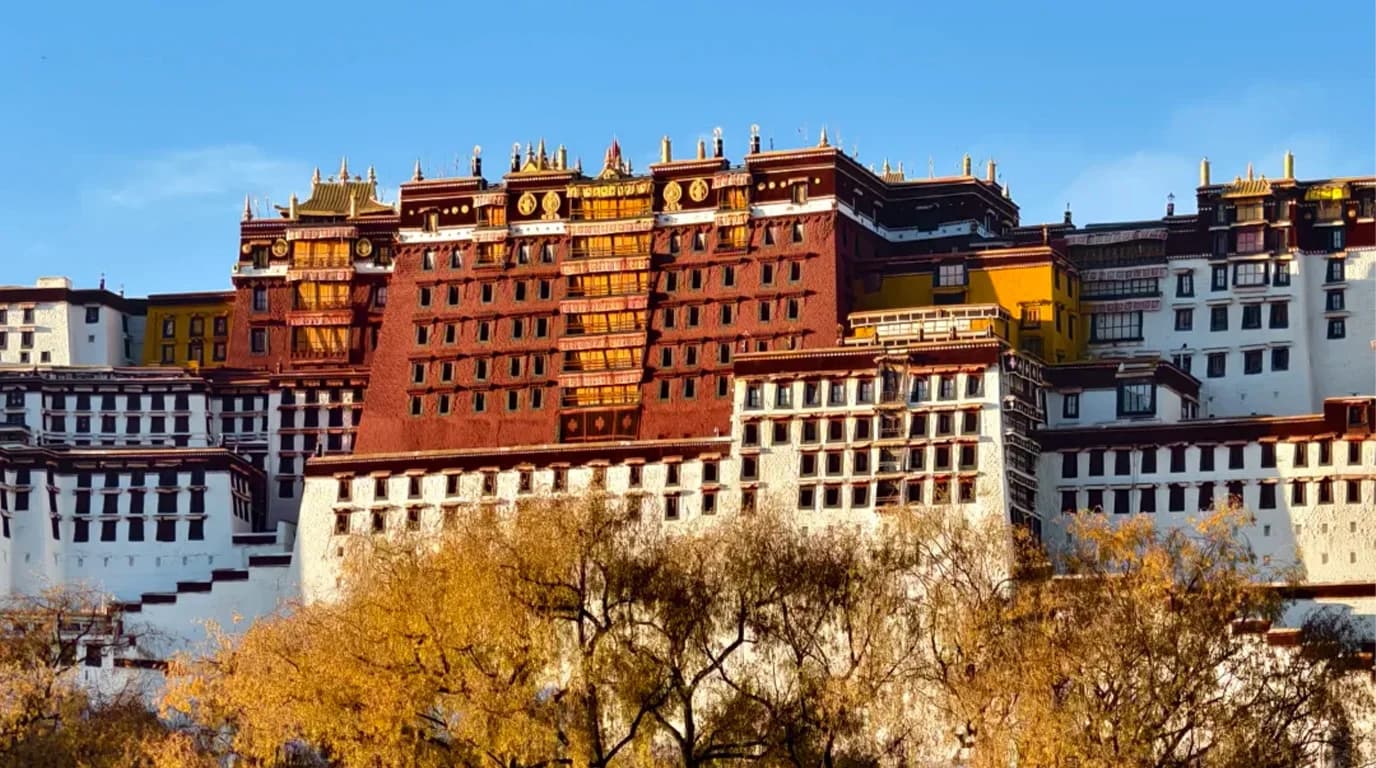
II. The Potala Palace—The Pinnacle of Faith on the Roof of the World
The Potala Palace is a World Cultural Heritage site. Its interior houses countless Buddha statues, murals, scriptures, and historical artifacts.
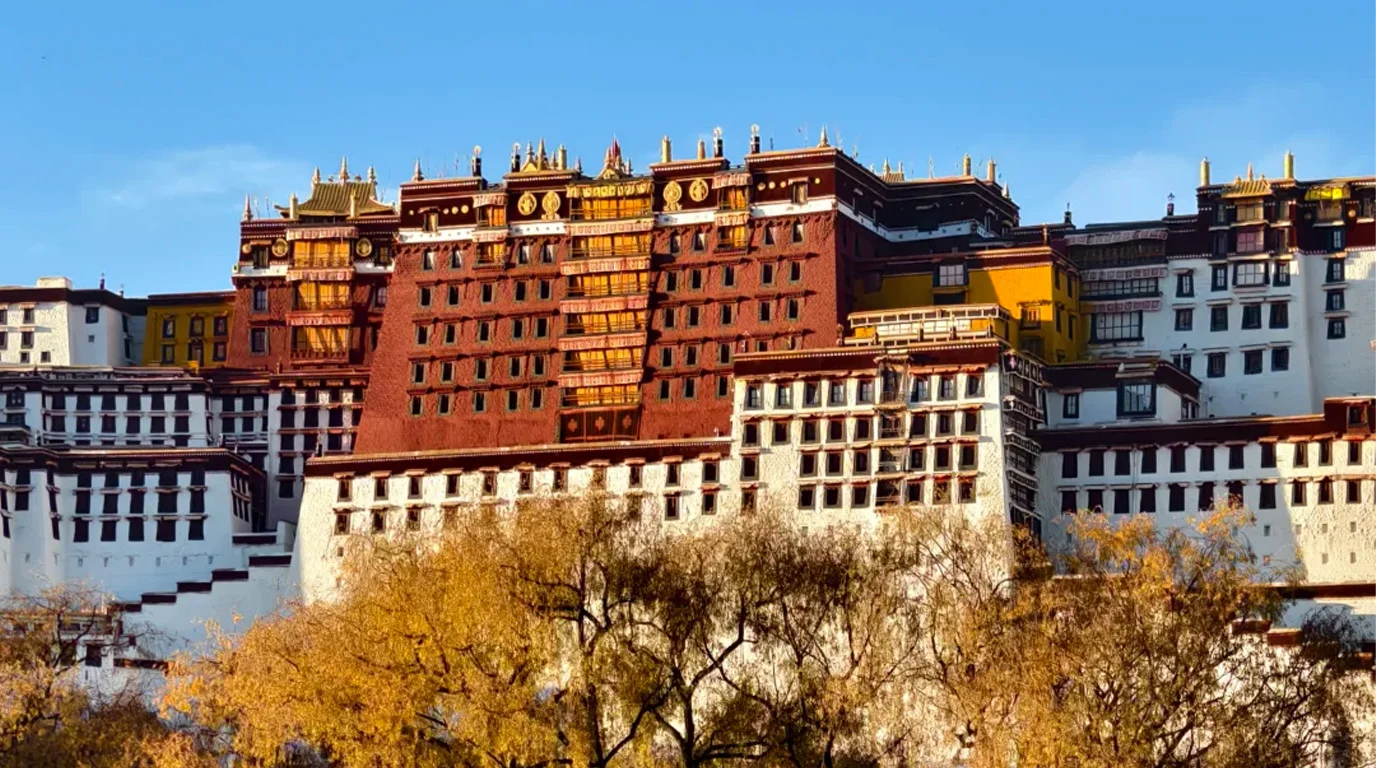
Ticket prices: Peak season (May 1 – Oct. 31) – Line 1: 200 yuan/person, Line 2: 100 yuan/person; Off-season – 100 yuan/person.
Booking Method: No same-day tickets or on-site sales. The only official channel is the WeChat mini-program "Potala Palace Ticket Booking System." During peak season, tickets must be secured 10 days in advance (released daily at 8:30 AM); during the off-season, booking opens 7 days in advance.
Location: Beijing Middle Road, Chengguan District, Lhasa City
Route Options: Route 1 covers the White Palace, the Red Palace, and all core halls (tour duration: 3–4 hours); Route 2 focuses on Tibetan architectural aesthetics and stupas (tour duration: 1–2 hours).
Photography Spots: Yaowangshan (Medicine King Hill) Observation Deck (the same vantage point as the one featured on the 50-yuan banknote), Potala Palace Square (reflections), and Zongjiao Lukang Park (reflections in the lake).
III. Zhaqi Monastery—Tibet’s only "Temple of the God of Wealth"
Zhaji Temple is the only temple in Tibet dedicated to the God of Wealth; though modest in size, it attracts a vast number of worshippers. The presiding deity, the goddess "Zhaji Lhamo," is said to have originated from inland China and is renowned for her efficacy in blessing businesspeople.
Devotees offer baijiu (white spirit) to the goddess. After purchasing offerings—such as baijiu, khata (ceremonial scarves), and juniper branches—at the temple entrance, they first burn the juniper in the censer. They then enter the main hall to hand the baijiu to a monk, who pours it into a dedicated vessel, before presenting their khata and clasping their hands in prayer. Inside the hall, the aroma of the spirit mingles with the smoke of the burning juniper, creating a unique atmosphere of faith.
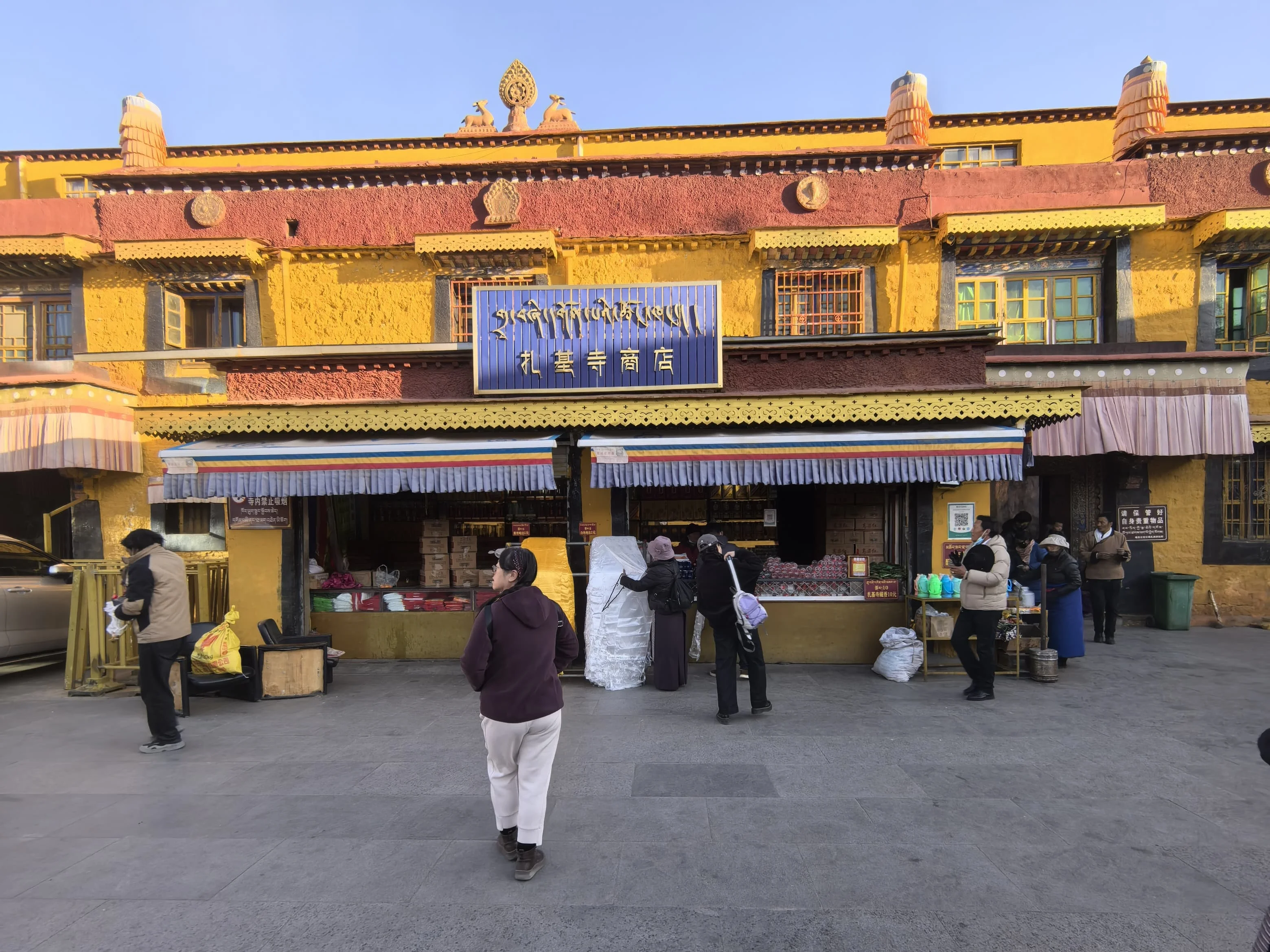
Admission: Free
Reservations: No reservation or ID card required
Opening Hours: Weekdays 7:00–16:30; opens at 6:00 on Wednesdays (Day of the God of Wealth)
Location: Zhaji East Road, Chengguan District, Lhasa
Transportation: About 15 minutes by taxi from the Potala Palace or Barkhor Street (fare: 15–20 RMB); or take bus routes 13, 21, 24, or 28 to "Zhaji Temple Station"
Local Beliefs: Mondays are best for praying for safety, Wednesdays for wealth, and Fridays for health.
Pilgrimage procedure: Purchase a three-piece offering set at the entrance (small bottle of white liquor, yellow khata scarf, and Tibetan incense; approx. 20 RMB) → Upon entering the courtyard, go to the weisang (incense-burning) stove on the right to scatter highland barley and add incense branches → Light Tibetan incense in front of the hall → Enter the main hall to hand the liquor to a monk and offer the khata while making a wish → Circumambulate the hall clockwise while making offerings → Upon exiting, spin the prayer wheels in the corridor three times.
IV. Drepung Monastery—The Largest Gelug Monastery
Drepung Monastery is one of the six major monasteries of the Gelug school of Tibetan Buddhism. Built in tiers along the southern slope of Mount Genpeiwuzi, its white exterior walls resemble a massive heap of rice when viewed from afar—indeed, the name "Drepung" means "rice heap" in Tibetan. At its peak, the monastery housed as many as ten thousand monks.
Admission: 60 RMB
Opening Hours: 8:00–16:00
Location: Southern slope of Genpei Wuzi Mountain, western suburbs of Lhasa (approximately 8 km from the city center)
Best Time to Visit: June to September. The Shoton Festival (held in late June of the Tibetan calendar) is highly recommended; the spectacle of a giant Thangka being unfurled on the hillside is truly awe-inspiring.
V. Sera Monastery—A Clash of Wisdom in the Debating Courtyard
Sera Monastery is the most recently built of Lhasa’s three great monasteries, yet it is renowned worldwide for a unique tradition: the daily afternoon scripture debates. This tradition has endured for over six hundred years, leading countless travelers to describe it as "Lhasa’s most vibrant monastery."
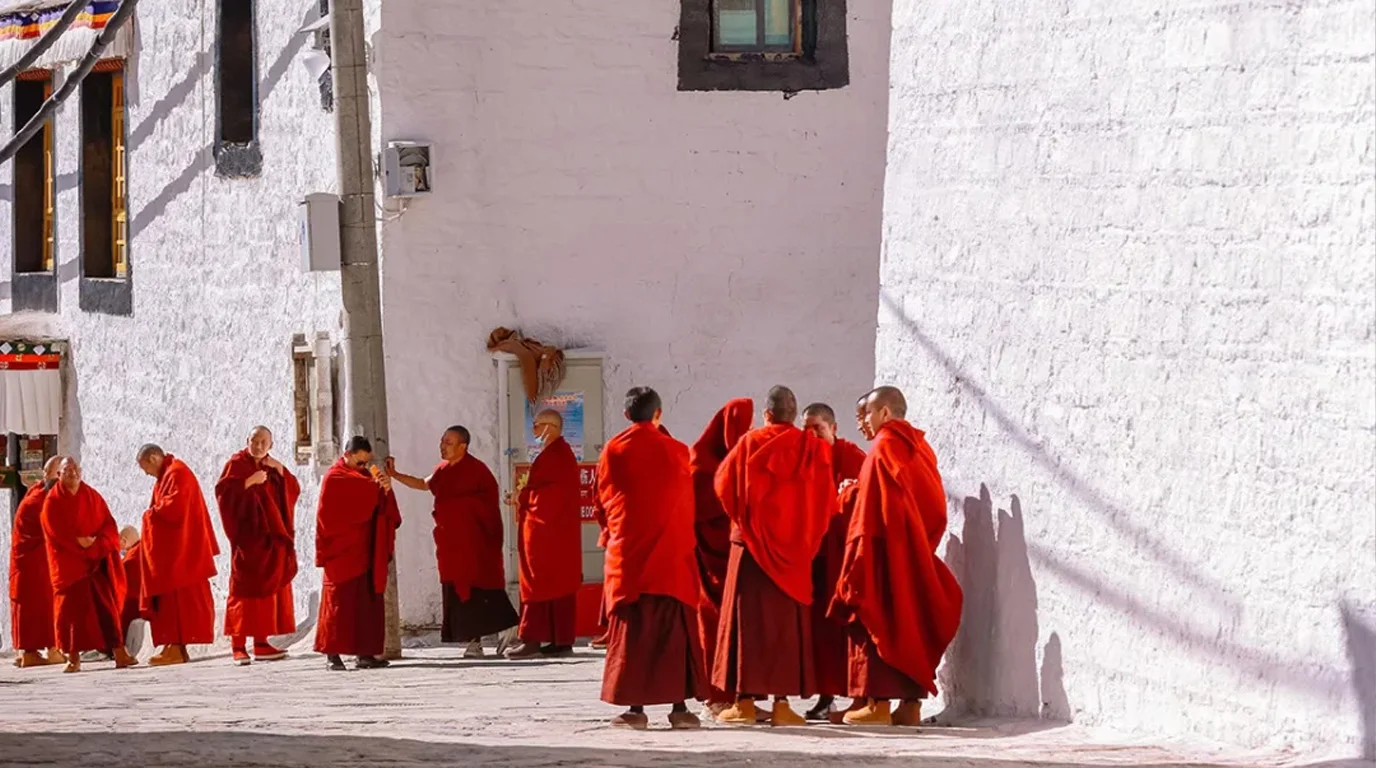
Admission: 50RMB
Opening Hours: 9:00-16:00
Location: Sera Utse Mountain foothills, north of Lhasa, approximately 5 kilometers from the city center
Transportation: Accessible by bus routes 6, 16, and 24
Debate Time: Daily around 14:30, except Sundays and special ceremonies.
It is recommended to arrive in the afternoon; first, visit the Tsokchen Hall and the three main dratsangs (most prayer halls close around 3:00 PM), then head to the debating courtyard to secure a good spot.
VI. Tashilhunpo Monastery—The Seat of the Panchen Lama
Located on the southern slope of Mount Nima in Shigatse City, Tashilhunpo Monastery is the largest Gelug monastery in the Shigatse region. The most striking feature within the complex is the seated statue of Maitreya (Buddha of the Future) enshrined in the Maitreya Hall; standing 26.2 meters tall, it is the world's largest indoor gilded bronze Buddha statue.
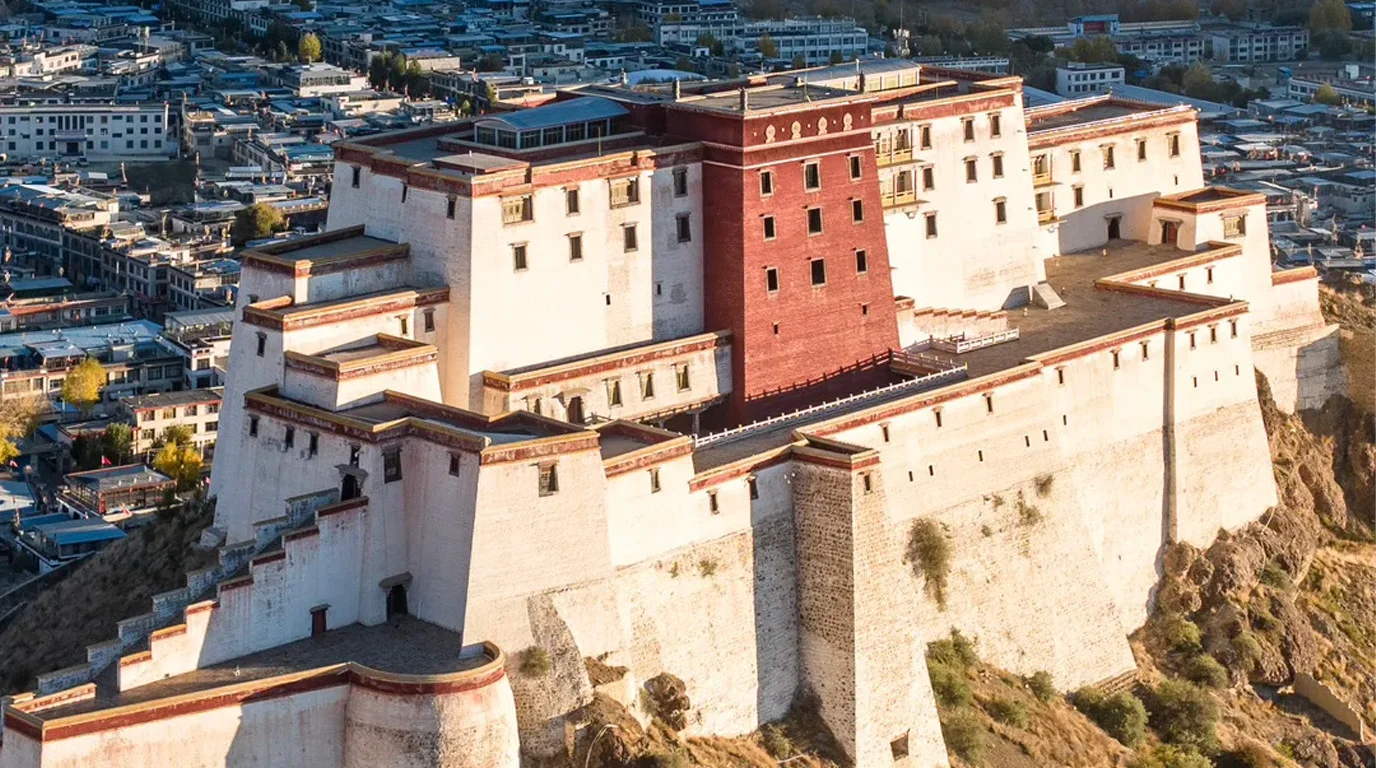
Admission: 100 RMB
Location: Samzhubzê District, Shigatse City; approximately 300 km from Lhasa
Transportation: Chartered car or self-driving recommended; the journey from Lhasa takes about 5 hours
Best Season: May to October (pleasant temperatures in the Shigatse region)
If you have the opportunity, you can attend:
The Buddha-Unveiling Festival: Held from the 14th to the 16th day of the fifth month of the Tibetan calendar (June 28–30, 2026). Giant thangkas depicting the Buddhas of the Three Times—each covering an area of over 1,000 square meters—are displayed in succession on a Buddha-unveiling platform standing 32 meters high. The thangka of the Buddha of the Past (Amitabha) is displayed on the first day, the Buddha of the Present (Shakyamuni) on the second day, and the Buddha of the Future (Maitreya) on the third day.
VII. Ganden Monastery—The Mother Monastery of the Gelug School
Ganden Monastery was personally founded in 1409 by Je Tsongkhapa, the founder of the Gelug school; as the school's first monastery, it holds a position of great reverence. It is situated atop Wangpo Ri Mountain at an elevation of 3,800 meters. It was here that Tsongkhapa ascended the teaching throne and eventually passed away; the monastery preserves both his teaching throne and the meditation bed he used at the time of his passing.
Admission: 50 RMB
Opening Hours: 9:00 AM – 4:00 PM
Location: Wangbori Mountain, Dazi District, Lhasa (approximately 50 km from the city center)
Best Time to Visit: May to October (when mountain roads are accessible)
Highlights: Tsongkhapa’s Bedchamber, the Stupa Hall, and the Tsokchen Assembly Hall; look for Chinese and Indian stylistic elements in the early murals.
VIII. Rongbuk Monastery—The World's Highest Monastery
Situated at the foot of the northern slope of Mount Everest at an elevation of approximately 4,980 to 5,200 meters, Rongbuk Monastery is recognized as the highest monastery in the world. Located about 8 kilometers from the Everest North Base Camp, it serves as the final spiritual stop for countless mountaineers and travelers before they head to the summit.
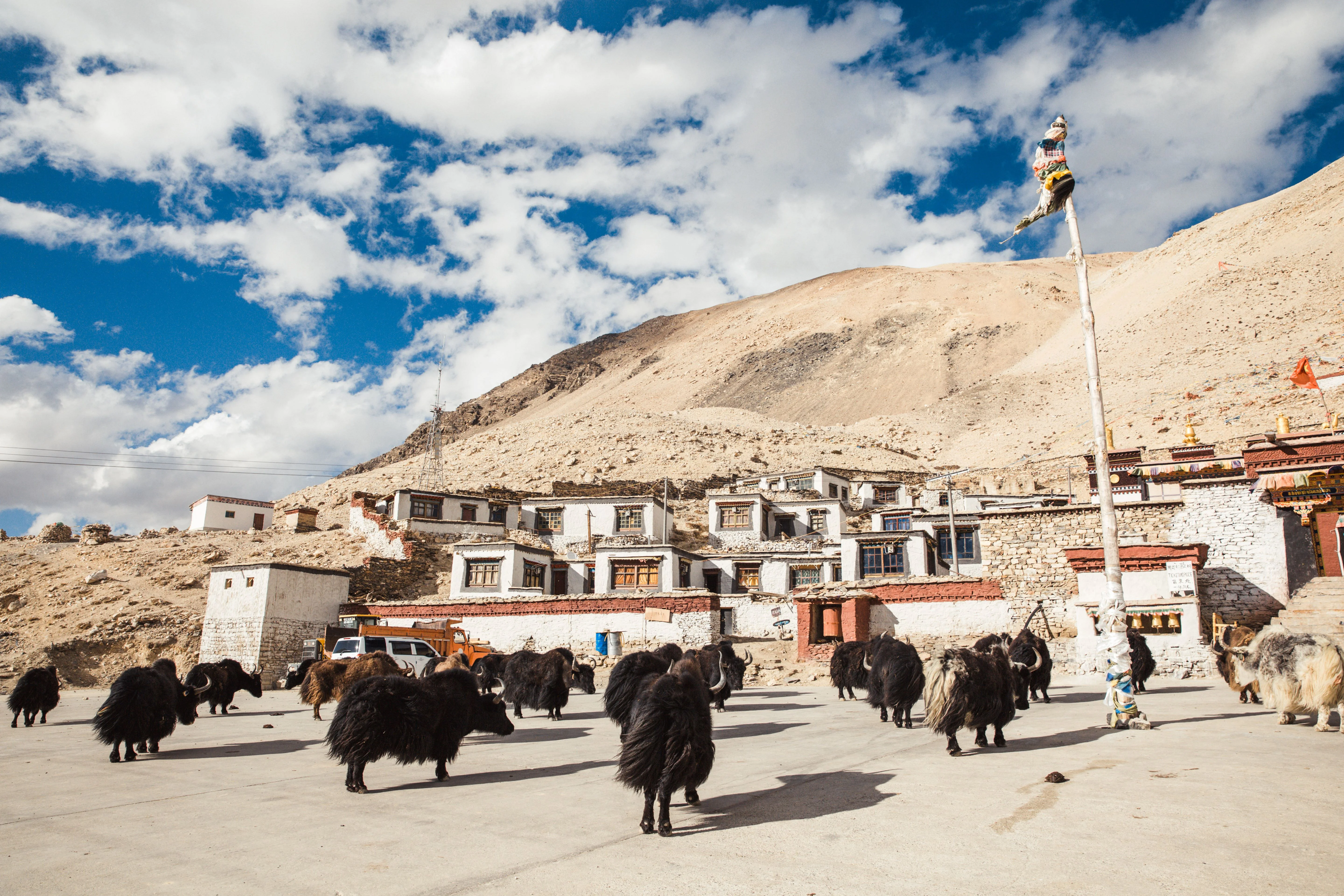
Admission: 30 RMB
Opening Hours: 9:00–16:00
Location: Northern slope of Mount Everest, Tingri County, Shigatse City (approximately 8 km from Everest Base Camp)
Sect: Tibetan Buddhism (Nyingma School); a rare monastery where monks and nuns reside together
Best Time to Visit: April–June and September–October (periods offering high visibility and minimal cloud cover around Mount Everest)
Note: Everest Base Camp is at an altitude of approximately 5,000 meters; it is recommended to acclimatize to the high-altitude environment in Tibet before visiting.
IX. Sakya Monastery—The "Second Dunhuang"
The monastery walls are painted with stripes in three colors symbolizing Manjushri (white), Avalokiteshvara (red), and Vajrapani (grey); consequently, the Sakya school is known as the "Variegated Sect" (or "Painted Sect"). The most spectacular sight within the monastery is the scripture wall—measuring 57 meters in length and 11 meters in height—which houses approximately 84,000 volumes of ancient texts covering fields such as Buddhist scriptures, literature, history, astronomy, and medicine.
Admission: 60 RMB
Opening Hours: 9:00 AM – 6:30 PM
Location: Sakya County, Shigatse City (approx. 150 km from downtown Shigatse)
Elevation: Approx. 4,316 meters
Transportation: About a 1.5-hour drive from Shigatse
Highlights: The Scripture Wall (a spectacular "Great Wall of Scriptures"), Yuan Dynasty murals, and the Kublai Khan Pillar. Key artifacts are concentrated in the North Monastery (New Monastery).
Note: Photography is prohibited in the Scripture Wall and mural areas. Due to the high altitude, it is recommended to carry oxygen canisters and glucose.
X. Samye Monastery—Tibet's first monastery complete with the Three Jewels (Buddha, Dharma, and Sangha)
It is the first monastery in Tibetan history to possess the complete "Three Jewels"—the Buddha, the Dharma, and the Sangha. The architectural layout of the monastery itself forms a vast mandala: the central Utse Hall symbolizes Mount Sumeru—the cosmic center—while the surrounding halls represent the various elements of Buddhist cosmology, such as the four great continents, the eight sub-continents, and the sun and moon.
Admission: 40 RMB per person
Opening Hours: 8:30–17:30 (Last entry at 17:00)
Location: Sangye Town, Zhanang County, Shannan City (North bank of the Yarlung Tsangpo River)
Transportation: About a 2-hour drive or chartered car ride from Lhasa; direct buses are available from the Lhasa Western Suburb Bus Station.
Recommended Visit Duration: 2–3 hours
Frequently Asked Questions
Q1. Can foreign tourists travel independently in Tibet?
No. Foreign tourists in Tibet must travel as part of an organized tour group, with transportation, accommodation, a tour guide, and the itinerary all arranged by a travel agency.
Q2. What is the etiquette for visiting a temple?
Walk clockwise when circumambulating (turning prayer wheels) and touring the site; remove hats and sunglasses inside the temple and dress modestly (covering shoulders and knees); do not photograph Buddha statues, step on the threshold, or touch ritual instruments and religious objects.
Q3. What is the best time to travel?
May to October offers warm temperatures and the best scenery. For the Everest region, the best times are April–June and September–October, when visibility is high.
Q4. Are there any special requirements for entering Tibet from Nepal?
To enter Tibet from Kathmandu, you must obtain a Chinese Group Visa in Kathmandu; this is a formal agreement between China and Nepal.
Q5. Are there additional requirements for travelers aged 65 and older?
Travelers aged 65 and older must provide an official health certificate confirming that they are physically fit for high-altitude travel.
Disclaimer: This information is provided for reference only and was last updated on . Requirements and regulations may change. Always verify with official sources before making travel plans.