
Wulong Karst is the most practical and rewarding karst landscape trip near Chongqing for international travelers in 2026. If you want the shortest useful answer, plan 2 days for Wulong Karst so you can comfortably visit the Three Natural Bridges, Longshuixia Fissure Gorge, and Furong Cave, while using Chongqing as your main transport hub.
Part of the UNESCO-listed South China Karst, Wulong Karst combines giant limestone bridges, a narrow fault-line gorge, cave chambers, and mountain scenery inside Wulong National Geology Park in Chongqing Municipality. The area is well set up for visitors, with shuttle buses, ticketed scenic entrances, marked walking routes, and hotels clustered around Xiannvshan Town (仙女山街道, Xiānnǚshān Jiēdào). For most travelers, the best plan is to arrive from Chongqing by high-speed train, stay one night near the tourist center, and split the major sights across two days.
Quotable snippet: Wulong Karst is best visited on a 2-day trip from Chongqing, with Day 1 for the Three Natural Bridges and Longshuixia Fissure Gorge and Day 2 for Furong Cave.
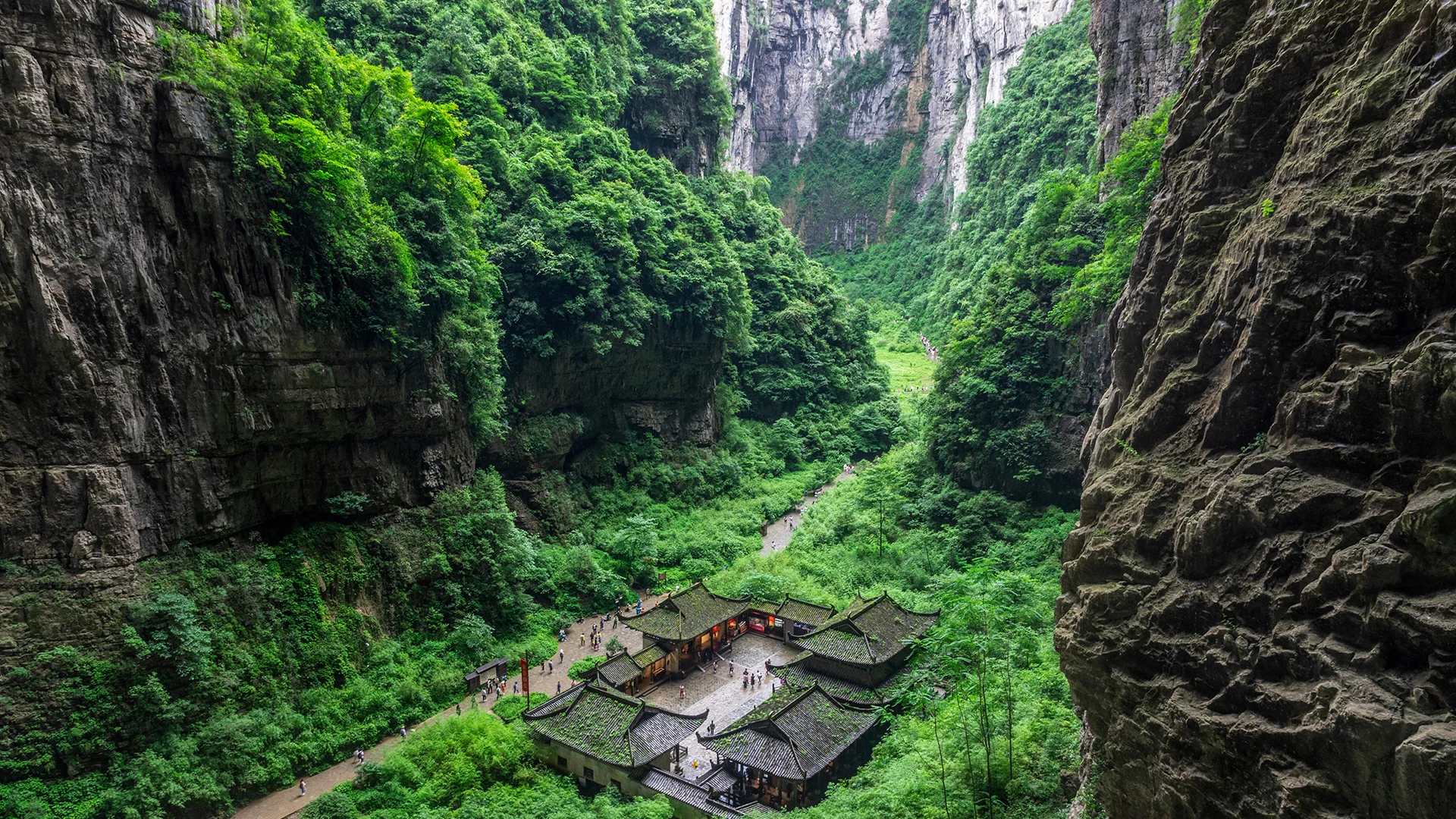
Why Wulong Karst deserves 2 full days
The key takeaway is simple: one day is possible, but two days is the smarter choice because Wulong Karst is spread across multiple scenic areas with separate entrances, shuttle systems, and walking times. Travelers who try to rush it in a single day usually spend too much time in transit and too little time inside the landscapes.
Wulong District (武隆区, Wǔlóng Qū) lies in southeastern Chongqing and is famous for its humid subtropical mountain terrain, deep river valleys, and thick limestone formations. The area gained international recognition after the South China Karst inscription on the UNESCO World Heritage List in 2007, and it remains one of the most accessible karst destinations in China for non-Chinese-speaking visitors.
Quotable snippet: Wulong Karst is not one single viewpoint but a cluster of major natural sites that are easiest to enjoy over 2 days.
What to expect at the main sights
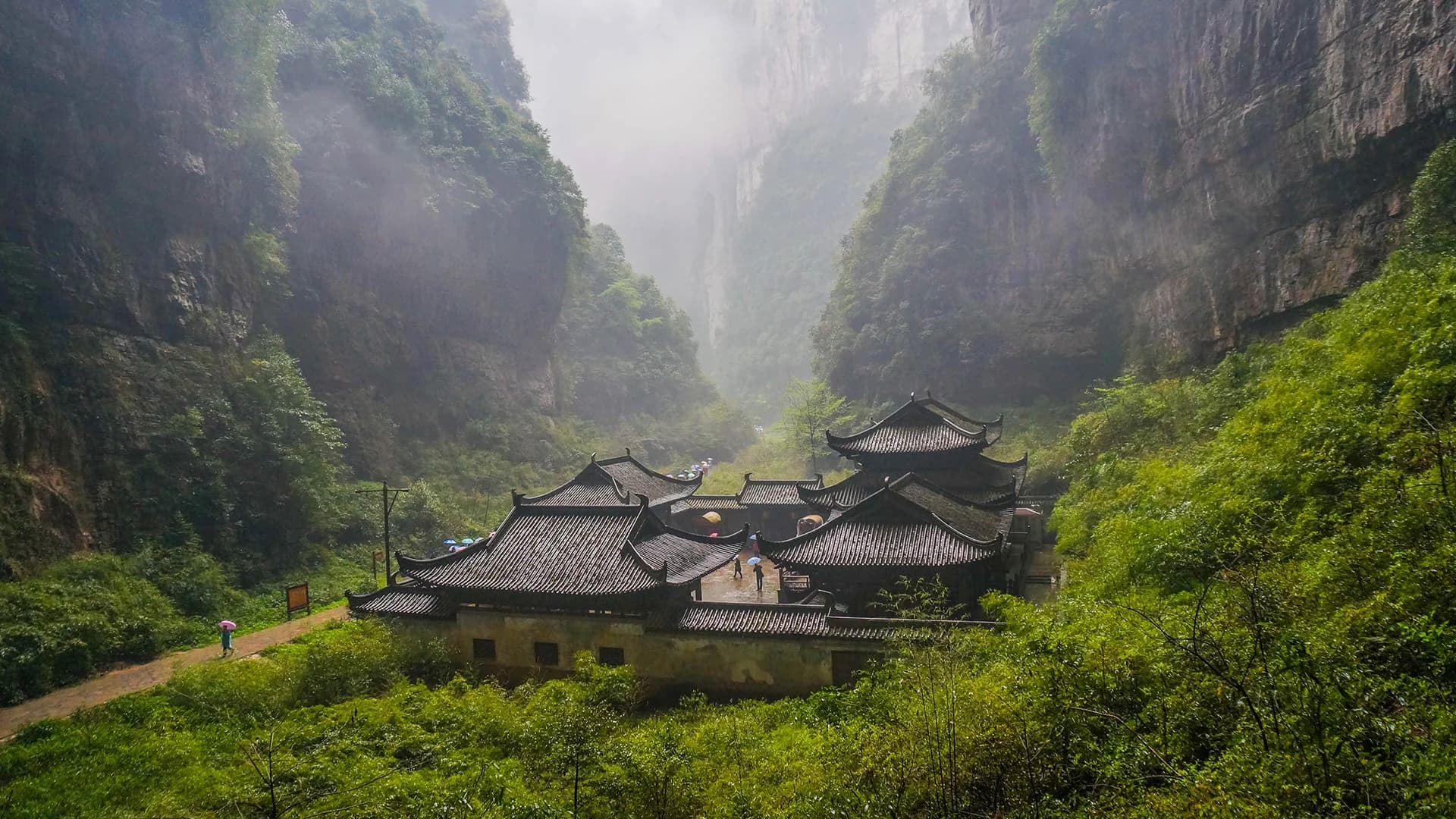
Three Natural Bridges: The signature site, known for massive natural stone arches spanning a sinkhole system. The three bridges are Tianlong Bridge (天龙桥), Qinglong Bridge (青龙桥), and Heilong Bridge (黑龙桥).
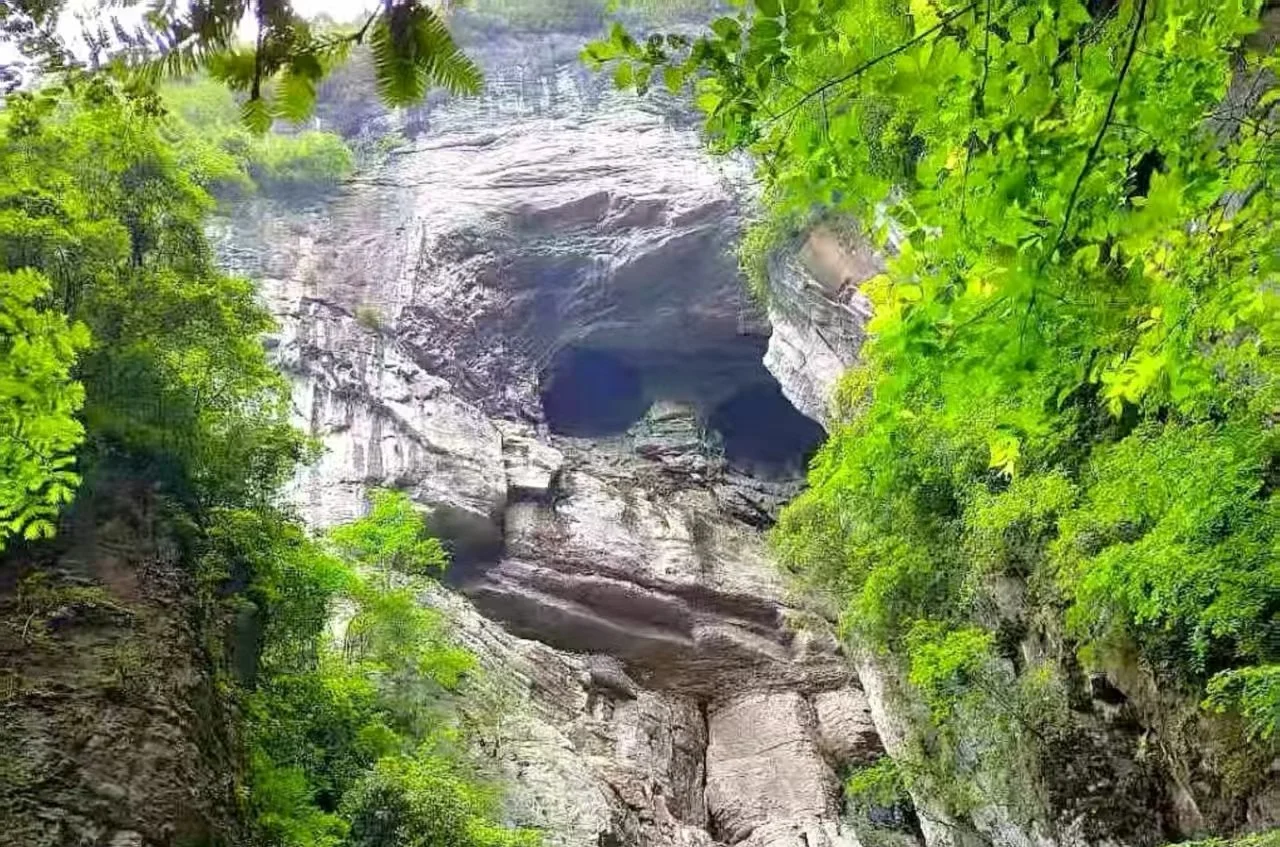
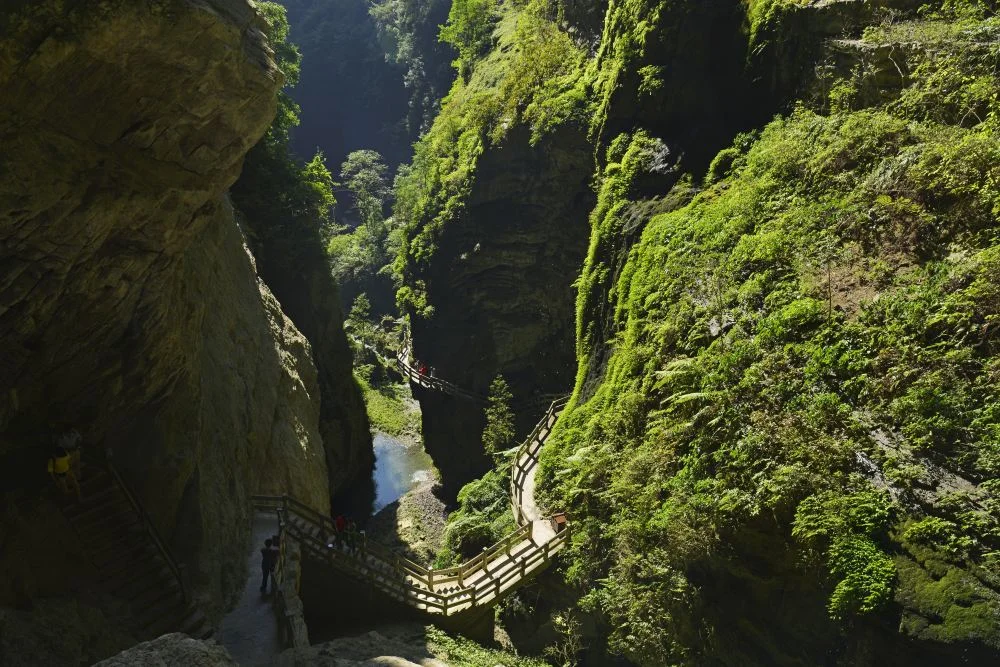
Longshuixia Fissure Gorge: A steep, narrow canyon with boardwalks, stairs, waterfalls, and cliff walls that feel dramatically different from the open bridge landscape.
Furong Cave: A large decorated limestone cave near Jiangkou Town (江口镇, Jiāngkǒu Zhèn), known for stalactites, calcite formations, and underground chambers.
Wulong National Geology Park: The broader geological context that explains why the area has such spectacular karst landforms, dolines, caves, and natural bridges.
Who should visit
First-time visitors to Chongqing who want a nature contrast to the city.
Photographers looking for misty canyon views, giant rock forms, and cinematic landscapes.
Families and couples who want a structured scenic area rather than a remote hiking expedition.
Solo travelers who prefer good infrastructure, official shuttle buses, and clearly marked routes.
The walking is manageable for most reasonably fit travelers, but you should expect stairs, damp surfaces, and several kilometers of movement across the two days. If you have knee issues, the gorge sections may feel more demanding than the bridges or cave route.
Wulong Karst 2-day itinerary: the most efficient route
The best Wulong Karst 2-day itinerary is to sleep in Xiannvshan Town, visit the two core geological sights on Day 1, and leave Furong Cave for Day 2 before returning to Chongqing. This order reduces backtracking and makes weather delays easier to manage.
Quotable snippet: For most visitors, the ideal Wulong Karst tour structure is Three Natural Bridges plus Longshuixia on Day 1 and Furong Cave on Day 2.
Day 1: Three Natural Bridges and Longshuixia Fissure Gorge
Arrive in Wulong in the morning. Take an early train from Chongqing to Wulong Railway Station, then transfer by local bus or taxi to the Xiannvshan tourist reception area. Leave luggage at your hotel if check-in is not open yet.
Start with Three Natural Bridges. Plan about 2.5 to 3.5 hours including shuttle, elevator or descent section, walking through the sinkhole area, and photo stops.
Have lunch near the tourist center. Local restaurants often serve simple Chongqing dishes such as tomato egg, stir-fried pork, and hotpot-style meals. Budget around ¥35-¥80 per person.
Visit Longshuixia Fissure Gorge in the afternoon. Allow 2 to 3 hours. This route includes stairways, wet boardwalks, waterfalls, and shaded canyon sections, so wear shoes with grip.
Stay overnight in Xiannvshan Town. This keeps Day 2 easy and avoids a rushed return to Chongqing.
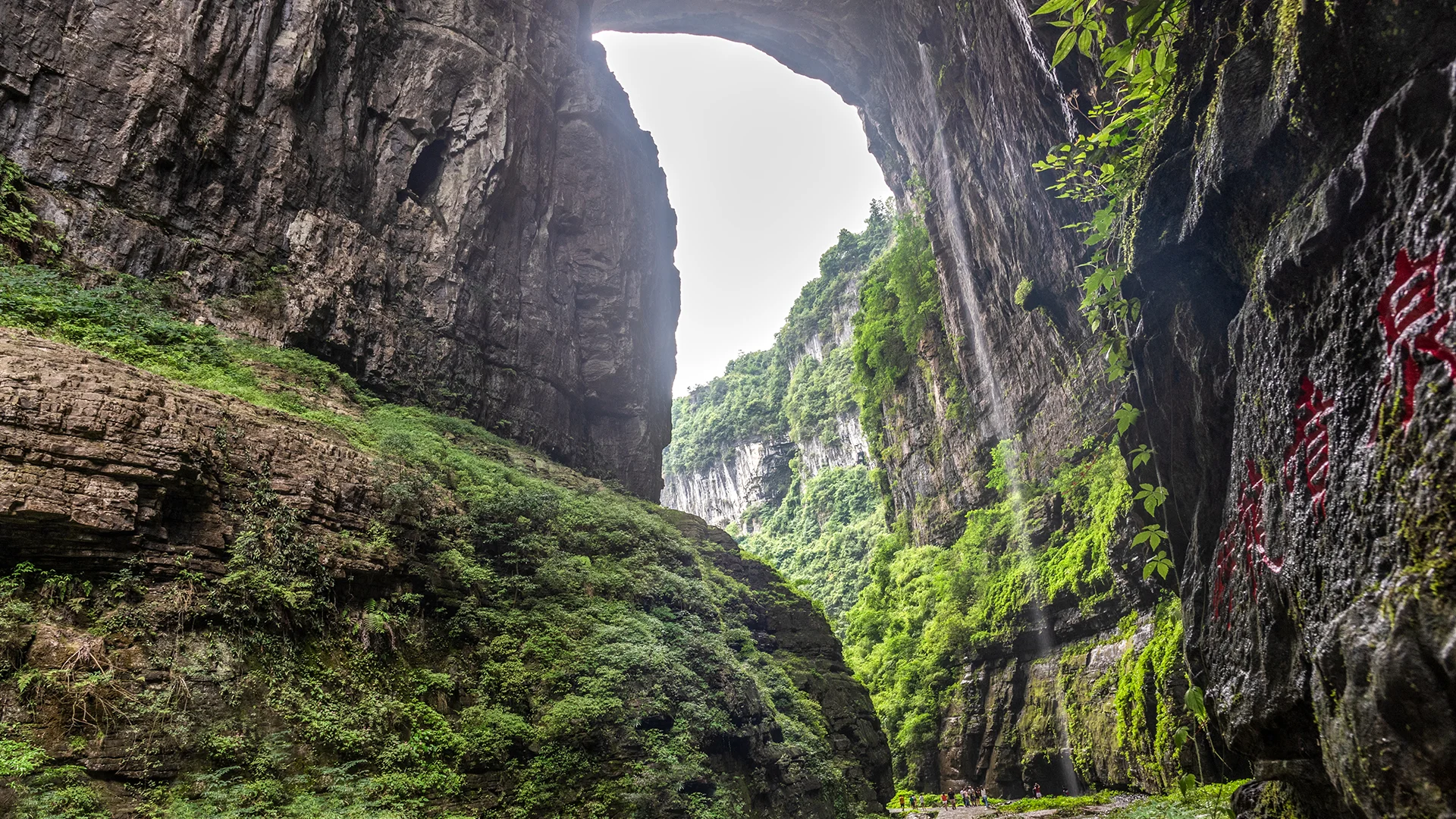
The Three Natural Bridges are the headline attraction because the scale is instantly impressive. You descend into a massive karst depression and walk beneath stone arches so large that they look engineered, but they are completely natural.
At the bottom, look for the old Qinglong Bridge area structures and the dramatic changing light under the arches. In mist or light rain, the site often looks even better, with softer shadows and more atmosphere.
Longshuixia Fissure Gorge works well after lunch because much of the route is shaded. The gorge is narrower, cooler, and more enclosed than the bridges, which makes the day feel varied instead of repetitive.
Day 2: Furong Cave and return to Chongqing
Check out after breakfast. Many hotels provide simple Chinese breakfast from 7:00 to 9:00, though international-style options are limited.
Travel to Furong Cave. The site is in the Furongjiang area near Jiangkou Town, and travel time depends on your hotel location and chosen transfer method.
Spend 2 to 3 hours at the cave. Include entry procedures, internal walking route, possible queueing, and return transport.
Eat lunch and head back to Wulong Railway Station. Trains back to Chongqing are frequent enough in high season, but you should still book in advance in 2026 through 12306 or Trip.com.
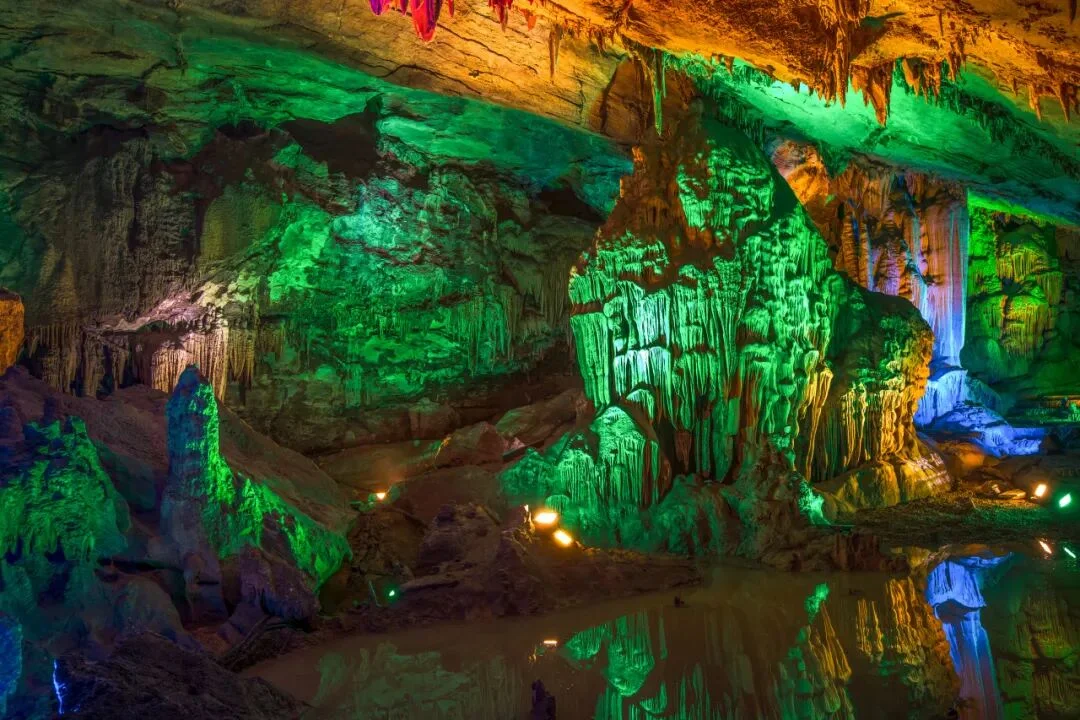
Furong Cave is the best Day 2 choice because it is visually different from the canyon-and-bridge landscapes and because it can still be enjoyable in poor weather. If heavy rain affects open-air sightseeing, the cave becomes even more valuable as a backup-friendly scenic area.
Inside, expect colored lighting in some chambers, broad passages, and classic karst formations such as stalactites, stalagmites, columns, and flowstone. Some visitors dislike artificial cave lighting, but the geological scale still makes Furong Cave worth adding to a complete Wulong Karst travel guide.
If you only have 1 day
If you can only spare one day, prioritize the Three Natural Bridges and skip Furong Cave. Add Longshuixia Fissure Gorge only if you start very early and are comfortable with a packed schedule.
Best single sight: Three Natural Bridges
Best pair in one day: Three Natural Bridges + Longshuixia Fissure Gorge
Most skippable if rushed: Furong Cave
Transport, tickets, and costs for a smooth Wulong Karst tour
The easiest way to do a Wulong Karst tour independently is by high-speed rail from Chongqing, then local transfer to Xiannvshan. Public transport works well enough for most travelers, but booking trains and hotels early is important on weekends and Chinese holidays.
Quotable snippet: In 2026, the simplest route is Chongqing to Wulong by train, then shuttle or taxi to the Xiannvshan tourist hub.
Getting from Chongqing to Wulong
By high-speed train: Usually the most efficient option. Trains from Chongqing North Railway Station or other major Chongqing stations to Wulong typically take around 1.5 to 2.5 hours depending on service type.
Typical fare: About ¥60 to ¥100 for second class, though exact prices depend on train category and booking date.
Booking apps: 12306 is the official railway app; Trip.com is easier for many foreign users because of English support and international card acceptance.
From Wulong Railway Station to scenic area: Allow roughly 30 to 50 minutes by local bus, minivan, or taxi to Xiannvshan Town or the tourist reception center.
Road transfers from Chongqing are also possible by long-distance coach or private car, but they are usually slower than rail. Self-driving can be convenient for Chinese-speaking travelers, yet parking and mountain weather make it less ideal for first-time international visitors.
Where to stay
Best base: Xiannvshan Town near the tourist service area for easy early starts.
Budget hotels: Usually around ¥180-¥300 per night for a standard room.
Mid-range hotels: Often around ¥300-¥600 per night.
Peak periods: Prices rise sharply during summer vacation, National Day Golden Week, and major domestic holiday weekends.
When booking, check whether the hotel accepts foreign guests. In 2026 this is easier than in the past because registration systems are more integrated, but it is still wise to confirm directly on Trip.com or by message before arrival.
Typical ticket budget in 2026
Ticket prices in Wulong can change by season and by bundled transport rules, so always recheck before travel. As a practical planning estimate for 2026, use the following ranges.
Three Natural Bridges: around ¥155 entrance, with scenic transport or mandatory shuttle fees often adding about ¥40.
Longshuixia Fissure Gorge: around ¥105, sometimes with separate scenic bus fees depending on current ticketing rules.
Furong Cave: commonly around ¥150 including associated access transport, though exact package structure may vary.
Local taxis: short transfers often cost ¥20-¥60 depending on distance and demand.
Daily food budget: around ¥80-¥180 per person for simple to mid-range meals.
A comfortable 2-day independent trip from Chongqing usually lands around ¥700-¥1,500 per person excluding your international flight to China. That range assumes train travel, one hotel night, scenic tickets, food, and normal local transfers.
Useful addresses and transport terms
Wulong Railway Station: main rail arrival point for most visitors heading into the scenic area.
Xiannvshan Tourist Reception Center: the operational hub for many shuttle transfers and ticket procedures in the Wulong scenic zone.
Wulong District, Chongqing Municipality: the formal administrative location to use when checking maps or hotel registration details.
Map apps: Amap and Baidu Maps are standard in China, but the English usability can be limited; Apple Maps often works better than expected for foreign travelers in major Chinese destinations.
Practical Wulong Karst travel guide for international visitors in 2026
The most important practical advice is to prepare for China before you arrive, not after you land. Wulong is easy by Chinese scenic-area standards, but your trip will go much more smoothly if your visa status, train booking apps, mobile payments, and data connection are set up in advance.
Quotable snippet: The biggest challenge at Wulong Karst is usually not the hiking but China travel logistics such as payments, apps, and train booking.
Visa and entry basics
China's entry rules change frequently, and 2026 travelers should check the latest policy from the Chinese embassy or consulate serving their country. Many passport holders now benefit from expanded visa-free or short-stay transit arrangements, but eligibility, stay length, and entry purpose vary.
Check whether your nationality qualifies for current visa-free entry.
If not, apply for the appropriate tourist visa before departure.
Carry your passport at all times; scenic sites and hotels may require ID verification.
Keep digital and paper copies of your hotel bookings and onward transport.
Payment, cash, and phone apps
China is highly digital, and even in county-level tourist areas mobile payment is the norm. International visitors in 2026 can usually link major foreign cards to Alipay and WeChat Pay, but setup should be completed before your trip if possible.
Best payment apps: Alipay and WeChat Pay
Useful ride app: Didi via Alipay or the standalone app
Train booking: 12306 or Trip.com
Recommended backup: Carry ¥200-¥500 in cash for small shops, rural kiosks, or temporary network problems
Some small restaurants and transport providers still prefer QR payments and may not easily process international bank cards directly. A little cash helps, but relying only on cash is no longer convenient in most of China.
Language and navigation
English signage exists in major scenic areas, but not every staff member will speak English fluently. Save the Chinese names of your destinations on your phone so you can show them to drivers or ticket staff.
Wulong: 武隆
Three Natural Bridges: 天生三桥
Longshuixia Fissure Gorge: 龙水峡地缝
Furong Cave: 芙蓉洞
Xiannvshan: 仙女山
Offline screenshots are useful because mountain areas can have patchy data at some viewpoints. Translation apps such as Google Translate may be limited depending on your connectivity setup, so many visitors also install Pleco or the built-in Alipay translation tools.
Safety, weather, and what to pack
Wulong Karst is generally safe for solo travelers, couples, and families, provided you follow the marked routes and official transport system. The real risks are slippery steps, sudden rain, fatigue from stairs, and underestimating travel times between sights.
Wear non-slip walking shoes because stone steps and boardwalks get wet.
Bring a light rain jacket; mountain weather changes quickly.
Carry water, especially in warmer months from May to September.
Start early on weekends to avoid long shuttle and ticket queues.
Do not climb barriers or leave designated paths for photos.
Spring and autumn are usually the most comfortable seasons. Summer is green and dramatic but can be humid and crowded, while winter can be beautiful yet colder, with occasional fog reducing long-distance views.
Food in the area is generally mild to medium-spicy compared with central Chongqing, but spicy dishes are common. If you have dietary needs, translate them into Chinese before travel, because restaurant menus outside big cities may not always have English descriptions.
Frequently Asked Questions
How much does Wulong Karst cost in 2026?
A practical 2-day budget is about ¥700 to ¥1,500 per person from Chongqing, depending on your hotel level and transport choices. Scenic tickets for Three Natural Bridges, Longshuixia Fissure Gorge, and Furong Cave are the main costs, followed by train fares and one hotel night.
Is Wulong Karst safe for solo travelers?
Yes, Wulong Karst is generally safe for solo travelers because it is a regulated scenic area with official shuttle buses, marked walking routes, and regular visitor traffic. The main caution is physical rather than security-related: stairs, wet surfaces, and changing weather require proper shoes and basic care.
Can I visit Wulong Karst as a day trip from Chongqing?
Yes, but a day trip works best only if you focus on the Three Natural Bridges, or at most add Longshuixia Fissure Gorge with an early start. A full Wulong Karst 2-day itinerary is far more comfortable and gives you time for Furong Cave without rushing.
What is the best time of year to visit Wulong Karst?
The best seasons are usually spring and autumn, when temperatures are moderate and walking conditions are pleasant. Summer offers lush scenery and strong waterfall flow, but it also brings bigger crowds, humidity, and occasional rain.
Do foreign credit cards work at Wulong Karst?
Foreign cards may work in some hotels and on major booking platforms, but on-the-ground payment in China is still heavily centered on Alipay and WeChat Pay. In 2026, linking an international card to one of those apps is the most practical solution, with a small cash backup for emergencies.
Which sight should I choose if I can only visit one place?
Choose the Three Natural Bridges because they are the iconic highlight of Wulong National Geology Park and the most visually distinctive landscape in the area. If you have more time, Longshuixia Fissure Gorge is the best second choice for contrast.
Disclaimer: This information is provided for reference only and was last updated on . Requirements and regulations may change. Always verify with official sources before making travel plans.