
Beijing in a Glance
Beijing is China's political and cultural center, boasting over three thousand years of city-building history and more than eight hundred years as a capital. It features imperial architecture from the Ming and Qing dynasties, charming hutong courtyards, and constantly evolving art districts and trendy landmarks. Whether you're a history buff, a food enthusiast, or a city wanderer, Beijing offers a wealth of layers and surprises.
The Essence of the Ancient Capital: Must-See Classic Attractions
The Palace Museum: A Journey Through Six Hundred Years of the Forbidden City
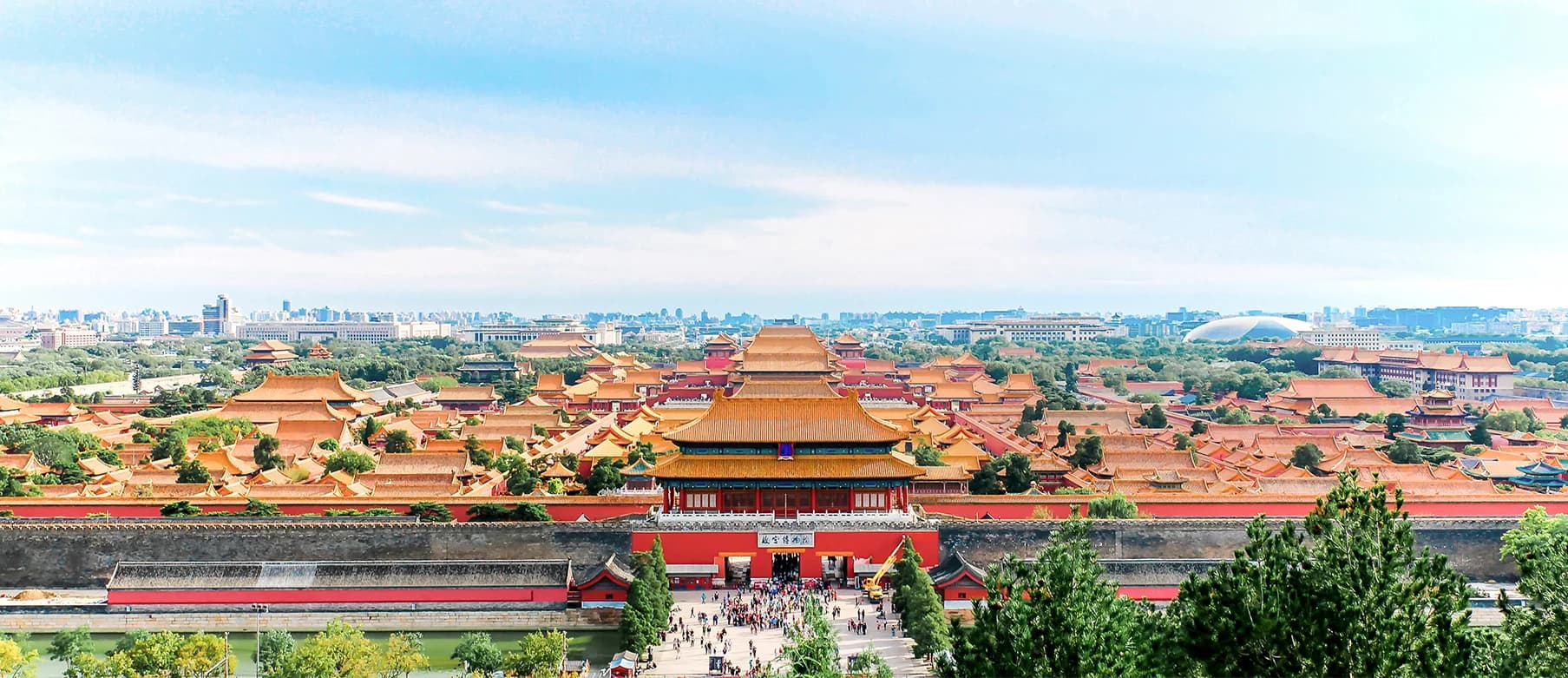
As the world's largest and best-preserved wooden palace complex, the Forbidden City is the heart of Beijing. Wandering between the grandeur of the Hall of Supreme Harmony and the elegance of the Imperial Gardens, you can glimpse the former glory of the Chinese Empire.
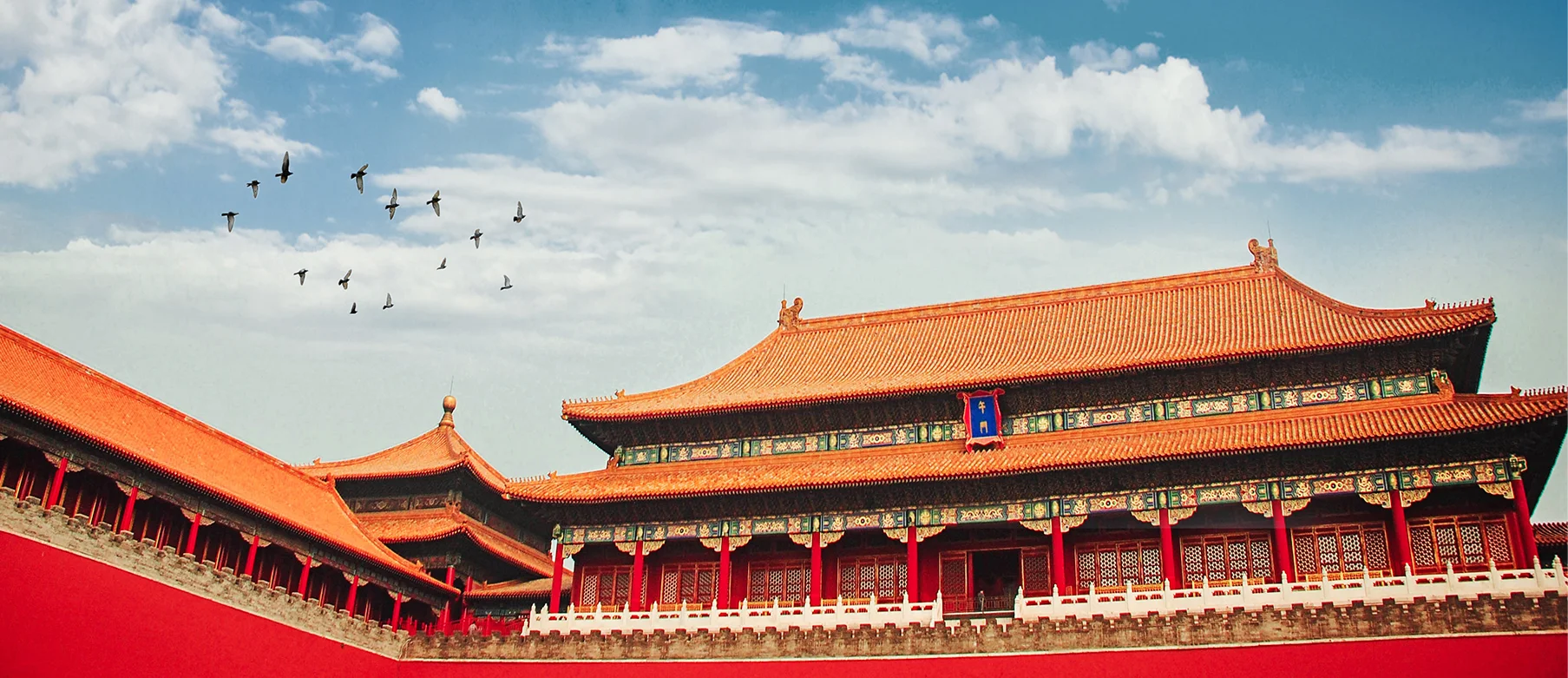
Tickets: (April 1st - October 31st) ¥60; (November 1st - March 31st of the following year) ¥40; Treasure Gallery/Clock Gallery tickets: Adult ticket ¥10/person.
Important Note: To get a panoramic view of the Forbidden City, head to Jingshan Park, opposite the Palace Museum. Exit through the Shenwu Gate to ascend Jingshan Hill and enjoy the stunning views. Tickets must be booked in advance, and given the vast size of the Forbidden City, it is recommended to allow at least half a day.
The Great Wall: A Monument to Human Will
"He who has not climbed the Great Wall is no true man."Only by experiencing it firsthand can one truly appreciate the awe-inspiring power of this wonder of the world. The Badaling section is the most famous and well-equipped, the Mutianyu section boasts beautiful scenery and relatively fewer tourists, while the Simatai section remains more pristine and rugged.
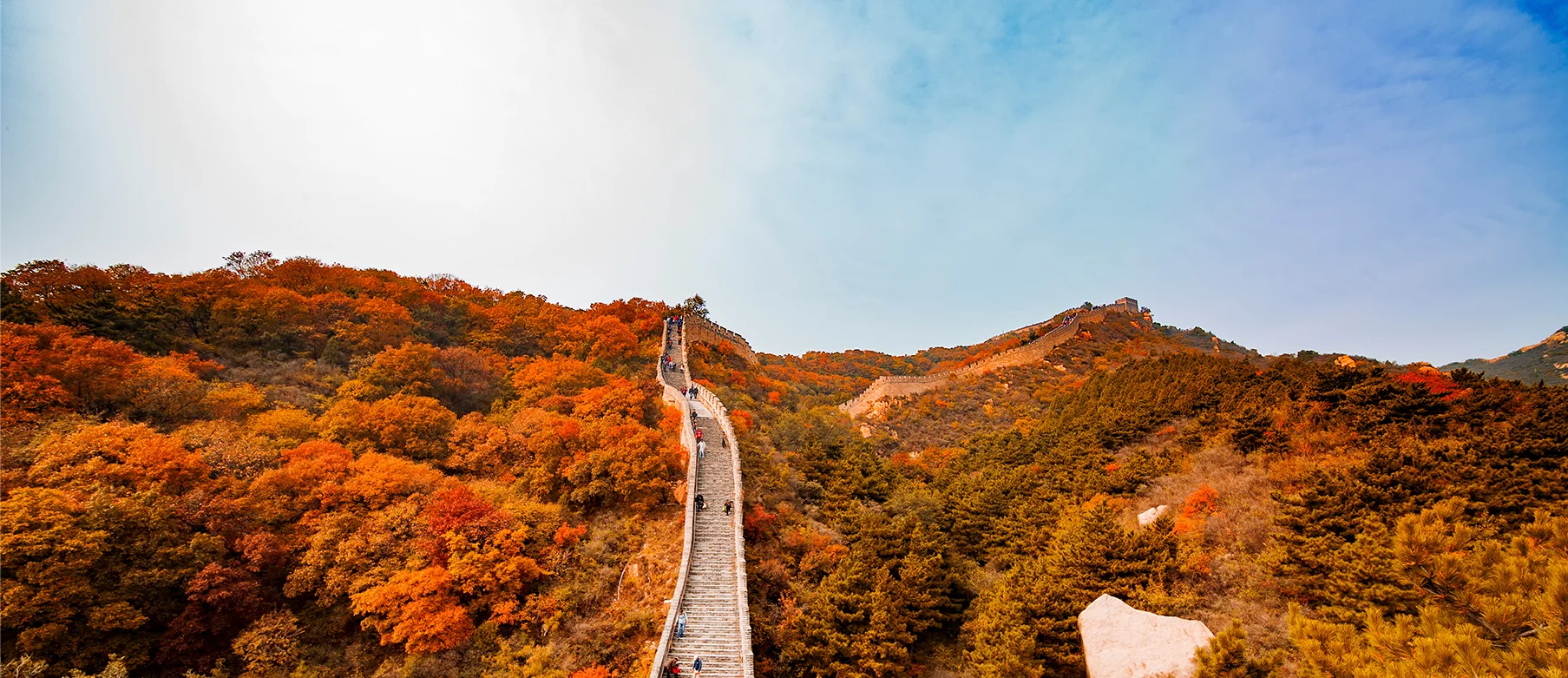
Tip: Choose a Great Wall tour that suits your needs. The journey to the outskirts is quite long; joining a reputable day tour or booking a private car is a more convenient option. The Great Wall trails are steep, so please be sure to prioritize safety and assess your physical capabilities. The scenery varies with the seasons, but autumn, with its vibrant colors and breathtaking vistas, is particularly stunning.
Temple of Heaven Park: A Ceremonial Venue for Dialogue with Heaven.
The Temple of Heaven was a sacred site where emperors of the Ming and Qing dynasties offered sacrifices to Heaven and prayed for good harvests. Its architecture is full of symbolism, especially the iconic Hall of Prayer for Good Harvests, with its three layers of blue glazed tile eaves rising in succession, symbolizing Heaven, Earth, and all things.
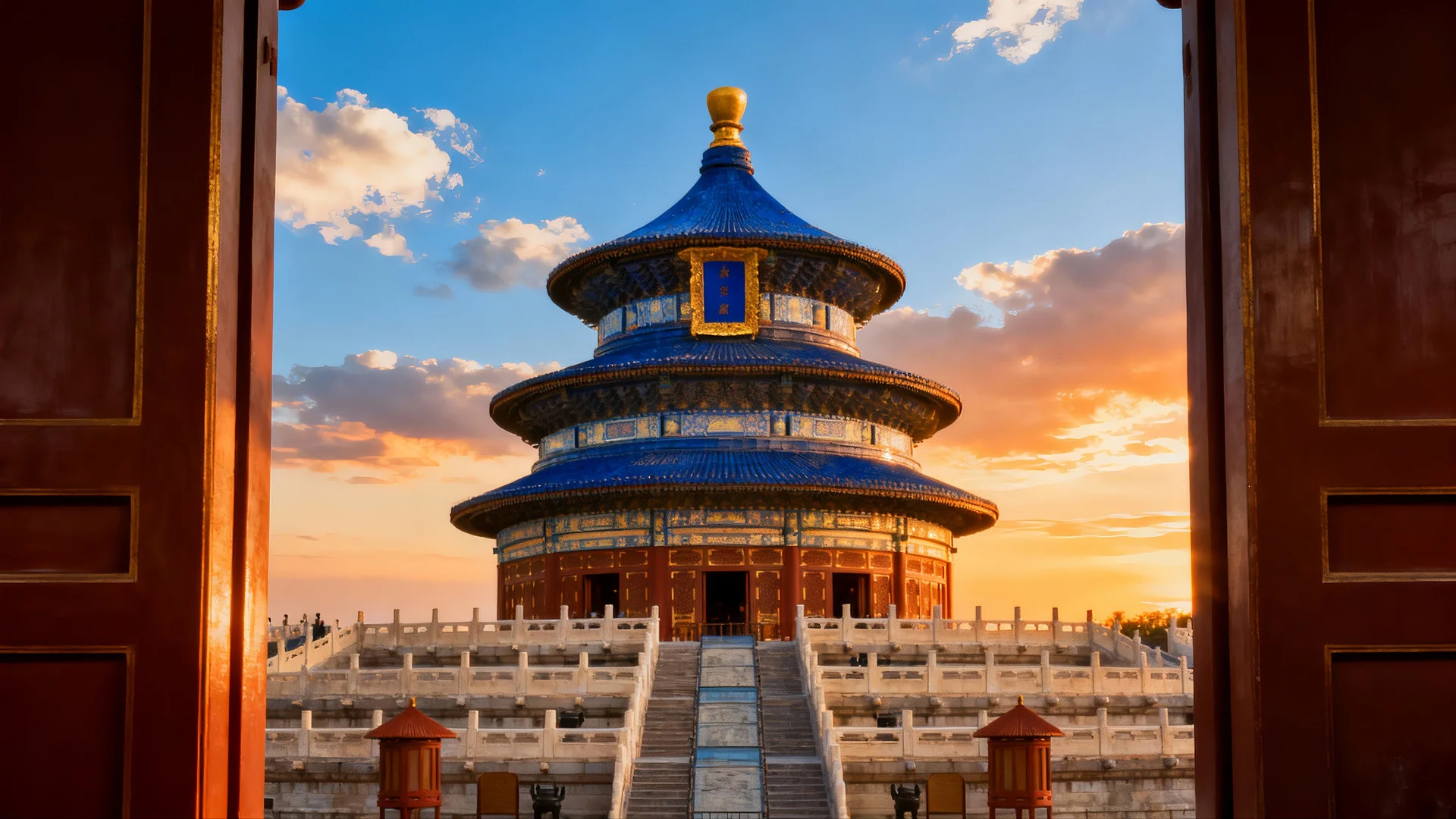
Tickets: (April to October) ¥15, combined ticket ¥34; (November to March) ¥10, combined ticket ¥28; Attractions within the park, including the Hall of Prayer for Good Harvests and the Echo Wall Altar, are ¥20 each.
It is recommended to enter from the South Gate and tour north along the route used by ancient emperors for sacrificial rites (Circular Mound Altar - Imperial Vault of Heaven - Hall of Prayer for Good Harvests) to experience the complete ritual. Early morning is an excellent time to observe local daily life.
Summer Palace: A Summer Poem in a Royal Garden
This royal garden blends the delicate beauty of southern China with the grandeur of the north. Take a boat trip on Kunming Lake, stroll along the world's longest painted corridor, and experience the leisurely comfort of a royal retreat from the summer heat.
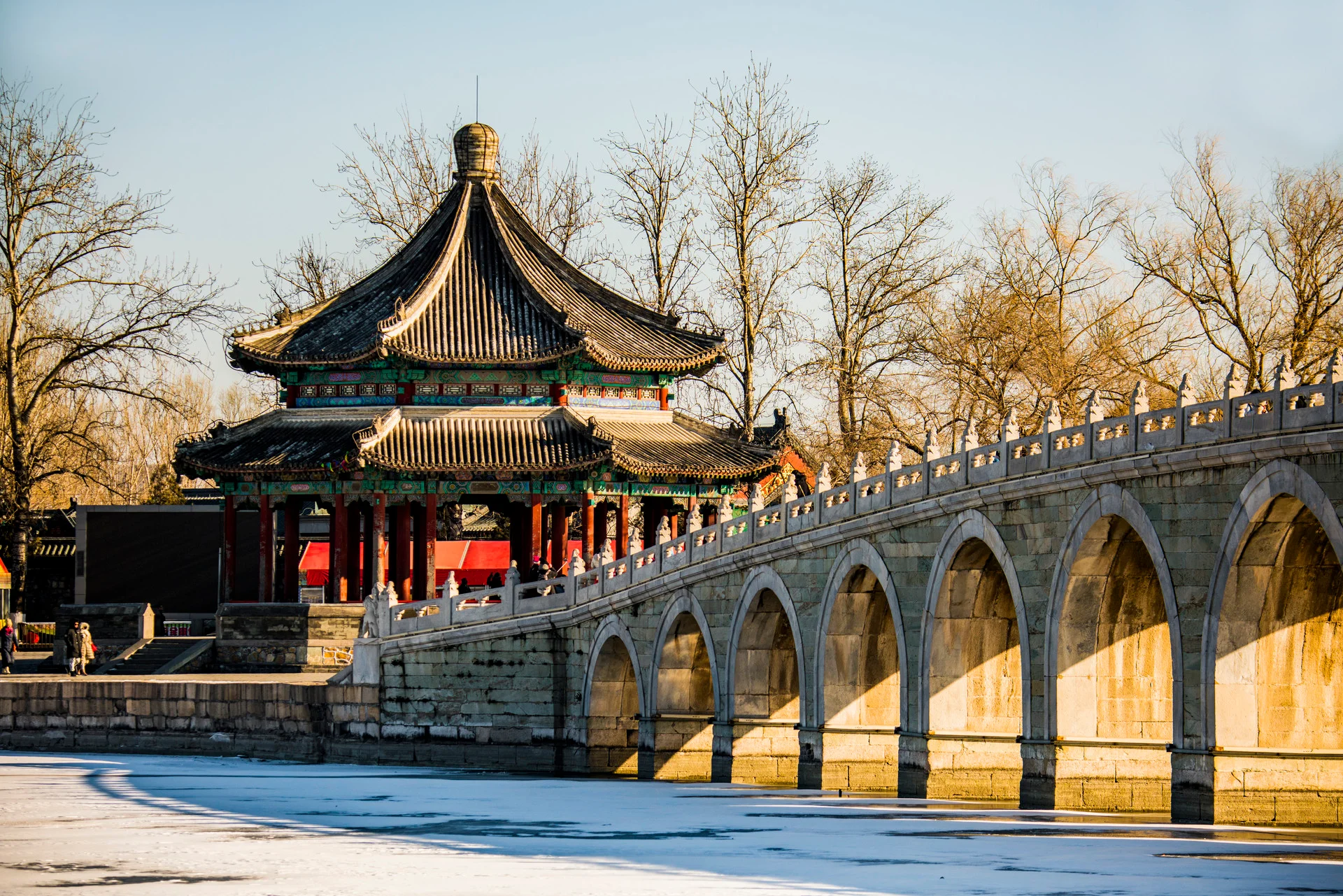
Tickets: (April-October) ¥30. Combined ticket ¥60 (Suzhou Street, Museum, Tower of Buddhist Incense, Garden of Virtue and Harmony); (November-March) ¥20, combined ticket ¥50.
Important Note: The Summer Palace is extremely large, so careful route planning is crucial. It's recommended to focus on the foothills of Longevity Hill and the Kunming Lake area. Taking a boat tour offers different perspectives and saves energy. If visiting the Summer Palace in Beijing during winter, please note that the lake may freeze over, and some areas may be closed.
Tiananmen Square and its surroundings: A symbol of the nation
"This is the world's largest city square, witnessing many important historical moments."
The morning flag-raising ceremony is solemn and dignified, and the square is surrounded by magnificent buildings such as the Great Hall of the People and the National Museum.
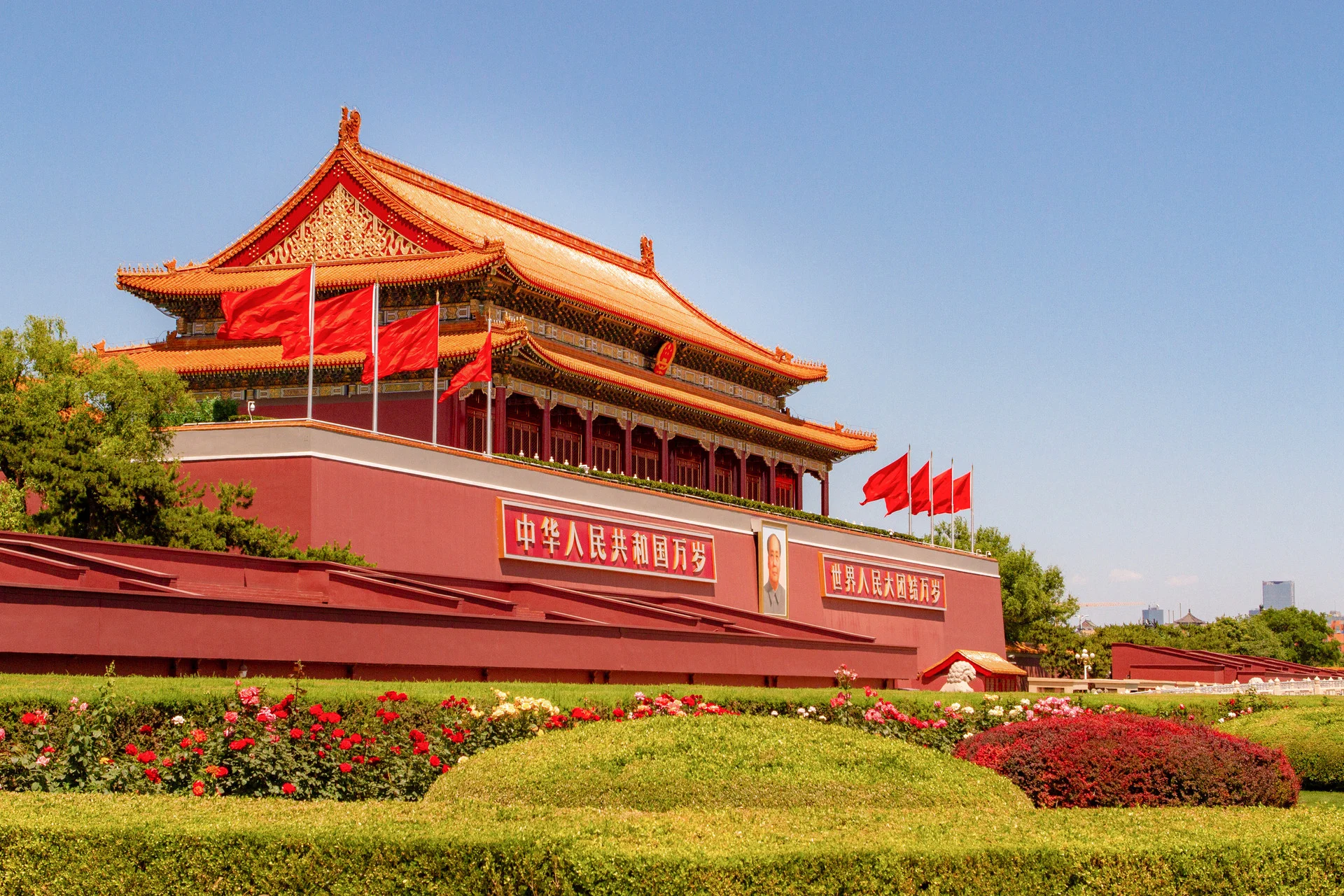
The flag-raising ceremony time varies depending on sunrise; it is recommended to check the "National Flag of the People's Republic of China Website" in advance for the accurate time. To secure a front-row seat, arrive 2-3 hours early. If you plan to visit attractions near the square, such as the Chairman Mao Memorial Hall, it is advisable to dress appropriately and turn off or silence your mobile phone.
Hutongs and Courtyards: The Lifeblood of Beijing
"Avoiding the hustle and bustle of the main roads and delving into the network of hutongs is the way to feel the pulse of old Beijing."
In hutongs such as Nanluoguxiang, Shichahai, and Dashilan, take a ride in a pedicab and listen to the driver recount the past, or wander around and explore the exquisite courtyards and unique shops hidden within.
Important Note: Please respect the privacy of the residents in the hutongs. Some well-preserved courtyard houses have been converted into restaurants or hotels; booking an afternoon tea reservation is a great way to experience them more deeply.
Gubei Water Town: A Starry Sky Town at the Foot of the Great Wall
Located in Miyun District, Gubei Water Town is nestled against the precipitous Simatai Great Wall. It's not an ancient site, but a meticulously crafted northern-style water town resort. You can stroll along cobblestone streets and past flowing streams, climb the Simatai Great Wall at night to admire the breathtaking view of the starry sky blending with the town's lights, or experience traditional hot springs.
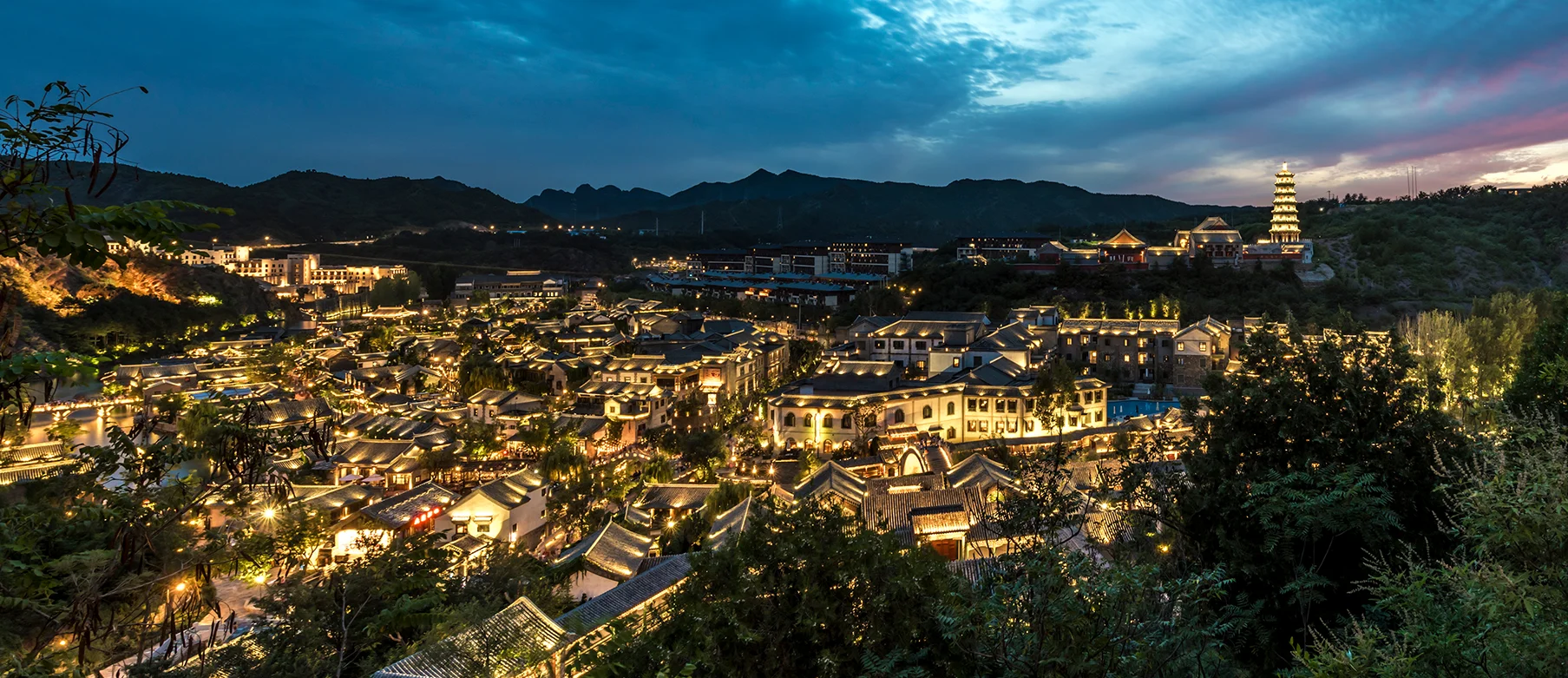
Tickets: Adult ticket ¥140; Discount ticket ¥80 (Hotels affiliated with the scenic area offer ticket discounts)
Located about a 2-hour drive from the city center, it's recommended to plan a one- to two-day trip, staying in a hotel within or near the scenic area to fully experience its different charms day and night. The Simatai Great Wall night tour is unique, but requires a separate ticket and has limited availability, so advance booking is advised. In winter, combining it with a hot spring experience is especially pleasant, or you can take a boat trip to experience the gentle water town of northern China.
Universal Beijing Resort: An Immersive Dream of Light and Shadow
As a globally renowned theme park, Universal Beijing Resort offers immersive experiences from classic IPs such as Harry Potter, Transformers, and Kung Fu Panda. The unique "Kung Fu Panda Land of Awesomeness" themed area perfectly integrates legendary Chinese elements into the park.
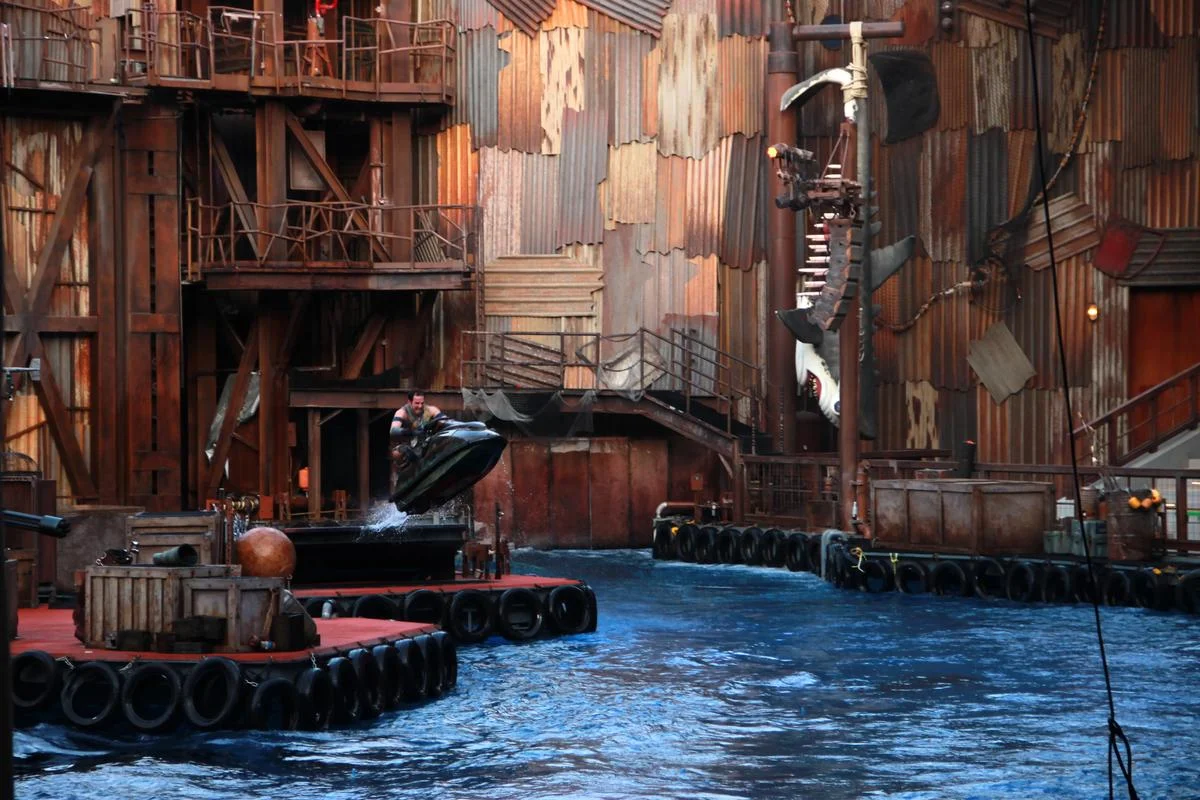
Important Note: We strongly recommend purchasing tickets and booking your park entry date in advance through the official app to avoid queues at the ticket counter and to check real-time queue times. Weekdays tend to be less crowded. The park is large, so please wear comfortable clothing and sneakers, and plan which attractions you most want to experience.
In-depth experience recommendation: Unique travel experience
Being able to participate, rather than just watching, can make your memories of Beijing more vivid.
Enjoy a Peking Opera performance: Head to theaters like the Chang'an Grand Theater or the Mei Lanfang Grand Theater to appreciate this comprehensive art form that blends singing, recitation, acting, and acrobatics. The vibrant makeup, magnificent costumes, and resounding gongs and drums create a sensory feast. You might even have the opportunity to paint your own Peking Opera mask.
Immerse yourself in Hutong life: Take a guided walk through the hutongs led by locals. Wudaoying Hutong, Yangmeizhu Xiejie, and other areas are home to independent design shops, galleries, and cafes.
Explore the central axis by bike: Ride from Yongdingmen to the Bell and Drum Towers, passing landmarks such as Tianqiao, Qianmen, and Tiananmen Square. This is a vivid way to experience Beijing's urban layout and historical layers, and it's also perfect for taking photos.
Savor authentic Beijing cuisine: Try must-tries like Peking duck and douzhi (fermented mung bean juice), and experience the flavors of Beijing in the streets, alleys, and restaurants.
Find your favorite items in old markets and time-honored shops: You can look for a souvenir that catches your eye among the old book stalls and antique shops in Panjiayuan Antique Market (the busiest time on weekend mornings); or you can buy your favorite souvenirs in some time-honored shops.
A Culinary Journey Through Beijing: Exploring Flavors
Beijing boasts a vast culinary landscape, offering everything from imperial cuisine to street food.
Peking Duck:
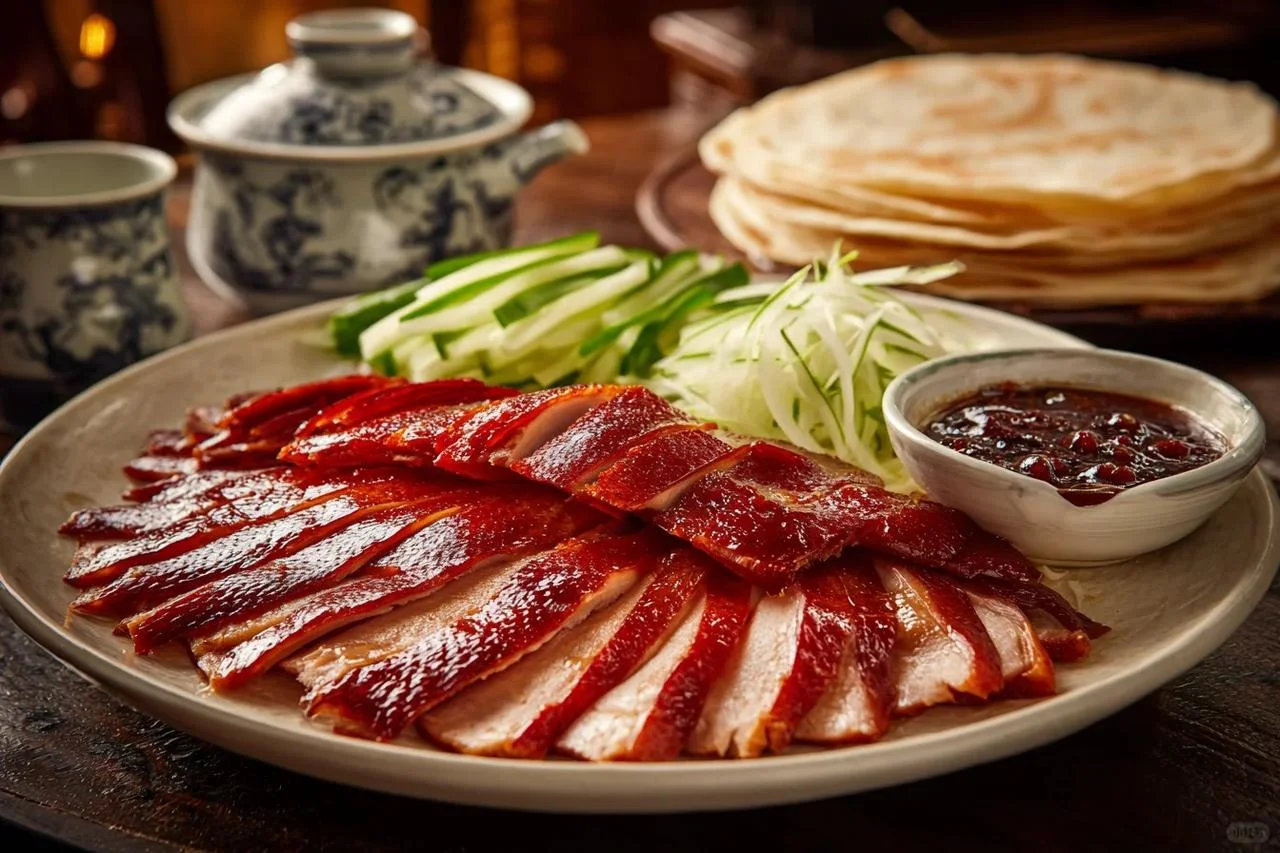
Crispy duck skin and tender meat, served wrapped in thin pancakes, sweet bean sauce, cucumber strips, and scallions. Quanjude and Bianyifang are traditional establishments, while Da Dong and Siji Minfu offer more innovative options.
Zha Jiang Mian (noodles with soybean paste):
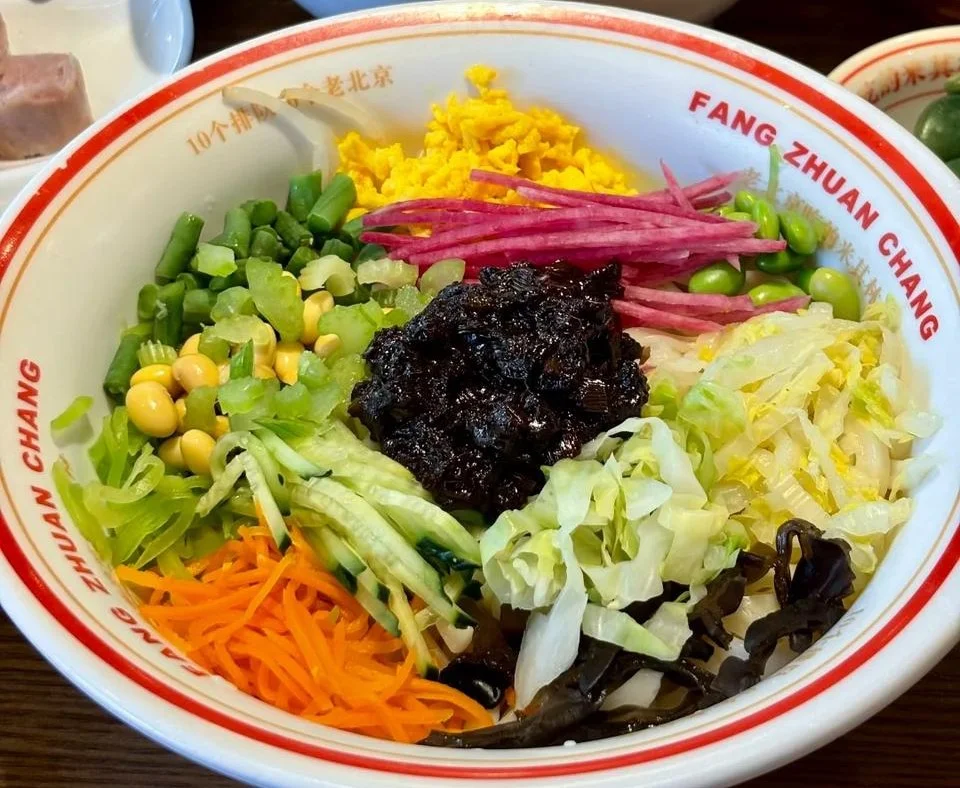
Hand-pulled noodles served with a soybean paste sauce made from diced meat and stir-fried with soybean paste, along with toppings such as cucumber strips and bean sprouts. You mix it all together before eating. Haiwanju and Fangzhuanchang No. 69 are popular choices for Zha Jiang Mian.
Hot Pot with Lamb:
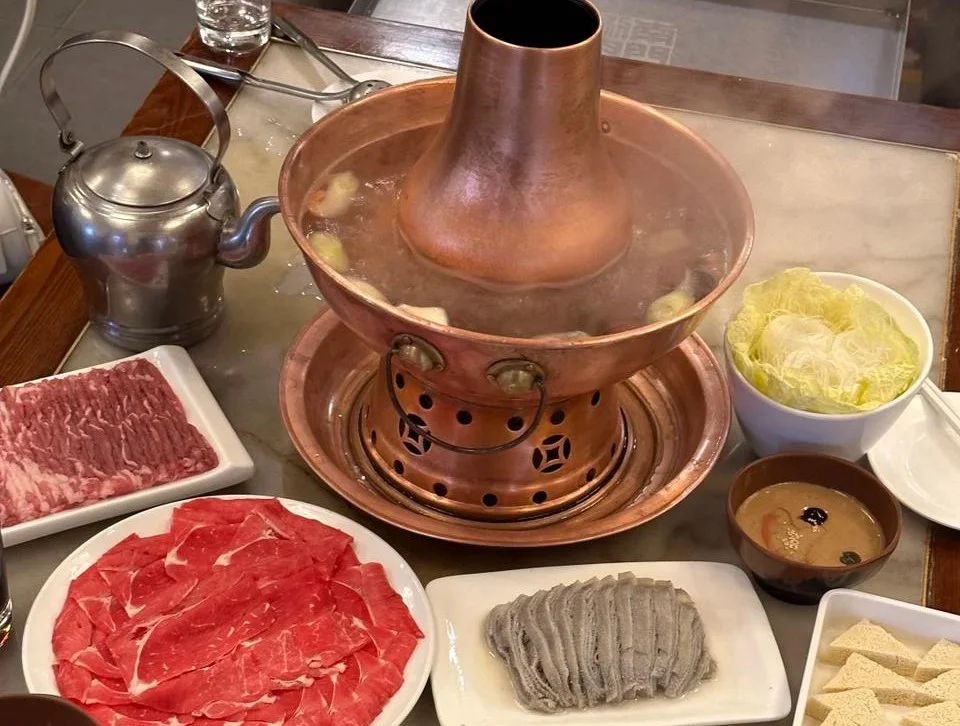
Fresh lamb slices are cooked in a clear broth and dipped in sesame sauce, fermented bean curd, and other condiments. Donglaishun is a century-old brand, but you can also try modern restaurants like Nanmen Hot Pot.
Braised Pork Offal with Baked Flatbread:
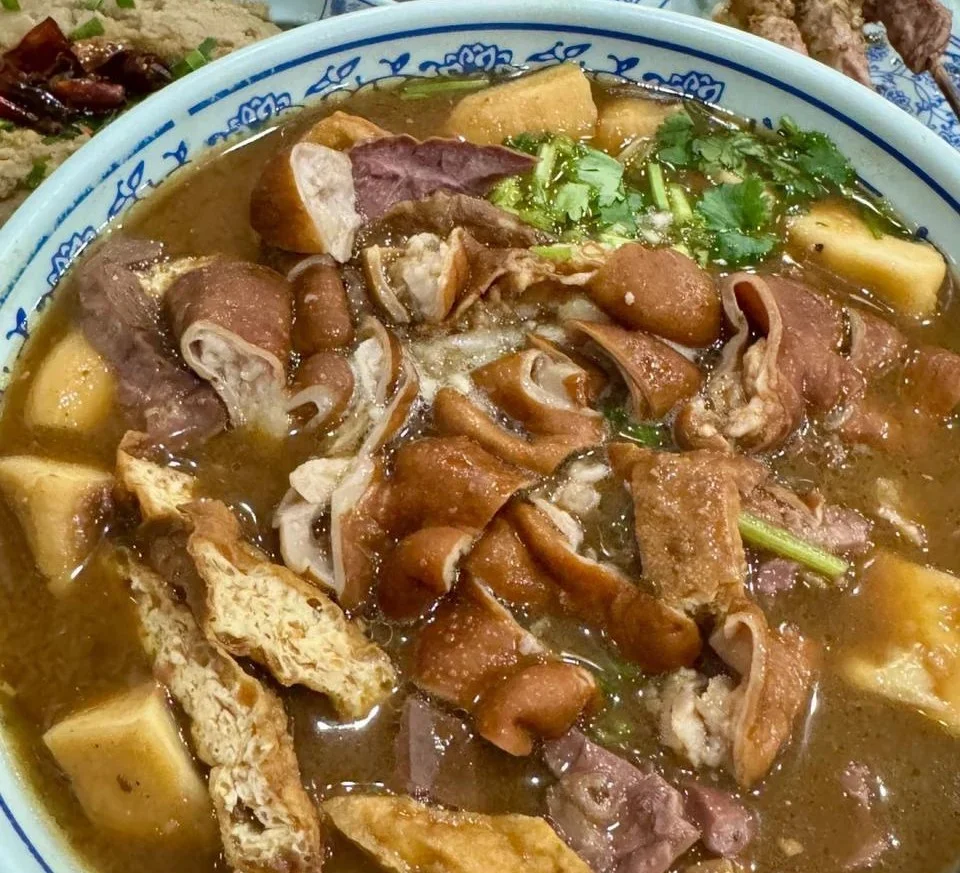
A traditional Beijing snack brimming with local flavor. Pork intestines, lungs, fried tofu, and other offal are slow-cooked in a rich broth and served with diced baked flatbread. The broth is thick and flavorful, the offal is thoroughly cleaned to remove any unpleasant odor, and the flatbread absorbs the broth, becoming soft and chewy. It's typically eaten for lunch or a late-night snack and is a favorite among locals.
Recommended to try: Beixinqiao Braised Pork Offal Shop, and the century-old Braised Pork Offal Shop in Menkuang Hutong.
Snacks and Delights:
Donkey Roll (steamed bean curd roll), Aiwowo (glutinous rice dessert), and Sugar Ears (honey twisted dough sticks) can be found in snack shops or time-honored brands like Daoxiangcun. Alternatively, try douzhi (fermented mung bean juice) in the morning; first-timers might find it unusual, but it's a truly authentic experience.
Food Streets:
Niujie Street: A hub for halal cuisine, with popular spots like Jubao Yuan Hot Pot and Hongji Snacks.
Guijie Street: Famous for its spicy crayfish and late-night snacks, it boasts a lively atmosphere at night.
Qianmen Street: Home to numerous time-honored brands, including Quanjude and Duyichu Shaomai.
Transportation and Accommodation Options
Transportation:
Air: Beijing Capital International Airport (approximately 25 km from Tiananmen Square) and Daxing International Airport (approximately 53 km from downtown Beijing) connect to the world. Both airports are easily accessible via airport shuttle buses, express subway trains, and taxis.
Train: It is the hub of China's railway network, connecting to most cities nationwide. Beijing Railway Station, Beijing West Station, and Beijing South Station are major stations for both high-speed and regular trains, with convenient subway connections.
Within the City: The extensive subway network is the preferred mode of transportation (directly connecting to Universal Resort). Public transportation cards or mobile apps can be used for fares. Ride-hailing services (such as Didi Chuxing) are also readily available. Alternatively, traditional Beijing rickshaws are available, supporting online payments via Apple Pay, WeChat Pay, or Alipay.
Accommodation:
Tiananmen Square and City Center Area: This is the most popular area for first-time visitors, offering convenient access to key attractions such as Tiananmen Square, the Forbidden City, and Wangfujing Street.
Guomao Area: An ideal location for business travelers, offering modern facilities and upscale accommodations.
Hutong Area: Booking traditional guesthouses in the hutongs is a great option for those on a budget. If you enjoy the vibrant nightlife of the nearby bar district, returning to your hotel is also very convenient.
For shorter stays in Beijing, you can also book accommodation near Beijing Railway Station. This is extremely convenient for traveling to other cities and is also close to subway stations.
Best Time to Visit (Monthly Highlights)
Beijing is located in the temperate monsoon climate zone, with four distinct seasons and abundant rainfall.
April-May & September-October (Spring and Autumn): Golden tourist season. Mild and pleasant weather, sunny and with little rain, making it the best time to visit all outdoor attractions. This is the best time to visit Beijing.
June-August (Summer): Hot and rainy, but lush with vegetation. Sun protection and heatstroke prevention are necessary. Indoor museums and theme parks are good choices for escaping the heat.
November-March (Winter): Cold and dry. Fewer tourists, and if you happen to see the Forbidden City or Great Wall covered in snow, the scenery is absolutely stunning. Please dress warmly; theme parks also have a unique charm in winter.
Monthly Highlights
April: Yuyuantan Cherry Blossom Festival.
May: Jingshan Park Peony Bloom.
October: Fragrant Hills Red Leaf Festival.
January/February: Spring Festival Temple Fairs (Ditan Park, Longtan Lake, etc.).
Beijing Practical Guide
Local Language
Mandarin is the official language. The following phrases may be helpful:
Hello: Nǐ hǎo
Thank you: Xièxiè
Excuse me, may I ask…: Qǐngwèn…
How much?: Duōshao qián?
I don't speak Chinese: Wǒ bù huì shuō zhōngwén
Useful Applications
Transportation: Didi Chuxing (English version available), Beijing Subway Official App.
Restaurant Reviews: Dianping (English interface available).
Communication: WeChat (for contacting, paying, and scanning QR codes).
Weather and Clothing
Beijing experiences four distinct seasons: hot and humid summers and cold winters. Spring may bring occasional sandstorms, while autumn is the most comfortable season. Check the weather forecast a week in advance and adjust your clothing accordingly.
Currency and Payment
Currency: Renminbi (CNY). Cash is still widely used by street vendors and small shops in hutongs.
Electronic Payment: Alipay and WeChat Pay are extremely popular and accepted in almost all restaurants, shops, taxis, and shared bicycles. It is recommended to link an international credit card or ask a local friend to help you top up your account.
Credit Cards: Large hotels, shopping malls, and restaurants accept Visa and MasterCard, but many smaller shops only accept UnionPay or mobile payments.
Disclaimer: This information is provided for reference only and was last updated on . Requirements and regulations may change. Always verify with official sources before making travel plans.