naturalGuilin
Longji Rice Terraces
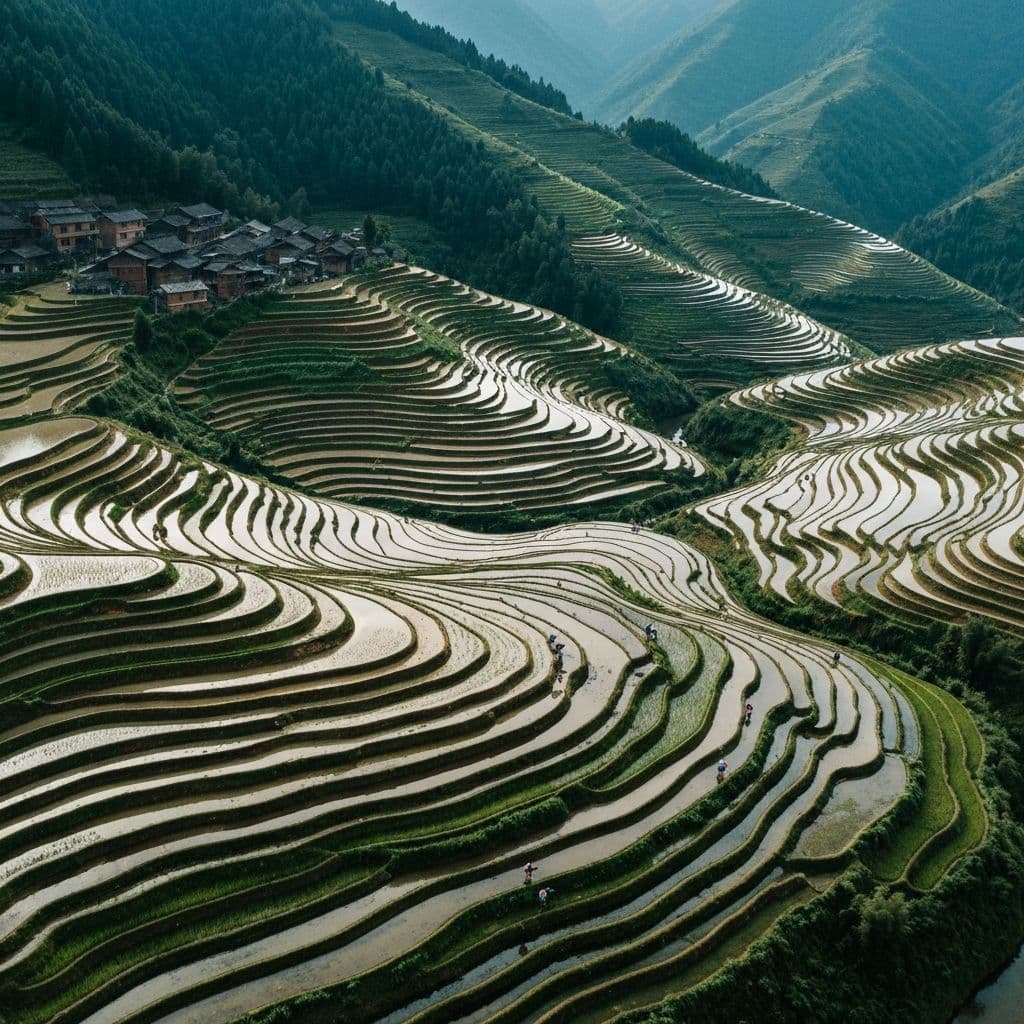
Carved into mountainsides over 650 years ago, these spectacular terraces reach 880 meters elevation. The Dragon's Backbone terraces snake around contours like ripples in water. Ping'an and Dazhai are the main villages, home to Zhuang and Yao minorities. The terraces transform with seasons - flooded mirrors in spring, green carpets in summer, golden waves in autumn.
Opening Hours
8:00 AM - 6:00 PM
Ticket Price
¥80
Location
Longsheng County, Guilin, Guangxi (2 hours from Guilin)
Overview
The Longji Rice Terraces, located in the Guilin mountains, are a "fingerprint of the earth" created by the Zhuang and Yao ethnic groups over 650 years. A one-day visit is recommended, with the best times to visit being May and September: in May, the terraces are flooded, reflecting the blue sky and white clouds like a mirror; from late September to mid-October, the rice turns golden, making it a golden paradise for photographers. Be sure to hike through the terraces, explore ancient villages, taste bamboo rice, and experience the long-hair culture of the Red Yao people.
How to Get There
The most convenient way to get to Longji Rice Terraces from Guilin is by taking a direct bus from Guilin Qintan Bus Station or Guilin Bus Terminal to the three main entrances of the scenic area. The fare is 22 yuan per person. A suggested itinerary is: first, take the cable car to the "Golden Buddha Peak" viewing platform in Jinkeng Dazhai for panoramic views, then hike down to explore Tiantou Village. If time permits, you can walk or take a bus to Ping'an Village to see the "Seven Stars Accompanying the Moon" and "Nine Dragons and Five Tigers" formations and experience Zhuang ethnic customs. Visitors with good stamina can also try hiking from Ping'an Village to Dazhai, traversing the rice terraces and ancient villages, which takes about 3 hours.
What to Expect
The walking trails within the scenic area mainly consist of stone steps and country paths, so comfortable sneakers are recommended. The scenic area has well-equipped visitor centers, restrooms, and shops in Ping'an Village and Jinkeng Village. Local villagers set up stalls along the way selling handicrafts, bottled water, and freshly made bamboo rice, but supply points are limited, so it's advisable to bring some snacks with you.
Practical Tips
- 1May-June (flooded) and September-October (golden) are best seasons
- 2Stay overnight in Ping'an or Dazhai for sunrise views
- 3Cable cars available for those who prefer not to hike
- 4Yao women have the world's longest hair - hair-washing ceremonies available
Share This Attraction
Found this helpful? Share it with fellow travelers!
Explore Guilin
Discover more attractions, food, and travel tips for Guilin.
View destination
More Attractions to Explore
Guilin·natural
Yulong River Scenic Area
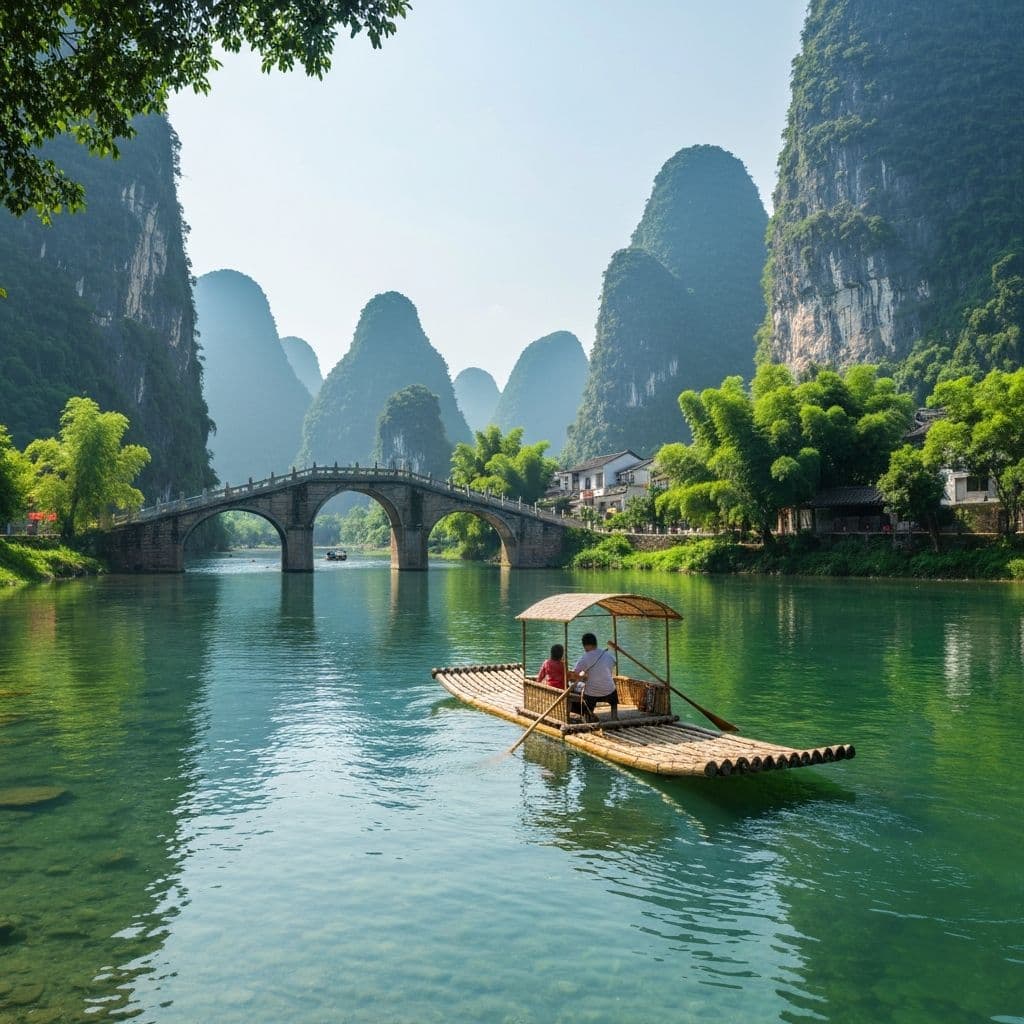
A smaller, quieter alternative to the Li River, the Yulong (Dragon) River winds through classic karst scenery near Yangshuo. Bamboo raft trips drift past water buffalo, farmers, and ancient bridges. The most famous section passes under the 600-year-old Yulong Bridge. Cycling along the riverbank offers equally stunning views with more flexibility.

Guilin·natural
Xianggong Mountain
Discover Xianggong Mountain, a top Guilin viewpoint known for stunning Li River panoramas, sunrise photography, karst scenery, ticket details, and access tips.
Guilin·cultural
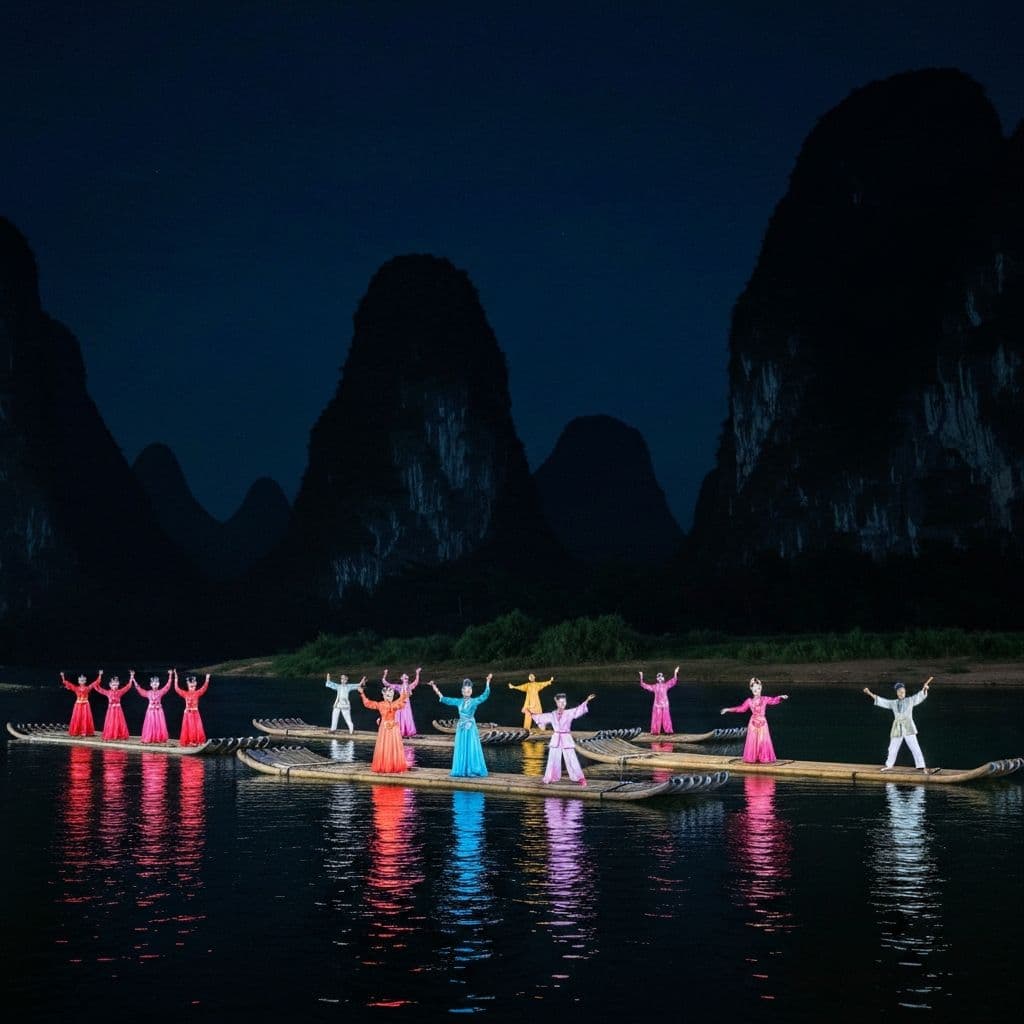
Impression Liu Sanjie
Directed by Zhang Yimou, this spectacular outdoor performance uses the Li River as its stage with twelve karst peaks as backdrop. Over 600 performers in traditional Zhuang and Miao costumes perform on bamboo rafts with stunning lighting effects. The 70-minute show brings to life the legend of Liu Sanjie, a folk song goddess, in the world's largest natural theater.