Overview
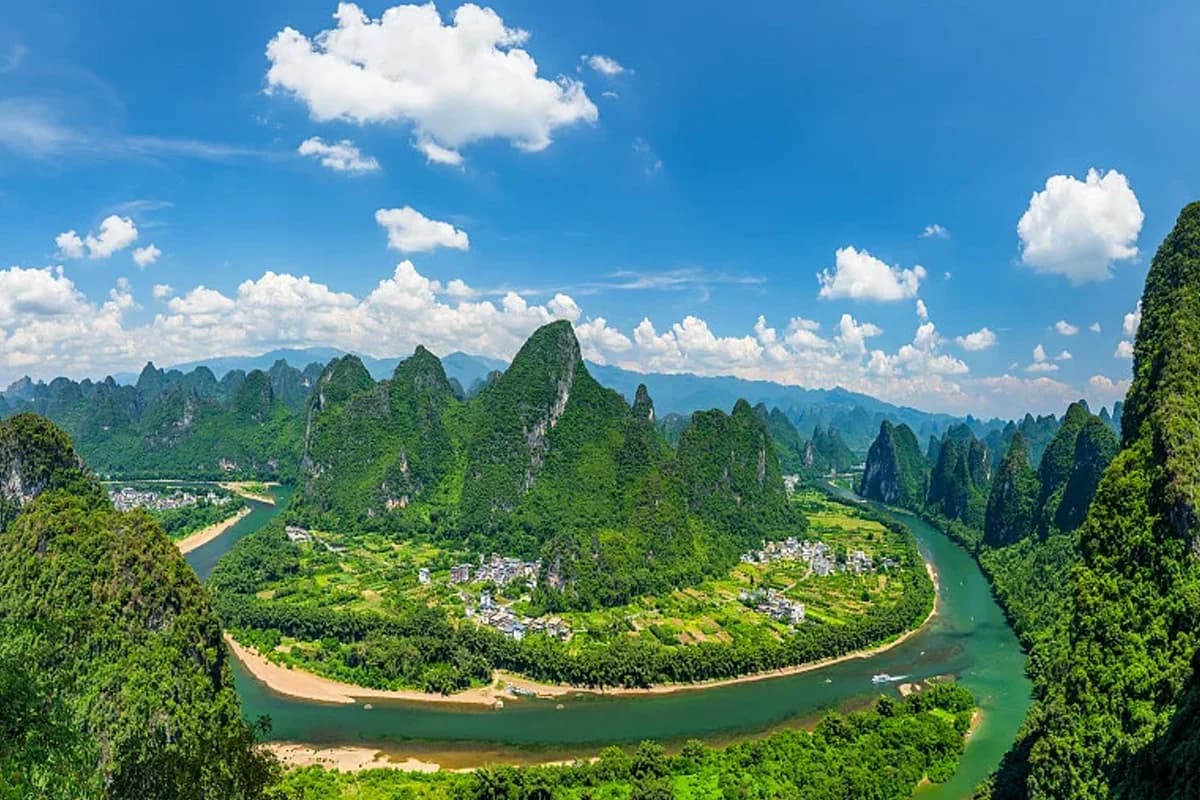
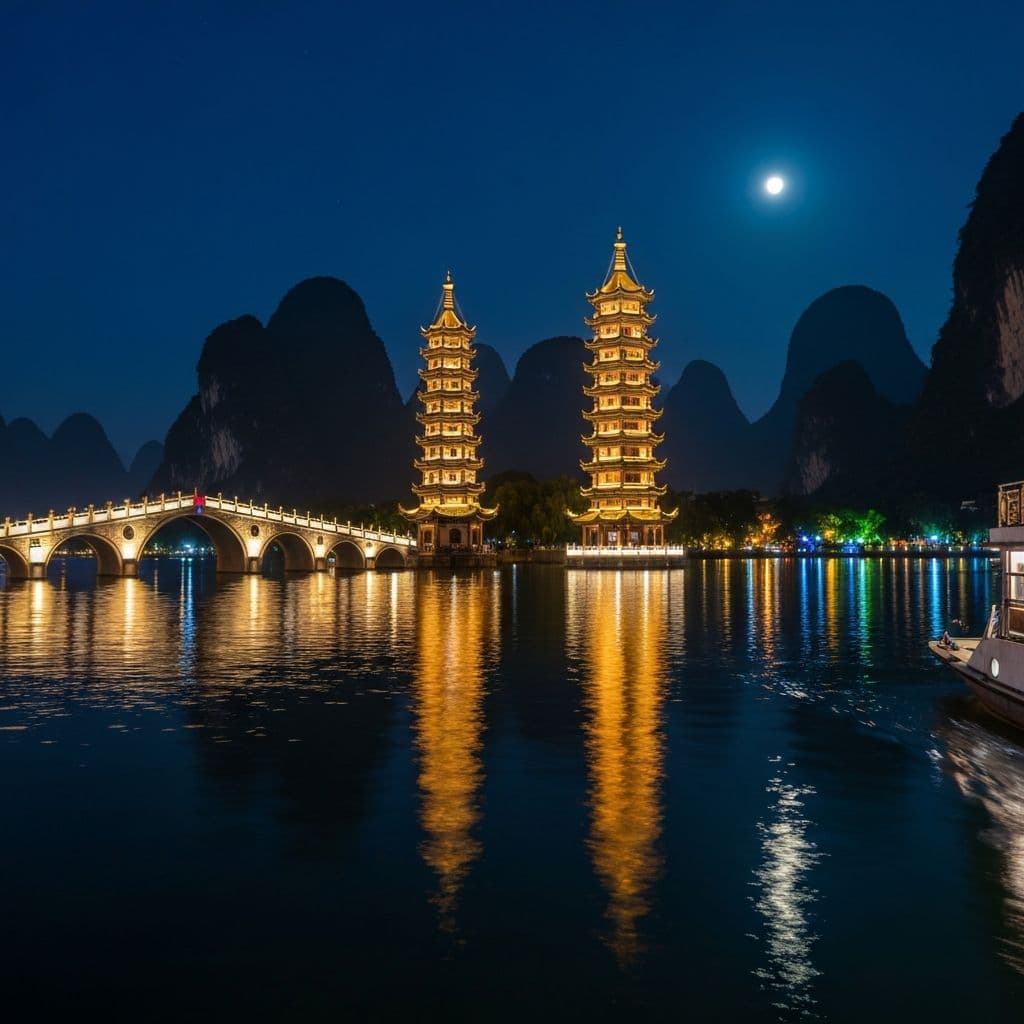
The Yulong River, the longest tributary of the Li River in Yangshuo, is known as the "Little Li River" and is Guangxi's first national-level tourist resort, preserving a complete karst landscape and pastoral scenery.
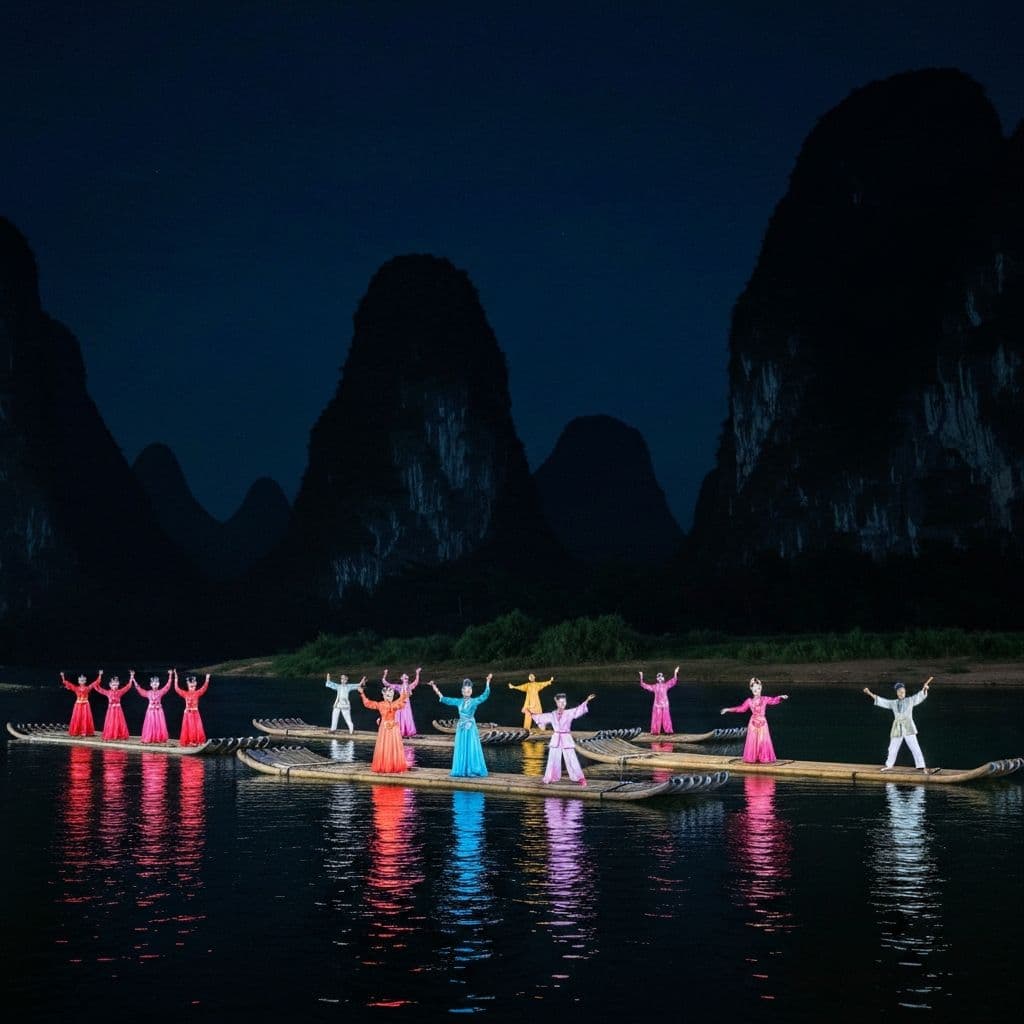
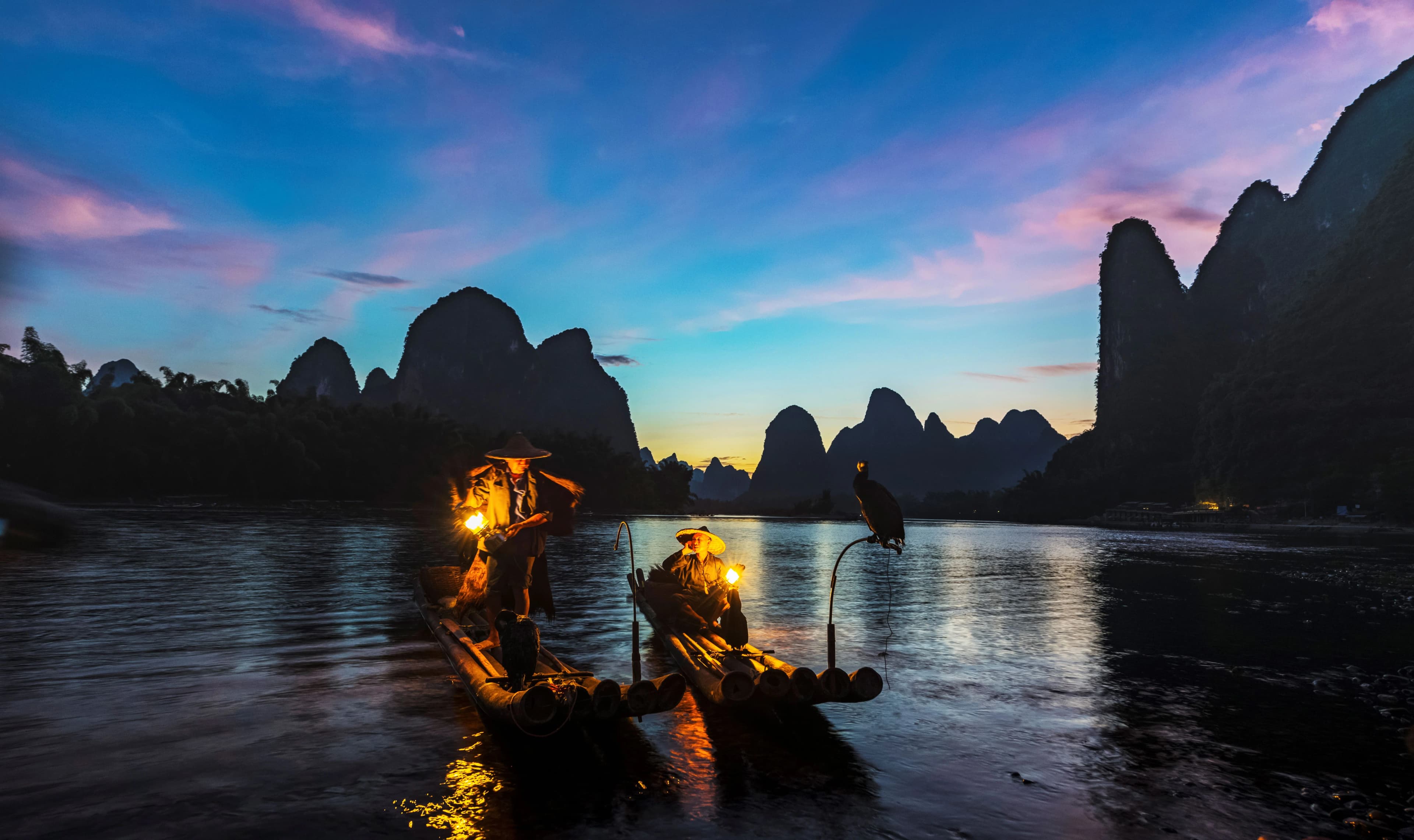
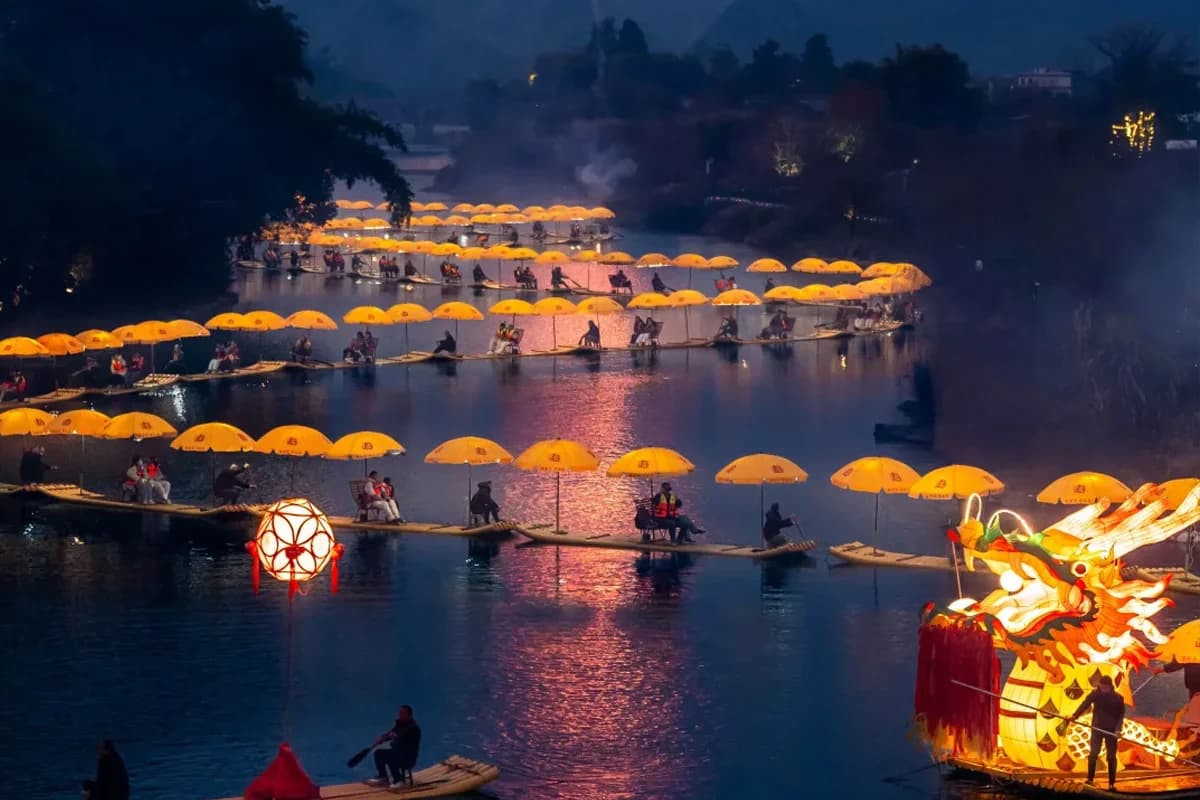
The highlight of the tour is the handcrafted bamboo rafting, a journey of approximately 2-3 hours, offering a poetic experience of "boating on emerald waves." The best season is from April to October, with April and May being the peak water season and the most pleasant weather.
How to Get There
To reach the Yulong River, you typically fly to Guilin Liangjiang International Airport and then take an airport bus to Yangshuo; alternatively, take the high-speed rail to Yangshuo Station and then transfer to a dedicated bus.
The classic route is the "Jinlong Bridge to Jiuxian" rafting trip, approximately 6 kilometers long and 90 minutes, offering nine thrilling dam-rush experiences and showcasing the most quintessential mountain and water scenery. Besides rafting, cycling or hiking along the riverside greenway is highly recommended to freely explore the ancient bridges and Jiuxian; you can also try outdoor activities such as low-altitude flying and rock climbing, immersing yourself in the picturesque landscape.
What to Expect
The Yulong River Scenic Area retains a relatively pristine rural landscape, resulting in relatively simple infrastructure. The main mode of transportation is by bamboo raft. The boarding and disembarking docks have simple stone steps, requiring wading through the water; therefore, it is recommended to wear non-slip, water-resistant shoes.
Restrooms are mainly concentrated at the main docks such as Jinlong Bridge, Jiuxian, and Shui'edi; they are less common in the villages along the river. Unlike West Street in Yangshuo, there are almost no large gift shops along the riverbanks, only small stalls set up by local villagers selling water guns, drinks, and a limited amount of fruit; the commercial atmosphere is very low. It is recommended to bring your own drinking water and cash, as mobile payment signals may be weak in some remote areas.
Practical Tips
- Raft trips are manually poled, not motorized like Li River
- The Yulong Bridge to Gongnong Bridge section is most scenic
- Rent an e-bike and cycle the riverside path
- Less crowded and more peaceful than the Li River