
China's most memorable folk festivals are not fixed attractions with identical programs every day. They are community celebrations shaped by the lunar calendar, local custom, weather, and annual government arrangements. That uncertainty is part of their character, but it also means travelers should confirm dates and access before booking a trip.
The eight celebrations below were chosen for cultural value, visual impact, and the experience they can offer a respectful visitor. Some are easy to add to a city itinerary. Others require a dedicated journey, local transport, and flexible expectations.
Quick Festival Planner
Chaoshan Yingge Dance: Guangdong; usually around Lunar New Year; good for street performance and regional culture.
Ansai Waist Drum: northern Shaanxi; major holidays and organized cultural events; better with local planning.
Liangshan Torch Festival: western Sichuan; usually summer; requires early accommodation and transport planning.
Zigong Lantern Festival: Sichuan; usually around Spring Festival; one of the easiest events for international visitors.
Piao Se: parts of Guangdong; dates follow local temple calendars; best for travelers already exploring the Pearl River Delta.
Chengkan Fish Lanterns: Anhui; selected festivals and village events; combine with a Huangshan and Huizhou itinerary.
Kushui Stilt Walking: Gansu; associated with lunar-calendar celebrations; logistically more difficult.
Xishuangbanna Water Splashing Festival: Yunnan; usually in April; popular, crowded, and worth planning early.
Festival programs vary by location and year, so treat published schedules as provisional until confirmed locally.
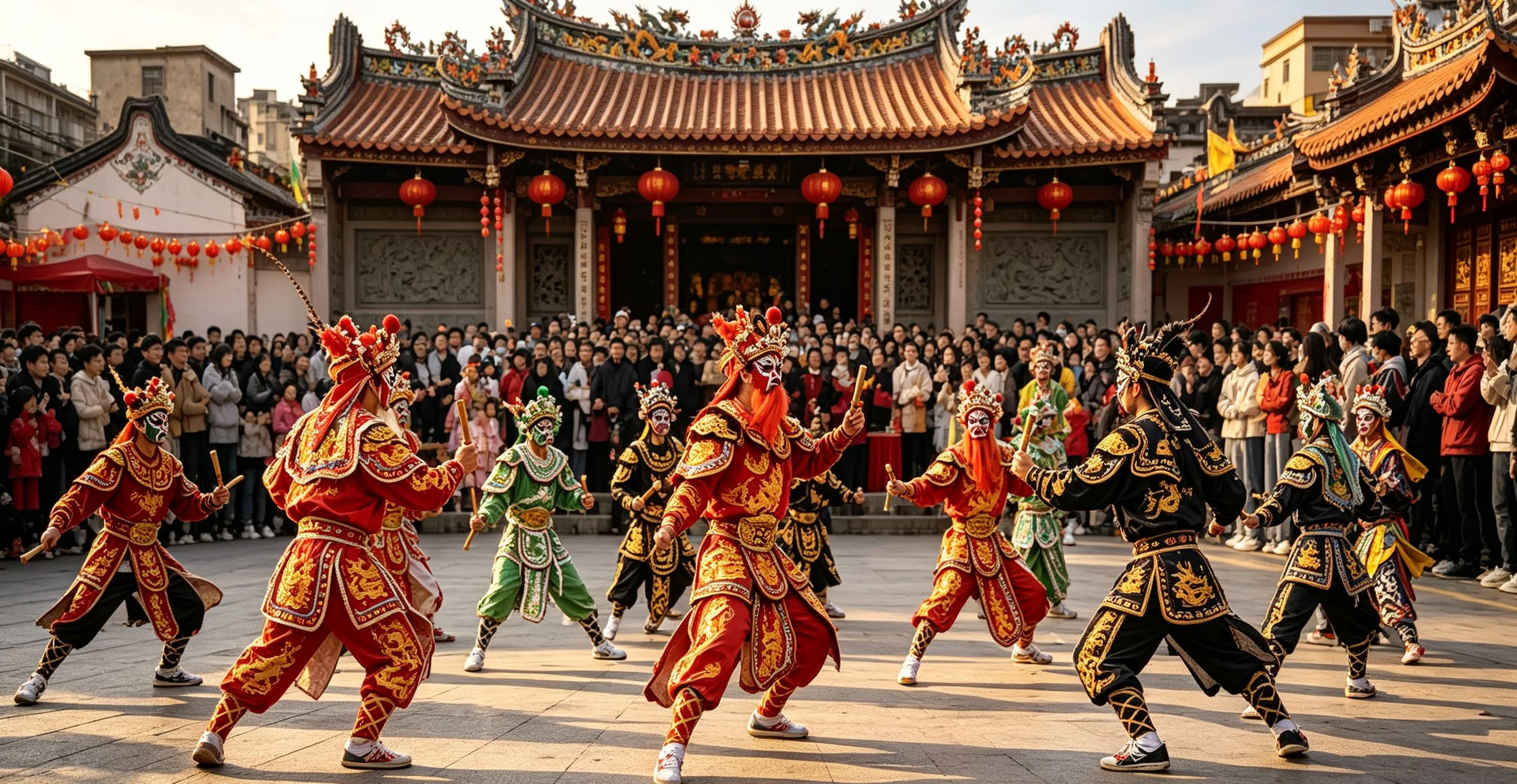
1. Chaoshan Yingge Dance · Guangdong | A Street-Based Martial Drama of Water Margin Heroes
Cultural Essence: This is not merely a dance but a "martial arts parade" evolved from Ming Dynasty military formations used to combat Japanese pirates. The performers' facial makeup corresponds to the 108 heroes of Water Margin; the rhythmic striking of twin clubs sets the tempo of battle, while the sounds of gongs and horns conceal coded ancient military commands.
Best Places to Experience It:
Nigou Village, Puning — Home to the "ace troupe" of Yingge; regular live performances are staged daily (please check the schedule for the day).
Miancheng, Chaoyang District, Shantou — A tradition spanning 600 years; the "slow-tempo" style of Yingge here makes it easier to observe facial expressions and the intricacies of club-handling techniques.
Time Window: The 1st to the 15th day of the Lunar New Year (February 6–20 in 2027). If you miss the Spring Festival, the Puning Yingge Scenic Area hosts a nightly resident show throughout the year.
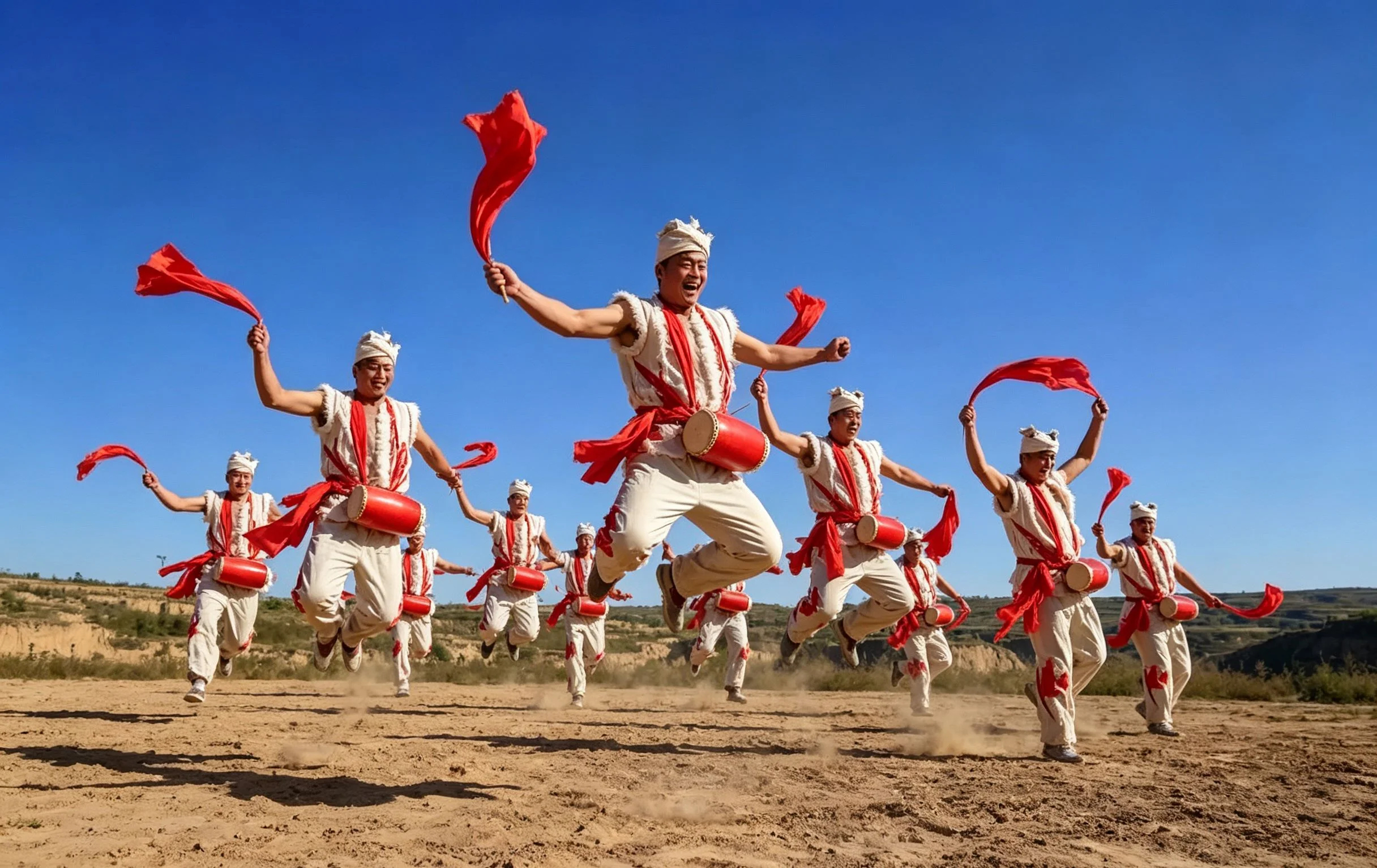
2. Ansai Waist Drum · Shaanxi | The Pulse of the Loess Plateau
Cultural Essence: Originally a method for transmitting military intelligence at ancient frontier outposts, the waist drum dance evolved into a ritual to pray for a bountiful harvest. When a thousand drummers leap in unison, the swirling loess dust resonates with the beat of the drums—a spectacle hailed as the "heartbeat of the earth."
Time and Location:
Fengjiaying Waist Drum Village: Scheduled performance daily at 15:00, with additional shows during holidays (VIP front-row seats can be reserved via the official website).
Yaogu Mountain Square: A 100-person formation performs every Tuesday, Thursday, and Saturday at 10:00, set against the backdrop of a giant waist drum sculpture.
Xihekou Hillside Waist Drum (13th day of the first lunar month): Dancers leap across the hillside, offering the most striking visual impact (requires a chartered vehicle to reach the site).
Trial Class: After the performance, you can pay to learn the "Cross-Step" dance; local performers—wearing traditional white headscarves—provide hands-on instruction, allowing you to master the basic rhythm in just one hour.
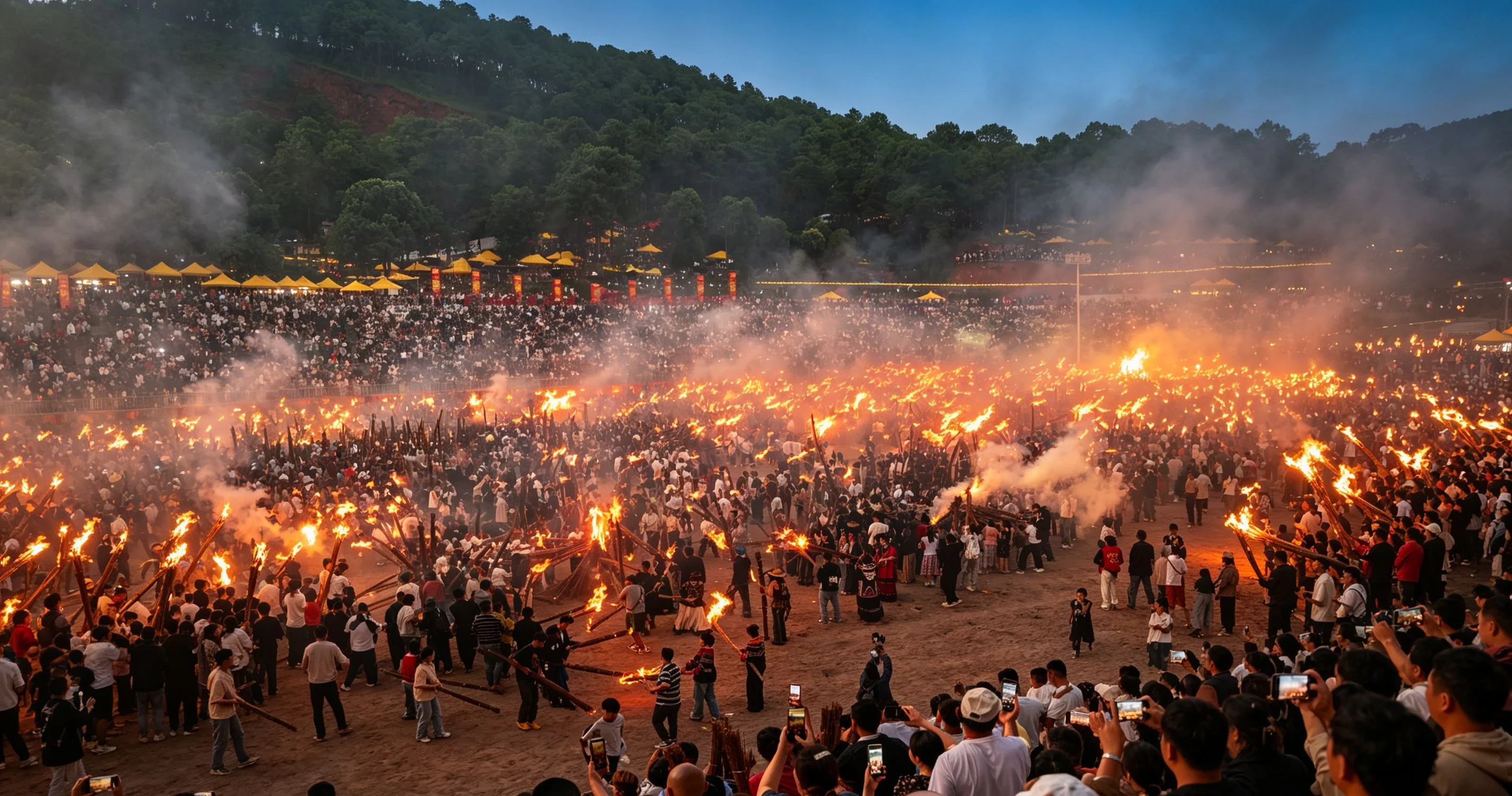
3. Liangshan Torch Festival · Sichuan | A Celebration of Fire and Blessings
Cultural Essence: The ancestors of the Yi people regarded fire as a divine medium for warding off evil and achieving purification. The procession of thousands carrying torches through the city is not merely a "party," but a collective ritual of spiritual purification.
2026 Key Schedule (Dates vary annually; please refer to official announcements):
August 8: Aerospace Avenue (Hangtian Dadao) — A 3.2-kilometer main thoroughfare is closed to traffic, serving as the primary venue for the spectacular "dragon of fire" procession (real-name registration required in advance; capacity limited to approximately 50,000 participants).
August 6–7: Xingyue Lake Music Festival — A crossover experience blending electronic music with traditional Yi folk songs.
Starting July 19: Preliminary folk competitions and events in Puge County and Butuo County (including bullfighting, horse racing, and silver jewelry fashion shows).
We recommend joining the "Datiwu" circle dance—the Yi dance steps are simple (four steps to the left, four to the right), and locals will readily invite you to join the circle.
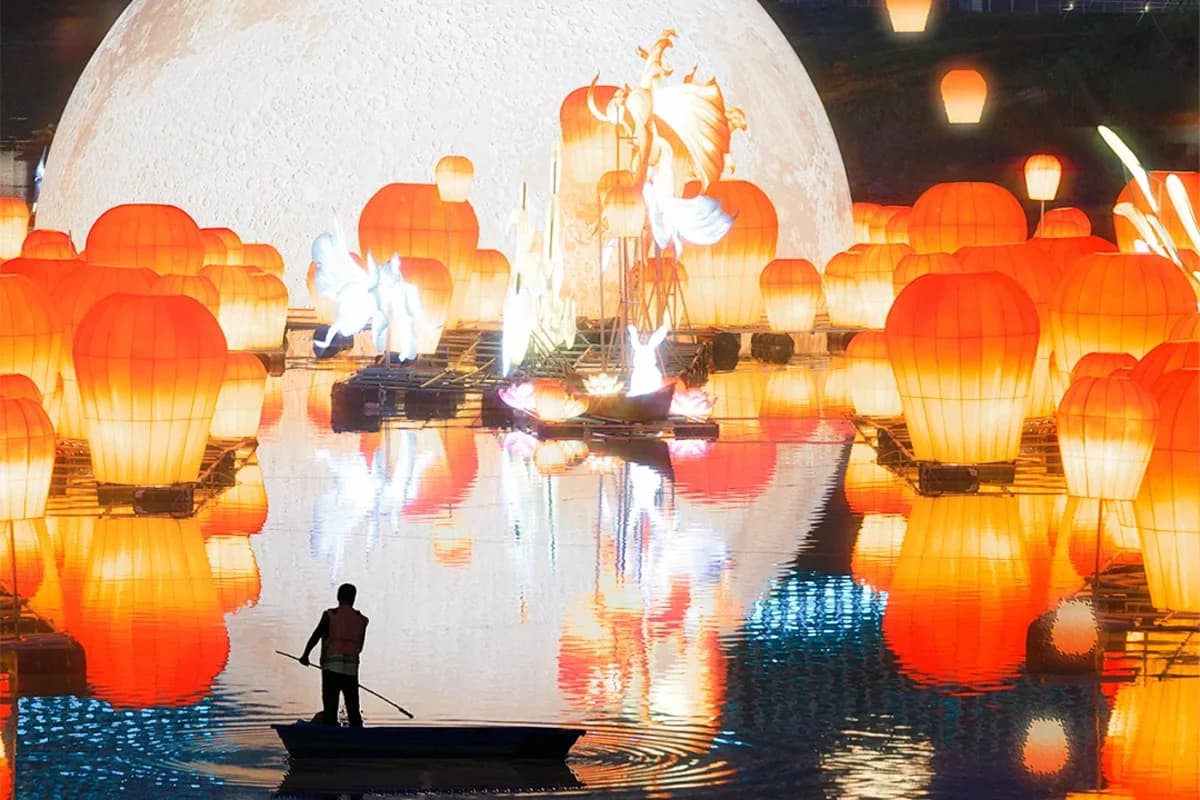
4. Zigong Lantern Festival · Sichuan | An Epic of Light and Shadow, Aglow for a Thousand Years
Zigong salt merchants once used lantern festivals to flaunt their wealth; today, the displays incorporate intangible cultural heritage techniques—such as silk framing, porcelain mosaic work, and blow molding—with each lantern set depicting a scene from mythology.
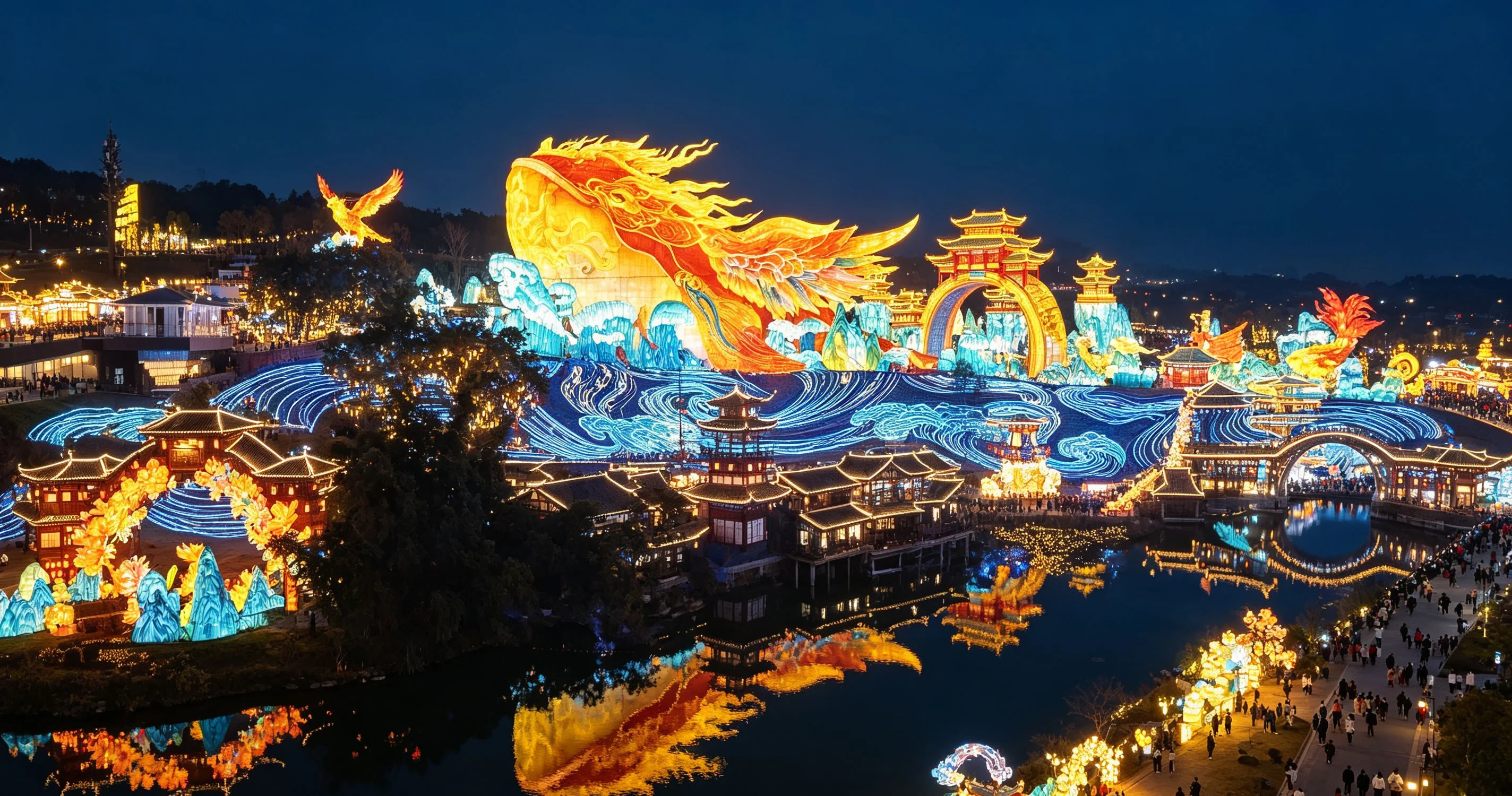
Time and Location: China Lantern World; open annually from late January to early March; lights turn on at 17:30.
Recommended Itinerary:
Arrival: Arrive before 17:00 to first visit the Zigong Dinosaur Museum (a world-class heritage site), then enter the lantern festival grounds at 18:15 to capture the "blue hour" as day transitions to night.
Must-See Lantern Display: "Porcelain Palace Lantern"—crafted from over ten thousand pieces of Jingdezhen-style bowls, plates, and spoons, all bound together without the use of any adhesive.
Dining: Enjoy "Lantern Festival-exclusive" Yanbang-style snacks within the park; the "Cold-Tossed Spicy Rabbit" paired with a brown sugar guokui (crispy flatbread) is highly recommended, with adjustable spice levels available.
5. Piao Se (Floating Colors) · Guangdong | A Three-Dimensional Drama Suspended in Mid-Air
The performer is concealed within a steel "flower stalk" structure, hoisting a child—dressed as a character from traditional opera—to a height of three to five meters and maintaining the position through mechanical balance; while the child appears to be standing on a flower branch or the tip of a sword, it is actually a feat of visual illusion.
Locations and Schedules:
Shawan Ancient Town, Panyu: Beidi Birthday Parade on the 3rd day of the 3rd lunar month (April 8, 2027); features 17 Piaose (floating colors) floats, each depicting a scene from a Cantonese opera.
Hetian Town, Luhe County: Gaojing Parade on the 19th and 20th days of the 1st lunar month (approximately late February); the style is more rugged and vigorous.
Zhenlong Town, Xinyi (Maoming): During the "Nianli" (local festive celebration) period in the 1st and 2nd lunar months; Piaose performances are presented alongside Western Guangdong-style operas.
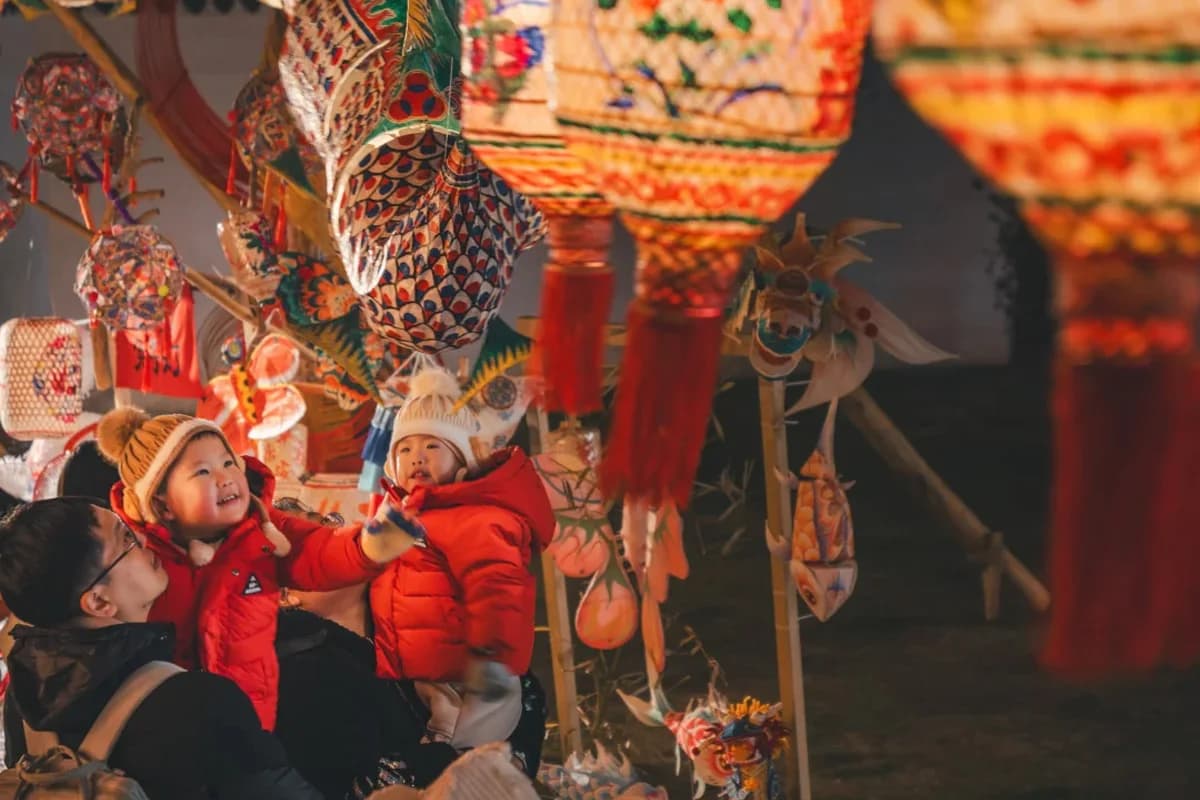
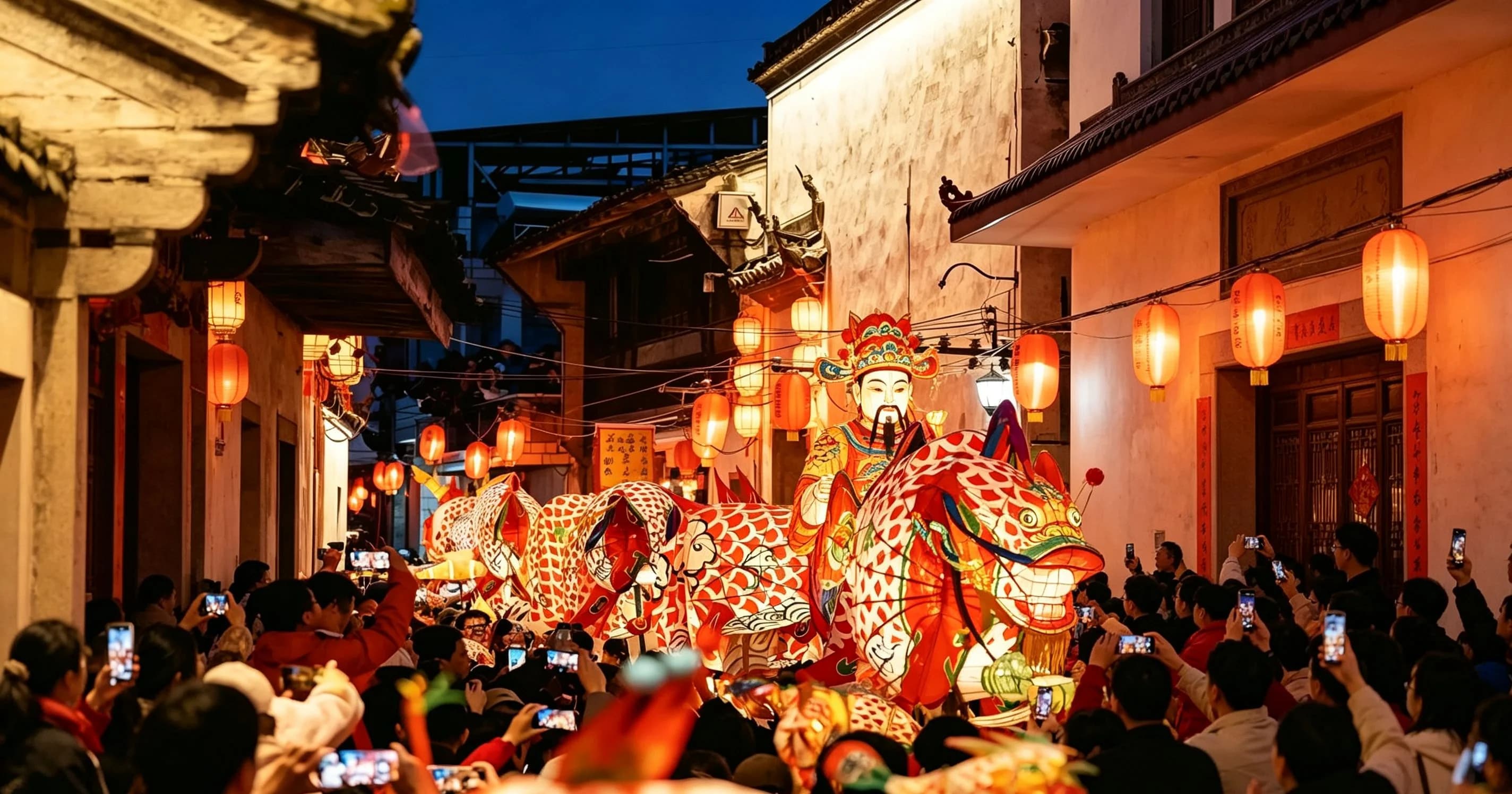
6. Chengkan Fish Lanterns · Anhui | Poetic, painterly dragons amidst the waterside reflections of an ancient village.
The fish lanterns are inspired by the legend of the "carp leaping over the Dragon Gate"; they feature bamboo-strip frameworks covered with fine paper and are illuminated by candles from within. During night processions, the reflections of the lanterns in the bagua-shaped pond—set against the backdrop of Ming Dynasty Huizhou-style architecture—create a scene reminiscent of an animated ink-wash painting.
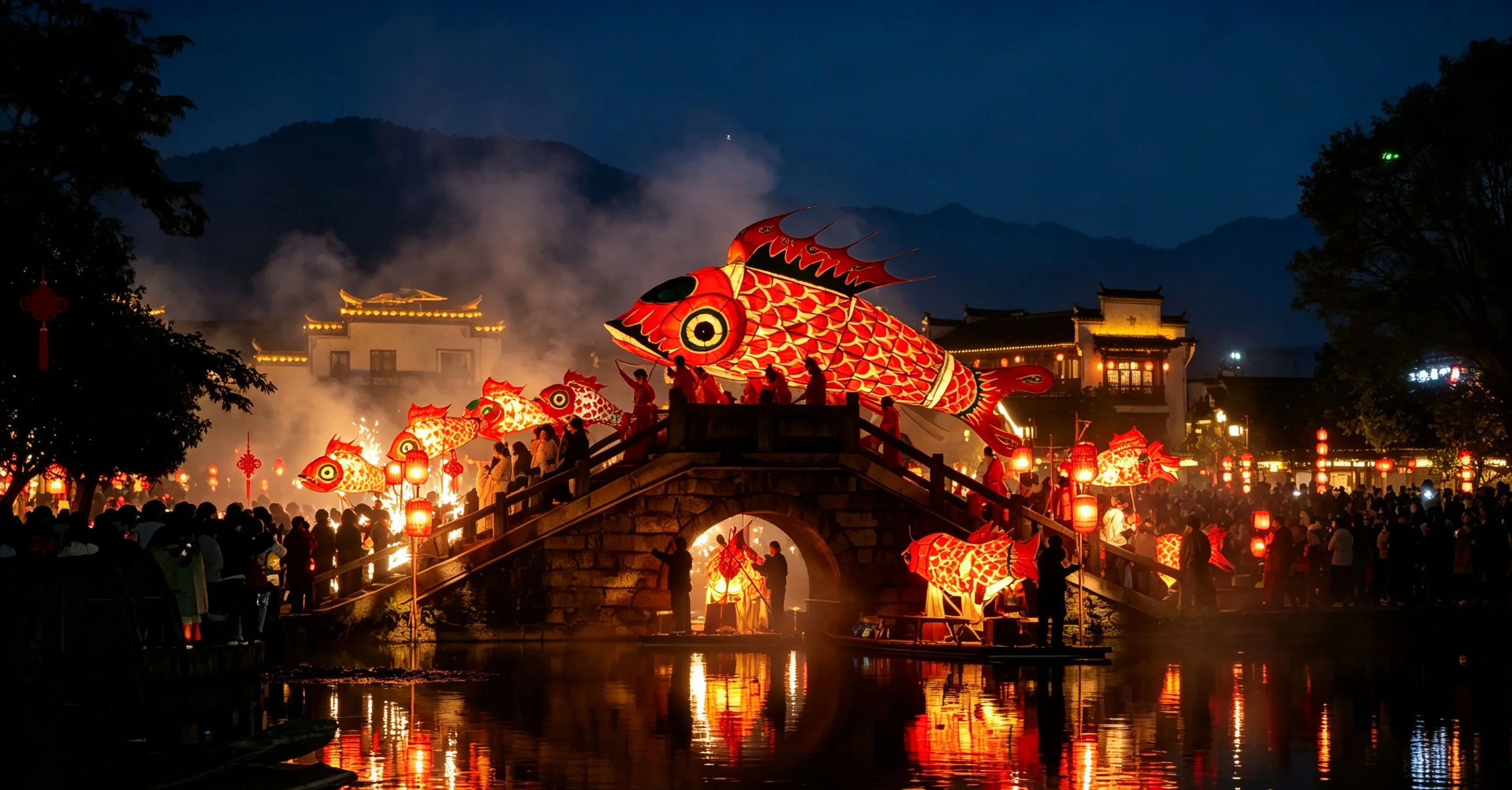
Time: Every night year-round (weather permitting); 18:58 in spring/summer and 18:38 in autumn/winter; the cruise lasts approximately one hour. Additional fireworks displays are held during the Spring Festival, Mid-Autumn Festival, and Dragon Boat Festival.
Recommended Tip:
Best Viewing Spot: Directly opposite the "Ping'an Kan" stone bridge—the fish lantern procession pauses here the longest and performs a rotating formation, making it ideal for capturing reflections.
How to Participate: Arrive at Shaiqiu Square 15 minutes early to collect a small fish lantern (a deposit is required). You can walk alongside the procession of local residents, but please ensure you stay toward the rear of the group so as not to disrupt the rhythm of the "Fish King" leading the parade.
7. Kushui High Stilts · Gansu | Qinqiang Opera Performed Three Meters in the Air
These stilts are unique in the country—the wooden legs measure a staggering 3.3 meters in length; performers must be strapped in and then supported by two assistants to mount a wall before they can stand upright. Their footwork follows the rhythmic beats of Qinqiang opera, making every step resemble walking along a rooftop.
The only opportunity: The "Dragon Raises Its Head" festival on the second day of the second lunar month (March 9, 2027), when the Shehuo (traditional folk performance) in Kushui Town is staged for three consecutive days (from the first to the third day of the month). Performances also take place in downtown Lanzhou during holidays.
Transportation: A chartered car ride from Lanzhou takes approximately 1.5 hours. The Shuimo Danxia Scenic Area is located along National Highway 312, allowing for a one-day trip that combines a morning visit to the Danxia landscape with an afternoon stilt-walking performance.
8. Xishuangbanna Water-Splashing Festival · Yunnan | A sacred water baptism for the Dai New Year
Water splashing is a religious act symbolizing the "washing away of sins and welcoming of new life," originating from Southern Theravada Buddhism. The four-day festival encompasses profound rituals—such as fetching water, bathing the Buddha, releasing living creatures, and building sand pagodas—and is far more than just a "water fight."
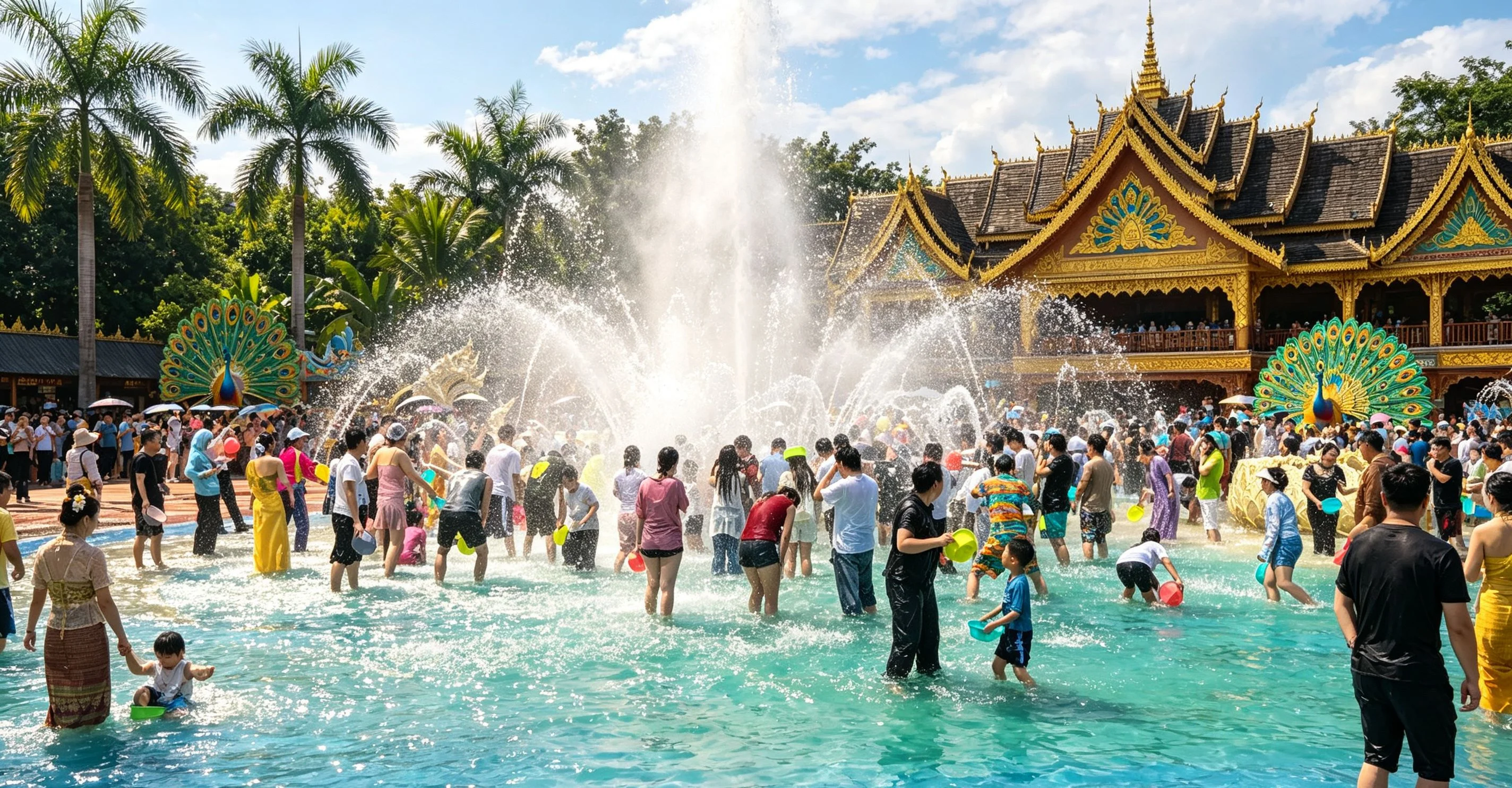
2026 Full Schedule (Annually in April):
April 12: Welcome Gala (Lancang River waterfront)
April 13: Dragon Boat Races + Mass Sky Lantern Release (that evening, the skies over both banks of the Lancang River are filled with a sea of lanterns—a must-see experience)
April 14: Grand Ethnic Parade (44 troupes, 3,000+ performers showcasing the traditional attire of the Dai, Jino, Yao, and other ethnic groups)
April 15: Water-Fetching Ceremony (Manting Park) → Mass Revelry at Water-Splashing Square (the event's climax)
Alternative: The Dai Ethnic Garden hosts a "Daily Water-Splashing Festival" every afternoon (smaller in scale but safe); if you want to avoid crowds, you can get a preview experience here first.
Practical Tips
Language: English proficiency is low in rural areas; download a translation app (Microsoft Translator is recommended, as it supports offline Chinese language packs) and carry a card with your destination's name written in Chinese to show taxi drivers.
Cash: Alipay and WeChat Pay are widely accepted, but it is advisable to exchange 500 yuan in small-denomination bills for purchasing snacks or paying for guided commentary.
Etiquette: Do not touch performers' props (especially stilts, fish lanterns, or face masks), as this is considered disrespectful; smile and signal before taking photos, and most people will be happy to oblige.
Health: Festivals draw large crowds, so bring a face mask (for dust or smoke), wet wipes, and anti-diarrhea medication (to have on hand after trying local spicy foods).
Frequently Asked Questions
Q1: Are these folk activities merely "tourist performances" or authentic local traditions?
They are all genuine community rituals with centuries of history: the Yingge Dance originated from Ming Dynasty Nuo dances; the Ansai Waist Drum is an ancient prayer ritual from the Loess Plateau; and the Torch Festival stems from the fire worship of the Yi people's ancestors. Locals regard them as integral parts of their faith and heritage, not as shows choreographed specifically for tourists.
Q2: Can I participate if I don't speak Chinese?
Yes. English proficiency is low in rural areas, so it is recommended to download a translation app (Microsoft Translator supports offline Chinese language packs) and carry a card with your destination's name written in Chinese to show taxi drivers. Major festival venues usually provide basic bilingual signage in Chinese and English.
Q3: How far in advance should I book?
It is recommended to book accommodation 1–2 months in advance. Popular events (such as the main Torch Festival venue on Hangtian Avenue or the Lantern Festival during the Spring Festival period) require advance registration using your real name, and spots are limited.
Q4: For which events do I need to bring my passport?
You must bring your original passport for all events requiring real-name registration. For the Torch Festival, you must select "Passport" as your ID type during registration, and your passport will be verified upon entry. During the ticket-limiting period for the Zigong Lantern Festival, each ID card is restricted to purchasing one ticket. Chengkan Scenic Area enforces a strict real-name entry policy.
Q5: Can I participate?
Yes, you can. For the Ansai Waist Drum, you can pay for lessons on the "cross-step" (shizibu); during the Torch Festival, you can join the massive circle dance; for the Chengkan Fish Lanterns, you can carry a small lantern and join the parade; and the Water-Splashing Festival involves the entire city. Before joining in, observe what the locals do and remain respectful.
Note: This article provides general cultural guidance. Individual experiences may vary. Always approach cultural learning with an open mind.