
If you plan to visit China in June 2026, or if you are interested in Chinese culture, then the Dragon Boat Festival is a traditional festival you shouldn't miss.The Dragon Boat Festival in 2026 falls on Friday, June 19th, and China will have a three-day holiday (June 19th to 21st). This is a festival full of color, flavor, and stories, and a great opportunity to learn more about daily life and ancient beliefs in China.
This guide will introduce you to the origins, name, and traditions of the Dragon Boat Festival, as well as how to participate like a local. Whether you want to watch dragon boat races, taste zongzi (sticky rice dumplings), or simply learn about the stories behind the festival, you'll find the answers you need here.
Why is the Dragon Boat Festival so important to Chinese people?
The Dragon Boat Festival holds a special place in the hearts of Chinese people. It is not only a national statutory holiday, but also carries the triple meaning of patriotism, family reunion, and wishes for health.
Commemorating Heroes: Most people believe the Dragon Boat Festival commemorates the patriotic poet Qu Yuan.
Health and Epidemic Prevention: Ancient people considered the fifth month of the lunar calendar a "poisonous month," prone to disease; therefore, the Dragon Boat Festival was also a "health-preserving festival."
Family Reunion: Like the Spring Festival and Mid-Autumn Festival, the Dragon Boat Festival is an important time for families to gather together and share delicious food.
For foreign tourists, understanding these cultural backgrounds can help them immerse themselves more naturally in the festive atmosphere.
The Origin of the Dragon Boat Festival
The story of commemorating Qu Yuan
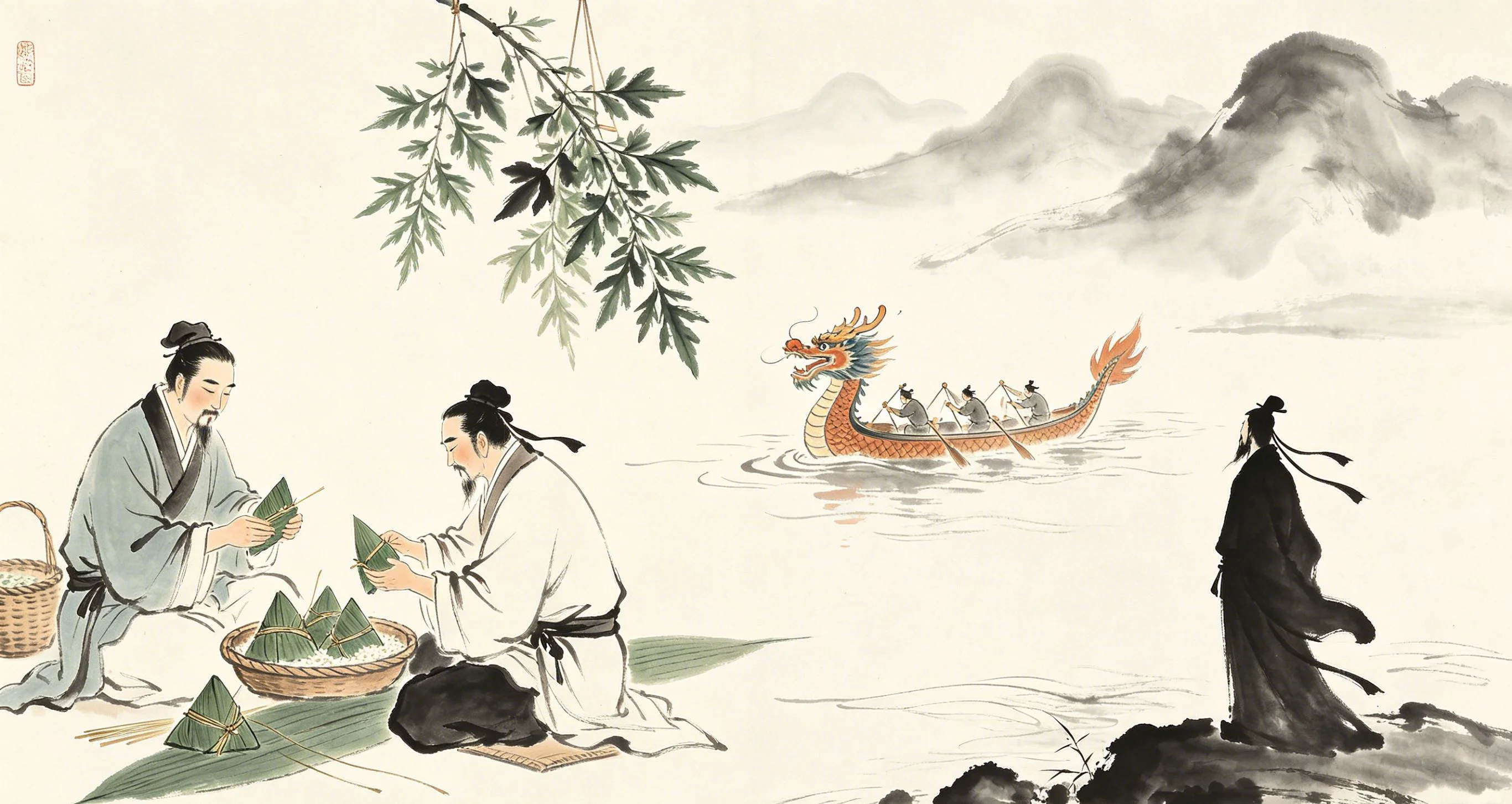
Qu Yuan was a loyal minister and poet during the Warring States period of China. Concerned for his country and its people, he drowned himself in a river on the fifth day of the fifth lunar month. Local people rowed boats in an attempt to save him, throwing rice dumplings into the river in the hope that the fish and shrimp would not devour his body. This is the origin of dragon boat racing and zongzi (sticky rice dumplings).
The ancient saying of "poisonous month"
Another view holds that the Dragon Boat Festival existed long before Qu Yuan. The fifth month of the lunar calendar is hot and teeming with mosquitoes, which the ancients called the "poisonous month." The fifth day of the fifth lunar month was considered an unlucky day, and people used herbs and medicinal wine to ward off evil and prevent illness.
During the Dragon Boat Festival, you'll see many families hanging mugwort and calamus in front of their doors. This isn't for decoration, but rather to ward off evil spirits and diseases.
How to celebrate the Dragon Boat Festival
Tasting Zongzi
Zongzi are made by wrapping meat, beans, or red dates in glutinous rice, then tying them into a triangle or rectangle with bamboo leaves or reed leaves, and finally steaming them.
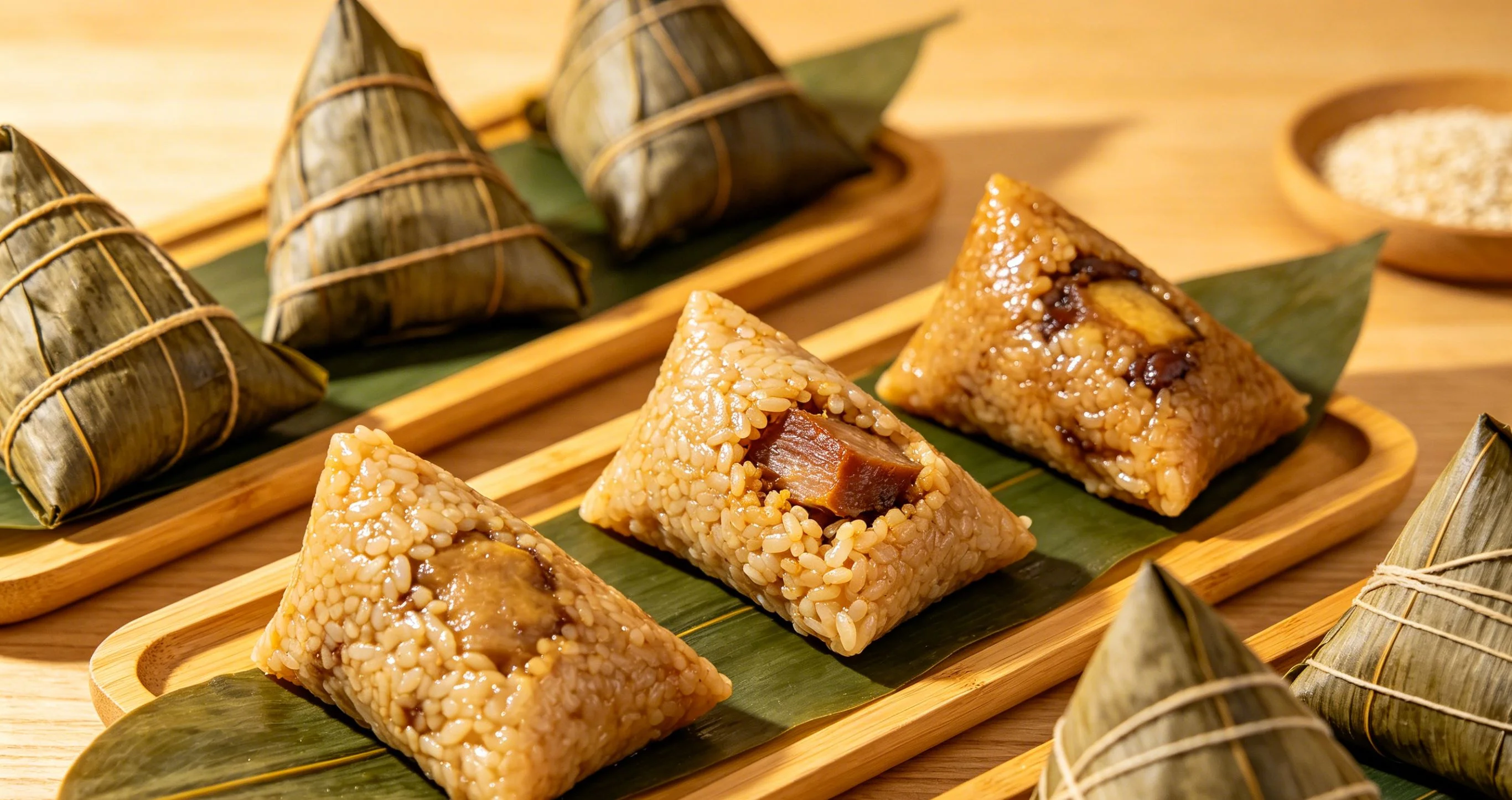
Tastes differ between the North and South: the North prefers sweeter flavors (red dates, red bean paste), while the South prefers saltier flavors (pork, egg yolk).
Most tourists can buy zongzi (sticky rice dumplings) at supermarkets, bakeries, or street stalls. If you want to experience making them by hand, you can participate in some cultural workshops.
Hanging Mugwort and Calamus
You'll see these herbs on the doors of many Chinese homes. People believe their aroma can repel insects and evil spirits.

Visitor Experience: Some hotels or cultural villages allow you to hang mugwort by hand and experience the traditional hanging ceremony.
Watch or participate in the dragon boat race
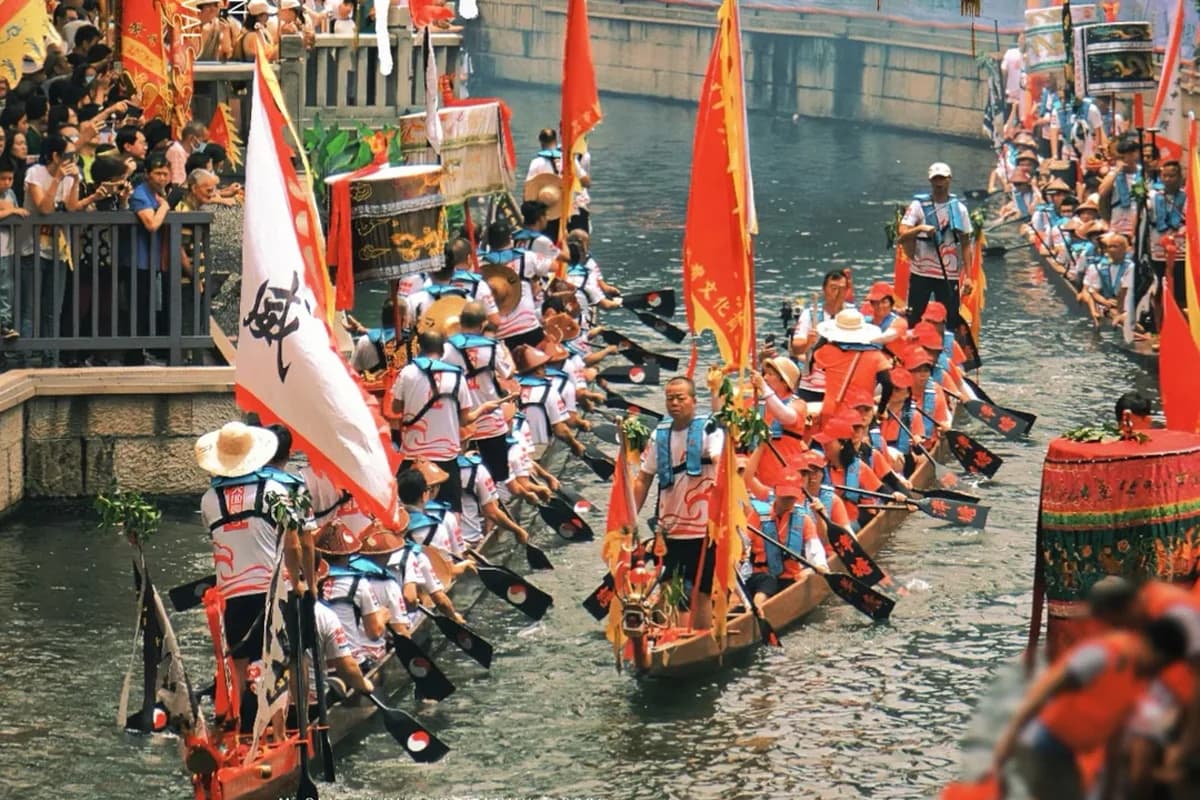
Dragon boat races are the visual highlight of the Dragon Boat Festival. Wooden dragon boats are decorated in the shape of dragons, and 20 to 60 people work together to paddle, with the sound of drums deafening.
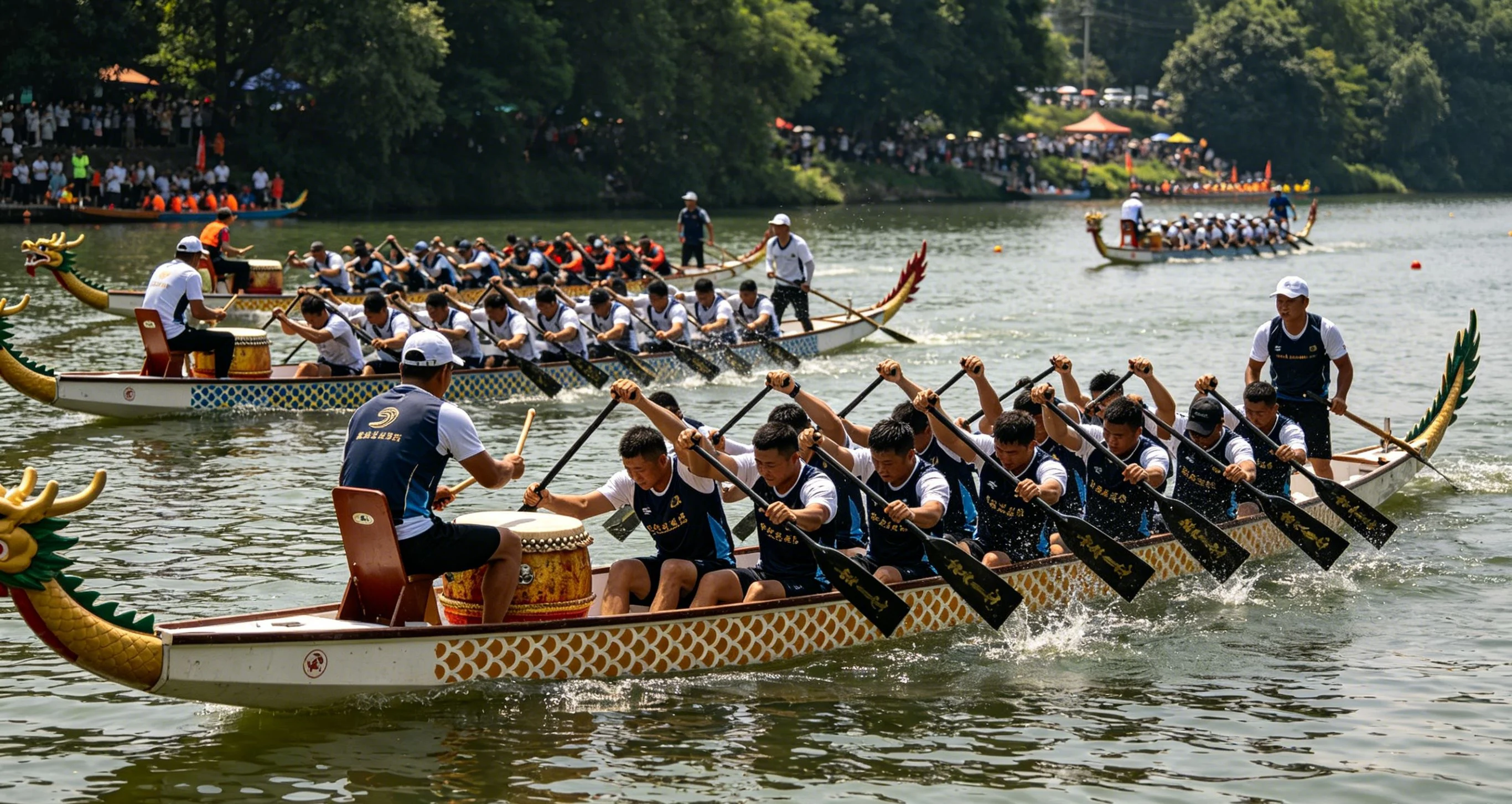
Best viewing locations: Hong Kong, Guangzhou, Hangzhou, Miluo River (where Qu Yuan drowned himself).
Viewing tips: Check the time in advance, bring sunscreen and water; the atmosphere at the venue is extremely lively.
Realgar wine (Just look at it, never drink it).
In ancient times, people drank realgar wine to repel insects, but it contained arsenic, which is poisonous. Most modern Chinese people don't drink it; instead, they dip their fingers in the wine and draw a "王" (meaning "king") character on their foreheads (meaning as strong as a tiger).
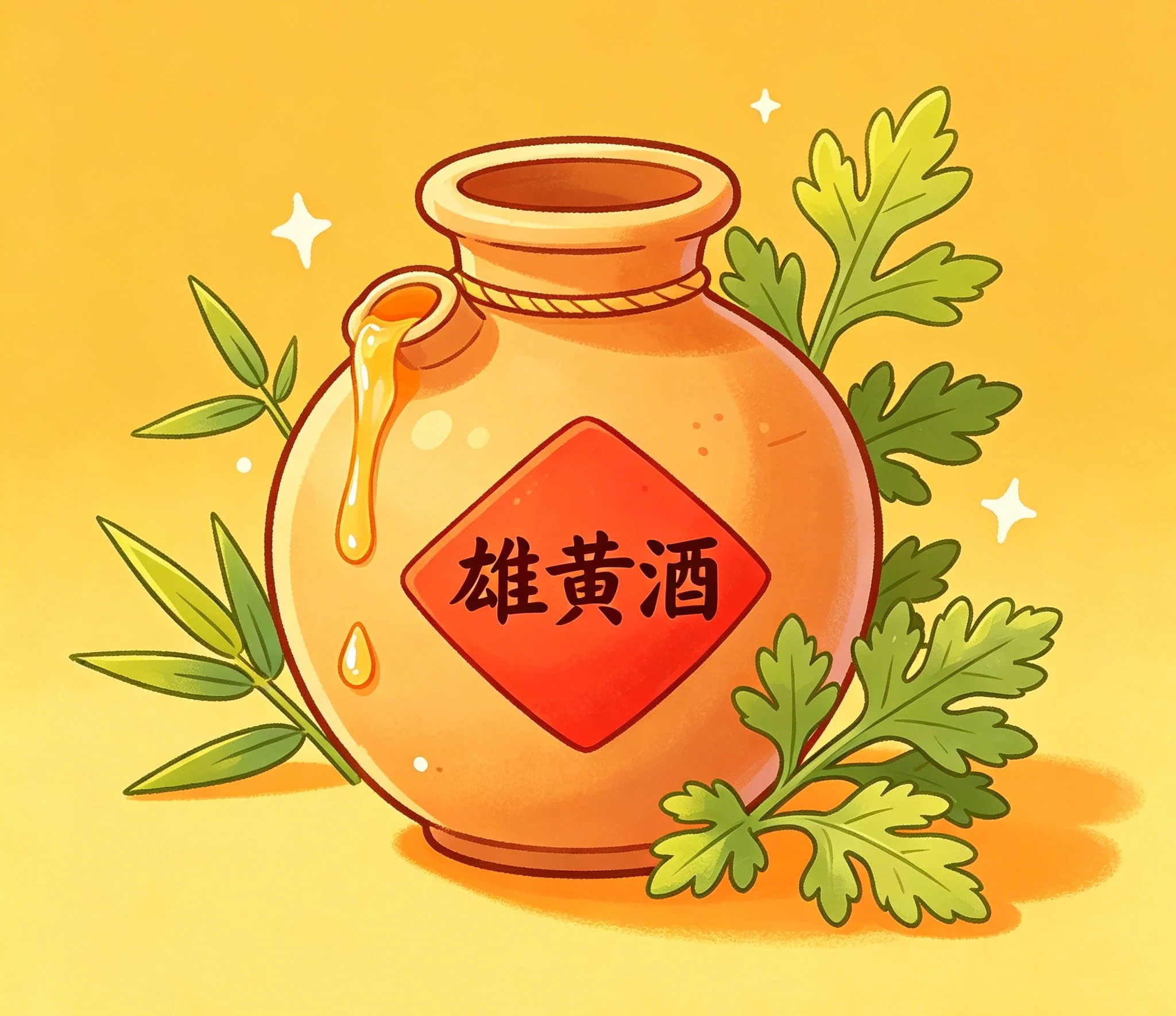
If you see someone doing this, just take a picture. Never ask to drink it. Some tourist areas will offer rice wine or tea instead, and you can participate in the ritual of drawing the character "王" (king) – it's fun and safe.
Wearing Scented Sachets
efore the Dragon Boat Festival, parents sew scented sachets for their children, filled with spices or herbs, which are then hung around their necks or on their clothes, symbolizing peace and safety.
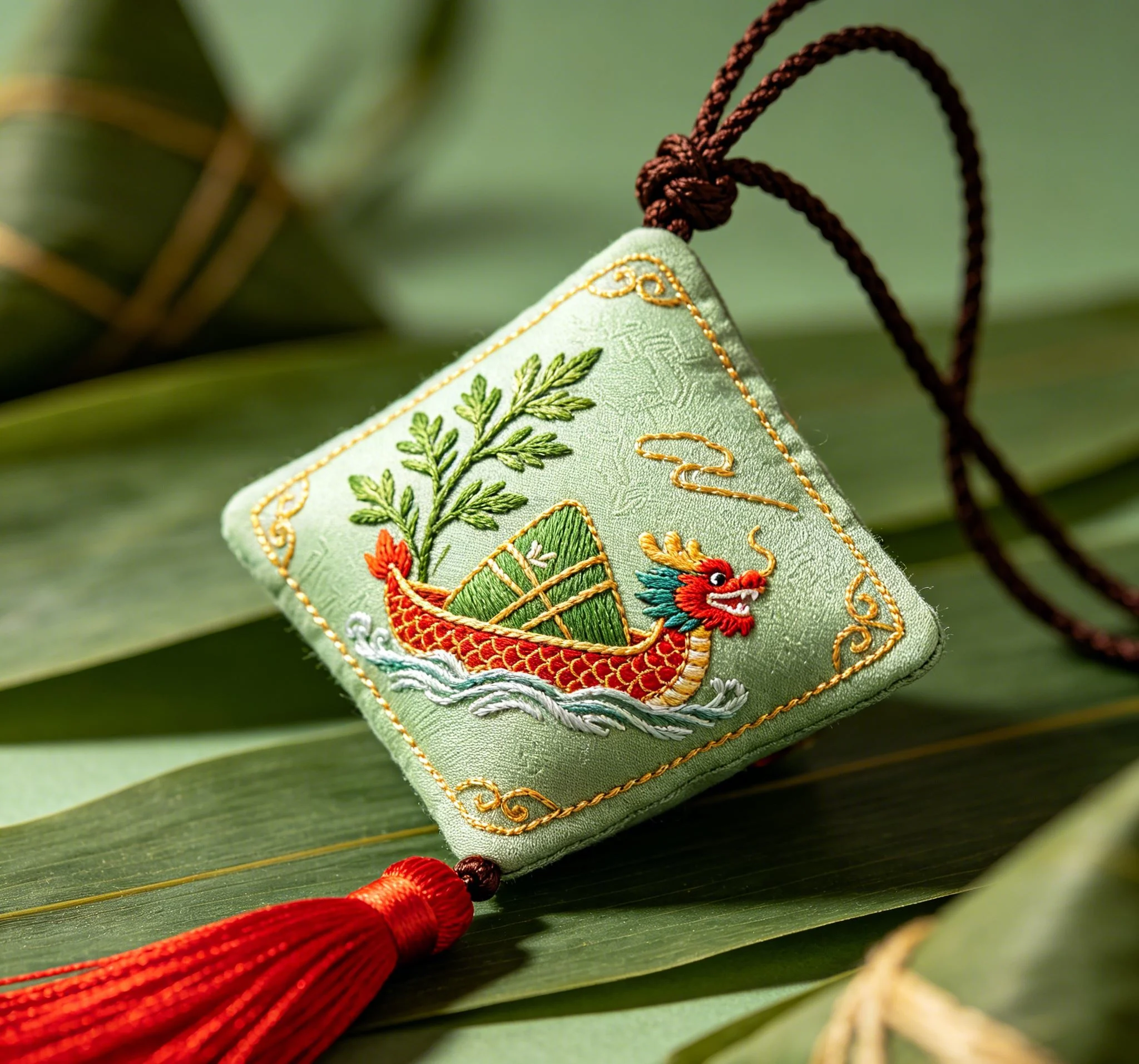
Purchase Recommendation: You can buy handmade scented sachets at the market before the festival; they make excellent souvenirs.
The name of the Dragon Boat Festival: Why is it called "Dragon Boat Festival"?
The Dragon Boat Festival has more than twenty names in Chinese; here are three of the most common:
Dragon Boat Festival: "Duan" means beginning, and "Wu" means noon or the fifth month, so together it means "the beginning of midsummer."
Dragon Boat Festival: Named after dragon boat races, and is the name most familiar to international tourists.
Double Fifth Festival: Because the festival falls on the fifth day of the fifth lunar month, "Chong" means repetition.
In Cantonese-speaking regions, it is also called "Duanwu Festival" or "Zongzi Festival."
How should you greet others during the Dragon Boat Festival? Say "peace and health" instead of "happiness".
In China, holiday greetings are very important. The Dragon Boat Festival is special—it commemorates the death of Qu Yuan while also carrying a solemn element of warding off evil and disease. Therefore, saying "Duānwǔ ānkāng" (Peace and Health on the Dragon Boat Festival) is more appropriate than saying "Happy Dragon Boat Festival."
"May you have a peaceful and healthy Dragon Boat Festival"(Duānwǔ ānkāng): This is a universally accepted and highly recommended phrase, meaning "Wishing you peace and good health."
"Happy Dragon Boat Festival"(Duānwǔ kuàilè): This is an informal phrase, acceptable between friends, but some may feel it lacks respect for tradition.
If someone says "Happy Dragon Boat Festival" to you first, how should you respond?
You can respond with a smile:
"Happy Dragon Boat Festival!" (If you want the other person to say it a different way)
"Happy Dragon Boat Festival to you too!" (More approachable)
"Thank you! Did you eat any zongzi?" (Shifting the topic to food)
Travel Tips
Book your tickets in advance: The Dragon Boat Festival is a short holiday in China, and train tickets, plane tickets, and hotels will be in high demand. Book at least two weeks in advance, especially for tickets to popular dragon boat cities (such as Guangzhou, Hong Kong, and Guilin).
It will be hot and rainy: In June, temperatures in southern China often exceed 30°C, humidity is high, and thunderstorms are possible. Bring an umbrella, sunscreen, mosquito repellent, and wear quick-drying clothes and sandals.
Don't eat too many zongzi at once: glutinous rice is very filling. One zongzi is equivalent to a bowl of rice. Pair it with a cup of green tea or oolong tea to aid digestion.
Language barrier: In large cities, dragon boat races usually have signs in both Chinese and English. However, if you go to smaller cities or rural areas, English is basically useless. Download a translation app beforehand.
If you want to avoid crowds: If you dislike crowds, you can skip the dragon boat races and just enjoy eating zongzi (sticky rice dumplings) and browsing the market. Many cities hold folk culture festivals during the Dragon Boat Festival, offering activities like making zongzi and sachets, which are much quieter than watching the races.
Frequently Asked Questions
Q1:I don't speak Chinese, can I still participate in the Dragon Boat Festival activities?
Absolutely. Activities like dragon boat races, eating zongzi (sticky rice dumplings), and visiting festival markets do not require language skills.
Q2: Are zongzi (sticky rice dumplings) delicious? Are there any varieties suitable for foreign tourists?
Zongzi (sticky rice dumplings) are very popular, but their flavor and texture may take some getting used to. It's recommended to start with sweet zongzi (filled with red dates or red bean paste), which are similar to sweet rice cakes. If you prefer savory flavors, you can try meat zongzi (filled with pork, salted egg yolk, and shiitake mushrooms). If you are vegetarian, you can choose plain red bean paste or plain glutinous rice zongzi.
Q3: Do I need to buy tickets for the dragon boat race? Where is the best place to watch it?
Most dragon boat races are free to watch, but the best viewing spots can be crowded. Some cities (such as Hong Kong) offer paid grandstand seating. Recognized top dragon boat race venues include: Victoria Harbour in Hong Kong, Lai Chi Wan in Guangzhou, Xixi Wetland in Hangzhou, and Miluo River in Hunan.
Q4: What gifts can I give to my Chinese friends during the Dragon Boat Festival?
The most suitable gifts are zongzi (sticky rice dumplings) (a nice gift box will suffice) or sachets. Making your own Dragon Boat Festival card with the message "Happy Dragon Boat Festival" written on it will also be very well received.
Note: This article provides general cultural guidance. Individual experiences may vary. Always approach cultural learning with an open mind.