
More Than Just Writing
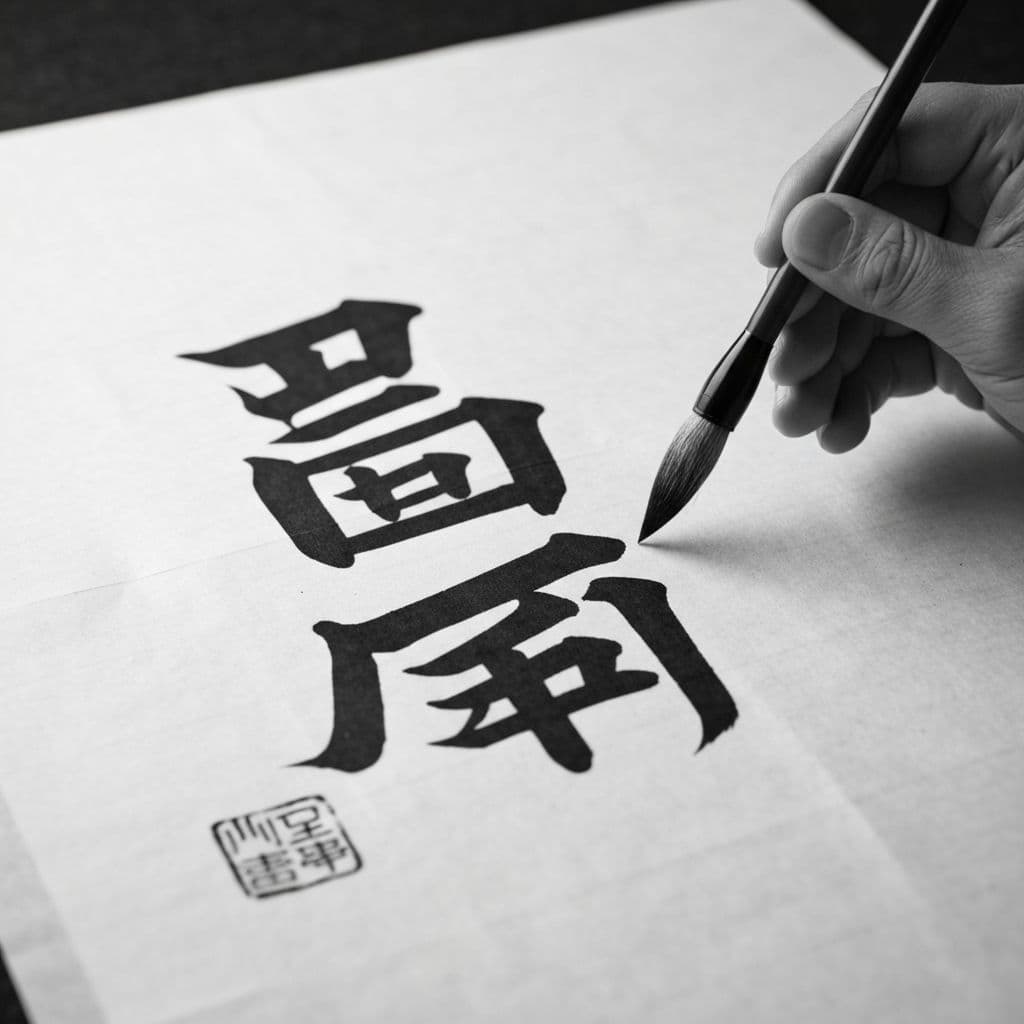
Chinese calligraphy (书法, shūfǎ) is considered the highest form of Chinese visual art - above painting, sculpture, or any other medium. For thousands of years, calligraphy has been essential to Chinese culture, used for everything from imperial edicts to personal correspondence.
The Four Treasures of the Study
Traditional calligraphy requires four essential tools, known as the "Four Treasures" (文房四宝):
1. Brush (笔)
- Made from animal hair (goat, rabbit, weasel)
- Different hair types create different line qualities
- Size ranges from tiny (for inscriptions) to massive (for banners)
2. Ink Stick (墨)
- Solid ink ground with water on inkstone
- Traditional process is meditative and aromatic
- Liquid ink available but considered inferior
3. Paper (纸)
- Xuan paper (宣纸) from Anhui is most prized
- Absorbent quality creates distinctive effects
- Practice paper available for beginners
4. Inkstone (砚)
- Stone surface for grinding ink
- Duan inkstones from Guangdong most famous
- Antique inkstones are valuable collectibles
Five Major Script Styles
Chinese calligraphy evolved through five major script styles, each still practiced today:
1. Seal Script (篆书)
- Oldest style, used on ancient seals
- Pictographic origins visible
- Formal, balanced characters
2. Clerical Script (隶书)
- Developed for official documents
- Flat, horizontal emphasis
- "Silkworm head, wild goose tail" strokes
3. Regular Script (楷书)
- Standard printed form
- Most legible style
- Foundation for learning calligraphy
4. Running Script (行书)
- Semi-cursive, flowing
- Balance of speed and legibility
- Most common for personal writing
5. Grass Script (草书)
- Highly cursive, abstract
- Emphasizes expressive brushwork
- Often illegible to non-practitioners
Where to Experience Calligraphy
Museums
- National Museum of China, Beijing - Historical masterpieces
- Shanghai Museum - Extensive calligraphy collection
- Xi'an Forest of Stone Steles - Ancient inscriptions
Learning Experiences
- Beijing: Liulichang Cultural Street offers workshops
- Hangzhou: China Academy of Art classes
- Suzhou: Traditional literati garden workshops
- Xi'an: Beilin Museum area has many practice studios
Souvenir Shopping
- Custom calligraphy (your name in Chinese)
- Traditional tools as gifts
- Reproduction scrolls
- Handmade Xuan paper
Trying It Yourself
Many cultural centers and tourist sites offer calligraphy experiences:
What to Expect:
- Basic introduction to brush holding
- Practice fundamental strokes
- Write simple characters
- Take your work home
Tips:
- Go slow - this is meditation, not speed writing
- Posture matters - sit straight, relax shoulders
- Breathe - each stroke should flow with breath
- Don't grip the brush too tightly
Cultural Significance
Understanding why calligraphy matters helps appreciate what you see:
- Education: Historically determined career success
- Art: Displayed in homes like paintings
- Medicine: Practiced for mental clarity and focus
- Identity: Your handwriting reveals character
- Philosophy: Embodies Confucian values of discipline and refinement
Calligraphy in Modern China
Despite digital communication, calligraphy remains important:
- Spring Festival couplets (handwritten on red paper)
- Wedding invitations
- Temple inscriptions
- Art galleries and auctions
- Schools still teach basic brush writing
Note: This article provides general cultural guidance. Individual experiences may vary. Always approach cultural learning with an open mind.