
Understanding Chinese clothing etiquette is a fascinating journey into the heart of China's culture. For travelers, it's more than just fashion; it's a key to respectful and meaningful interactions. This guide will walk you through the history, symbolism, and modern applications of Chinese dress.
From the flowing robes of ancient scholars to the sharp lines of a modern business suit, clothing in China carries deep significance. We will explore how to navigate various social situations, ensuring your attire is always appropriate. Let's delve into the world of Chinese fashion traditions.
The Historical Roots of Chinese Traditional Attire
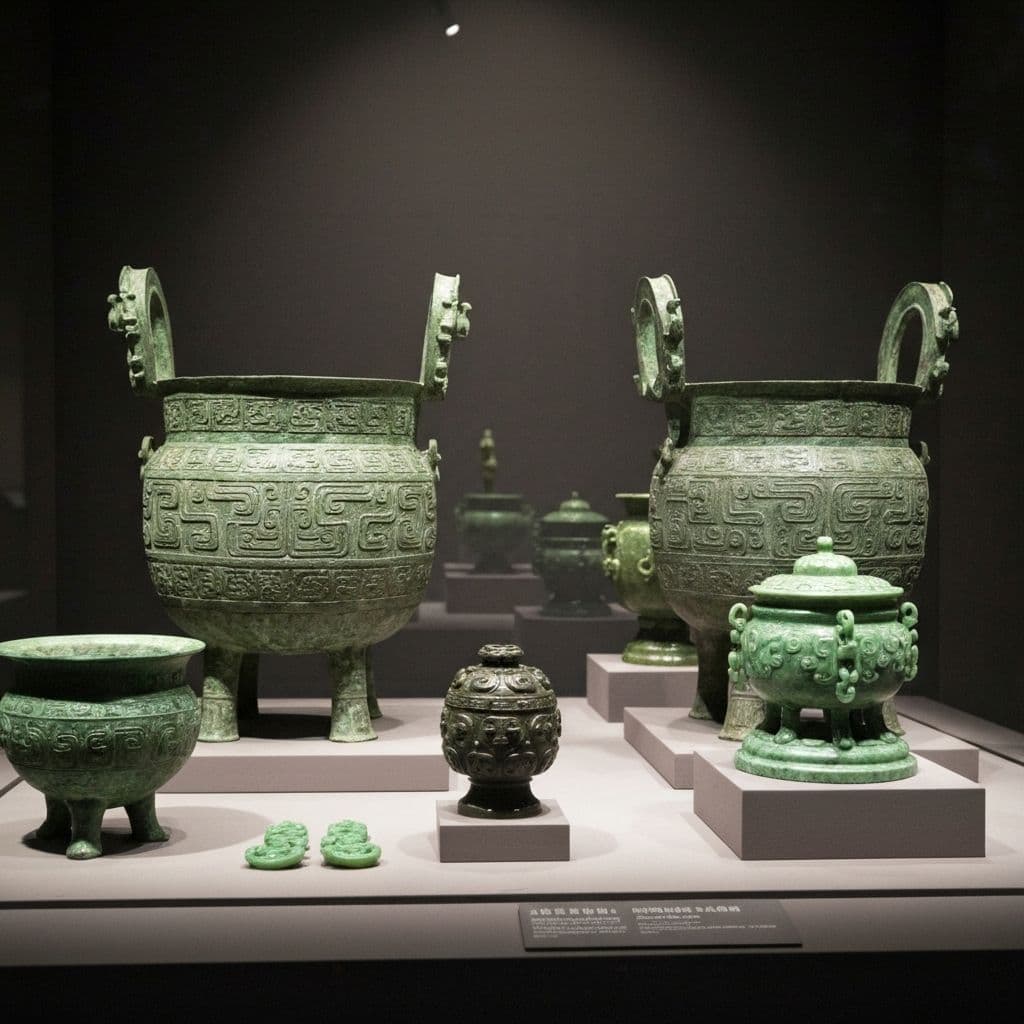
Chinese clothing has evolved over millennia, reflecting changes in dynasty, philosophy, and social structure. Each era left its mark, creating a rich tapestry of styles. Understanding this history provides context for modern Chinese dress code expectations.
The concepts of propriety and social harmony, central to Confucian thought, have always influenced attire. Clothing was a visible marker of one's place in society. This historical depth makes Chinese clothing etiquette a complex and rewarding subject to study.
The Hanfu Clothing Guide: Garments of the Han
Hanfu refers to the traditional clothing of the Han Chinese people, with a history stretching back over 3,000 years. Its characteristic feature is a cross-collar, where the left lapel wraps over the right, secured with a sash. This style emphasizes elegance and fluidity of movement.
A basic hanfu ensemble consists of several layers. Key components include the yi (a narrow-cuffed, open-crossing top) and the chang (a skirt or trousers). Wearing hanfu today, especially during cultural festivals, is a popular way to connect with heritage.
Qipao vs Cheongsam: A Tale of One Dress
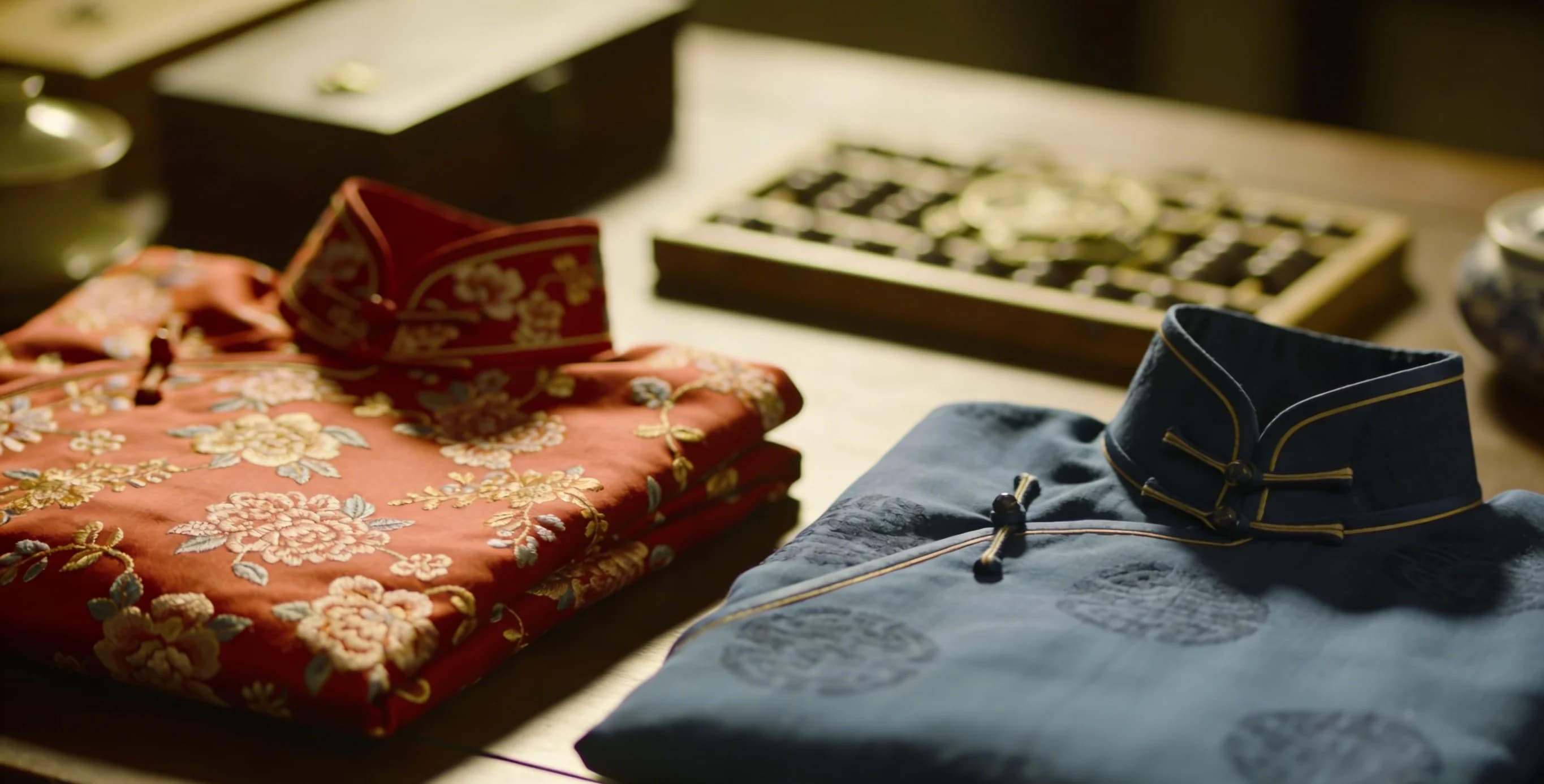
Many people use the terms qipao and cheongsam interchangeably, but they have distinct origins. Cheongsam, meaning "long dress" in Cantonese, was the term used in Hong Kong and overseas communities. Qipao, meaning "banner gown," was the term used in Shanghai and mainland China.
Historically, the garment evolved from the clothing of the Manchu people during the Qing Dynasty. The modern, form-fitting version we recognize today was developed in 1920s Shanghai. This dress became a symbol of modern Chinese femininity and elegance.
The Tang Suit Meaning and Symbolism
Despite its name, the Tang suit (唐装, Tángzhuāng) is not from the Tang Dynasty. It is a modern style that emerged in the late 20th century. It is characterized by a Mandarin collar, knotted buttons, and often features intricate embroidery.
This style gained international fame when APEC leaders wore it at a summit in Shanghai in 2001. The Tang suit meaning is associated with national pride and contemporary Chinese identity. It is a popular choice for formal occasions like weddings and Lunar New Year celebrations.
Color Symbolism in Chinese Clothing
In China, colors are never just decorative; they carry profound symbolic meanings. Choosing the right color is a crucial aspect of Chinese clothing etiquette. The wrong choice can send an unintended message, especially during important events.
These associations are rooted in philosophy, history, and folklore. For travelers, being aware of these meanings can help in selecting appropriate gifts and attire. It shows respect for local customs and deepens your cultural experience.
Red (红色, Hóngsè): The color of luck, joy, and prosperity. It is ubiquitous at weddings, New Year celebrations, and other happy festivals. Wearing red is generally considered auspicious.
Yellow (黄色, Huángsè): Historically reserved for the emperor, symbolizing power and royalty. Today, it retains a noble connotation but is widely used.
Black (黑色, Hēisè): Associated with darkness, evil, and mourning. It is the traditional color for funerals and should be avoided at celebratory events.
White (白色, Báisè): Symbolizes purity, but also death and mourning. Like black, it is traditionally worn at funerals. Be cautious about wearing all-white to a party.
Green (绿色, Lǜsè): Represents harmony, growth, and vitality. However, for men, it can have a negative connotation related to infidelity, so context matters.
Modern Chinese Dress Code: Navigating Social Situations
Contemporary Chinese clothing etiquette blends traditional values with global influences. While major cities like Shanghai and Beijing are very cosmopolitan, dressing appropriately shows cultural sensitivity. Your attire can influence first impressions in both social and professional settings.
When in doubt, it is better to be slightly overdressed than too casual. Neatness and cleanliness are highly valued across all situations. Here’s a practical guide to what to wear and when.
Business and Professional Attire
The business dress code in China is generally formal and conservative. For both men and women, dark-colored suits are the standard. This reflects a serious and respectful attitude towards work and business partners.
Attention to detail is important. Ensure your clothes are well-pressed and your shoes are clean. While a tie is not always mandatory for men, having one shows preparedness. For women, tailored dresses or suits are appropriate, avoiding anything too revealing.
Dining and Banquet Etiquette
Invitations to a formal banquet or a dinner at a nice restaurant call for smart casual or formal wear. This is not the place for shorts and flip-flops. Your choice of dress reflects your respect for the host.
If the banquet is associated with a festival, incorporating auspicious colors like red can be a nice touch. Avoid wearing hats at the table, as it is considered impolite. Following these simple rules of Chinese clothing etiquette will ensure you make a positive impression.
Temple and Religious Site Visits
When visiting temples, mosques, or other religious sites, modesty is paramount. This is a critical aspect of respectful travel. Your attire should cover your shoulders and knees.
It's a good practice to carry a scarf or shawl to cover up if needed. Avoid loud colors and flashy logos. Dressing conservatively shows reverence for the sacred space and its worshippers, aligning with the principles of Chinese fashion traditions.
Chinese Clothing Etiquette for Major Festivals
Festivals are times when traditional values and modern life intersect beautifully. Participating in these celebrations is a highlight for many travelers. Dressing appropriately allows you to fully immerse yourself in the joyous atmosphere.
Each festival has its own customs and color palettes. Embracing these can be a fun and respectful way to join the festivities. Here’s how to apply Chinese clothing etiquette during the most important holidays.
Lunar New Year (Spring Festival)
Lunar New Year is the most important holiday in China. The dominant color is red, symbolizing good fortune and warding off evil spirits. Wearing something red—a scarf, a sweater, or even red accessories—is highly encouraged.
It is also a time when many people wear traditional clothing. You will see people in qipaos, Tang suits, and even hanfu. New clothes are traditionally worn on the first day of the year to symbolize a fresh start. This is a perfect opportunity to appreciate Chinese traditional attire.
Mid-Autumn Festival
The Mid-Autumn Festival is a harvest celebration focused on family reunions and moon gazing. The atmosphere is warm and peaceful. Colors associated with the moon and autumn, like silver, white, and gold, are fitting.
While the dress code is less strict than for Lunar New Year, smart casual attire is appropriate for family gatherings or public celebrations. It’s a gentle, poetic holiday where subtle elegance in your Chinese dress code is more suitable than loud festivity.
National Day Golden Week
National Day on October 1st celebrates the founding of the People's Republic of China. The patriotic colors of red and yellow dominate the landscape. You will see Chinese flags everywhere.
It is common for people to wear clothing featuring these colors or patriotic symbols. The mood is celebratory and proud. Dressing in smart, clean clothing in these colors shows you are participating in the national spirit. Understanding this aspect of Chinese clothing etiquette helps you connect with the local sentiment.
Actionable Advice for Travelers
Navigating Chinese clothing etiquette doesn't have to be daunting. With a few key principles in mind, you can dress confidently for any occasion. The goal is to show respect while feeling comfortable.
Remember that locals appreciate the effort, even if you don't get everything perfect. Your awareness alone speaks volumes. Here is a final checklist to guide your packing and daily choices.
Pack Versatile Layers: Bring a mix of smart casual clothes. A blazer, cardigan, or nice jacket can instantly elevate an outfit for a dinner or unexpected invitation.
Respect the Shoulders and Knees Rule: This is especially important for visiting religious sites and more conservative areas. Avoid tank tops and short shorts when in doubt.
Comfortable Footwear is Key: You will likely do a lot of walking. Bring comfortable but presentable shoes. Avoid worn-out sneakers or beach flip-flops in urban settings.
Observe and Adapt: When you arrive, pay attention to what well-dressed locals are wearing in different settings—cafes, offices, parks. Use this as your best real-time guide.
When in Doubt, Ask: If you are invited to a specific event, don't hesitate to ask your host about the expected dress code. They will be happy to advise you.
By understanding the nuances of Chinese clothing etiquette, you do more than just pack a suitcase. You prepare yourself for a deeper, more respectful engagement with one of the world's oldest cultures. Your clothing becomes a bridge, not a barrier.
Note: This article provides general cultural guidance. Individual experiences may vary. Always approach cultural learning with an open mind.