
For over 5,000 years, Chinese silk has been synonymous with luxury, artistry, and cultural sophistication. This legendary fabric, born from the humble silkworm, has woven its way through Chinese history, influencing everything from global trade routes to the intricate rules of social etiquette. More than just a textile, silk represents the pinnacle of Chinese craftsmanship and a living thread connecting the past to the present.
Today, travelers to China can still experience the magic of this incredible heritage. From visiting ancient silk workshops to wearing traditional garments, the story of Chinese silk is an essential chapter in understanding the nation's soul. This guide will take you on a journey from cocoon to loom, exploring how silk shaped a civilization.
The Ancient Origins of Chinese Sericulture
According to Chinese legend, the discovery of silk dates back to around 2700 BCE. The story tells of Empress Leizu, the wife of the Yellow Emperor, who was drinking tea in her garden when a cocoon fell from a mulberry tree into her cup. The hot water unraveled the fine threads, revealing the secret of silkworm silk. Fascinated, she learned to cultivate the worms and weave the fabric, thus founding the practice of sericulture.
The Secret That Shaped an Empire
For centuries, China guarded the secret of silk production with extreme vigilance. The knowledge of how to raise silkworms and reel their precious threads was a state secret, and revealing it to outsiders was punishable by death. This monopoly allowed China to dominate the luxury textile market for nearly 3,000 years, creating immense wealth and establishing silk as a cornerstone of its economy and culture.
The intricate process of Chinese sericulture begins with the Bombyx mori moth. The lifecycle is carefully managed, with silkworms fed exclusively on fresh mulberry leaves. After about a month of feeding, the worms spin their cocoons, which are then carefully harvested. The key to silk's fineness is the continuous filament, which can be over a kilometer long from a single cocoon.
Silk and the Fabric of Chinese Society
In ancient China, silk was far more than a beautiful material; it was a powerful social signifier. The type, color, and decoration of one's silk garments immediately communicated their social rank, profession, and even political standing. This deep connection between fabric and identity is a unique aspect of the history of Chinese silk.
Silk in Traditional Chinese Clothing
The most iconic use of silk was in traditional Chinese clothing. Garments like the Hanfu, the historical dress of the Han Chinese, were almost exclusively made from luxurious silk fabrics. The flowing robes, wide sleeves, and intricate sashes of Hanfu were designed to showcase the drape and sheen of the material, creating an elegant and dignified silhouette.
Even today, Hanfu silk fabric is prized for its quality. Modern enthusiasts seeking to wear authentic Hanfu should look for garments made from pure silk, which offers superior breathability and a unique luster. When visiting China, consider purchasing a simple silk scarf or accessory from a reputable shop to appreciate the texture firsthand.
The Role of Silk in Rituals and Etiquette
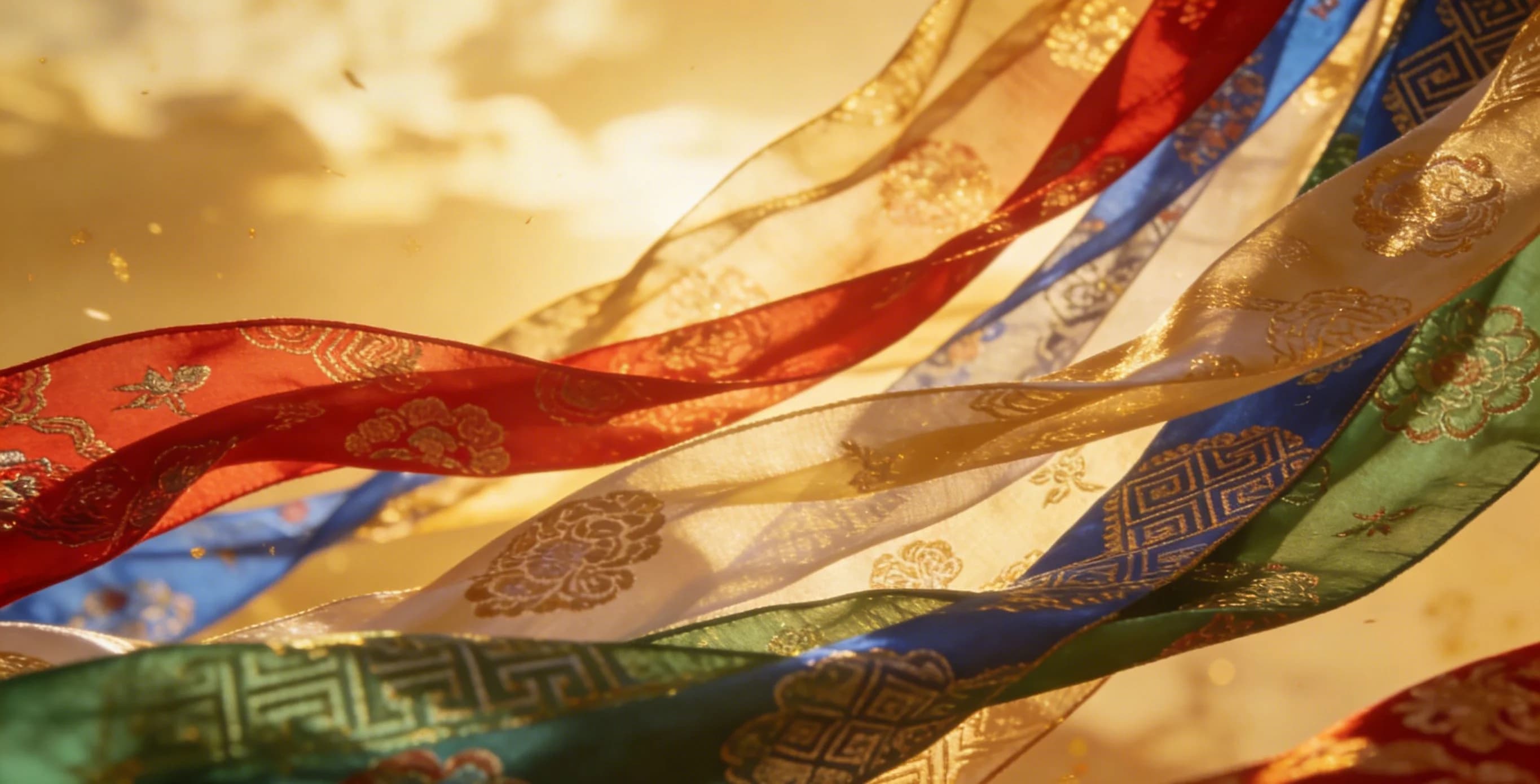
Silk was integral to Chinese rituals and ceremonies. It was used in religious offerings, as diplomatic gifts, and in important life events like weddings and funerals. The color of the silk held specific meanings: red for joy and celebration, white for mourning, and yellow, often reserved for the emperor, symbolizing centrality and power.
Understanding this color symbolism can greatly enrich a traveler's experience. When attending a festival or visiting a temple, take note of the predominant silk colors used in decorations and attire—they are speaking a visual language centuries old.
The Silk Road: Weaving the World Together
The demand for this exquisite fabric eventually burst beyond China's borders, leading to the creation of the legendary Silk Road. This was not a single road but a vast network of trade routes connecting East and West. The Silk Road trade began in earnest during the Han Dynasty (206 BCE–220 CE) and continued for over 1,500 years.
Silk was the most coveted commodity traveling west, but the routes carried much more than fabric. They facilitated an unprecedented exchange of ideas, technologies, religions, and cultures. In return for silk, China received goods like glassware, gold, silver, and horses, enriching its own civilization.
A Legacy Beyond Fabric
The impact of the Silk Road is still visible today. It led to the spread of Buddhism into China, influenced art and architecture, and introduced new foods and spices. For the modern traveler, visiting sites along the ancient route, such as Xi'an or Dunhuang, offers a tangible connection to this monumental chapter of human history.
Experiencing Chinese Silk Today
The legacy of Chinese silk is not confined to museums; it is a vibrant, living tradition. Visitors to China have numerous opportunities to engage with this art form, from watching master weavers to purchasing heirloom-quality pieces.
Where to See Silk Production
Several cities in China are renowned for their silk heritage. Key destinations include:
Suzhou: Famous for its exquisite silk embroidery and beautiful gardens. The Suzhou Silk Museum is a must-visit.
Hangzhou: Home to the National Silk Museum, the most comprehensive of its kind in the world.
Shanghai: Visit the Shanghai Silk Carpet Factory or the traditional fabric markets to see a huge variety of silk products.
When touring a workshop, you can witness the entire process of silk weaving in China, from the sorting of cocoons to the operation of massive, traditional looms. It’s a mesmerizing display of skill and patience.
A Traveler's Guide to Buying Silk
Purchasing silk in China can be a wonderful experience if you know what to look for. Here is some practical advice to ensure you get an authentic, high-quality product:
The Burn Test: Real silk smells like burning hair when a small thread is singed; synthetic fibers melt and smell like plastic. Reputable dealers will often demonstrate this.
Check the Texture: Genuine silk is smooth and cool to the touch and has a subtle, natural sheen rather than a synthetic gloss.
Buy from Reputable Sources: State-owned stores, museum gift shops, and established brand boutiques are generally more reliable than random street vendors.
Consider buying smaller items like scarves, ties, or wall hangings, which are easier to transport and make for exquisite gifts. Remember that true, high-quality Chinese silk is an investment, but its beauty and durability are unmatched.
The Enduring Thread of Culture
From its mythical origins to its role in modern fashion, the story of silk is inextricably linked with the story of China itself. It is a testament to human ingenuity and a symbol of cultural exchange that shaped the world. The next time you feel the cool, smooth texture of a silk garment, remember that you are touching a piece of history—a thread that connects empires, cultures, and millennia.
For any traveler seeking to understand China, exploring the world of silk is not just a shopping trip; it is a journey into the heart of Chinese identity. It is an experience that beautifully illustrates how a single, delicate thread can weave together the fabric of an entire civilization.
Note: This article provides general cultural guidance. Individual experiences may vary. Always approach cultural learning with an open mind.