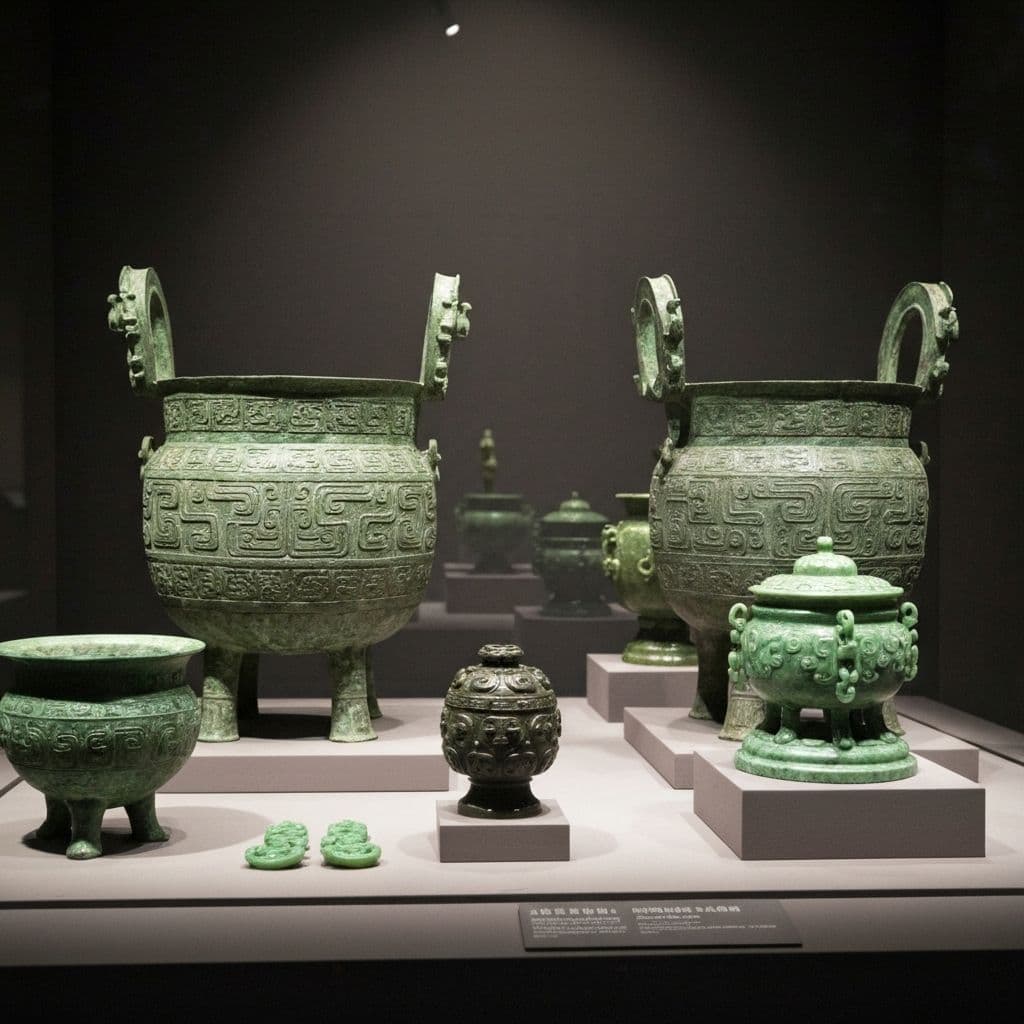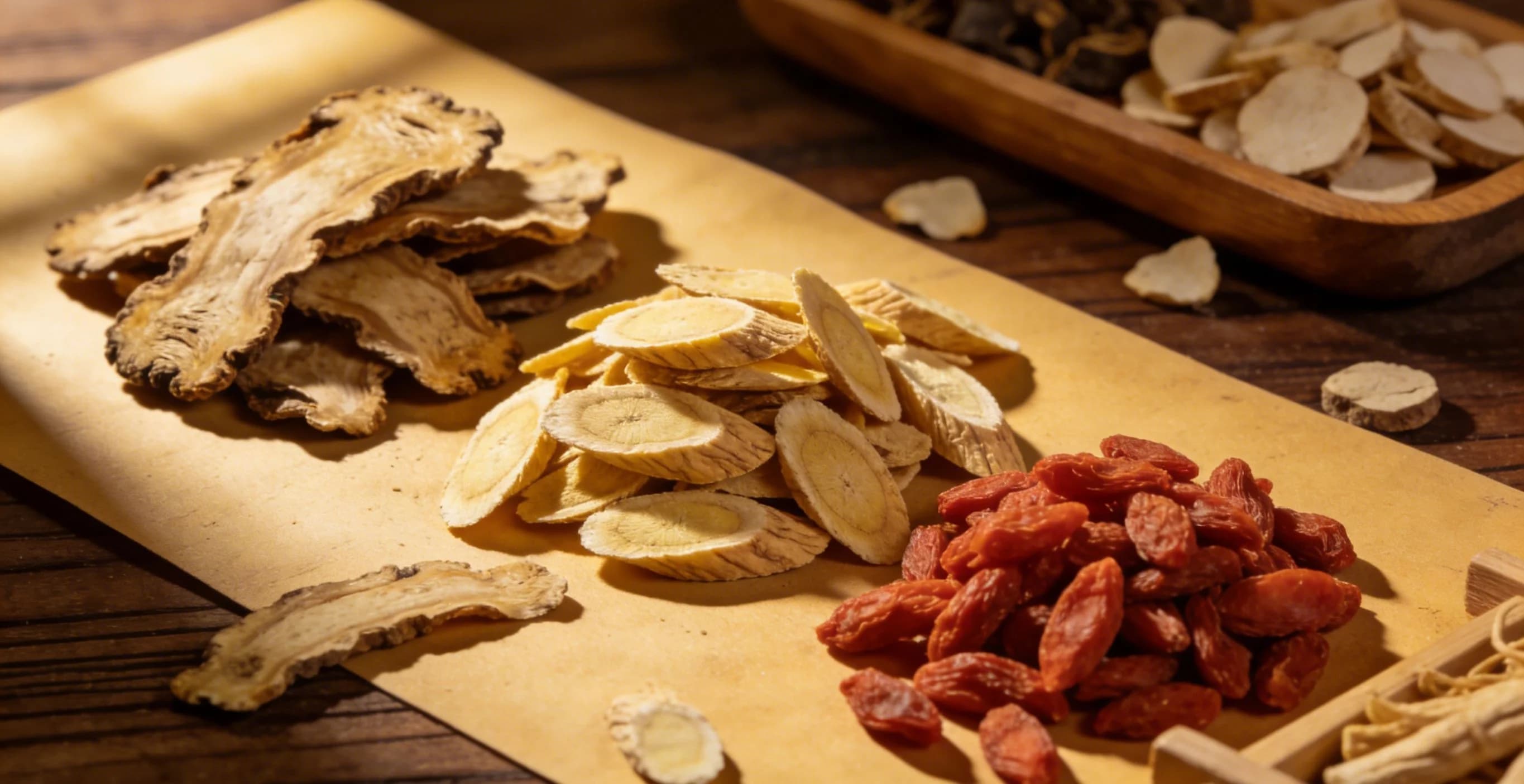

For thousands of years, the wisdom of Chinese healing has been meticulously recorded, forming a vast and profound body of traditional Chinese medicine literature. These ancient texts are more than just historical artifacts; they are living documents that continue to inform modern healthcare practices in China and around the world. Understanding this literature offers a unique window into the Chinese worldview, where balance and harmony between humanity and nature are paramount.
As you travel through China, you'll encounter the principles from these texts everywhere, from the herbal pharmacies in Beijing's hutongs to the tai chi practitioners in Shanghai's parks. This guide will illuminate the core concepts and most important books, helping you appreciate the depth of this ancient science. We will explore the foundational theories of yin and yang, the flow of qi through meridians, and the practical herbal medicine detailed in these classic works.
The Historical Roots of Traditional Chinese Medicine
The history of traditional Chinese medicine is deeply intertwined with the development of Chinese civilization itself. Its origins can be traced back over 2,500 years, with ideas and practices evolving from shamanistic traditions and early philosophical thought. The core principles were refined during the tumultuous Warring States period, a time of great intellectual ferment that also gave rise to Confucianism and Daoism.
These early ideas were systematically compiled into the first major texts during the Han Dynasty (206 BCE–220 CE), a golden age for Chinese culture and science. It was during this era of stability and scholarship that the foundational texts of TCM were formally established. This period marked the transition from oral tradition to a codified system of medicine, creating the bedrock of traditional Chinese medicine literature that would be built upon for centuries to come.
From Oracle Bones to Organized Practice
Evidence of early Chinese medical practices, such as acupuncture and herbal remedies, has been found inscribed on oracle bones from the Shang Dynasty (c. 1600–1046 BCE). However, it was the philosophical framework developed later that provided the cohesive structure for TCM. Concepts like Qi (vital energy), Yin and Yang (opposing forces), and the Five Phases (Wu Xing) became the lenses through health and disease were understood.
This systematic approach allowed for the diagnosis and treatment of illness based on patterns of disharmony within the body and between the body and its environment. The enduring nature of this system is a testament to its sophistication, and it all began with the commitment to recording knowledge, creating the rich tapestry of traditional Chinese medicine literature we can study today.
Foundational Texts: The Pillars of TCM Knowledge
At the heart of traditional Chinese medicine literature are a few seminal works that have stood the test of time. These texts are not merely read; they are studied, debated, and applied by practitioners generation after generation. They form the essential curriculum for any student of TCM and provide the theoretical and practical foundation for its practice worldwide.
Grasping the significance of these works is key to understanding traditional Chinese medicine as a complete medical system. Each text contributes a unique piece to the puzzle, from foundational theory to complex diagnostic methods and extensive pharmacopoeias. Let's explore the most influential ones.
Huangdi Neijing Explained: The Canon of Internal Medicine
Often called the bible of TCM, the Huangdi Neijing (The Yellow Emperor's Inner Canon) is the oldest surviving classical text. Compiled around the 1st century BCE, it is presented as a dialogue between the mythical Yellow Emperor and his ministers. This text established the fundamental theories that define TCM, including the concept of Qi, the meridian system, and the importance of balancing Yin and Yang.
When the Huangdi Neijing explained human physiology, it did so through the lens of the natural world. The body was seen as a microcosm of the universe, with its own rivers (meridians) and energy cycles. It emphasizes preventive care, stating that superior doctors treat illness before it arises. This holistic view encourages a lifestyle in harmony with the seasons and one's own constitution, advice that remains deeply relevant.
Shang Han Lun Insights: Mastering Cold-Induced Diseases
Written by Zhang Zhongjing during the Eastern Han Dynasty, the Shang Han Lun (Treatise on Cold Damage Disorders) is a masterpiece of clinical practice. It is one of the most important Chinese medicine ancient texts focused on diagnosis and treatment. Zhang Zhongjing systematically classified diseases, particularly those caused by external cold factors, into six stages, providing detailed Shang Han Lun insights into their progression and treatment.
This text is renowned for its sophisticated use of herbal formulas, many of which are still in use today. It advanced TCM diagnostic methods by emphasizing the analysis of symptoms and signs to identify the specific pattern of disharmony. For the modern reader, it demonstrates the empirical and logical side of TCM, showing how ancient physicians developed precise protocols for complex illnesses.
The Compendium of Materia Medica: An Herbal Encyclopedia
No discussion of traditional Chinese medicine classics is complete without Li Shizhen's Compendium of Materia Medica (Bencao Gangmu). Completed in the Ming Dynasty (1578), this monumental work is a staggering achievement in pharmacology and natural history. Li Shizhen spent 27 years traveling across China, collecting, categorizing, and testing thousands of substances.
The Compendium details nearly 1,900 herbs, minerals, and animal products, with over 11,000 prescriptions. It goes far beyond medicine, covering topics like botany, biology, and chemistry. This text is the ultimate reference for herbal medicine in TCM texts, and its influence extended beyond China, impacting medicine in Korea, Japan, and Europe. It represents the pinnacle of empirical research in pre-modern traditional Chinese medicine literature.
Core Concepts: The Language of TCM
To truly appreciate traditional Chinese medicine literature, one must become familiar with its unique vocabulary and core concepts. These ideas form the theoretical backbone of every text and every clinical practice. They describe a dynamic and interconnected view of health that is fundamentally different from Western medicine.
Understanding these terms will transform your reading of the classics from a collection of strange ideas into a coherent and logical system. It will also enrich your travels in China, allowing you to see the deeper meaning behind practices like acupuncture and herbal teas.
Yin Yang in Chinese Medicine: The Dance of Opposites
The concept of Yin and Yang is central to all Chinese thought, and medicine is no exception. They are not opposing forces but complementary ones that define each other. In the body, Yin represents structure, cooling, and nourishment, while Yang represents function, warmth, and activity. Health is a state of dynamic balance between these two poles.
Disease, therefore, is seen as an imbalance—an excess or deficiency of either Yin or Yang. A TCM practitioner's goal is to diagnose this imbalance and use treatments, such as specific herbs or acupuncture points, to restore harmony. This principle of yin yang in Chinese medicine teaches us that health is not a static condition but an active process of maintaining equilibrium.
Meridians and Qi in TCM: The Body's Energy Highway
Another foundational idea is the network of meridians and Qi in TCM. Qi is the vital life force that animates all living things. It flows through the body along specific pathways called meridians. There are twelve main meridians, each connected to a major organ system (e.g., Heart, Liver, Lung).
Acupuncture works by inserting fine needles into specific points along these meridians to unblock or regulate the flow of Qi. When Qi flows smoothly and abundantly, there is health. When it is blocked, deficient, or excessive, disease occurs. This concept explains how a needle in the foot can treat a headache—by influencing the flow of energy along the meridian connecting the two areas.
TCM Theory and Practice in Modern Life
The principles enshrined in traditional Chinese medicine literature are not locked in the past. They offer a valuable and practical framework for enhancing well-being in our modern, often stressful lives. The holistic approach of TCM theory and practice encourages us to be active participants in our health, paying attention to the subtle signals our bodies send us.
You don't need to be an expert to benefit from this wisdom. Simple adjustments based on TCM principles can have a profound impact on your energy, digestion, sleep, and stress levels. Here are some actionable ways to integrate this ancient knowledge into your daily routine.
Actionable Advice from the Classics
The Huangdi Neijing places great emphasis on living in accordance with the natural rhythms of the day and the seasons. Here are some practical tips you can start today:
Wake with the sun: The Neijing recommends rising at sunrise to align your Yang energy with the growing light of day, promoting vitality.
Eat for the season: In summer, eat cooling foods like cucumber and watermelon. In winter, opt for warming foods like ginger and lamb to support your body's needs.
Manage your emotions: TCM sees a direct link between emotions and organ health. Anger affects the Liver, worry the Lungs/Spleen. Practice mindfulness or meditation to keep emotions in balance.
Practice gentle movement: Activities like Tai Chi and Qigong are specifically designed to cultivate and smooth the flow of Qi, reducing stress and improving flexibility.
Experiencing TCM as a Traveler in China
Your journey through China offers a fantastic opportunity to experience the living tradition of TCM firsthand. From bustling herbal markets to serene temple gardens where people practice Tai Chi at dawn, the principles of the ancient texts are visible everywhere. Engaging with this aspect of Chinese culture can be a highlight of your trip.
When you visit a traditional pharmacy, you'll see hundreds of drawers containing roots, barks, and dried herbs, just as described in the Compendium of Materia Medica. You might even witness a TCM diagnosis, where a practitioner examines the tongue, feels the pulse, and asks detailed questions—a direct application of TCM diagnostic methods honed over millennia. Remember to approach these experiences with respect and curiosity, and always consult a licensed practitioner for any serious health concerns.
The Enduring Legacy of Traditional Chinese Medicine Literature
The rich corpus of traditional Chinese medicine literature represents one of the world's oldest and most continuous systems of health knowledge. From the philosophical depths of the Huangdi Neijing to the clinical precision of the Shang Han Lun and the encyclopedic scope of the Compendium of Materia Medica, these texts offer a unique and valuable perspective on health and life.
They teach us to see the body as an interconnected whole, to seek balance in all things, and to live in harmony with the natural world. As we move forward in the 21st century, this ancient wisdom continues to offer profound insights, reminding us that true health encompasses not just the physical body, but the mind and spirit as well. By exploring these texts, we gain not only knowledge but also a deeper appreciation for the sophistication and enduring power of Chinese culture.
Note: This article provides general cultural guidance. Individual experiences may vary. Always approach cultural learning with an open mind.