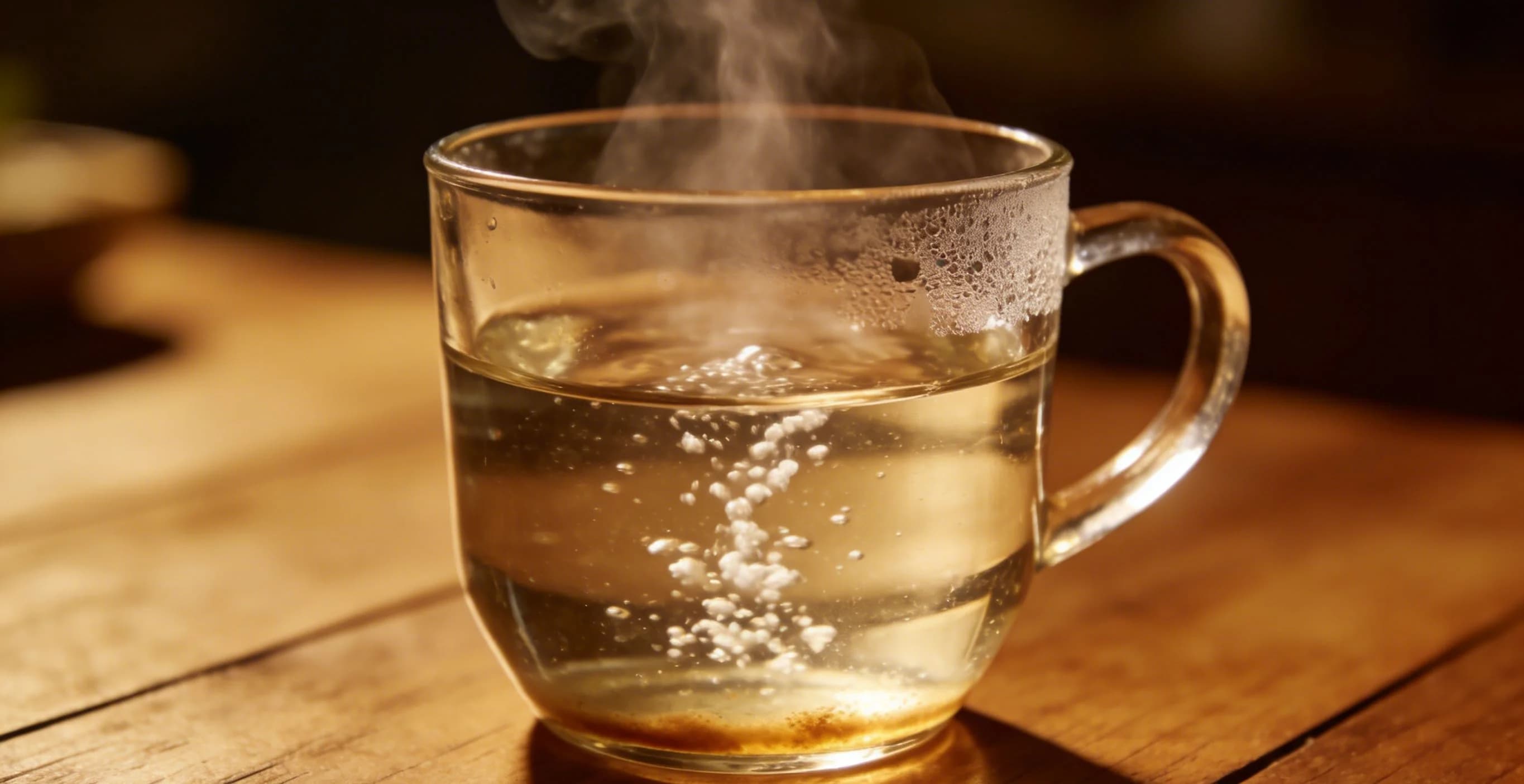

If you've ever traveled in China, you've likely encountered a curious cultural phenomenon: the ubiquitous consumption of hot water. From train stations to restaurants, the question of why do Chinese people drink hot water is one of the first to cross a visitor's mind. This practice is far more than a simple preference; it's a deeply ingrained aspect of daily life, rooted in ancient wisdom and a holistic approach to wellness that continues to thrive in the modern era.
This comprehensive guide will delve into the history, health principles, and social etiquette that define Chinese hot water culture. Whether you're planning a trip or simply curious about this unique custom, understanding this habit offers a fascinating window into the Chinese worldview. We'll explore the traditional beliefs, the scientific perspectives, and provide practical advice for navigating this custom during your travels, helping you appreciate a ritual that millions consider essential for good health.
The Historical Roots of Chinese Hot Water Culture
The tradition of boiling water in China dates back thousands of years, long before the advent of modern plumbing and water purification systems. In ancient times, water sources were often contaminated, leading to the spread of waterborne diseases. Boiling water was the most effective method available to ensure it was safe to drink, making it a critical public health practice.
This practical necessity gradually became intertwined with philosophical and medical beliefs. Ancient texts from various dynasties began to document the health benefits of consuming warm beverages. Over centuries, the habit of drinking hot water evolved from a mere survival tactic into a cornerstone of preventive healthcare and a symbol of civilized living.
Influence of Traditional Chinese Medicine
The widespread adoption of hot water was profoundly shaped by the principles of Traditional Chinese Medicine (TCM). TCM views the body as a system that must maintain a delicate balance between yin (cooling) and yang (warming) energies. Consuming cold or iced beverages is believed to shock the system, extinguish digestive fire, and disrupt this balance, potentially leading to illness.
In contrast, warm water is thought to aid the body's vital energy, or Qi. It supports digestion, improves blood circulation, and helps the body expel toxins. This concept of traditional Chinese medicine warm water is a fundamental tenet, promoting the idea that maintaining internal warmth is key to sustaining health and vitality throughout one's life.
Health Preservation and the Benefits of Warm Water
At the heart of Chinese hot water health preservation is a proactive approach to well-being. Instead of treating sickness, the focus is on preventing it. Drinking hot water is considered a daily tonic, a simple ritual that supports the body's natural functions. This aligns with the classic TCM adage: "Treat a disease before it arises."
Many of the perceived benefits of drinking warm water have parallels in modern wellness science. While the TCM explanations are rooted in energy balance, the physiological effects are increasingly recognized. For instance, starting the day with a cup of warm water can gently awaken the digestive system, a practice many find soothing.
The Great Debate: Warm Water vs Cold Water
The preference for hot water inevitably leads to the warm water vs cold water debate. From a TCM perspective, cold water causes muscles and blood vessels to contract, hindering digestion and absorption. It's seen as requiring the body to expend extra energy to warm the liquid to body temperature, thereby taxing the digestive system.
This explains why Chinese avoid ice water, especially with meals. They believe cold beverages solidify fats from food, making them harder to digest. While Western medicine may not fully endorse these specific claims, it does acknowledge that warm liquids can aid in digestion and provide a feeling of comfort, particularly in cooler weather.
Aids Digestion: Warm water is thought to help break down food more efficiently.
Improves Circulation: The warmth can help dilate blood vessels, promoting better blood flow.
Detoxification: It encourages sweating, which is considered a way to release impurities.
Relieves Congestion: The steam from a hot drink can help clear sinuses.
Hot Water in Modern Chinese Society and Etiquette
Today, the custom is one of the most visible Chinese wellness habits. It's perfectly normal to see people carrying insulated flasks filled with hot water or tea wherever they go—to the office, on walks, or during travel. This practice is a daily reminder of the cultural emphasis on health maintenance.
The offering of hot water is also a common gesture of hospitality. When you visit a Chinese home or many offices, your host will almost certainly offer you a cup of hot water or tea. Accepting it is a sign of respect and an acknowledgment of their care. Refusing might be seen as a slight, though most people are understanding of foreign visitors' preferences.
Practical Advice for Travelers in China
Navigating Chinese hot water culture as a traveler is easy with a little preparation. Public hot water dispensers are ubiquitous in airports, train stations, and hotel lobbies. It's a good idea to carry a reusable water bottle to take advantage of these free resources.
In restaurants, don't be surprised if your request for "water" results in a cup or thermos of hot water. If you prefer cold water, you may need to specifically ask for "ice water" (冰水, bīng shuǐ), though it's not always available. Embracing the local custom, even just by sipping the provided hot tea, can enhance your cultural experience. This is a key part of understanding why do Chinese people drink hot water as a social norm.
Beyond Water: Hot Beverages and Seasonal Practices
The principle of consuming warm liquids extends beyond plain water. Herbal teas and soups are integral to the diet, often prepared with specific ingredients to address seasonal needs or minor health complaints. During the cold, dry winter months, hot beverages help maintain body warmth and hydration.
Certain festivals and life events also involve specific hot drinks. For example, after childbirth, women traditionally follow a "confinement" period where they consume only warm foods and drinks to restore their strength and balance. This again highlights the deep-seated nature of this custom, answering the question of why do Chinese people drink hot water in a holistic context that encompasses every stage of life.
In conclusion, the Chinese practice of drinking hot water is a multifaceted tradition blending history, medicine, and social courtesy. It represents a worldview that values harmony, prevention, and gentle care for the body. For travelers, appreciating this custom is not just about adapting to a different practice; it's about gaining insight into a culture that has cultivated wellness for millennia. The next time you are offered a cup of hot water in China, you can accept it with a newfound understanding of the rich cultural heritage in that simple, warming gesture.
Note: This article provides general cultural guidance. Individual experiences may vary. Always approach cultural learning with an open mind.