
To understand China is to understand its ancient traditions, and few are as globally recognized as the history of Chinese Kung Fu. More than just fighting techniques, Kung Fu is a profound cultural treasure, embodying philosophy, discipline, and a quest for self-mastery that has evolved over millennia. For travelers, experiencing this art form firsthand offers a unique window into the Chinese soul.
This guide will take you on a journey through the origins of Chinese martial arts, introduce you to its main styles like Shaolin and Tai Chi, and provide practical advice on where you can witness or even train in these incredible disciplines. Whether you're a martial arts enthusiast or a curious culture seeker, the world of Kung Fu awaits.
The Ancient Origins and Evolution of Chinese Martial Arts
The story of Kung Fu begins not in temples, but in the basic human needs for survival and hunting. Early evidence from the Zhou Dynasty (1046-256 BCE) points to martial-like exercises being used for military training. However, it was the influence of Buddhism and Daoism that truly shaped Kung Fu into a spiritual and physical practice.
From Survival Skill to Spiritual Practice
The arrival of Buddhism from India, and the establishment of the Shaolin Temple in the 5th century, marked a pivotal moment. Legend credits the monk Bodhidharma with introducing meditation and physical exercises to the Shaolin monks to strengthen their bodies for long hours of sitting. This fusion of spiritual pursuit with physical training laid the foundation for what would become Shaolin Kung Fu.
Simultaneously, Daoist philosophies emphasizing harmony with nature, the balance of Yin and Yang, and the cultivation of internal energy, or Qi, influenced the development of softer, internal martial arts. This rich tapestry of influences set the stage for a remarkable development process over the centuries.
Exploring the Different Types of Kung Fu
Chinese martial arts are incredibly diverse, often categorized by their primary focus. The main distinction lies between external and internal styles, each with its own philosophy and techniques. Understanding these types of Kung Fu helps appreciate the breadth of this cultural art.
External Styles (Wàijiā Quán)
External styles emphasize physical strength, speed, and agility. They are characterized by explosive, dynamic movements and are often what people imagine when they think of Kung Fu.
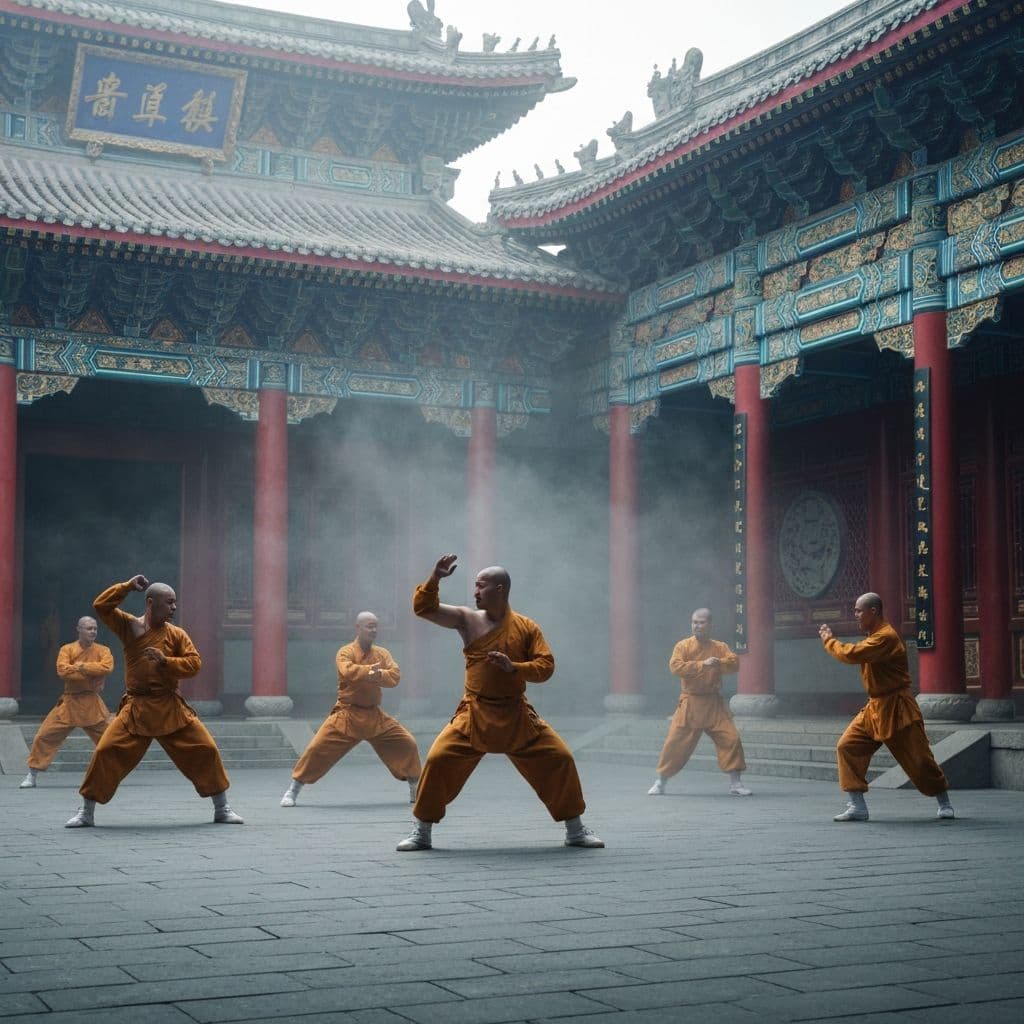
Shaolin Kung Fu: The most famous external style, originating from the Shaolin Temple. It is known for its powerful, acrobatic kicks, punches, and animal-inspired forms mimicking the tiger, crane, and leopard.
Wing Chun: A practical and efficient style focusing on close-range combat, centerline theory, and simultaneous attack and defense. It gained worldwide fame through Bruce Lee, who was initially a Wing Chun practitioner.
Northern Styles (e.g., Changquan): Often feature wide stances, high kicks, and graceful, flowing movements, showcasing agility and legwork.
Southern Styles (e.g., Hung Gar): Tend to emphasize strong, stable stances, powerful hand techniques, and short-range attacks.
Internal Styles (Nèijiā Quán)
Internal styles prioritize the development of internal energy (Qi), relaxation, and mental focus over brute strength. Movements are generally slower and more deliberate.
Tai Chi (Taijiquan): The most well-known internal art, often practiced for health and meditation. Its slow, graceful movements are designed to cultivate Qi, improve balance, and reduce stress. It is a living example of Daoist principles in motion.
Baguazhang: Recognized by its constant circular walking and spiraling movements, Baguazhang is evasive and fluid, focusing on palm strikes and changing direction.
Xingyiquan: Characterized by linear, aggressive movements that mimic the five elemental forces (metal, water, wood, fire, earth), Xingyiquan is direct and powerful in its application.
The Development Process into Modern Wushu
The 20th century was a period of significant change for Chinese martial arts. Following the establishment of the People's Republic of China, there was a push to standardize and modernize these traditions. This led to the creation of modern Wushu.
Wushu, which literally translates to "martial art," is a contemporary sport that incorporates traditional Kung Fu movements into standardized, gymnastic-like forms (taolu). It emphasizes aesthetics, difficulty, and performance, making it a spectacular event in international competitions. While some purists distinguish between traditional Kung Fu and modern Wushu, the latter has played a crucial role in popularizing Chinese martial arts globally.
Where to Experience and Train in Kung Fu
For travelers, engaging with the history of Chinese Kung Fu is an unforgettable experience. China offers numerous opportunities, from watching breathtaking performances to embarking on a personal training journey.
Must-Visit Destinations for Kung Fu Lovers
The Shaolin Temple (Henan Province): The birthplace of Zen Buddhism and Shaolin Kung Fu. Visitors can tour the ancient temple, watch incredible demonstrations by the resident monks, and see the Pagoda Forest. This is ground zero for anyone interested in the history of Chinese Kung Fu.
Wudang Mountain (Hubei Province): The sacred Taoist mountain renowned as the legendary birthplace of Tai Chi and other internal martial arts. The ancient monasteries and natural scenery provide a serene backdrop for practice and observation.
Chen Village (Henan Province): For Tai Chi enthusiasts, a pilgrimage to Chen Village, where Chen-style Tai Chi originated, is a must. You can feel the history in the air and often see locals practicing in the early morning.
International Wushu Festivals: Keep an eye out for events like the Zhengzhou International Shaolin Wushu Festival, where masters and students from around the world gather to compete and share their skills.
Practical Tips for Training in China
If you're considering a training program, research is key. Look for reputable schools with experienced, English-speaking instructors. Programs can range from a few days of introductory classes to months-long intensive courses. Remember to respect the culture and traditions of the school you join. Approach your training with an open mind and a humble attitude; the learning process is as much about inner growth as physical skill.
Kung Fu's Enduring Legacy in 2026
Today, the history of Chinese Kung Fu continues to inspire millions worldwide. It has transcended its origins to become a global phenomenon, featured in blockbuster films, fitness routines, and philosophical discussions. Its principles of discipline, respect, and perseverance are universal.
For the traveler, engaging with Kung Fu is more than a tourist activity; it's a chance to connect with a living, breathing aspect of Chinese heritage. Whether you find yourself mesmerized by a Shaolin performance at the temple, joining a Tai Chi group in a Beijing park at dawn, or simply learning about its profound philosophies, you are participating in a story thousands of years in the making. We encourage you to seek out these experiences and discover the power and grace of Chinese martial arts for yourself.
Note: This article provides general cultural guidance. Individual experiences may vary. Always approach cultural learning with an open mind.