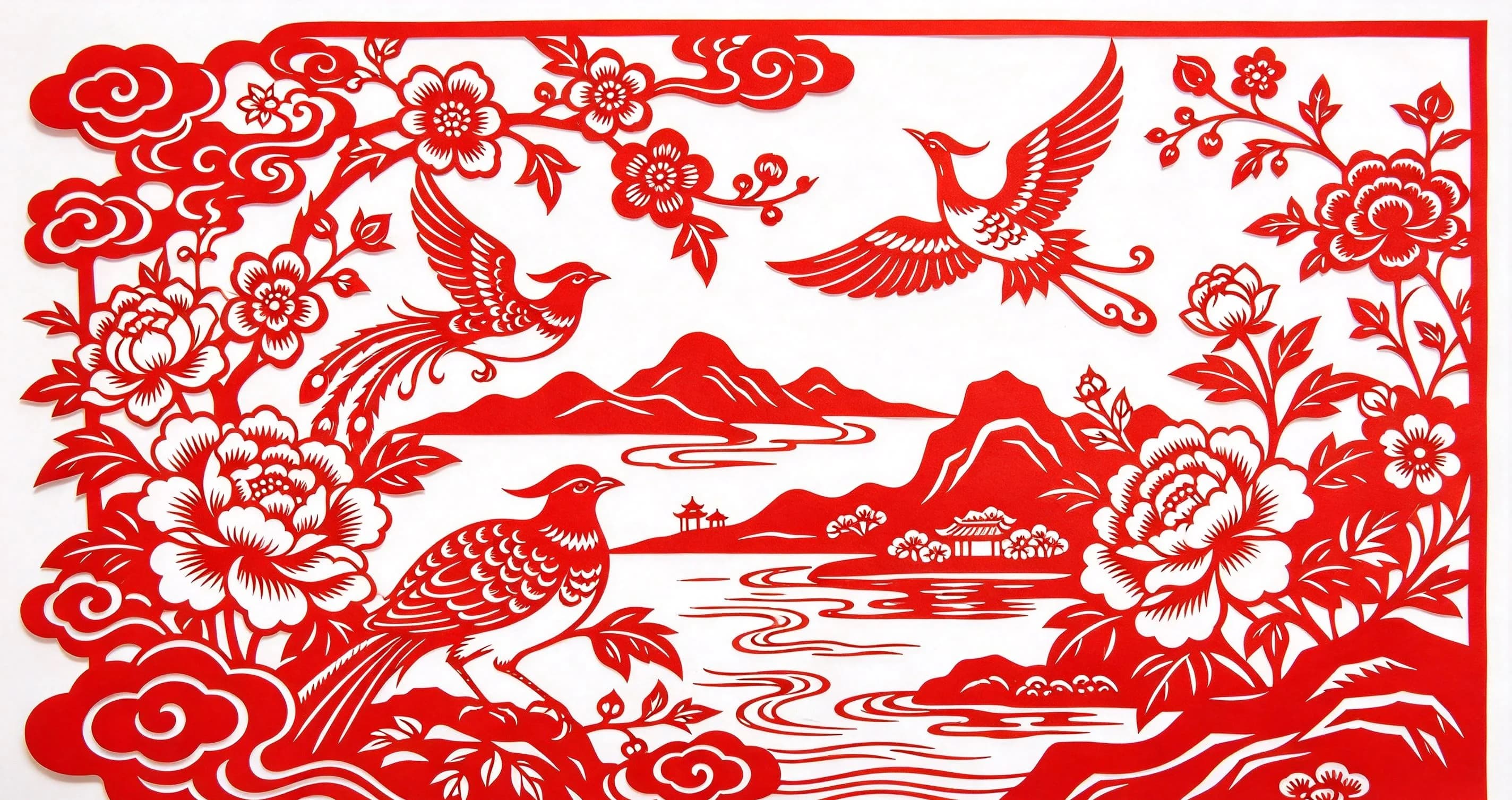

Chinese paper-cutting is far more than just the craft of "cutting paper with scissors." It encapsulates the festivals, weddings, birthday wishes, domestic aesthetics, and cultural customs of the Chinese people within a single, delicate sheet of paper. For international visitors, exploring the art of paper-cutting offers a window into the nuances of daily life and the culture of auspicious symbolism in China.
I. An Introduction to Chinese Paper-Cutting
1. What Is Chinese Paper-Cutting?
Chinese paper-cutting—often simply referred to as "paper-cutting"—is one of the oldest and most highly regarded forms of folk art in China. With its intricate designs and rich cultural significance, it has become an indispensable part of Chinese life and tradition.
This craft has been passed down for centuries and remains a vibrant presence today in households, shops, and festive celebrations across the country.
2. Why it’s worth a special trip
It is easy to pick up, yet it demands a high level of skill.
It is affordably priced, yet carries profound symbolic meaning.
It frequently appears at significant life milestones, such as the Lunar New Year, weddings, and birthdays.
Styles vary by region, making it a perfect activity to incorporate into your travels to different cities.
II. A Brief History of Paper-Cutting
1. Origins
The art of Chinese paper-cutting dates back to the 6th century AD and is most frequently seen during major Chinese festivals.
Between the 5th and 6th centuries AD, the craft—along with Chinese papermaking technology and Buddhist culture—spread to Korea and Japan. Via the Maritime Silk Road, Chinese paper-cutting techniques and motifs influenced Southeast Asia (including Vietnam and the Philippines) as early as the Tang and Song dynasties. Similarly, through the overland Silk Road, these techniques and motifs reached Central Asia and Europe during the same period. In Europe, however, indigenous paper-cutting traditions—such as those associated with Christmas—evolved in connection with local folklore, eventually securing a distinct place within cultures across the globe.
2. Who Is Cutting Paper?
In traditional Chinese society, paper-cutting was a craft primarily practiced by women, especially in rural areas of the north. Every girl was expected to master this skill, and paper-cuts were even included as part of a bride’s dowry. A woman’s proficiency in paper-cutting was often seen as a reflection of her overall craftsmanship and personal worth.
III. Uses of Paper-Cutting in Daily Life
1. From Ritual to Modern Decoration
Originally, paper-cutting was used in rituals, decorations, and funerary customs. In ancient times, people would cut paper into the shapes of figures, currency, clothing, and other items, which were then burned or buried alongside the deceased—a practice rooted in the belief that these objects would accompany the departed into the afterlife.
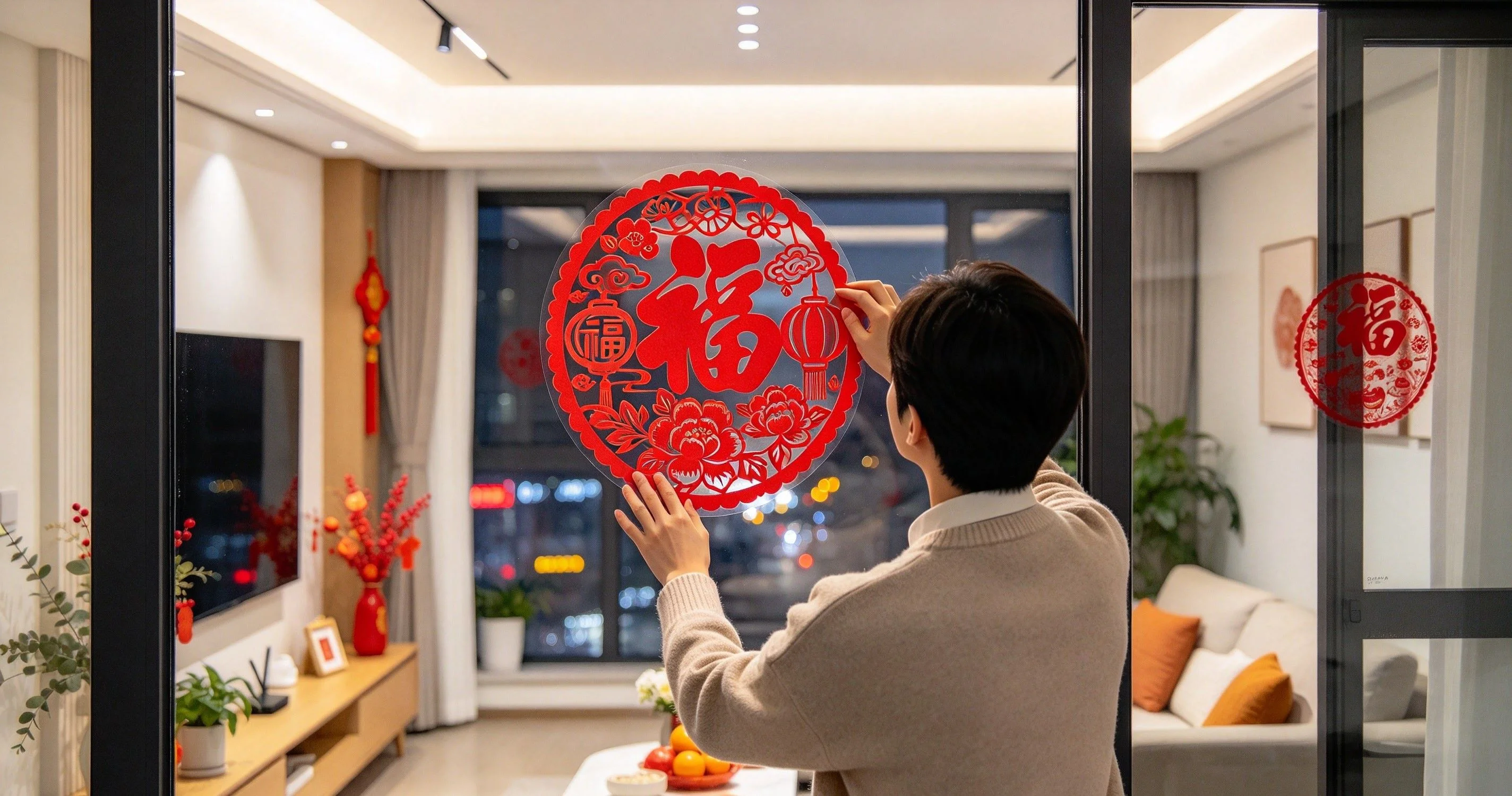
Today, the most common form of paper-cutting features red paper. In Chinese culture, the color red symbolizes good fortune and happiness. Paper-cut designs are used to adorn walls, windows, doors, pillars, mirrors, and lanterns, and they are also frequently given as gifts for various occasions.
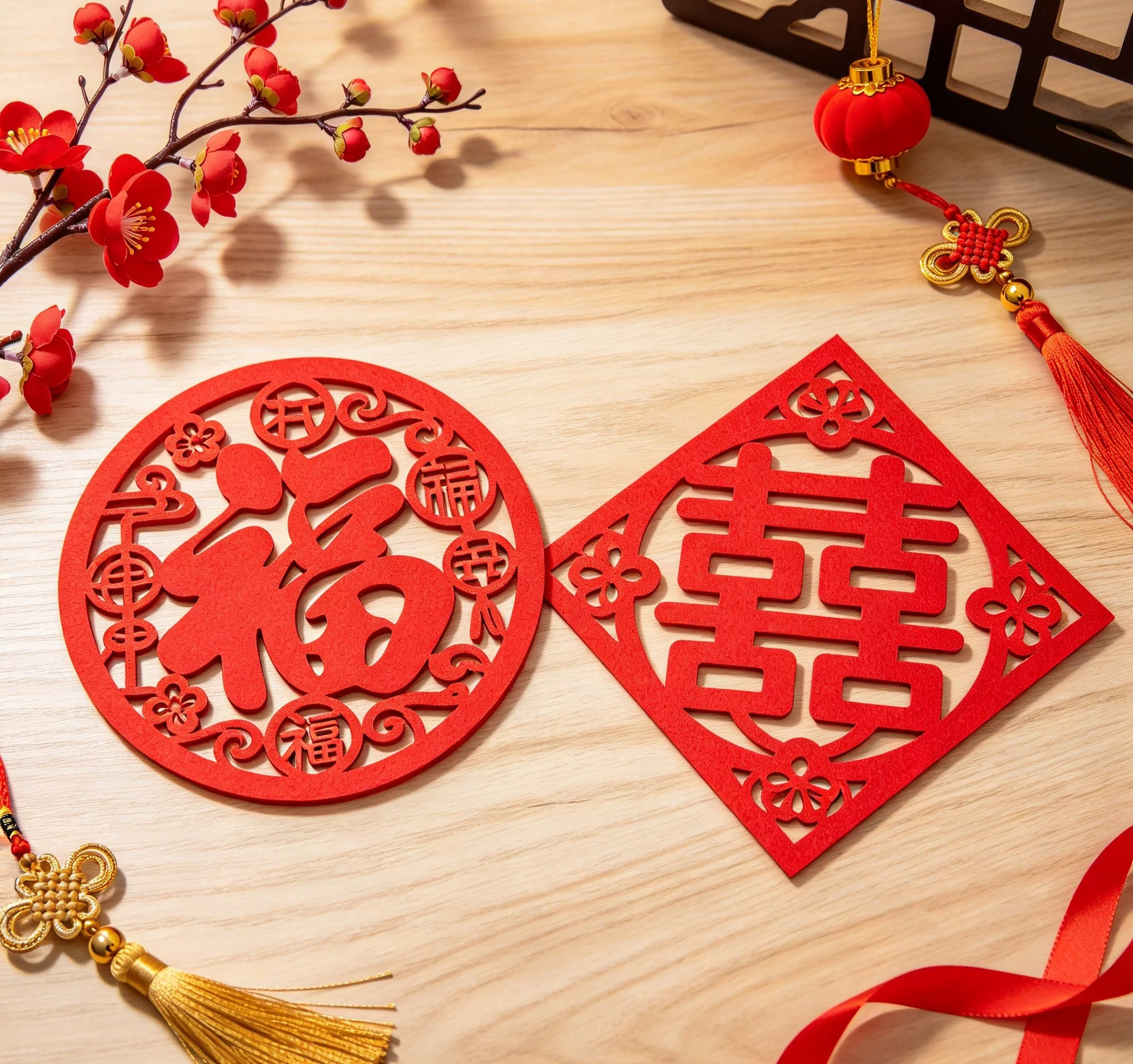
2. Three Essential Auspicious Characters
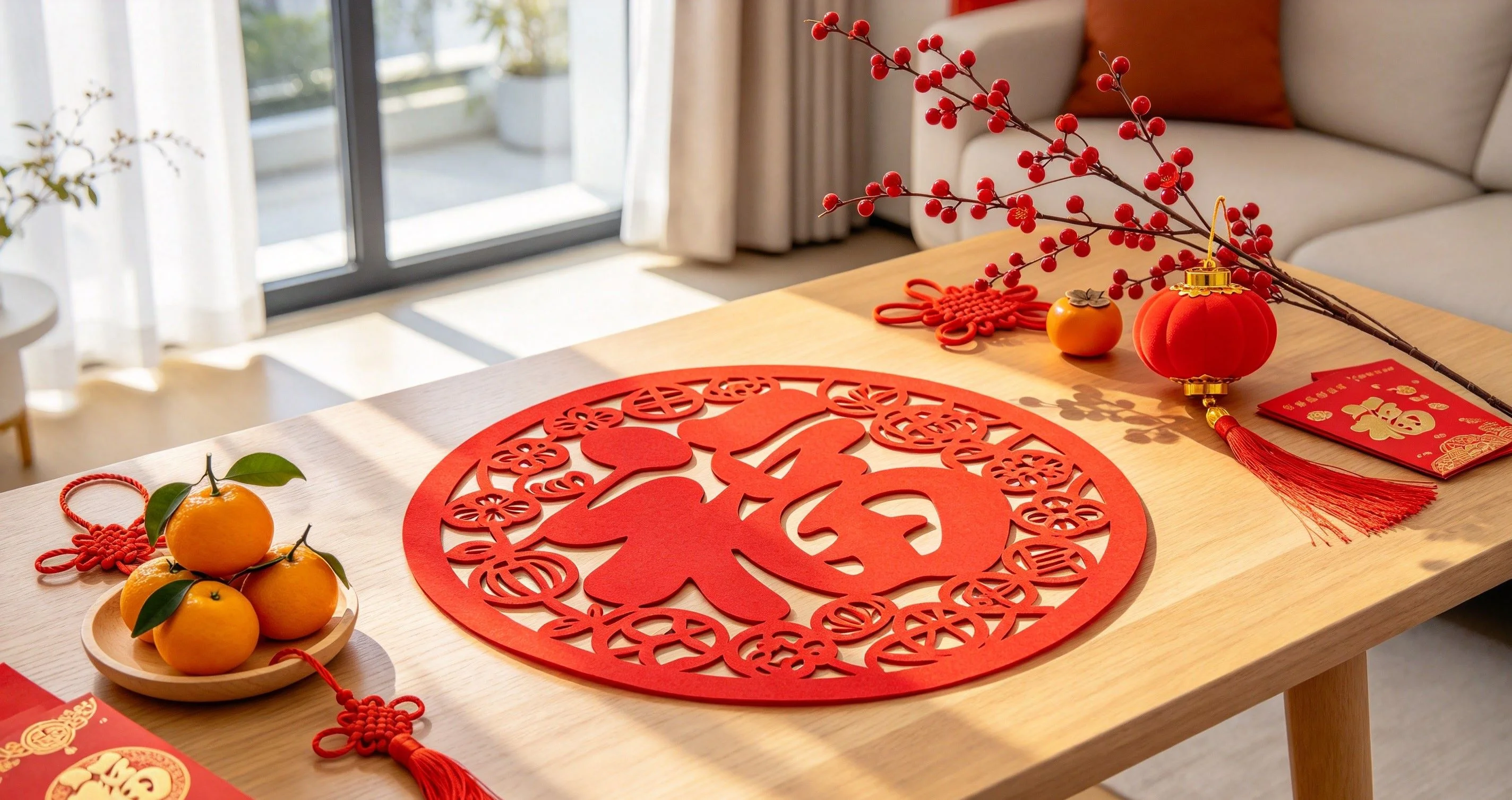
Fú (福): Used during the Spring Festival, it signifies "blessings." It is often displayed upside down; because the Chinese word for "upside down" (*dào*) sounds like the word for "to arrive" (*dào*), this symbolizes the "arrival of good fortune."
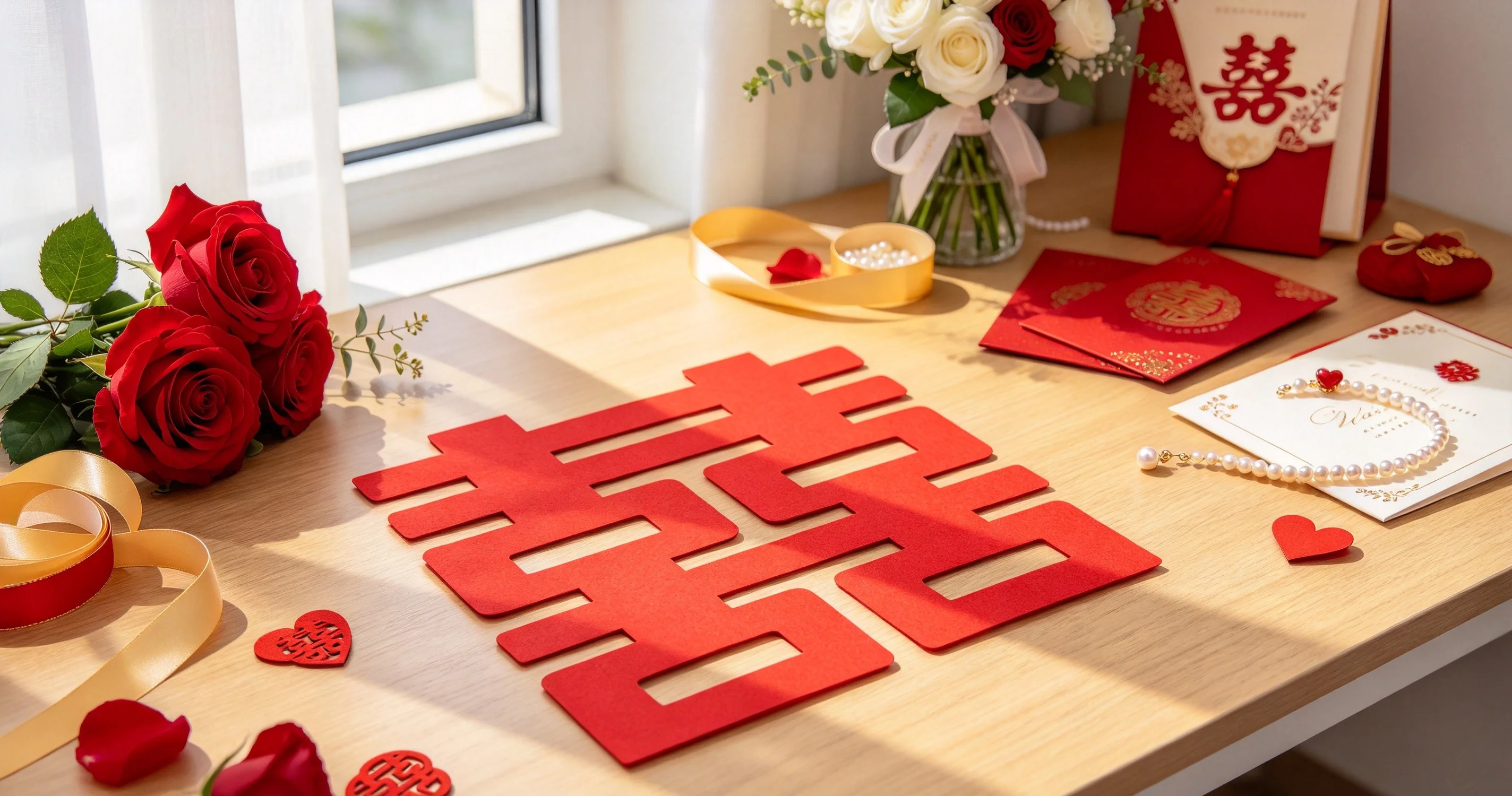
Xǐ (囍): Used for weddings, it means "double happiness," celebrating a blissful union.
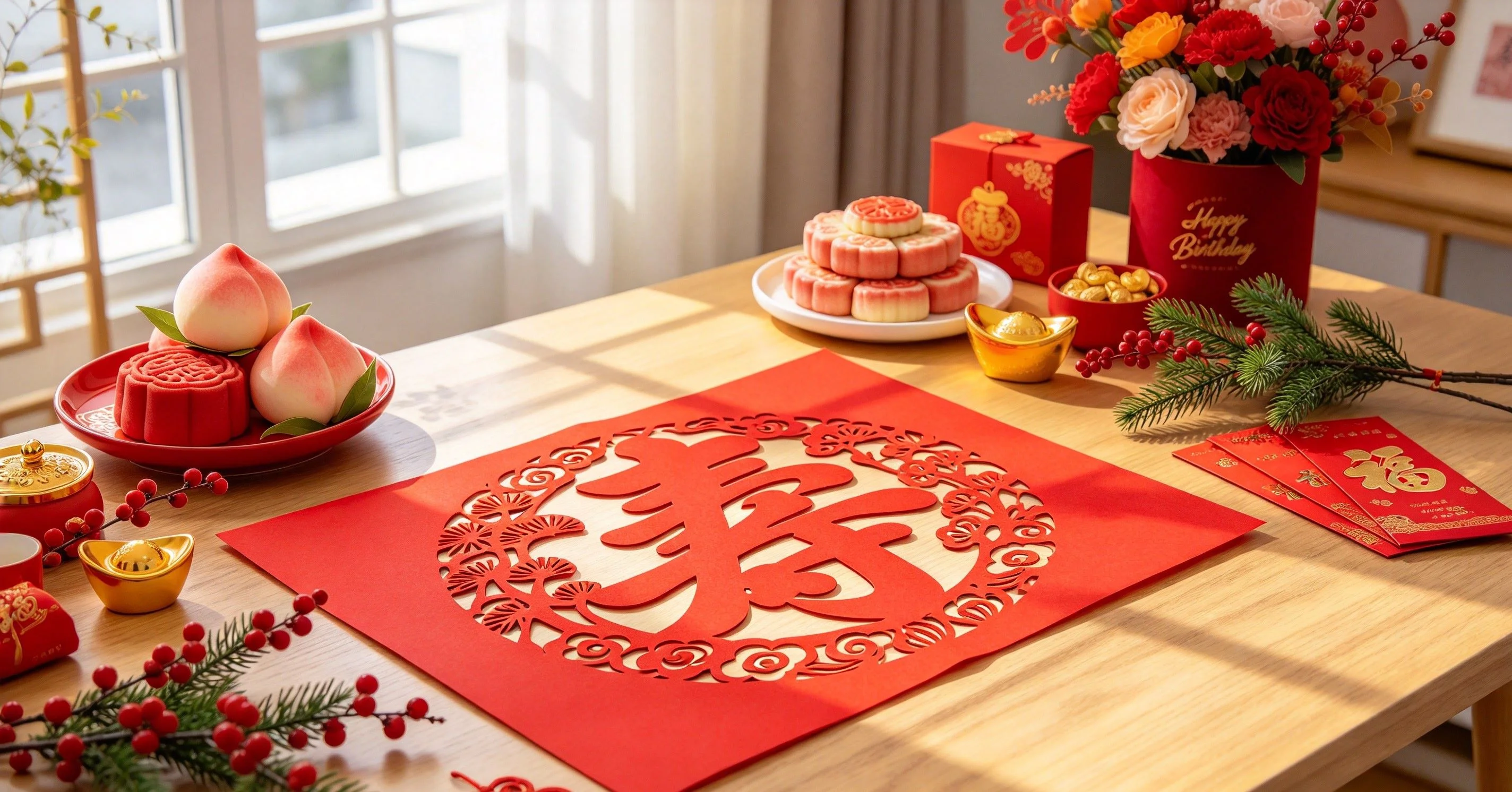
Shòu (寿): Used for birthdays—especially those of elders—it expresses wishes for a long life.
A quick travel tip: If you see the character "福" (fú) hanging upside down, don't assume it’s been put up the wrong way. This is a common, auspicious gesture during the Spring Festival.
IV. How to Make Paper-Cuts
Although paper-cutting may appear simple, it actually requires exceptional skill, extensive practice, and a vivid imagination. The basic tools are a sheet of paper and a pair of scissors or a small knife.
1. Two main production methods
Cutting with scissors: Typically involves cutting through several layers of paper at once, allowing for the simultaneous creation of multiple components.
Cutting/Carving with a blade: A more complex process that requires cutting one sheet of paper at a time. This usually involves specialized blades, and traditional workstations often use a mixture of soot and tallow (rendered animal fat) as a cutting surface to facilitate the movement of the blade.
2. The typical creation process can be understood as follows:
Conceiving the design and its auspicious symbolism;
Folding or stacking the paper;
Cutting the paper using scissors or a specialized craft knife;
Unfolding the paper and refining the details;
Affixing the piece to a window or door, or mounting it for collection.
Experience tips: International visitors may want to start with simple paper-cutting designs, such as patterns for windows or the character "Fu" (meaning "good fortune"). The use of cutting tools must be done under the guidance of an instructor; please exercise caution when handling them.
V. Where to See Paper-Cutting
Chinese paper-cutting varies by region, with regional styles often reflecting local cultural influences and traditions. The three major schools of Chinese paper-cutting art are as follows.
1. Southern School: Guangdong and Fujian
Representative locations: Foshan, Putian
Foshan Paper-Cutting: Renowned for its elegance, decorative quality, and intricate design. The unique "copper-chisel" (metal-tool) technique is a particular highlight, offering visitors a chance to appreciate both the exquisite craftsmanship and the festive, ornamental nature of the art.
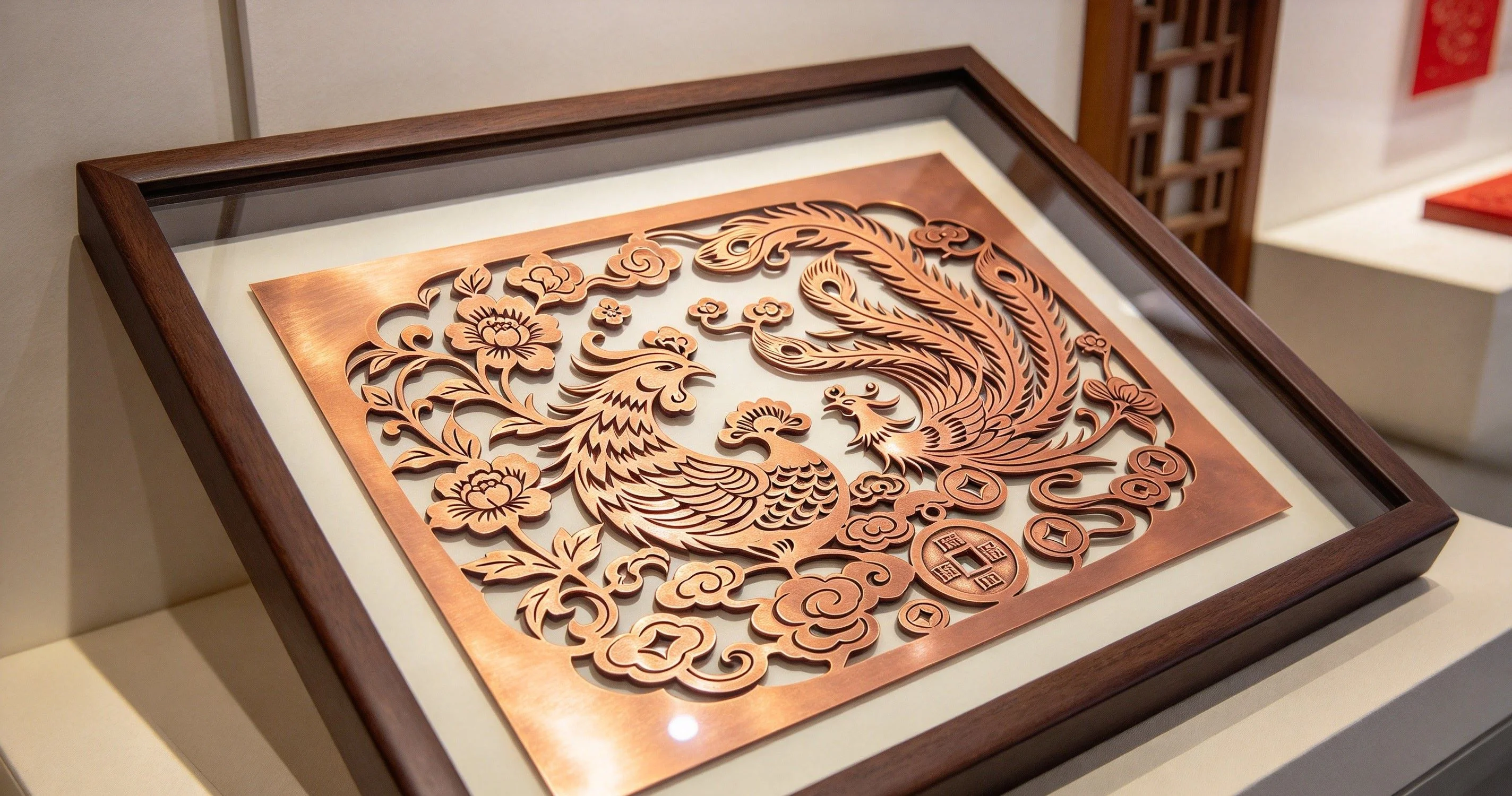
Putian Paper-Cutting: Primarily focused on designs for gifts, this style stands out for its distinct symbolic meanings and bright, bold aesthetic.
2. Jiangsu-Zhejiang School: Jiangsu and Zhejiang
Representative locations: Yangzhou and various places throughout Zhejiang
Yangzhou paper-cutting: Typically features natural subjects such as flowers, birds, fish, and insects.
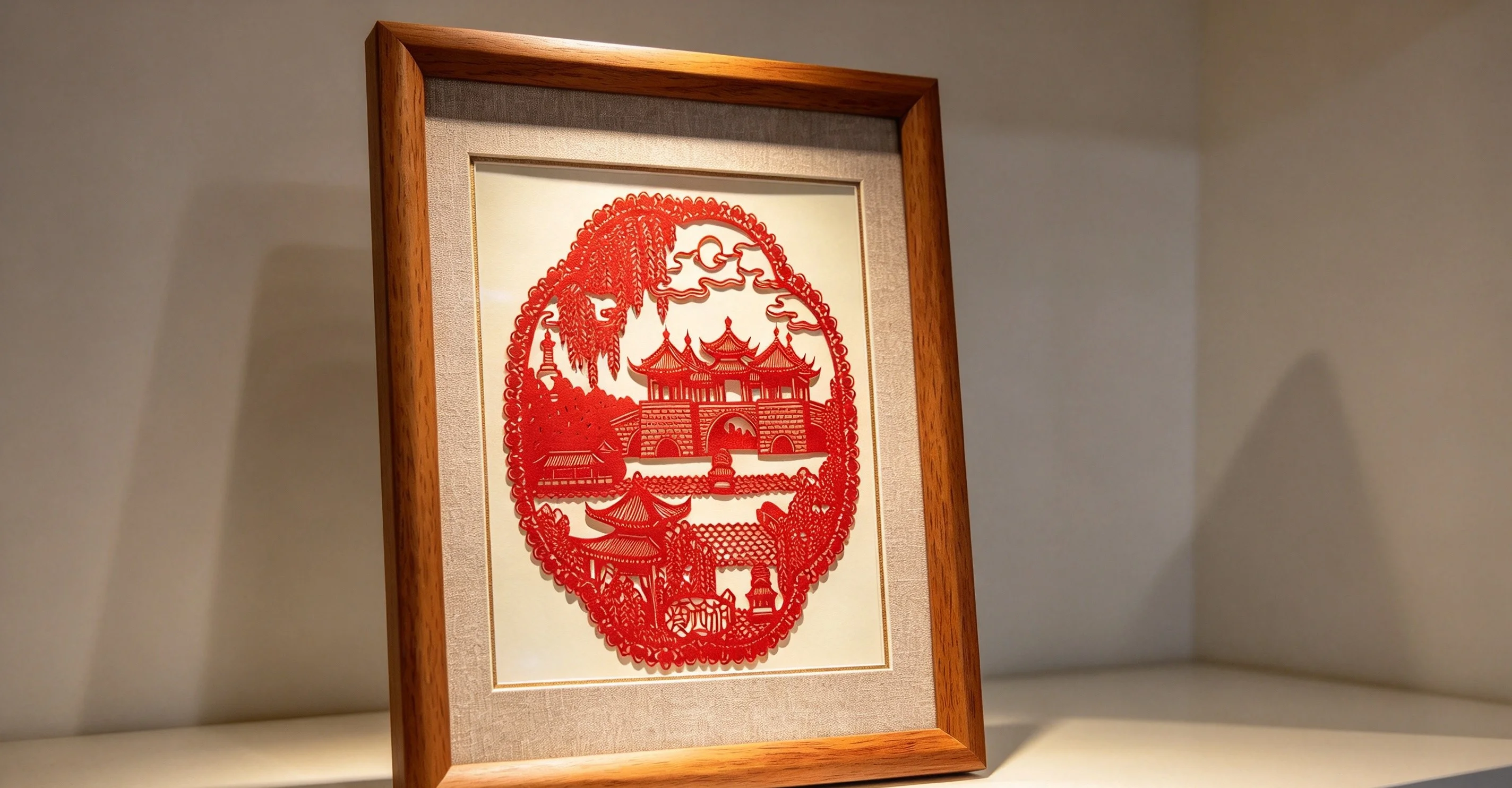
Zhejiang paper-cutting: Characterized by a diverse range of regional styles. For instance, the "fine-line" paper-cutting of Yueqing is renowned for its intricate detail, while the "circular floral" (*quanpenhua*) style from Wenzhou emphasizes a blend of utility and decoration. Overall, the tradition is defined by its focus on natural motifs and delicate compositions.
3. Northern School: Shanxi, Shaanxi, and Shandong
Representative regions: Shanxi, Shaanxi, and Shandong
Shanxi paper-cutting: Characterized by a simple, crisp, bold, and vigorous style, featuring a diverse array of window-decoration designs.
Shaanxi paper-cutting: Known for its primitive, unadorned forms and profound symbolic meaning; traditional motifs—such as the "Zhaji Wawa" (braided-hair doll)—carry deep cultural significance.
Shandong paper-cutting: Paper-cuts from the Jiaodong region are typically intricate and delicate, often employing a combination of fine lines and solid surfaces.
VI. Best Time to Experience
Before and during the Spring Festival: This is when decorations like paper-cuttings, "Fu" (good fortune) characters, and lanterns are most abundant, creating a vibrant festive atmosphere.
Temple fairs, intangible cultural heritage markets, and cultural festivals: These are great places to catch live paper-cutting demonstrations.
Intangible cultural heritage workshops (on regular days): Ideal for a quieter, hands-on experience; be sure to book an English-language or bilingual session in advance.
VII. Why Chinese Paper-Cutting Remains Popular Today
The art of Chinese paper-cutting has continuously evolved and remains an integral part of daily life and culture in China today. As an accessible and affordable art form, it is still practiced by many in rural areas—whether as a personal hobby or as a way to create festive decorations.
Today, Chinese paper-cutting is more than just a traditional craft; it is a form of cultural expression recognized both within China and internationally. Whether used for holiday celebrations, personal enjoyment, or as gifts for friends and family, the vivid beauty and profound cultural significance of these paper-cut works make them timeless treasures.
Note: This article provides general cultural guidance. Individual experiences may vary. Always approach cultural learning with an open mind.