
For foreign travelers interested in Chinese tea culture, a common dilemma arises: with thousands of tea plantations, teahouses, and tea markets across China, where should one even begin? Which places truly welcome international visitors, and which ones merely "perform" tea culture for the sake of tourism?
This guide addresses two key points. First, it helps you quickly distinguish between China’s six major categories of tea and understand how they differ in flavor. Second, it points you toward places in China where you can genuinely immerse yourself—stepping into tea plantations, sitting down for a proper tea session, or even trying your hand at tea processing—rather than just watching a performance from behind a pane of glass. You don’t need to be a tea expert; simply arriving with a sense of curiosity and sitting down for a few rounds of tea is the perfect place to start.
Understanding Tea: The Six Major Tea Categories—Distinguish Them in One Minute
Chinese teas are categorized into six types based on their processing methods and degree of oxidation. A common point of confusion for foreign visitors is that what is called "red tea" (*hongcha*) in Chinese is known as "black tea" in English, while "dark tea" (*heicha*)—a distinct category—refers to post-fermented tea.
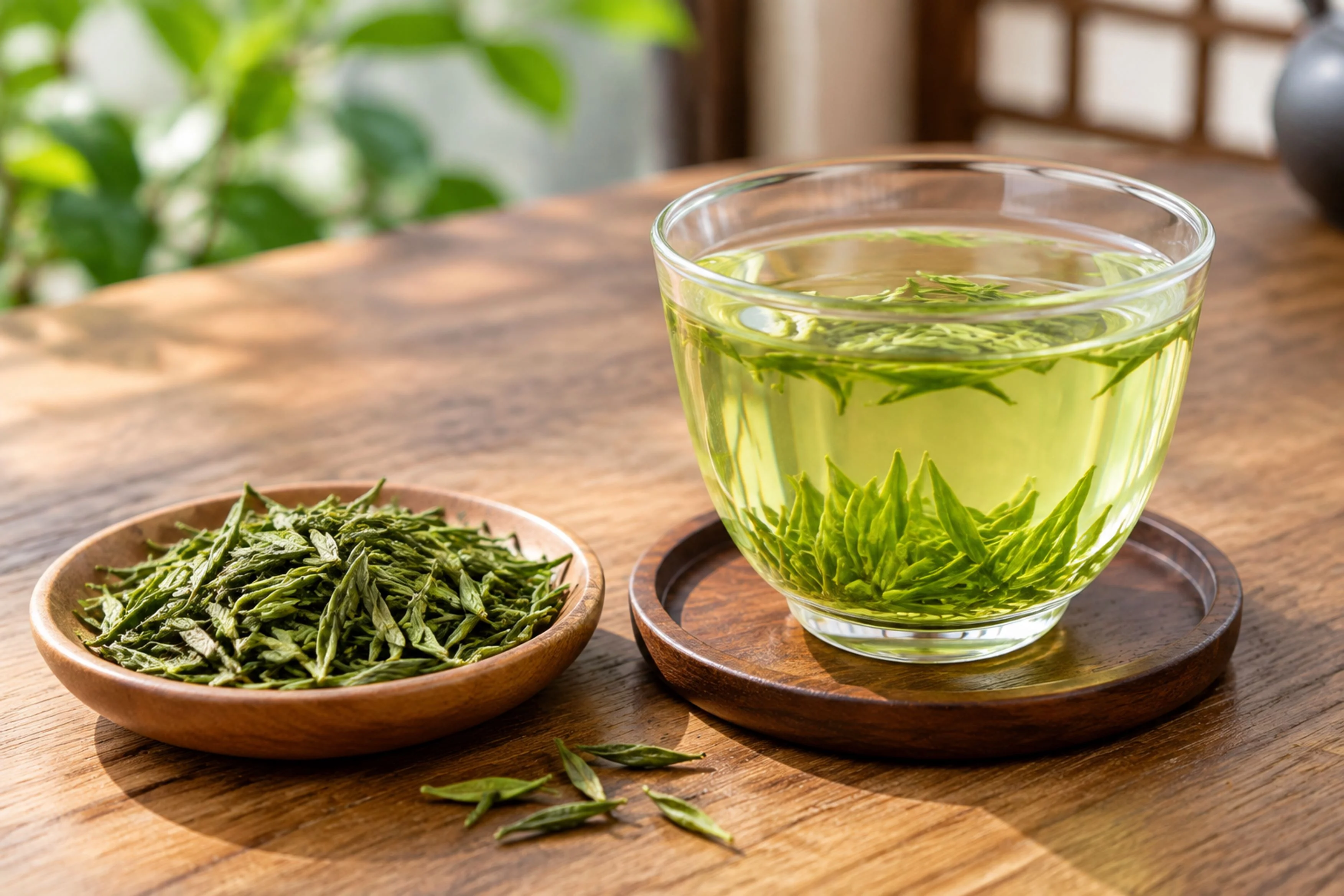
1. Green tea(绿茶)
Processing: Non-oxidized, preserving the green color of the fresh leaves.
Flavor Profile: Notes of grass and beans; a crisp, refreshing taste.
Representative Varieties: West Lake Longjing (Hangzhou), Biluochun (Suzhou), and Huangshan Maofeng (Anhui).
Brewing Tip: Use water at a temperature of 75–85°C.
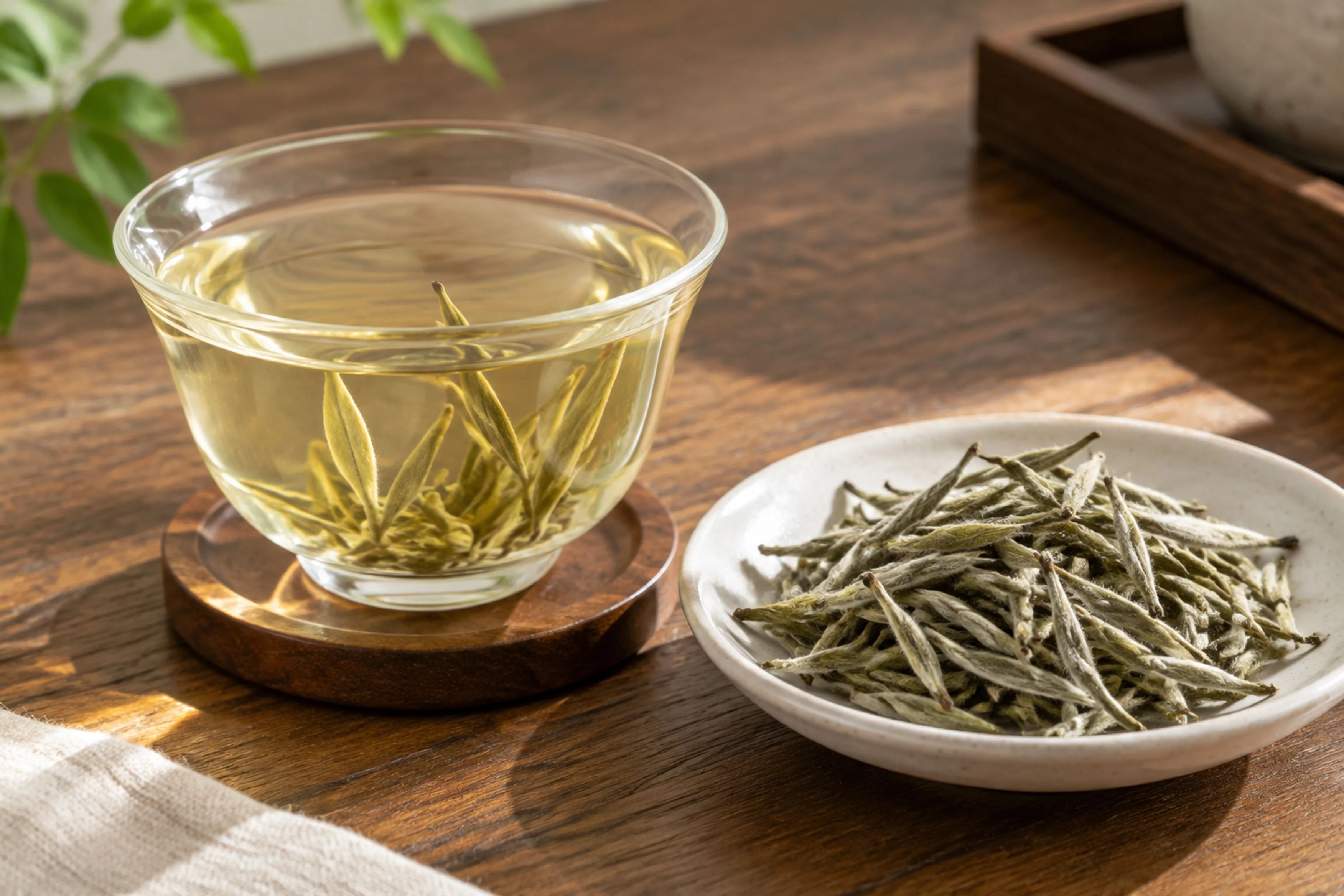
2. White Tea(白茶)
Processing: Minimal processing; involves only withering and drying.
Flavor Profile: Delicate and elegant, with floral notes.
Representative Varieties: Bai Hao Yin Zhen (Silver Needle) and Bai Mu Dan (White Peony) from Fuding, Fujian.
Brewing Tip: Use water at 85–90°C.
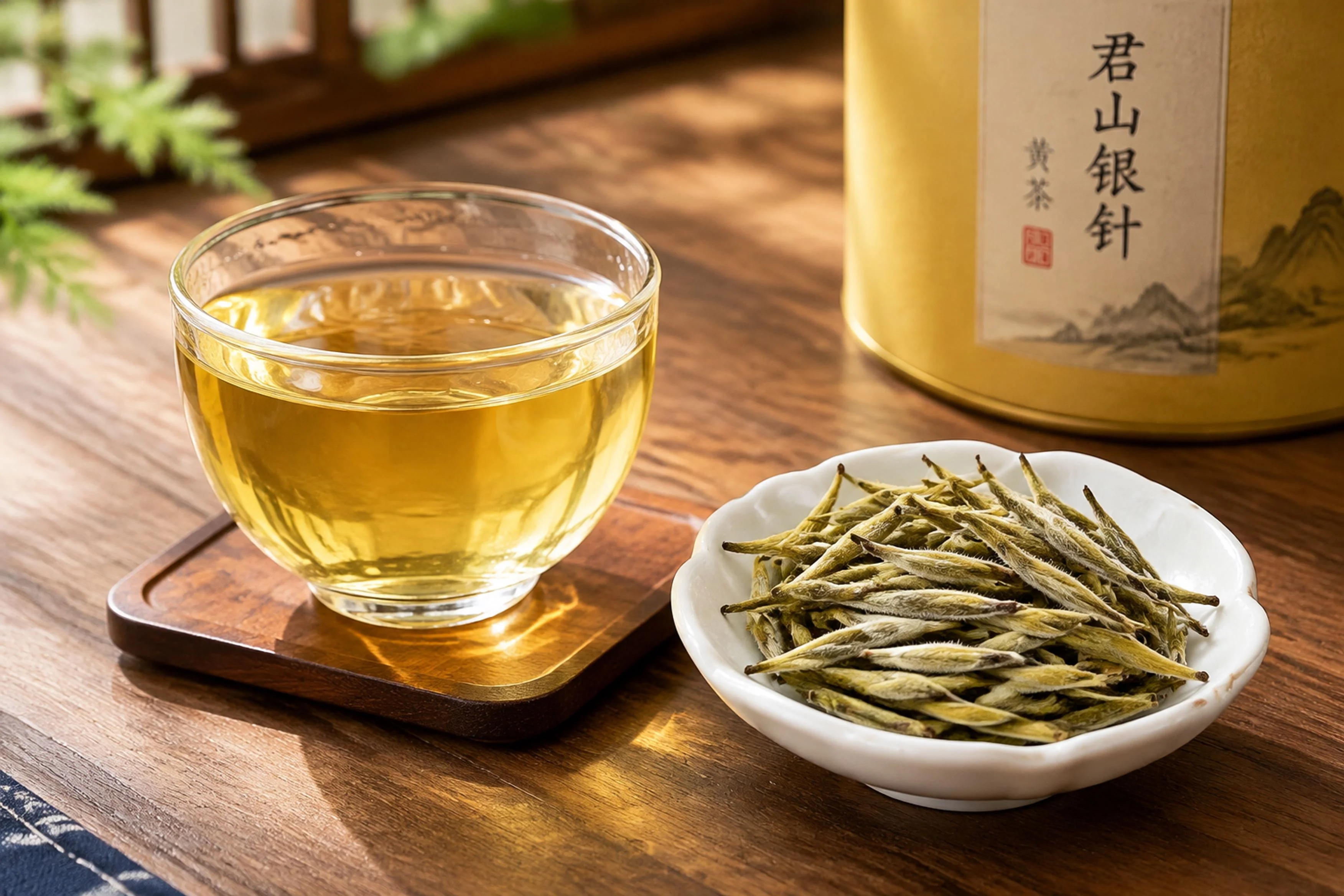
3. Yellow Tea(黄茶)
Processing: Includes an additional step known as "mellowing" (or "smothering/yellowing") compared to green tea.
Flavor Profile: Low bitterness and astringency; the tea liquor and the steeped leaves both exhibit a yellowish hue.
Representative Variety: Junshan Yinzhen ("Silver Needle") from Dongting Lake, Hunan.
Brewing Tip: Use water at a temperature of 75–85°C.
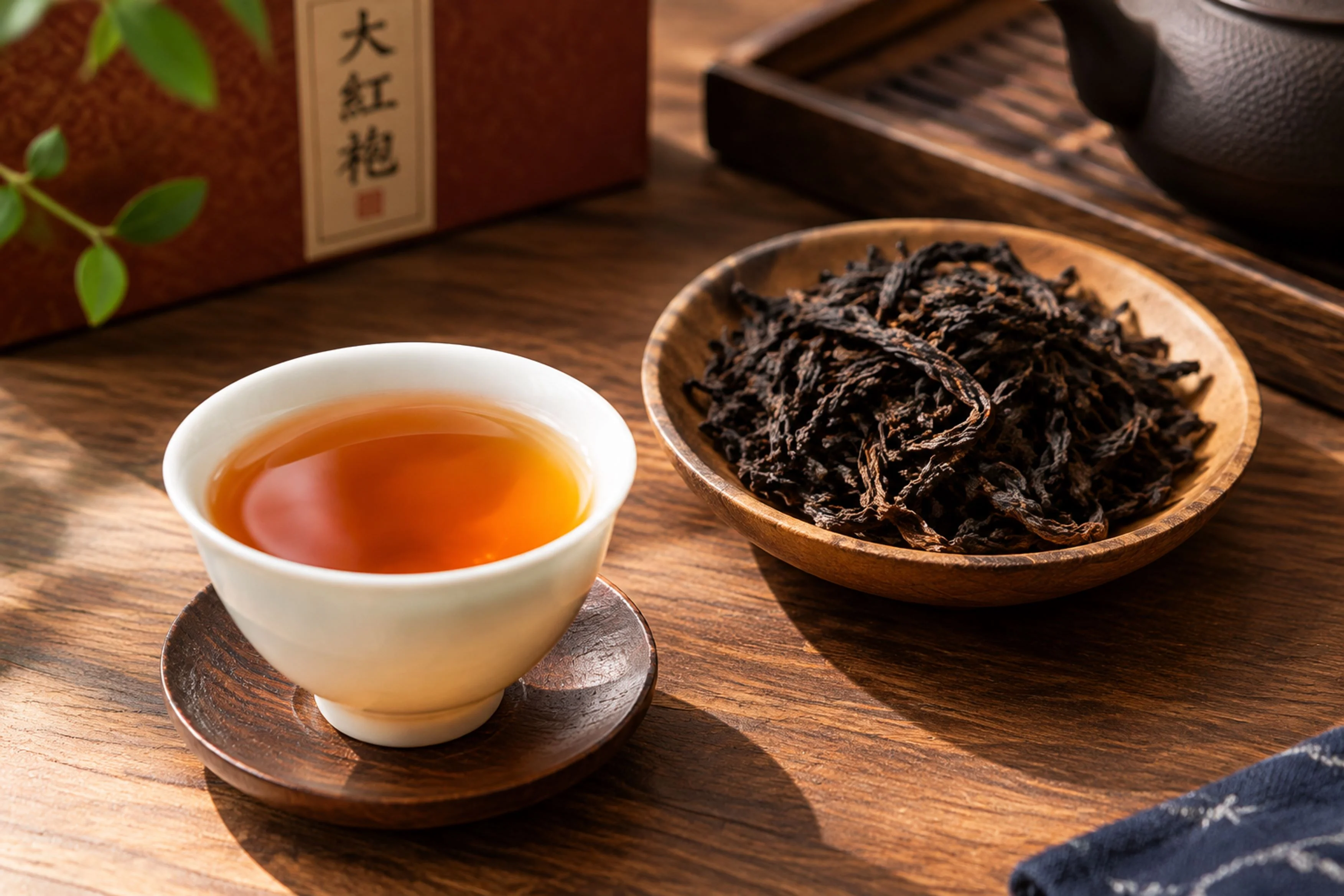
4. Qing Tea / Oolong Tea(青茶/乌龙茶 )
Processing: Semi-fermented, with a wide range of oxidation levels.
Flavor Profile: Varies from floral notes to roasted, toasty aromas.
Representative Varieties: Wuyi Rock Tea (Da Hong Pao), Anxi Tieguanyin, and Chaozhou Phoenix Dancong.
Brewing Tip: Use water at 95–100°C.
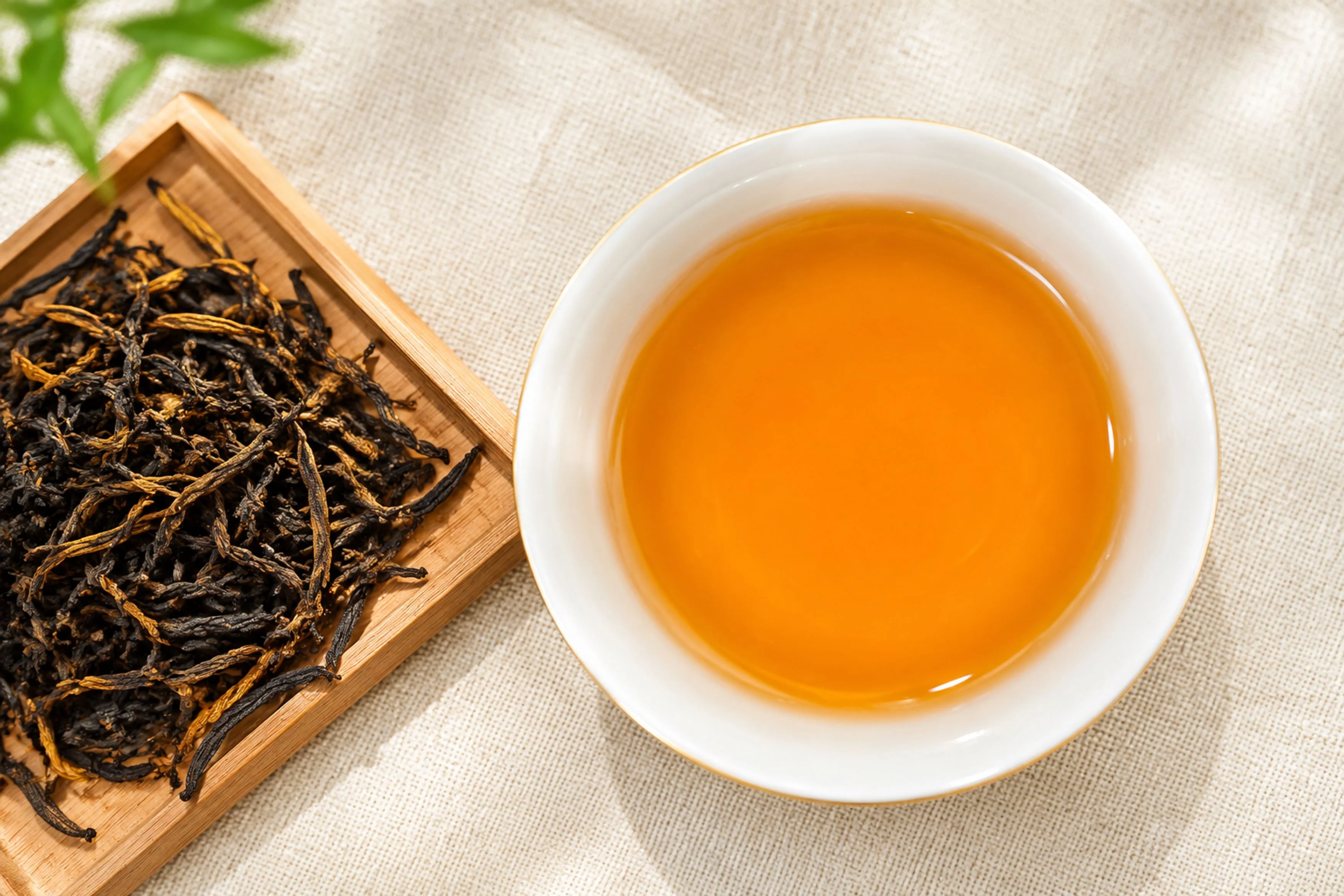
5. Black Tea(红茶)
Processing: Fully fermented; produces a rich, reddish-colored liquor.
Flavor Profile: Mellow and full-bodied, with distinct sweet, aromatic notes.
Representative Varieties: Qimen (Keemun) Black Tea from Anhui, Dianhong (Yunnan Black Tea), and Lapsang Souchong (Zhengshan Xiaozhong) from the Wuyi Mountains.
Brewing Tip: Use water at a temperature of 90–95°C.
6. Dark Tea (黑茶)
Processing: A post-fermented tea; its character continues to evolve with age.
Flavor Profile: Mellow and rich, with an aged aroma—sometimes featuring woody notes.
Representative Varieties: Yunnan Pu-erh, Hunan Anhua Dark Tea.
Brewing Tip: Use water at 95–100°C.
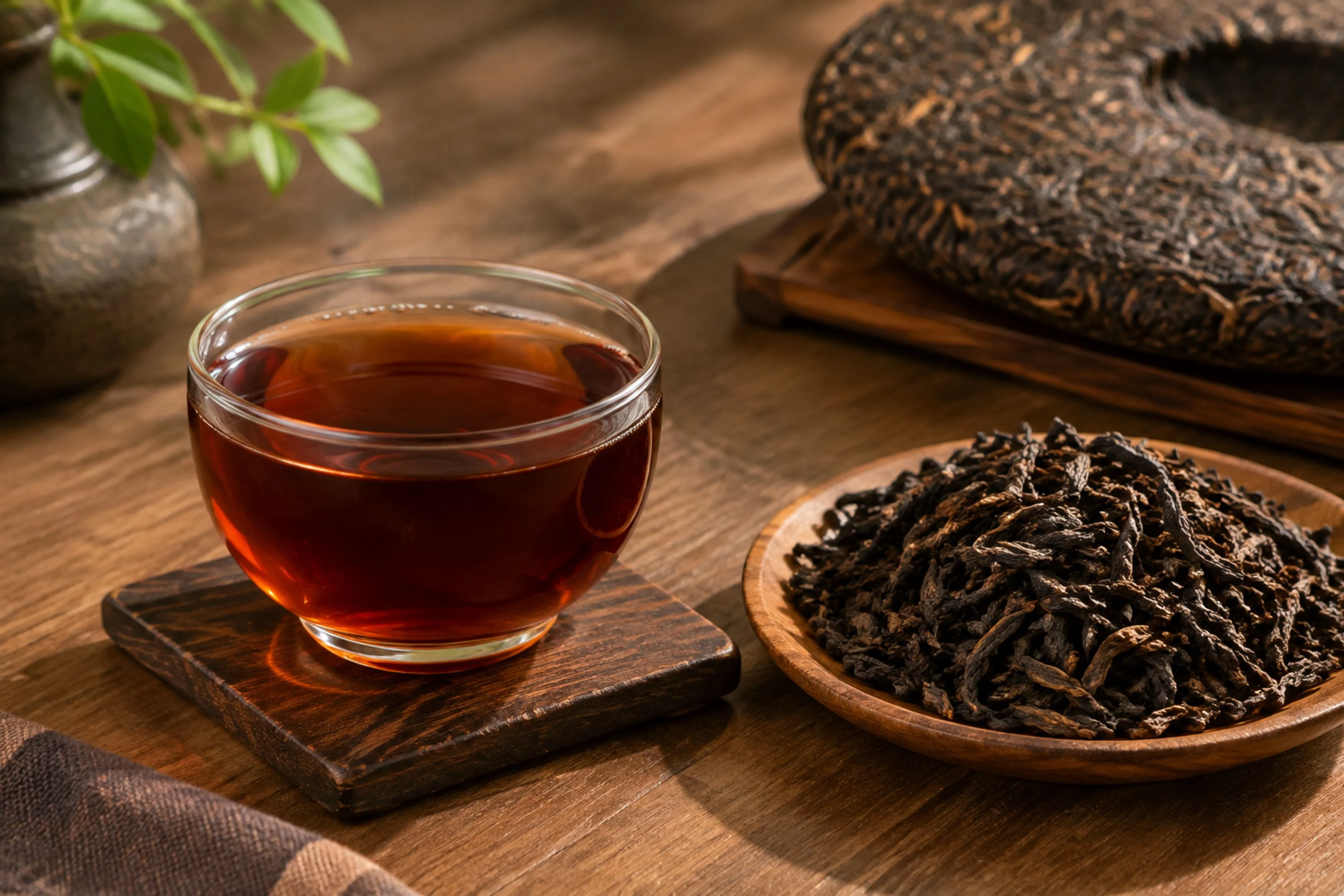
Note: The color of the brewed tea may vary depending on the water temperature and the brewing technique used; it will not always look exactly like the image. The image is for reference only.
II. Where to Experience It: Six Locations, Six Ways to Engage with Tea
There are many tea-growing regions in China worth visiting. For foreign travelers with limited time who do not speak Chinese, the following six locations each offer a clear and accessible entry point.
1. Hangzhou: Witness how a Longjing tea leaf is pan-fried by hand
Hangzhou is a city that foreign visitors often pass through as part of their China itinerary. Longjing Village—home to the famous West Lake Longjing tea—is just a 20-minute drive from West Lake, making it easy to combine city sightseeing with a tea plantation experience in a single day.

What you can experience:
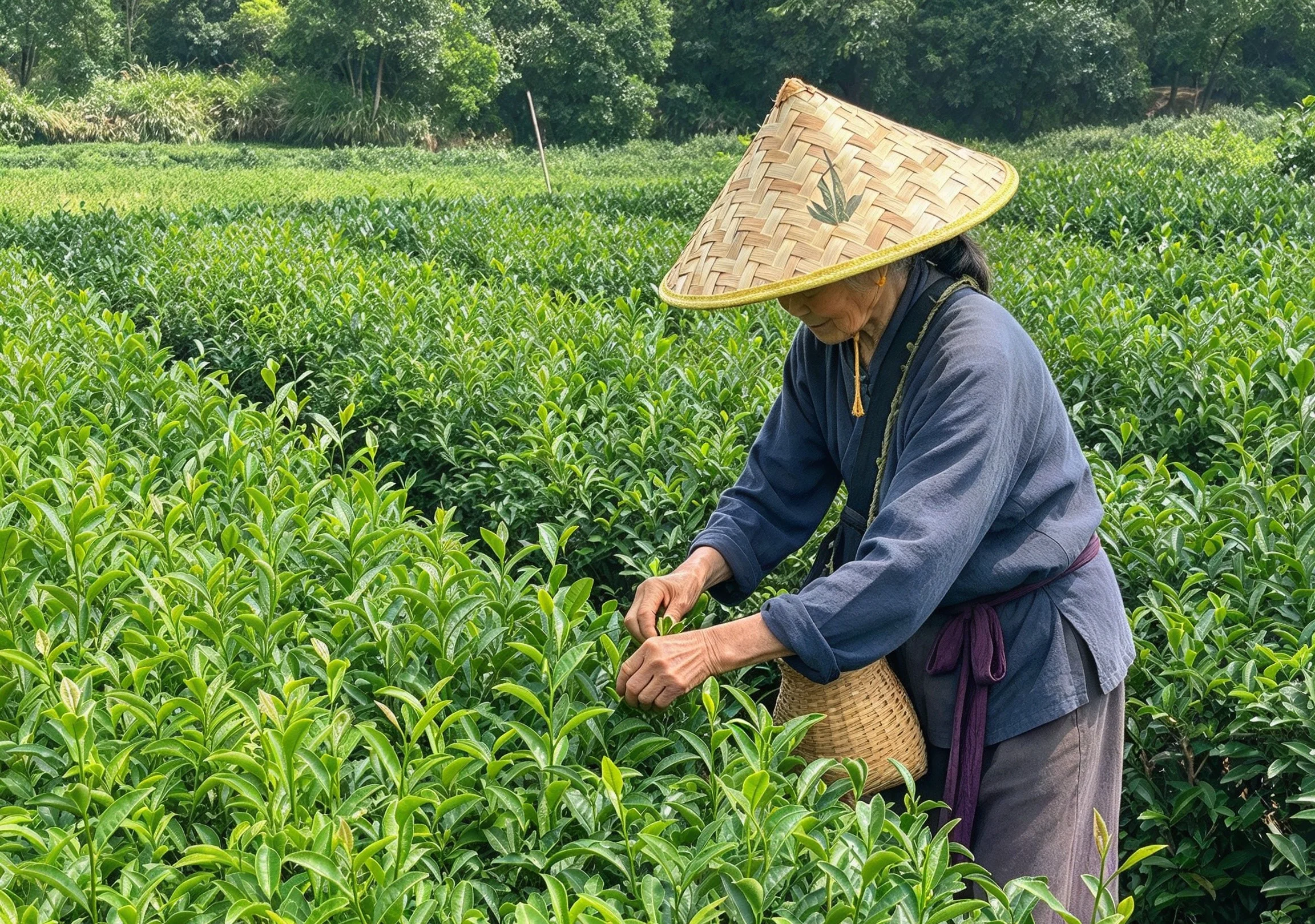
During the tea-harvesting season (March–April), observe manual tea picking and pan-firing (roasting).
Join an English-guided tea culture experience, which includes a tour of the tea plantation, tea picking, and a tasting session.
Some itineraries feature a Song Dynasty-style tea-whisking (diancha) or matcha experience.
A half-day program covering a visit to a tea market and a brewing workshop, where you will learn to evaluate tea leaves by observing their appearance, aroma, and texture.
Best for: Foreign visitors who are new to Chinese tea or have a tight travel schedule.
Season: Tea-picking experiences primarily take place in the spring.
2. Wuyi Mountains: When drinking rock tea, one eventually comes to remember the "mountain site" (shanchang).
Wuyi Mountain is the core production area for yan cha (rock tea)—a type of oolong—characterized by complex flavor profiles and a wide price range. While the original "Da Hong Pao" mother bushes can be seen growing on the cliff faces within the scenic area, the truly worthwhile experience is to sit down and enjoy a few infusions of rock tea sourced from different shan chang (specific "mountain sites" or terroirs).
What you can experience
A private tea tour with an English-speaking guide.
Visit the original Da Hong Pao tea trees in Jiulongke.
Enter the core production area of Wuyi rock tea.
Participate in the intangible cultural heritage of Wuyi rock tea handcrafting.
Integrate with Xiamei Ancient Village, the starting point of the "Tea Road".
Who it’s for: Those willing to slow down their pace to truly understand a specific type of tea; those with an interest in complex flavor profiles.
Season: September to November is the ideal time for a tea-focused journey.
3. Anxi: Shaking the tea leaves yourself brings you closer to understanding Tieguanyin than drinking ten cups of it ever could.
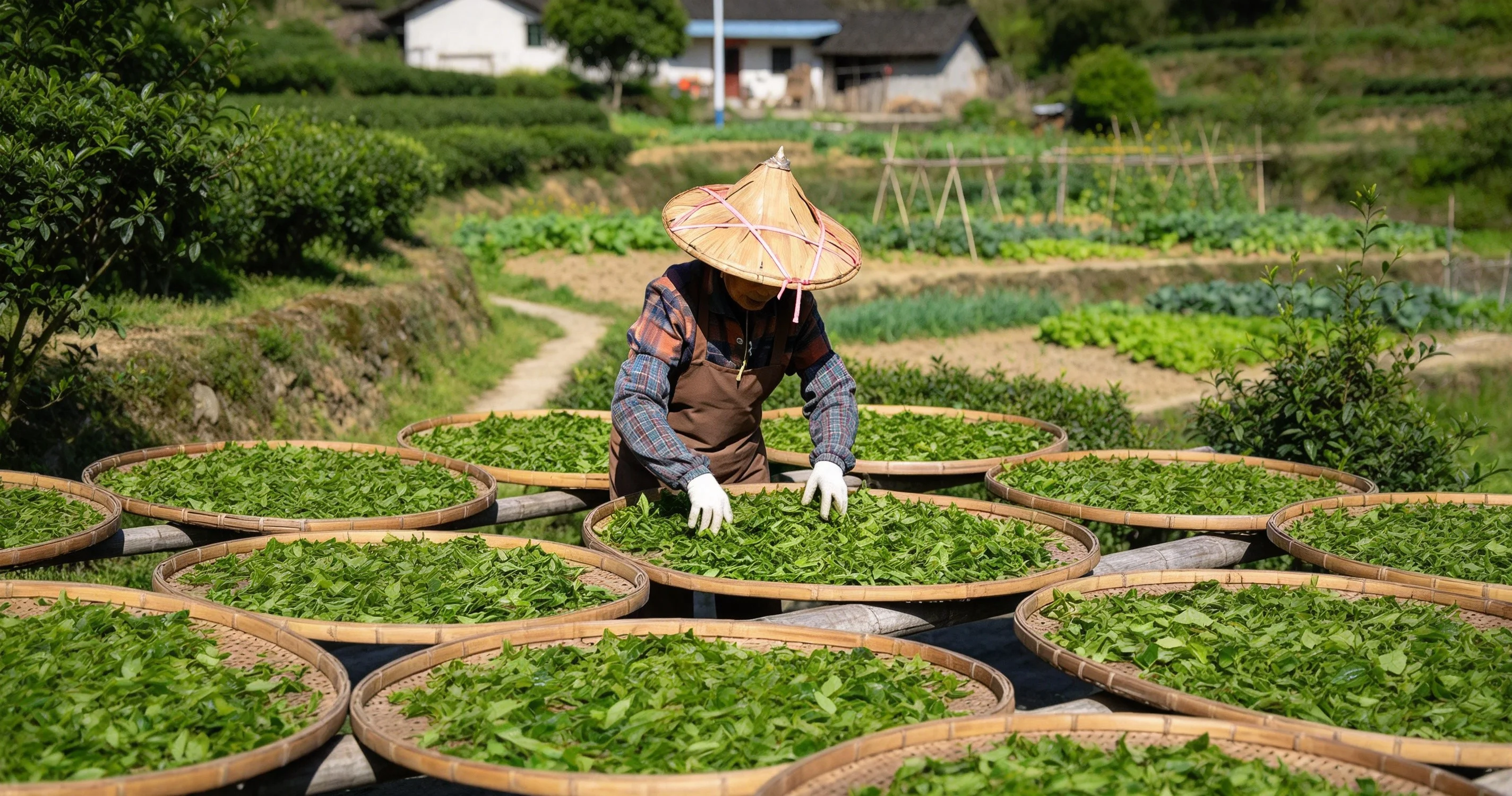
Anxi is the home of Tieguanyin. The core experience here isn’t just about "visiting tea plantations to take photos," but rather participating in the tea-making process.
What you can experience:
Learn the techniques of shaking, drying, pan-frying, and rolling tea leaves under the guidance of intangible cultural heritage inheritors or local tea masters.
In places like Gande Town, there are "One-Day Tea Master" activities: picking tea leaves in the mountains and making tea by hand.
Experience the complete process from fresh leaves to finished tea.
Who it’s for: Those who enjoy hands-on activities and prefer more than just sitting and sipping tea; those with an interest in craftsmanship and rural life.
Season: Tea-related activities are available in both spring and autumn.
4. Chaozhou: Gongfu Tea Is Not a Performance—It’s a Daily Ritual for the Locals
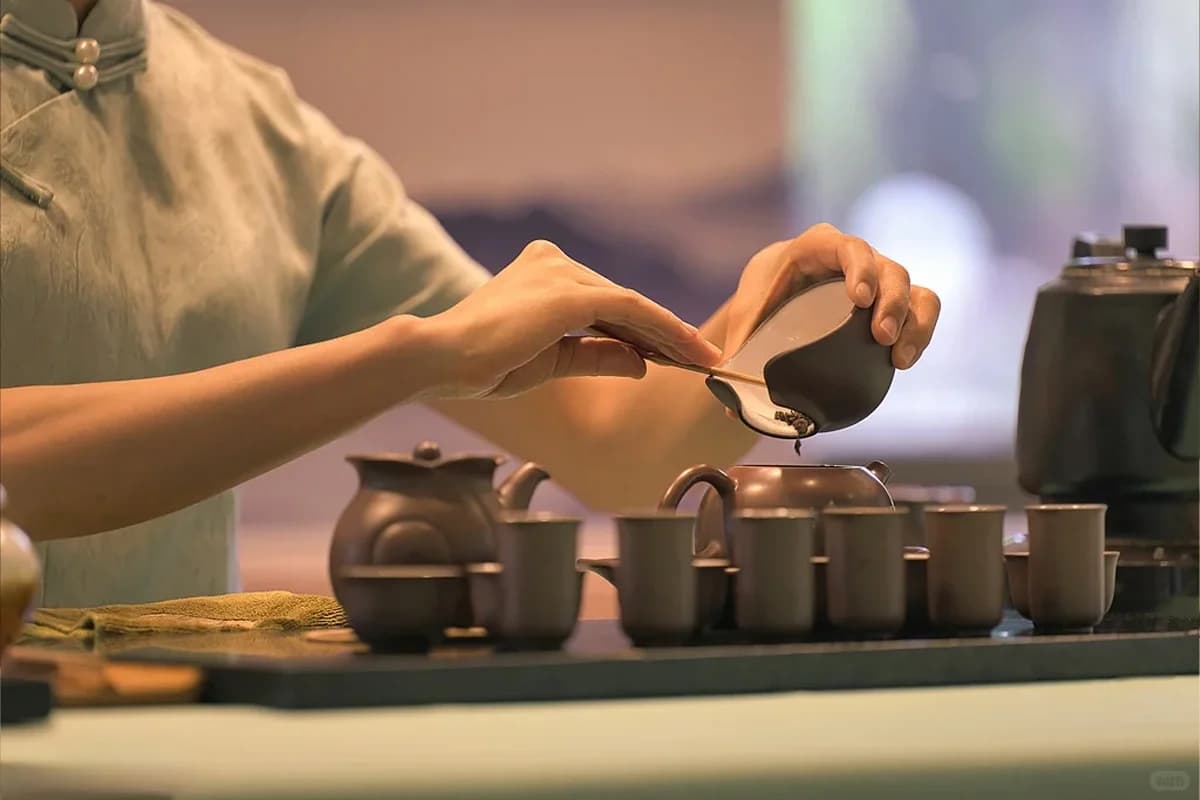
Chaozhou Gongfu tea is one of the most refined methods of tea preparation in China; yet, in Chaozhou, it is first and foremost a part of everyday life, rather than a staged performance.
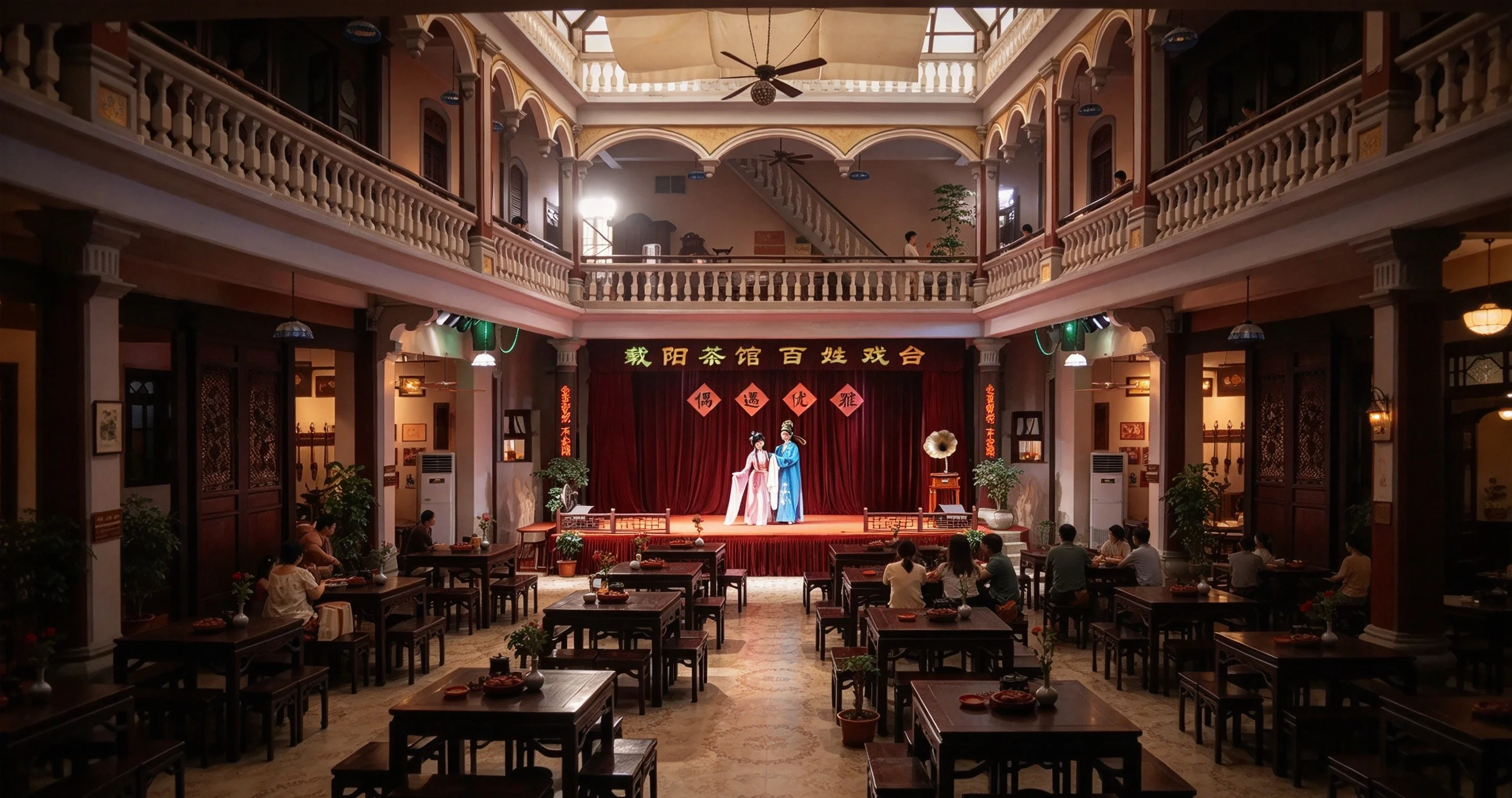
What you can experience:
Step into a local teahouse, sit down, and enjoy several rounds of Phoenix Dancong tea.
Some teahouses offer gongfu tea sets with English-language service or translation support.
Combine your visit with an immersive experience in picking and processing tea leaves on Phoenix Mountain.
Who it’s for: Those interested in how culture lives within everyday life; those willing to embrace a slower pace in exchange for a sense of authenticity.
5. Chengdu: Turning tea-drinking in teahouses into an urban lifestyle
The tea experience in Chengdu differs from that of the tea-growing regions along the southeastern coast. Here, the focus is typically on gaiwan (lidded bowl) tea and traditional teahouses; the emphasis is not on rare tea varieties, but rather on the act of "sitting down"—for in Chengdu, the teahouse itself is a way of life.
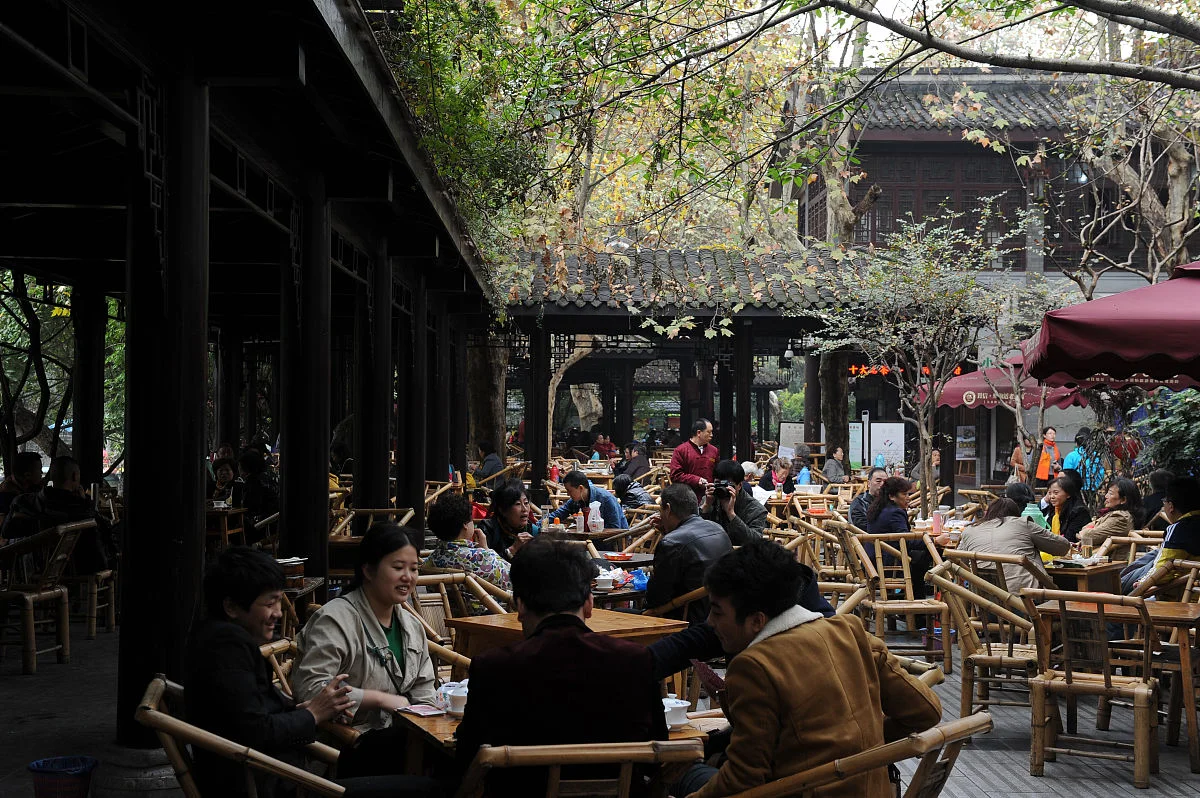
What you can experience:
Observe locals enjoying tea at teahouses in the People’s Park area or the historic teahouse in Pengzhen.
Guided teahouse experience (in English): enjoy gaiwan (lidded bowl) tea, play mahjong, and watch a Sichuan opera "face-changing" performance.
Options such as gongfu tea paired with hanfu (traditional Chinese attire) or tea-infused cocktails.
A one-day excursion to Mount Mengding (Mengdingshan) to experience tea-leaf picking and traditional tea-processing methods.
For whom: Travelers who view tea as a "gateway to urban culture" rather than a subject for specialized study; those who enjoy the atmosphere of teahouses.
6. Pu'er/Jingmai Mountain: Behold ancient tea forests within the world’s first World Heritage site dedicated to tea culture.
In 2023, the Cultural Landscape of Old Tea Forests of the Jingmai Mountain in Pu'er, Yunnan, was inscribed on the UNESCO World Heritage List, becoming the world's first World Heritage site centered on the theme of tea.
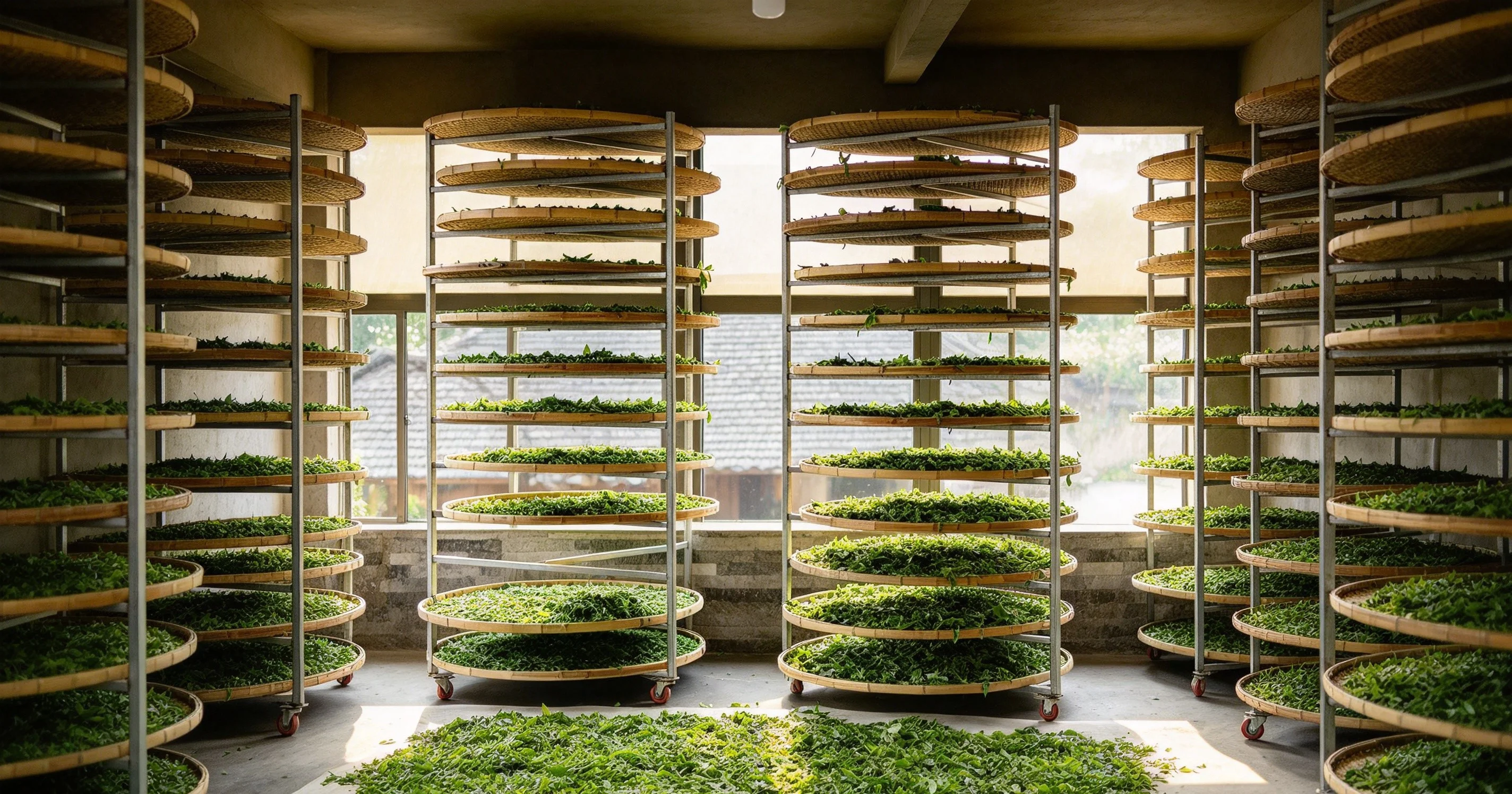
What you can experience:
Ancient tea forests, mountain ethnic villages, and the symbiotic ecosystem of thousand-year-old tea trees.
The complete tea-making process: harvesting, de-enzyming (shaqing), rolling, and pressing into tea cakes.
Educational programs and study tours focused on tea culture.
Ancient Pu’er tea mountains—such as Yiwu—are ideal for travelers who enjoy venturing deep into mountainous regions.
Who it’s for: Those with ample time who wish to make "tea tourism" the focus of their trip; and those interested in the blend of natural and cultural landscapes.
If you would like to quickly experience the joys of tea:
Beijing: Maliandao Tea City
Maliandao Tea City is where Beijing locals go to buy tea, and it serves as a practical destination for gaining a foundational understanding of tea in under two hours.
What you can experience:
A trading hub where hundreds of tea merchants gather.
At most shops, you can communicate using basic English or translation software.
Vendors generally allow you to taste the tea before making a purchase.
Practical Advice for Foreign Tourists
1. Tea Etiquette
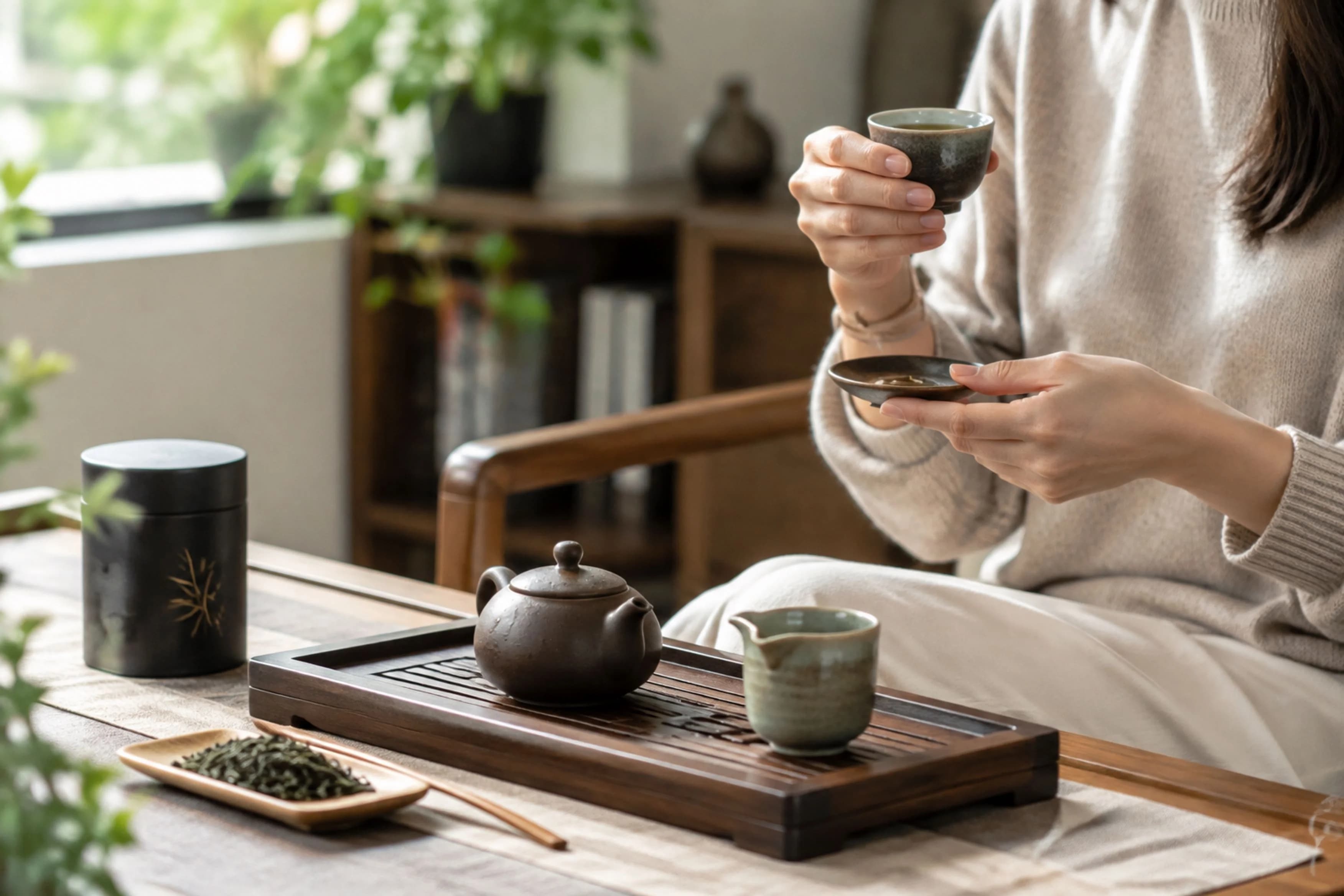
First, take in the aroma, then sip slowly.
After finishing, return the cup to its original place.
When the host refills your tea, acknowledge it with a slight nod or by tapping your fingers lightly on the table.
Do not rush. Tea is meant to be enjoyed at a leisurely pace; drinking it too quickly means missing out on the full experience.
2. Buying Tea
Reputable shops will allow you to taste the tea before you make a purchase; this is the traditional way to buy.
Be cautious of tea sold in tourist areas—often packaged attractively but offered without the chance to taste, and lacking clear information regarding its origin or grade.
Start by purchasing small quantities (50g or 100g) of loose-leaf tea; this makes it easier to compare different options and minimizes the risk if a particular tea doesn't suit your taste.
3. Language
English-language support is relatively well-established in Hangzhou, Beijing, and Chengdu.
For certain immersive experiences in Wuyishan, Anxi, and Chaozhou, it is necessary to confirm the availability of an English-speaking guide or translator in advance.
4. Seasons
For those wishing to see tea picking and processing, the period from late March to April is the peak time.
Autumn teas offer their own unique character; regions such as Wuyishan, Anxi, and Chaozhou are ideal destinations for a tea-themed trip between September and November.
You can also explore tea culture through Chinese Tea Culture: From Leaf to Legacy by chinatravelbook.
Note: This article provides general cultural guidance. Individual experiences may vary. Always approach cultural learning with an open mind.