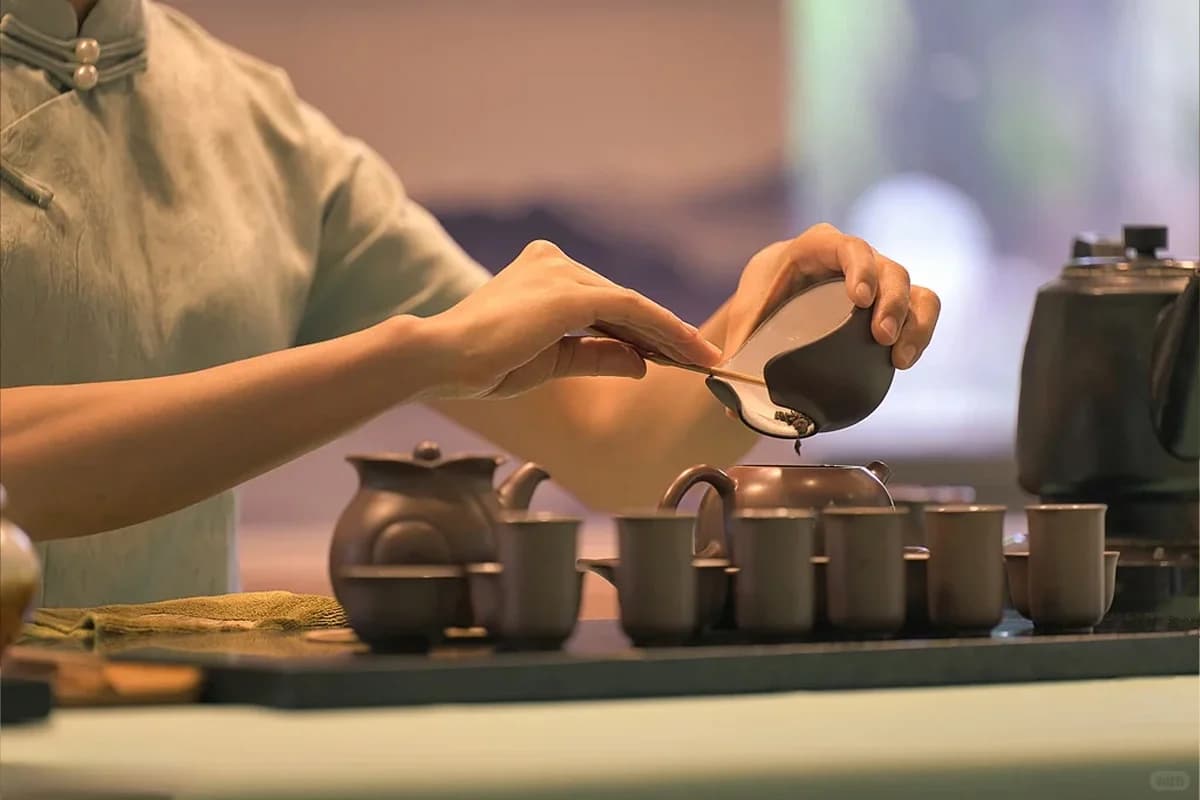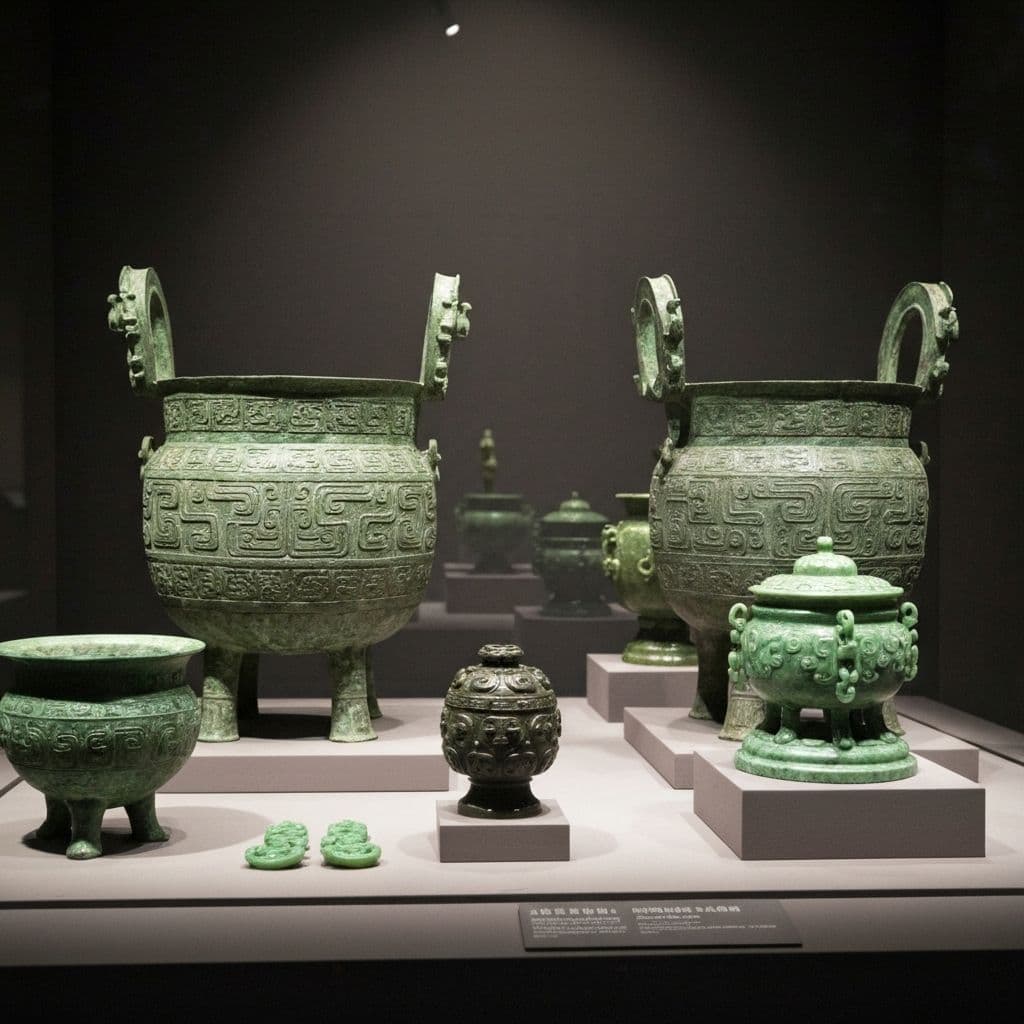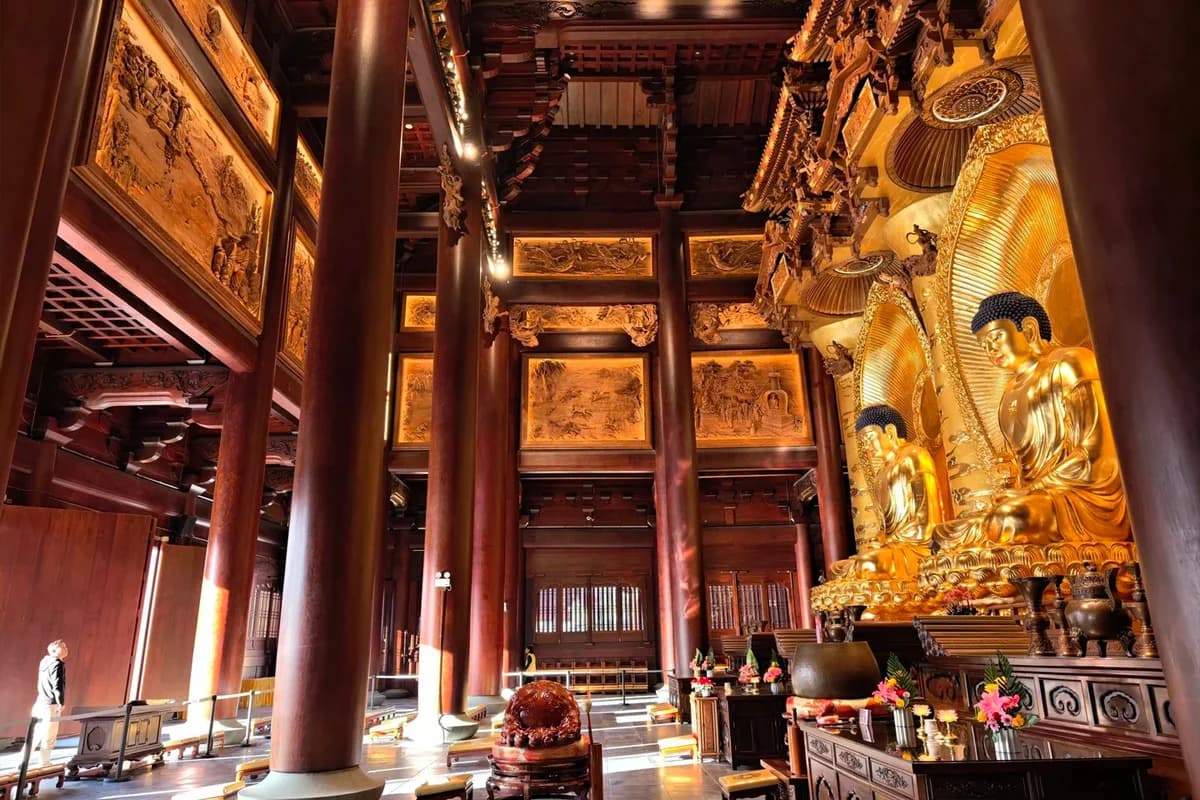

Chinese temple etiquette is simple at its core: dress modestly, lower your voice, follow local incense and photography rules, and treat worshippers, statues, and ritual spaces with respect. In 2026, the best approach to Chinese temple etiquette is to behave as a guest in an active sacred place rather than as a tourist attraction. That means entering calmly, observing signs before acting, and copying the tone set by local visitors. At Buddhist temples such as Yonghe Temple in Beijing or Lingyin Temple in Hangzhou, people often come to pray, make offerings, and keep vows, so your behavior matters more than your outfit brand or camera gear. The same applies at Daoist sites such as White Cloud Temple, where ritual order and quiet attention are part of the experience. If you remember one rule, remember this: respect living religious practice first, sightseeing second. For most travelers visiting Chinese temples, good manners include covered shoulders, no loud phone calls, no touching statues, no stepping over thresholds, and no interrupting prayer lines. Once you understand these basics, the temple becomes easier to read: the incense burners, bell towers, offering halls, and directional flow all begin to make sense as part of Chinese temple customs rather than as random decoration.
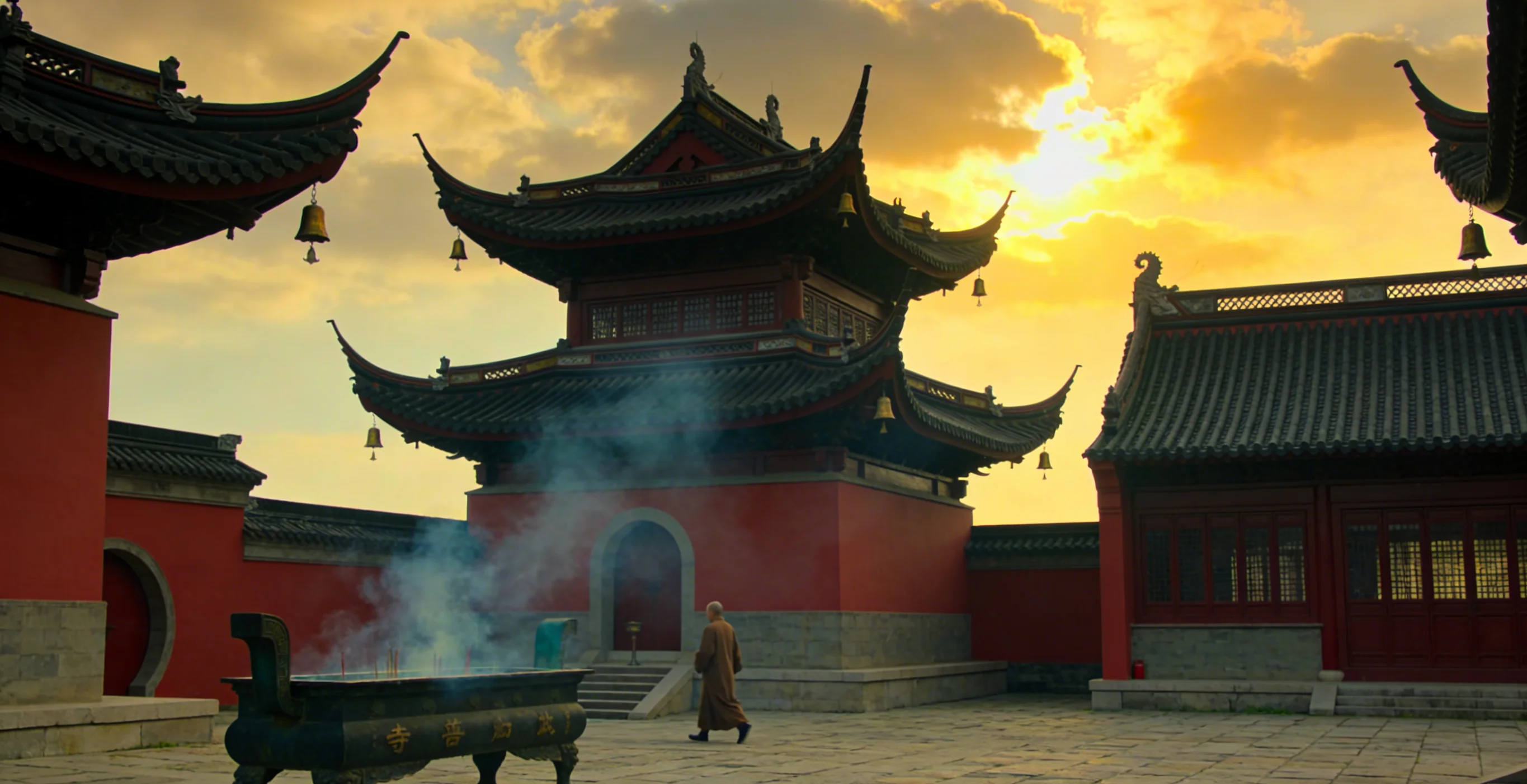
Chinese temple etiquette starts with respect for space, clothing, and silence
The quickest way to avoid mistakes is to act as if you are entering someone else's home and place of worship at the same time. Temple etiquette in China is less about complicated doctrine and more about calm, restraint, and awareness of what the people around you are doing.
The best first step is to pause at the entrance, read the posted rules, and match the behavior of worshippers. Most major temples now display bilingual signs in Chinese and English, especially in Beijing, Shanghai, Hangzhou, Xi'an, and Chengdu.
What to wear when visiting Chinese temples
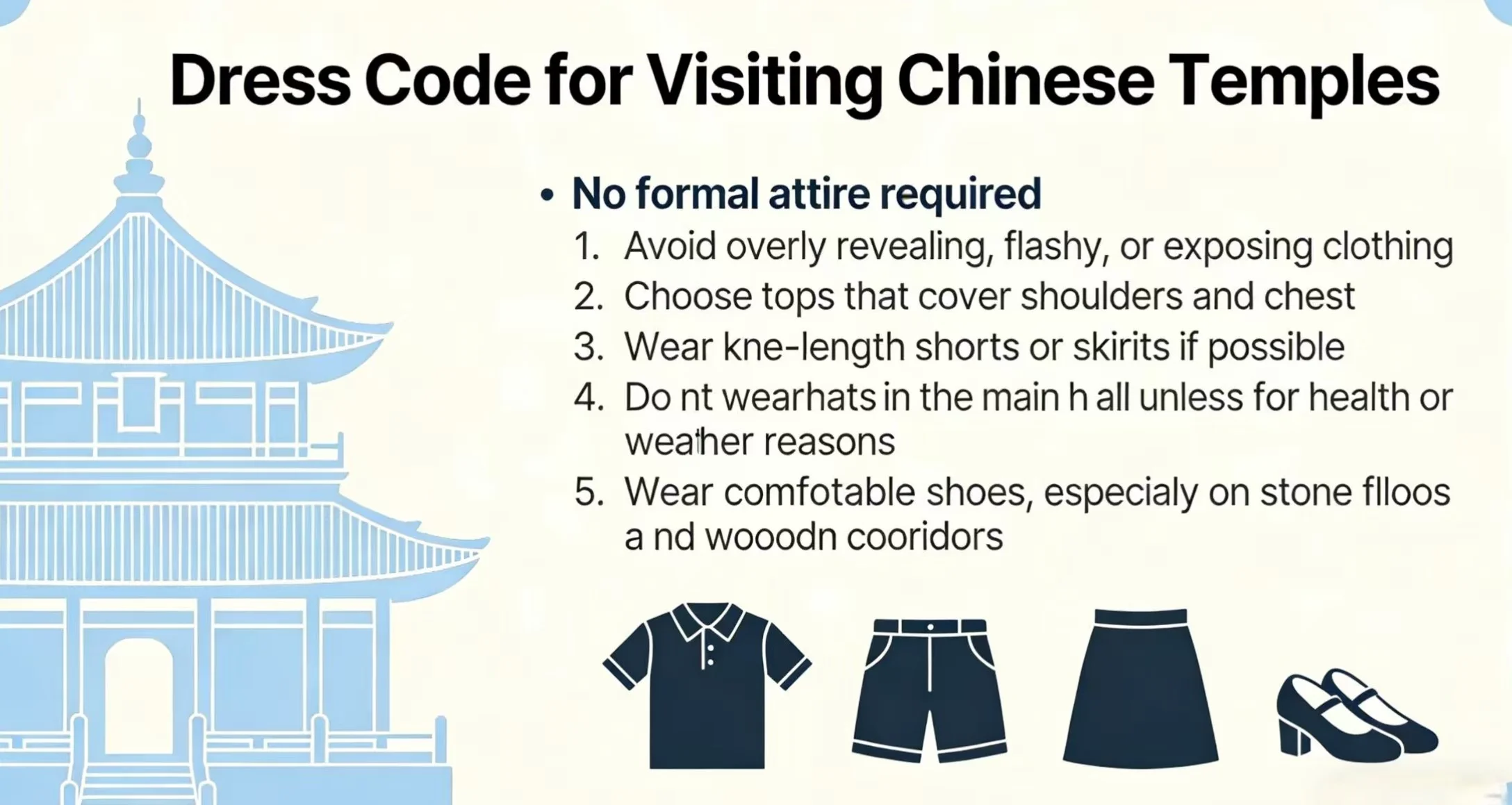
Modest clothing is the default standard. You do not need ceremonial dress, but you should avoid outfits that feel beach-like, flashy, or overly revealing.
Choose tops that cover shoulders and chest.
Wear shorts or skirts around knee length when possible.
Avoid hats inside main halls unless required for health or weather.
Use quiet shoes, especially on stone floors and wooden corridors.
Carry a light layer in spring and autumn, when temple courtyards can feel cooler than city streets.
At high-profile sites such as Yonghe Temple, 12 Yonghegong Dajie, Dongcheng District, Beijing, staff may not stop every underdressed visitor, but locals will notice. In sacred spaces, social awareness matters as much as written rules.
How to behave at the gate and in the halls
Many Chinese temple customs begin before you reach the main altar. In traditional architecture, raised thresholds and gate alignments are symbolic, so small physical actions carry cultural meaning.
Enter slowly and do not rush into the center lane if worshippers are queuing.
Step over, not directly on, a wooden or stone threshold.
Remove sunglasses before approaching the main hall.
Silence your phone or switch it to vibration mode.
Stand to the side if you want to observe rituals before joining the flow.
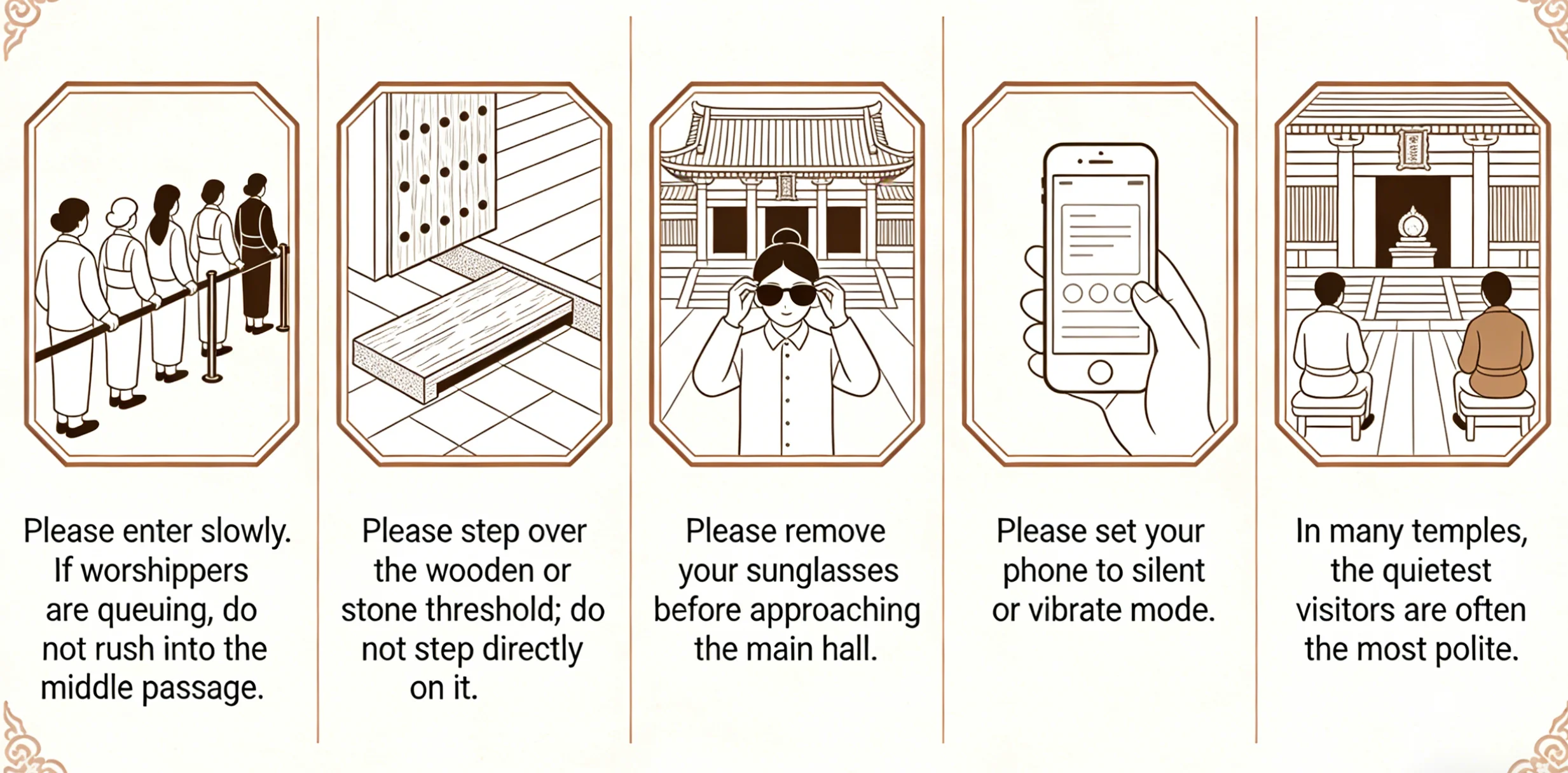
In many temples, the quietest visitor is usually the most respectful visitor. This is why loud laughter, video calls, and speakerphone audio are among the most obvious Chinese temple taboos.
Practical details for 2026 visitors
Urban temple visits are easier in 2026 than a decade ago because ticketing and payment are more streamlined. Many temple-adjacent shops and ticket counters accept Alipay and WeChat Pay, though carrying a small amount of cash remains useful in smaller county-level temples.
Yonghe Temple admission is commonly around ¥25 for adults.
JThe entrance fee to Jing'an Temple, located on Nanjing West Road in Jing'an District, Shanghai, is usually around 50 RMB.
Lingyin Temple access in Hangzhou usually involves Feilai Peak Scenic Area and temple-related entry, often totaling around ¥75 combined.
Most major city temples open roughly between 7:30 and 8:30 in the morning and close around 16:30 to 17:30.
If you are navigating by transit, Yonghe Temple is directly linked to Beijing Subway Lines 2 and 5 at Yonghegong Lama Temple Station, while Jade Buddha Temple is a short taxi or bus ride from Shanghai Railway Station. Arriving early, usually before 9:00, is the easiest way to experience a temple respectfully and with fewer crowds.
Chinese temple etiquette for prayer, incense, and offerings is about following local order
If you want to know what to do in a Chinese temple, the safest answer is this: watch first, then copy the local sequence only if it is clearly open to visitors. Not every traveler needs to participate in incense offering, bowing, or donation rituals, and respectful observation is always acceptable.
You do not need to pray to visit a Chinese temple, but you do need to avoid disrupting those who are praying. This distinction is important and often misunderstood by first-time visitors.
How incense usually works
Incense practice varies by temple, sect, season, and fire-safety policy. In 2026, several major temples continue to limit or standardize incense bundles for environmental and safety reasons, especially on Lunar New Year, the first and fifteenth days of the lunar month, and other peak festival dates.
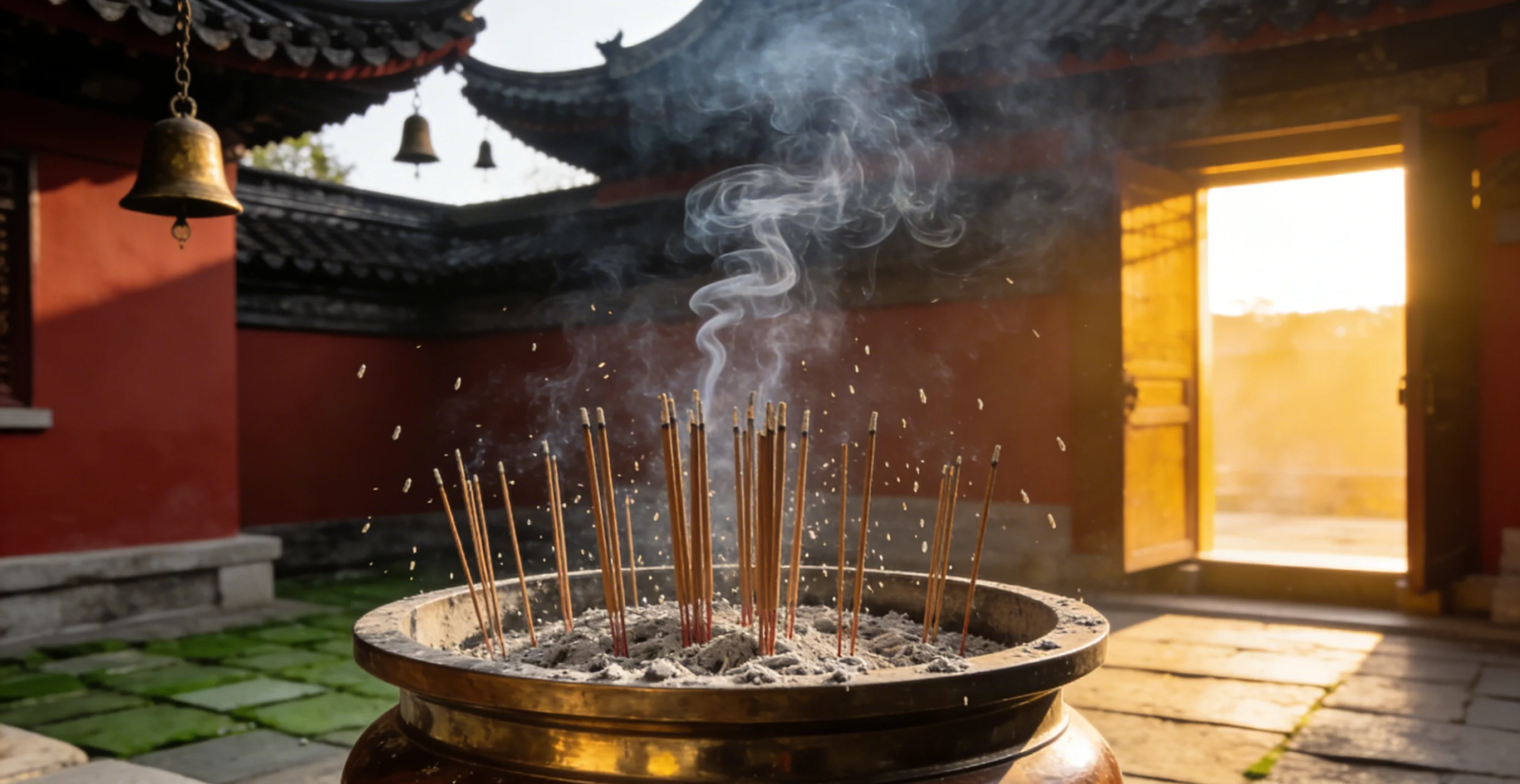
Buy incense only from approved temple counters or designated shops near the entrance.
Use the quantity the temple recommends; more incense is not more respectful.
Hold incense upright with both hands if you choose to offer it.
Do not wave smoke toward yourself or others for photos.
Place incense in the designated burner, never on stairs, railings, or random ledges.
At temples such as Lingyin Temple in Hangzhou or Daci Temple in Chengdu, staff often guide the flow during busy periods. The correct incense ritual is the one the temple permits that day, not the one you saw in a movie.
Should you bow, kneel, or donate?
Bowing is optional for non-believers, but if you choose to bow, do it slowly and without theatrical gestures. Kneeling mats are generally for worshippers; if the room is crowded, avoid occupying them unless you are actually joining the ritual.
Donations are voluntary. Boxes are usually marked with terms such as gongde xiang 功德箱, meaning merit or donation box, and small offerings often range from ¥10 to ¥100, though there is no fixed amount required.
Do not place coins directly on statues unless a sign explicitly allows it.
Use official donation boxes rather than handing money to self-appointed guides.
If you want a receipt, ask politely at the ticket or donation desk.
A sincere small donation is more appropriate than a conspicuous large one made for attention. This is one of the most useful unwritten rules of temple etiquette in China.
How to move through a temple complex
Chinese temples often follow a central axis, with gate, courtyard, incense burner, and main hall arranged in sequence. Side halls may be dedicated to Guanyin, Kshitigarbha Dizang, Wenshu Manjushri, or local protector deities, while Daoist temples may include halls for Laozi, the Jade Emperor Yuhuang Dadi, or city gods.
Start with the main courtyard and orientation signs.
Visit the principal hall before smaller side shrines if the space is organized hierarchically.
Keep to the side if pilgrims are making repeated bows.
Exit through the designated route rather than squeezing back against the flow.
This orderly movement is part of visiting Chinese temples well: it reduces noise, prevents crowding, and helps you understand the temple's symbolic layout.
What not to do in a Chinese temple: common taboos visitors should avoid
If you are unsure about Chinese temple taboos, avoid touching sacred objects, photographing worshippers without permission, and making jokes about rituals. These mistakes are more offensive than using the wrong hand or standing in the wrong corner for a few seconds.
What not to do in a Chinese temple is often easier to remember than what to do: do not intrude, do not perform, and do not treat ritual as entertainment.
Photography, phones, and social media
Photography rules differ widely. Courtyards are usually fine, but many main halls prohibit photos of altars, monks, or ongoing prayer, especially where flash would be disruptive.
Look for signs reading 禁止拍照 or no photography notices.
Never use flash inside a main hall.
Do not block incense burners or prayer lines to frame a shot.
Ask before filming monks, nuns, temple staff, or worshippers.
Avoid livestreaming inside active ritual spaces.
At popular sites such as Shaolin Temple in Dengfeng, Henan, or the Big Wild Goose Pagoda area in Xi'an, there may be more casual photography outside than inside worship halls. If a room smells of incense and people are praying, put your camera down first and decide later.
Behavior that feels disrespectful to locals
Some actions are not illegal, but they signal poor judgment. They stand out immediately to Chinese visitors and can damage the atmosphere of a sacred site.
Do not point at statues with food, cigarettes, or selfie sticks.
Do not sit on offering tables, altar platforms, or stair edges facing a shrine.
Do not eat in front of the main hall unless there is a designated rest area.
Do not smoke in temple precincts except where explicitly permitted.
Do not speak mockingly about fortune telling, chanting, or kneeling.
Do not wear earbuds and dance for short-form video content in courtyards.
These are among the most practical answers to the question of what not to do in a Chinese temple. In China, public respect often matters as much as private belief.
Scams and misunderstandings to watch for
Most temples are safe, but major tourist zones can attract informal guides or donation pressure. This is more common outside famous attractions than inside properly managed temple compounds.
Buy tickets only from official windows, mini-programs, or verified counters.
Decline unsolicited ritual services offered at the gate.
Confirm whether incense is free, included, or sold separately before paying.
Use Didi, official taxis, or metro routes instead of unlicensed rides from temple exits.
A real temple rule usually appears on a sign, a ticket notice, or from uniformed staff, not from a stranger insisting you must pay immediately. For navigation and translation, Amap, Baidu Maps, Pleco, Alipay, and WeChat remain the most useful travel apps in 2026.
Visiting Chinese temples becomes richer when you understand the history and festivals behind the rules
Chinese temple etiquette makes more sense when you know that most temples are not museums but layered religious spaces shaped by dynastic history, local cults, and modern revival. The etiquette exists to protect continuity, not just decorum.
Temple manners in China are really a way of protecting sacred rhythm, historical memory, and community worship all at once. That is why a simple quiet entrance can matter more than any guidebook fact.
Buddhist, Daoist, and folk temple differences
Buddhist temples often emphasize incense offering, sutra recitation, vegetarian dining, and merit-making. Daoist temples may include talismanic practices, celestial bureaucracy imagery, and festivals linked to the lunar calendar and local deities.
Folk temples dedicated to Mazu, Guan Yu, Chenghuang, or earth gods can feel more informal, but the same respect rules apply. In Fujian and Guangdong, for example, sea-goddess temples linked to Mazu worship can be especially busy during processions and community festivals.
Buddhist term: si 寺, often translated as monastery or temple.
Daoist term: guan 观, commonly translated as temple or abbey.
Incense burner: xianglu 香炉.
Main hall: daxiong baodian 大雄宝殿 in many Buddhist temples.
Vegetarian temple meal: zhai 斋 or suzhai 素斋.
Understanding these terms helps you read signs and move more confidently through unfamiliar spaces.
Festival days when etiquette matters even more
Temple traffic spikes on Chinese New Year, Lantern Festival, Buddha's Birthday, and major Daoist feast days. On these dates, people come with clear devotional intent, so visitors should be even more patient and less photo-driven.
Lunar New Year period: heavy incense traffic, especially from the first day of the first lunar month.
Lantern Festival: 15th day of the first lunar month, often crowded at city temples.
Buddha's Birthday: observed on the 8th day of the 4th lunar month in many communities.
Ghost Festival and local deity birthdays: practices vary by region.
At Xi'an's Guangren Temple, Chengdu's Wenshu Monastery, or Putuo Mountain in Zhoushan, Zhejiang, festival crowds can add 30 to 90 minutes of queuing time. On major festival days, the most respectful choice is to shorten your visit, lower your camera use, and leave space for worshippers.
A practical step-by-step temple visit for first-timers
If you want a simple formula for what to do in a Chinese temple, use this sequence. It works at most major sites and minimizes accidental offense.
Check opening hours and ticket policy the night before using the official account, map app, or hotel concierge.
Arrive early, ideally 8:00 to 9:00, with water, tissues, and a quiet phone.
Dress modestly and put away food before entering the gate.
Read posted rules on photos, incense, and hall access.
Walk the central courtyard first and observe how worshippers move.
If participating, buy approved incense and follow staff directions.
Donate only through official boxes if you choose to give.
Take photos outside the main ritual flow and leave quietly.
This routine works in Beijing, Shanghai, Hangzhou, Chengdu, Xi'an, and many smaller cities. It also helps solo travelers feel less anxious because the logic of the visit becomes clear.
Frequently Asked Questions
Do I need to follow Chinese temple etiquette if I am not religious?
Yes. Chinese temple etiquette is expected from all visitors because the temple is an active religious site, not just a monument. You do not need to pray, but you should stay quiet, dress modestly, and avoid interrupting rituals.
How much does it cost to visit Chinese temples in 2026?
Prices vary by city and temple, but many urban temples cost around ¥20 to ¥80 depending on the site and whether a scenic area ticket is bundled in. Yonghe Temple in Beijing is commonly around ¥25, Jade Buddha Temple in Shanghai around ¥20, and Lingyin-related entry in Hangzhou is often about ¥75 combined.
Is it safe for solo travelers to visit temples in China?
Yes, most major temples are safe for solo travelers during normal opening hours, especially in large cities with metro access and staff on site. The main risk is not crime but minor scams near tourist gates, so buy tickets only from official counters or verified mini-programs.
Can foreigners burn incense in a Chinese temple?
Usually yes, if the temple allows public incense offerings that day. Follow the posted rules, buy incense from official temple points, and do not improvise your own ritual if staff are directing the flow.
Is photography allowed inside Chinese temples?
Sometimes in courtyards, often restricted in main halls. In 2026, the safest rule is to assume that altars, monks, and active prayer areas may be off-limits unless signs clearly permit photography.
What is the biggest mistake first-time visitors make when visiting Chinese temples?
The most common mistake is treating the temple like a photo set instead of a place of worship. Loud talking, blocking prayer lines, and ignoring incense or no-photo signs are the fastest ways to appear disrespectful.
Note: This article provides general cultural guidance. Individual experiences may vary. Always approach cultural learning with an open mind.