The Mid-Autumn Festival, known as Zhongqiu Jie in Mandarin, is one of China's most cherished holidays. It's a time for family reunions, heartfelt gratitude, and vibrant celebrations under the brightest full moon of the year. For travelers, understanding the traditional activities of the Chinese Mid-Autumn Festival offers a beautiful window into the soul of Chinese culture.
This guide will walk you through the history, food, and customs that define this magical time. You'll learn how to participate respectfully and create unforgettable memories during your visit.
The History and Significance of the Mid-Autumn Festival
The festival's origins are deeply rooted in ancient China, dating back over 3,000 years. It began as a harvest celebration, a time when farmers would give thanks for a successful harvest and pray for future abundance. The full moon symbolized fullness and prosperity, making it the perfect centerpiece for the festivities.
Over centuries, the holiday evolved, absorbing layers of cultural and poetic meaning. It became officially recognized during the Tang Dynasty (618-907 AD), a golden age for arts and poetry in China. Today, it stands as a national holiday, embodying the core Chinese values of family harmony and unity.
The Legend of Chang'e, the Moon Goddess
No discussion of the Mid-Autumn Festival is complete without the tale of Chang'e. This beloved legend explains why people worship the moon. The story tells of a heroic archer, Hou Yi, who shot down nine of ten suns that were scorching the earth. As a reward, he was given an elixir of immortality.
His wife, Chang'e, accidentally consumed the elixir and floated to the moon, where she became a goddess. Hou Yi, heartbroken, would lay out her favorite foods each year on the anniversary. This act of remembrance is said to be the origin of moon worship and offerings during the festival.
The Political Symbolism of Mooncakes
An intriguing chapter in the festival's history involves mooncakes and rebellion. During the Yuan Dynasty, Han Chinese rebels plotted to overthrow their Mongol rulers. They secretly passed messages and plans inside mooncakes, using the festival as a cover for their communication.
This clever strategy led to a successful uprising and the establishment of the Ming Dynasty. This story cemented the mooncake not just as a treat, but as a symbol of ingenuity and resilience in Chinese folklore.
Essential Mid-Autumn Festival Activities
The traditional activities of the Chinese Mid-Autumn Festival are a delightful blend of family rituals and public merriment. Participating in these customs is the best way to experience the holiday's true spirit. The core of the celebration is appreciating the moon, a practice known as shang yue.
Families gather in open spaces, on balconies, or in parks to gaze at the moon together. It's a simple yet profound act of unity. For travelers, finding a spot with a clear view of the moon is a wonderful way to join in this timeless tradition.
Family Reunion Dinner
The festival evening typically begins with a lavish family feast. This reunion dinner is as important as the one during Chinese New Year. Tables are laden with symbolic dishes that represent harmony, abundance, and good fortune.
Common foods include duck, taro, pomelo, and river snails. Each dish carries a specific meaning related to the harvest or family unity. If you are invited to a family dinner, it is a great honor. A small gift, like a box of fruit or tea, is a polite and appreciated gesture.
Exchanging and Savoring Mooncakes
Mooncakes are the undeniable stars of the festival. These rich, round pastries are given as gifts to family, friends, and business associates to express best wishes. The act of giving and receiving mooncakes strengthens social bonds.
When you receive a mooncake, it's customary to accept it with both hands as a sign of respect. These pastries are meant to be shared. They are incredibly dense and sweet, so they are typically sliced into small wedges and served with tea. Trying a small piece of each flavor is part of the fun!
Traditional Fillings: Sweet red bean paste, lotus seed paste, and salted egg yolks are classic choices.
Modern Variations: Today, you can find snow-skin mooncakes, ice cream mooncakes, and flavors like green tea and chocolate.
Regional Specialties: Suzhou-style mooncakes are savory and layered, while Cantonese-style are the most common sweet version.
Lighting and Carrying Lanterns
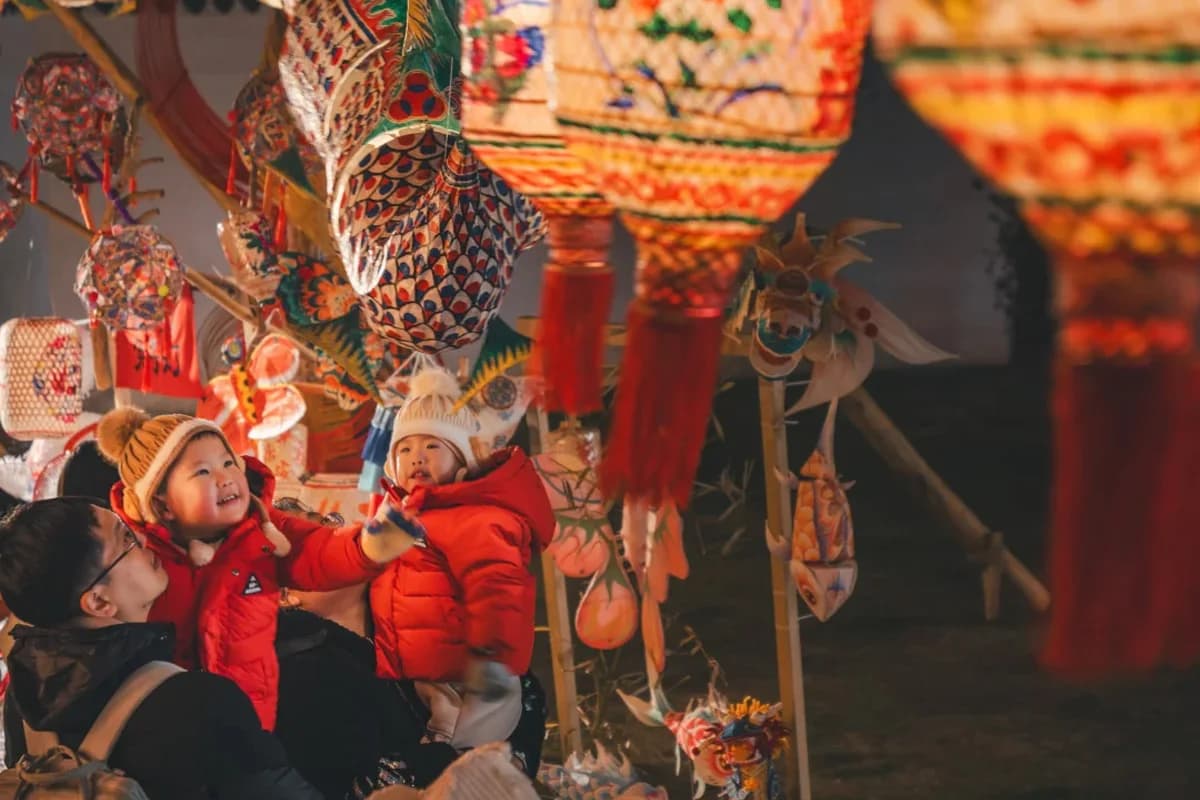
While lanterns are more prominent during the Lantern Festival, they also play a charming role in Mid-Autumn celebrations. Children carry brightly colored lanterns in various shapes—rabbits, goldfish, stars, and of course, circles symbolizing the moon.
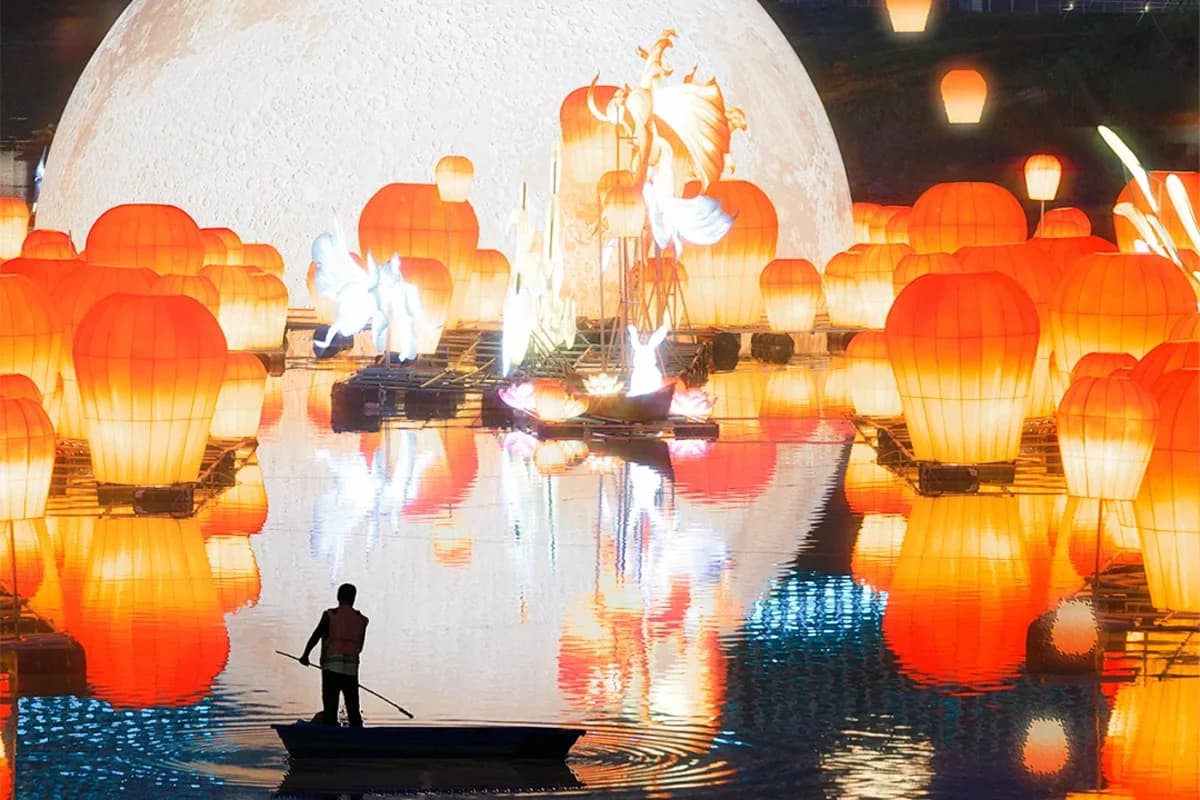
In some regions, people light Kongming lanterns, also known as sky lanterns. These paper lanterns are released into the night sky, carrying wishes and hopes upwards. If you see this, it's a breathtaking sight. However, always check local regulations, as they are banned in some urban areas for safety reasons.Worshipping the Moon
In many households, an altar is set up facing the moon. Offerings are placed on it as a sign of respect to Chang'e and the natural world. This ritual is a key part of the traditional activities of the Chinese Mid-Autumn Festival.
Typical offerings include mooncakes, pomelos, peanuts, and seasonal fruits. Incense is burned, and families may bow to the moon to express gratitude and pray for good health and happiness. As a visitor, observe this practice quietly and respectfully from a distance.
Mid-Autumn Festival Foods Beyond Mooncakes
While mooncakes steal the spotlight, other seasonal foods are essential to the feast. These dishes are deeply symbolic and add to the festive atmosphere. Understanding their meaning enriches the culinary experience.
Pomelo is a large, citrus fruit that is eaten for its sweet flavor and symbolic meaning. Its Chinese name, youzi, sounds like the word for "to have" and "son," symbolizing family continuity. The round shape also represents family unity and the moon.
Taro is another common food. Eaten during the festival, it commemorates a historical uprising. Different regions have their own stories, but it generally symbolizes the dispelling of evil. It can be steamed, boiled, or used in delicious savory dishes.
Osmanthus wine is a traditional alcoholic beverage brewed from the fragrant osmanthus flowers that bloom in autumn. It is often enjoyed during the moon-viewing ceremony. The sweet, floral aroma is said to complement the beauty of the moonlit night perfectly.
Experiencing the Festival as a Traveler in 2026
If your travels bring you to China around the Mid-Autumn Festival, you're in for a treat. The festival date is based on the lunar calendar, so it changes each year.The Mid-Autumn Festival in 2026 falls on September 17th, a Friday. Public holidays in China typically include the day of the festival and the following two or three days, creating a lively and festive atmosphere.
This is an incredibly popular time for domestic travel, as people return to their hometowns. Book your transportation and accommodation well in advance, as trains and flights can sell out. While cities can be bustling, the festive spirit is infectious.
Where to Go for Celebrations
Major cities offer public events that are fantastic for visitors. Here are some top spots to experience the Mid-Autumn Festival activities:
Shanghai: The Bund and Yu Garden area are spectacular, with stunning city lights and traditional decorations.
Beijing: Visit the Summer Palace or a traditional hutong to see families celebrating. Public parks are also excellent for moon gazing.
Hangzhou: Watching the full moon reflect on the West Lake is a legendary experience mentioned in classical poetry.
Xi'an: Mid-Autumn Festival lantern festivals will be held at the Tang Dynasty Never Sleeping City or the city wall in Xi'an.
Practical Tips for Participation
Joining the celebrations is easy and rewarding. Follow these simple tips to ensure a respectful and enjoyable experience.
First, embrace the spirit of giving. Purchase a box of mooncakes from a local bakery to share with new friends, your hotel staff, or tour guides. It's a wonderful icebreaker and a kind gesture that will be warmly received.
Second, dress appropriately. While there's no strict dress code, wearing red or other bright colors aligns with the festive mood. Comfortable shoes are a must, as you'll likely be walking and exploring.
Finally, learn a few key phrases. Wishing someone "Zhongqiu Jie Kuaile!" (Happy Mid-Autumn Festival!) will bring smiles and show your appreciation for their culture. The most important thing is to approach the festival with an open heart and a sense of wonder.
A Timeless Celebration of Light and Togetherness
The Mid-Autumn Festival is more than just a holiday; it's a profound cultural expression. It reminds us of the importance of family, the beauty of nature, and the power of shared stories. The traditional activities of the Chinese Mid-Autumn Festival connect the past with the present in a continuous cycle of gratitude.
Whether you're savoring a slice of mooncake, gazing at the brilliant moon, or carrying a glowing lantern, you are taking part in a tradition that has warmed hearts for millennia. It is a truly special time to be in China, offering a deep and memorable connection to its people and their heritage.
Note: This article provides general cultural guidance. Individual experiences may vary. Always approach cultural learning with an open mind.