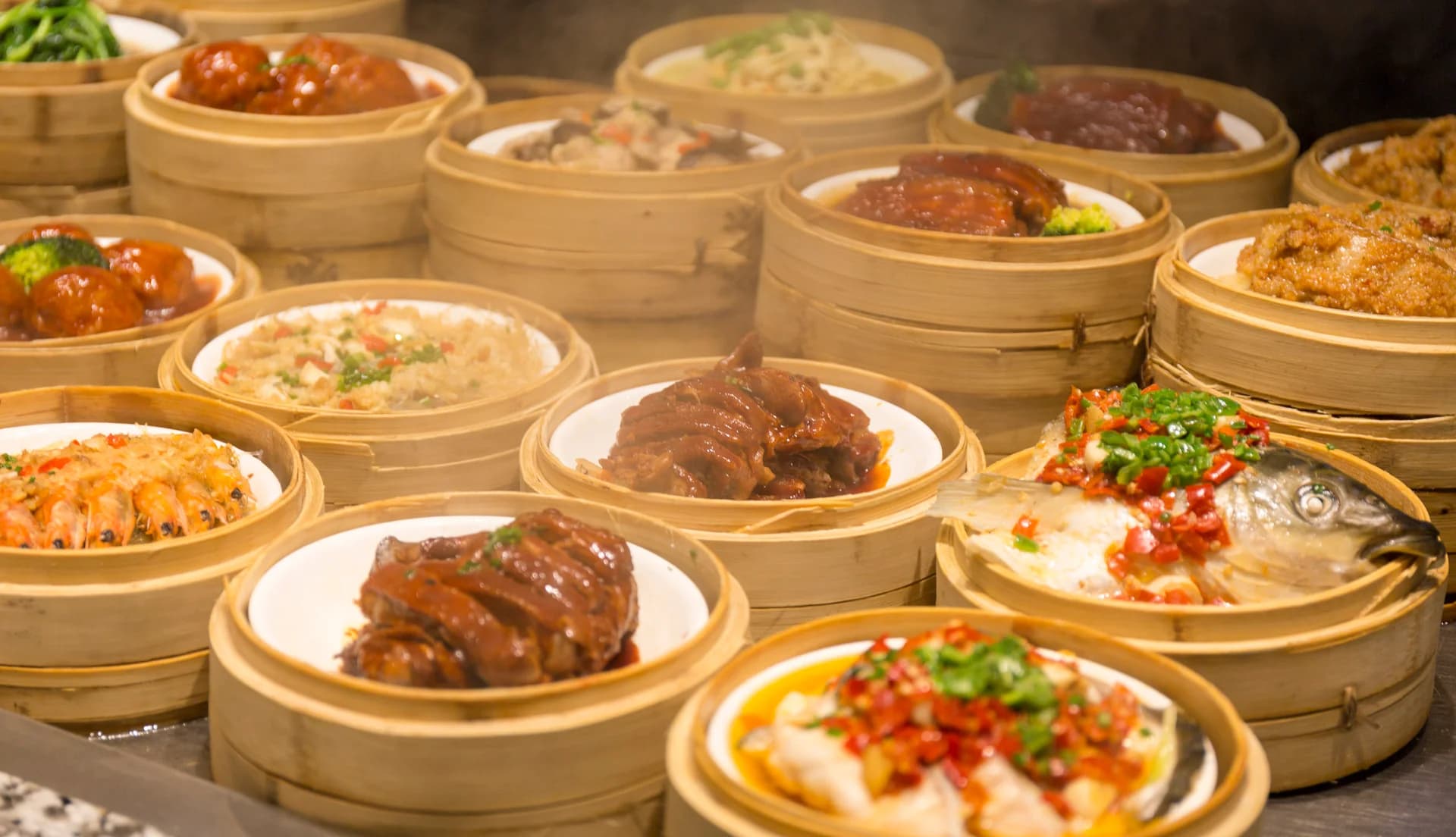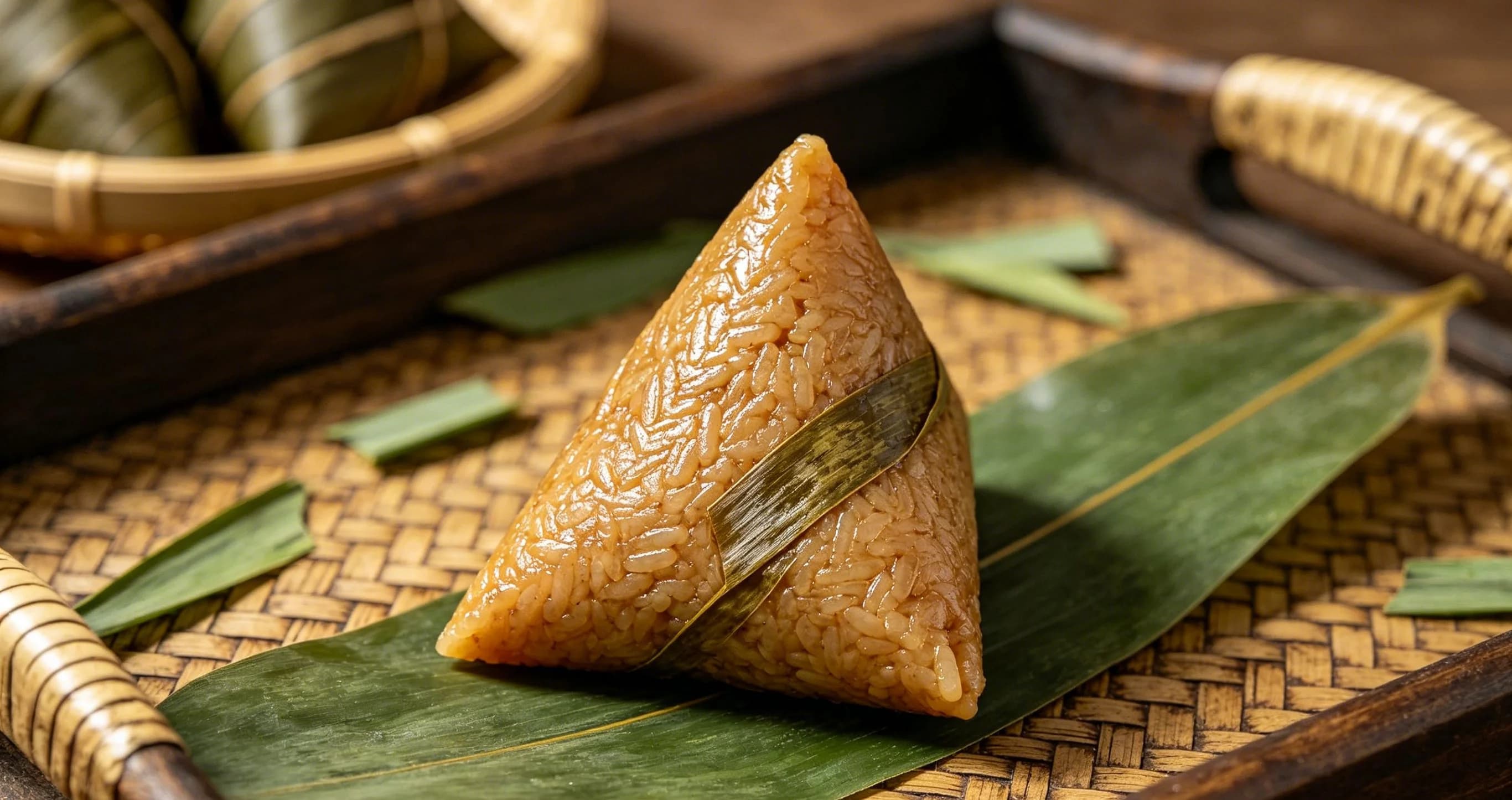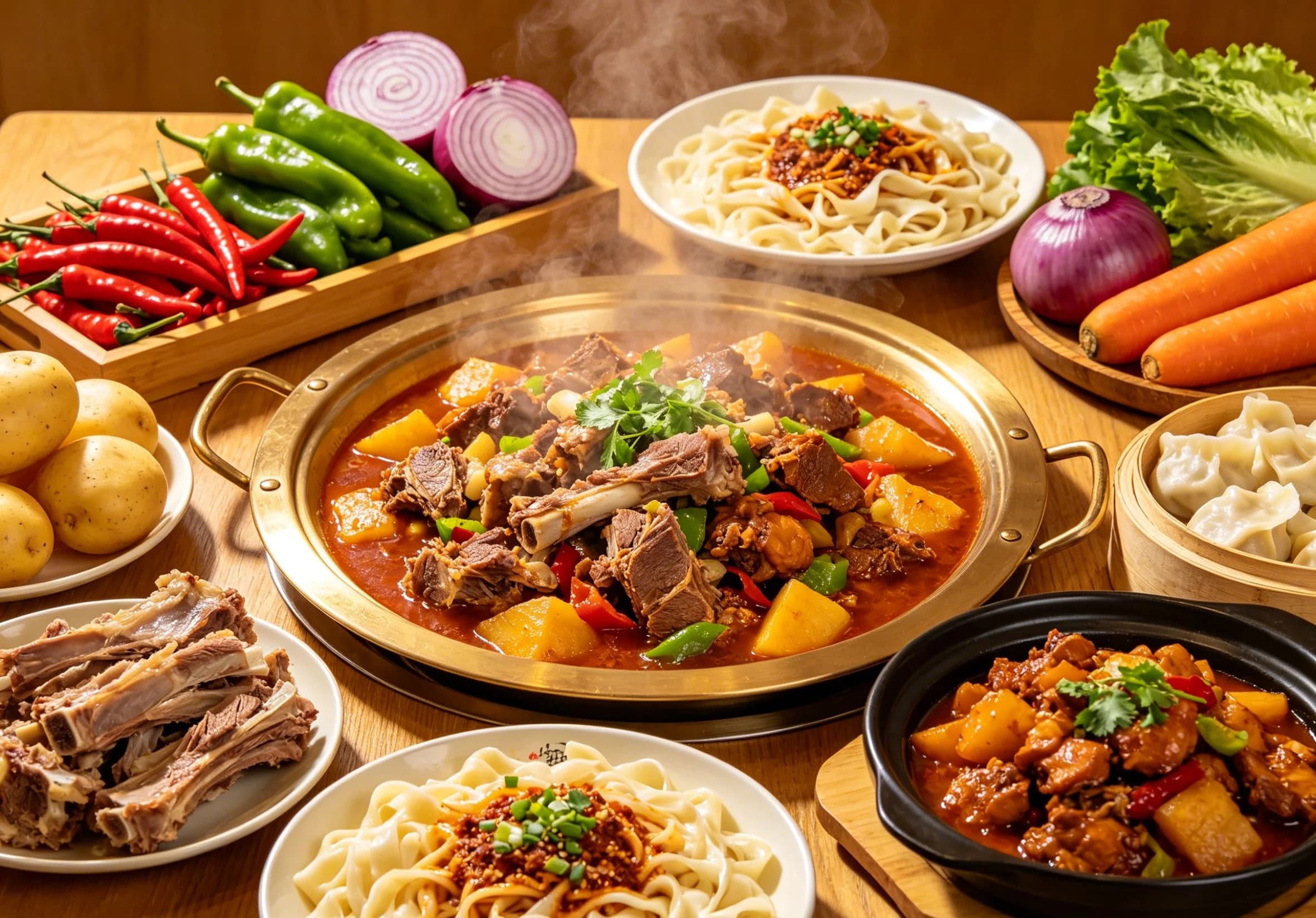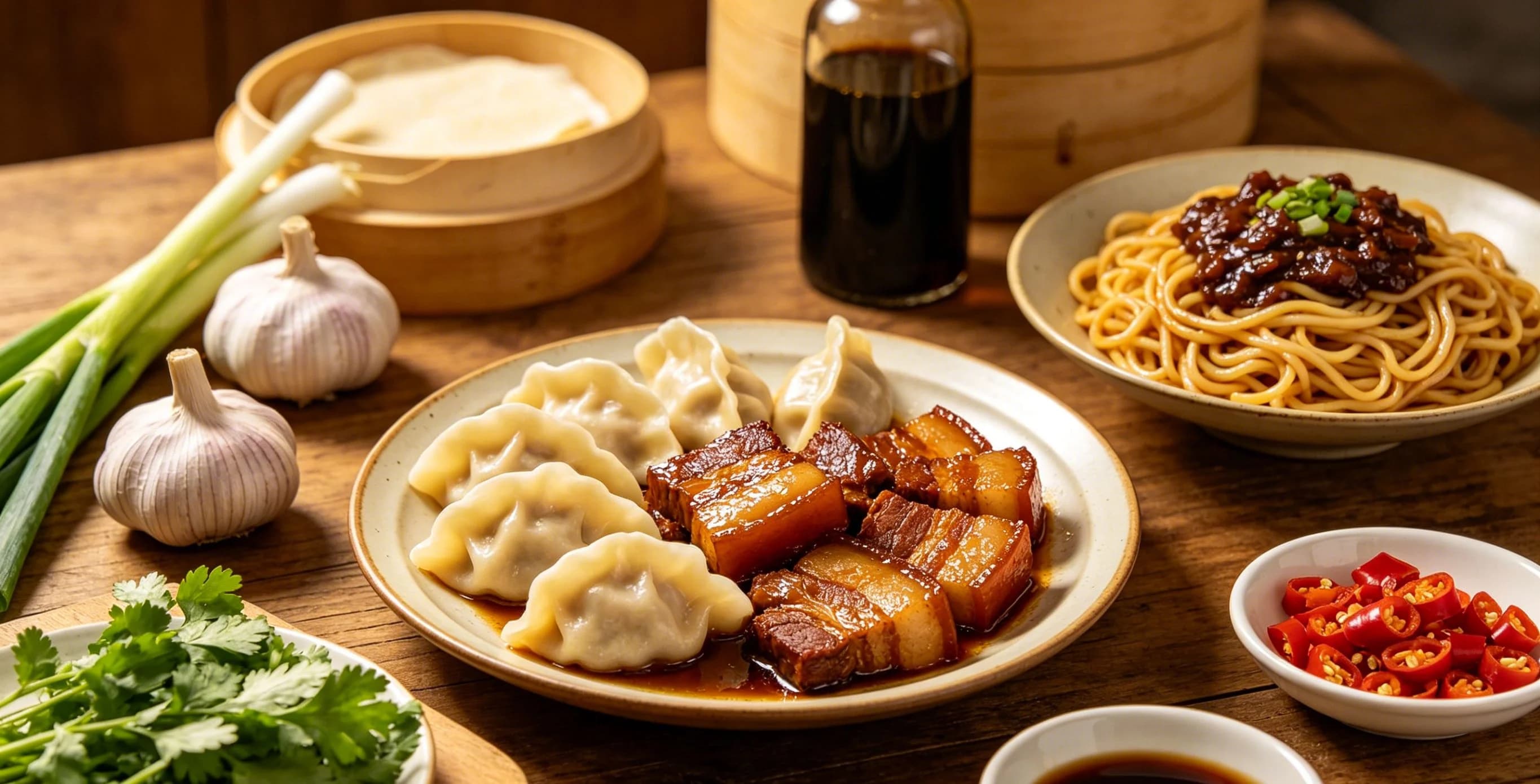

Welcome to northern China, where bold flavors, hearty portions, and warming dishes await. From the crispy skin of Peking duck to the rustic charm of grassland lamb, this guide introduces you to the region’s essential ingredients, local traditions, and must-try classics. Whether you're a foodie traveler or a curious eater, you'll leave the table with a deeper appreciation for northern China’s kitchen wisdom.
What Defines Northern Chinese Cooking
Northern China stretches from the coastal northeast to the central grasslands. With cold, dry winters and distinct seasons, the local cuisine developed around comfort, warmth, and satisfying richness.
Wheat-based foods (noodles, dumplings, buns) reign supreme. Cooking methods lean toward stewing, roasting, and braising, while flavors are savory and aromatic thanks to generous use of scallions, ginger, garlic, and spices. Every dish tells a story of history, geography, and everyday life.
Staples You’ll Often See
Get to know the building blocks of a northern Chinese meal:
Wheat products – Noodles, dumplings, steamed buns, pancakes
Meats – Lamb and beef are especially popular in Inner Mongolia and Muslim-influenced areas
Winter‑hardy vegetables – Cabbage, radish, potato; often dried or pickled to last through long winters
Regional Flavors & Signature Dishes
Every city and province puts its own spin on northern cooking. Here’s a taste of what you’ll find as you travel.
Beijing
A mix of imperial court traditions and local comfort food. The star is Peking duck – crispy skin, thin pancakes, and sweet bean sauce. Don't miss noodles with fried sauce (zhajiangmian) and hot pot with lamb (shuan yangrou).
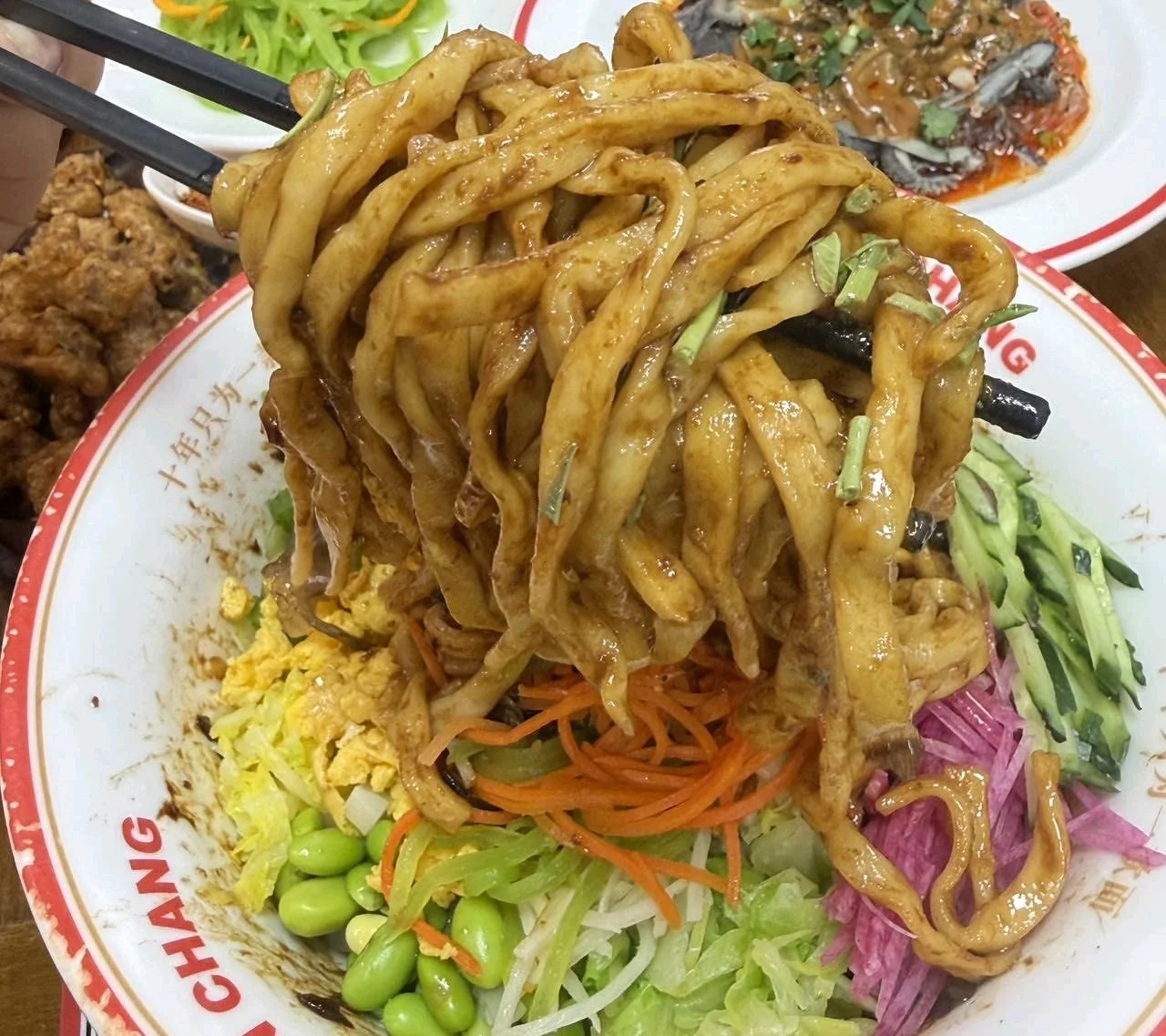
(Zhajiangmian (noodles with soybean paste))
Northeast China (Dongbei)
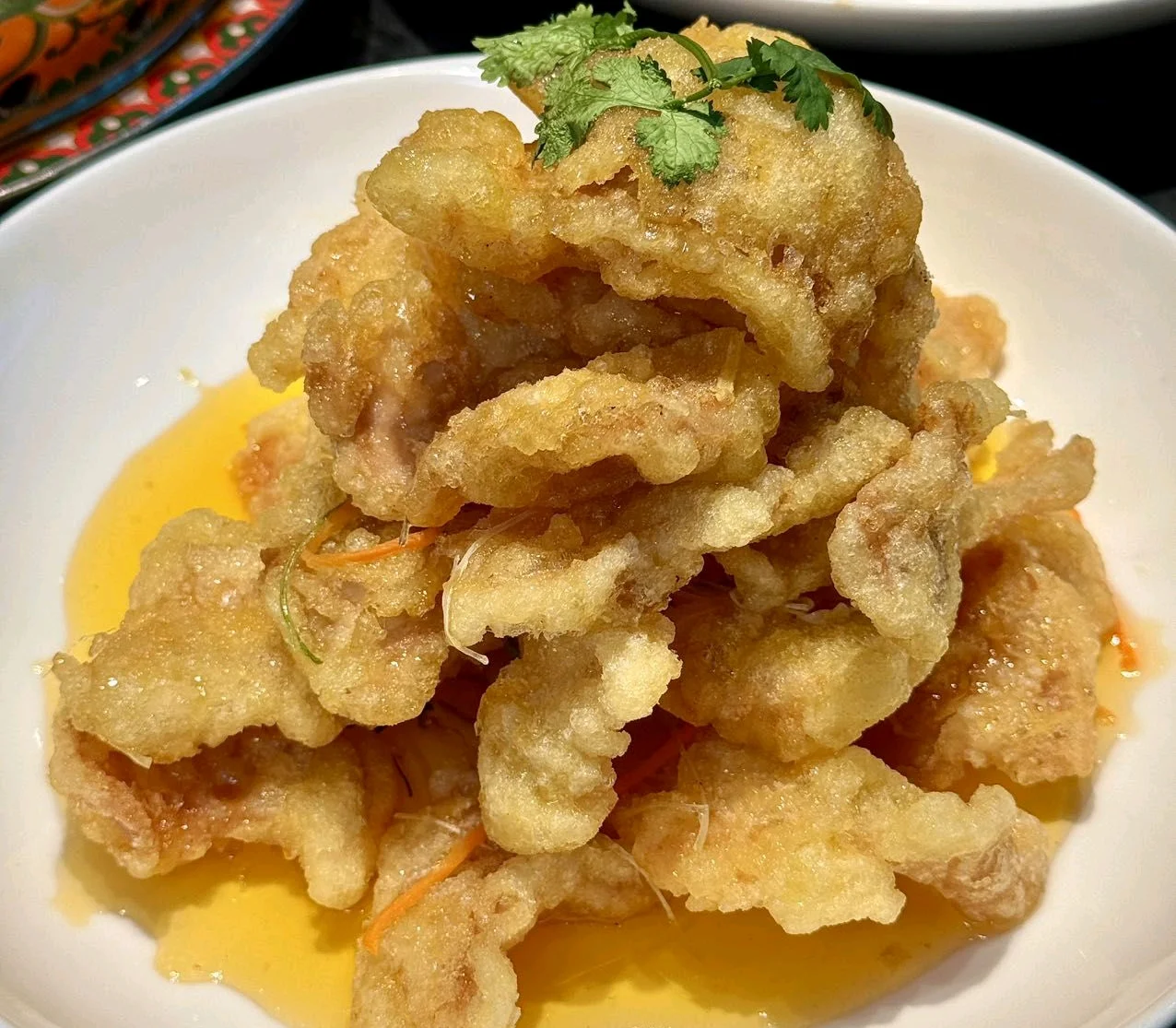
Big portions, bold tastes, and influences from Korea and Russia. Pickled vegetables and slow‑braised stews dominate. Favorites: sweet and sour pork (guobaorou), three‑potato stir‑fry (disanxian), and pork‑cabbage stew with glass noodles.
Shanxi & Shaanxi
The kingdom of noodles and bread. Watch a chef shave dough directly into boiling water for knife‑cut noodles (daoxiaomian). Also sample lamb soup with crumbled flatbread (yangrou paomo) and the Chinese‑style “burger” roujiamo.
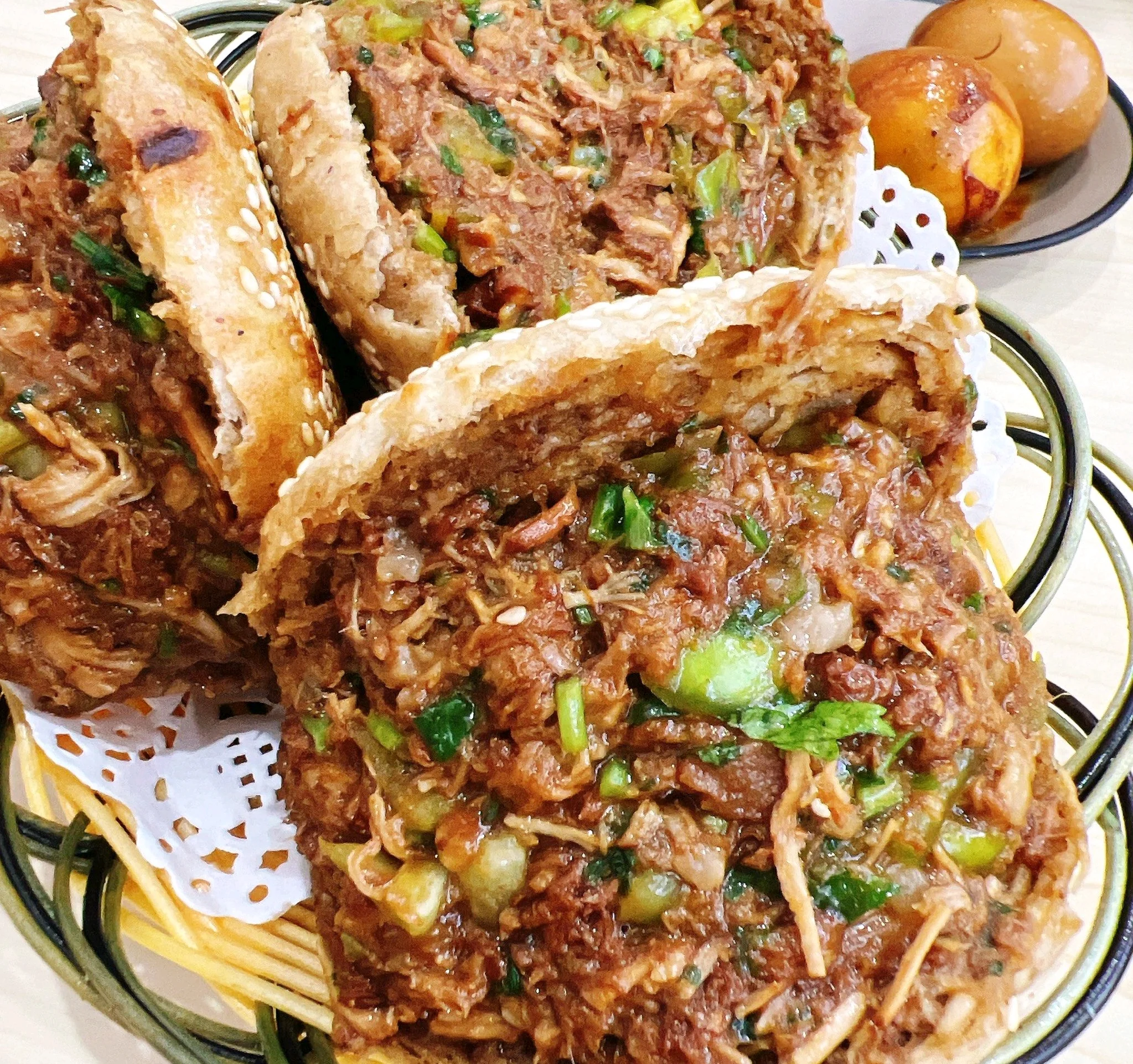
(Roujiamo (Chinese hamburger))
Shandong
One of China’s eight great culinary traditions, known for fresh seafood and light, original flavors. Must‑try: sea cucumber with scallion and braised pork intestines (nine‑turn large intestine).
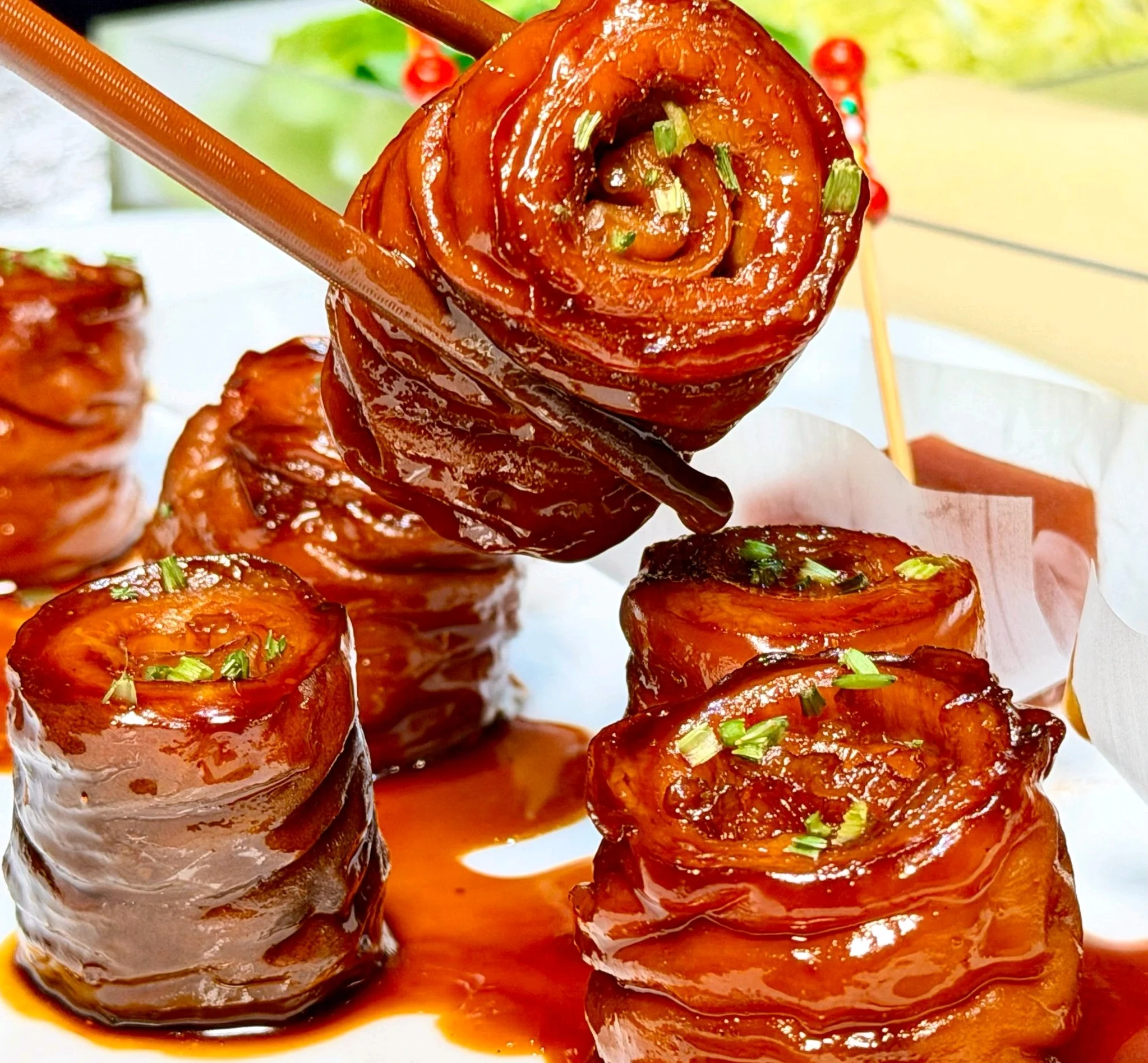
(Nine-Turned Intestine)
Inner Mongolia
Grassland flavors at their purest. Meat is often simply boiled or roasted to highlight natural taste. Highlights: hand‑grasped lamb (shouba yangrou) – large chunks boiled with just a pinch of salt – whole roast lamb, and hand‑pulled noodles (latiaozi).
Special dietary needs and travel precautions
1. Vegetarian and Vegan
Keywords for ordering:
Vegetarian / Vegan (chī sù)
No meat (bù yào ròu)
No eggs or dairy (bù yào dàn nǎi) – Vegan
Recommended dishes:
Three Treasures of the Earth (Potatoes, Eggplant, Green Peppers)
Stir-fried Seasonal Vegetables (Stir-fried any leafy greens)
Scrambled Eggs with Tomatoes (Contains eggs; vegetarians please avoid)
Home-style Tofu (Confirm no minced meat)
Note: Many stir-fried dishes in northern China use a small amount of lard or broth. When ordering, be sure to emphasize "completely vegetarian, no meat, no broth, no lard." Noodle soup base is often bone broth; it is recommended to order dry noodles or request plain boiled noodles instead.
2. Halal Cuisine
Look for restaurants with the "Halal" sign (qīng zhēn) on the door or menu.
Halal restaurants in northern China are mostly concentrated in Northwest China cuisine (Lanzhou noodles, Xinjiang restaurants) and the Hui Muslim districts of Beijing and Xi'an.
Recommended Dishes:
Lanzhou Noodles
Roasted Lamb Skewers
Hand-pulled Lamb
Big Plate Chicken
Note: Lamb dishes in non-halal restaurants may use the same wok to cook pork. Strict Muslims should only choose certified halal restaurants.
3. Gluten-Free
Northern China is a major wheat-producing region, and noodles, steamed buns, dumplings, and flatbreads almost all contain gluten.
Safe Choices:
Rice (mǐ fàn)
Rice noodles/rice vermicelli (mǐ xiàn)
Meat dishes (roasted lamb, poached chicken) without soy sauce
Vegetable salad (no dressing required)
Avoid: Soy sauce (containing wheat), vinegar, sweet bean sauce, yellow bean sauce. When ordering, state: "I am gluten allergic and cannot eat flour, soy sauce, or vinegar." It is recommended to prepare a Chinese allergy warning card in advance.
4. Low-Salt / Low-Oil / Light Diet
Northern cuisine tends to be heavier, so please request: "Less salt, less oil, and a lighter diet."
Recommended Dishes:
Steamed Fish (confirm beforehand that no soy sauce will be added)
Blanched Vegetables
Plain Stews (such as clear stewed lamb, without dipping sauce)
Avoid: Noodles with soybean paste, stew broth, pickled vegetables.
Want to learn more about unique Chinese cultural tours? Check out:
China's Eight Major Cuisines: A Culinary Culture Tour
Chinese Tea Culture: From Leaf to Legacy
Frequently Asked Questions
1. Is northern Chinese food very spicy?
Generally no. Northern cuisine focuses on savory, salty, and aromatic flavors (onion, ginger, garlic). Spiciness is rare unless you add chili oil yourself.
2. I don’t eat pork. Are there many options?
Yes. Lamb and beef are widely available, especially in Inner Mongolian and Muslim‑influenced dishes. Shandong also offers excellent seafood.
3. What’s the best way to eat Peking duck?
Wrap a piece of crispy duck skin with meat in a thin pancake, add cucumber, scallion, and a dab of sweet bean sauce – then fold and eat in one bite.
4. Are vegetarian meals easy to find?
In cities like Beijing, Xi’an, and Qingdao, yes. Look for stir‑fried seasonal vegetables, tofu dishes, noodle soups, and stuffed buns without meat. In remote areas, options may be limited.
5. Do I need to use chopsticks?
Chopsticks are standard, but most restaurants will provide forks or spoons if you ask. For dishes like lamb soup or roujiamo, your hands work perfectly fine.
6. How do I say “delicious” in Chinese?
Say “hǎo chī” (好吃) – it’s a simple compliment that will make your hosts smile.
Note: This article provides general cultural guidance. Individual experiences may vary. Always approach cultural learning with an open mind.