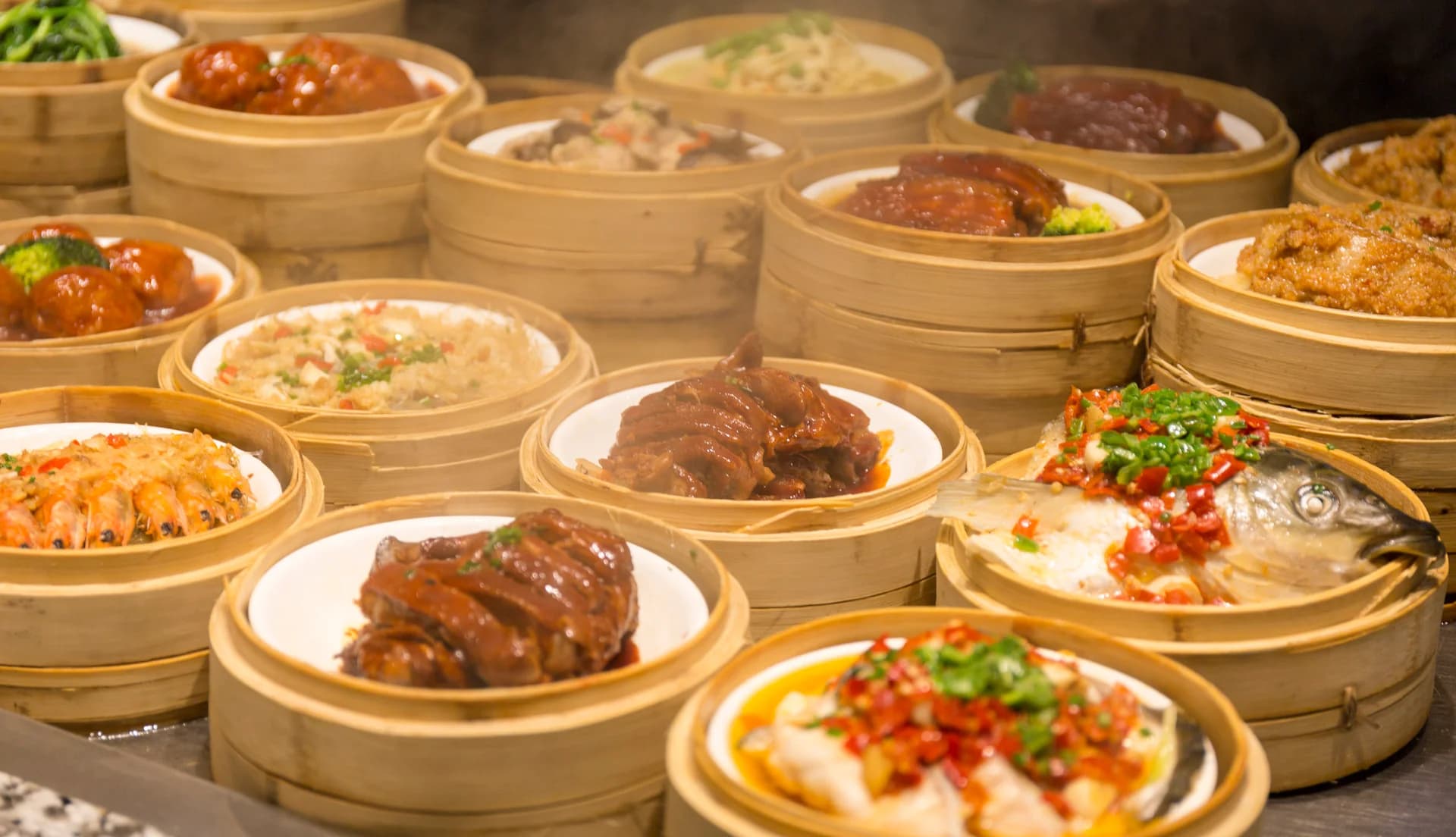

If it's your first time in Guangzhou and you want to truly experience the city's lifestyle, try "morning tea" (or "dim sum").
As a foreign tourist, the most common questions you might encounter when having dim sum for the first time are: Do I need to order tea first? How do I choose the dim sum? How many servings should each person order? Which are the classic flavors, and which are more unique? Will it be difficult to order if I don't speak Chinese?
This guide is designed to help you solve these problems. Hopefully, after reading it, you can enjoy a Guangzhou dim sum meal easily and comfortably.
What is Cantonese morning tea?
Many tourists mistakenly believe that "morning tea" simply means drinking tea in the morning, but in Guangdong, morning tea is more than just drinking tea; it also includes eating dim sum. Guangdong morning tea is more like a leisurely morning tea gathering. You can arrive at 9 am or not sit down until 11 am; you can eat for half an hour or sit for two hours, drinking tea, chatting, and ordering more at your leisure.
A complete morning tea meal = a pot of tea + several baskets of dim sum.
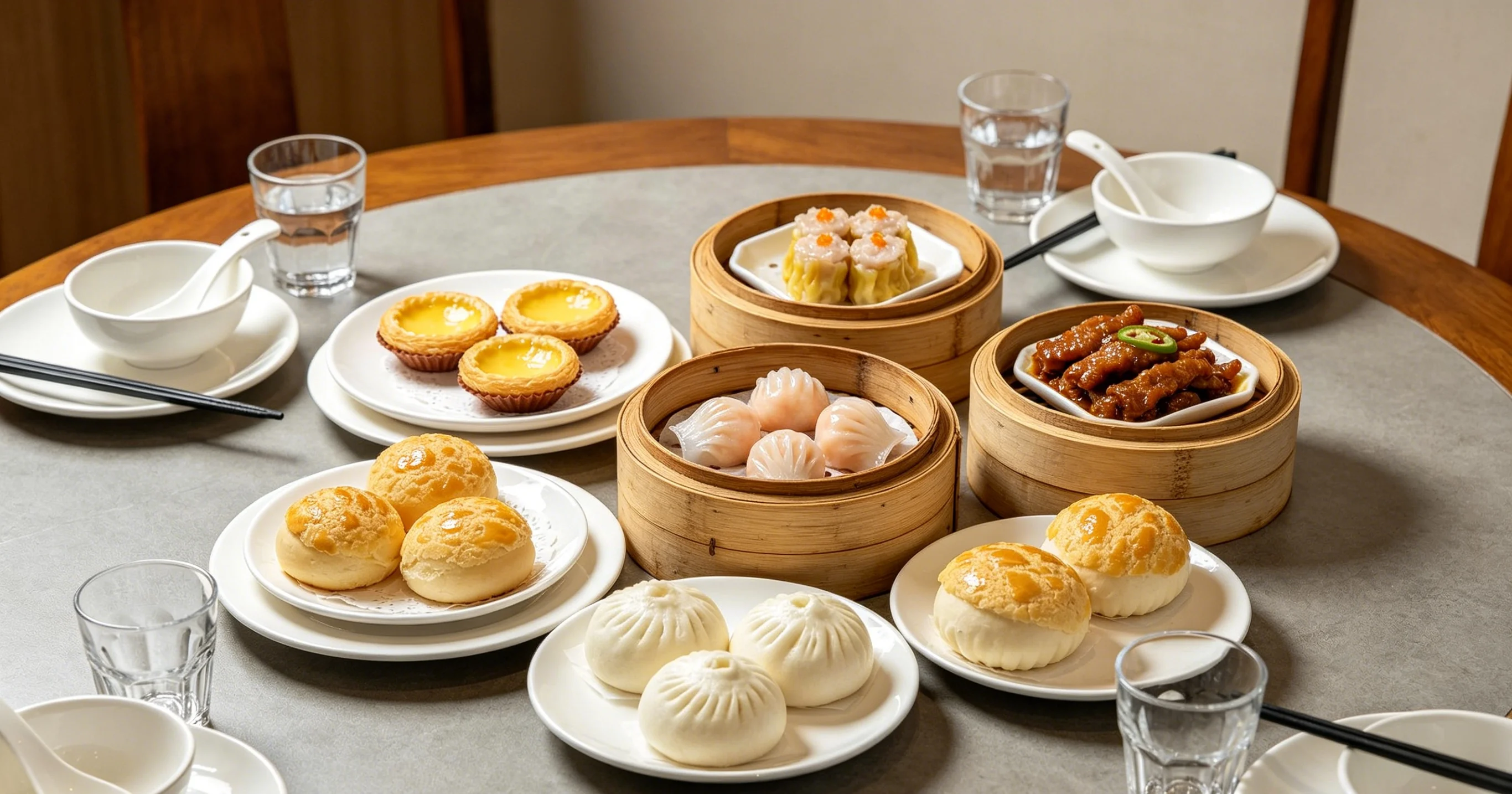
How to experience the charm of morning tea in Guangzhou
Step 1: Making Tea
After you're seated, the waiter will usually ask, "What kind of tea would you like?" If it's your first time, you can't go wrong with one of the following four:
Pu-erh tea – Deep red in color, mellow and refreshing, pairs well with char siu bao, chicken feet, and fried foods.
Tieguanyin tea – Delicate floral aroma, balanced flavor, acceptable to most people.
Chrysanthemum tea – Pale yellow, sweet and not bitter, suitable for those who dislike strong tea.
Chrysanthemum Pu-erh (Pu-erh + Chrysanthemum) – A common local combination, offering both body and floral fragrance, the safest choice.
The first infusion is usually used to rinse cups and bowls, and is not drunk; the second infusion is then consumed.
Step Two: What snacks to order? Six classic "beginner-friendly" recommendations.
Dim sum can be divided into four categories according to cooking methods: steamed, fried, baked, and rice-based. It is recommended to choose one or two items from each category to avoid monotony in the taste.
Har Gow(虾饺)
The translucent crystal skin contains a whole large shrimp inside, which is chewy and sweet.
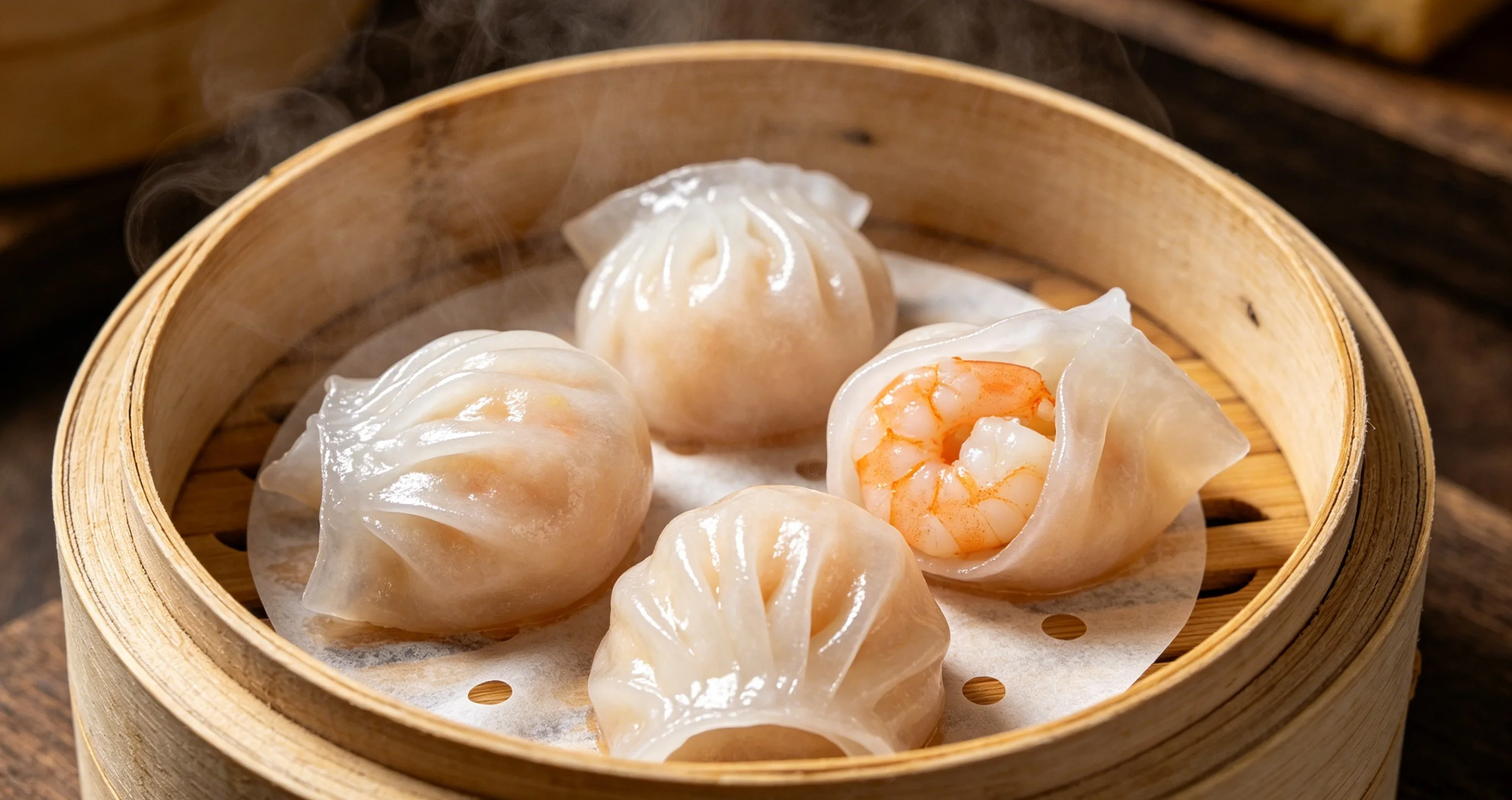
Palatability: Almost everyone likes it; it's a litmus test for a teahouse's quality.
Ordering method: A basket usually contains 3-4 birds, suitable for sharing.
Siu Mai(烧卖)
Siu mai has a richer flavor than shrimp dumplings, and usually contains pork, shrimp, and sometimes mushrooms.
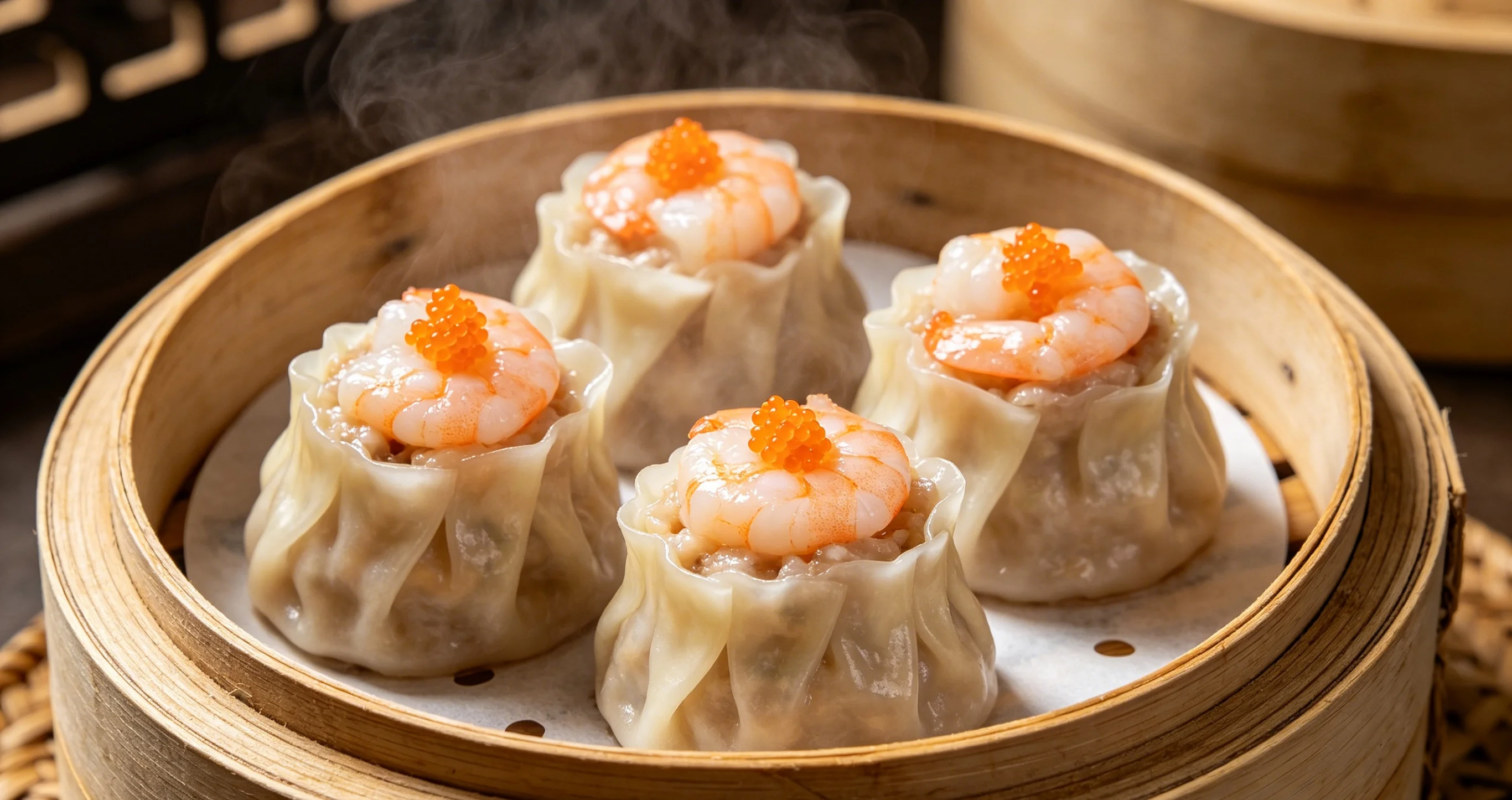
Pairing: Ordering it with shrimp dumplings is the most classic combination.
Char Siu Bao(叉烧包)
Soft dough wraps around sweet and savory char siu pork, not spicy, no unpleasant smell, suitable for all ages.
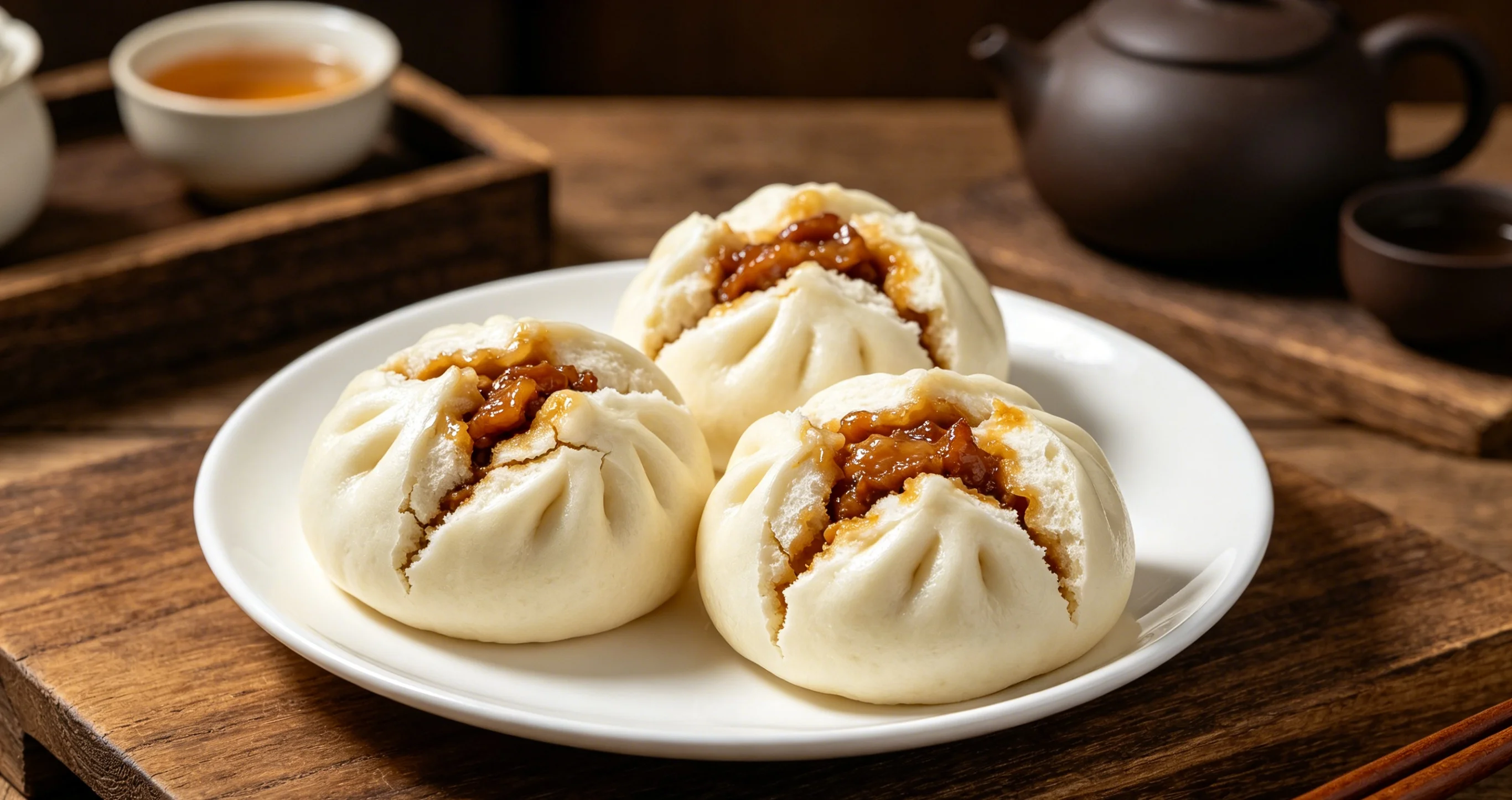
Suitable for: People with children or those who are hesitant to try eating internal organs.
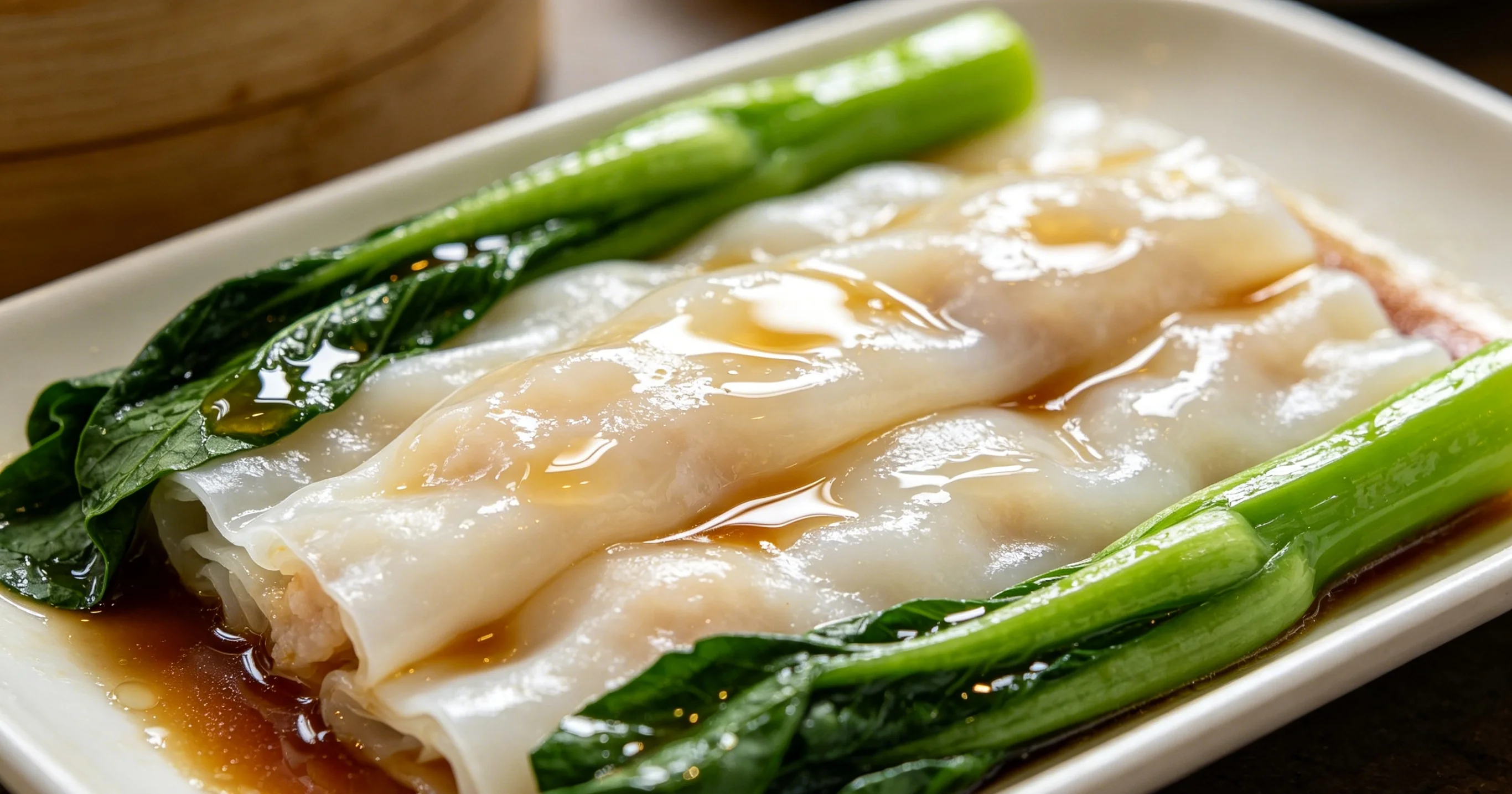
Cheung Fun(肠粉)
Rice noodle rolls are a common food in Guangzhou. They are not intestines, but rather thin rice sheets made from steamed rice flour, which can be filled with shrimp, beef, char siu, or eggs.
Phoenix Claws(凤爪)
This is the most labor-intensive dim sum on the morning tea table. It is first fried and then steamed, and steamed for at least three hours to achieve the tender and glutinous texture that is easy to separate from the meat.
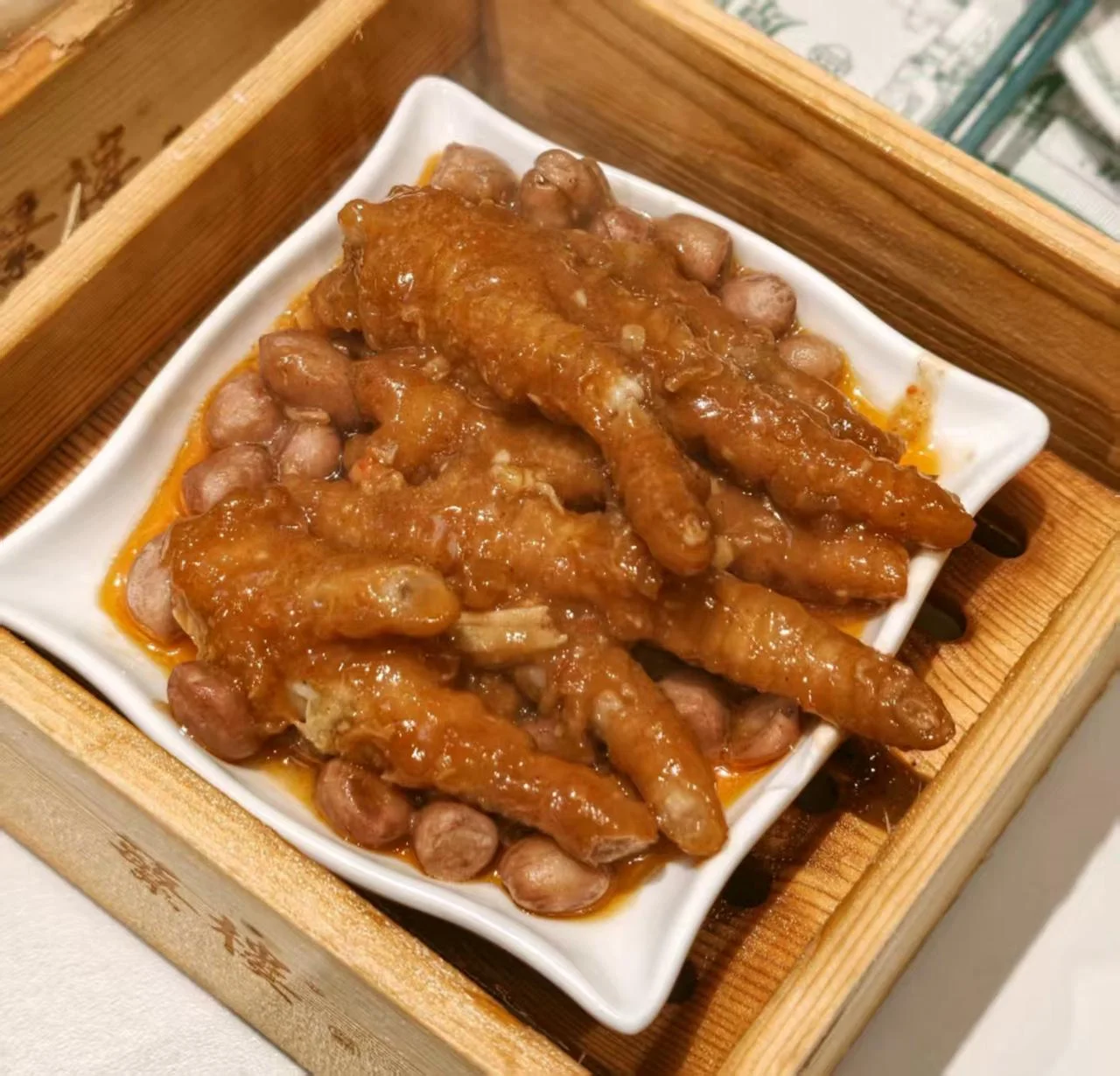
Suitable for: People willing to try local food culture
Recommendation: Those sensitive to appearance can skip this; those who want to experience authentic flavors should definitely order this sharing dish.
Lo Bak Go(萝卜糕)
Shredded radish mixed with a small amount of preserved meat is pan-fried until golden brown on both sides, crispy on the outside and soft on the inside.
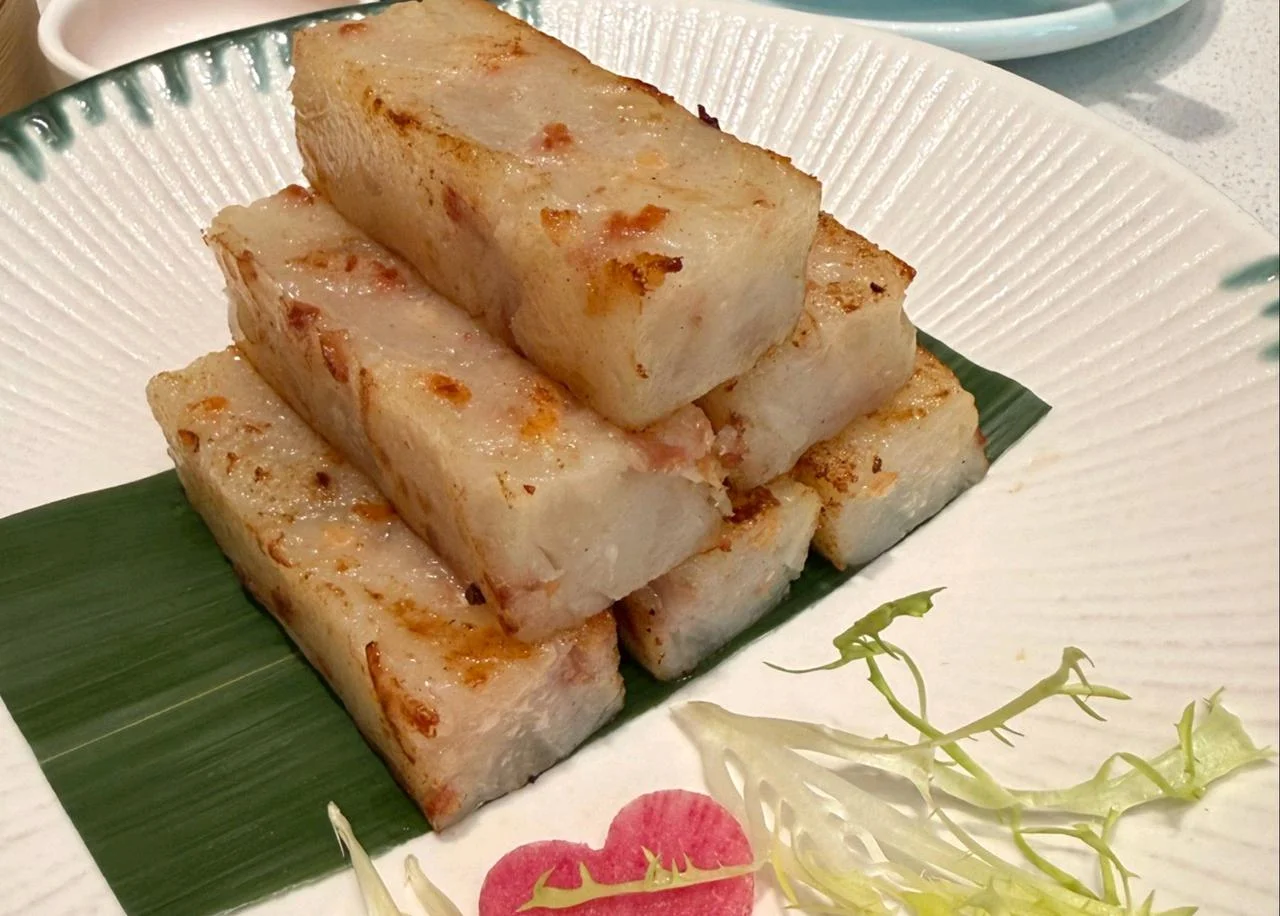
How to eat: Dip in chili sauce or soy sauce while hot.
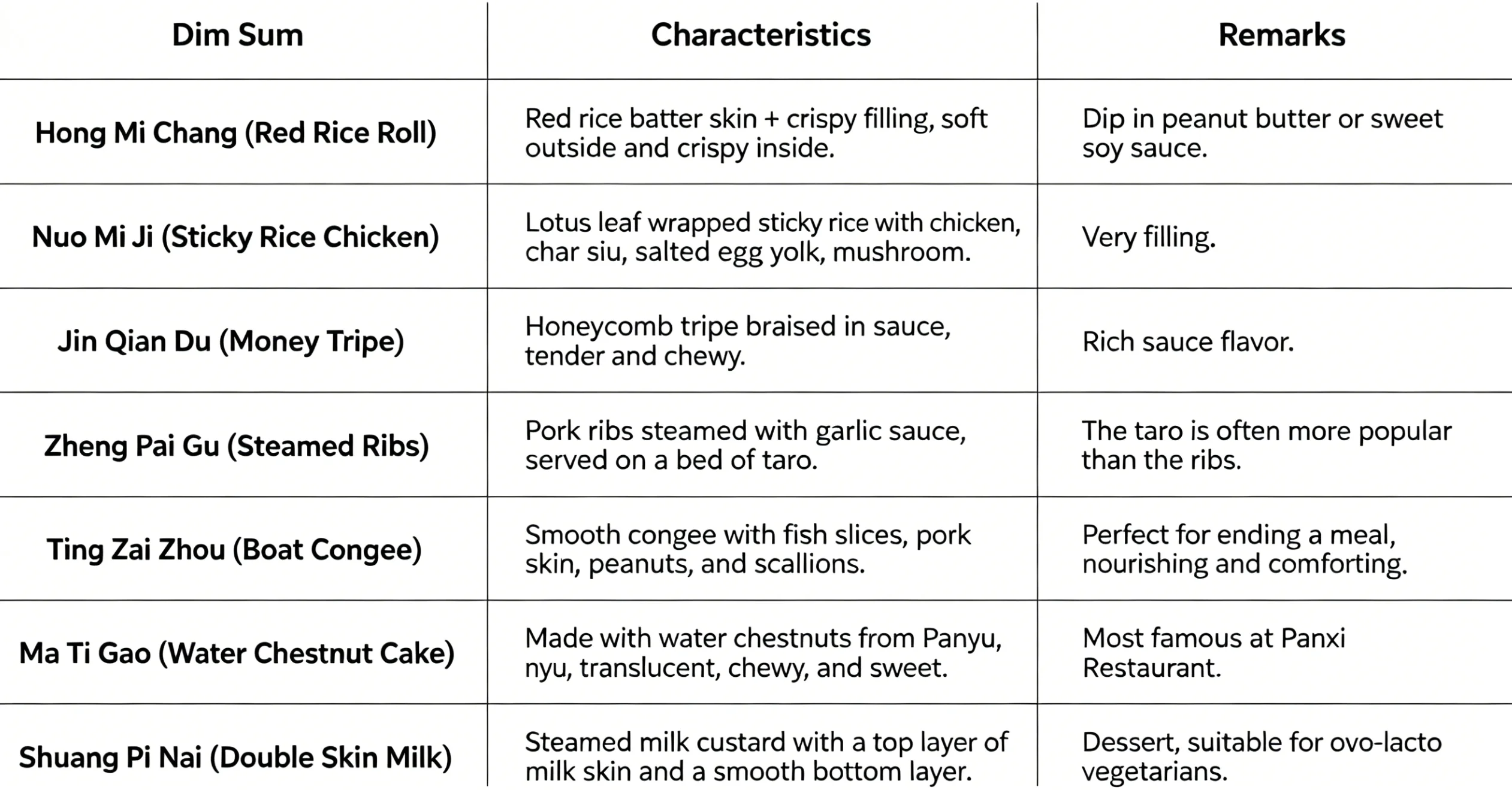
Other desserts worth trying
In addition to the above-mentioned snacks, you can also choose other dishes that interest you, such as steamed pork ribs, boat congee, and water chestnut cake.
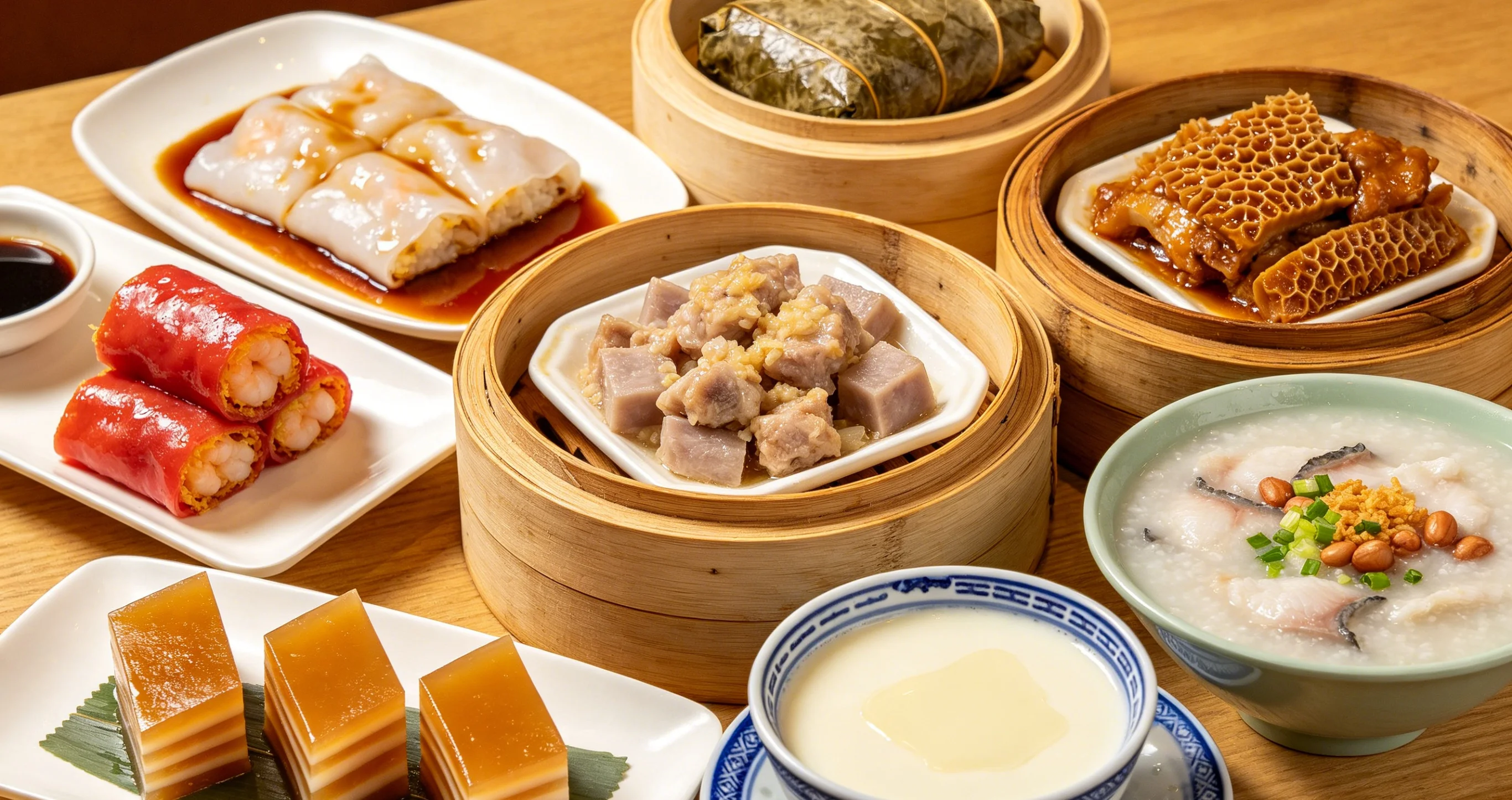
How to order? Three ordering methods
Each teahouse has a different ordering system, and you might encounter the following:
Paper checklist – Most common. There are snack sheets on the table; price them according to "small/medium/large/special/top-tier," check them off with a pen, and hand them to the waiter.
Handwritten order – The waiter writes down the dish names in a small notebook. It's recommended to save the dish names (in Chinese) on your phone beforehand and show them directly.
Pushcart vendor (old-fashioned restaurants) – Aunties push steamer carts around; you can experience this if you happen to see it.
Many chain stores now support ordering by scanning a QR code on the table using WeChat or Alipay. The menus come with Chinese and English text and pictures, so you don't have to speak to order.
Which restaurant in Guangzhou is best for morning tea? (Recommendations)
Guangzhou teahouses each have their own unique character. Here are a few of the more distinctive and famous teahouses in Guangzhou:
1. Tao Tao Ju(陶陶居)
It is one of the oldest existing teahouses in Guangzhou.
Suitable for: Diners who appreciate classic, traditional flavors.
Average price per person: Approximately ¥98
Address: No. 20, Dishipu Road, Liwan District
2. Dim Dou Duk(点都德)
The decor is bright and airy, the menu has both English and pictures, and there are many innovative dishes.
Suitable for: First-timers, those afraid of ordering the wrong thing, and those who want to try something new.
Average price per person: Approximately ¥75
Address: There are many branches, such as in Zhujiang New Town and Beijing Road.
3. Panxi Restaurant(泮溪酒家)
Lingnan gardens, pavilions and waterside terraces; arrive before 10 am to secure a lakeside spot.
Who is this suitable for: Tourists who enjoy both beautiful scenery and delicious food?
Average price per person: ¥90
Address: No. 151, Longjin West Road, Liwan District
Tips for choosing a suitable dim sum area:
Beijing Road – Most convenient for tourists; go shopping right after eating.
Shangxiajiu/Xiguan – Rich in old Guangzhou atmosphere, perfect for strolling and taking photos.
Zhujiang New Town/Tianhe – Modern environment, suitable for tourists staying in the new district.
Shamian/Liwan – Relaxed pace; take a walk along the river after eating.
Practical tips for enjoying morning tea in Guangzhou
What should you do after you finish your tea?
Lift the lid of the teapot and place it at an angle on the spout (do not cover it flat). The waiter will see this and will proactively bring hot water – free of charge. (Or they will ask you.) If you want to change to new tea leaves, there is usually an additional tea fee.
Should I leave a tip?
Absolutely not. There is no tipping culture in Guangzhou. The bill already includes a tea fee (a few yuan per person) and a possible 10% service charge, so there is no need to pay extra.
Can I pay with a credit card or mobile phone?
Large teahouses accept Visa/Mastercard, but not all.
WeChat Pay and Alipay are the most reliable (they can be linked to international credit cards).
Cash is also accepted, but giving change is inconvenient; electronic payments are recommended.
What about special dietary needs?
If you are lactose intolerant or gluten-sensitive, it is recommended to avoid most steamed dishes, as they are milk-free but almost all contain gluten (wheat flour or rice flour).
Those who do not eat pork or seafood can choose vegetarian dumplings, vegetarian rice noodle rolls, egg tarts, etc.
If you would like to learn more about Guangzhou travel guides, please check out:
Guangzhou Wholesale Market Travel Guide & Buying Tips
Or a Chinese food guide:
Note: This article provides general cultural guidance. Individual experiences may vary. Always approach cultural learning with an open mind.