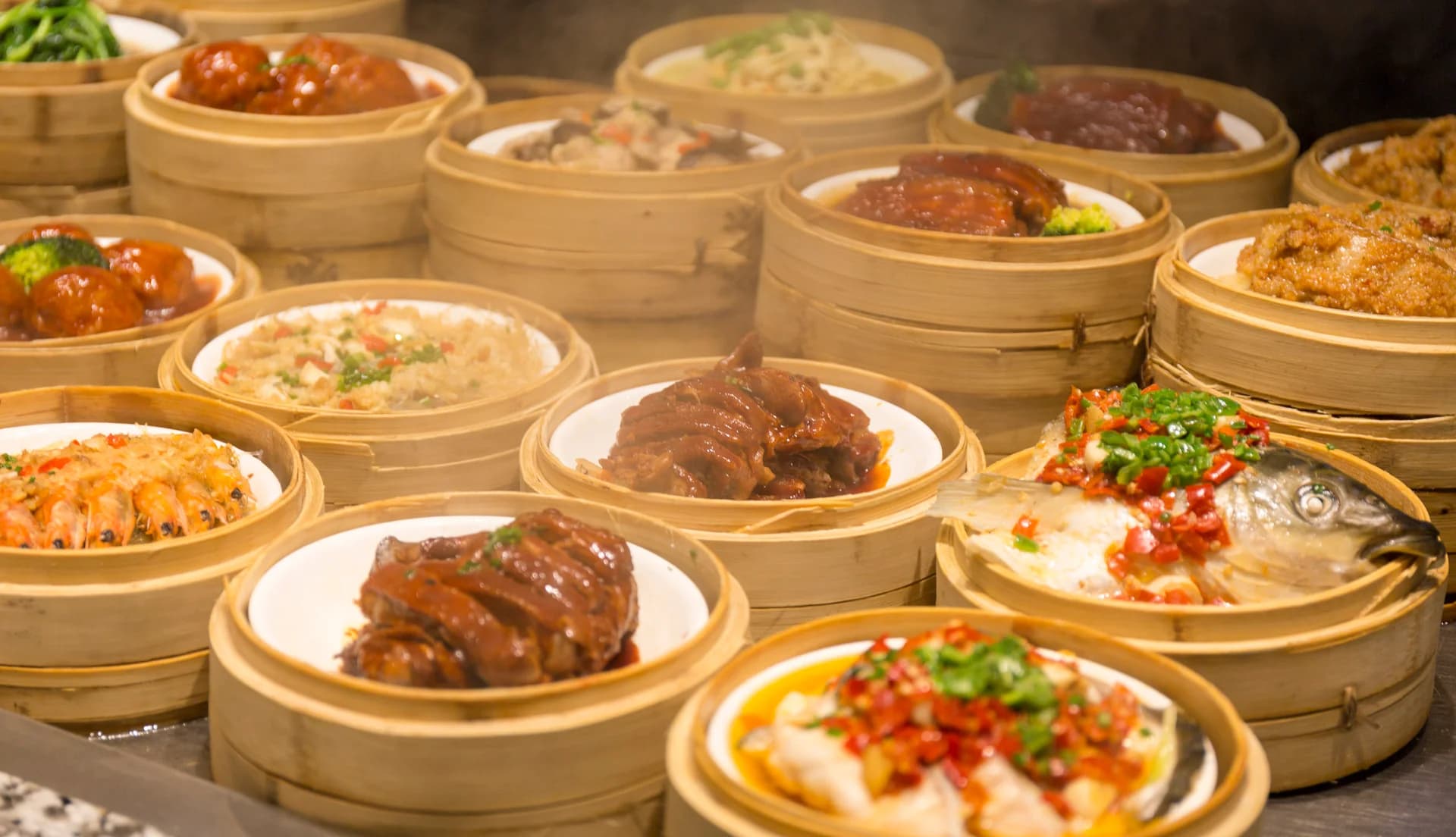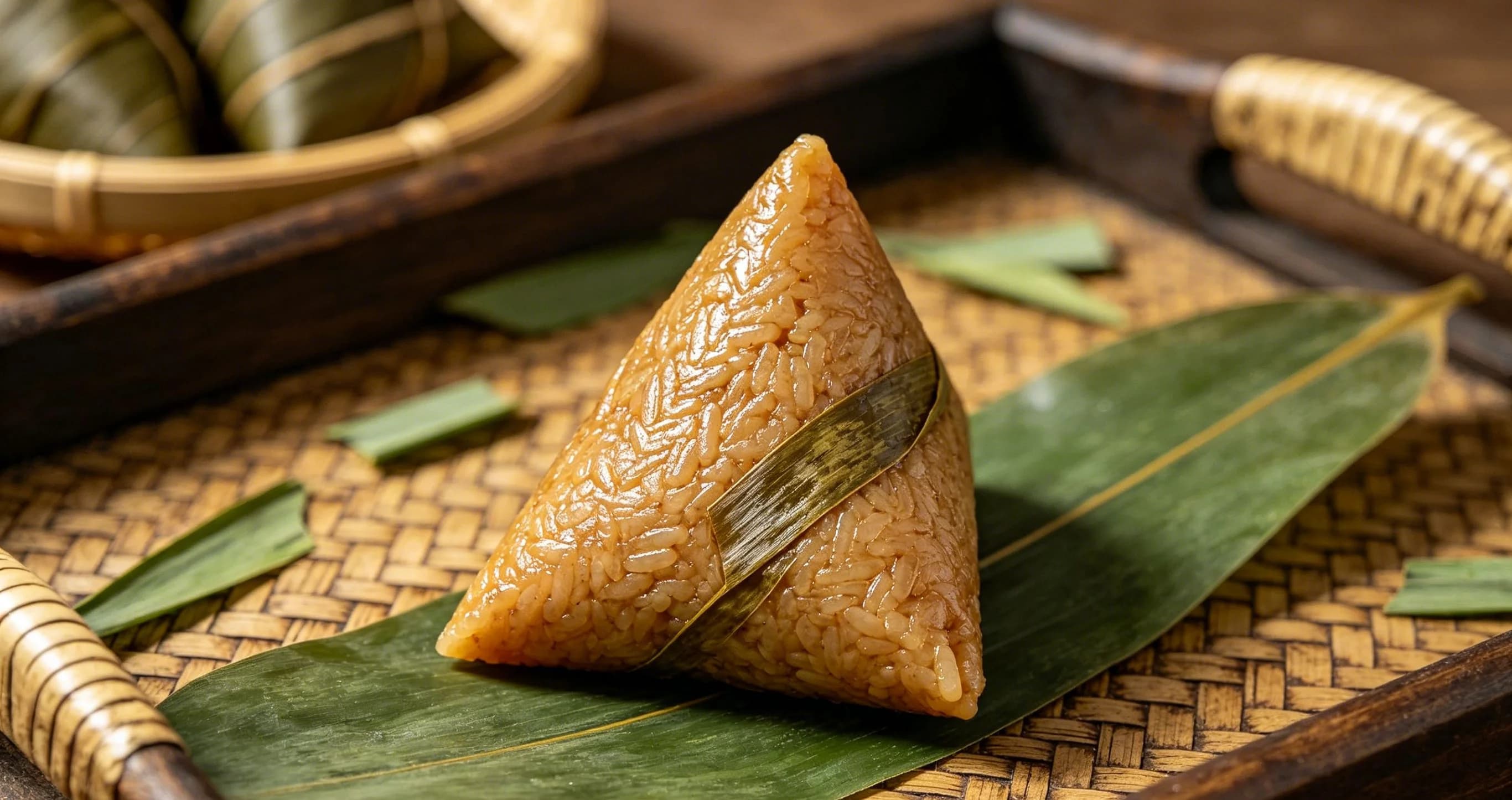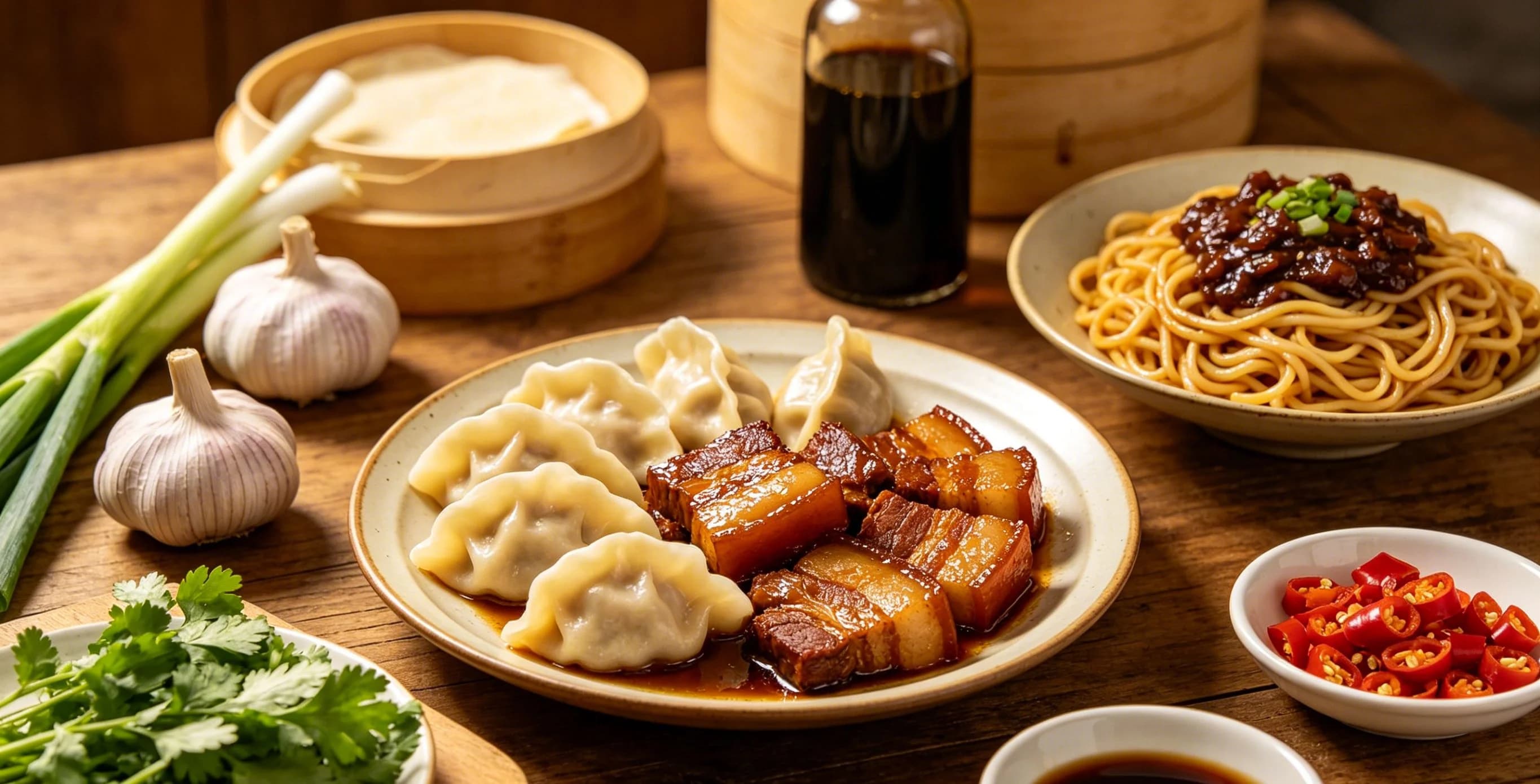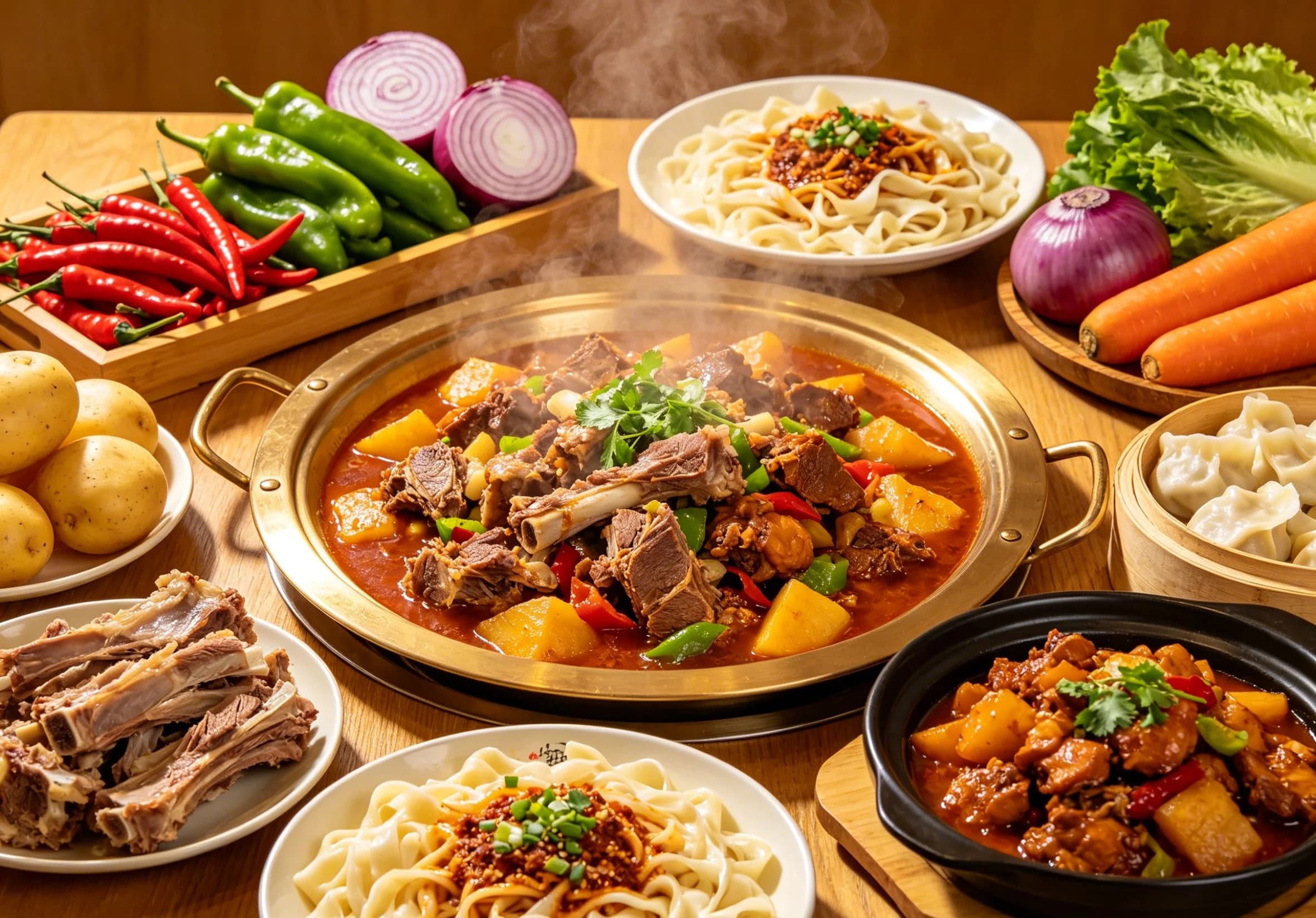

Northwest China – encompassing Gansu, Qinghai, Xinjiang, and Tibet – was once a central hub of the ancient Silk Road. Its cuisine blends the agricultural traditions of central China with the pastoral culture of the grasslands.
You can savor hearty, rich, and fragrant dishes. Lamb, wheat, and aromatic spices take center stage, reflecting the region's vast landscape and diverse ethnic cultures.
Key Ingredients of Northwest China:
Lamb – A star ingredient in Xinjiang cuisine.
Yak – Commonly found in Tibet, Qinghai, and Gansu (high-altitude areas).
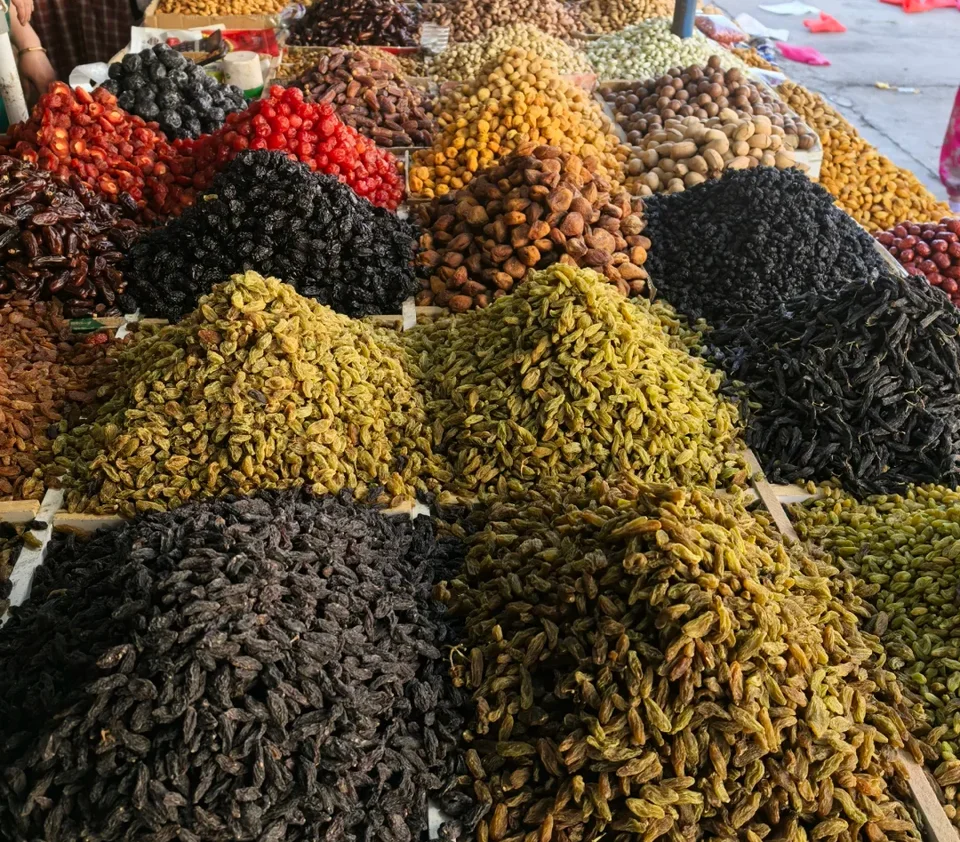
Dried Fruits and Nuts – Xinjiang is famous for its raisins, walnuts, and dates.
Yogurt and Dairy Products – Especially in Xinjiang and Qinghai, often used to balance the rich flavors of dishes.
Wheat – The base of most dishes. Gansu is known for its hand-pulled noodles; Xinjiang is famous for its naan bread.
Spices – Cumin is an essential spice for Xinjiang roasted meats and pilaf. In Gansu, Sichuan peppercorns and chili peppers give dishes their unique spicy and savory flavor.
Major Regional Cuisine in Western China:
Gansu: Lanzhou beef noodles; fusion cuisine from the Hexi Corridor.
Ningxia: Halal cuisine; diverse lamb cooking methods.
Qinghai: Dairy products, highland ingredients (influenced by Tibetan and Hui cultures).
Xinjiang: Roasted meat, pilaf, roasted dumplings – a rich Central Asian flavor.
Recommended itinerary:
Dunhuang + Jiayuguan + Zhangye (3 days)
Day 1: Dunhuang - Mogao Caves - Mingsha Mountain and Crescent Lake - Dunhuang
Day 2: Dunhuang - Jiayuguan Fortress - Zhangye
Day 3: Zhangye - Zhangye Danxia Landform - Lanzhou
Dishes you absolutely have to try
1. Lanzhou beef noodles (Gansu)
Hand-pulled noodles – you can choose how thick or thin you want them. The broth is made from beef bones and spices, simmered for hours. Clear, but deeply flavorful.
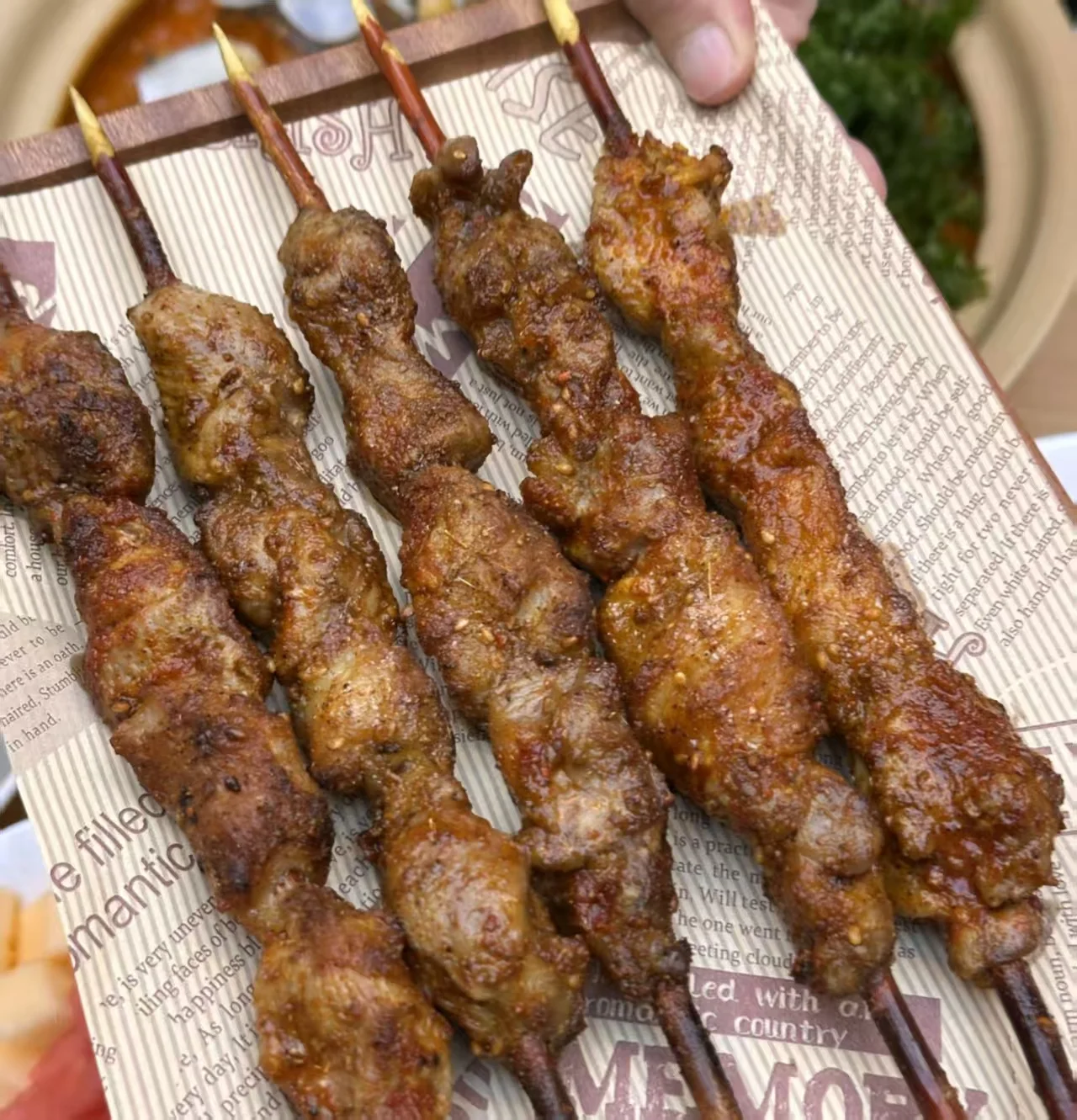
2. Xinjiang lamb skewers
Cubes of lamb leg, marinated with cumin, chili, and salt, then grilled over charcoal. Smoky, spicy, juicy.
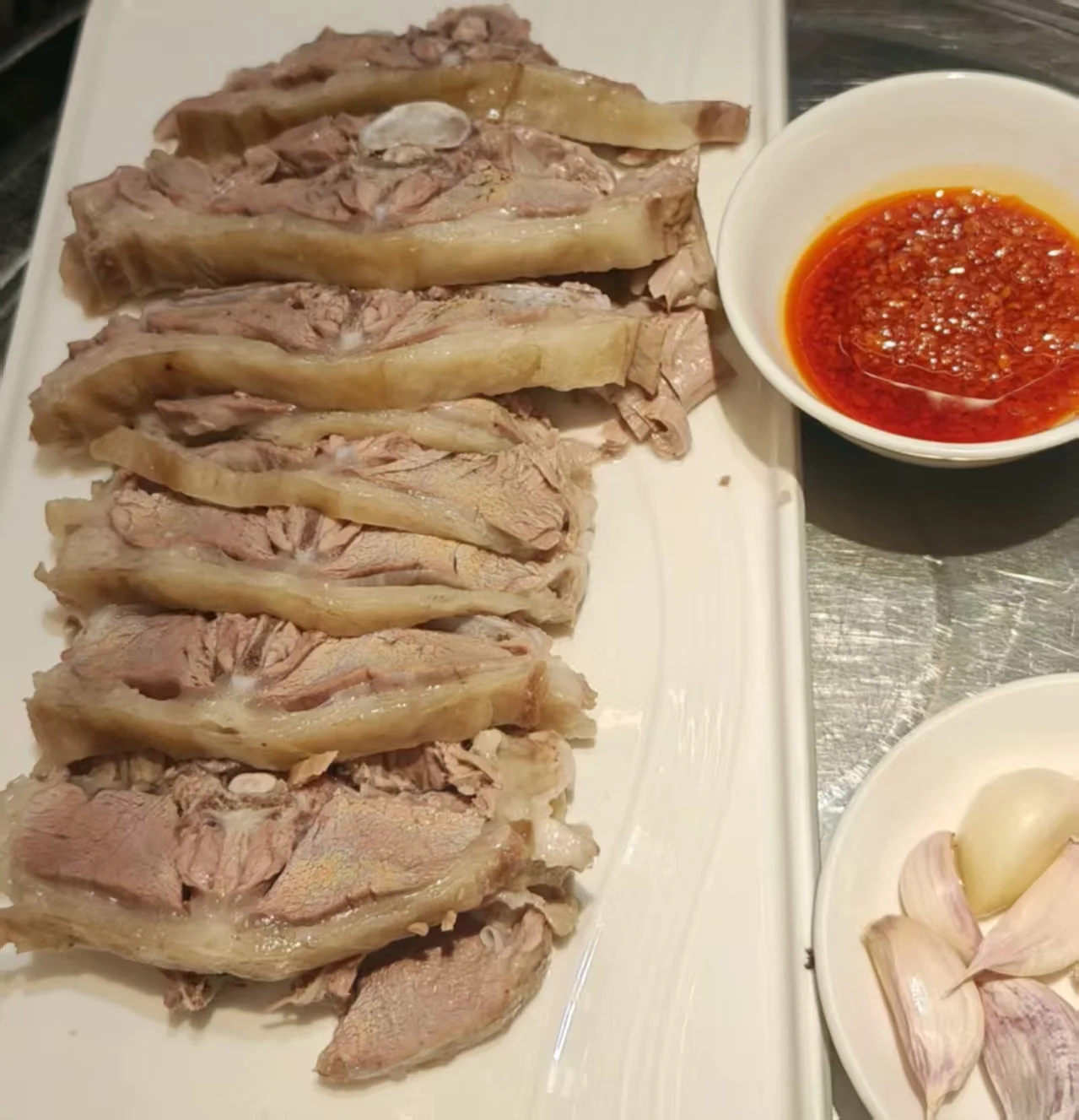
3. Ningxia hand-grabbed lamb
Lamb ribs boiled simply in salted water. That’s it. The flavor is pure, natural, and amazing.
4. Qinghai yak yogurt
Thick, tangy yogurt made from yak milk. It often has a golden skin on top. It’s quite sour – so locals add sugar or honey. Great for your stomach after a heavy meal.
Respect local customs – it’s easy
In Muslim-majority areas (Xinjiang, Ningxia, parts of Gansu), most restaurants are Halal. That means no pork and no alcohol. Just follow the local lead – it’s appreciated.
Learn a few useful phrases
Even just trying makes a difference. Here are simple things you can say or show:
“No meat, please” – 不要肉 (bù yào ròu)
“No chili” – 不要辣 (bù yào là)
“No nuts” – 不要坚果 (bù yào jiān guǒ)
“Is this Halal?” – 这是清真的吗?(zhè shì qīng zhēn de ma?)
Save these on your phone – they work wonders.
What if you have a sensitive stomach?
Northwest food can be rich, oily, or very spicy. A few tips:
Start with naan (flatbread) or plain yogurt – they’re gentle.
Drink hot tea (usually free) – it helps with digestion.
Avoid too much raw food – most things are cooked, which is good for travelers.
When in doubt, watch the locals
Look at what other customers are eating. Pointing at a dish on someone else’s table is totally fine – and often leads to the best discoveries.
One more thing: portions are big
Northwest meals are famously hearty. Sharing is common and welcome. Don’t feel you have to finish everything alone.
Frequently Asked Questions
1. Is Northwest Chinese food very spicy?
Not always. Xinjiang food uses more cumin than chili. Gansu can be numbing-spicy, but you can always ask for “no chili” (不要辣).
2. Can I find vegetarian food easily?
It takes a little effort, but yes. Look for naan (flatbread), plain noodles, barley cakes, or vegetable dumplings. Saying “no meat” helps.
3. Do I need to worry about pork?
In Muslim areas (Xinjiang, Ningxia, parts of Gansu), pork is not served. Respect that. Elsewhere, pork exists but lamb and beef are more common.
4. Is it safe to eat street food?
Yes – go where locals line up. Hot, freshly cooked items like lamb skewers or baked naan are usually fine.
5. What’s the best dish for a first-timer?
Start with Lanzhou beef noodles or Xinjiang lamb skewers. They’re famous, delicious, and not too strange for new palates.
6. Can I drink tap water?
No. Stick to bottled or boiled water. Hot tea (served free at many restaurants) is a great choice.
If you'd like to learn more about Chinese culinary adventures, please see:
Note: This article provides general cultural guidance. Individual experiences may vary. Always approach cultural learning with an open mind.