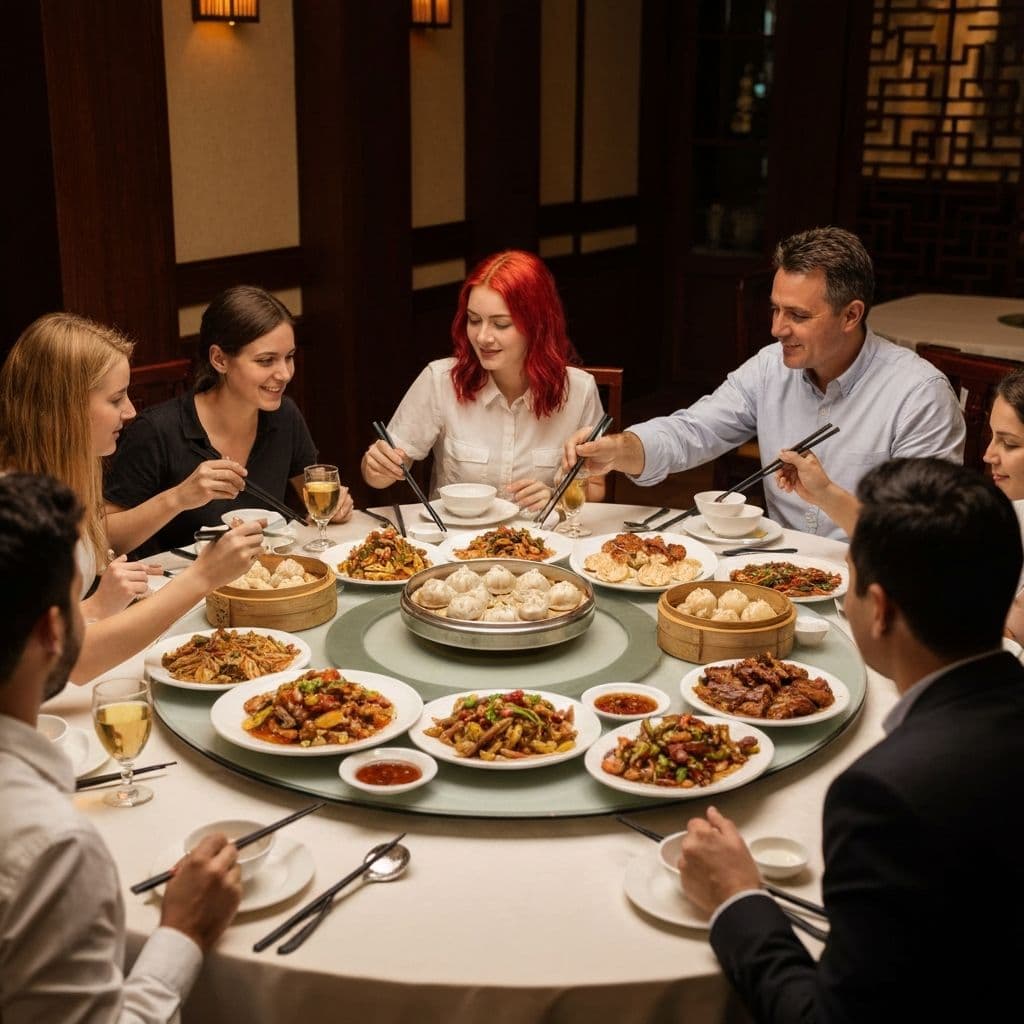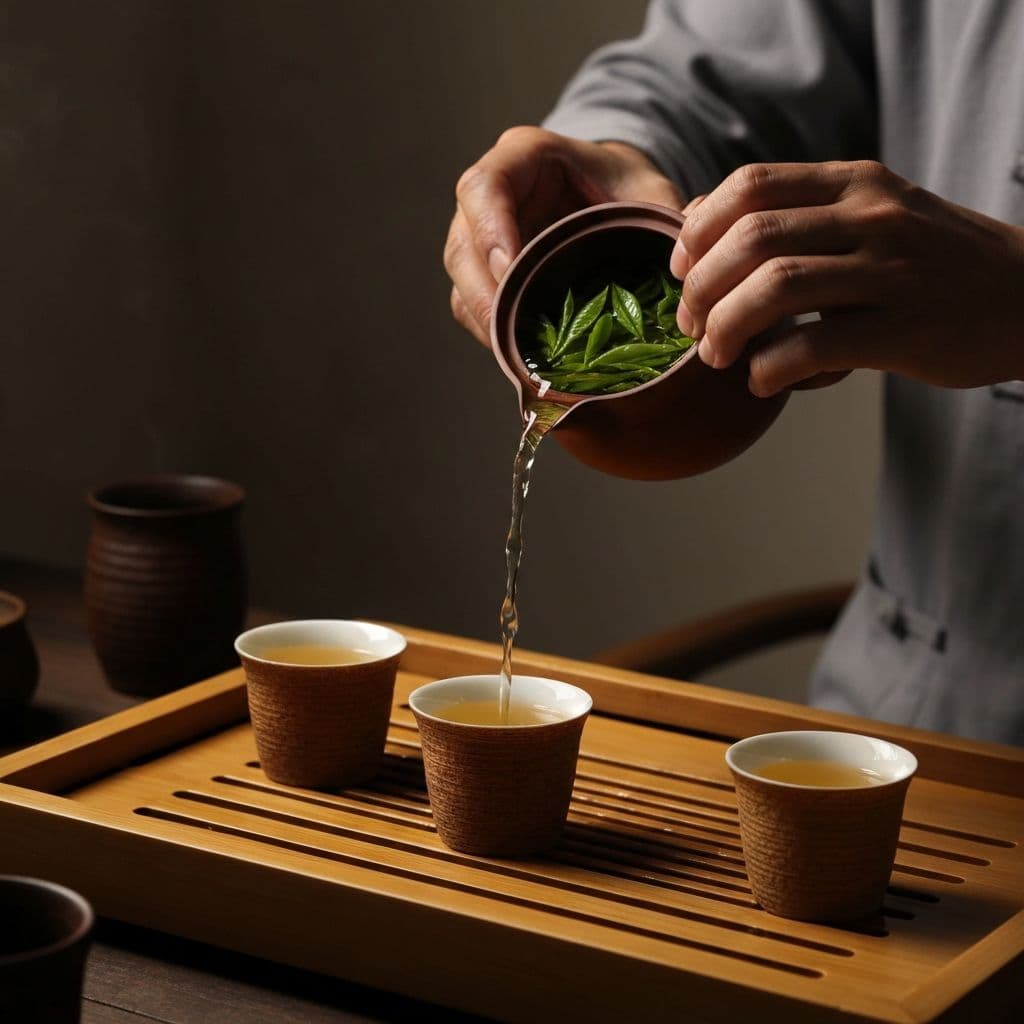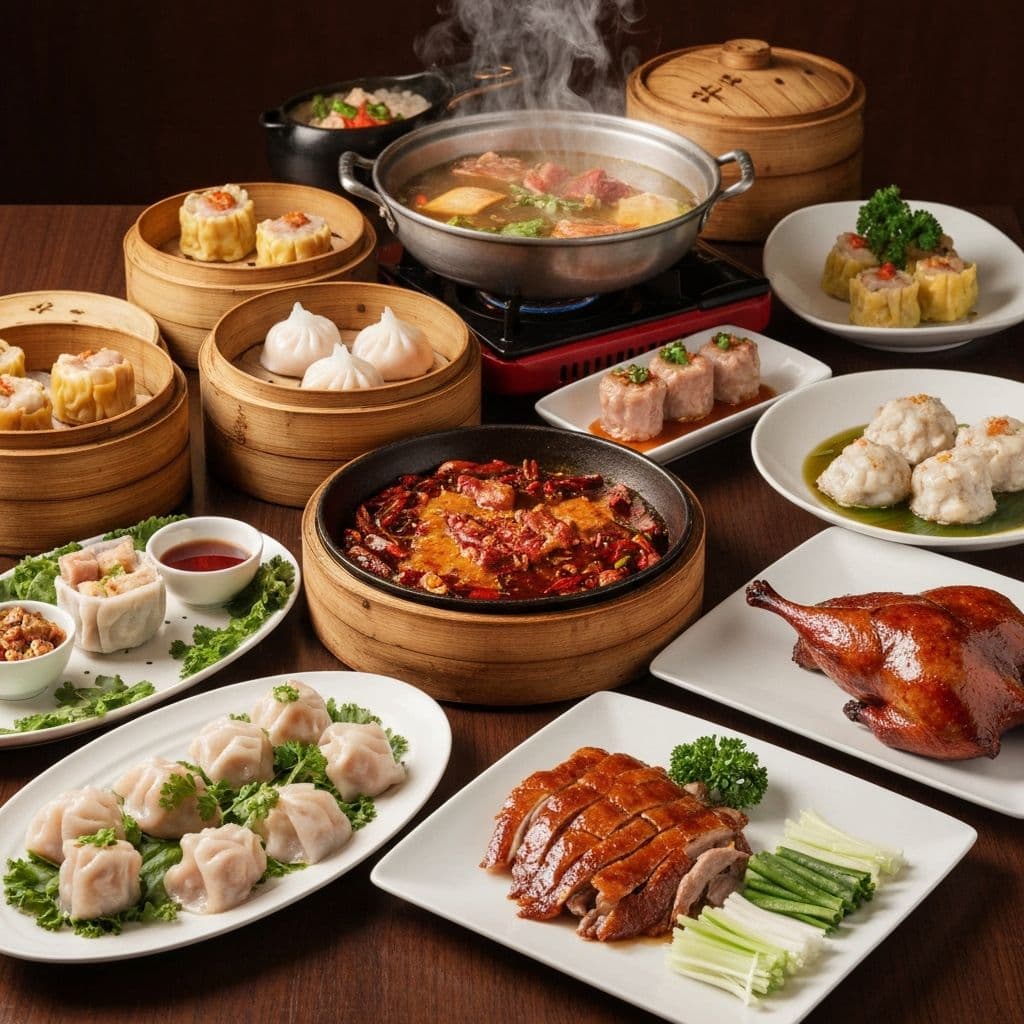

Understanding food is essential for any Western traveler hoping to connect meaningfully with China. This article explores the nuances and background that will enrich your experience and help you navigate Chinese culture with greater awareness.
Cultural Insight
Chinese culture values indirectness and subtlety. What isn't said can be just as important as what is. Pay attention to context and non-verbal cues.
Historical Context
China's 5,000-year history has shaped every aspect of its modern culture. To truly appreciate what you'll encounter during your travels, it helps to understand the historical foundations that inform contemporary Chinese society.
From ancient dynasties to the modern era, Chinese civilization has developed unique perspectives on family, society, and the individual's role within the collective. These deep-rooted values continue to influence daily interactions in ways that may surprise Western visitors.
Key Concepts
Several core principles underpin Chinese cultural practices. Understanding these will help you navigate social situations with greater awareness and respect.
Face (面子, miànzi)
The concept of social standing and reputation that influences many interactions. Preserving face—both your own and others'—is crucial in Chinese social dynamics.
Guanxi (关系)
The importance of relationships and networks in Chinese society. Business and personal success often depend on cultivating and maintaining strong connections.
Harmony (和谐, héxié)
The value placed on balance and avoiding conflict. Direct confrontation is often avoided in favor of indirect communication and compromise.
Did You Know?
The Chinese concept of "face" is so important that there are two distinct words for it: miànzi (social face) and liǎn (moral face). Losing either can have significant social consequences.
Modern Applications
While China has modernized rapidly, traditional values continue to influence daily life. You'll see these concepts play out in business meetings, family gatherings, and casual interactions alike.
"The more you understand about Chinese culture, the more meaningful your interactions will become. Small gestures of cultural awareness are always appreciated."
— Traditional Chinese Proverb
Modern Chinese society blends ancient traditions with contemporary influences. Young urban Chinese may seem very Westernized on the surface, but traditional values often emerge in family relationships and important life decisions.
Practical Tips for Travelers
Here are some practical ways to apply this cultural knowledge during your trip:
Respect Elders
Show respect for elders and authority figures through your words and actions. This is deeply valued in Chinese culture.
Accept Invitations Graciously
Accept invitations graciously, even if you need to politely decline later. The gesture matters as much as the outcome.
Learn Basic Phrases
Learn a few basic phrases in Mandarin. Even imperfect attempts are appreciated and show respect for the culture.
Stay Calm
Be patient and maintain a calm demeanor, even in frustrating situations. Losing your temper causes loss of face for everyone involved.
Further Reading
To deepen your understanding, we recommend exploring these resources:
Note: This article provides general cultural guidance. Individual experiences may vary, and China's diverse regions have their own unique customs. Always approach cultural learning with an open mind and willingness to adapt.