
For millennia, the Chinese Zodiac has been far more than a simple calendar. It is a profound cultural code, a system of timekeeping, and a lens through which to understand personality, destiny, and the rhythms of life. Known as Shengxiao in Mandarin, this cycle of twelve animal signs offers a unique window into Chinese philosophy, social customs, and festive traditions. For travelers, grasping the basics of the zodiac is a key to unlocking deeper cultural connections during a visit to China.
From determining auspicious dates for weddings to influencing the names of children born in a given year, the zodiac's influence is woven into the fabric of daily life. This article will guide you through its mythical origins, explain the characteristics of each animal, and show you how this ancient system remains vibrantly alive in modern China, from bustling city festivals to quiet family dinners.
The Mythical Race: Origin of the Chinese Zodiac
The most popular tale explaining the Chinese Zodiac order comes from a legendary race orchestrated by the Jade Emperor, the ruler of heaven. He decreed that the first twelve animals to cross a great river would have a year named in their honor, creating a permanent cycle. The clever Rat hitched a ride on the diligent Ox, jumping off at the last moment to claim first place. This is why the Rat leads the cycle, followed by the Ox in second.
The order of the remaining animals is explained by their cunning, strength, or perseverance during the race. The story is more than a charming fable; it encapsulates values like intelligence, cooperation, and determination that are highly regarded in Chinese culture. While this is the most common folk tale, historical records point to a more complex evolution.
Historical Roots and Astronomical Links
The origin of the Chinese Zodiac is deeply intertwined with ancient Chinese astronomy and the lunar calendar. Scholars believe the system began to take shape during the Han Dynasty (206 BCE–220 CE), synthesizing earlier concepts of time measurement using the twelve earthly branches. These branches were paired with twelve animals, creating the familiar Shengxiao cycle.
The zodiac is intrinsically linked to the Chinese lunar calendar, which is why the new zodiac year begins with Chinese New Year (Spring Festival), not January 1st. The animal ruling the year you are born in is believed to impart certain personality traits and influence your path in life, a concept that remains a popular topic of conversation and self-reflection.
Meet the Twelve Animals: Traits and Travel Connections
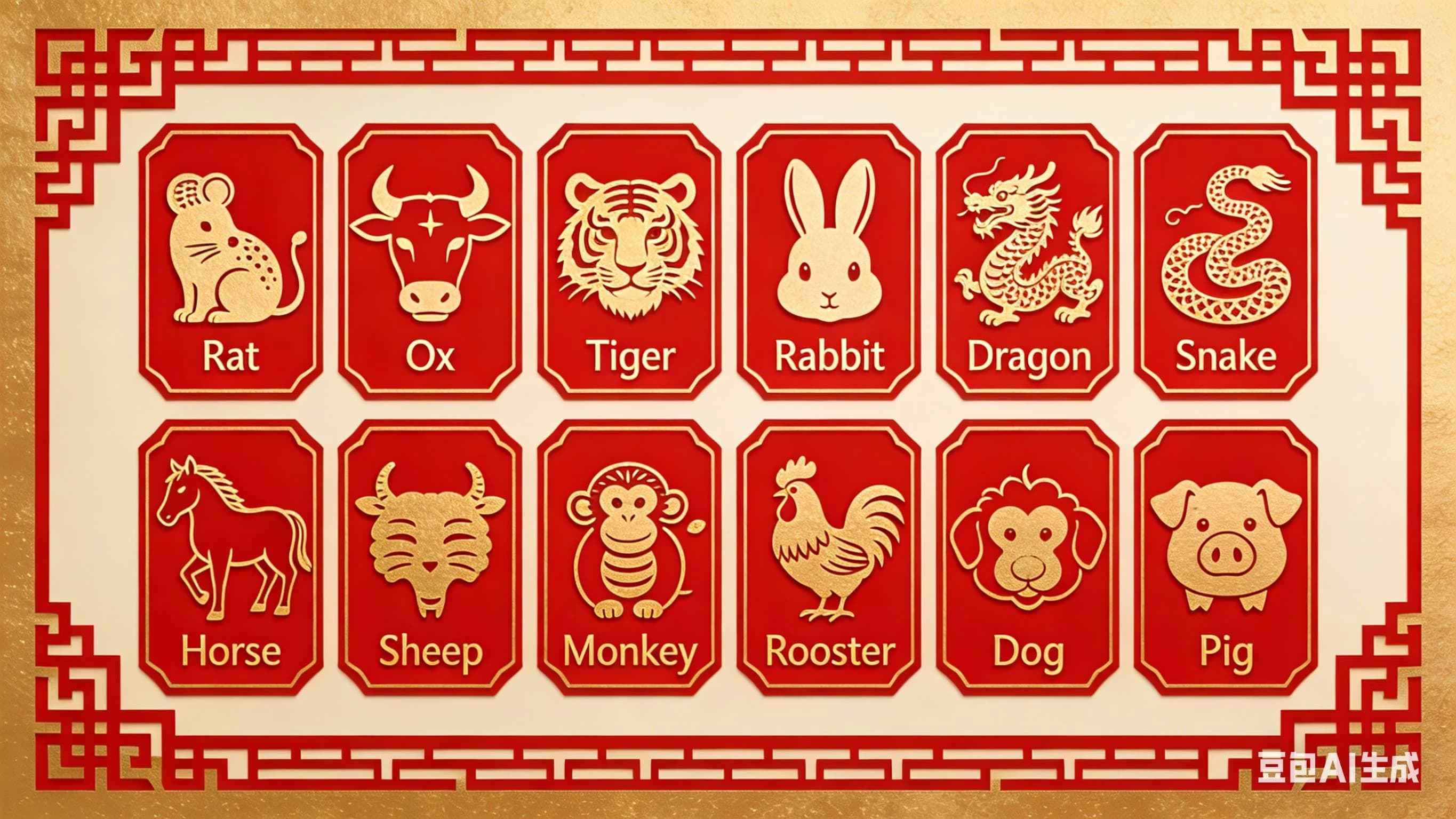
Each of the twelve zodiac animals carries a set of associated attributes, elements, and yin/yang qualities. Understanding these can enrich your travel experience, helping you appreciate art, souvenirs, and even local humor. Here is a brief guide to the animals and where you might encounter them.
Rat :Quick-witted, resourceful, and charming. You'll see rat motifs associated with wealth and surplus.
Ox :Diligent, dependable, and strong. Ox symbols represent hard work and perseverance, common in agricultural regions.
Tiger :Brave, confident, and competitive. Tiger imagery is used for protection and is prominent in temple art.
Rabbit :Gentle, elegant, and merciful. The rabbit is a symbol of longevity and peace, often found in jade carvings.
Dragon :Charismatic, intelligent, and powerful. The only mythical creature in the zodiac, dragons are everywhere—from architecture to festival parades.
Snake :Enigmatic, wise, and intuitive. Snake symbols can represent mystery and healing.
Horse :Energetic, independent, and upbeat. Horse statues are common, symbolizing speed and success.
Goat :Creative, peaceful, and empathetic. Associated with art and kindness.
Monkey : Clever, lively, and inventive. Monkey King imagery from the classic novel 'Journey to the West' is ubiquitous.
Rooster:Observant, hardworking, and confident. Rooster motifs often signify honesty and punctuality.
Dog :Loyal, honest, and cautious. Dogs symbolize fidelity and are considered good luck for the home.
Pig:Generous, diligent, and sociable. The pig represents wealth and good fortune.
The Zodiac in Modern Chinese Life and Travel
Today, the Chinese zodiac has become a vibrant tradition. It influences major life decisions, festivals, and even popular culture. 2026 is the Year of the Horse, and if you're a traveler, you'll find the symbolism of the horse prominently featured in decorations, merchandise, and media. Understanding the current zodiac animal can help you grasp the themes of various celebrations you might encounter during the Spring Festival.
Festivals and Celebrations
Undoubtedly, the most important festival related to the Chinese zodiac is the Spring Festival (Chinese New Year). Every year, the New Year is welcomed with decorations, food, and customs associated with the corresponding zodiac animal. In the Year of the Horse, dragon dances are especially grand. During your visit, you may also hear the term "Benmingnian" (or "Year of Birth"), which refers to a person's birth year according to their zodiac animal, a year considered potentially challenging. People typically wear red clothing or accessories (red symbolizes good fortune) during their Benmingnian for peace and safety.
Practical advice: If you're invited to a Spring Festival meal, a respectful comment about the host's zodiac sign or the qualities of the new year's animal is a wonderful conversation starter. Avoid giving clocks as gifts (it symbolizes counting down to death), but items featuring the recipient's zodiac animal are generally appreciated.
Etiquette and Social Customs
The zodiac subtly influences social interactions. It's common for people to ask your age by inquiring, "What is your zodiac animal?" This is a polite and indirect way to place you within the generational cycle. Compatibility between zodiac signs is a lighthearted topic when discussing friendships and relationships.
When visiting temples, you might notice statues of the twelve zodiac animals or find your "protector" animal associated with a particular Buddha. It's a fun activity to seek out your own zodiac symbol in art and architecture as you explore historical sites.
Beyond the Year: The Deeper System of Elements and Fate
The animal sign is just the first layer. Each zodiac year is also associated with one of five elements: Wood, Fire, Earth, Metal, and Water. This creates a 60-year cycle (12 animals x 5 elements) before a specific combination repeats. For example, 2026 is the Year of the Fire Horse. The element modifies the animal's traits—a Wood Dragon might be seen as more growth-oriented and compassionate than a Fire Dragon.
This complex system forms the basis of traditional Chinese astrology, known as Bazi or Four Pillars of Destiny, which uses the year, month, day, and hour of birth for detailed life analysis. While most people enjoy the zodiac on a casual level, this deeper system is still consulted for important events like marriage and business launches.
For travelers, this means you may hear references to elements alongside animals. Understanding that these elements interact—Wood feeds Fire, Fire creates Earth, Earth bears Metal, Metal carries Water, and Water nourishes Wood—adds another dimension to appreciating cultural metaphors in art, medicine, and even cuisine.
Experiencing Zodiac Culture as a Traveler
To truly engage with the Chinese Zodiac, move beyond simple observation. Visit a temple during the Spring Festival to feel the energy of the new year's animal. Explore antique markets for zodiac-themed trinkets or art. Read the classic novel 'Journey to the West,' which features the iconic Monkey King, a zodiac embodiment.
Sample zodiac-themed foods; for example, in the Year of the Horse, try horse-shaped pastries. Most importantly, stay open-minded and eager to connect. Ask your guide or local friends about their zodiac sign and what it means to them. You'll discover that this ancient "code of life" is a precious, vibrant, and hospitable part of China's cultural heritage, seamlessly connecting the past with a dynamic present.
Note: This article provides general cultural guidance. Individual experiences may vary. Always approach cultural learning with an open mind.