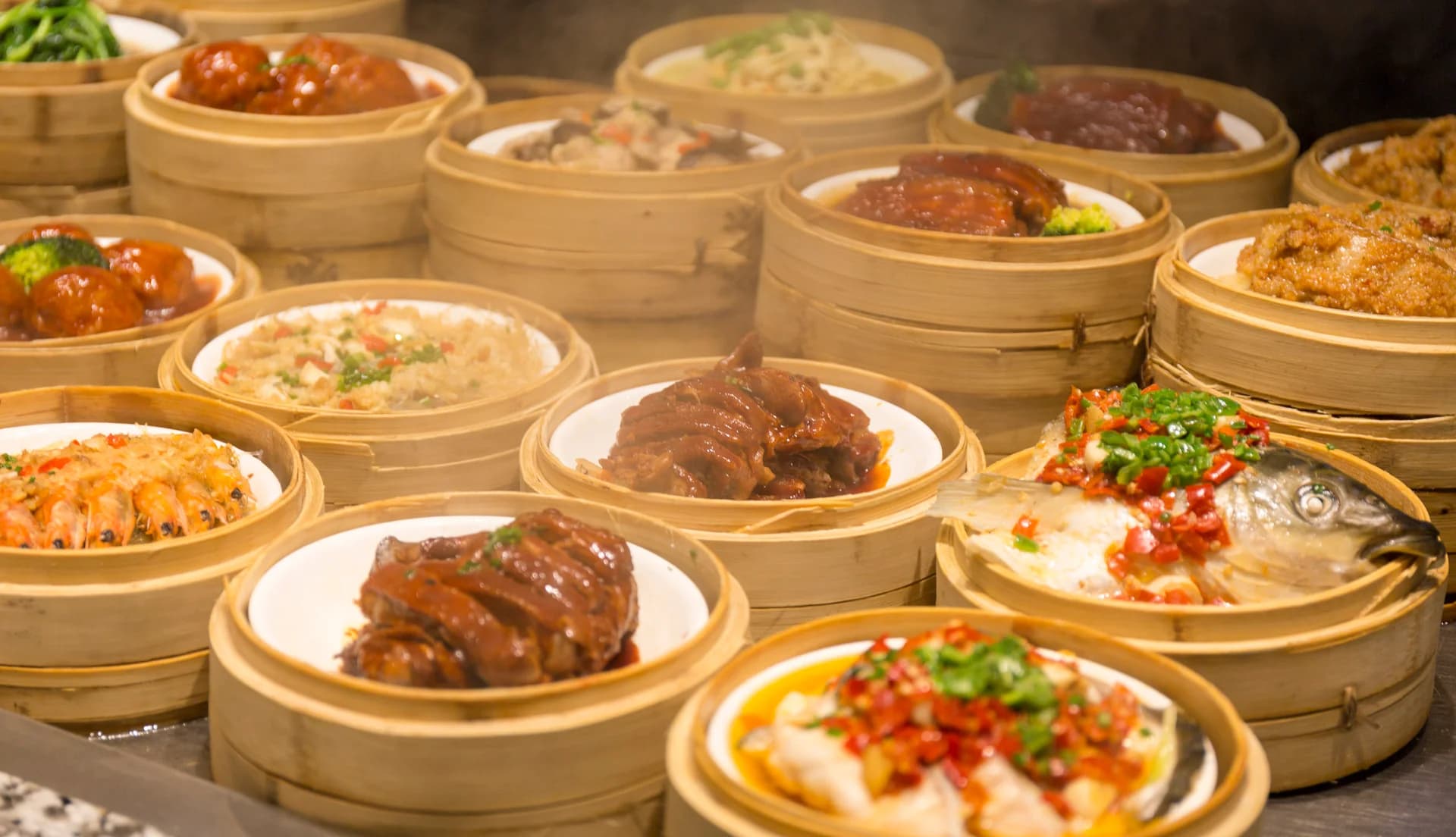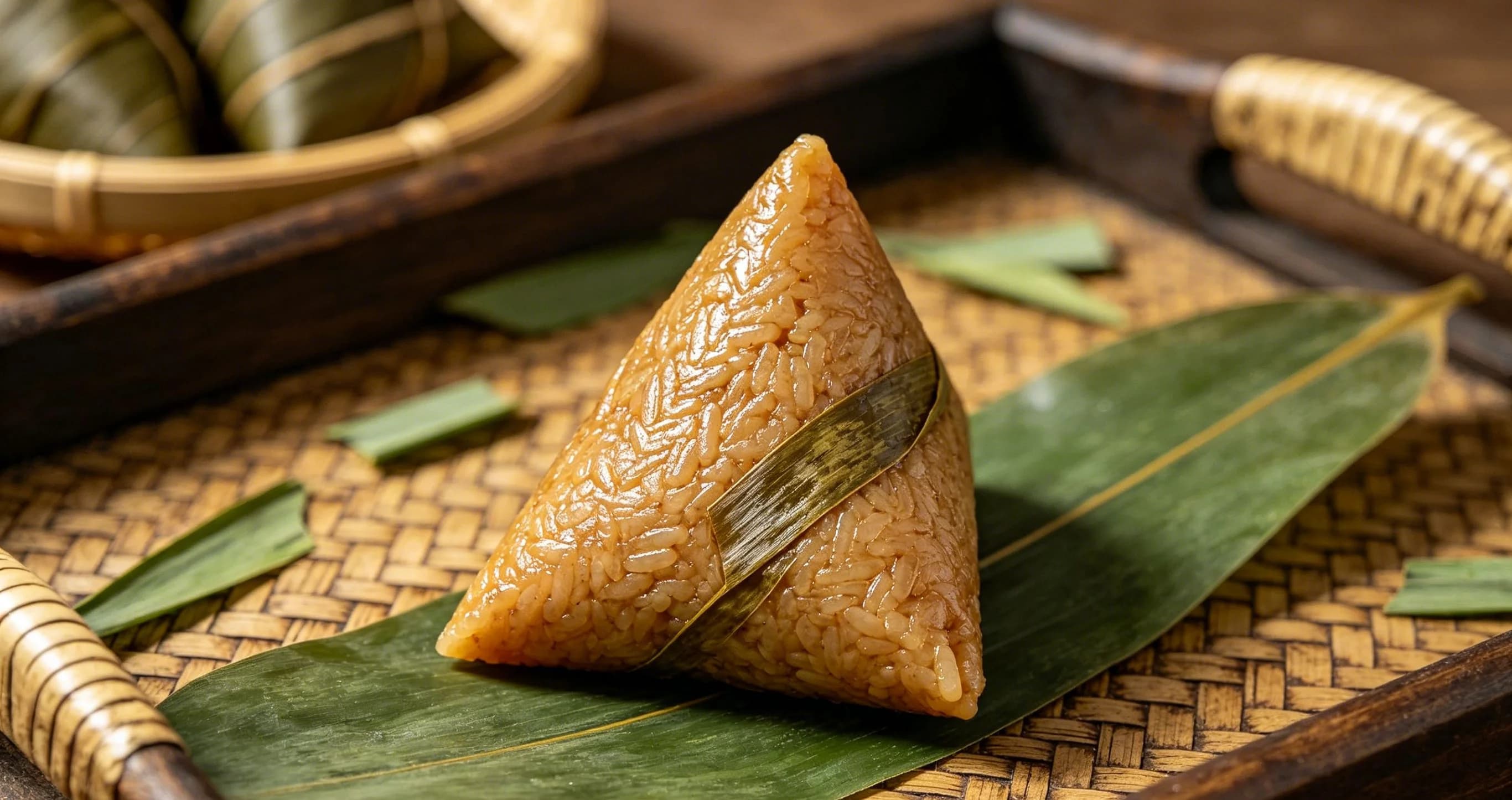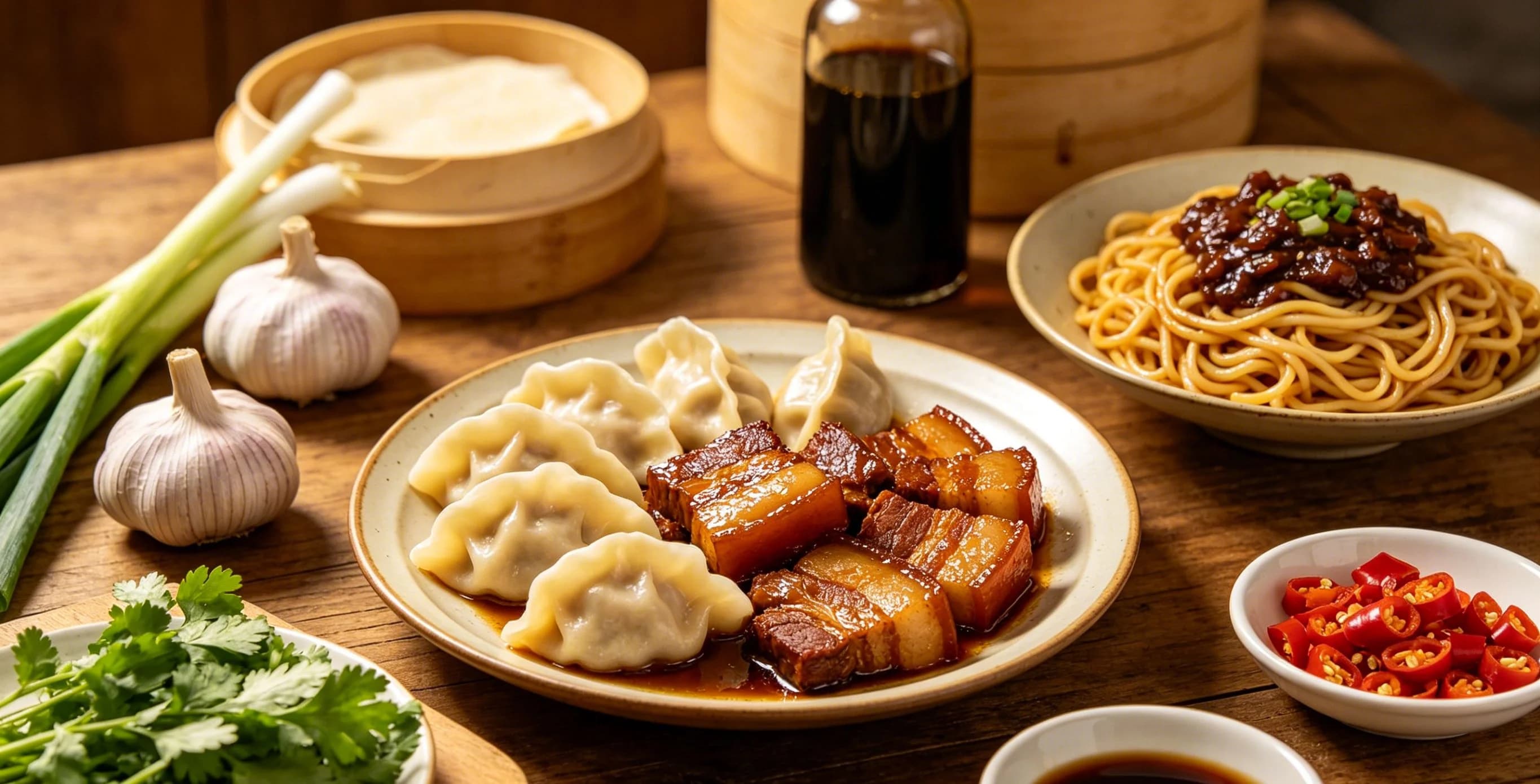

Chinese culinary culture is profound and diverse. Throughout history, the eight major cuisines have developed their own distinct styles, influenced by geographical environment, climate, produce, and cultural traditions. From the freshness of the coast to the richness of the mountains, from the salty aroma of the north to the delicate sweetness of the south, each cuisine is a feast of local flavors.
Article Preview
Cantonese Cuisine
Fujian Cuisine
Jiangsu Cuisine
Zhejiang Cuisine
Sichuan Cuisine
Shandong Cuisine
Hunan Cuisine
Anhui Cuisine
General Precautions
Cantonese Cuisine (Guangdong)
Originating in Guangdong, Cantonese cuisine emphasizes "clear, fresh, tender, smooth, and crisp" flavors, pursuing the original taste and ultimate freshness of ingredients. Due to Guangdong's economic development, Cantonese restaurants can be found in the United States, Singapore, Malaysia, and other countries.
If you prefer light and refreshing food, then Cantonese cuisine is a must-try.
Representative dishes: Char siu pork, poached chicken, steamed grouper, etc.
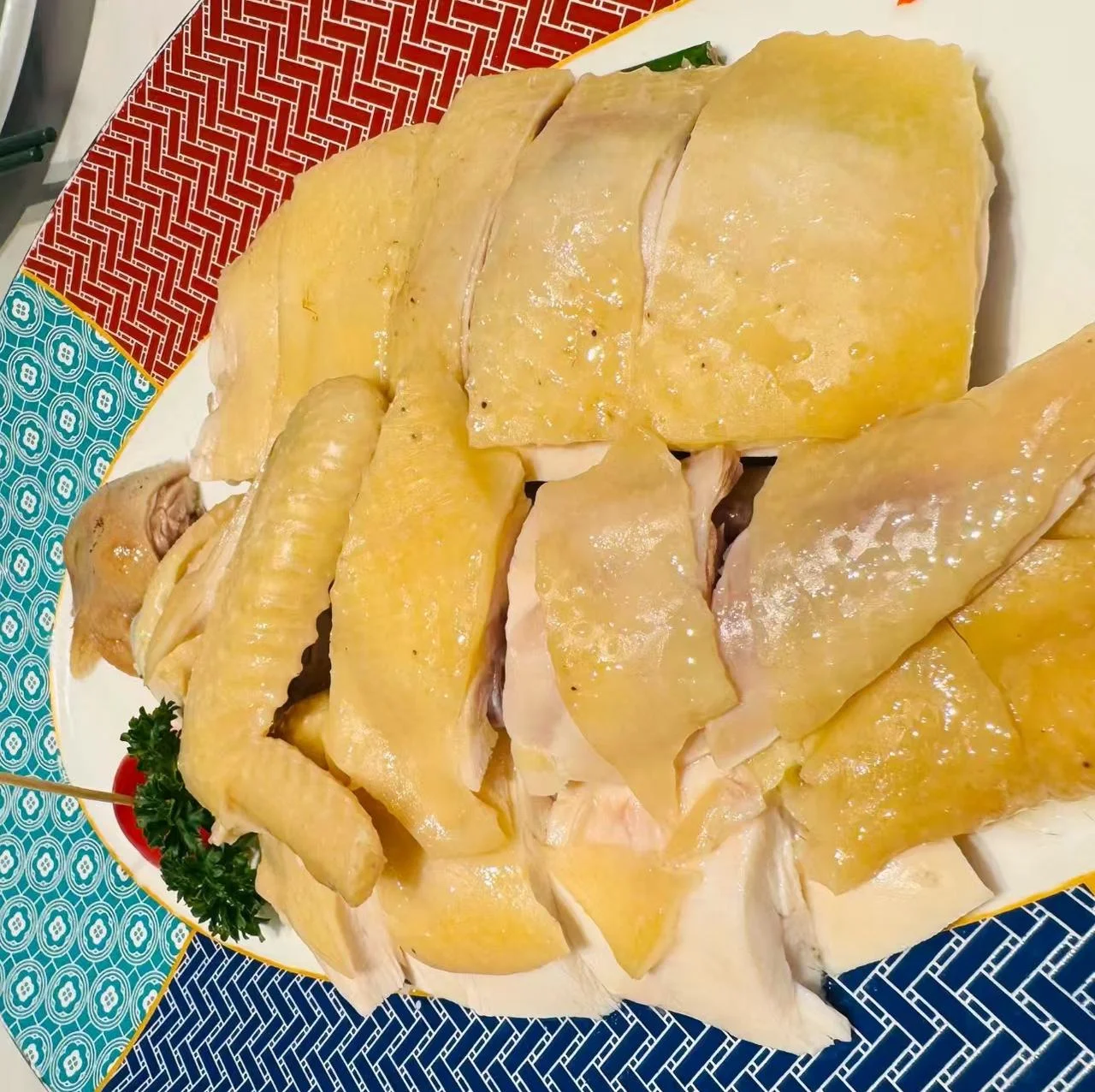
(Poached chicken)
Tasting Locations: You can experience this in Guangdong, Hong Kong, Macau, and other regions.
Dim sum is an important way to experience Cantonese dim sum culture. After enjoying the food, you can visit the Chen Clan Academy and the Canton Tower in Guangzhou.
Fujian Cuisine (Fujian Province)
Fujian cuisine is renowned for its delicious dishes made with ingredients from both the mountains and the sea, with "freshness" being its core principle. Fujian cuisine skillfully utilizes local specialties such as red yeast rice, shrimp oil, and fermented rice wine lees to create a unique sweet, sour, and mellow flavor.
Therefore, people with seafood allergies or who are not accustomed to the taste of fermented rice wine lees should choose Fujian cuisine with caution.
Representative dishes: Buddha Jumps Over the Wall, Lychee Pork, Oyster Omelet
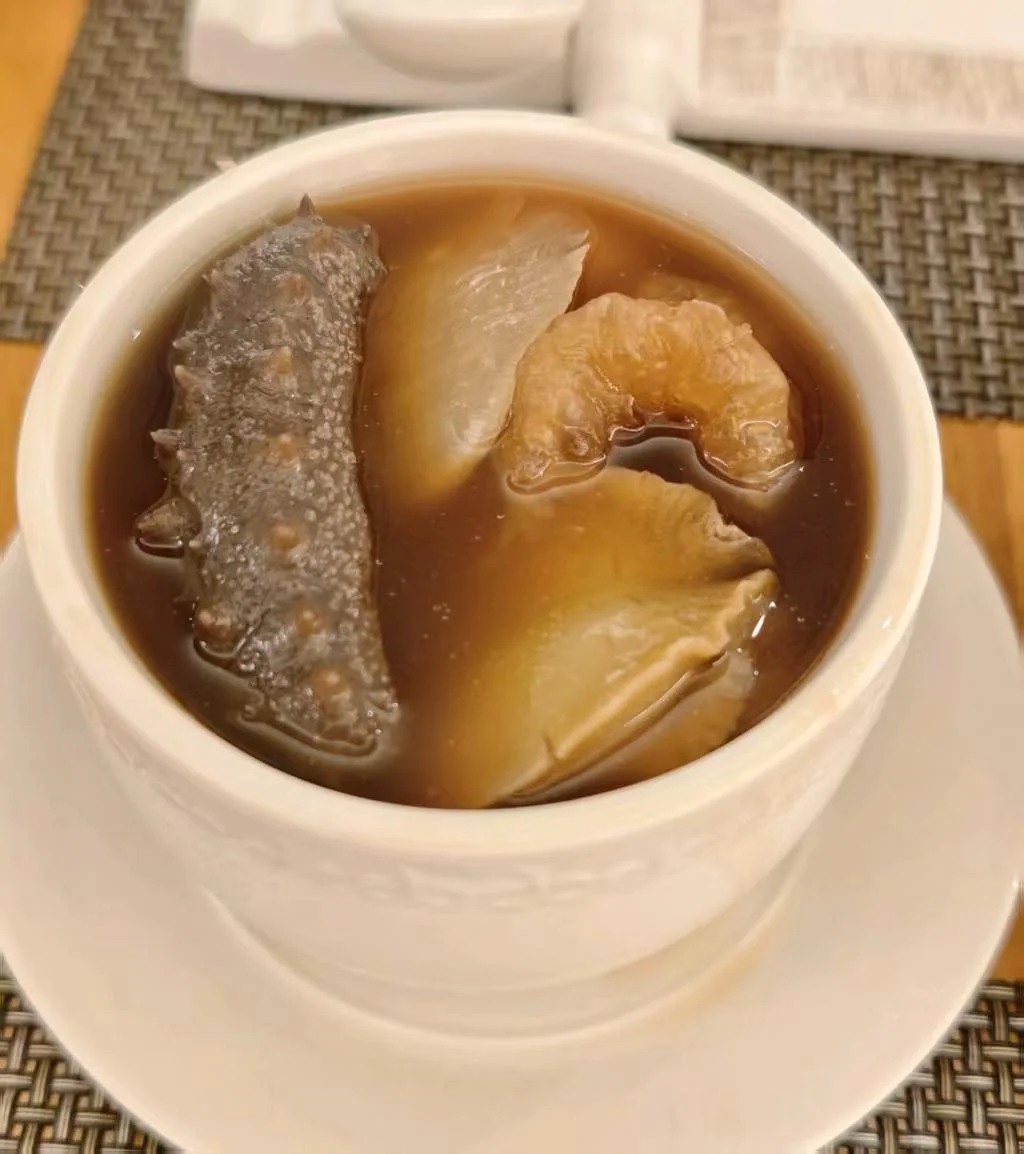
(Buddha Jumps Over the Wall)
Recommended areas: Fuzhou, Xiamen, Quanzhou
Fujian and Xiamen are located near the coast, so seafood is abundant. Like Guangdong, the climate is warm year-round, making it a good choice for escaping the cold.
Jiangsu Cuisine (Jiangsu Province)
The style of Jiangsu cuisine is as exquisite as the gardens of Suzhou. It tends to be sweet, and many classic dishes are slow-cooked. Visitors who enjoy a sweet and savory flavor can sample dishes such as braised lion's head meatballs, squirrel-shaped mandarin fish, and Nanjing salted duck in Suzhou.
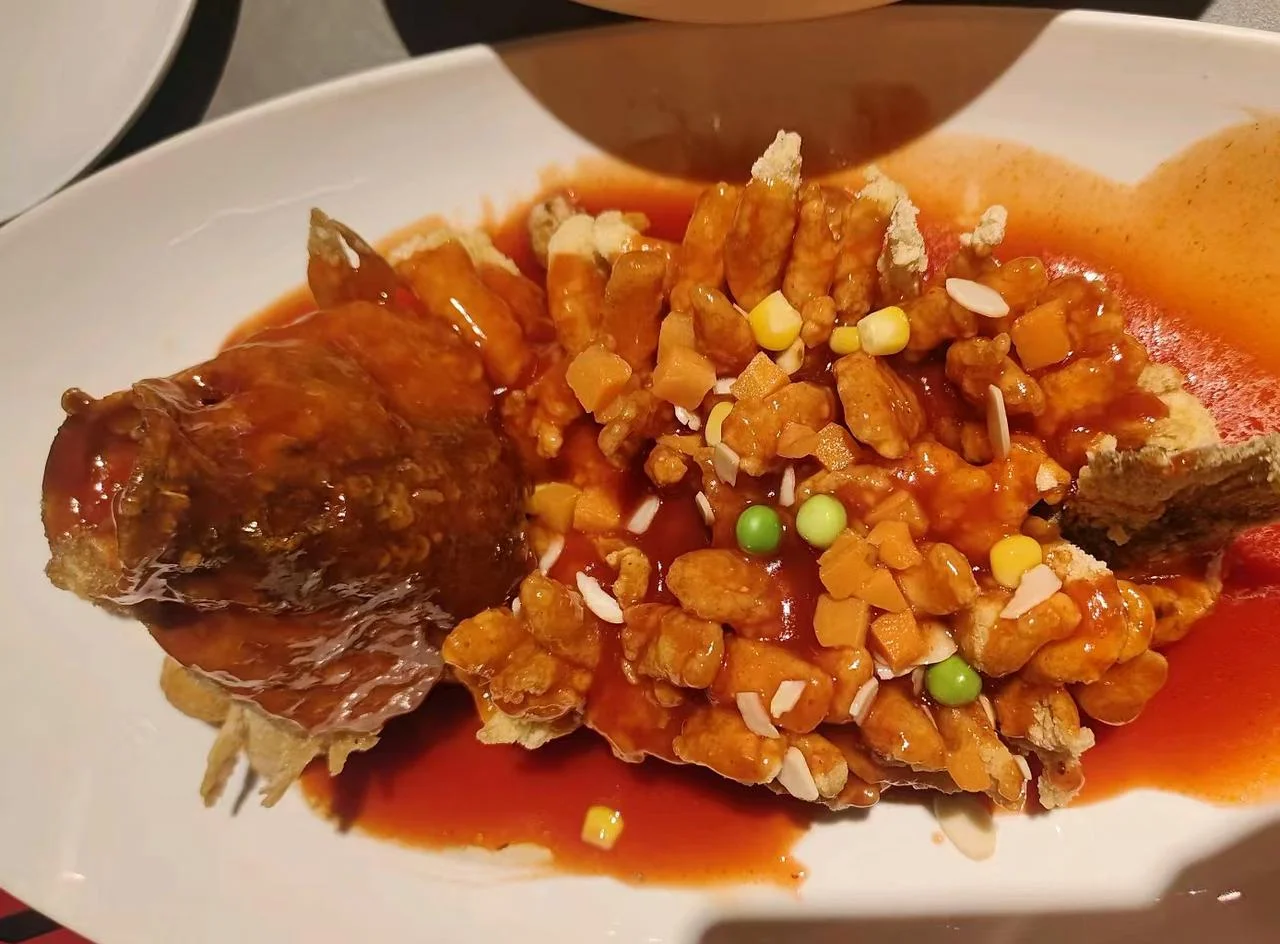
(squirrel-shaped mandarin fish)
Recommended areas: Nanjing, Suzhou, Yangzhou
Jiangsu offers more than just delicious food; it also boasts traditional Chinese gardens. When visiting Jiangsu, it's recommended to go to Suzhou to explore its gardens. Alternatively, you can combine your visit with trips to Shanghai and Hangzhou.
Zhejiang Cuisine (Zhejiang Province)
Zhejiang cuisine blends the richness of Northern Chinese cuisine with the delicacy of Southern Chinese cuisine. Dishes emphasize "light oil, light sauces, and light sugar," maintaining bright colors and a crisp, tender texture.
Seafood marinated raw in the Ningbo and Zhoushan areas is very famous; those with sensitive stomachs should try it with caution.
Representative dishes: Dongpo Pork, Longjing Shrimp, Song Sao Fish Soup
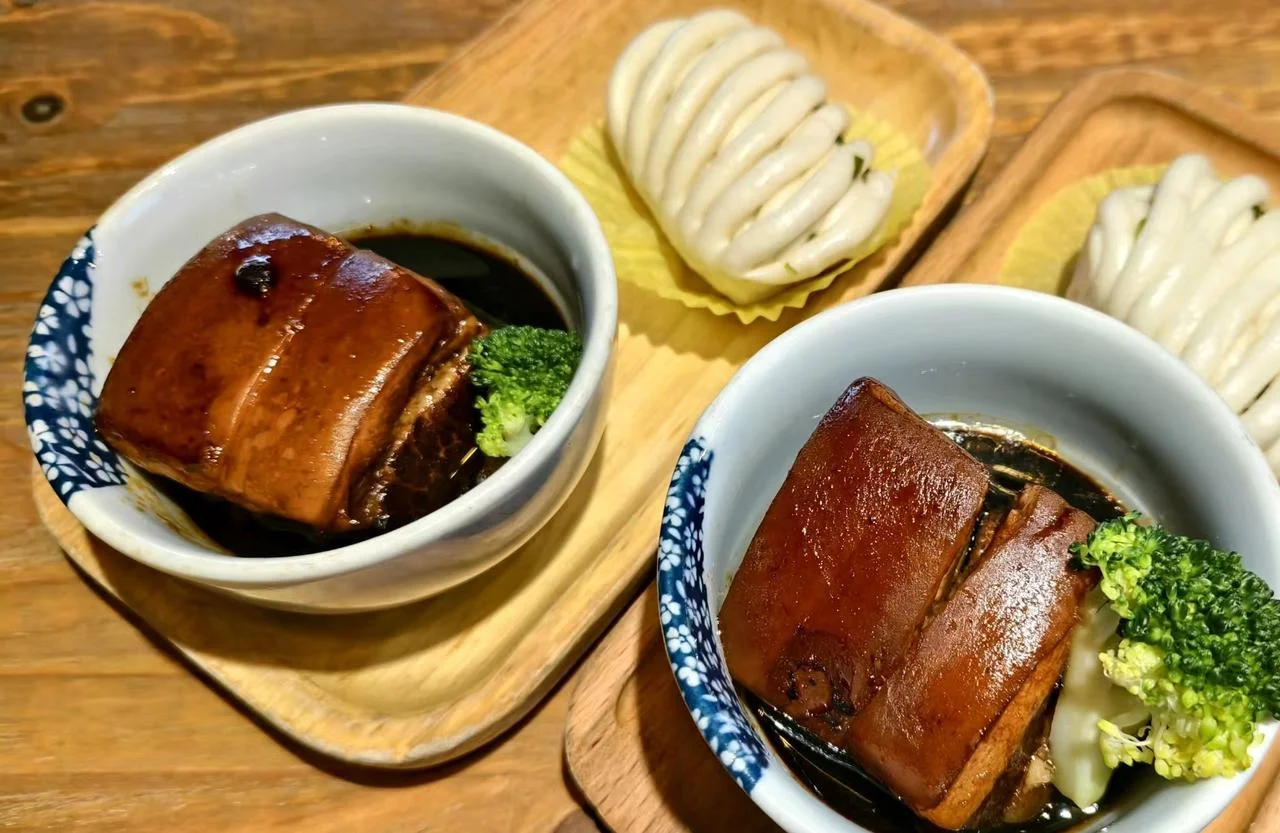
(Dongpo Pork)
Tasting Locations: Hangzhou, Ningbo, Shaoxing
If you're unfamiliar with Ningbo, Shaoxing, or other famous cities in China, don't worry, you can enjoy these delicacies right here in Hangzhou. You can also take a boat trip on West Lake and see the Leifeng Pagoda, the legendary site where the White Snake was imprisoned.
Sichuan Cuisine (Sichuan Province)
Sichuan cuisine is far more than just "spicy and numbing." It boasts a system of "a hundred dishes, a hundred flavors," skillfully using various spices (chili peppers, scallions, garlic) to create a multitude of tastes. Sichuan cooking methods primarily involve stir-frying, dry-frying, and braising, emphasizing a rich aroma.
Of course, Sichuan cuisine isn't just about spiciness. If you're a tourist who can't handle spice, you can tell the restaurant you want a non-spicy option. When visiting Sichuan, we highly recommend trying hot pot at least once!
Representative dishes: Kung Pao Chicken, Mapo Tofu, Spicy Chicken (Sichuan sausage is also a unique delicacy).
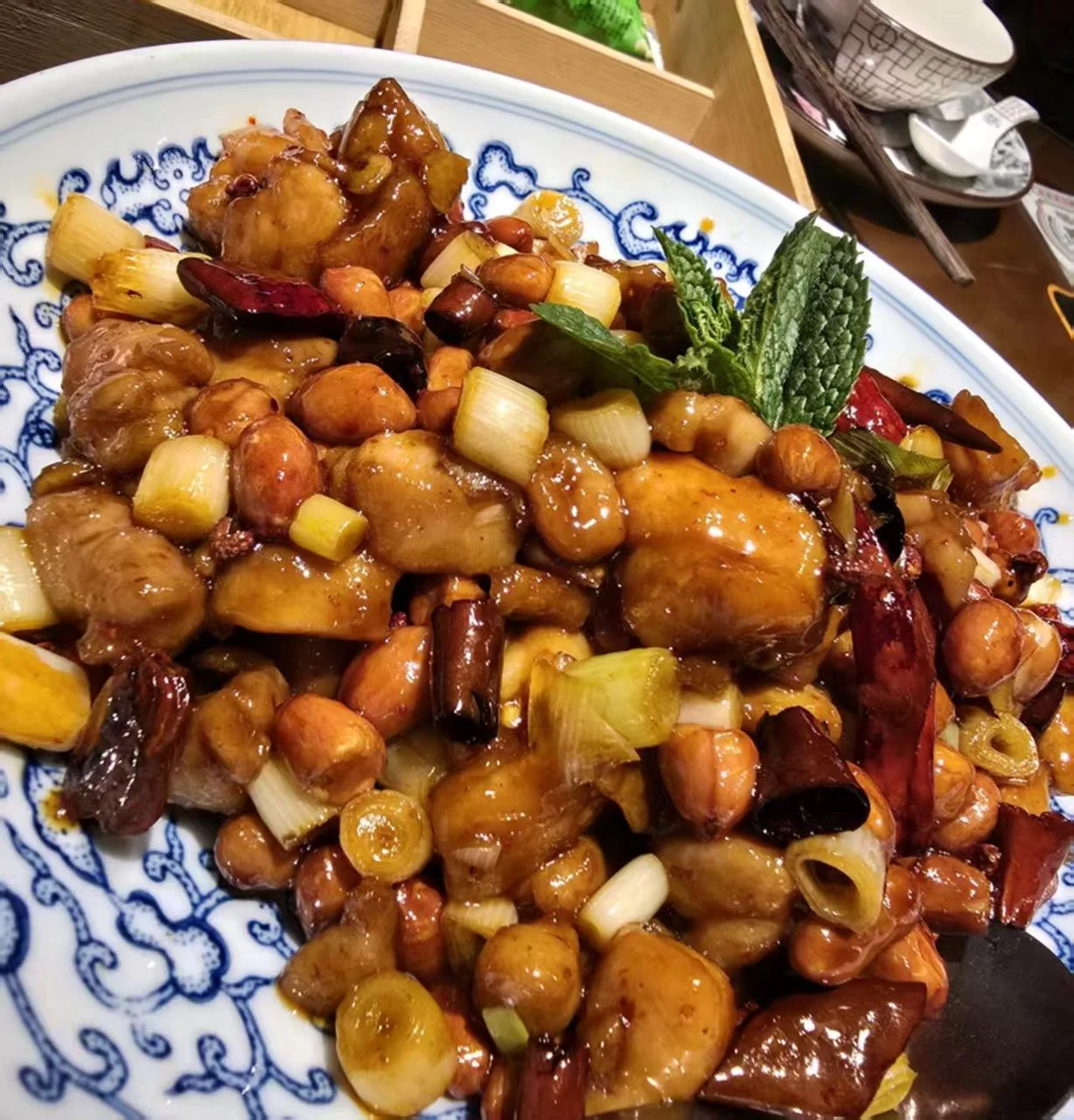
(Kung Pao Chicken)
Tasting Areas: Chengdu, Chongqing
Sichuan is not only famous for its food, but also for its stunning scenery, unlike any other region. You can even see giant pandas in Chengdu!
Sichuan is located in southwestern China. If you want to learn more about western cuisine, you can check out information about northwestern Chinese cuisine.
Lu cuisine (Shandong province)
Lu cuisine is representative of Northern Chinese cuisine, emphasizing a "pure and savory" flavor. It favors soy sauce and fermented bean paste for seasoning and excels in cooking seafood and rich broths.
Lu cuisine tends to be on the salty side and pairs well with staple foods (steamed buns, rice, etc.).
Representative dishes: Braised sea cucumber with scallions, braised pork intestines, sweet and sour Yellow River carp
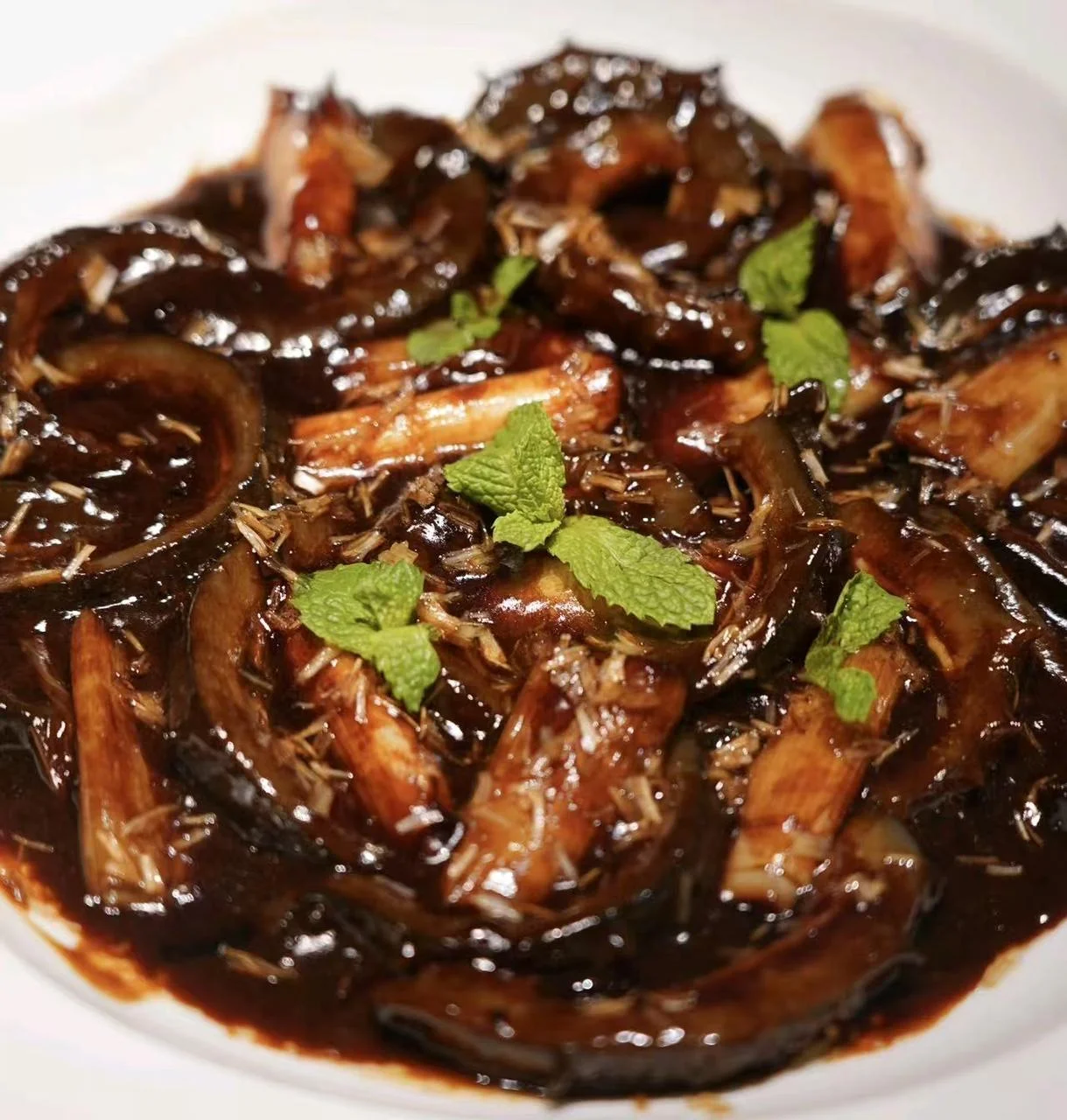
(Braised sea cucumber with scallions)
Tasting locations: Qingdao, Jinan, Yantai
For more information on Northern Chinese cuisine, please see the website "Northern Chinese Cuisine".
Hunan Cuisine (Hunan Province)
Hunan cuisine is known for its "sour and spicy," "fragrant and fresh," and "intense" flavors. Unlike the numbing spiciness of Sichuan cuisine, Hunan cuisine's spiciness is more direct and intense. Those who cannot tolerate spice should specify this. In Hunan and surrounding areas, cured meats and smoked dishes are specialty delicacies that can be preserved for a long time. "Stinky tofu" is a specialty snack of Hunan.
Representative dishes: Steamed Fish Head with Chopped Chili, Stir-fried Beef with Yellow Peppers, Mao-style Braised Pork Belly
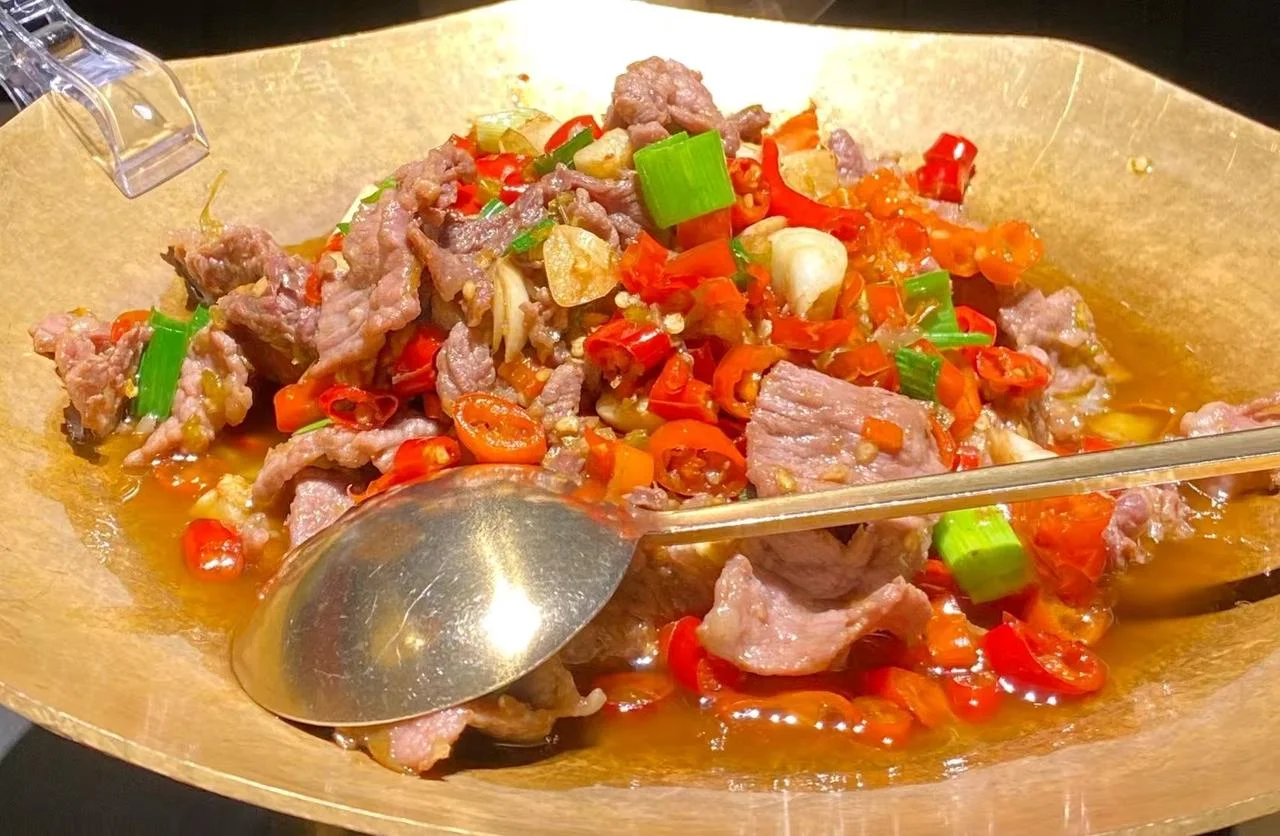
Tasting Areas: Changsha, Xiangtan, Western Hunan
Besides the food, you can also visit places like Zhangjiajie to experience the magnificent peaks of Zhangjiajie National Forest Park, the filming location for the movie "Avatar 3," and the mysterious Miao villages of Fenghuang Ancient Town.
Anhui cuisine (Hui cuisine)
Anhui cuisine is one of the less well-known of China's eight major cuisines. It is famous for its unique cooking style from the Huangshan region, characterized by the use of carefully selected wild ingredients, most of which are sourced from local mountainous areas, resulting in fresher and more tender ingredients.
Note: "Stinky Mandarin Fish" (fermented mandarin fish) is a fermented dish.
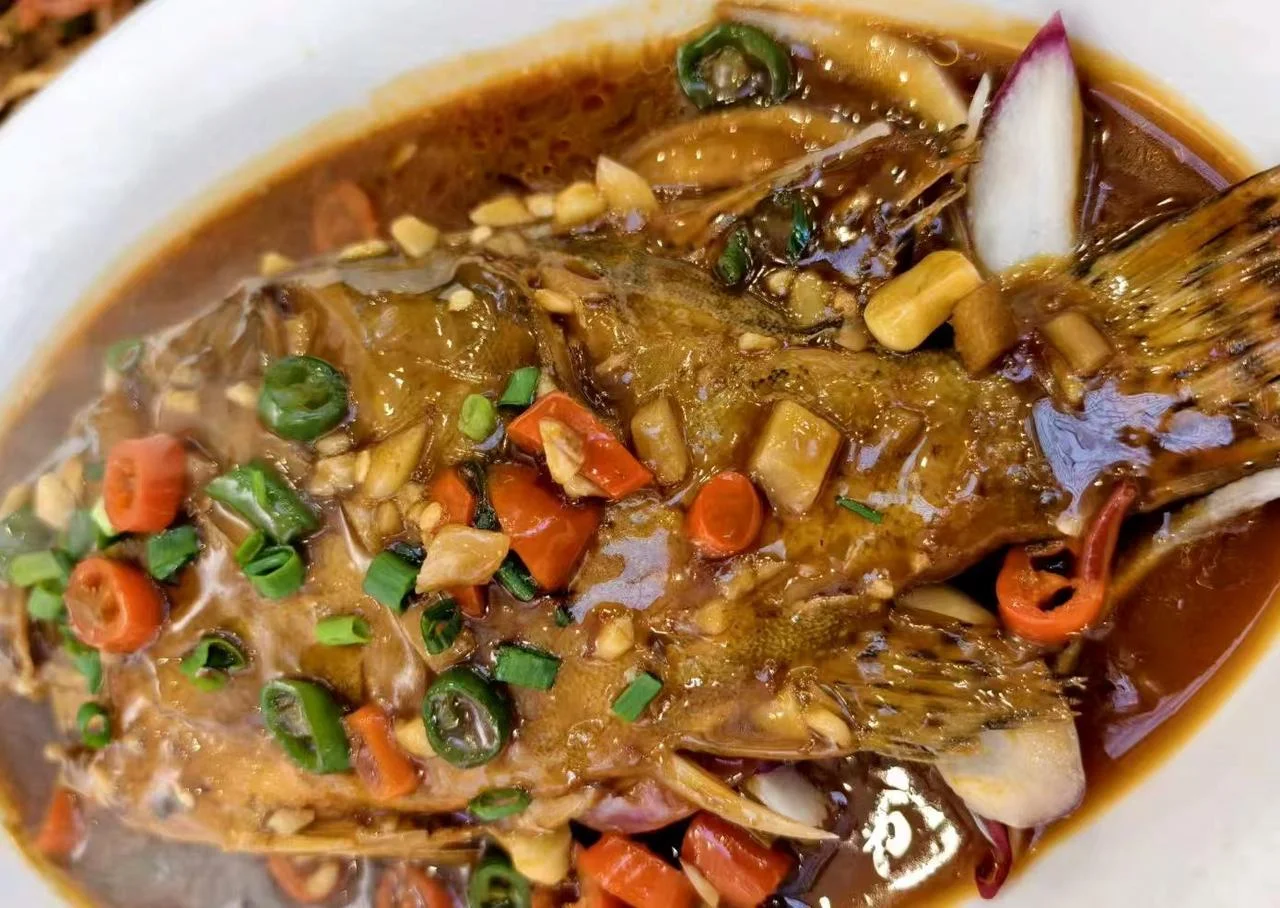
Representative dishes: Marinated mandarin fish, Jixi hot pot, Wenzheng Mountain bamboo shoots
Regions where it was enjoyed: Huangshan (Ancient Huizhou), Hefei
General Precautions
Flavor Differences: The eight major Chinese cuisines vary significantly in flavor, ranging from light (Cantonese, Zhejiang) to savory (Shandong), sweet (Jiangsu), and spicy (Sichuan, Hunan). Please choose according to your own taste preferences. When ordering, you can proactively specify your requests such as "less salt," "no spice," or "less oil."
Spiciness Considerations: Sichuan and Hunan cuisines are known for their spiciness, especially Hunan cuisine, which has a direct and intense spiciness. If you are not used to spicy food, be sure to inform the server in advance that you prefer "no spice" or "mild."
Seafood and Allergies: Seafood is common in Fujian, Zhejiang, and Shandong cuisines. If you are allergic to shrimp, crab, shellfish, peanuts, sesame seeds, etc., please clearly inform the server of any food allergies when ordering.
Raw and Marinated Foods: Raw marinated seafood is available in Ningbo and Zhoushan, Zhejiang. Those with sensitive stomachs, pregnant women, children, and those trying raw food for the first time are advised to avoid this.
Dining Etiquette and Hygiene: It is recommended to use serving chopsticks and spoons; choose street food stalls with good hygiene; do not drink tap water directly, bottled water is preferred.
Religion and Vegetarianism: Chinese cuisine often uses lard, chicken essence, oyster sauce, etc. Vegetarians, halal, and kosher individuals should communicate with the restaurant in advance.
Emergency Preparation: If unsure of food tolerance, carry commonly used digestive or anti-allergy medications. Seek medical attention immediately if severe discomfort occurs.
Note: This article provides general cultural guidance. Individual experiences may vary. Always approach cultural learning with an open mind.