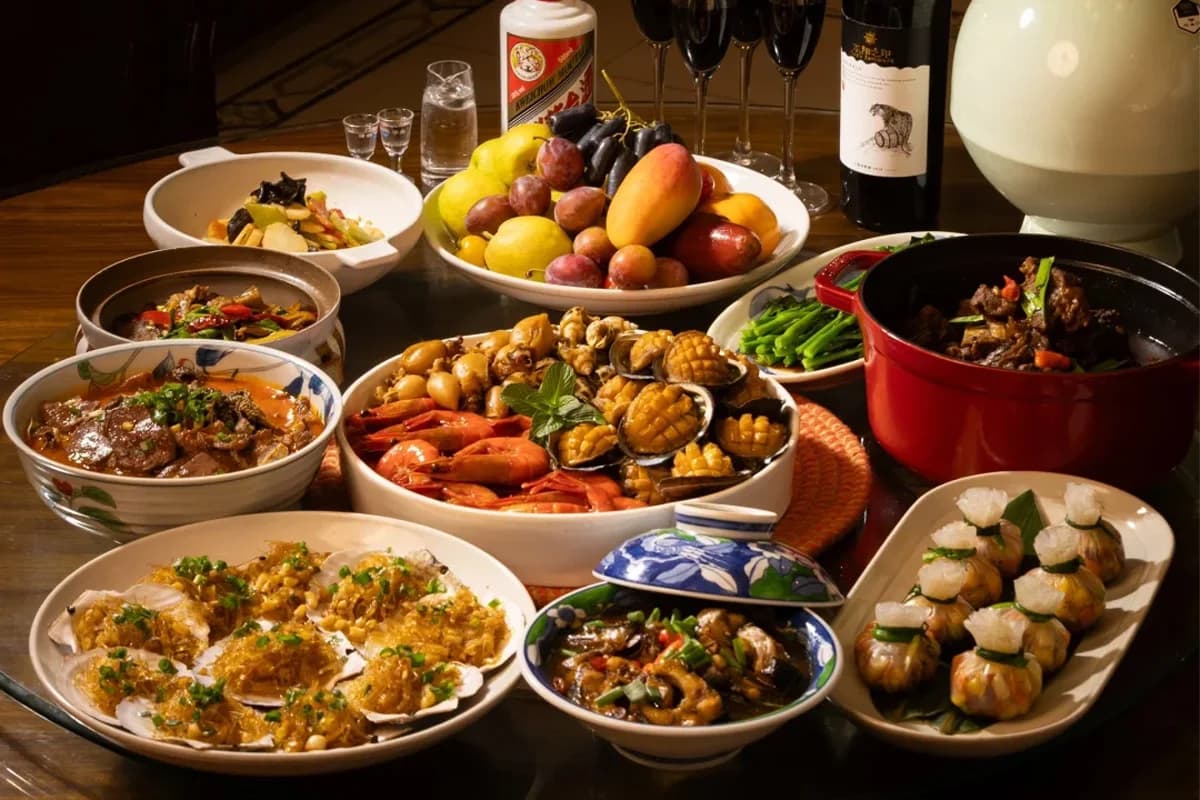

Stepping into a bustling Chinese restaurant is a highlight of any trip to China, but the experience can be daunting for first-time visitors. A sea of unfamiliar characters, the lively chatter of diners, and a menu that seems like a cryptic puzzle can leave you feeling lost. This comprehensive Chinese food ordering guide is designed to turn that confusion into confidence, empowering you to navigate any menu and order a delicious meal with ease.
Whether you're in a high-end Beijing restaurant or a humble street-side eatery in Chengdu, understanding the basics of how to order Chinese food is your key to unlocking the country's incredible culinary culture. We'll demystify the menu, teach you essential phrases, and explain the logic behind the names of popular dishes, ensuring you get exactly what you want.
Decoding the Chinese Menu: A Step-by-Step Guide
Before you can order, you need to understand what you're looking at. A typical Chinese menu is often organized by cooking method and main ingredient, not by courses like in Western restaurants. This structure is the first secret to successfully how to read a Chinese menu.
Don't be intimidated by the length. Instead, look for section headings. Recognizing these categories will help you quickly find the types of dishes you're in the mood for, whether it's sizzling hot pot, delicate steamed fish, or fiery stir-fries.
Common Menu Sections and Categories
While every restaurant is different, most menus follow a similar organizational pattern. Here are the most common sections you'll encounter.
冷盘 (Lěng pán) - Appetizers/Cold Dishes: These are served first and are perfect for sharing. Think of dishes like smashed cucumber salad or cold drunken chicken.
主菜 (Zhǔ cài) - Main Dishes: This is the heart of the meal, typically featuring meat, poultry, or seafood prepared with various cooking methods.
蔬菜 (Shūcài) - Vegetable Dishes: Essential for balancing a meal. These are often simple stir-fries that highlight the freshness of the produce.
汤 (Tāng) - Soups: Can be light and clear or rich and hearty. Soup is often enjoyed throughout the meal, not just as a starter.
主食 (Zhǔshí) - Staples: This is where you'll find rice, noodles, dumplings, and buns. These are essential for completing your meal.
Understanding Cooking Methods in Dish Names
The second part of our Chinese food ordering guide involves understanding the verbs that describe how a dish is cooked. This is a crucial part of Chinese menu translation. The cooking method often comes before the main ingredient.
炒 (Chǎo): Stir-fried. This is the most common method. (e.g., 炒牛肉 - Stir-fried Beef).
炸 (Zhá): Deep-fried. (e.g., 炸鸡 - Deep-fried Chicken).
蒸 (Zhēng): Steamed. A healthy and delicate method. (e.g., 蒸鱼 - Steamed Fish).
烤 (Kǎo): Roasted or barbecued. (e.g., 烤鸭 - Roasted Duck, as in Peking Duck).
红烧 (Hóngshāo): Braised in a savory, often slightly sweet, soy-based sauce. (e.g., 红烧肉 - Red-Braised Pork Belly).
Essential Mandarin Phrases for Ordering Food
While major cities have restaurants with English menus, venturing off the beaten path requires a few key phrases. Learning some basic Mandarin phrases for ordering food will not only make your life easier but will also be greatly appreciated by restaurant staff.
You don't need to be fluent. A few polite words and phrases can go a very long way in enhancing your dining experience and showing respect for the local culture.
Key Phrases to Get Started
Memorize these essential Chinese restaurant phrases to handle the basic flow of ordering. Practice the pronunciation; tone is important, but locals will be patient and helpful.
你好 (Nǐ hǎo): Hello. A simple and polite way to get a server's attention.
菜单 (Cài dān): Menu. Point to this word if you don't automatically receive one.
这个 (Zhè ge): This one. The most useful word for ordering! Just point to a dish on the menu and say "Zhè ge."
我要... (Wǒ yào...): I want... You can use this to state your order directly (e.g., "Wǒ yào jiǎozi" - I want dumplings).
谢谢 (Xiè xie): Thank you. Always good manners.
Phrases for Dietary Needs and Preferences
Communicating dietary restrictions is crucial. While vegetarianism is understood in cities, being specific is key. For severe allergies, it's best to have a card written in Chinese.
我不吃... (Wǒ bù chī...): I don't eat... (e.g., "Wǒ bù chī ròu" - I don't eat meat).
我是素食者 (Wǒ shì sùshí zhě): I am a vegetarian.
不要辣 (Bù yào là): Not spicy, please.
微辣 (Wēi là): A little spicy.
买单 (Mǎi dān): Check, please. This literally means "to settle the bill."
Chinese Dish Names Explained: A Glossary of Classics
Many famous Chinese dishes have names that don't directly translate. Understanding the stories and meanings behind these names is a fascinating part of the culture. This section will provide a clear Chinese dish names explained guide to some must-try items.
Knowing what these iconic dishes are will help you recognize them on a menu and order with confidence, ensuring you don't miss out on the country's greatest culinary hits.
宫保鸡丁 (Gōngbǎo Jīdīng) - Kung Pao Chicken: A classic Sichuan dish of diced chicken, peanuts, chili peppers, and Sichuan peppercorns. The name "Gongbao" is a title, named after a late Qing Dynasty official.
麻婆豆腐 (Mápó Dòufu) - Mapo Tofu: Another Sichuan classic, this is tofu set in a spicy, chili- and bean-based sauce, usually with minced meat. "Mapo" means "pockmarked grandmother," referring to the dish's creator.
饺子 (Jiǎozi) - Dumplings: These are a staple, especially in the north. They can be boiled, steamed, or pan-fried, with a variety of fillings like pork, cabbage, or shrimp.
北京烤鸭 (Běijīng Kǎoyā) - Peking Duck: The world-famous dish from Beijing. Crispy, roasted duck skin is sliced tableside and served with thin pancakes, spring onions, cucumber, and sweet bean sauce.
西红柿炒鸡蛋 (Xīhóngshì Chǎo Jīdàn) - Scrambled Eggs with Tomatoes: A beloved home-style dish that is simple, comforting, and found everywhere. It's a great option for a mild, familiar flavor.
Practical Tips for a Seamless Dining Experience
Knowing how to order Chinese food is one thing, but understanding the dining etiquette and logistics will make your meal even more enjoyable. Dining in China is often a shared, social experience.
Embrace the local customs. Meals are typically served family-style, with all dishes placed in the center of the table for everyone to share. This is your chance to try a little bit of everything.
Payment and Tipping
Be prepared for how to pay. Cash is still king in many local restaurants, though major chains and upscale places in big cities will accept international credit cards. Mobile payments like Alipay and WeChat Pay are ubiquitous, but setting them up requires a Chinese bank account, which can be difficult for short-term visitors.
Unlike in many Western countries, tipping is not a custom in China and is generally not expected. In fact, attempting to leave a tip can sometimes cause confusion. The price on the menu is the price you pay.
Navigating the Restaurant
When you enter a restaurant, you might be greeted by a host. It's common to be shown to a table. If the restaurant is busy, don't be shy about waving politely to get a server's attention. Remember the phrase "服务员 (Fúwùyuán)" which means "waiter/waitress."
Tea is often served automatically, and there may be a small per-person charge for the tea and tableware. This is standard. If you need more tea, simply take the lid off the teapot and place it to the side—this is a universal signal for a refill.
Final Thoughts on Your Culinary Adventure
Armed with this Chinese food ordering guide, you are now ready to dive into China's incredible food scene with confidence. Remember that the goal is to explore and enjoy. Don't be afraid to point, use simple phrases, or even order a dish just because the picture looks good.
Some of the best culinary discoveries happen by accident. Embrace the adventure, be open to new flavors, and use the knowledge from this guide to transform your meals from a source of stress into the highlight of your trip. Happy eating!
Disclaimer: This information is provided for reference only and was last updated on . Requirements and regulations may change. Always verify with official sources before making travel plans.